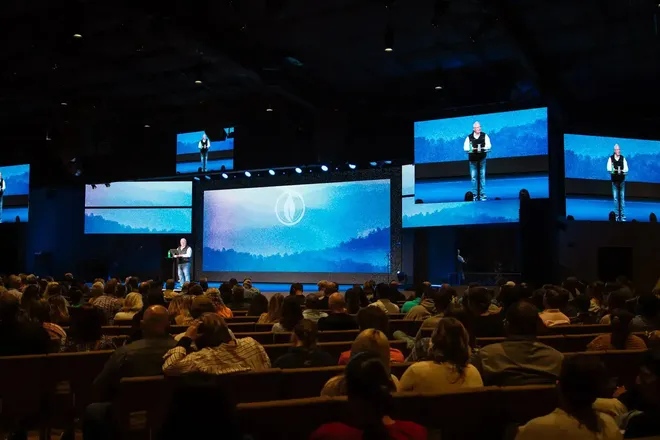

OOH advertising. Who are the buyers and how do they buy?
Understand how OOH advertising is bought and sold. From buyers and agencies to programmatic screens—here’s how the entire process works, start to finish.

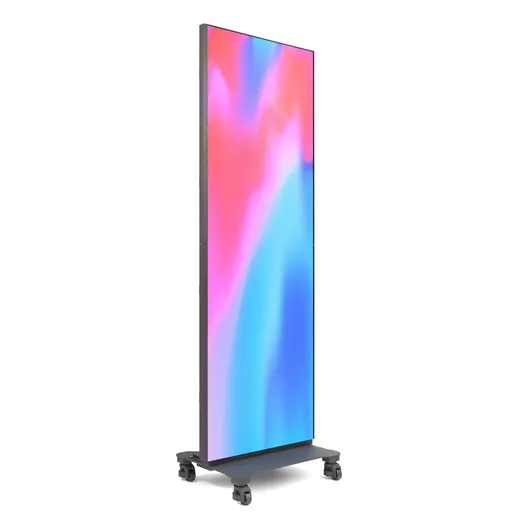
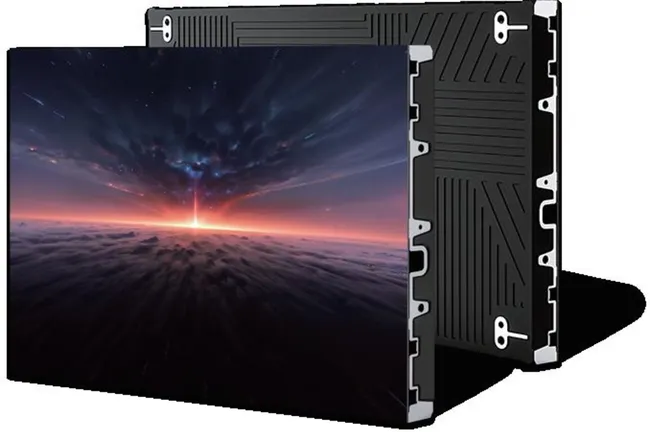 Eclipse COB Panels Micro pitch · 0.78–1.87 mm
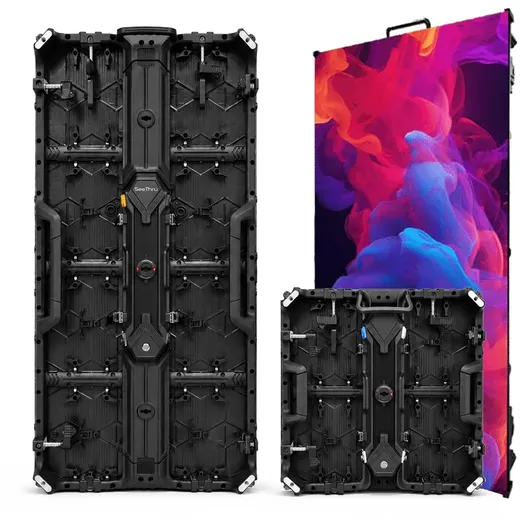 Obsidian Rental Panels Build your wall live
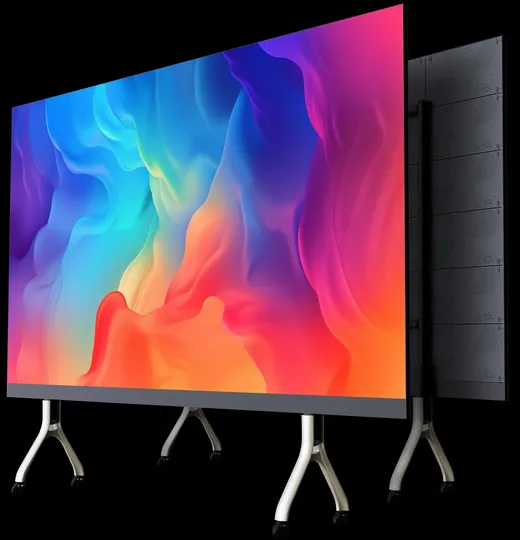
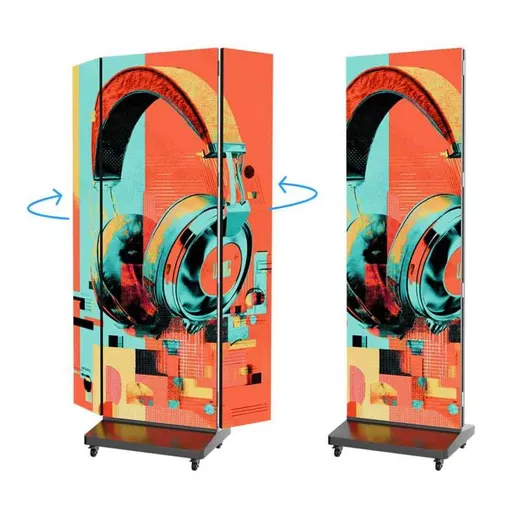
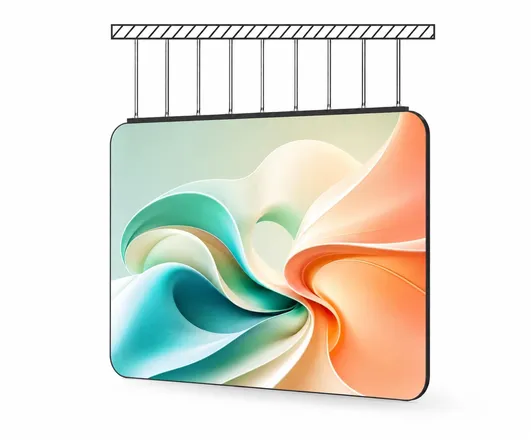 Gemini Double-Sided LED Two faces, one cabinet
Understand how OOH advertising is bought and sold. From buyers and agencies to programmatic screens—here’s how the entire process works, start to finish.

Struggling to prove billboard ROI? Learn how experts justify OOH budgets to execs using brand impact, location strategy, and real-world metrics.

Own land with a billboard? Learn how to negotiate a better lease with Clear Channel or others and secure higher rent, profit share, and stronger terms.

From buying locations to measuring results, here’s how billboard advertising works and what to watch out for—straight from marketers who've done it.

Are billboards still effective in 2025? Learn when they work, when they flop, and how smart brands turn roadside signs into high-ROI campaigns.

Struggling to sell OOH ads? Learn who to contact, when to pitch, and how to stand out to agencies and clients in today’s out-of-home advertising landscape.

Discover the real impact of billboard advertising in 2025—from brand awareness to digital KPIs. What works, what doesn’t, and how to do it right.

Why personal injury lawyers dominate billboards: frequency and recall, 30 to 40% contingency fees that fund the ads, and how billboards feed the funnel.

What a billboard on your land is worth: rural leases of $500 to $2,000 a year, what the sign earns in ads, and how to renegotiate with DOT traffic data.

Is Times Square advertising worth it? What 15-second slots and $5,000 to $50,000 days buy, why it builds clout rather than sales, and who should skip it.

How bathroom billboards in bars make money: $8 to $25 per ad a week, a 50/50 split with venues, about $300 a week profit on 100 placements, and the catches.

Why choose transparent OLED displays: up to 45% transparency with no backlight, low power use, accurate color, and uses from retail windows to museums.