Store-staff-friendly content
Most stores swap content through a manager or visual merchandiser, not an AV team. We make scheduling easy to learn, easy to repeat, and hard to break — campaigns push to every screen on time.
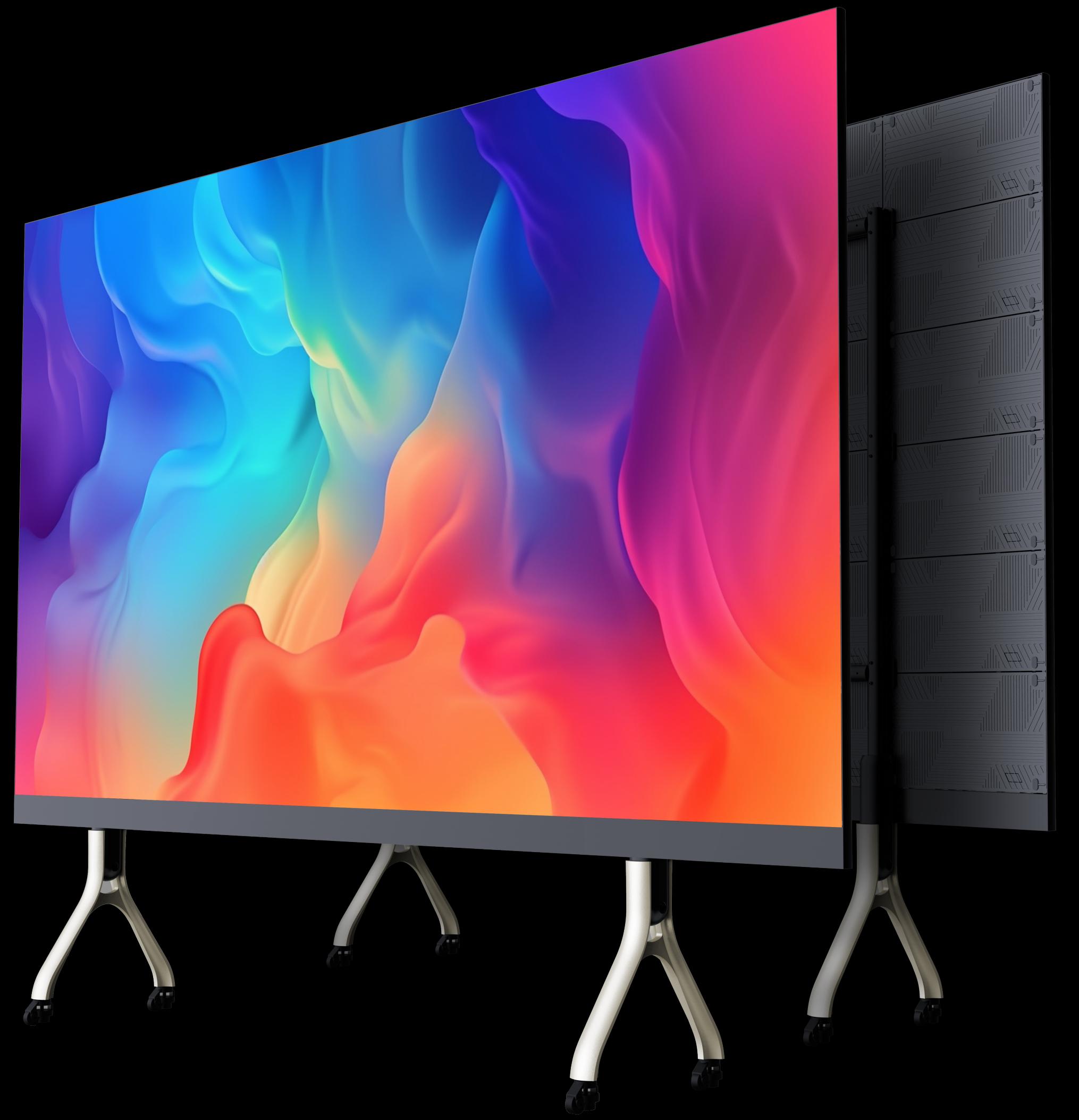
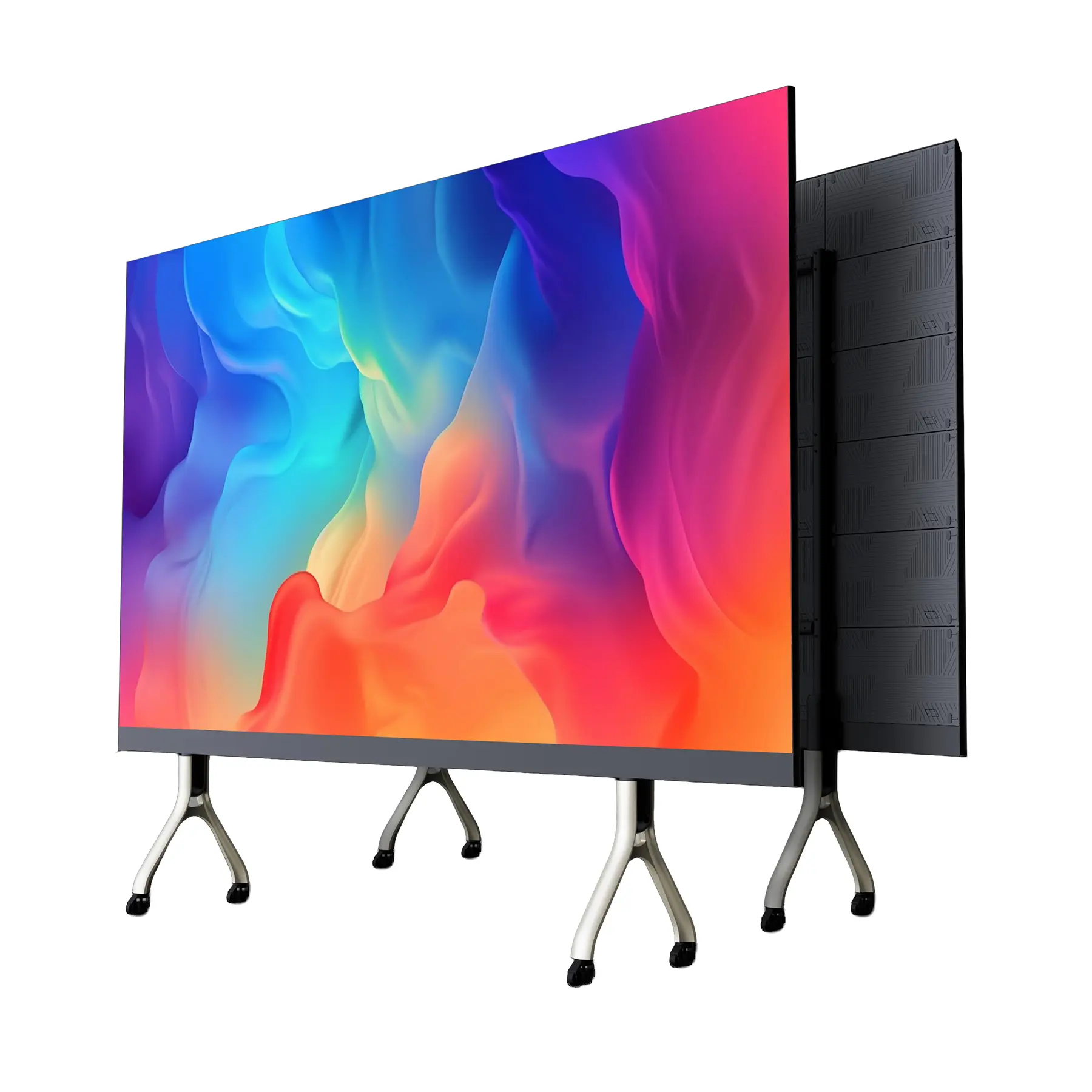
Titan All-in-One LED TV · 108″–162″
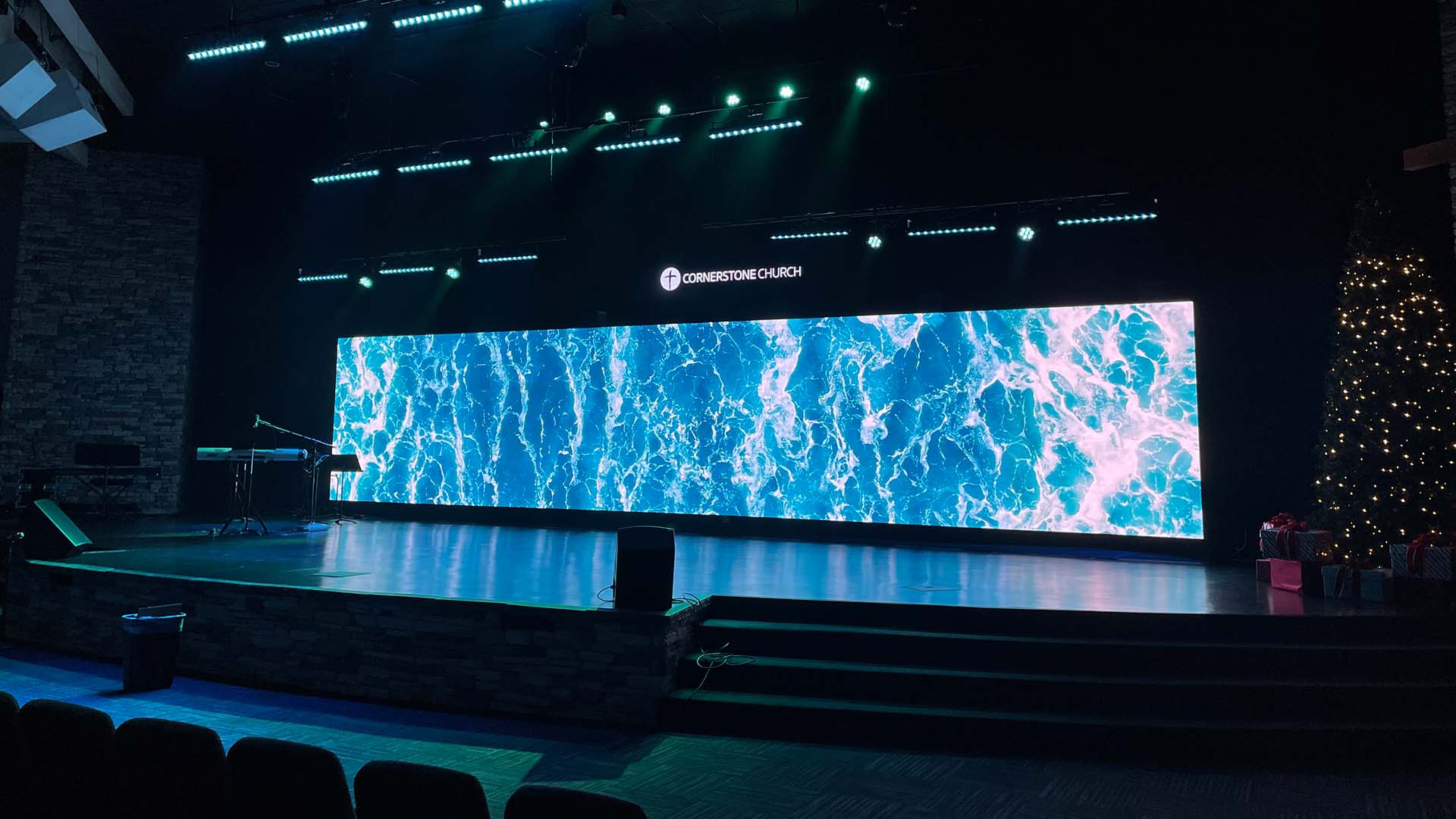
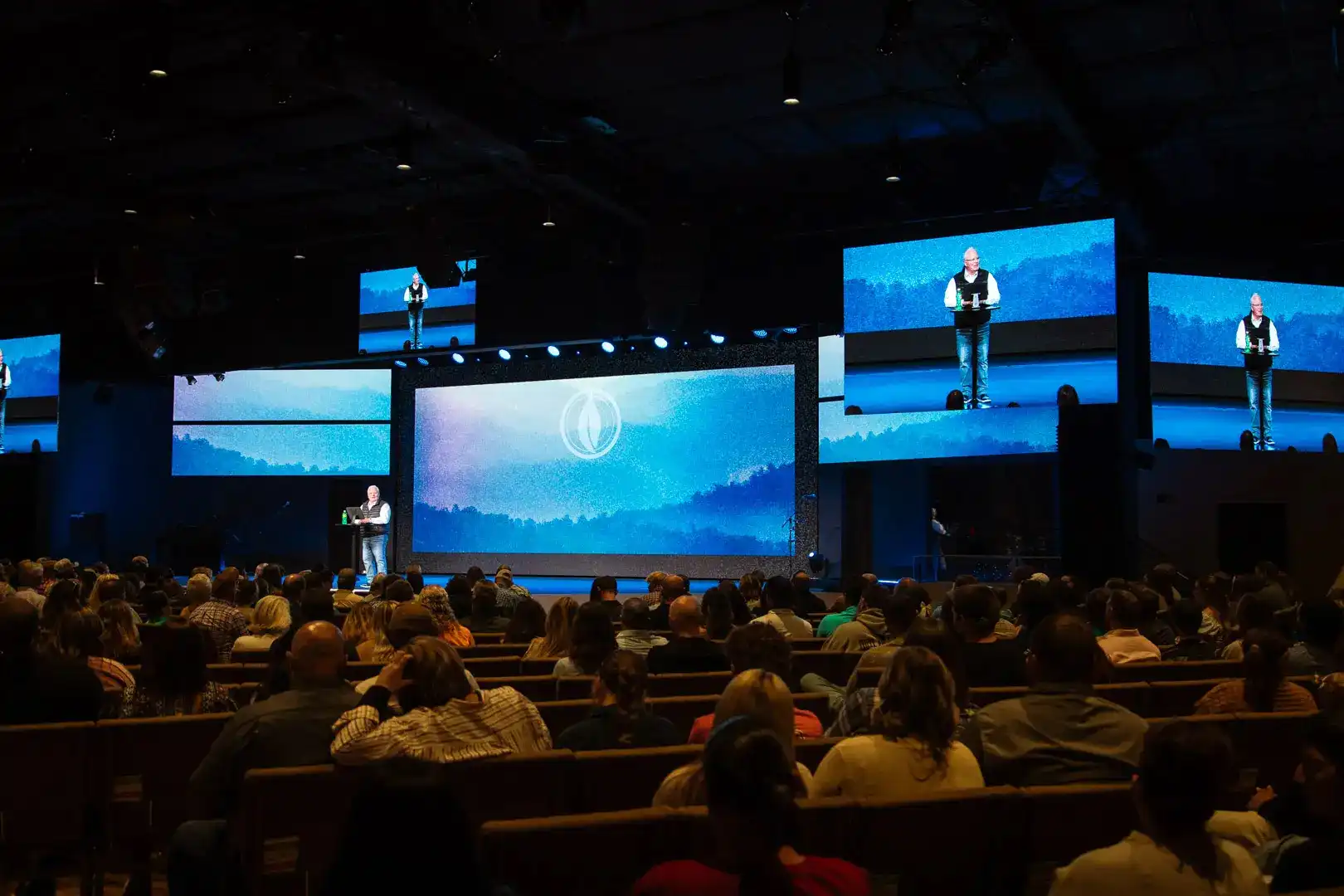
Worship & Churches · 240+ installs
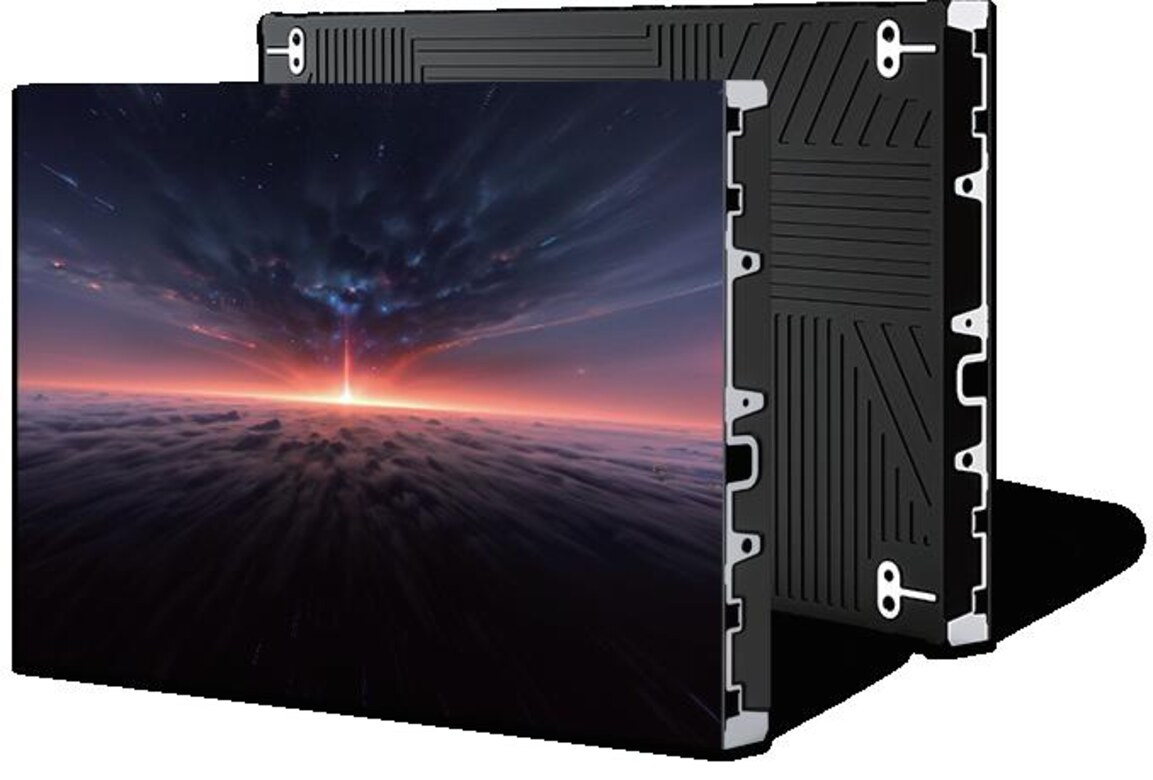
Eclipse COB Panels
Micro pitch · 0.78–1.87 mm
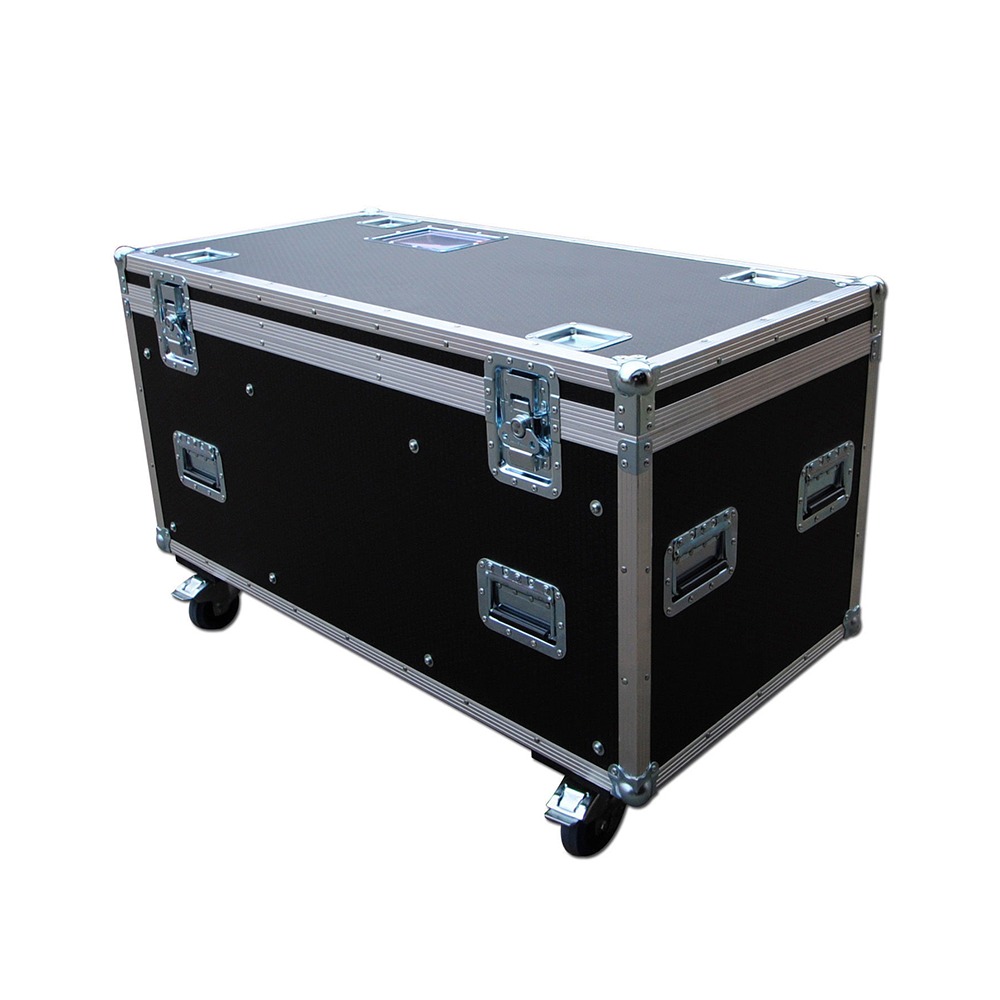
Obsidian Rental Panels
Build your wall live
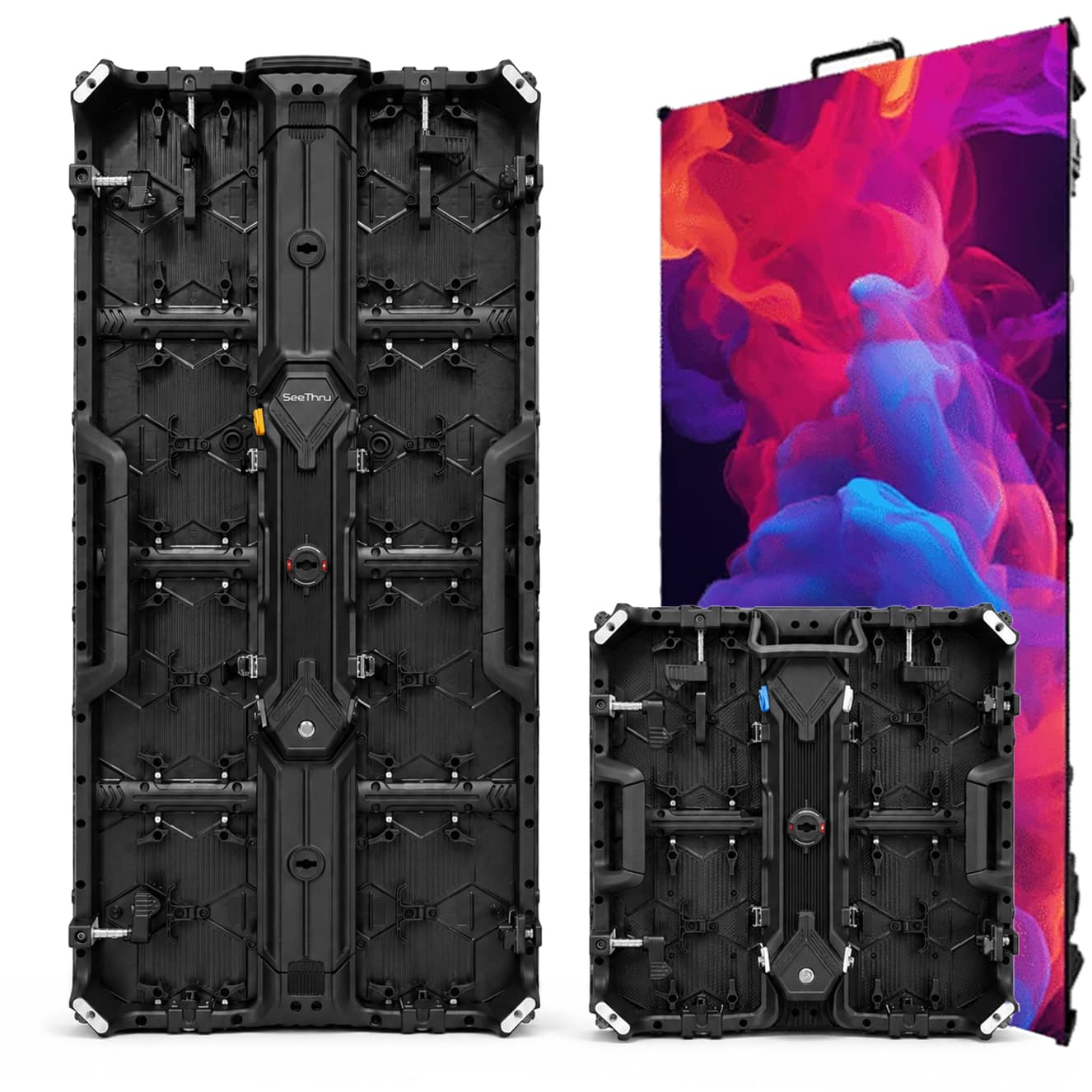
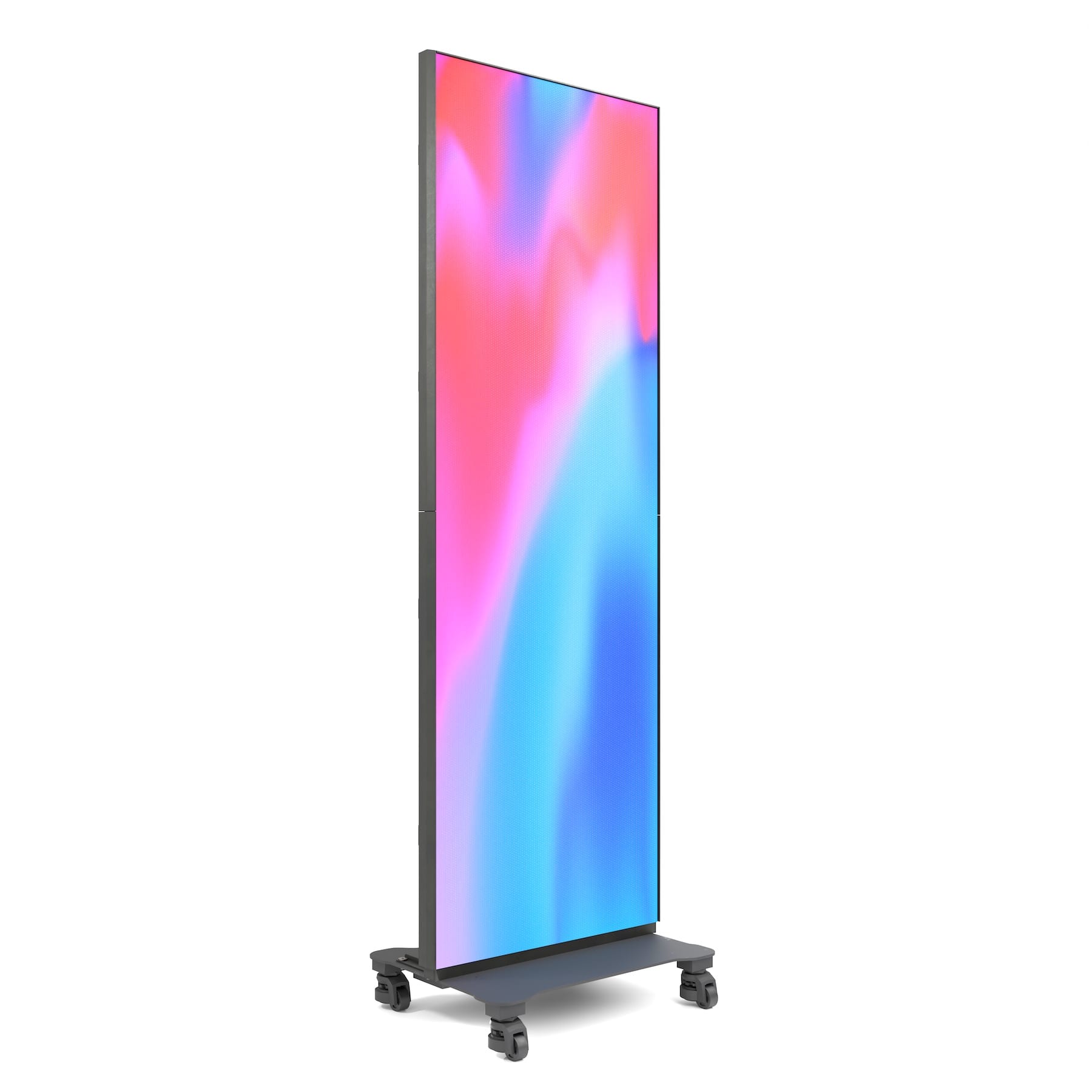
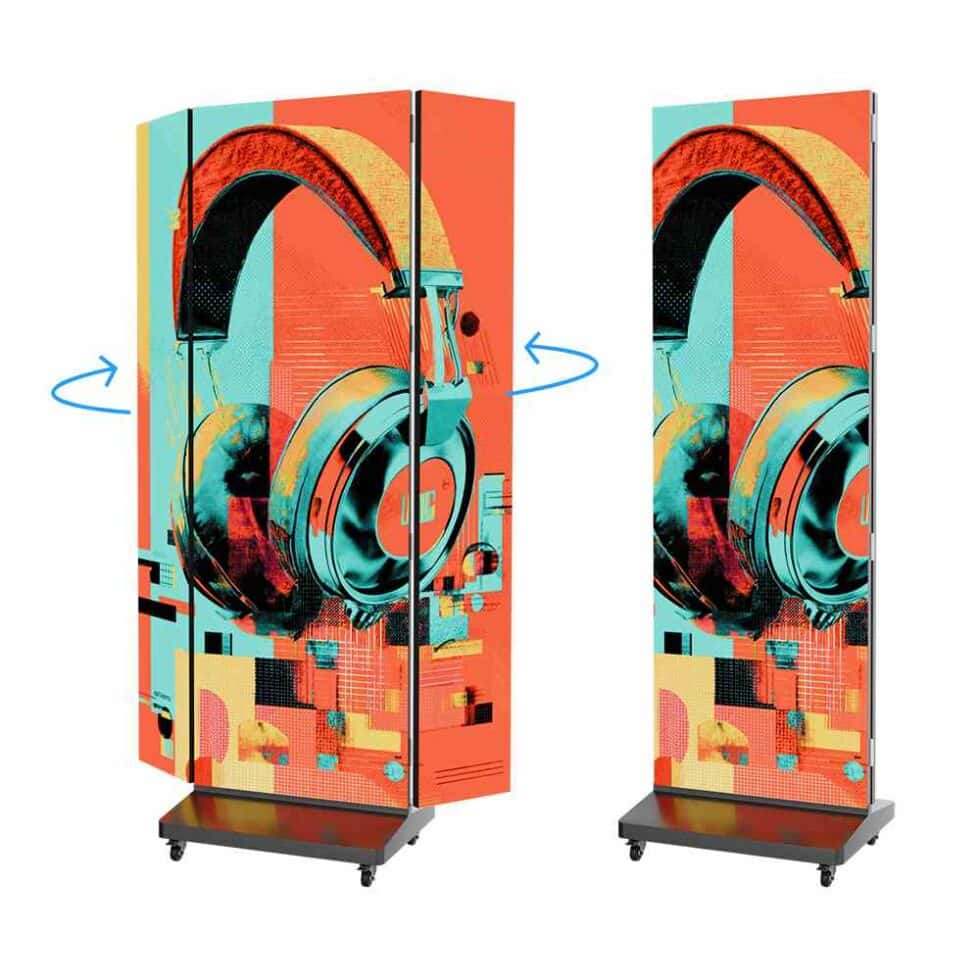
Gemini Double-Sided LED
Two faces, one cabinet
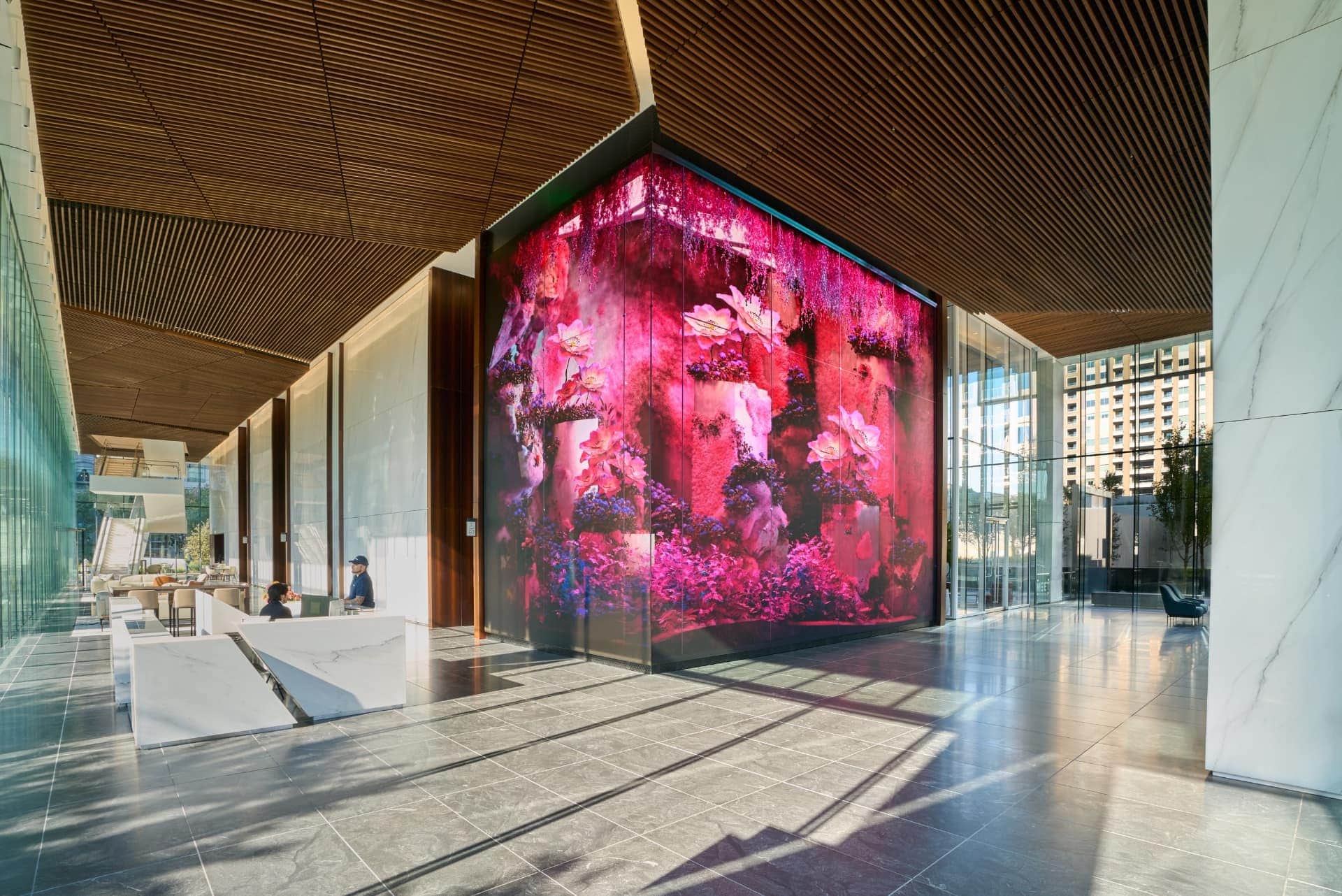
SeeThru designs and installs LED video walls for storefront windows, feature walls, checkout zones, and mall atriums - built for brand-true color, slim profiles, and content even non-technical store staff can swap.
Most retail installs fall into one of four sizes. Pick the closest match to jump-start the calculator with a typical specification — then tune it to your storefront.
Most retailers start with one wall — the storefront window or the feature wall — then add the rest across the floor plan or roll it out to more locations. SeeThru designs every install so the pieces work together when you're ready, from the window glass to the checkout queue.
Campaign hero spots, product launches, and price-point calls — bright enough to beat daylight glare on the glass.
When the feature wall has to carry the whole story. Lookbooks, lifestyle loops, seasonal campaigns.
Loyalty sign-ups, add-on offers, app QR codes.
Most stores swap content through a manager or visual merchandiser, not an AV team. We make scheduling easy to learn, easy to repeat, and hard to break — campaigns push to every screen on time.
Schedule a campaign in two clicksFrom open-to-close trading hours to extended mall holiday seasons, your LED wall needs to perform every hour the doors are unlocked — without dropping brightness or color.
Continuous-duty panels · 10-yr lifeWe keep the quote straightforward, with the major costs included up front. No mystery hardware. No vague installation number. No “we’ll figure it out later” surprises mid-rollout.
Transparent project pricingWhen a window goes dark mid-campaign, “submit a ticket” costs you sales. SeeThru gives retailers fast, practical support and remote content fixes from people who understand the trading day.
Support built around store hoursWe asked three of our retail partners what changed after they switched.
Our store managers were scheduling campaigns within a week. The first window we lit up, sales associates told us shoppers were stopping on the sidewalk to watch — foot traffic into the store went up that weekend.
I sat through five LED demos in two years. SeeThru was the only company that asked about our brand color standards and glare on the window, not just resolution. They quoted the storefront I actually have, not the one a salesperson wished I had.
The atrium wall has run every trading hour since the Friday before Black Friday in 2023. It hasn't gone down once. The same engineer who scoped the center still answers when I call - including the Saturday of our holiday late-night opening last year.
Answer three quick questions and instantly see estimated pricing. We’ll recommend the right LED wall size, pixel pitch, and system specs for your store.
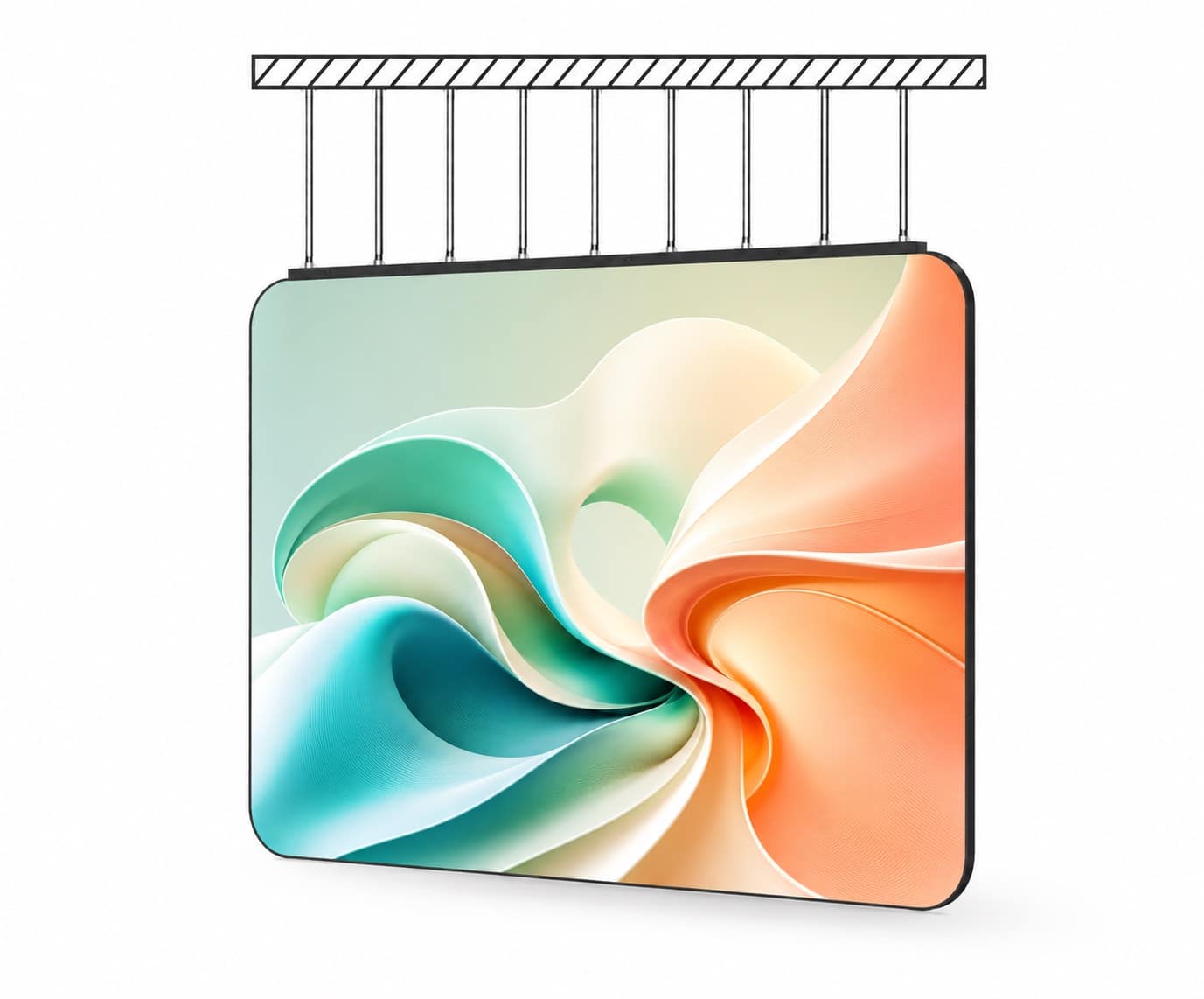
Tell us how you'll install it. We'll adjust the drawing as you pick.
Drag to size the wall. The preview updates live — the shopper in frame is six feet tall, so you can eyeball the proportions.
From the front of the wall to where shoppers stand. This sets the pixel pitch — we pick the LED density that reads sharp at that distance without spending budget you don't need to.
We'll prepare a tailored plan for your store — spec sheet, fit notes, and an honest ballpark. Usually back within three business days.
Thanks — you'll hear from our engineering lead within three business days with your tailored plan. A confirmation is on its way to your inbox.
Pixel pitch is the distance between LEDs - smaller numbers mean a sharper picture up close. The right pitch reads clean at arm's length. Most retail walls end up between P1.2 and P2.5.
A cross-section of SeeThru retail installations from the past two years. Brand names shared with permission
We know a retail LED wall is a major decision — often across many stores. That is why we keep the process clear: straightforward pricing, practical financing options, reliable warranty coverage, and support your store teams can actually reach.
Lease and financing options are available for retailers that want to spread the investment over time while preserving cash flow for inventory, staffing, and store operations — built for single sites or multi-location rollouts.
Every SeeThru retail installation includes warranty coverage for the LED panels, processor, and core system hardware, with support options available for long-term peace of mind across every location.
When your LED wall is the face of the store, support matters. SeeThru helps with training, remote content fixes, spare-part planning, and fast response when a window goes dark mid-campaign.
One team guides the project from measurement to installation and training. We help your store choose the right screen size, structure, processor, and service plan - then install it around your trading hours.
We review your storefront, floor plan, viewing distance, wall structure, and brand needs before recommending a system.
Your team gets a clear proposal with system specs, installation scope, timeline, and pricing before anything moves forward.
Your LED wall is configured, tested, and installed by a team that understands live retail environments.
After installation, we train your team and help you plan for long-term reliability, maintenance, and replacement parts.
Typical timeline: Most retail LED wall projects take 8–12 weeks from first call to installation, depending on size, structure, permitting, and scheduling.
Harbor Mercantile, Portland — opening day on the feature wall.
14 × 8 ft main · P1.8 · installed 2025Most retailers end up choosing between three options: a general AV integrator who resells what their distributor stocks; an LED-only reseller who'll ship cabinets but won't install them; or a turnkey LED specialist like SeeThru. Here's what's different.
Eight years of retail installs means most of your questions are ones we've answered before. Here are the eight that come up most often.
For a typical feature-wall install: 8 to 16 days on site, depending on rigging complexity and how much structural prep the space needs. We schedule around your trading calendar — not the other way around. We work overnight or before open where the store stays trading, and we stay out of peak weekend and holiday sales hours.
We will not start an install we can't finish with buffer before your next campaign launch on the wall. That's a written commitment in the contract.
Yes. The content scheduler is designed for store managers and merchandisers. Push campaigns in plain English. Date- and time-based playlists your head office builds once, then every location runs automatically. Backup loops and emergency fallbacks accessible from a single screen with no firmware menus.
Two on-site training sessions are included with every install. We bring printed scheduling templates. We come back at the six-week mark to retrain staff who joined since launch.
An average feature wall (8 × 5 cabinets at P1.8) draws roughly 2.7 kW running. Over a typical 12-hour trading day, that's about $4.20 in electricity at average North American rates. The wall costs less to run for a day than a single staff hour.
Spare modules ship to your store on install day — same boxes, same revision, ready to swap. Your trained staff member can replace a failed module in about four minutes with a single tool we provide.
If the failure is bigger than a single module, your named engineer's cell number is in the project handover folder. We've taken those calls. Same-day in-person response on emergency tickets within your service area — and remote content fixes the same hour.
Both. We work with lease-financing partners who specialize in retail capital equipment — fixed-rate, up to 60 months, payment schedules aligned to per-store budgets and fiscal cycles. No balloon payments. No early-termination penalty after month 24.
For chains rolling out across locations, we can phase the install (flagship first, then regional stores, then the full franchise) so spend matches what's been approved each cycle.
If we say yes in our written proposal, yes. We calibrate every wall to your brand color standards during commissioning — not to a generic factory default. If your brand red or signature gradient can't reproduce cleanly at the spec you're considering, we'll tell you before you sign, and we'll recommend a different panel.
Cabinets and processor carry a 1-year parts warranty. One year of on-site service is bundled into every install. Beyond year one, you can add an annual service contract starting at $4,800 per year for a typical single-store wall — that covers same-day swap, firmware updates, annual color recalibration, remote content support, and 24/7 phone support.
Or you can pay per-incident as needed. No long-term lock-in.
We've installed for apparel flagships, department stores, quick-service food retail, footwear brands, beauty boutiques, franchise chains, and shopping centers. The hardware is the same; the content profile is yours.
We do not impose a creative direction. If your brand calls for quiet, premium minimalism, the wall runs slow lifestyle loops between campaigns. If your store is high-energy promo-driven retail, the wall swaps offers daily. Both work — and your head office controls every screen.
48 pages, no sales fluff. The pixel-pitch math your storefront needs, the questions to ask any vendor before signing, three real retail budgets broken down line by line, and the contract clauses that protect your brand after install. Written by the engineers who do the installs.
Included: Pixel-pitch worksheet · Vendor questionnaire · Sample contract clauses · Real budget breakdowns
✓ Sent. Check your inbox.
Book a 30-minute call with a SeeThru engineer. We'll talk about your storefront, your rollout timeline, and what you've spec'd in the calculator. Bring your visual merchandiser. Bring your budget question. We'll tell you what's possible — and what isn't.