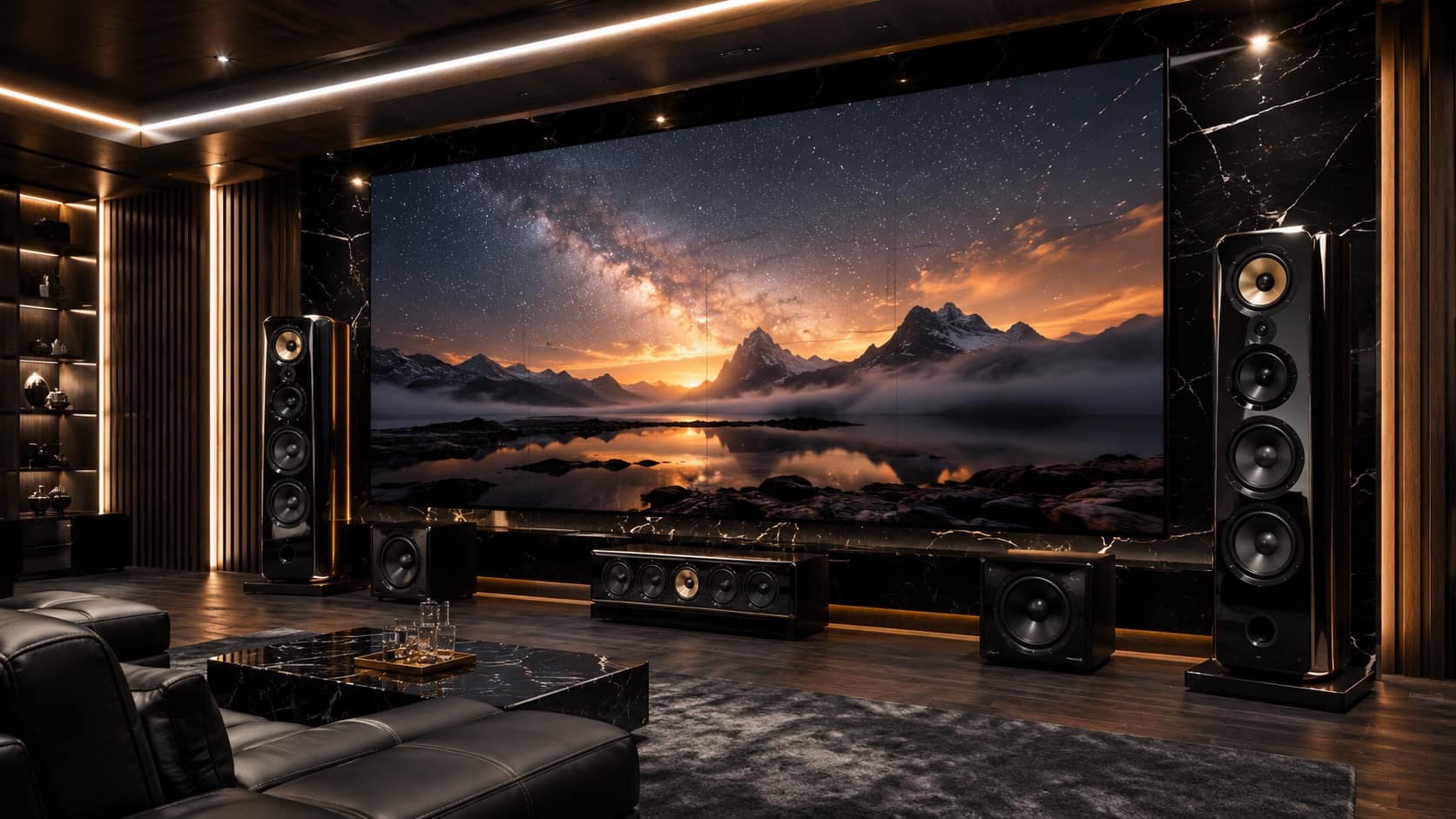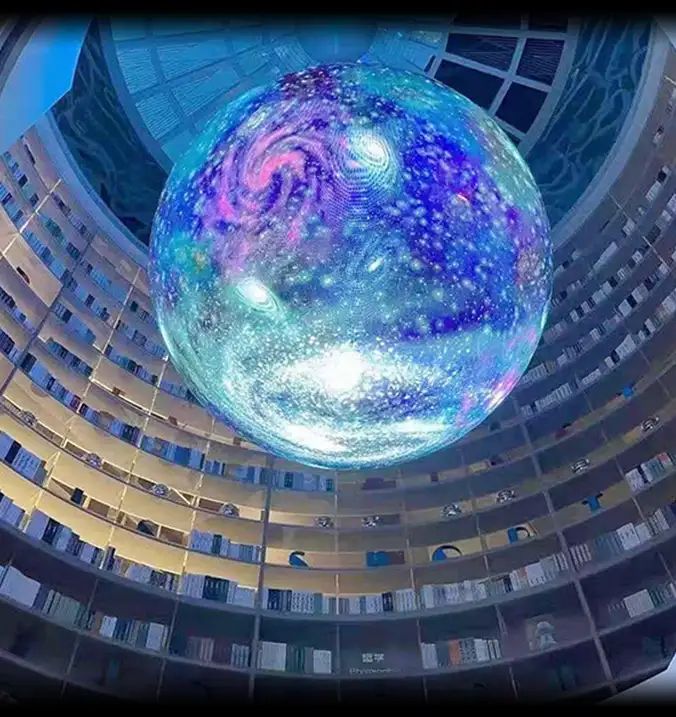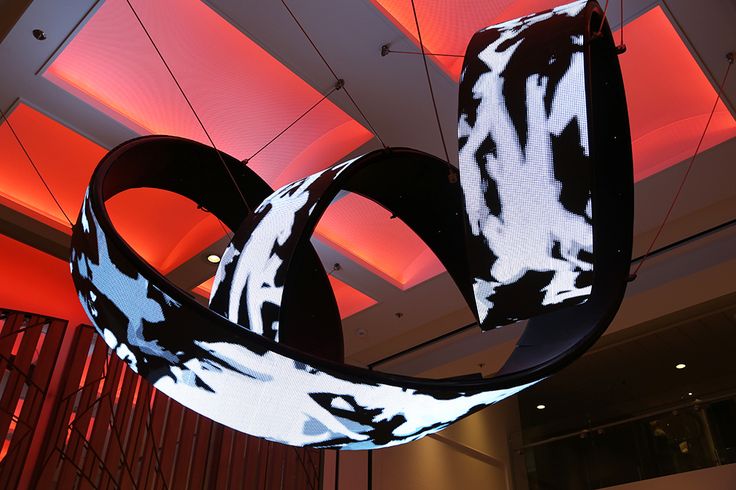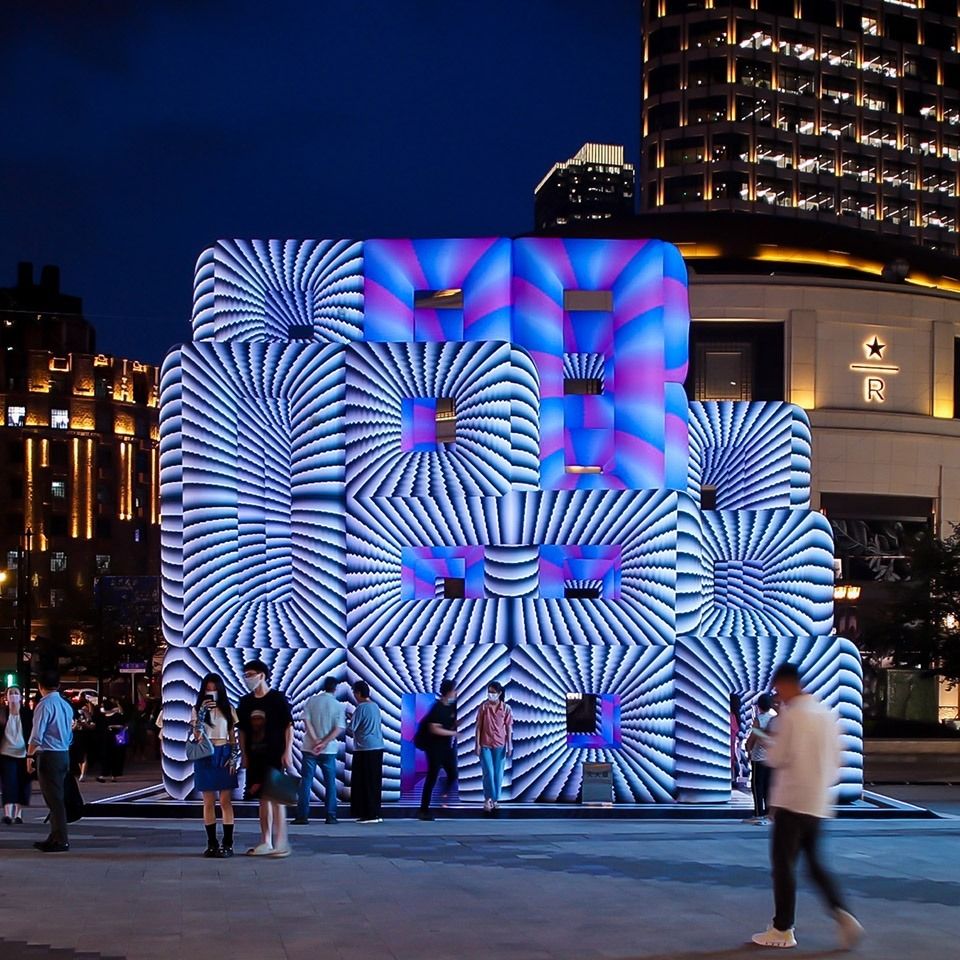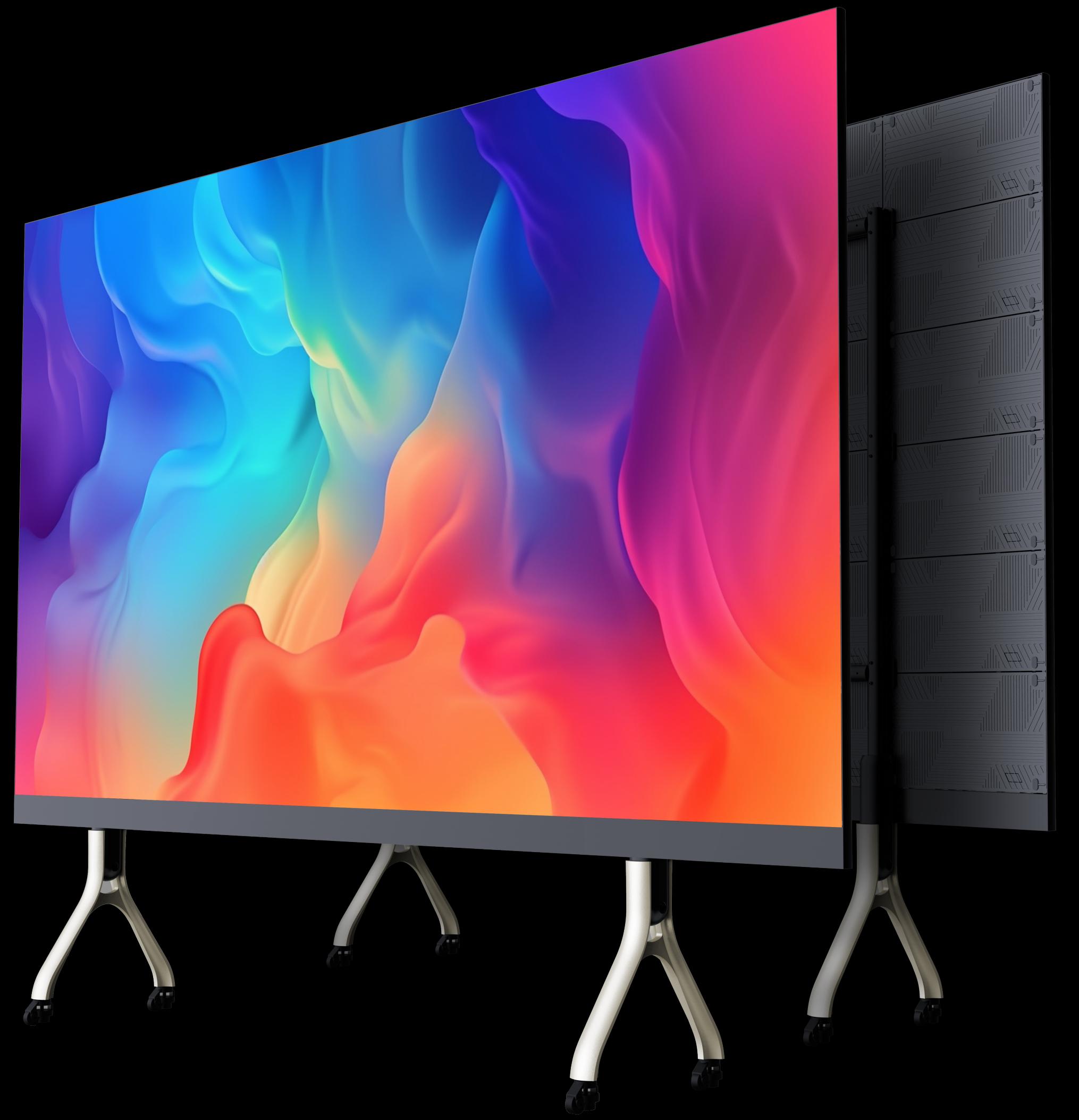
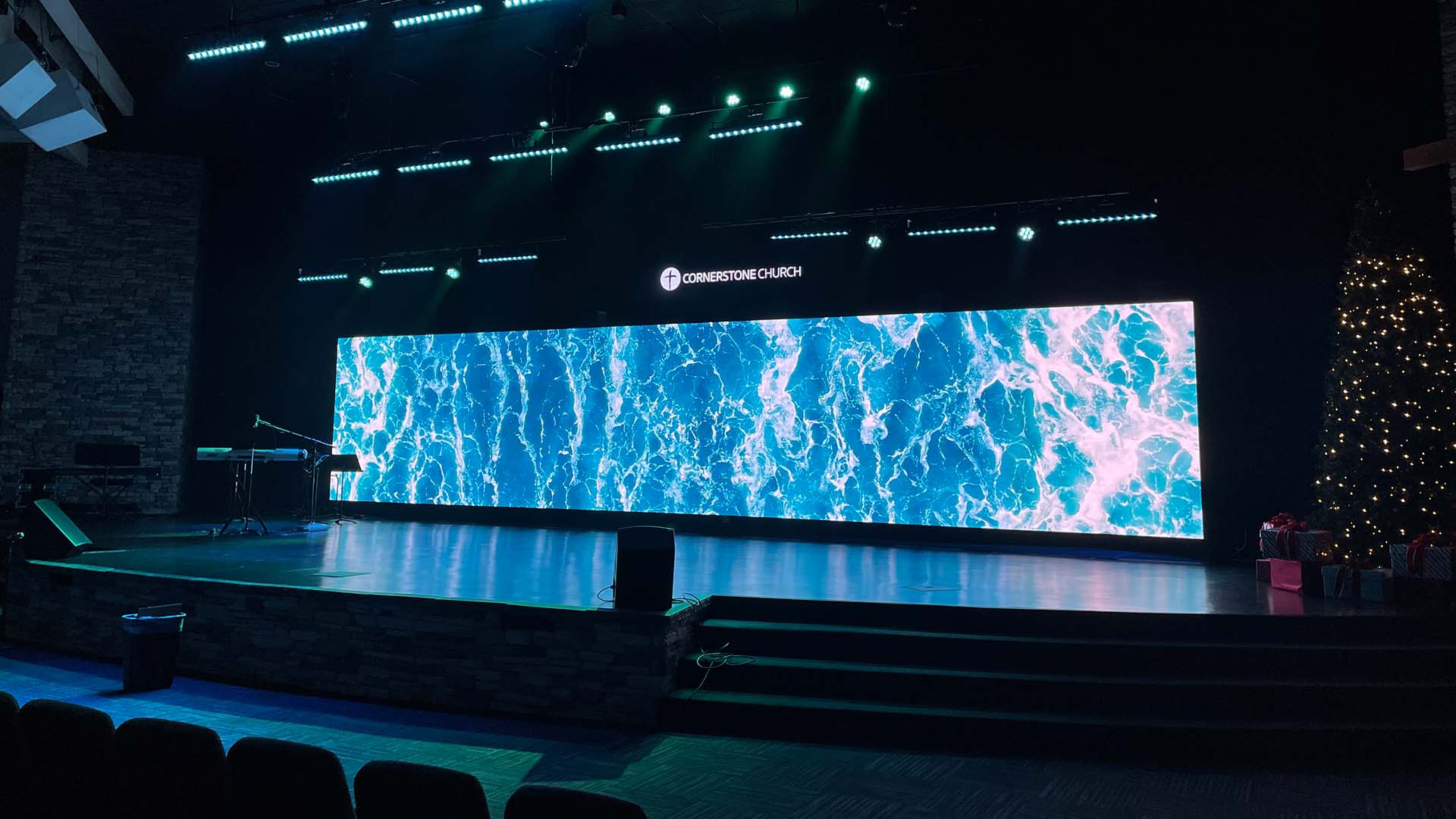
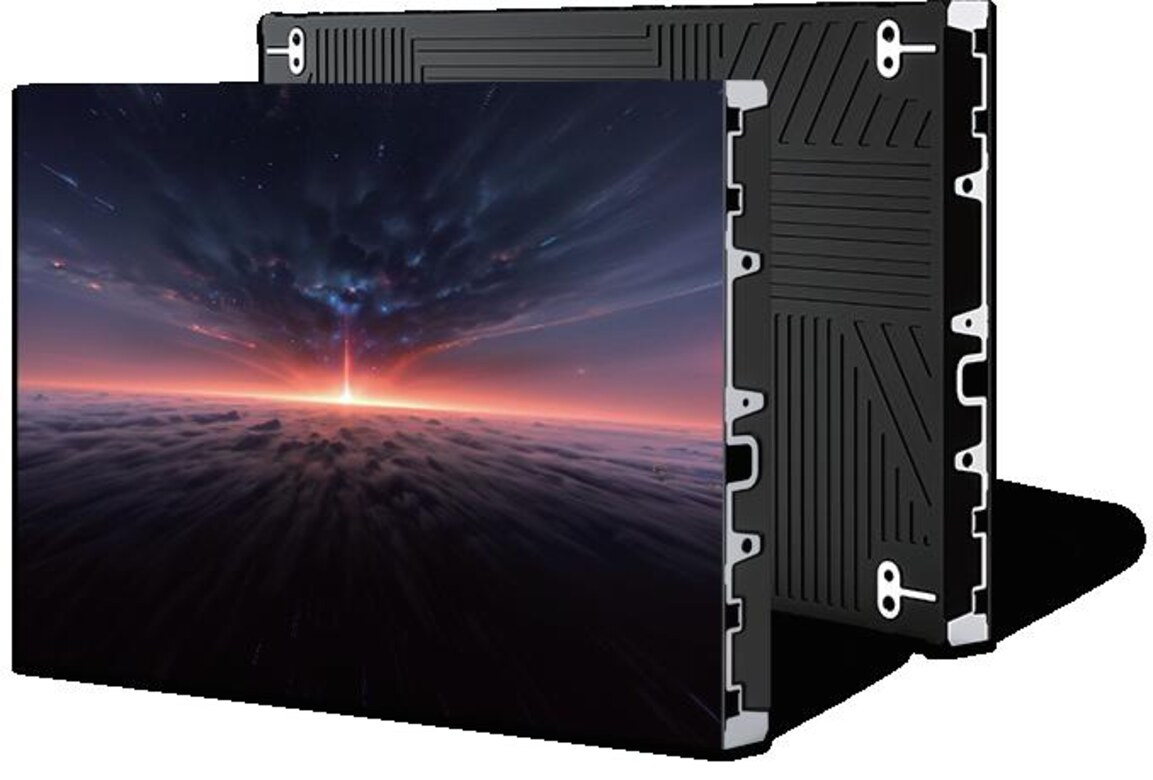
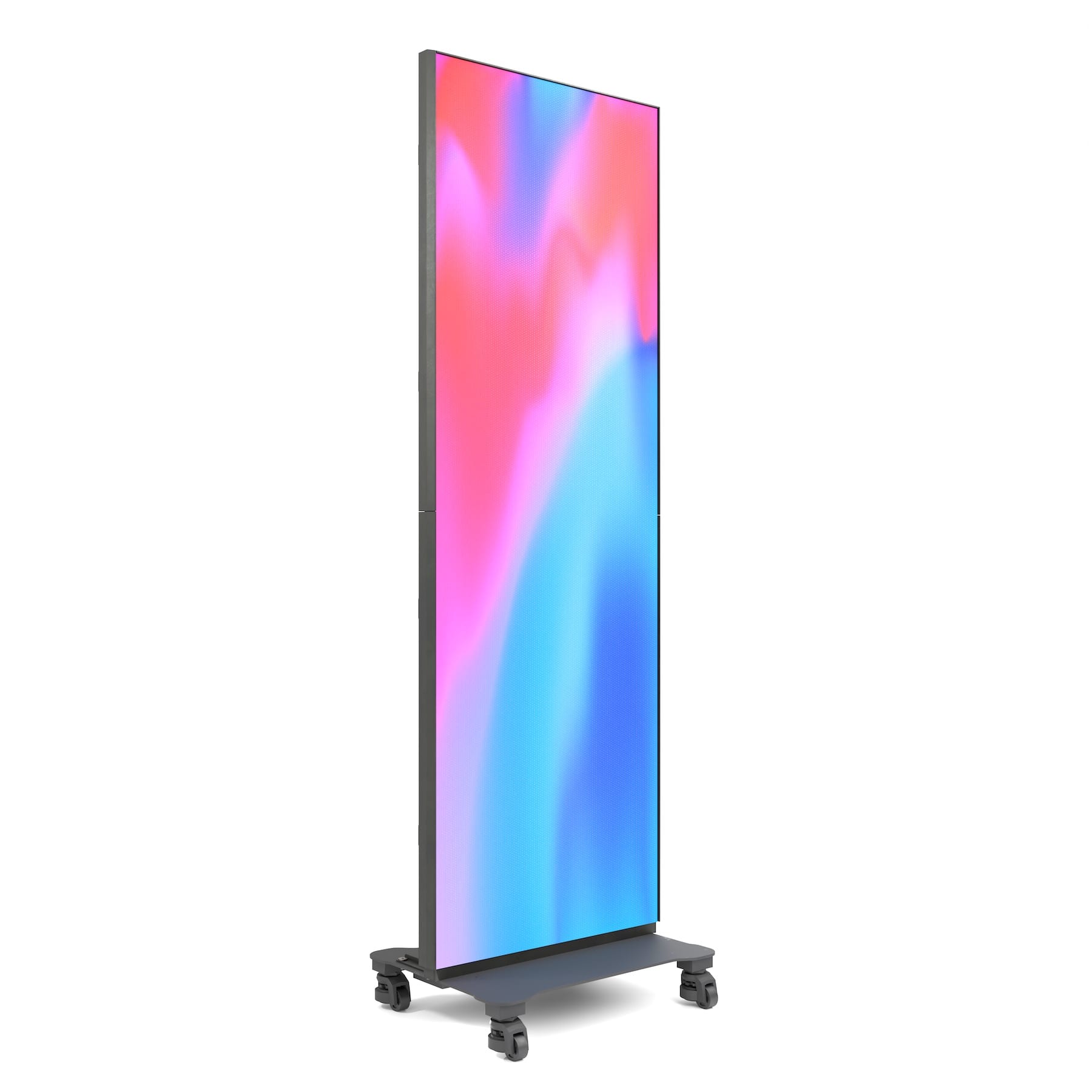
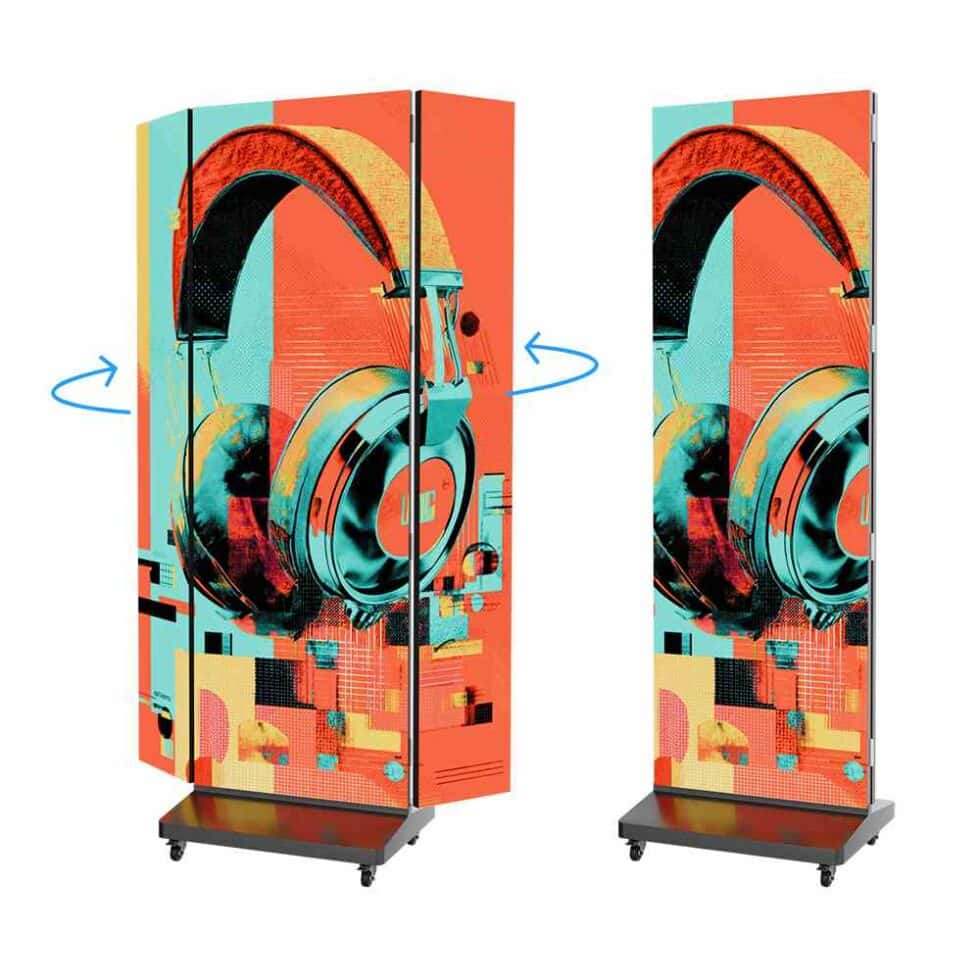
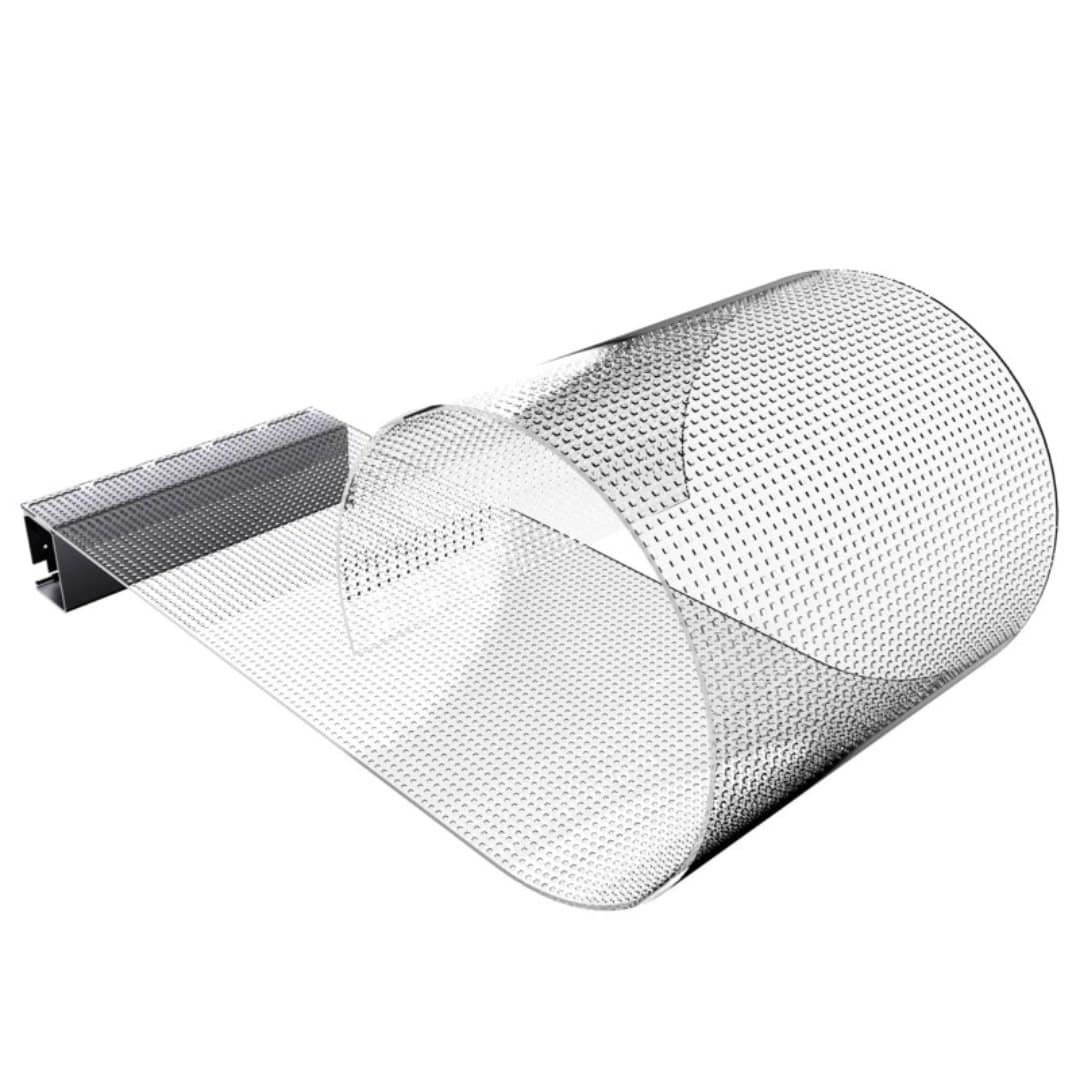
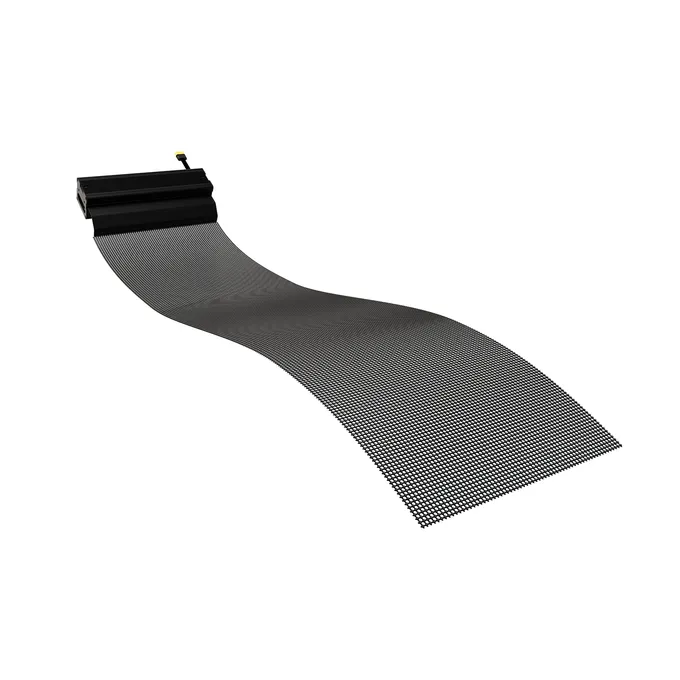
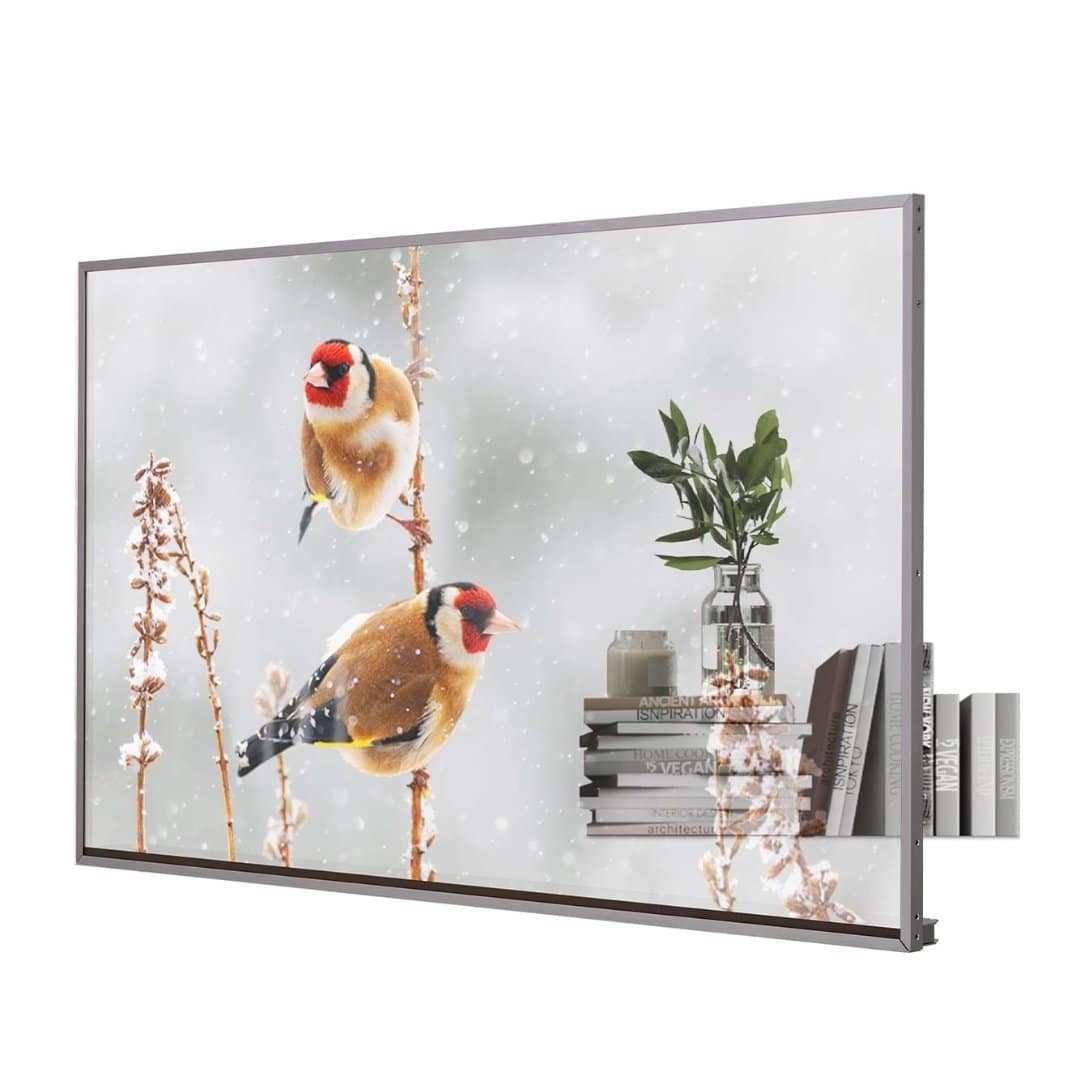

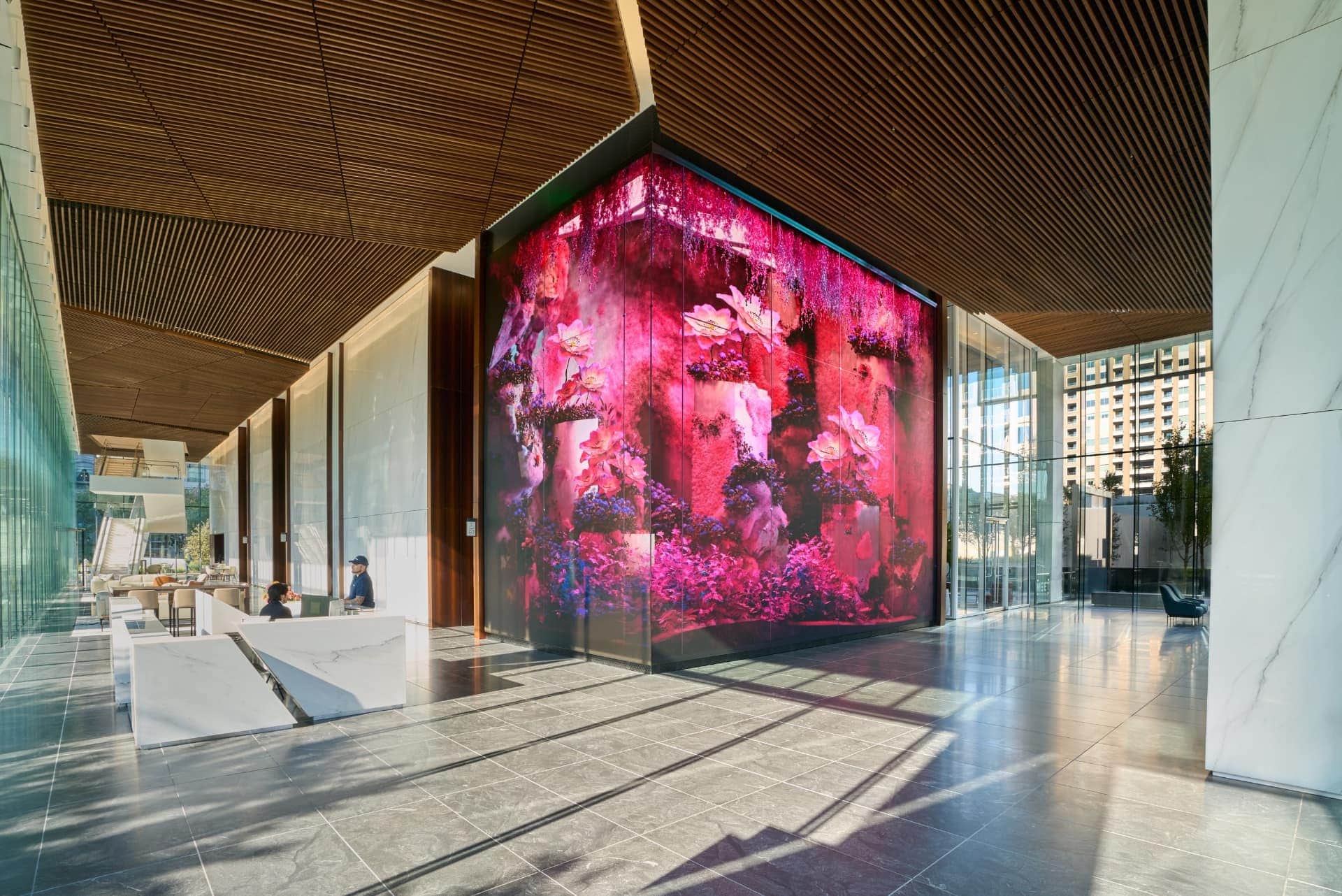
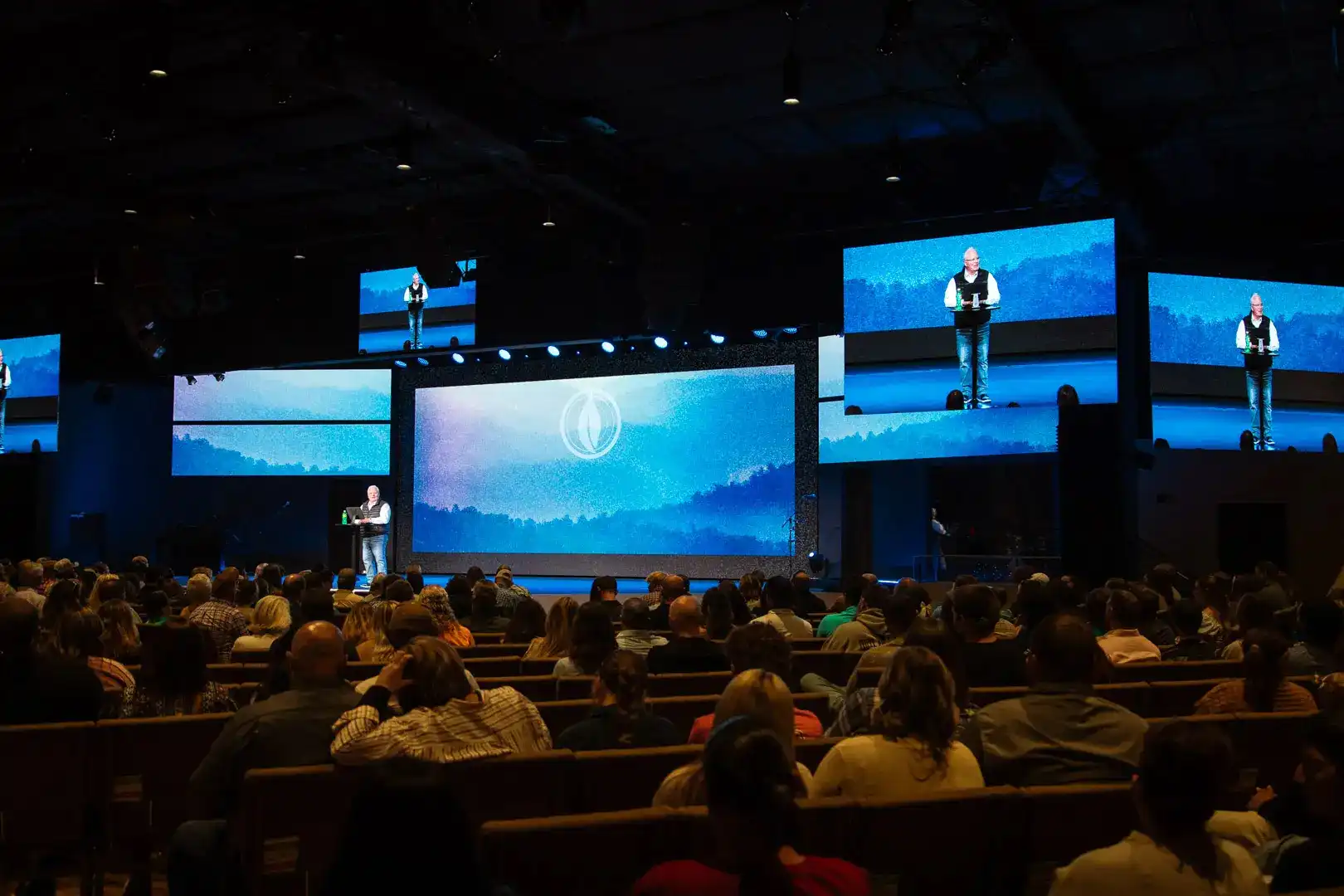
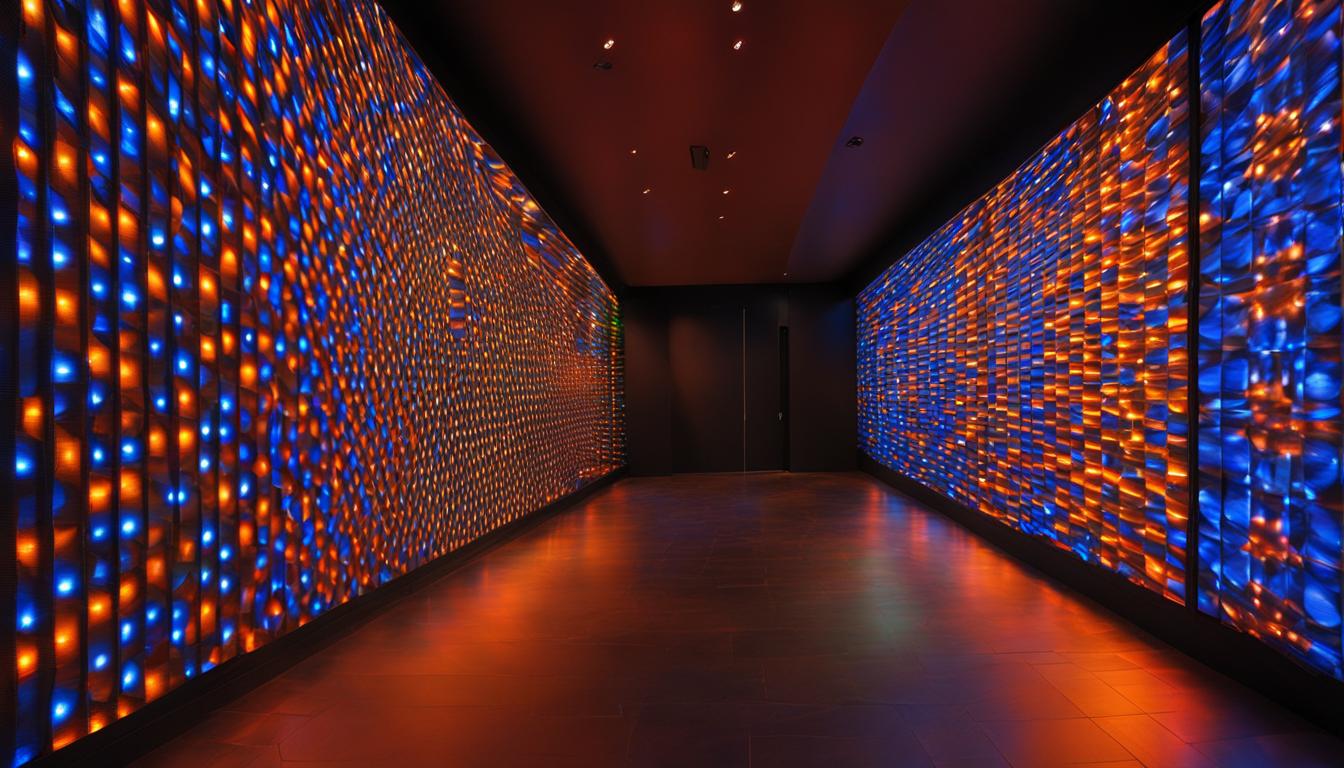
There’s something quietly captivating about a wall tiled with LEDs. At first, it looks orderly, almost clinical—rows of panels forming a grid, perfectly aligned. But linger long enough, and it starts to feel alive. LED wall tiles are more than modular displays. They’re instruments that shape space, influence perception, and challenge the way light and architecture interact. Each small panel is a unit, but collectively, they transform a wall into something cinematic, sculptural, even performative.
Unlike a single, monolithic LED wall, tiles invite experimentation. Each unit can stand alone but also works in concert. Designers can stagger them, offset them, or leave gaps. Those gaps become part of the composition. The brain notices, and suddenly the wall isn’t just a wall—it’s a surface that breathes. The grid itself becomes a rhythm, a pattern with pauses and emphases. It’s subtle, but it changes how a room feels.
Modularity Isn’t Just Practical
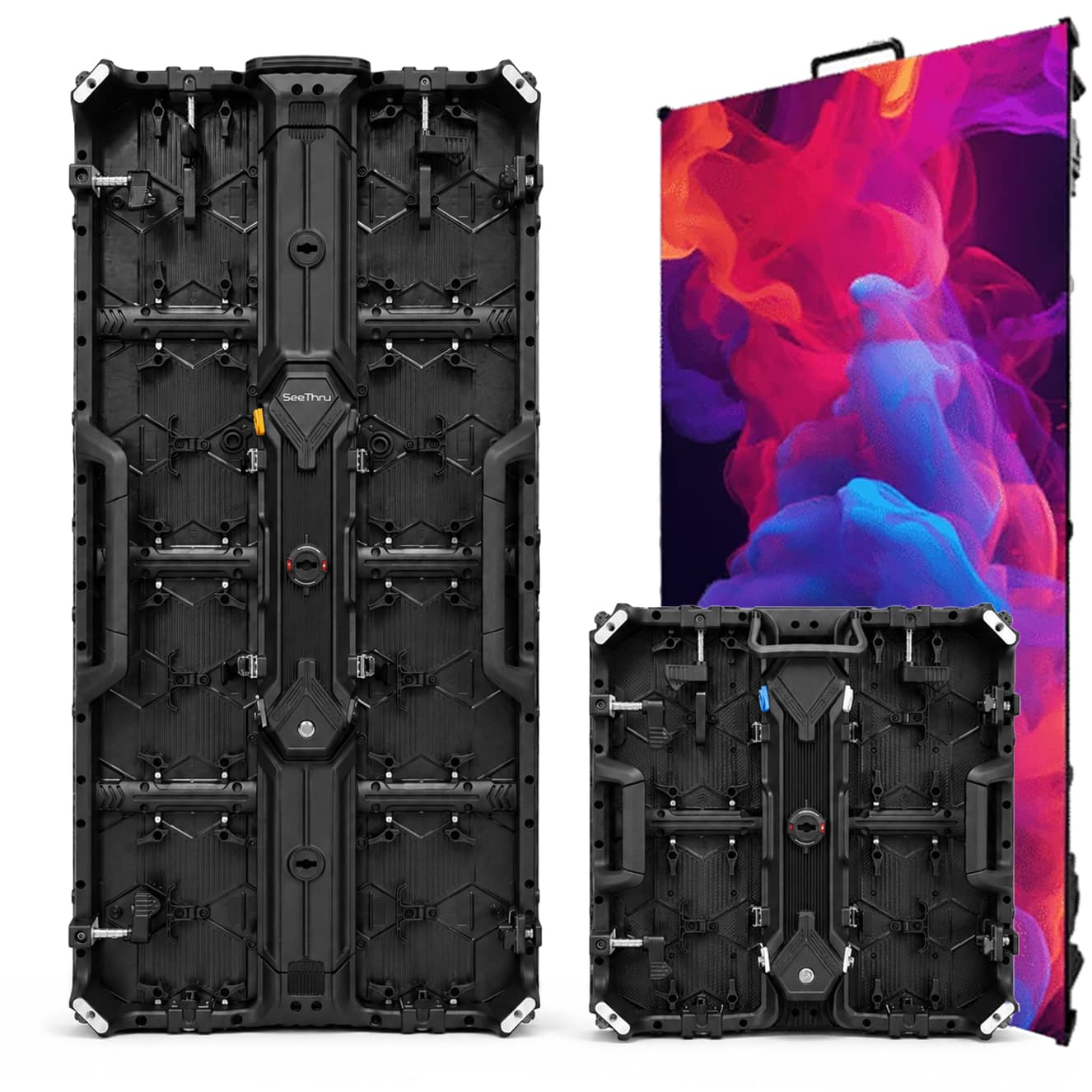
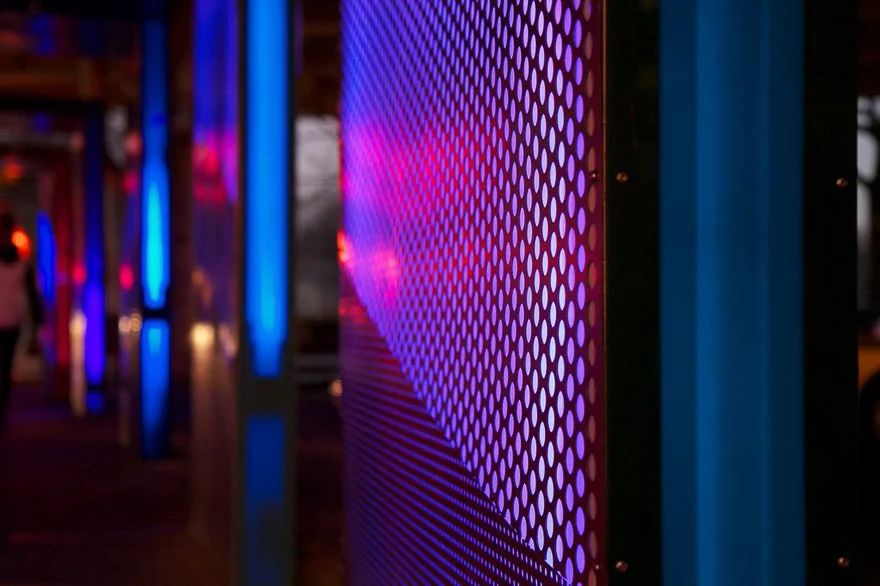
The real power of wall tiles lies in their modularity. Each tile is independent, but the combination is where things get interesting. A staggered or offset arrangement can create texture, tension, or depth. Light and shadow dance along the seams, adding nuance that a single panel could never achieve. Small tiles, tightly packed, can look seamless. Large tiles with visible edges produce a sense of scale and movement. Either approach works—it just depends on the intent.
And it’s not just visual. Modular walls let the room dictate design. Irregular surfaces, columns, or corners no longer need to be obstacles. They can be opportunities. Each tile is like a note in a musical score; place it correctly, and suddenly the room has a pulse.
Installing for Impact
Installing LED tiles is more like sculpting than hanging a screen. Slight variations in depth or angle produce subtle shadows, highlights, and texture. Perfectly flush tiles can be visually sterile. A small misalignment can add dimension, making the wall feel more alive. Because tiles are independent, they can be repositioned easily. If one section doesn’t feel right, it can be adjusted without taking the whole wall apart. That flexibility encourages experimentation—a rare gift in display technology.
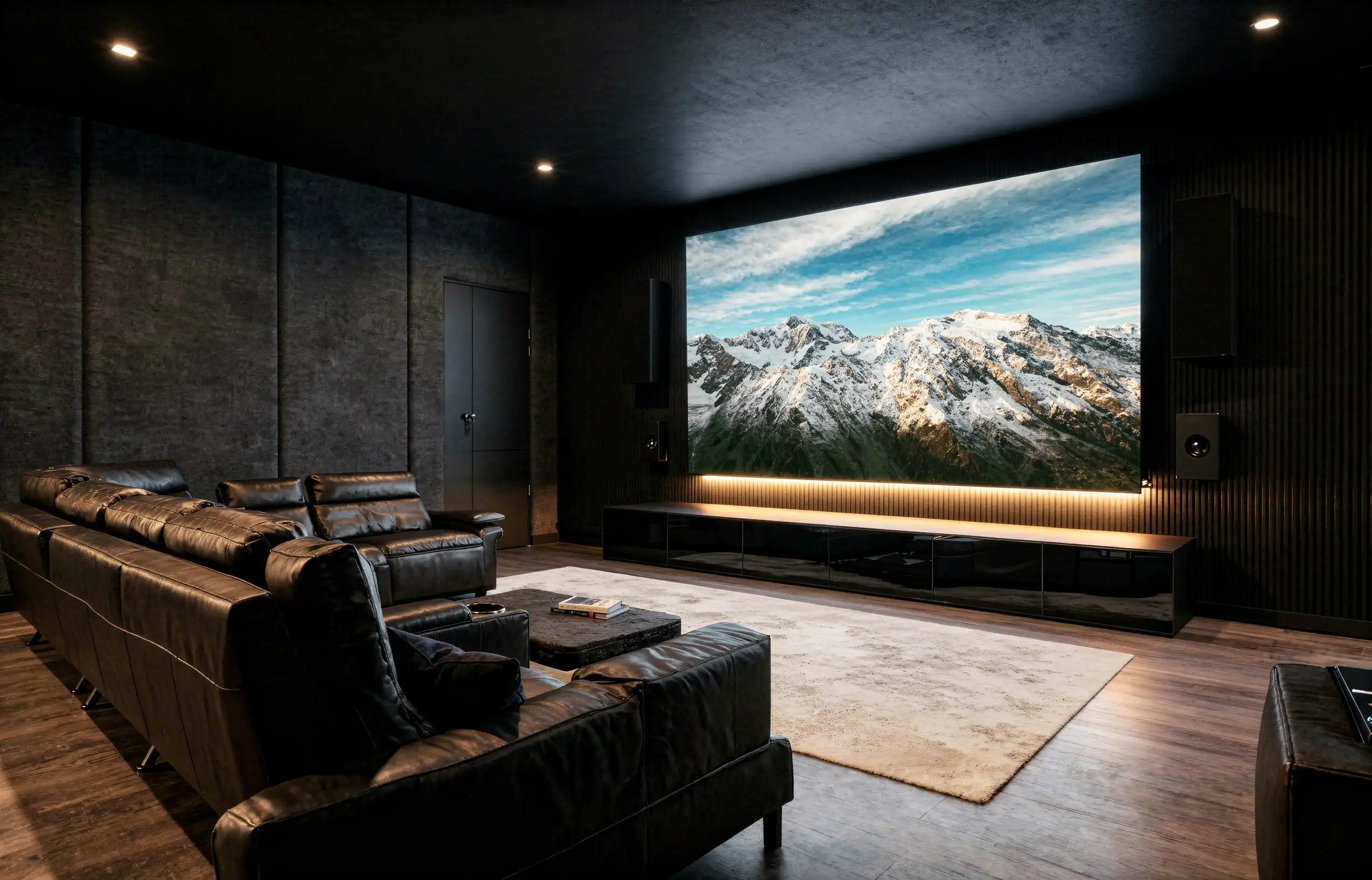
Even invisible details matter. The type of wall behind the tiles, reflective surfaces nearby, and ambient lighting all shape the final effect. A simple graphic can look completely different depending on where it sits in the grid. LED wall tiles don’t exist in isolation. They respond to the room, and the room responds back.
Light as Material
Brightness and color are baseline expectations. But on a tiled wall, light becomes texture. Panels can vary slightly in intensity or color to create subtle gradients across the surface. Even static patterns can appear to pulse or shimmer if calibration is handled thoughtfully. The result is less a display and more a living surface.
Ambient light complicates the picture. Sunlight, shadows, and reflections interact with the tiles in unpredictable ways. Those “problems” often become advantages—sudden gleams, muted highlights, and faint halos make the wall feel like it’s alive. Observers notice these quirks subconsciously, even if they can’t articulate why the wall feels different from a standard LED panel.
Content That Moves
Designing for wall tiles is a different beast. Motion doesn’t travel linearly across a single rectangle. On a grid of panels, movement can be staggered, mirrored, or fragmented. A pattern can start in one corner and ripple across the wall, drawing attention along a path. Even minimal graphics take on dimension. The tiles themselves dictate pacing, rhythm, and focus. The viewer doesn’t just watch—their eyes are guided across the wall, drawn into the choreography.
There’s also space for subtlety. Some tiles can remain partially active, echoing the movement nearby, creating layers of perception. It’s not about overwhelming the observer with motion. It’s about creating micro-moments that encourage attention and exploration.
Calibration Is Everything
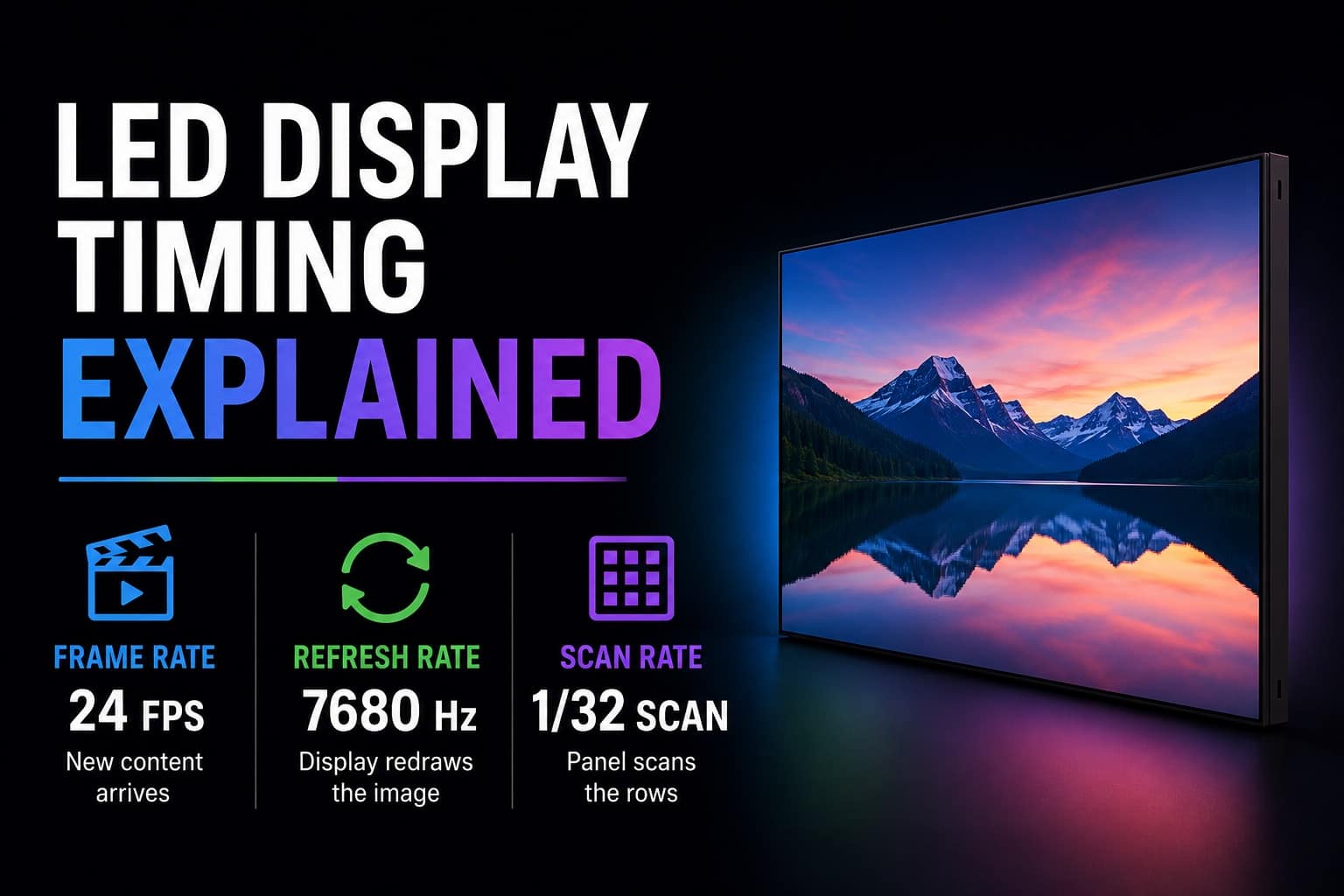
The modular nature of tiles imposes its own demands. Even small differences in color, brightness, or refresh rate can be noticeable when tiles sit side by side. Precision is critical—but perfection isn’t always desirable. Slight variations can add visual texture and help the installation feel organic rather than mechanical.
Thermal management also plays a silent role. Tiles are compact, modular, and often packed tightly into a wall. Heat must be distributed evenly, or subtle color shifts and brightness fluctuations can appear. These technical considerations are invisible to most viewers, but they make all the difference between a wall that glows and one that hums with subtle life.
Scaling Up or Down
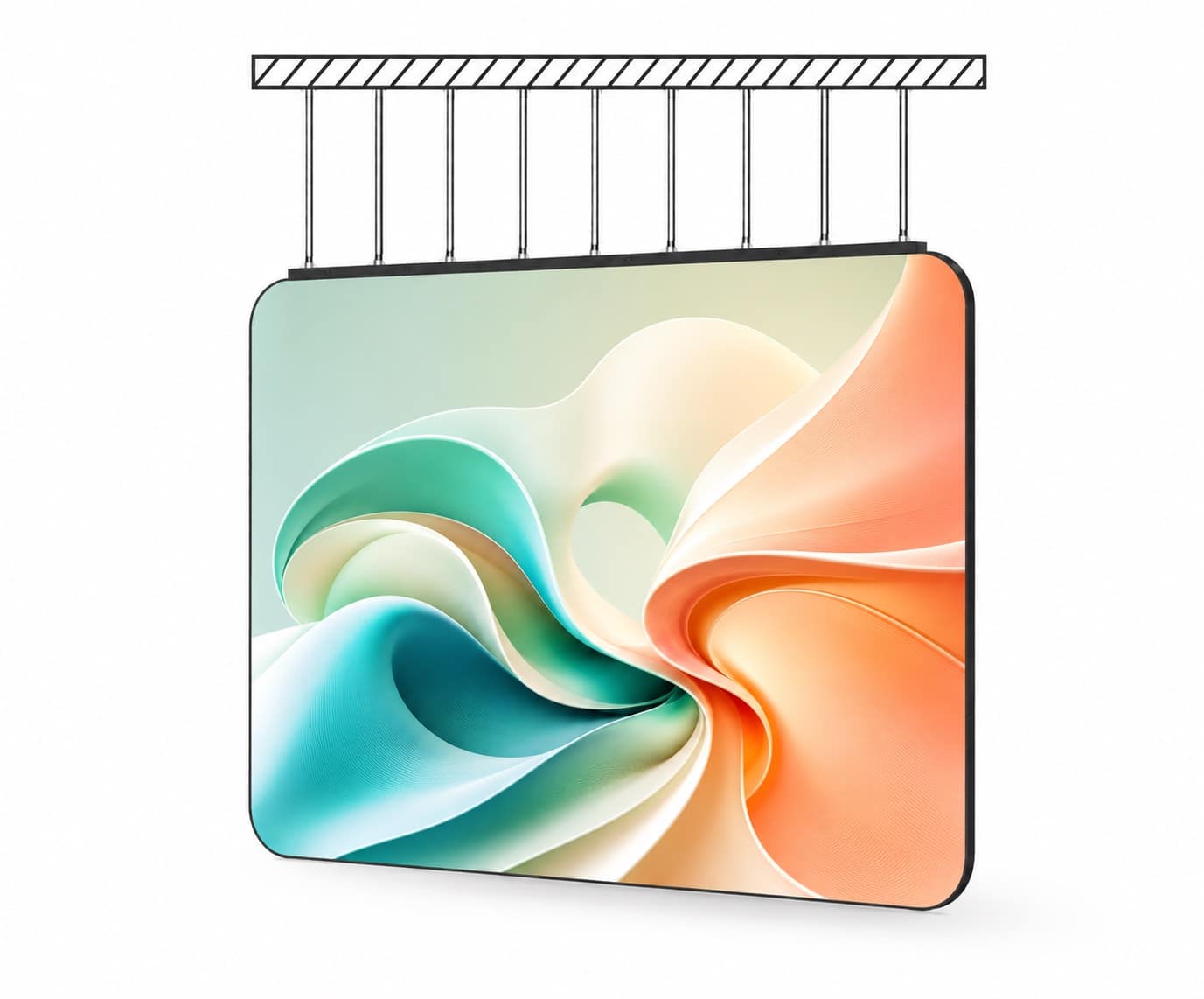
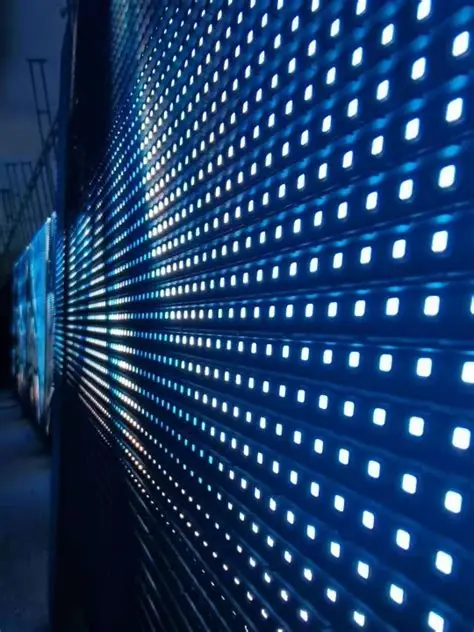
One of the understated advantages of wall tiles is scalability. Panels can be added or removed with relative ease. A wall can grow with a space, or shrink to fit a temporary installation. This makes them ideal for exhibitions, retail environments, or corporate lobbies where the installation might need to evolve over time.
Maintenance benefits, too. A malfunctioning panel doesn’t require dismantling the entire wall. Updates or content tweaks can be localized. In effect, tiles give designers and operators flexibility that rigid walls simply cannot.
Engagement Beyond the Screen
LED wall tiles invite interaction. Motion sensors, proximity triggers, or even touch overlays can activate specific tiles, creating a responsive surface. A viewer walking past a wall might trigger patterns or reveal hidden elements. The wall is no longer passive—it participates in the experience.
This subtle interactivity changes how people move through a space. Walls stop being static backdrops and start to shape behavior. The room itself becomes a medium, and observers, willing or not, become part of the performance.
More Than Pixels
At the end of the day, LED wall tiles aren’t just about technical specs. They are about perception, space, and experience. A tiled wall can guide attention, introduce rhythm, and reshape how a room feels. Each panel is like a brick in a living structure, influencing the whole in ways that go beyond brightness and resolution.
The technology quietly reminds us that even the most engineered displays rely on human perception. Tiles turn walls into environments, and environments into experiences. They don’t just illuminate a room—they shape how it is perceived, how it is remembered, and how it feels.
A wall tiled with LEDs is not decoration. It’s negotiation, choreography, and, in its best moments, poetry.