

Pixel Pitch Meaning:
Visualize LED Pixel Pitch in Real Life
If you’ve ever researched LED screens, video walls, or digital signage, you’ve seen the term pixel pitch everywhere — usually followed by confusing numbers, charts, and vendor jargon that somehow explains everything and nothing at the same time. Pixel pitch meaning is simple in theory: it describes the distance between individual pixels on an LED display, typically measured in millimeters. In practice, however, pixel pitch determines image clarity, viewing distance, perceived resolution, cost, and whether your display looks breathtaking or painfully blocky.
That’s why we built this LED pixel pitch visualizer and pixel pitch calculator. Instead of guessing from a pixel pitch chart or abstract formulas, you can calibrate the screen to a real object, preview how different pixel pitches actually look, and understand how viewing distance changes what your audience sees. Whether you’re comparing a fine pixel pitch LED display for a conference room, evaluating an outdoor LED sign, or calculating LED wall resolution for a video wall, this tool removes the guesswork and replaces it with something far more useful: visual clarity.
Live pixel preview
A 600 mm × 600 mm panel rendered at your screen's real pixel size.
Pro tip: Step back from the screen. As you walk back, the pixels blend into a clean image — that's why far-viewing displays can use coarser pitches.
3D wall preview
3 m wide × 2 m tall. Drag Walk-back to see how the wall looks from different distances.
What Pixel Pitch Means in LED Displays
Pixel pitch refers to the distance from the center of one LED pixel to the center of the next pixel. A smaller pixel pitch means the pixels are closer together, producing higher pixel density, higher perceived resolution, and smoother images at close viewing distances. A larger pixel pitch means the pixels are farther apart, which is more economical and perfectly acceptable when viewers stand farther away.
When people search for what is pixel pitch in LED display or what is pixel pitch led, they’re usually trying to answer three practical questions:
How sharp will the image look up close?
How far back do viewers need to stand for the image to blend smoothly?
How much will the screen cost relative to its resolution?
Pixel pitch affects LED pixels per square meter, LED module pixel count, LED panel resolution calculation, and ultimately the total LED screen resolution formula of the display. A P1.9 screen has roughly twice the pixel density of a P3.9 screen, which directly impacts clarity and price. This is why pixel pitch vs resolution is such a common comparison in LED buying guides.
How Pixel Pitch Affects Viewing Distance
Viewing distance is where theory meets reality. Pixel pitch viewing distance describes how far a viewer must stand for individual pixels to visually blend into a smooth image. The smaller the pixel pitch, the closer you can stand without seeing pixel separation.
Common searches include minimum viewing distance LED screen, optimal viewing distance LED display, pixel pitch viewing distance formula, pixel pitch distance chart, LED wall viewing distance chart, and LED display clarity distance. While formulas exist, human perception varies, lighting changes everything, and content type matters.
That’s why visualizing pixel pitch is far more accurate than memorizing numbers. This tool acts as a pixel pitch viewing distance calculator and LED viewing distance calculator by allowing you to physically step back from your screen and see how the image resolves naturally — exactly how your guests or audience will experience it.
If you’ve ever wondered how far can you see LED screen clearly, this removes the ambiguity.
How to Use the Pixel Pitch Visualizer
Select a reference object (such as a coin or card).
Adjust calibration so the on-screen object matches the real-world size in your hand.
Choose your pixel pitch and enable the grid if you’re evaluating SMD displays.
Step back from your monitor to simulate real viewing distance.
Compare clarity between different pitches instantly.
This makes the tool function as a pixel pitch calculator, LED pixel pitch calculator, LED screen calculator, LED video wall calculator, LED wall size calculator, screen pixel calculator, display resolution calculator, and LED resolution calculator — all in one visual environment.
Instead of relying on spreadsheets or abstract pixel size calculator formulas, you see exactly how pixel size and density influence image quality.
Pixel Pitch Comparison: Fine Pitch vs Standard
Pixel pitch comparison becomes especially important when evaluating fine pixel pitch LED displays versus regular LED walls. Fine pitch LED typically refers to pitches under 2.5mm and is common in control rooms, broadcast studios, boardrooms, and luxury retail environments where viewers stand close. Standard pitch LED displays work beautifully for larger venues, trade shows, outdoor signage, and long viewing distances.
Popular comparisons include:
P1.9 vs P2.6 LED
P2.6 vs P3.9 LED
Fine pixel pitch LED vs regular LED
COB LED vs SMD LED pixel pitch
Micro LED pixel pitch comparison
Each technology affects contrast, brightness, maintenance, and cost — but pixel pitch remains the core driver of perceived sharpness.
Choosing the Right Pixel Pitch
When users search how to choose pixel pitch or best pixel pitch for indoor LED, they’re usually balancing clarity, budget, and viewing distance. A few guiding principles:
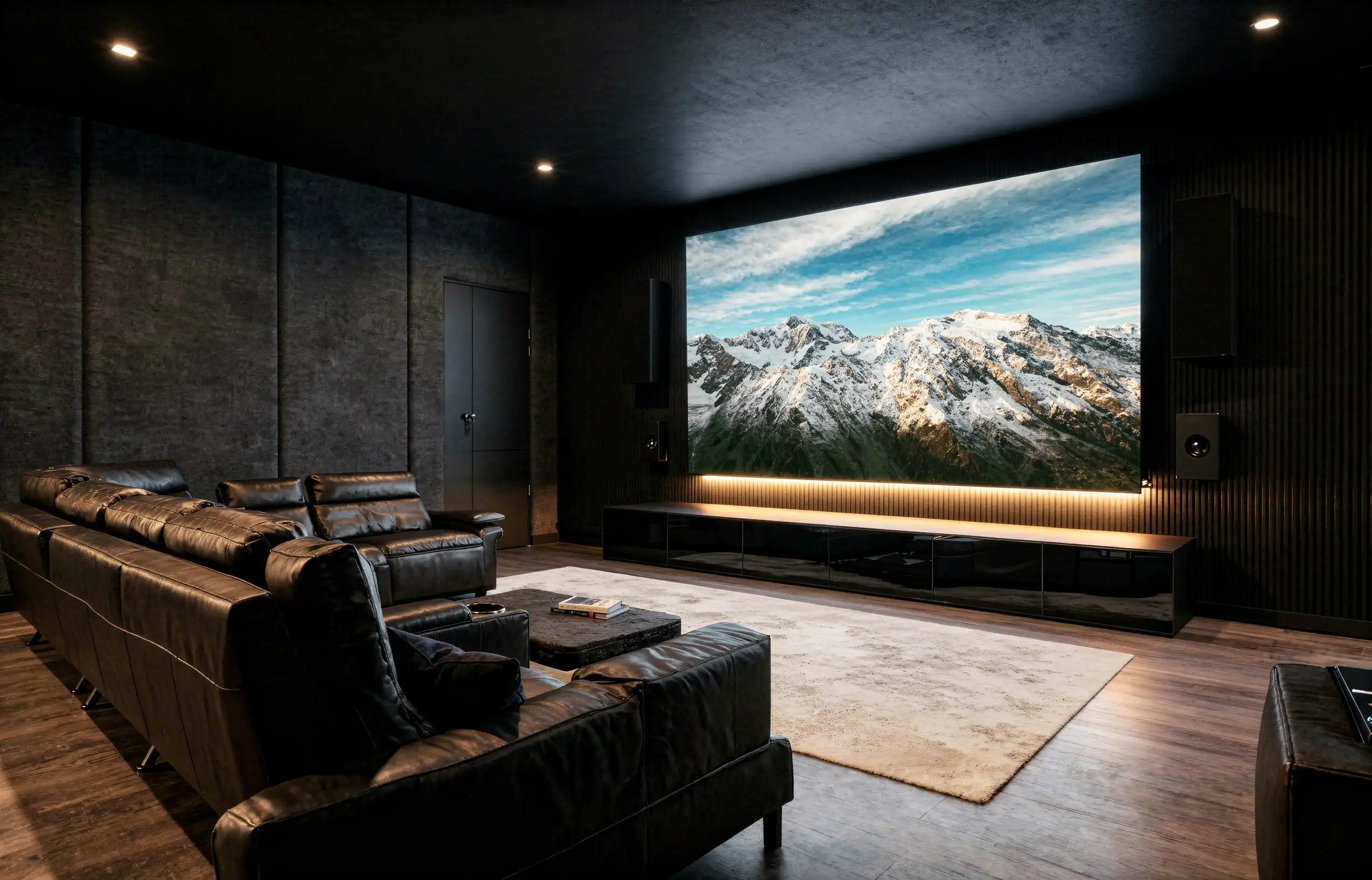
Close viewing environments (conference rooms, retail displays, studios) benefit from small pixel pitch and higher pixel density LED display.
Large venues, outdoor signage, and event stages often prioritize brightness, durability, and cost efficiency over ultra-fine resolution.
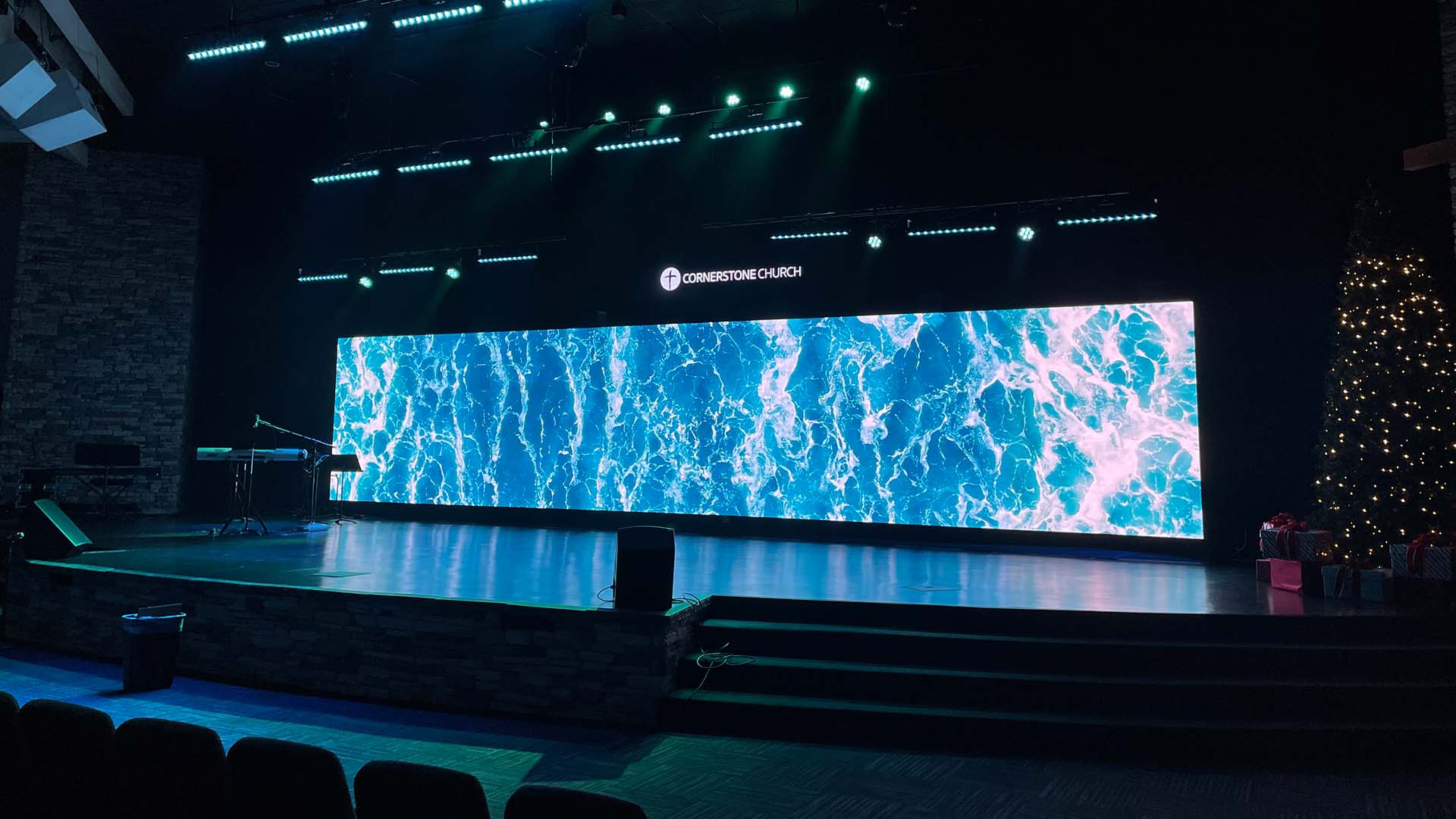
Applications such as best pixel pitch for church LED wall, best pixel pitch for retail display, best pixel pitch for conference room LED, best pixel pitch for outdoor LED, and best pixel pitch for outdoor signage depend heavily on seating distance and content type.
This visualizer allows you to preview those tradeoffs instantly.