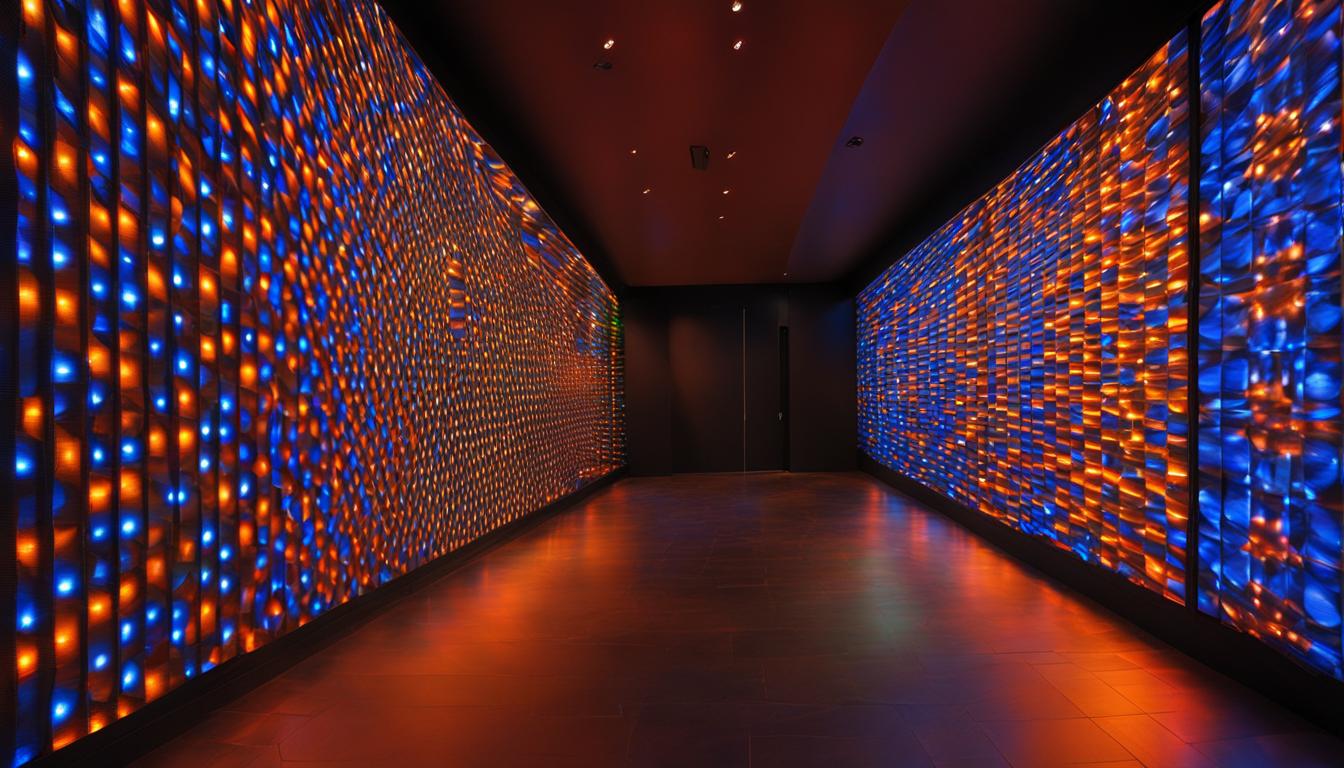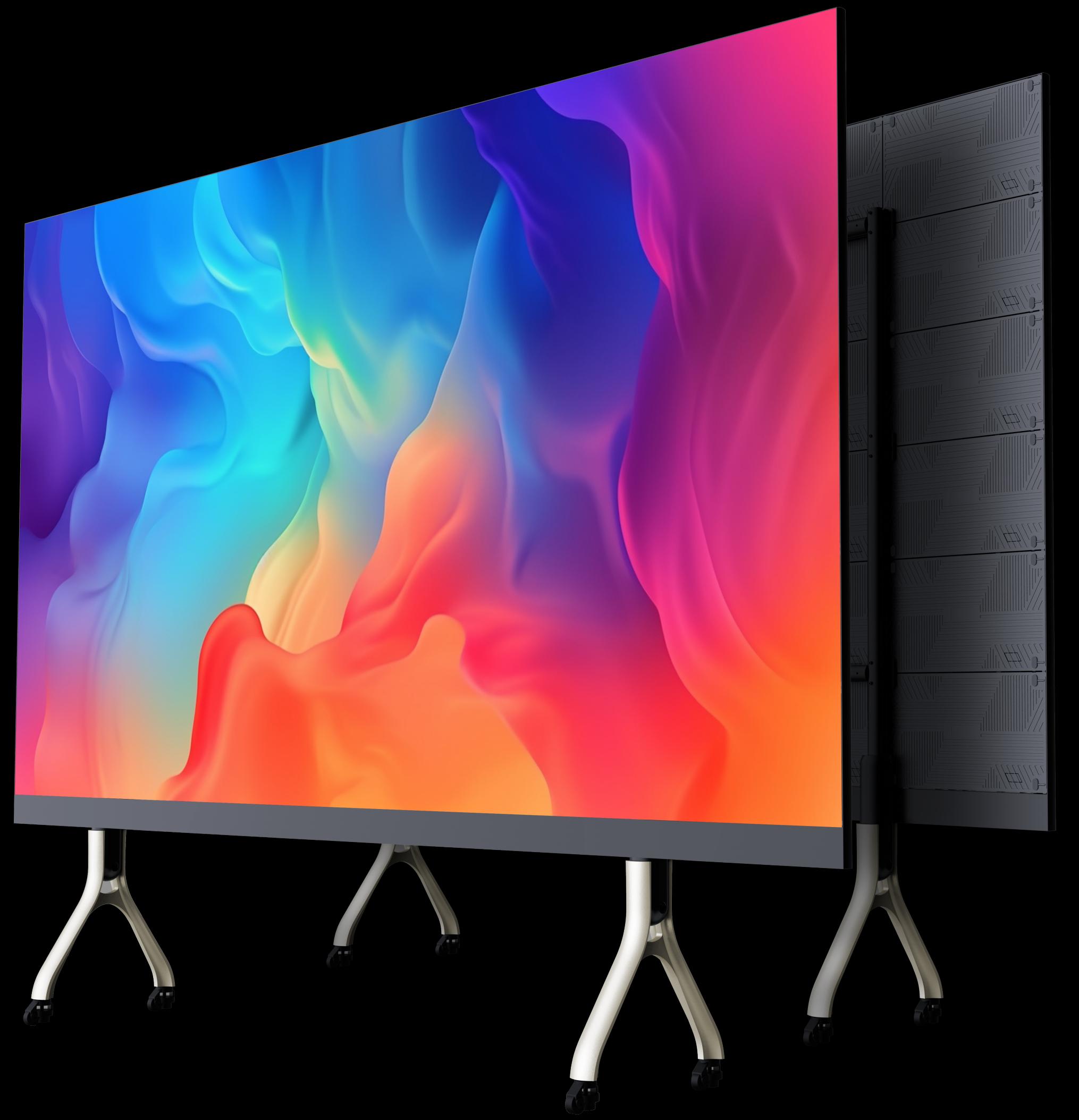
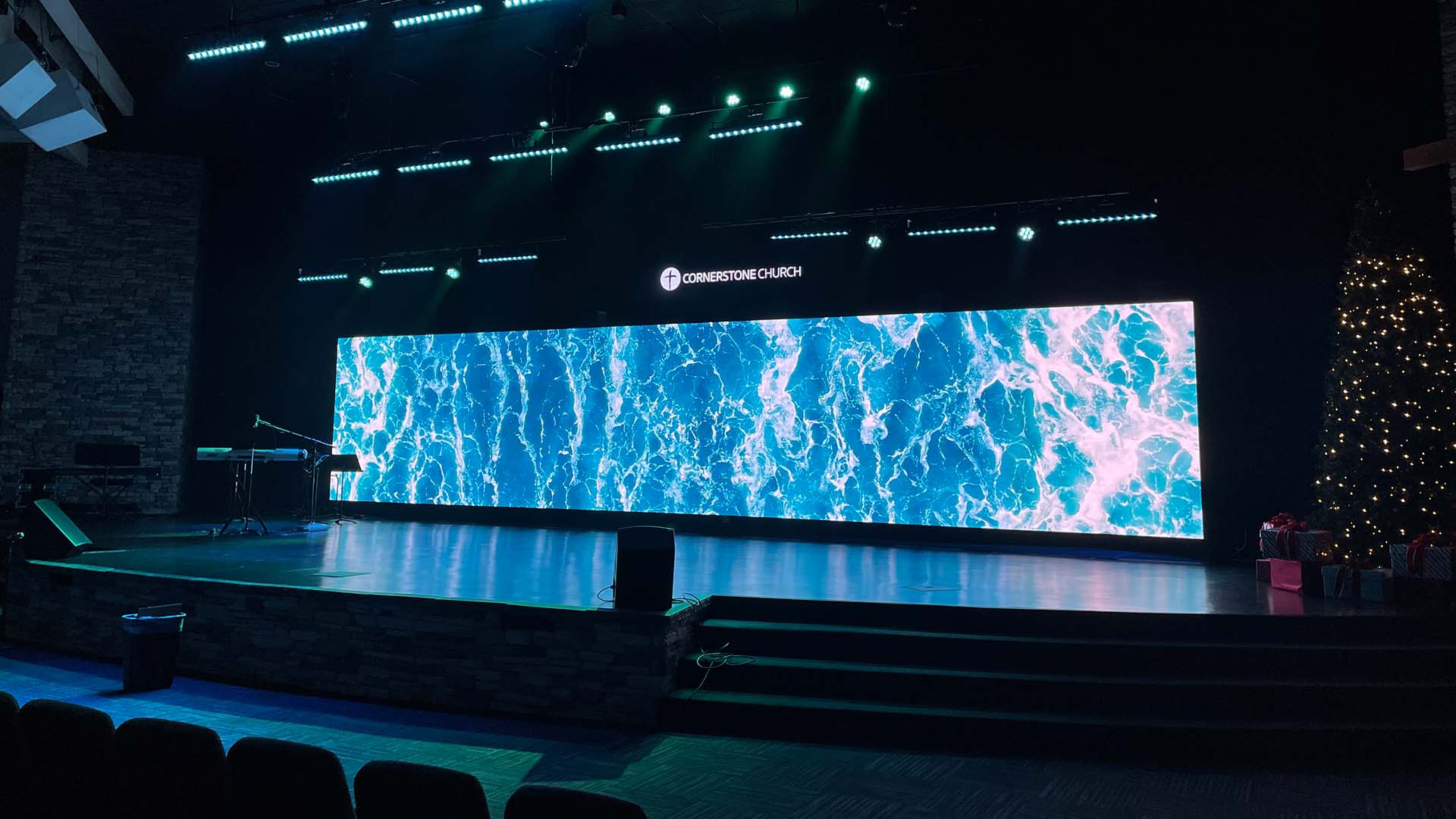
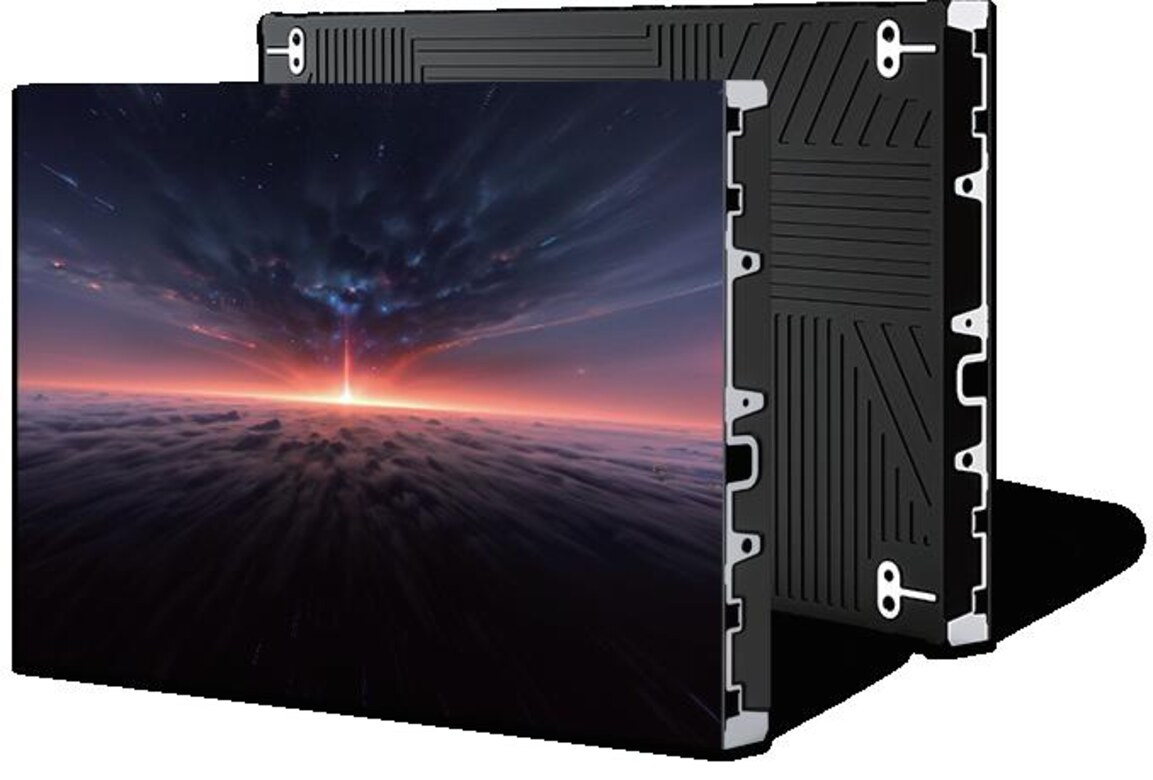
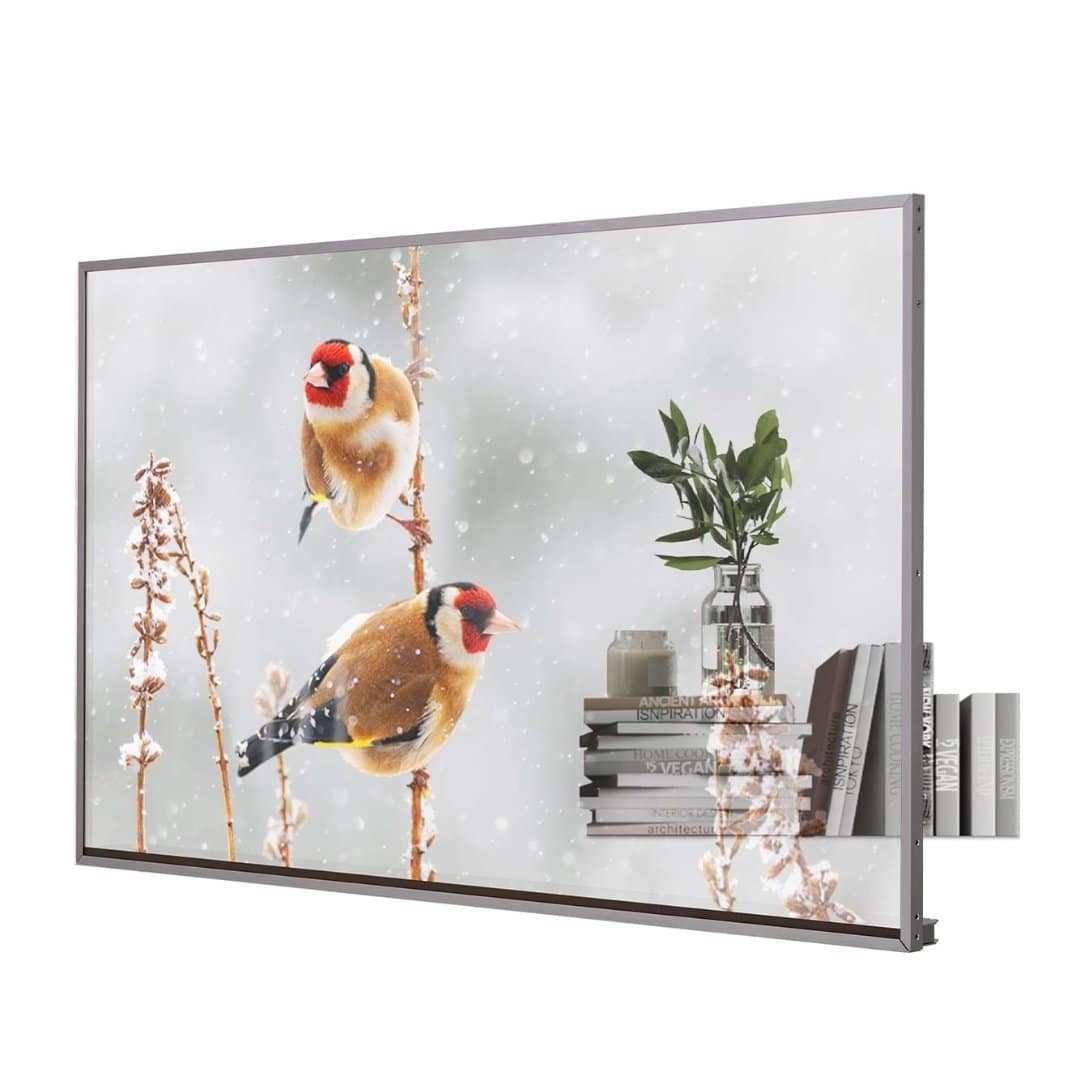
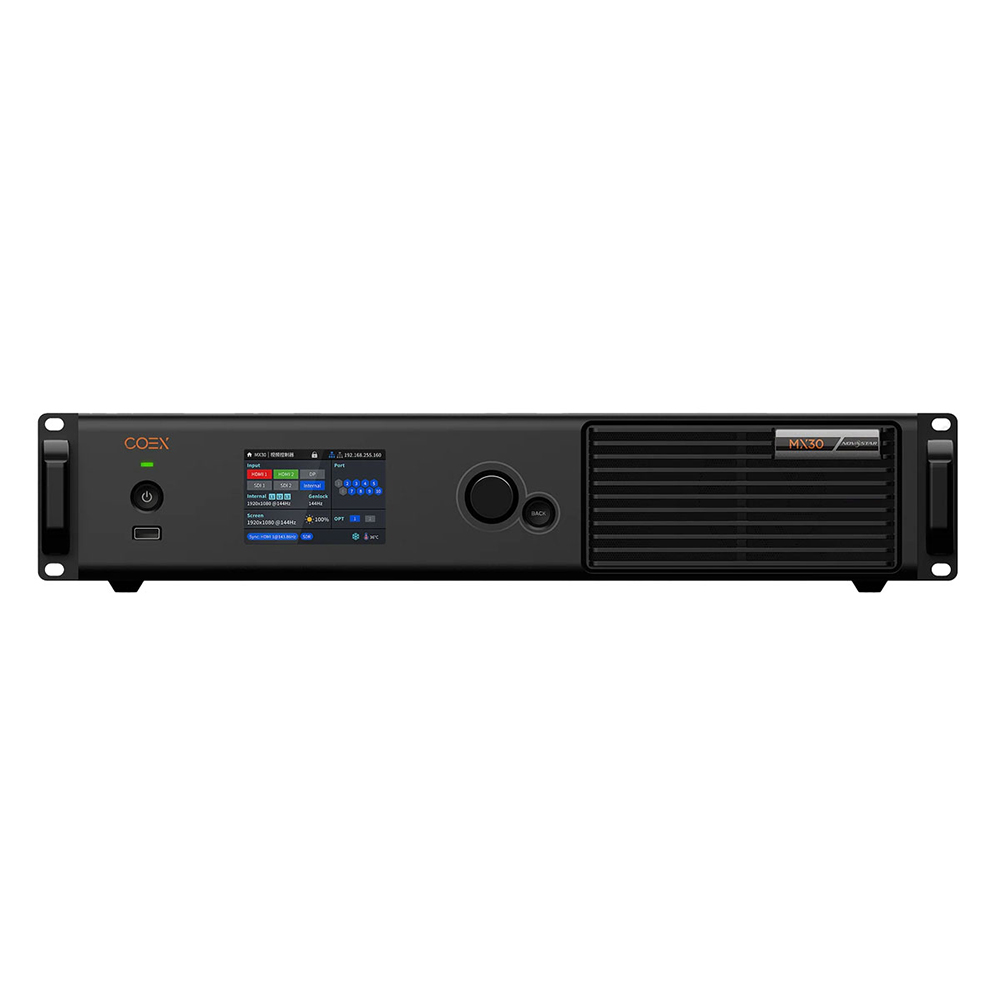
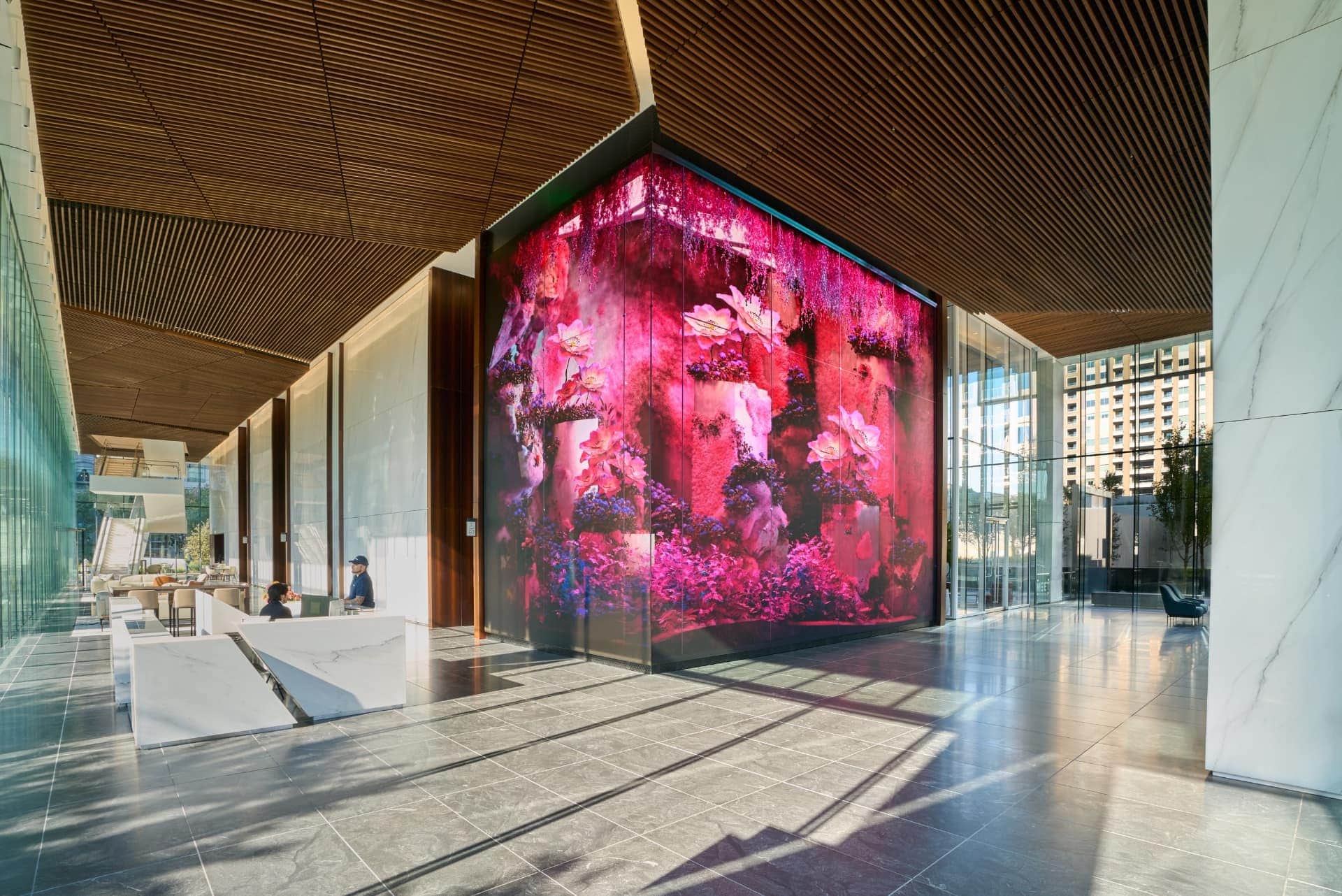
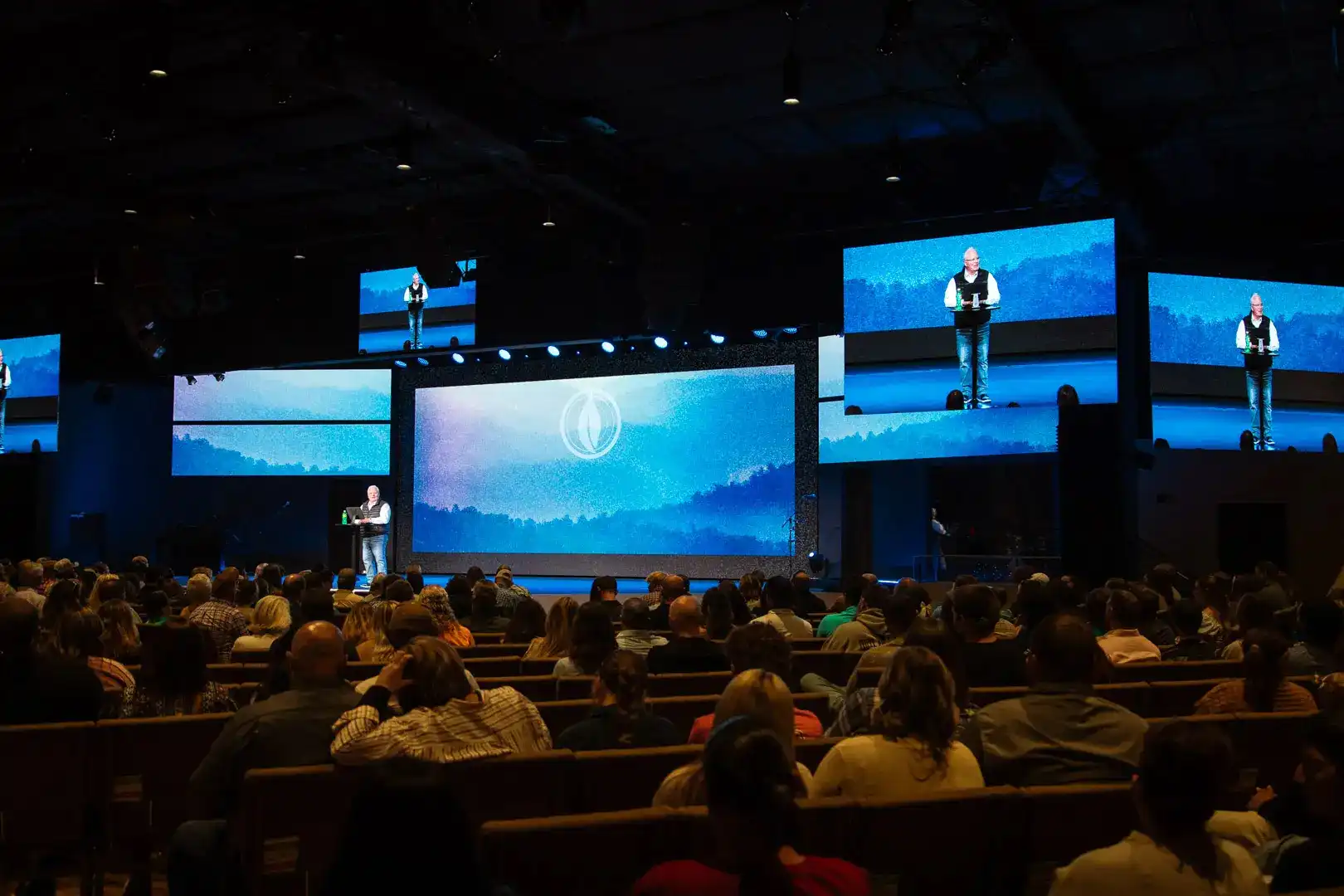
Brightness is something that’s often taken for granted. Look at a screen, and the assumption is almost automatic: it’s bright enough. But HDR LED displays aren’t just about cranking up the nits—they’re about contrast, depth, and subtle nuance. They’re about shadows you can actually see and highlights that don’t blow out. With LED panels, HDR becomes something tangible: intensity without bulk, precision without compromise.
There’s a quiet kind of magic in that first moment you notice it. Shadows in the corner aren’t flat and lifeless. Highlights sparkle but don’t bleed. Details that were lost in ordinary displays suddenly appear. It’s not just more information—it’s more life. HDR with LEDs doesn’t simply display images; it interprets them.
Brightness Isn’t the Whole Story
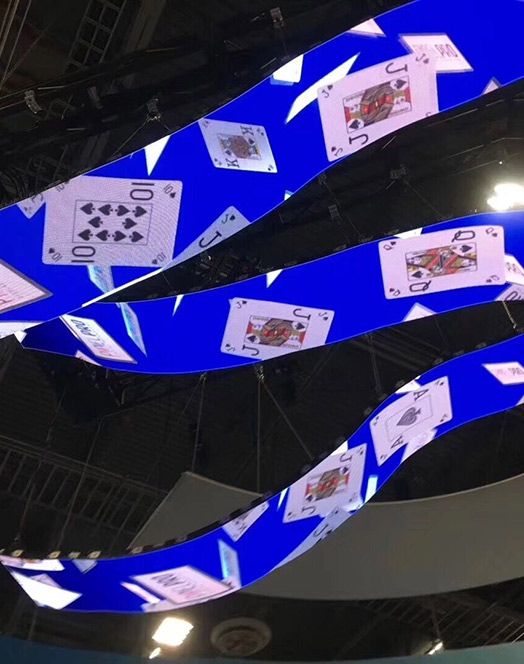
It’s tempting to think HDR is all about cranking brightness. Plenty of panels boast insane nits, claiming victory in sheer luminance. But the real difference is in nuance. A well-done HDR LED display delivers contrast without fatiguing the eyes. It preserves subtlety in the brightest highlights and the deepest shadows. Sunlight reflecting off water, candlelight in a dim room, the glint of metal—these details suddenly feel real.
LEDs are perfect for this because they can modulate light at the pixel level. Traditional backlit panels just can’t compete with that kind of local control. And it shows. Viewers lean forward, unconsciously noticing textures they’d never realized existed before.
Calibration is Everything
HDR can look spectacular—or completely wrong—depending on calibration. Brightness, color gamut, and gamma all need to line up perfectly. Misalign one parameter, and the image flattens. Get it right, and you get depth, immersion, and a sense of presence that feels almost tangible.
Color is especially critical. HDR expands luminance, but without careful mapping, shadows and highlights can look artificial. Skin tones betray poor calibration immediately. Fabrics, metals, and landscapes all reveal mistakes. LEDs really shine when precision is treated as fundamental, not optional.
Local Dimming: Small Detail, Big Impact
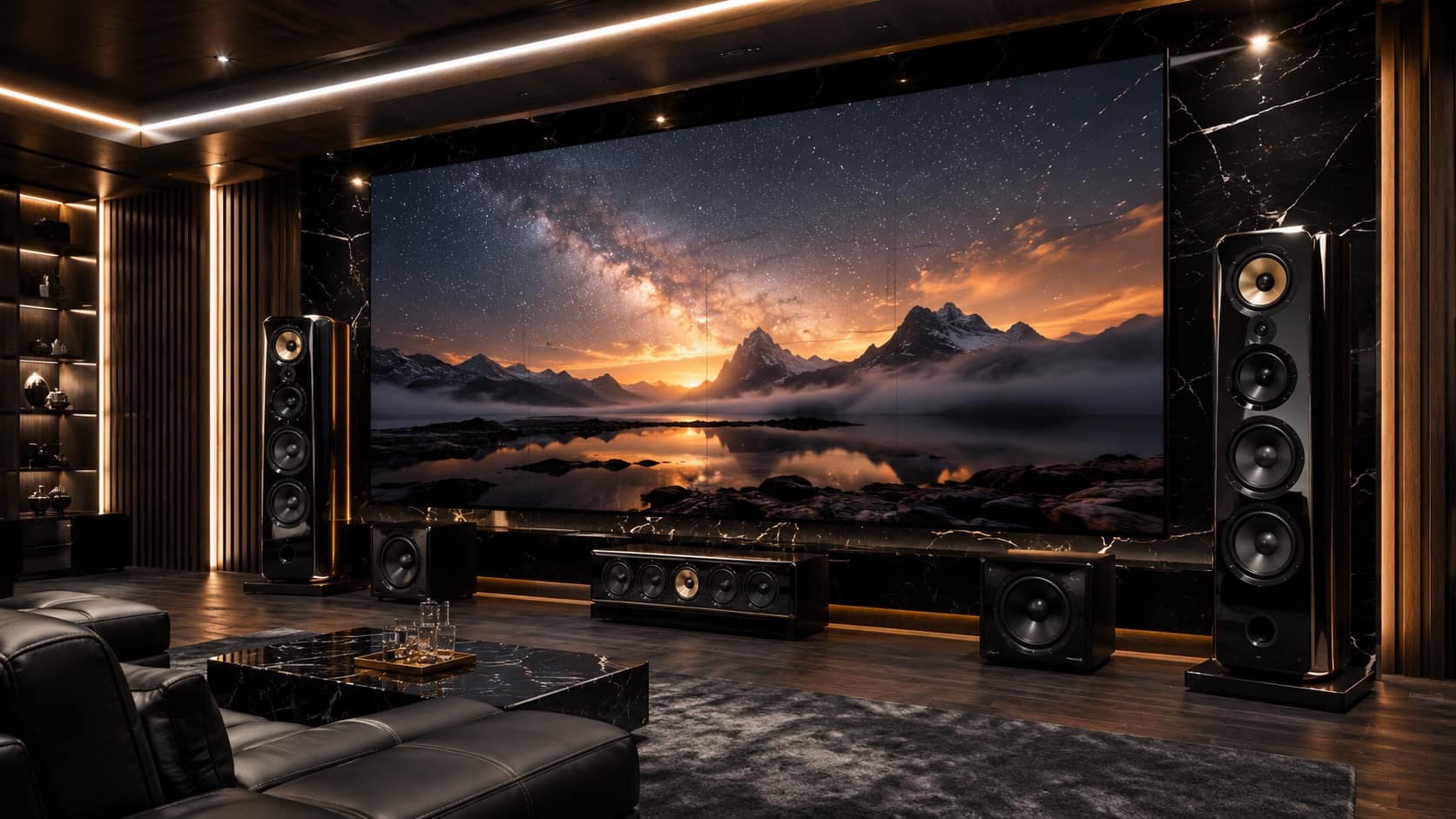
One feature that often gets overlooked is local dimming. It allows parts of the screen to darken independently, boosting contrast without dimming everything else. On large LED walls, this can transform a scene. A starry night sky or a dimly lit alley suddenly has dimension.
It’s tricky, though. Overdo it and you get halos or blooming. Underdo it and shadows flatten. Striking the right balance is an art—and this is where modern LED panels really deliver. Fast response times and per-pixel control make HDR feel alive, not forced.
Motion Gains Weight
HDR doesn’t just affect static images. Motion, too, changes dramatically. Fast-moving highlights, explosions, or flashes retain intensity without washing out nearby shadows. Dark areas stay coherent even as the scene shifts rapidly. It’s subtle, but it makes movement feel weighty, anchored, and real. Ordinary LED displays—even high-resolution ones—often feel flat in comparison. HDR restores the storytelling power of the screen itself.
And depth, too. Humans read contrast as spatial information. HDR expands that perceived depth. A city at dusk, a forest at sunrise, suddenly feels layered, almost tangible. It’s like the screen breathes.
HDR on LED vs Other Displays
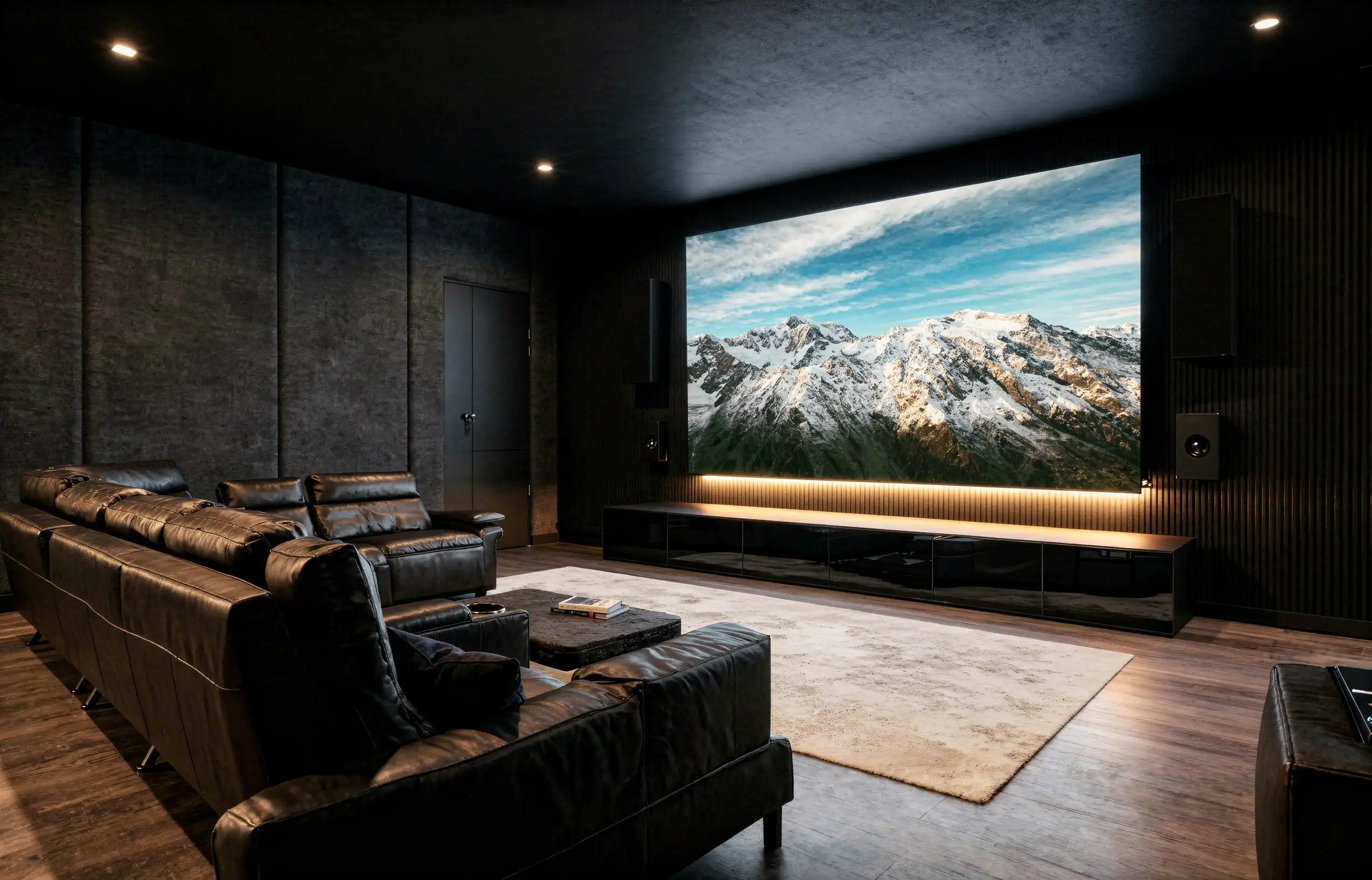
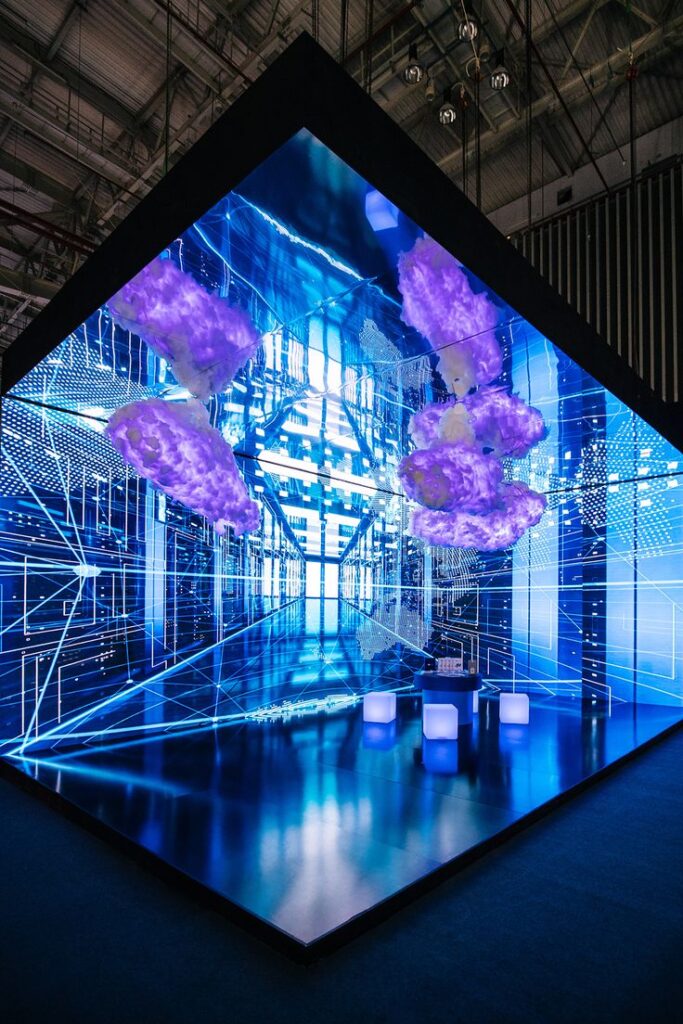
HDR isn’t exclusive to LED. OLED and QLED offer it, too. But the experience differs. OLED can deliver true black but struggles in bright rooms. Standard QLED panels push brightness but often lose subtle shadow detail. LEDs, especially large modular panels, combine brightness, rapid response, and precise contrast control. They scale well and maintain uniformity, even on walls that fill a room. That makes HDR not just visible, but believable.
Reading the Room
HDR is never just the screen. Ambient light, reflections, and angles all shape perception. Bright daylight can wash out highlights. Dim spaces can crush shadows. Some LED panels dynamically adjust output, but the human touch—tweaking settings, adjusting content, considering the environment—is still critical. The wall, the room, and the content are part of the same equation.
Even subtle factors—floor color, nearby reflective surfaces—can alter what you see. HDR LED panels work best when the environment is taken seriously, not just the signal.
Content Matters
HDR only works if the content is up to the task. Low-quality or poorly encoded material looks muddy no matter how capable the panel. Designers need to think in terms of luminance, not just pixels. Bit depth, gamma curves, and color grading are all part of the equation. Subtle highlights, deep shadows, reflective surfaces—these aren’t just details; they’re storytelling tools. The LED panel simply reveals them faithfully.
Subtle, Not Showy
The funny thing about HDR is that when it’s done right, people barely notice it. Viewers don’t think, “This is HDR.” They just notice the scene feels real. Flat displays scream their limitations; HDR LED walls don’t. They immerse. They allow content to breathe.
Subtlety is mastery. A screen that calls attention to itself because of HDR is failing. The goal is seamless depth, natural contrast, and believability.
The Future is Bright (and Dark)
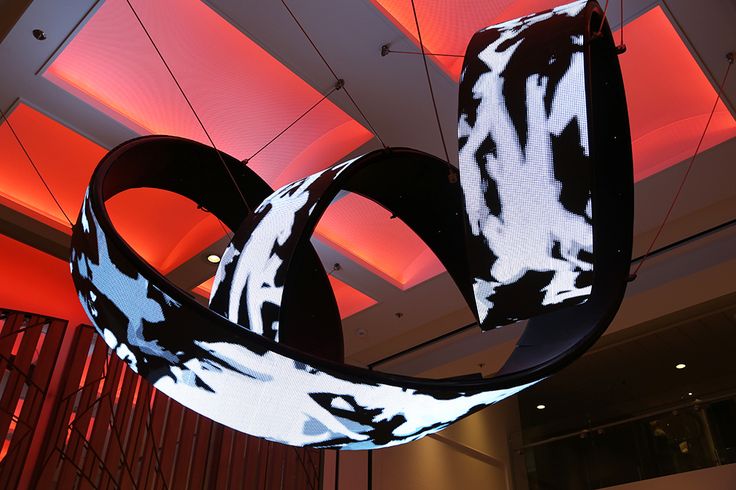
HDR on LED is evolving. Local dimming is smarter. Brightness is climbing. Calibration tools are more intelligent. But perhaps the biggest shift is in awareness: designers and operators increasingly see HDR as a tool, not a checkbox. It shapes how audiences perceive motion, depth, and contrast, influencing engagement in ways that go far beyond specs.
At its best, HDR LED panels do more than show content—they restore nuance, reveal detail, and give spaces texture and life. Shadows, highlights, motion, and color all gain fidelity. The screen stops being a flat surface and starts being a space in itself.