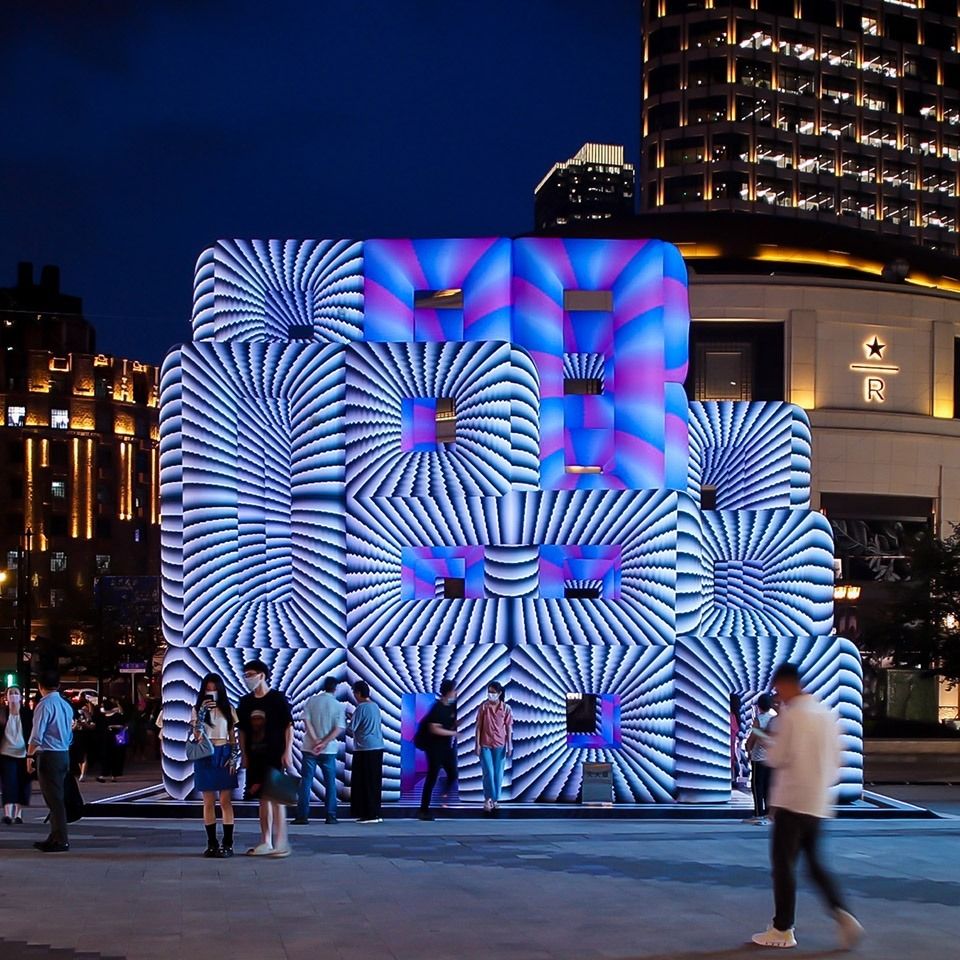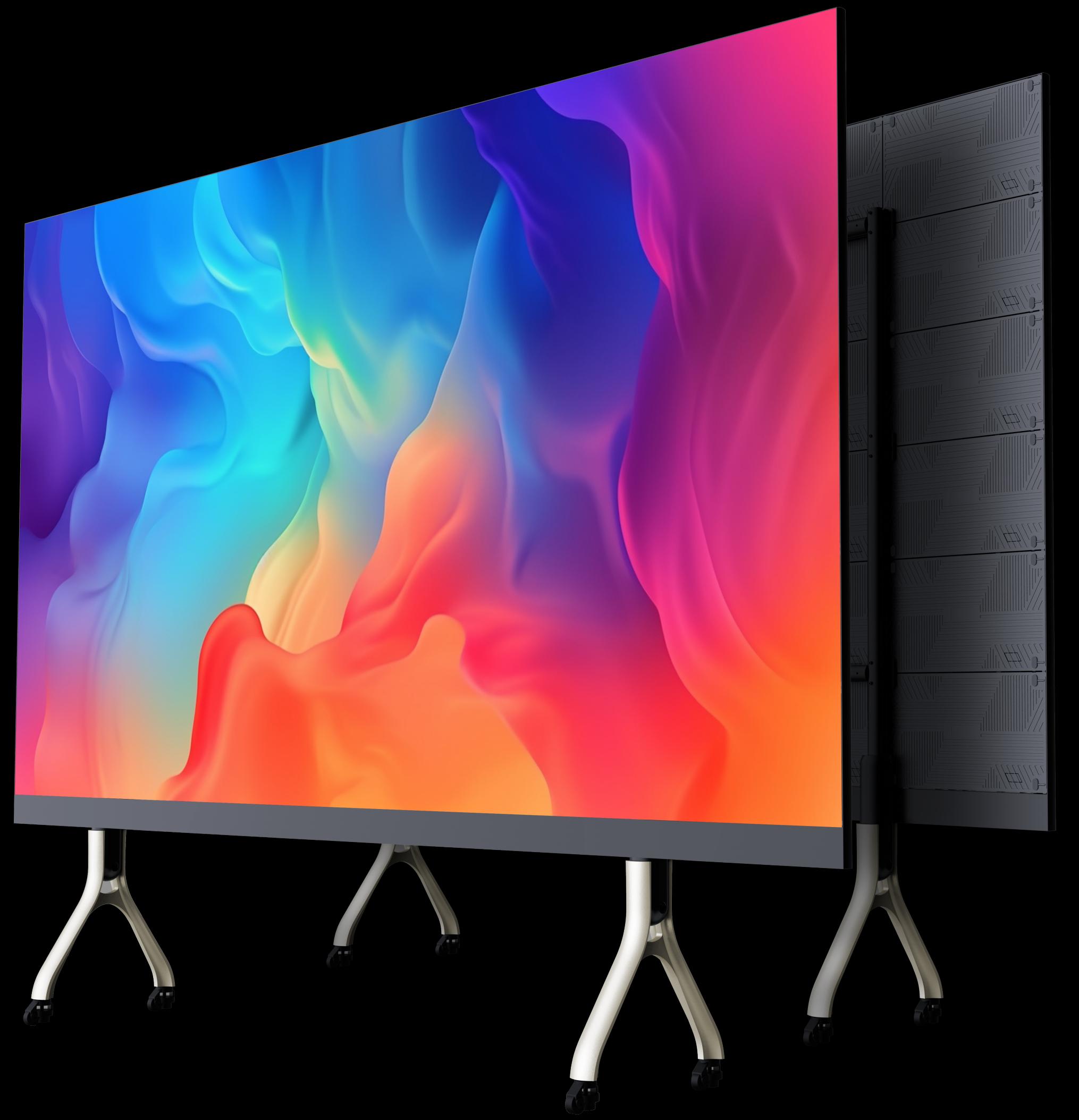
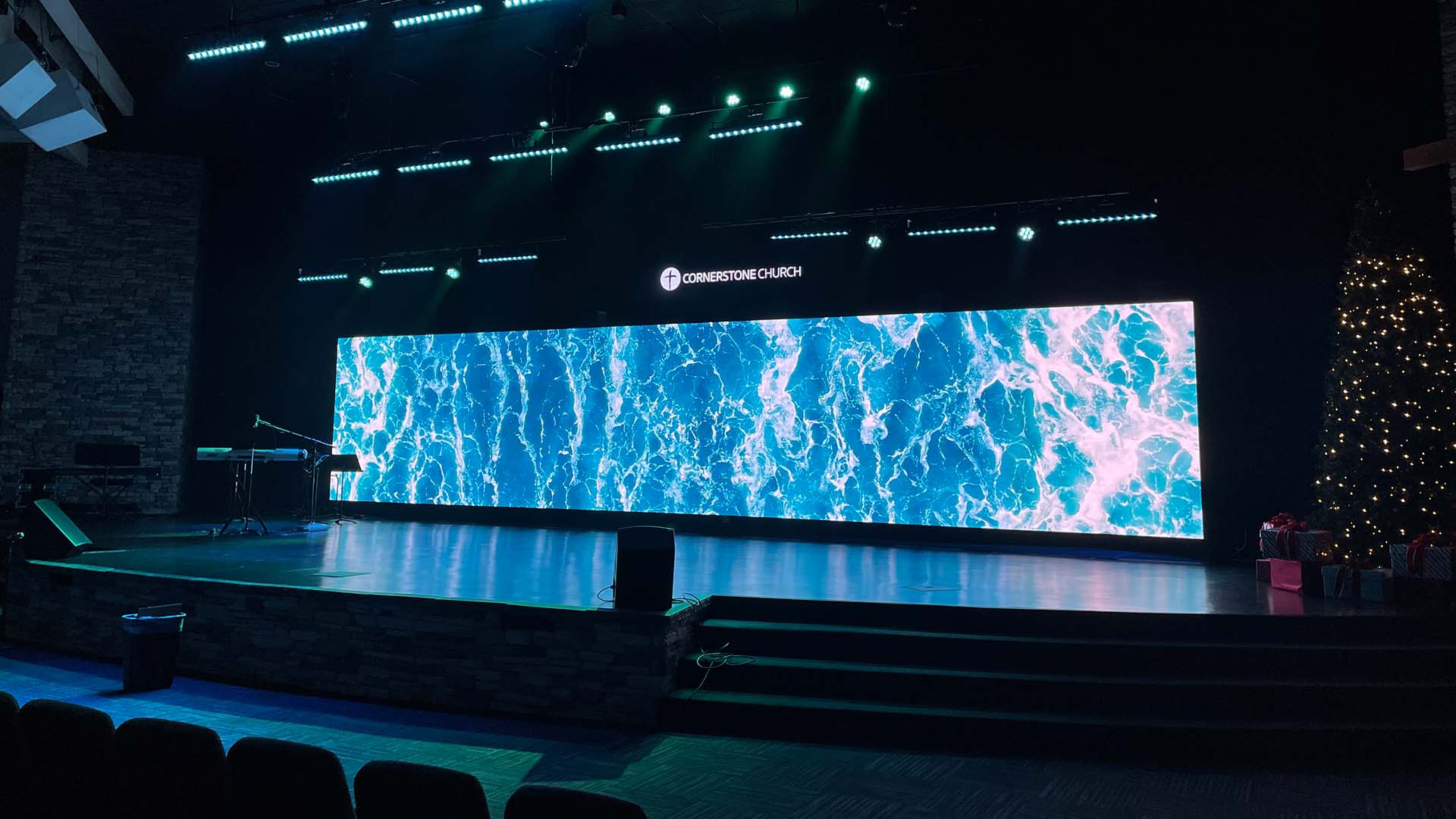
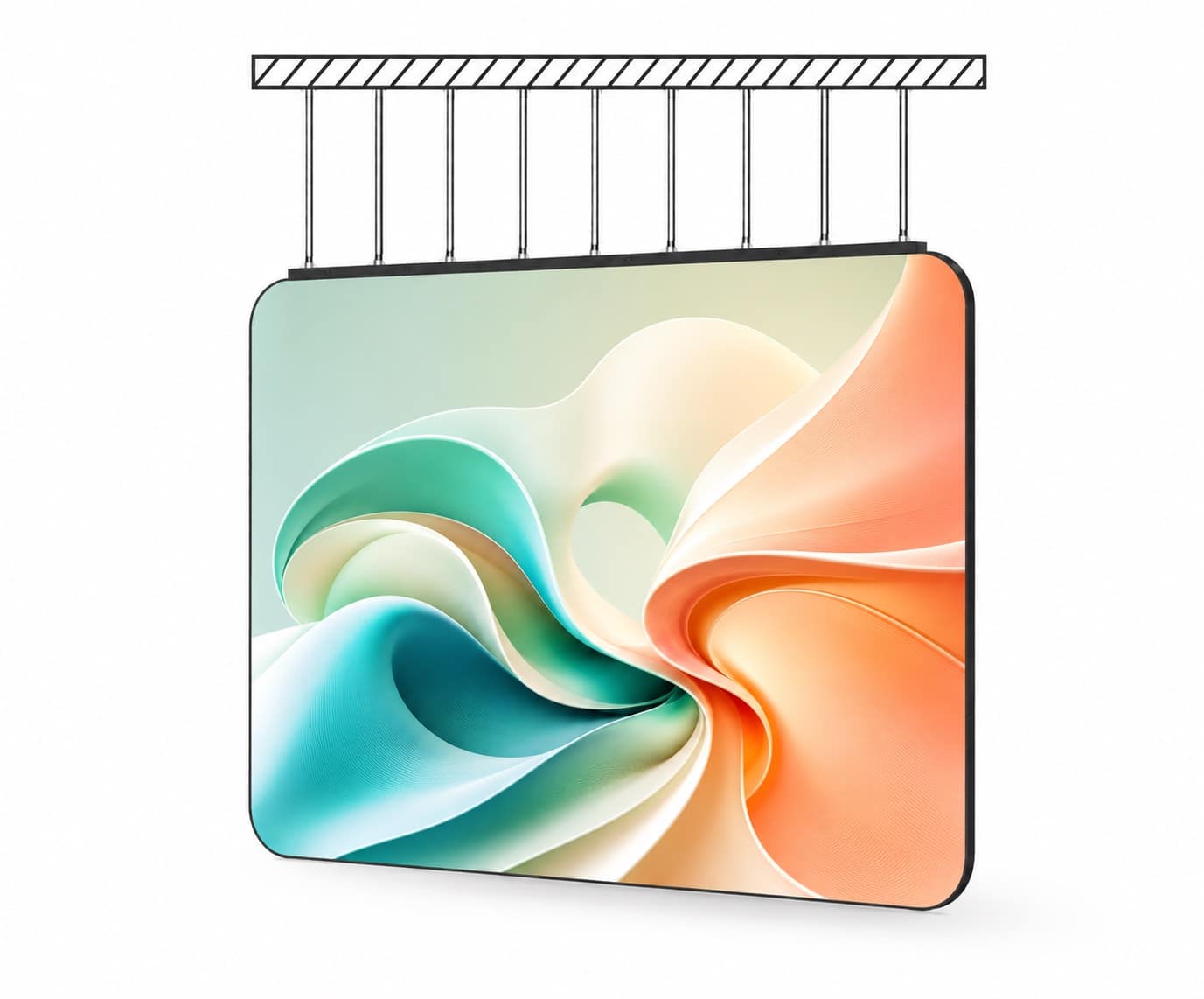
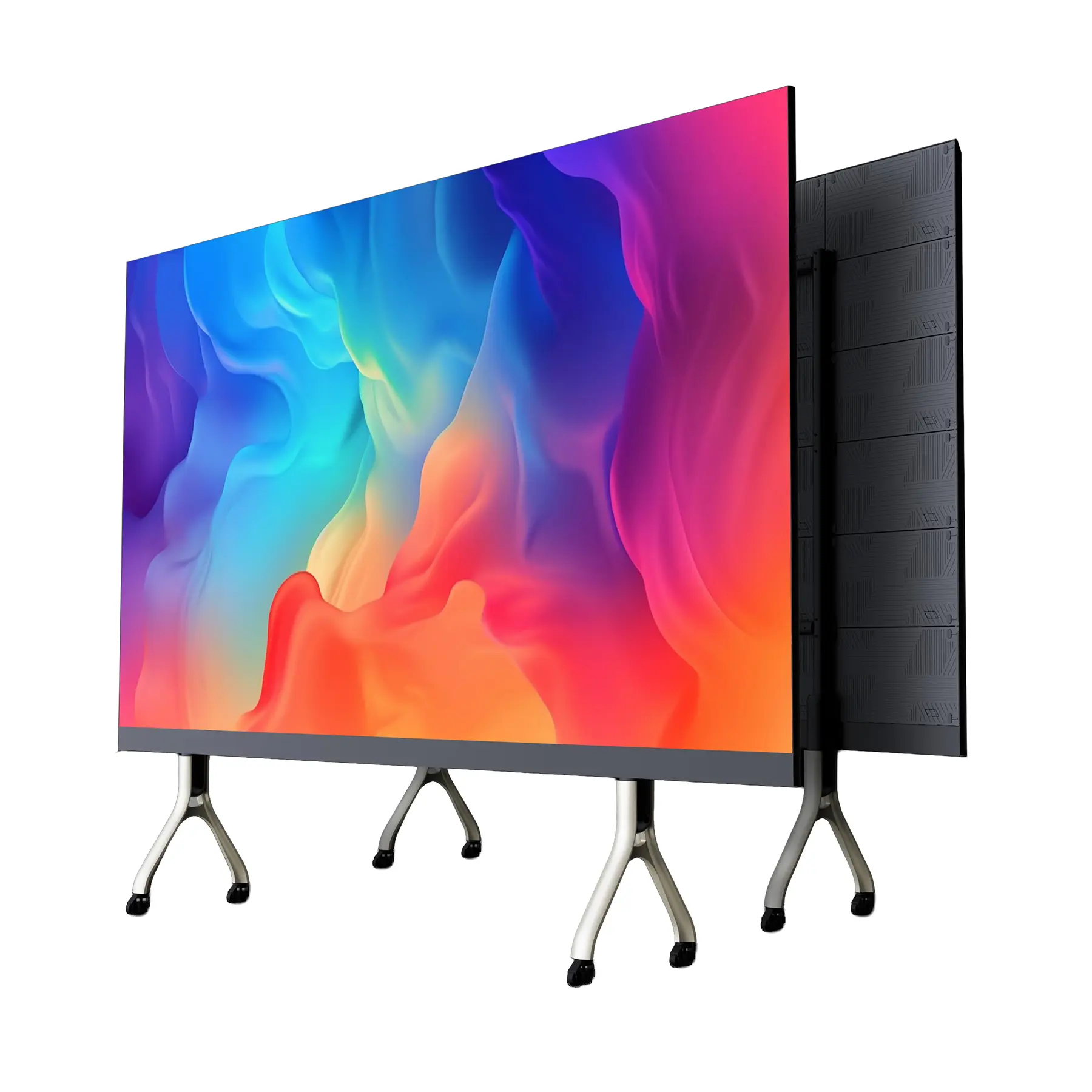
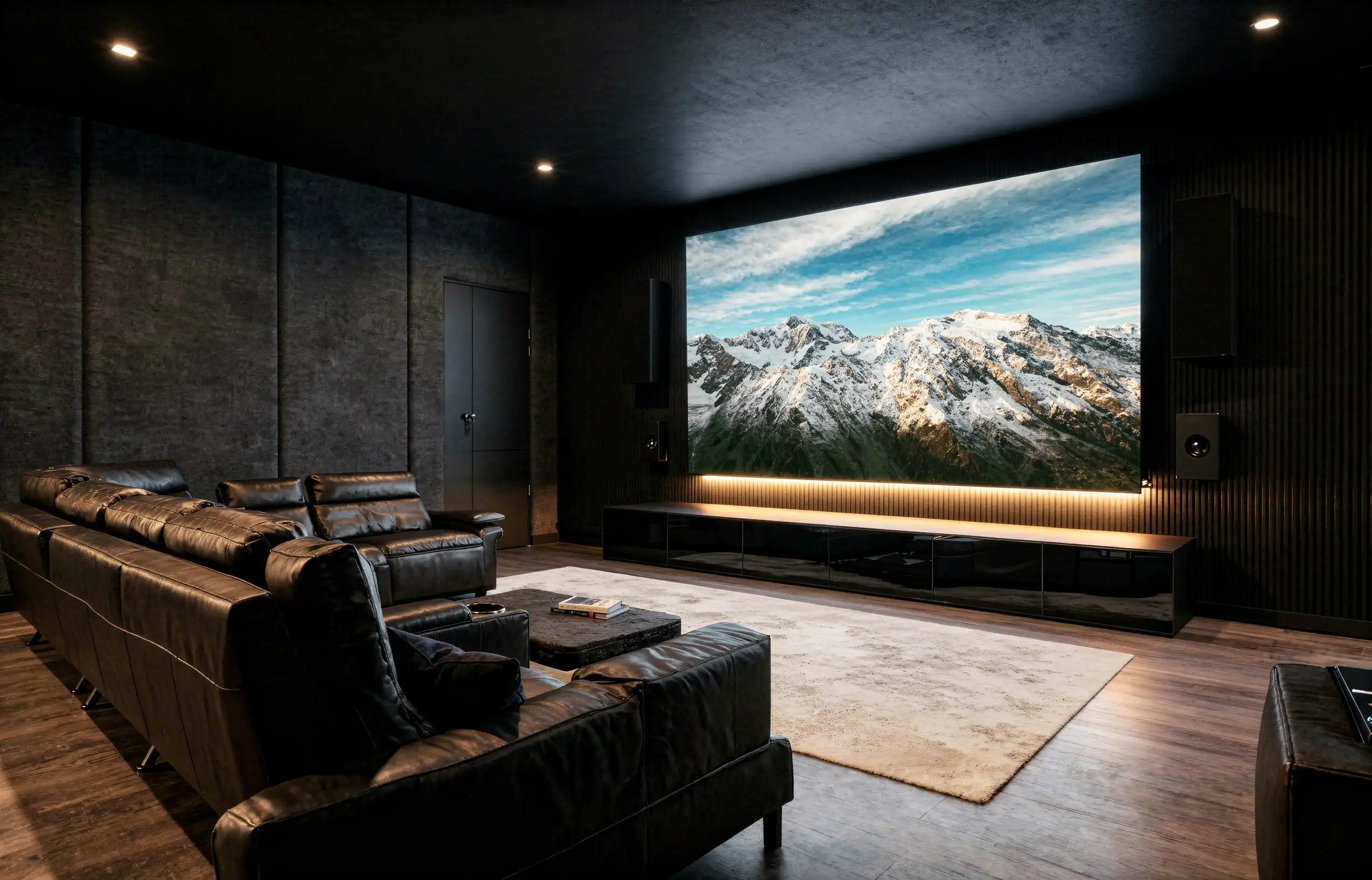
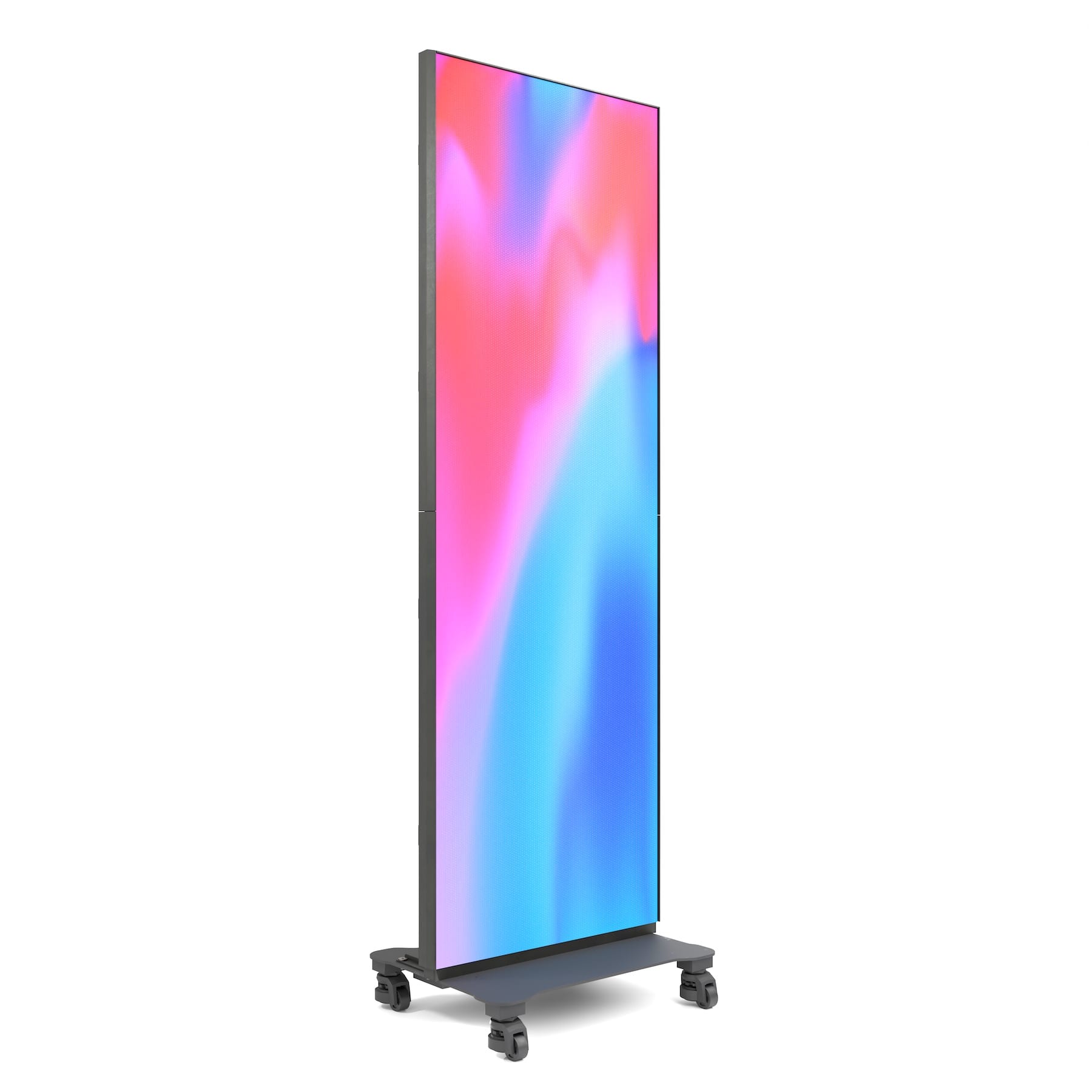
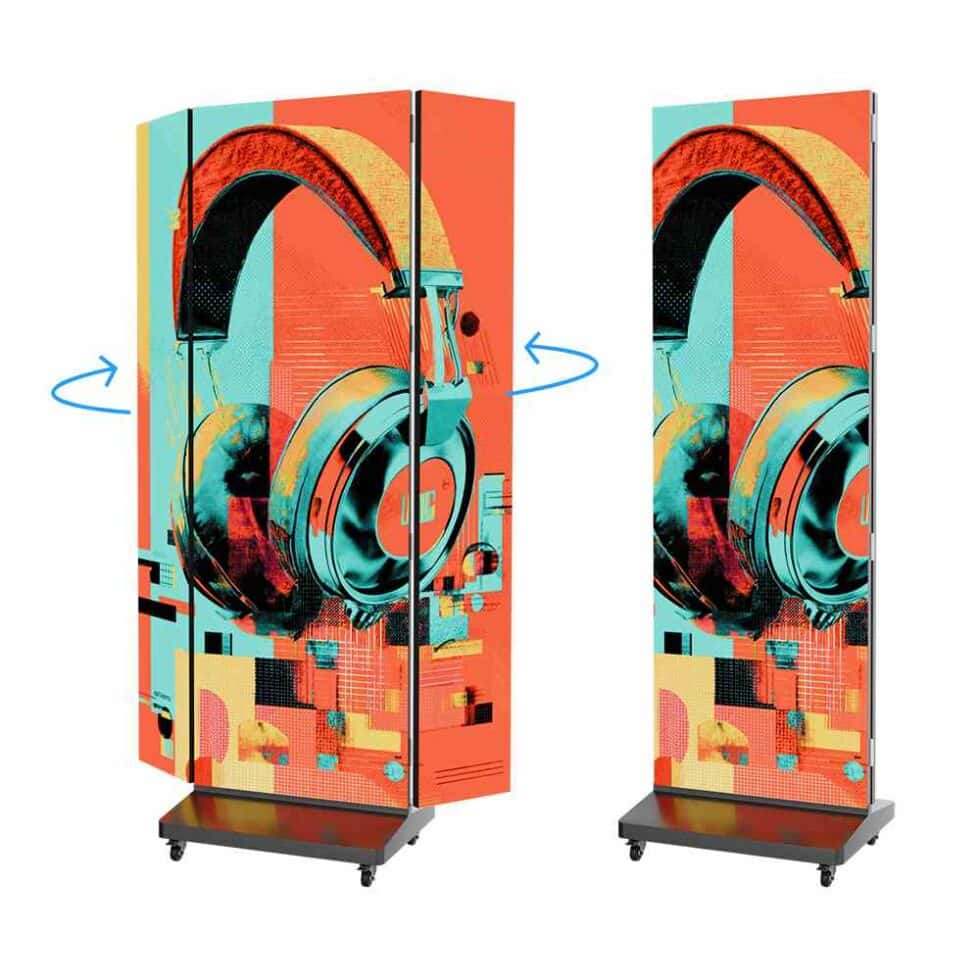
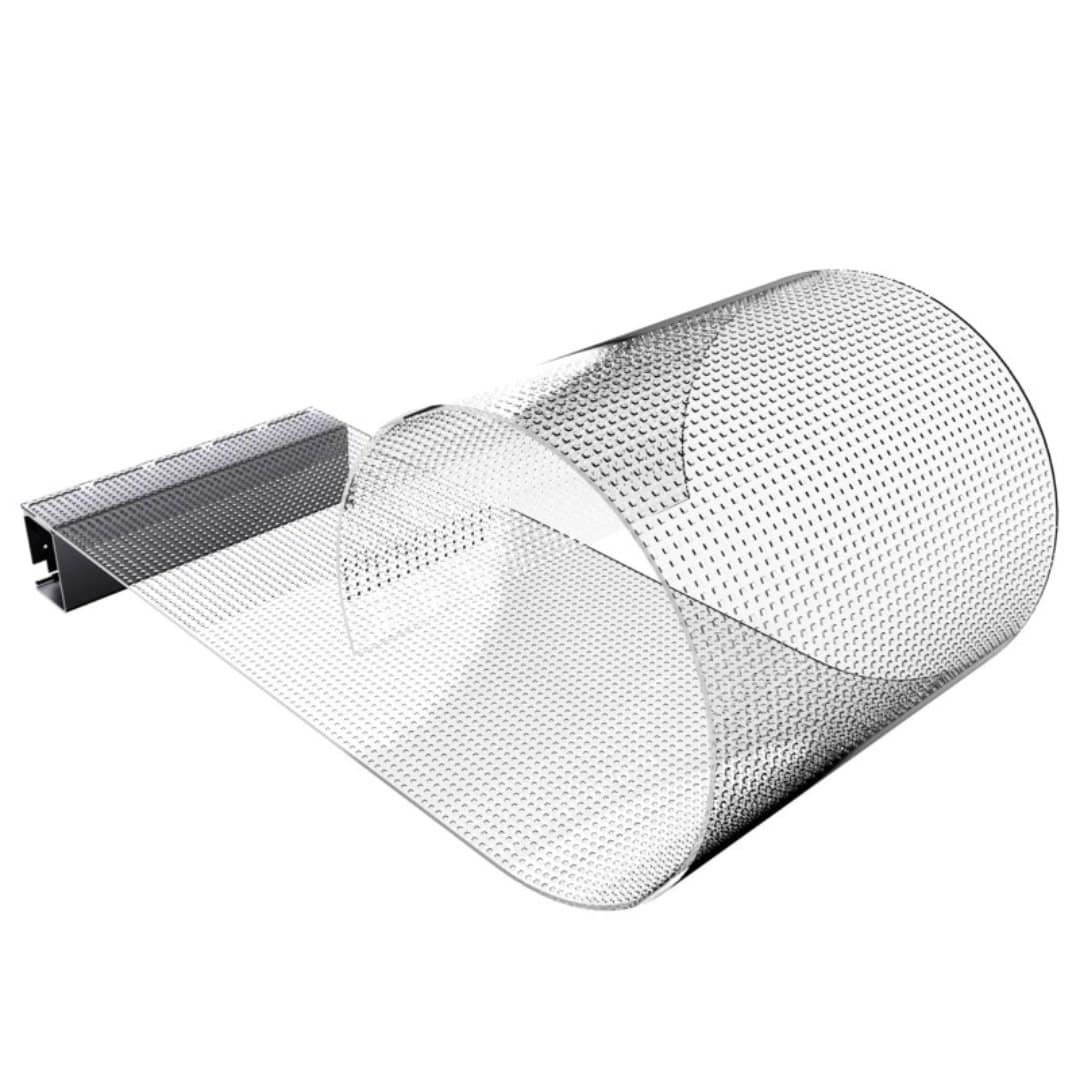
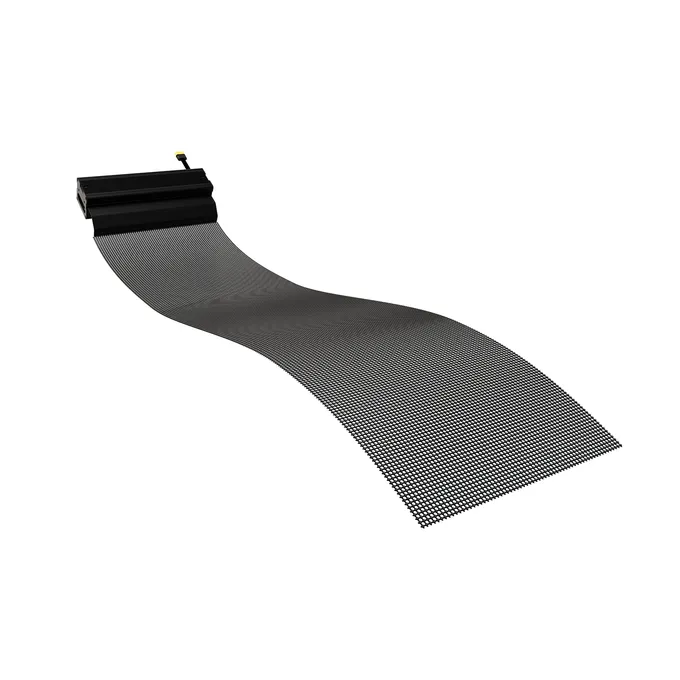
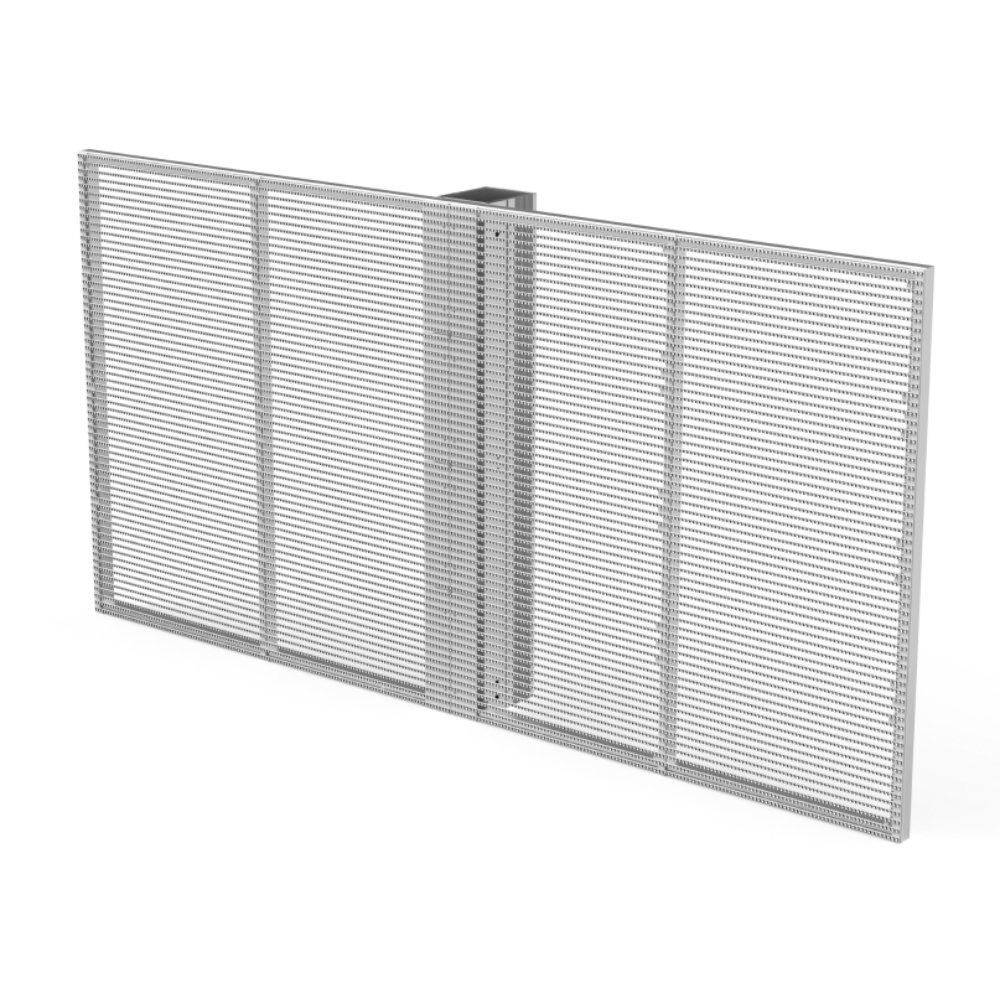
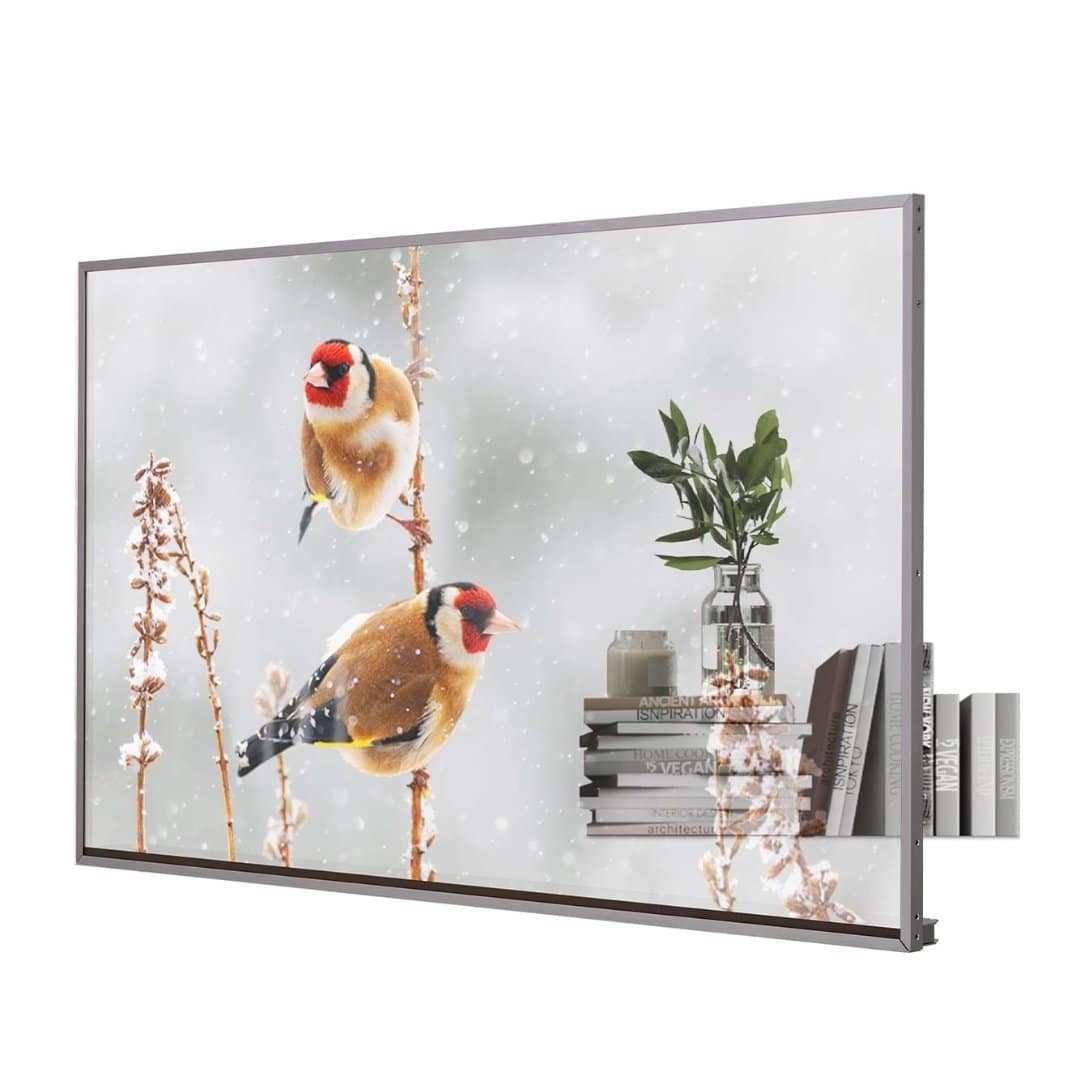
There’s a curious gravity to transparency. It’s easy to forget that most displays, even high-definition LED walls, are fundamentally barriers. They occupy space, define boundaries, and draw attention in predictable ways. A holographic transparent flexible LED panel challenges that assumption. Suddenly, the screen is no longer a rectangle; it’s a veil, a membrane between worlds, pliable, luminous, and entirely uncontained.
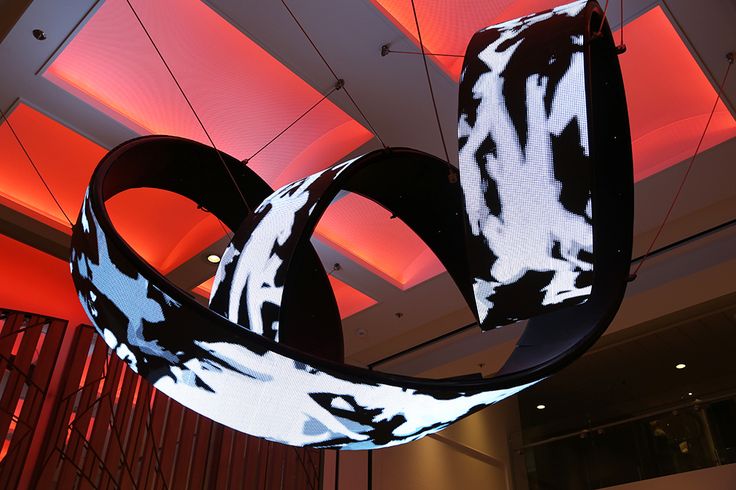
It’s deceptive how malleable it feels. The first encounter is often tactile rather than visual. Thin, flexible, almost paperlike, it bends along columns, curves around corners, and adapts to angles that would be impossible for a traditional rigid LED. This physical adaptability translates directly to perception. A panel that can wrap, hang, or fold changes not just what the eye sees, but how the brain interprets space. Light ceases to be fixed; it flows. Edges blur. The room gains a sense of liquidity.
Perception Through Transparency
Transparency isn’t simply the absence of obstruction—it’s an invitation. A holographic transparent flexible LED panel exists in tension between visibility and veiling. Objects behind it are partially obscured, their forms diffused, their color filtered. Graphics hover, not pinned. Text and images can float in the air, hovering over the environment rather than overtaking it. The display doesn’t demand the viewer’s attention in the same way a conventional LED wall does. Instead, it coaxes the eye, offering partial glimpses and fragmented motion, an optical tease that feels far more alive than static brightness.
It changes content strategy entirely. Motion graphics must account for background interference, yet that interference can become a creative advantage. A dynamic pattern doesn’t need to occupy every pixel; it can interact with shadows, reflections, and real-world objects. Depth becomes intrinsic, not simulated. A simple animation on a transparent panel is no longer a surface effect—it is a spatial effect, living in the room rather than on it.
Flexibility and Form Factor
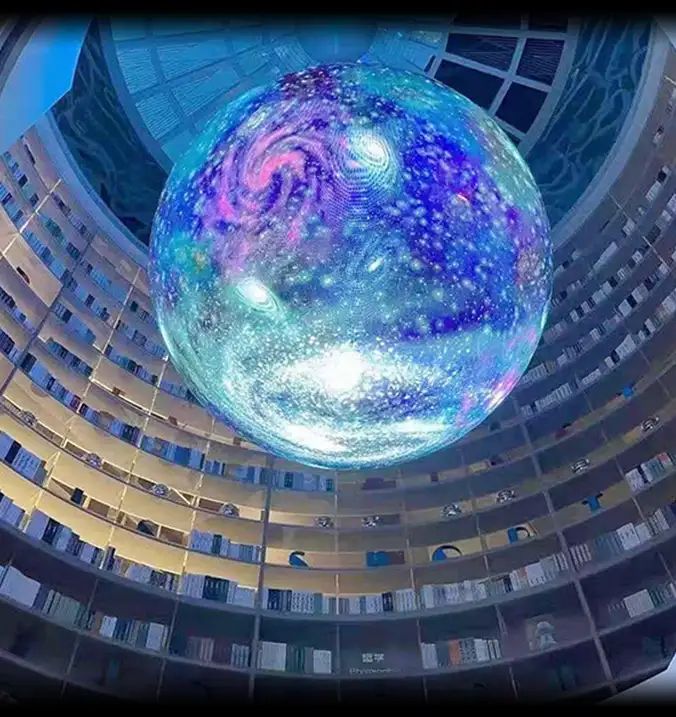
The flexibility of these panels is more than a novelty. It’s a functional tool that redefines installation constraints. Walls that are uneven or curved no longer require complex framing or compromises. A display can contour organically around architecture. Cylinders, arches, even spirals are suddenly canvases, not obstacles. This opens a new vocabulary for designers: the display is no longer a backdrop; it becomes structural poetry.
But flexibility comes with a cost in perceptual rigor. Bends and curves introduce subtle distortions in perspective and color uniformity. These distortions are technical headaches, but also aesthetic opportunities. The eye interprets curvature as depth and motion, which can amplify visual engagement when leveraged deliberately. Misalignment, once considered a flaw, becomes part of the narrative—a ripple of visual interest across a pliant surface.
Light and Depth in a New Dimension
Holographic panels challenge the conventional relationship between brightness and environment. Traditional LED walls fight ambient light; transparency invites it. Natural sunlight, reflections, and shadows become co-conspirators. The display is no longer the brightest object in the room but part of a layered visual ecosystem. Light bounces through pixels rather than being blocked by them. A single graphic can be perceived differently depending on vantage point, time of day, and angle of illumination. It’s a display that knows the world exists beyond its frame.
There’s also an intimacy to the interaction. Viewers can pass behind the screen, glimpsing content from oblique angles. Motion and opacity shift with position. It’s subtly performative: every step and turn in front of the panel changes the experience. Unlike a rigid wall, which is largely passive, holographic flexible panels respond to context and presence, blurring the line between installation and environment.
Challenging Technical Assumptions
There’s an unavoidable technical rigor in transparent flexible LEDs. Pixel density, refresh rate, and color fidelity are amplified challenges. A conventional wall can mask unevenness; a see-through membrane cannot. Every LED matters. Calibration is precise, almost surgical. Slight misalignment or hue shift is magnified by transparency and curvature. Flexible substrates strain under heat, stress, and repeated bending, so material science and thermal management are as critical as signal processing. The panels are unforgiving, but the reward is visual subtlety unmatched by rigid displays.
It also forces a reconsideration of connectivity and control. Standard LED drivers and mounting systems are designed for planar, rigid surfaces. Here, cabling, modules, and controllers must accommodate stretch, fold, and movement without compromising signal integrity. Each panel is both an engineering challenge and an experiential tool. When done right, the result is not just a screen but a luminous architecture.
Content in Motion
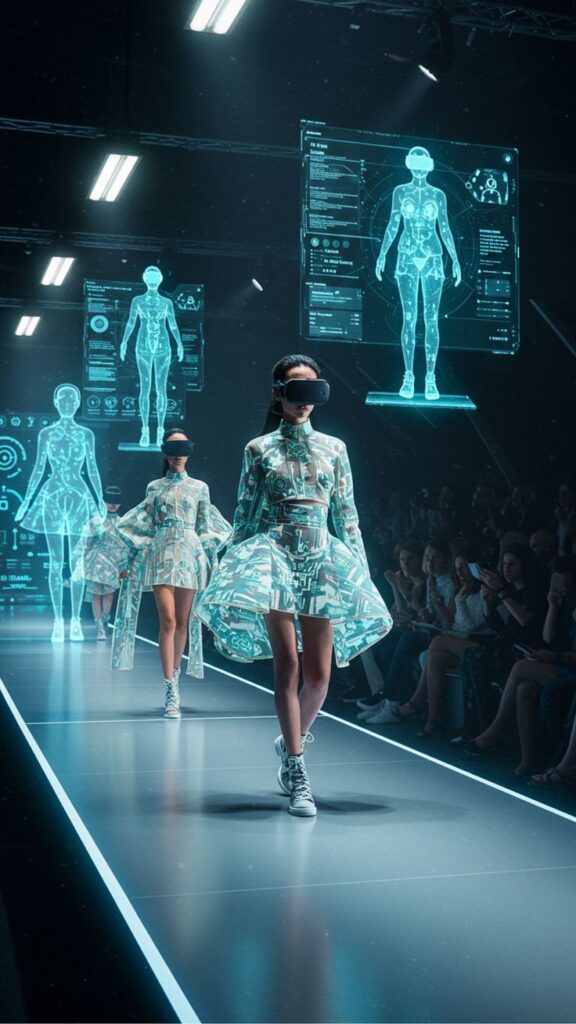
Designing for these panels is not about filling a rectangle. It’s about choreographing space. Animations can float, fade, split, or wrap around the panel’s curves. Simple transitions become three-dimensional gestures. Transparency allows layering real-world elements beneath graphics, so content can interact with furniture, columns, or human motion. The result is immersive without requiring VR or projection mapping—a physical-digital hybrid that feels intuitive yet uncanny.
There’s also narrative possibility. Dual or multiple transparent panels can create cascading or sequential effects, where content seemingly moves through and between surfaces. Motion is no longer confined to a single plane but travels through space, teasing depth and temporality. A panel is no longer a frame; it’s a portal.
The Human Factor
Perception is not passive in this context. Holographic transparent flexible panels require viewers to move, adjust focus, and reconcile overlapping planes. There’s cognitive engagement in parsing semi-visible graphics layered over a physical backdrop. The brain fills in gaps, interpolates motion, and interprets light differently. Subtle inconsistencies—like a slight variation in opacity or bend—can enhance, rather than detract, from the experience. Unlike conventional displays, which primarily broadcast information, these panels provoke observation.
Architectural Integration
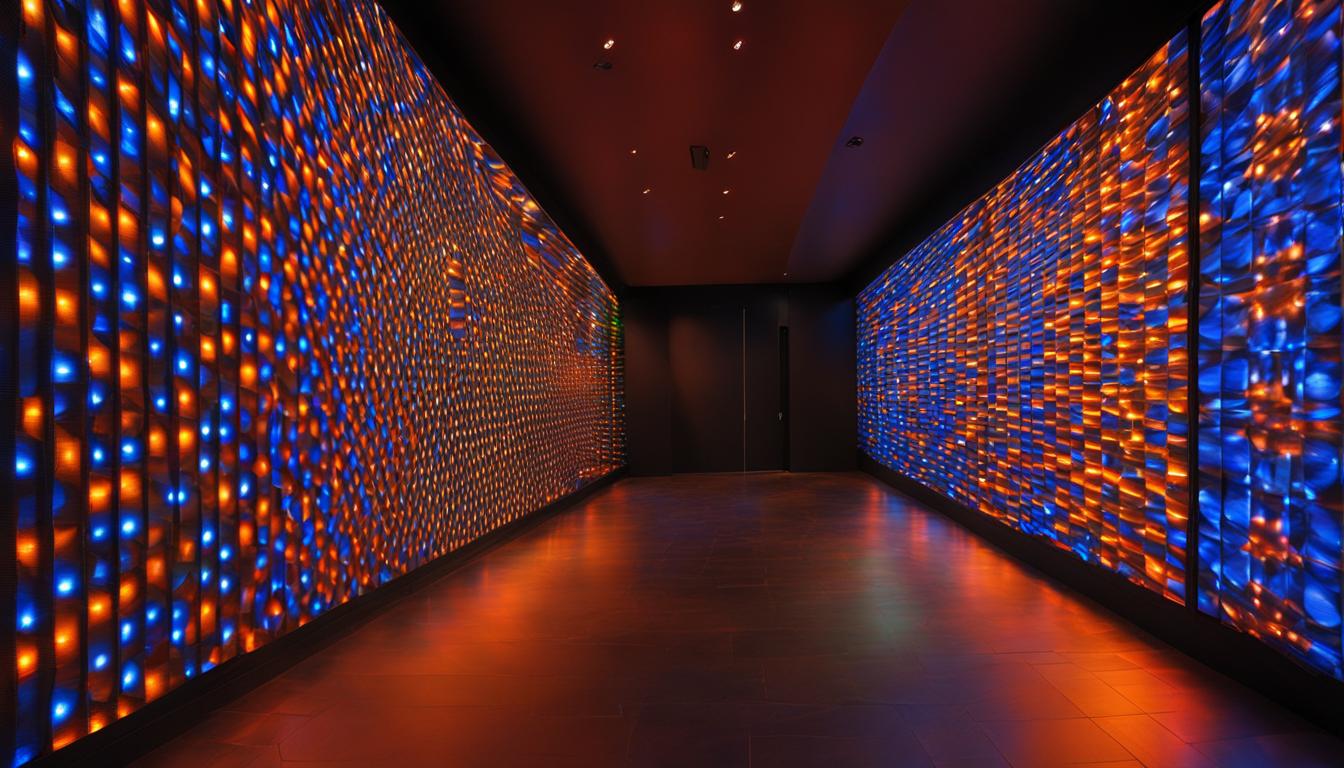
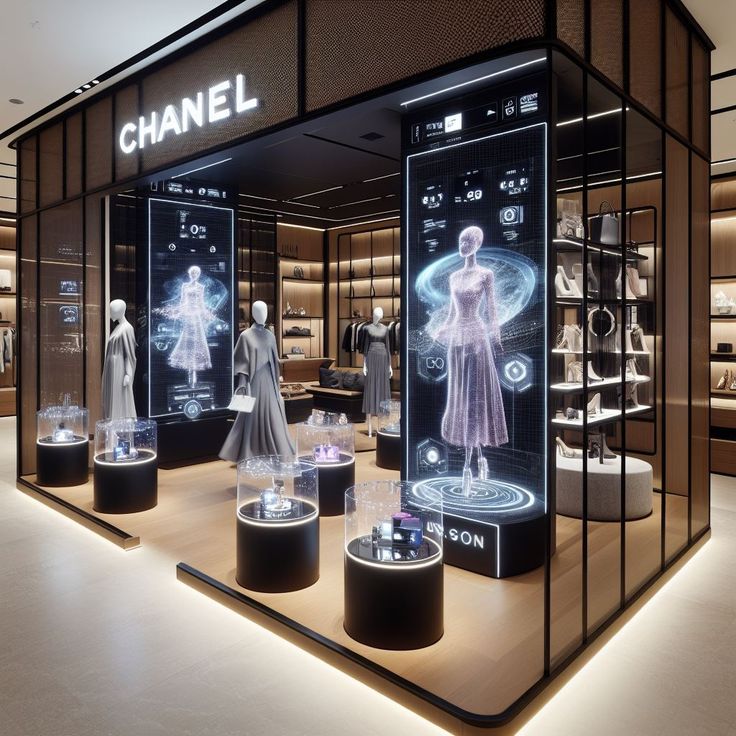
Perhaps the most radical potential is in architecture itself. Columns, glass walls, and partitions can become interactive or animated rather than inert. Retail, hospitality, and exhibition spaces can transform ephemeral boundaries into luminous experiences. A single hallway, wrapped in flexible transparent panels, becomes a kinetic corridor. Visitors experience shifting layers of motion and light that are inseparable from the structure. Traditional LEDs define a space; holographic flexible panels negotiate it.
There’s a subtle irony: the more the panel disappears, the more it asserts itself. Its transparency can make walls feel lighter, corners more open, and ceilings higher, but it also commands attention through subtle visual dynamism. It teaches restraint; it teaches impact without dominance.
Tension and Reward
Not every environment benefits from these panels. They thrive in curated conditions where light, motion, and perspective can be controlled—or at least anticipated. They punish laziness in content design and installation. But when they succeed, the payoff is spatial poetry. The room becomes part display, part sculpture, part performance. There is no formulaic appeal; the experience is emergent.
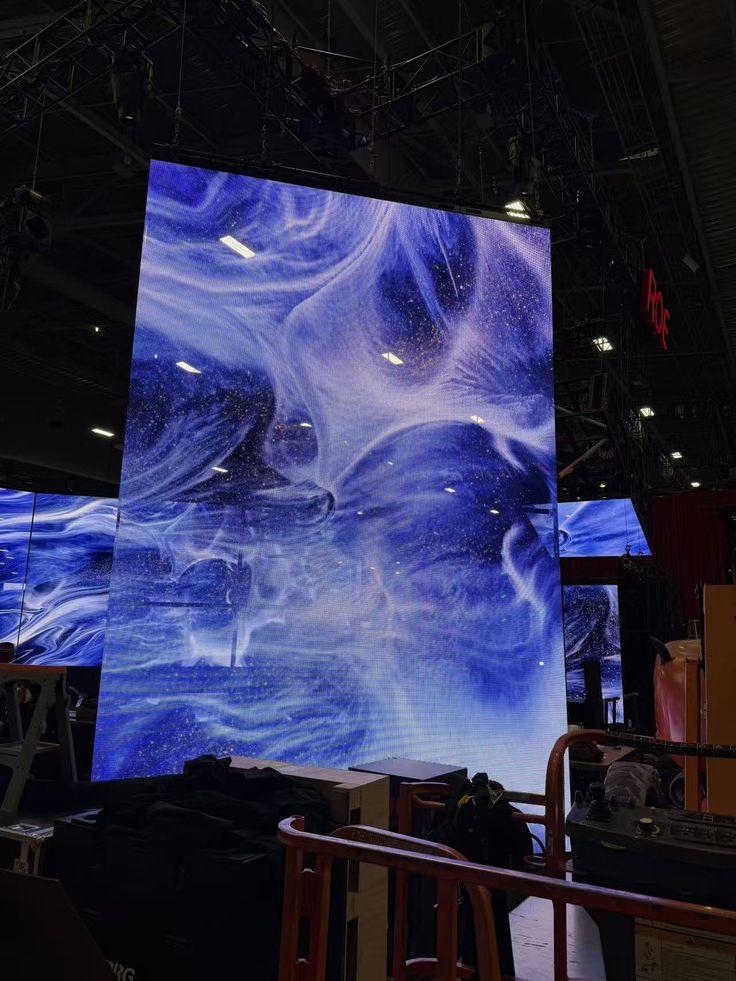
It is a reminder that LED technology is not merely about resolution or brightness. It is about perception, presence, and possibility. Transparent flexible panels blur boundaries—literally and figuratively—between display, environment, and human attention. They invite experimentation and demand vigilance. The result is a luminous negotiation between material, light, and mind, a reminder that screens can do more than show—they can inhabit.