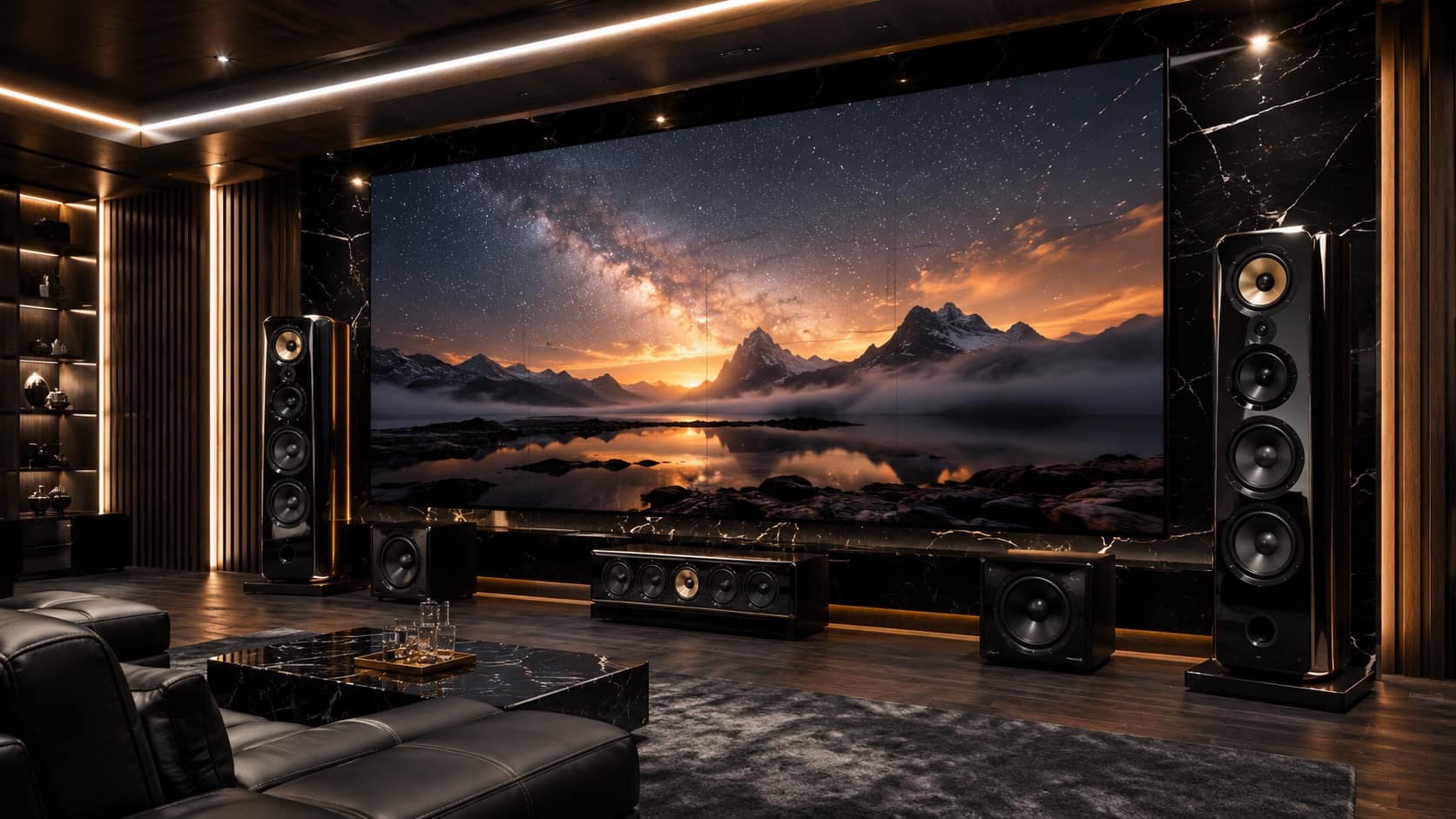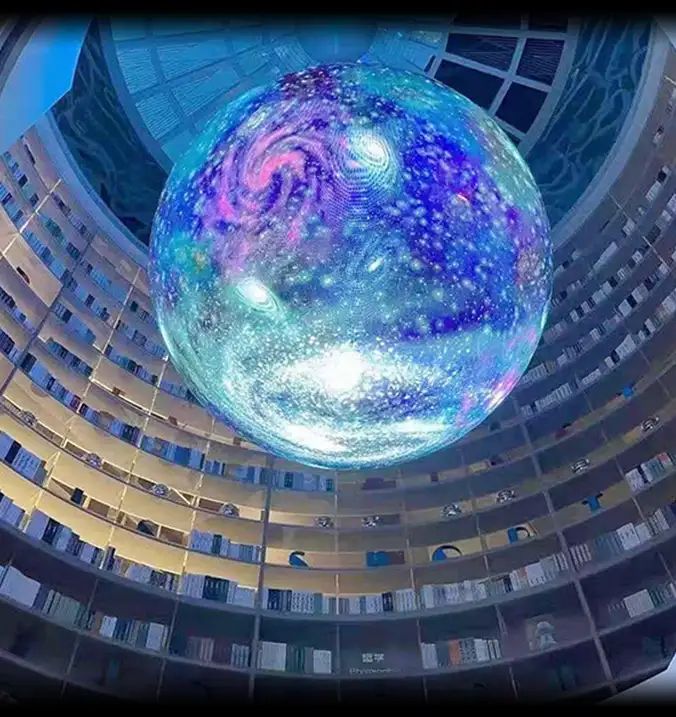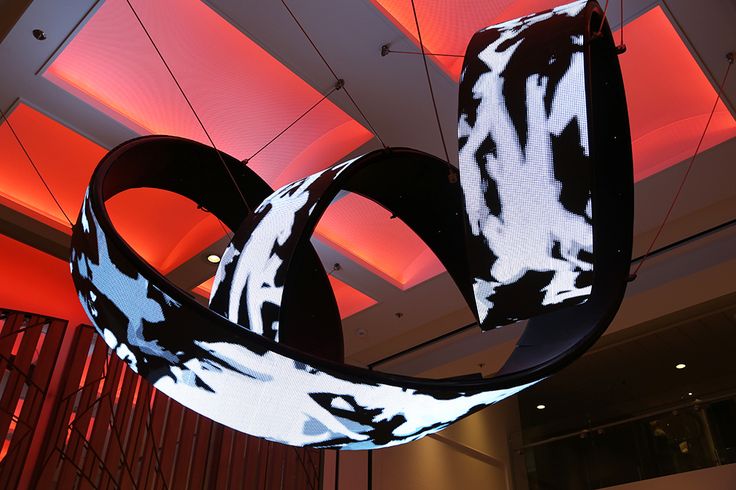
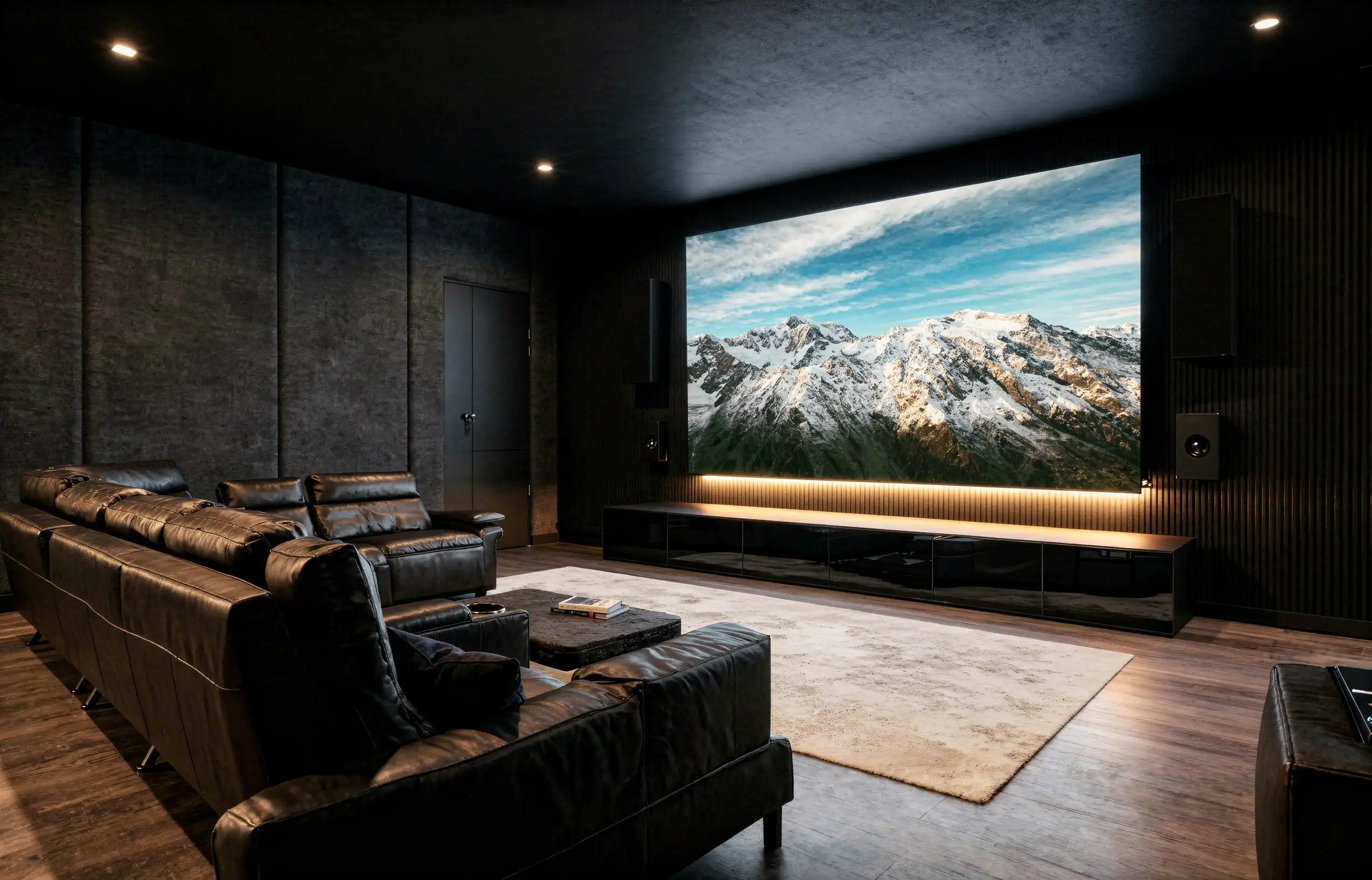
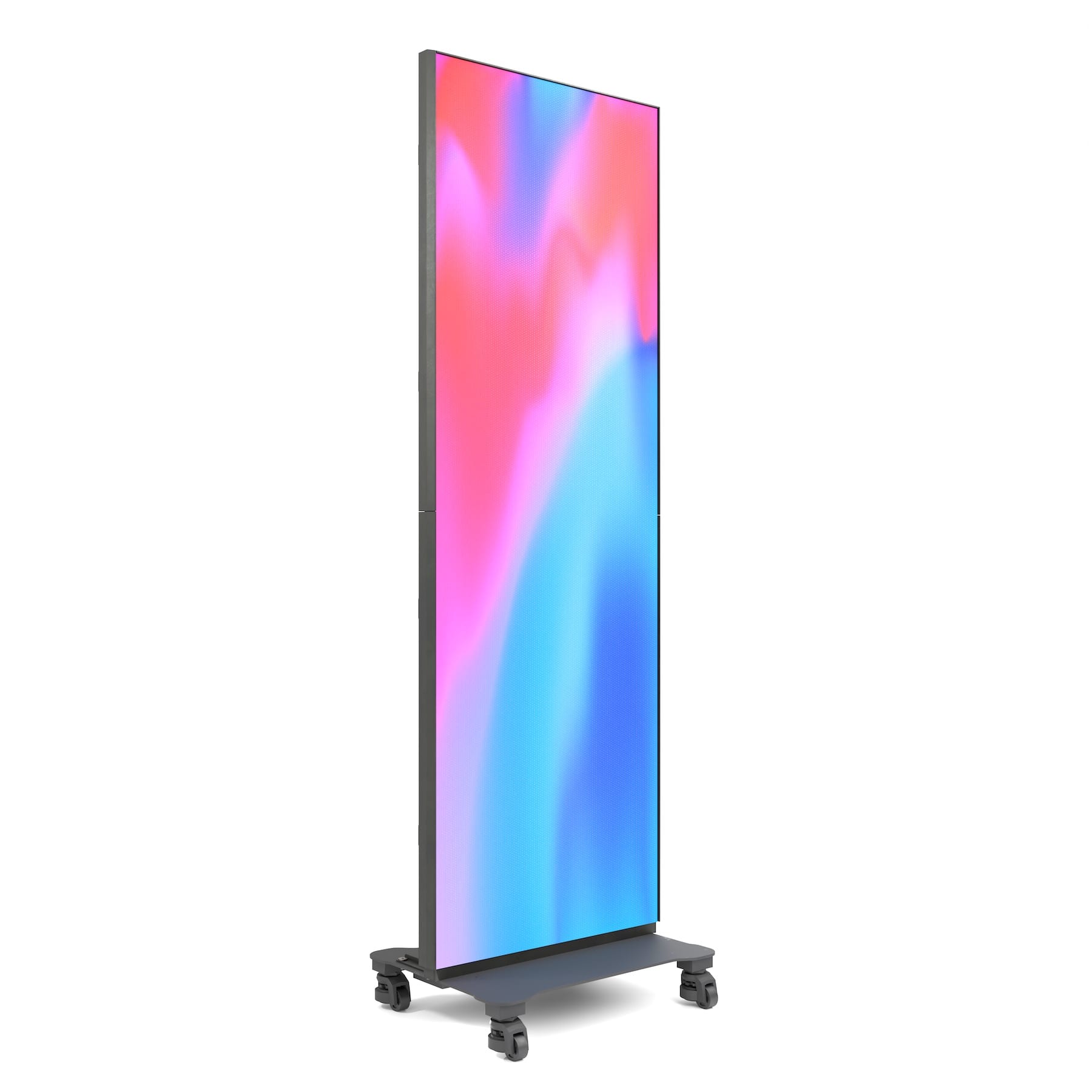
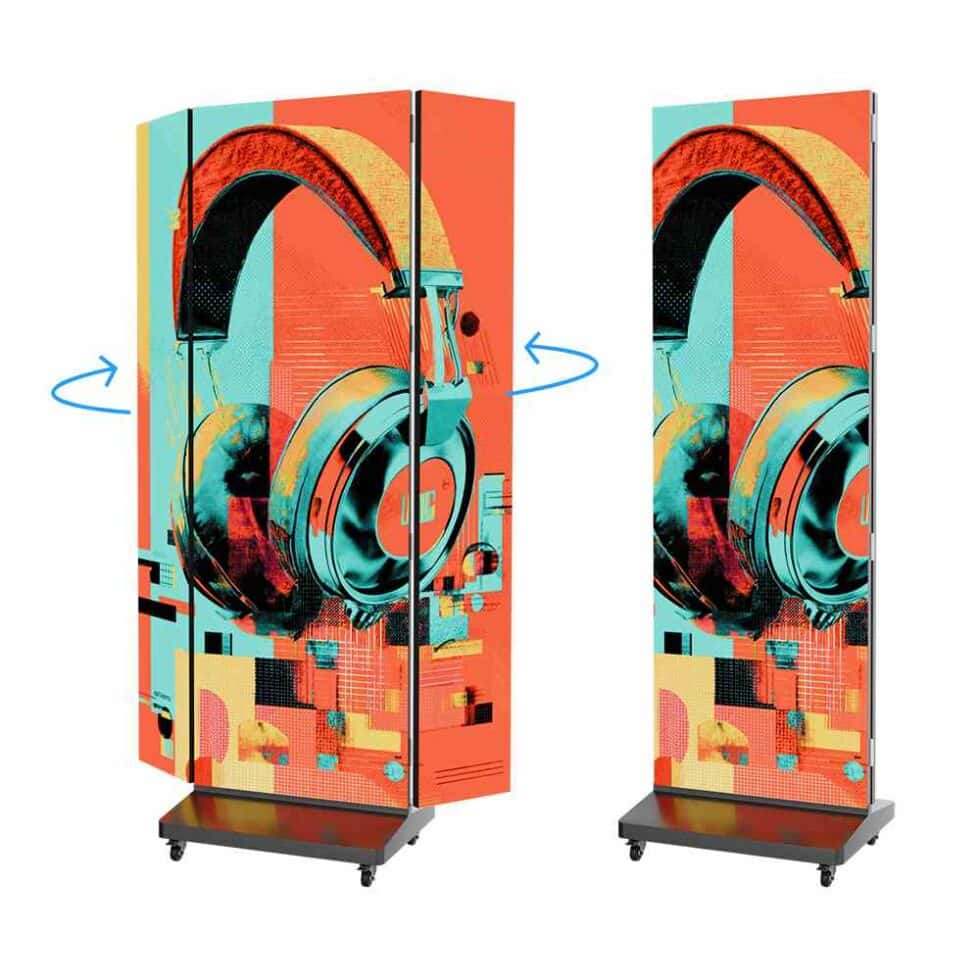
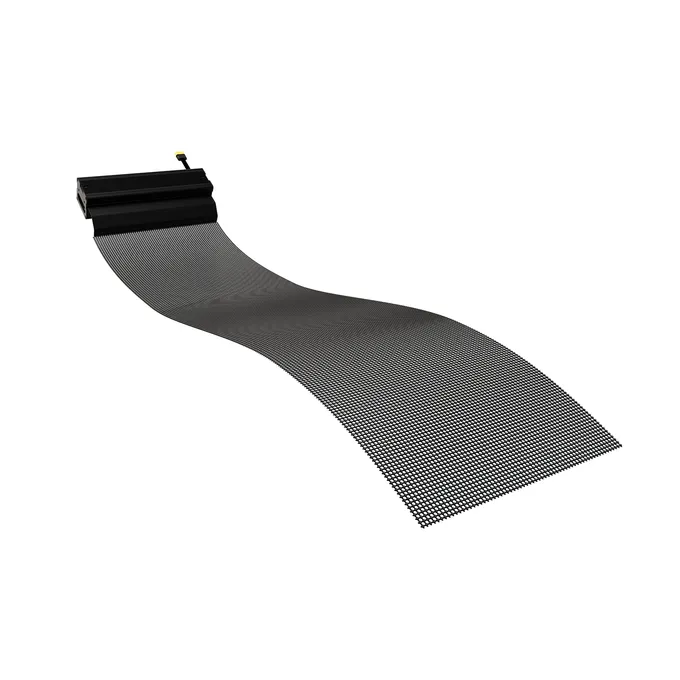
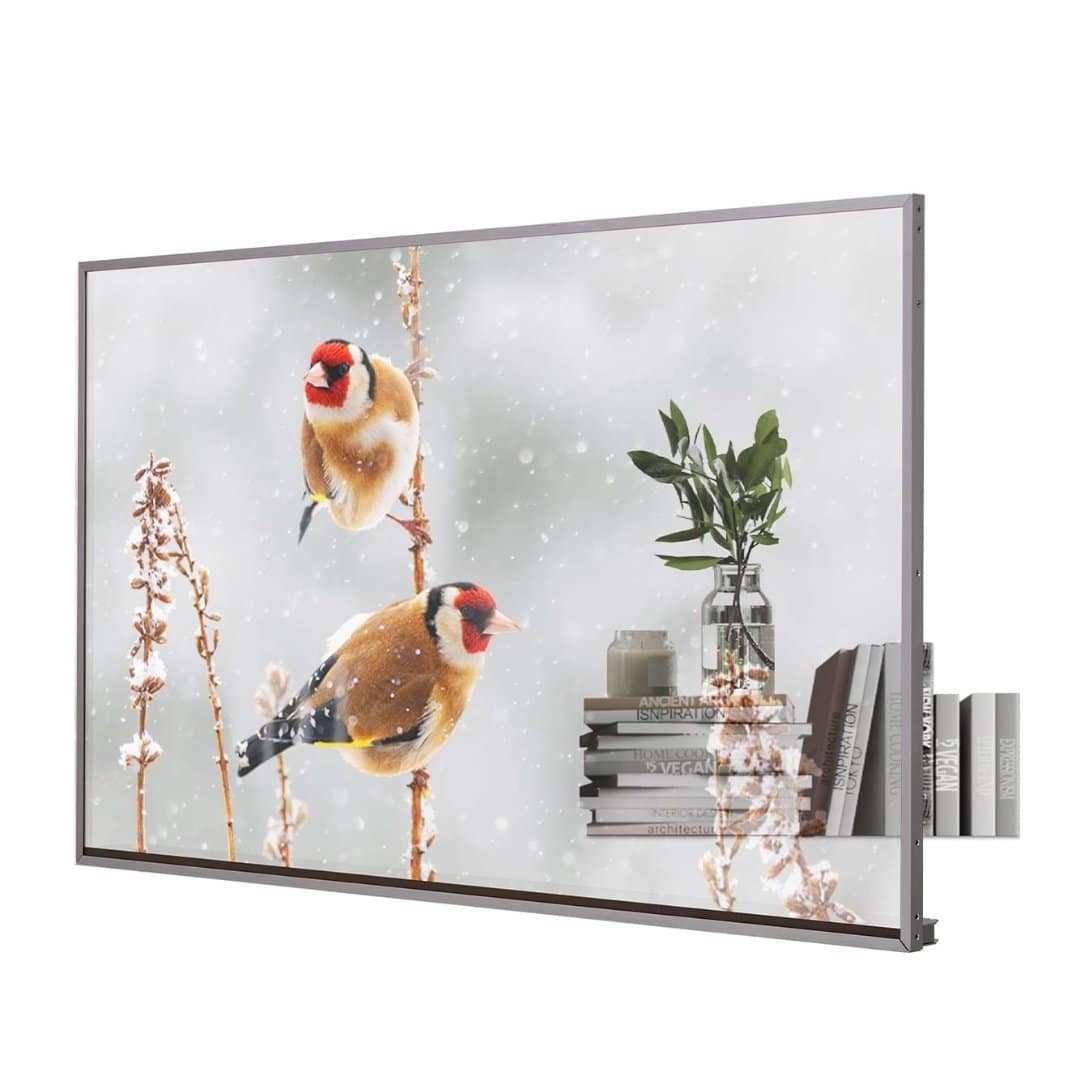
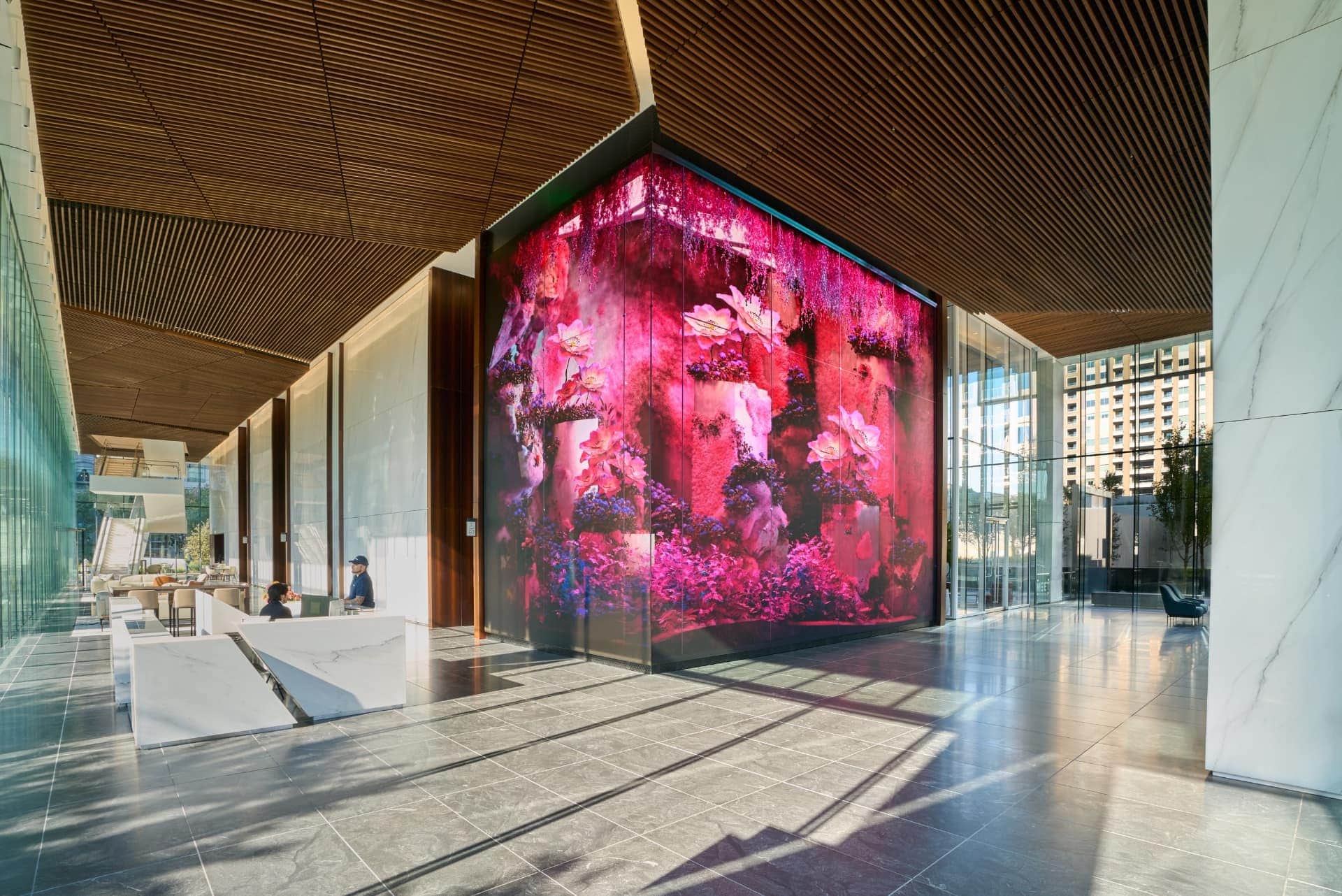
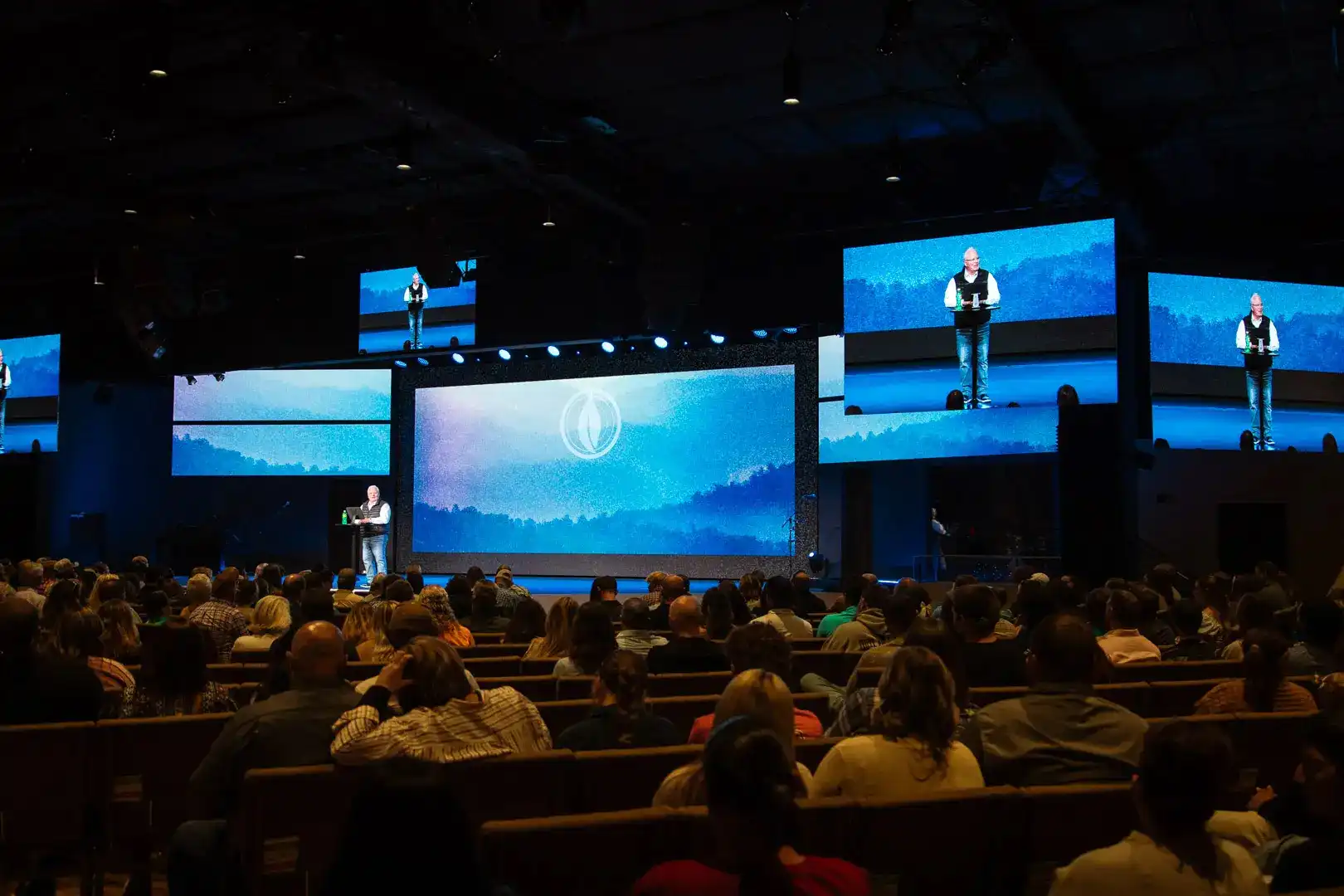
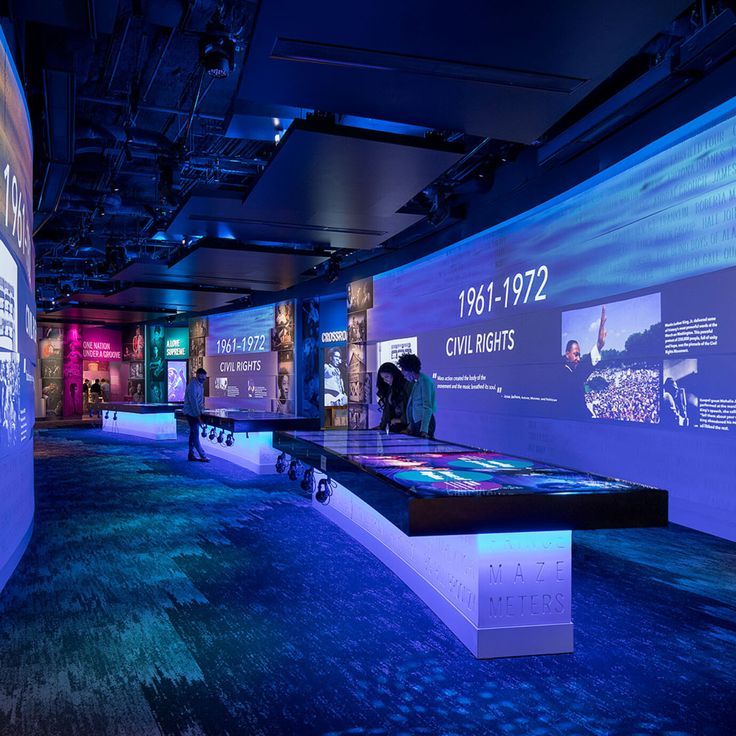
There’s something almost aggressive about a single LED wall in a room, a stark rectangle hanging with promise but delivering restraint. It can fill the eye but rarely fills the mind. Two panels, arranged with intention, shift the rhythm entirely. Suddenly, with dual LED screens, light and motion negotiate a conversation with architecture instead of just occupying it. It’s not just more display—it’s spatial negotiation.
The trick isn’t just quantity. Doubling the surface doesn’t mean doubling the impact. What a dual LED setup does is introduce tension, dialogue, contrast. One screen can carry movement that demands attention; the other, subtler shifts, gradients, or echoing visuals that lend depth without distraction. When aligned, staggered, or mirrored, the panels challenge perception. They make a wall feel like it breathes. It can turn a corner into a stage, a ceiling into an extension of the visual plane. A room is no longer a static vessel. It becomes a participant.
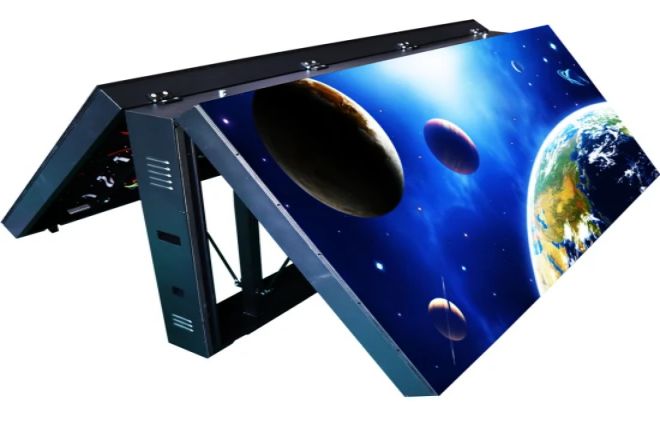
Sculpting Light and Attention
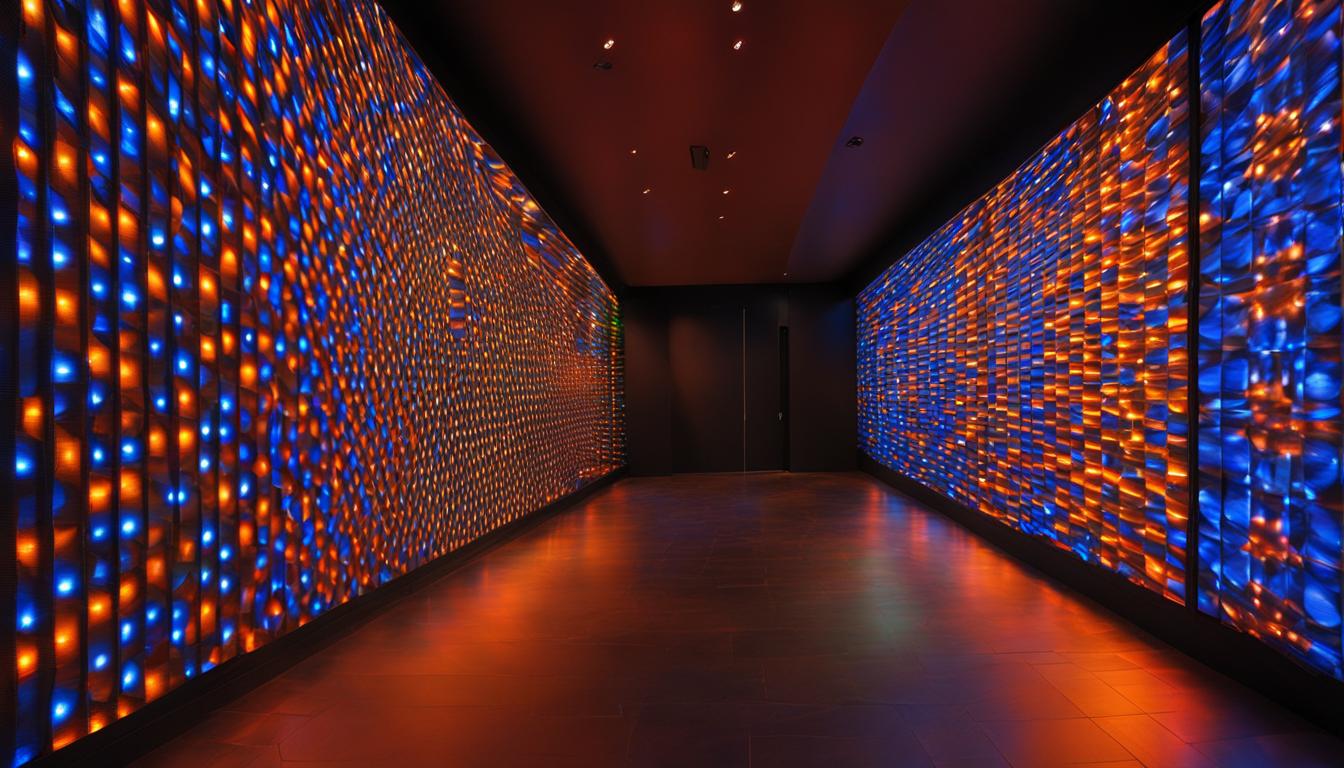
Brightness calibration becomes almost performative. Single-screen installations often suffer from the tyranny of uniformity: everything must conform to a single gamma curve, one peak brightness, one color temperature. Dual screens allow selective emphasis. One wall can push the intensity to grab the eye; the other can recede into atmosphere. It’s subtle, but the eye notices. The brain registers the difference. It’s less about pushing pixels than about sculpting attention.
Content design grows complicated, but in a way that rewards risk. It’s not about looping the same animation across both screens. The room tolerates—and even thrives—on asymmetry. Motion that begins on one panel and completes on the other pulls viewers along, encourages exploration. A dual LED screen setup inherently implies directionality. Even the simplest gradients can feel like they have weight, like light itself is moving from one point to another. The surfaces become connected gestures rather than flat backdrops.
Negotiating Space and Perception
There’s a spatial intelligence to installation that’s too often ignored. Distance between panels, ambient light, reflections, and viewing angles become active participants in the experience. In practice, walls that are five feet apart create a dialogue of scale entirely different from screens set flush side by side. Too close, and the brain collapses the two into one, diminishing the effect. Too far, and the interaction dissolves into chaos. The sweet spot is idiosyncratic, often found by iteration rather than measurement. LED panels are precise machines, but their relationship to human perception is messy and organic.
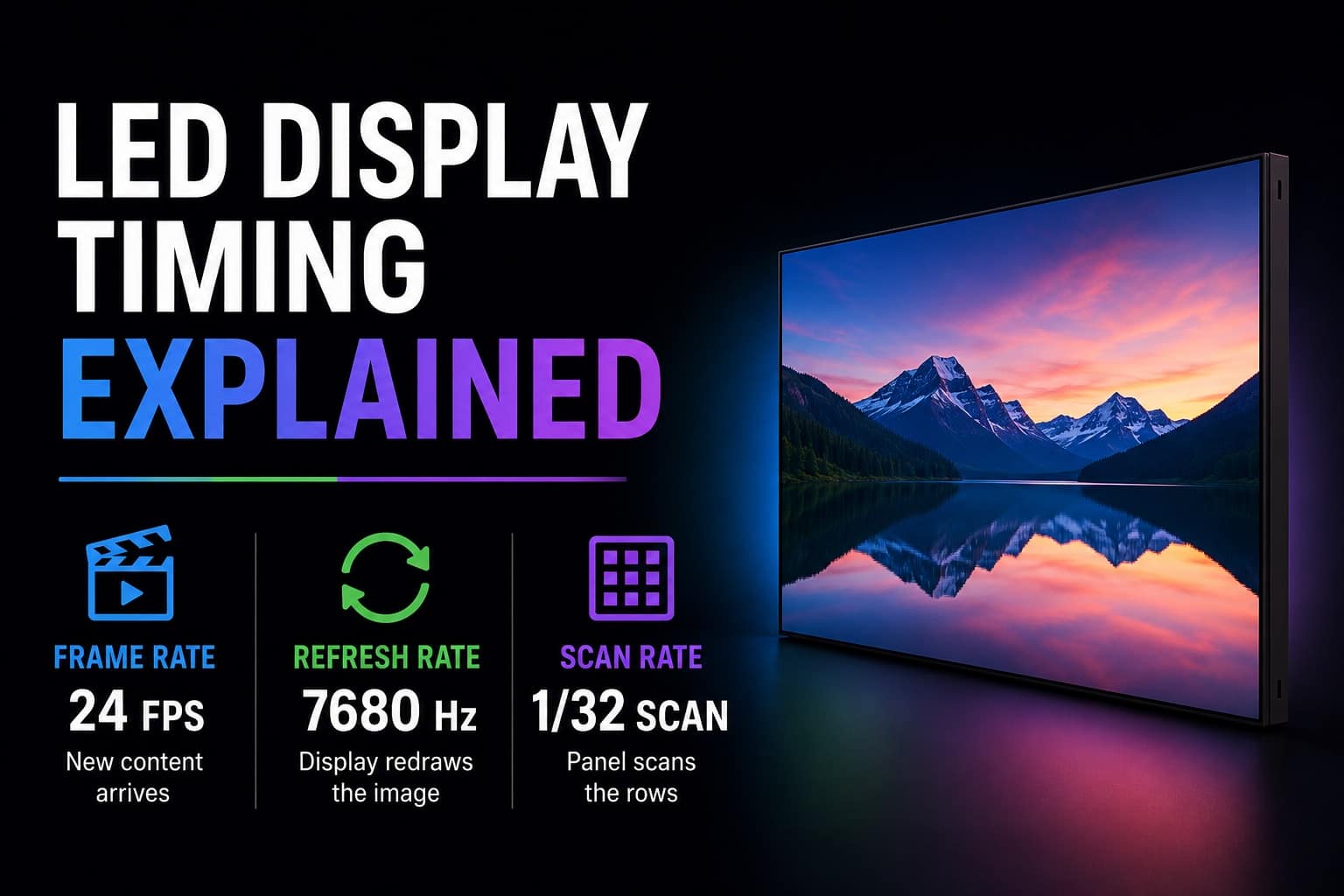
The technology itself is merciless in exposing shortcuts. Panels with poor uniformity, uneven color temperature, or jittery refresh rates undermine the potential entirely. Dual screens don’t forgive compromise; they amplify flaws. A single dead pixel is noticeable, but split across two surfaces, misalignment or hue drift becomes glaring, almost accusatory. When properly calibrated, however, dual LEDs can create a sense of light that’s almost impossible to articulate, like walls breathing, as if the room has learned to pulse.
Movement Beyond the Frame
Motion graphics designed for dual screens take on a sculptural quality. A ripple on one panel can feel like it carries across the space, physically tugging at peripheral vision. When both panels are in motion but slightly out of sync, there’s a kinetic tension that tricks the eye into depth perception. This is the kind of effect that a single LED can never replicate—it isn’t about resolution, it’s about choreography. Even static content is elevated. A high-contrast image stretched across two panels can provoke a dialogue of shadow and highlight, creating visual friction that the eye can’t ignore.
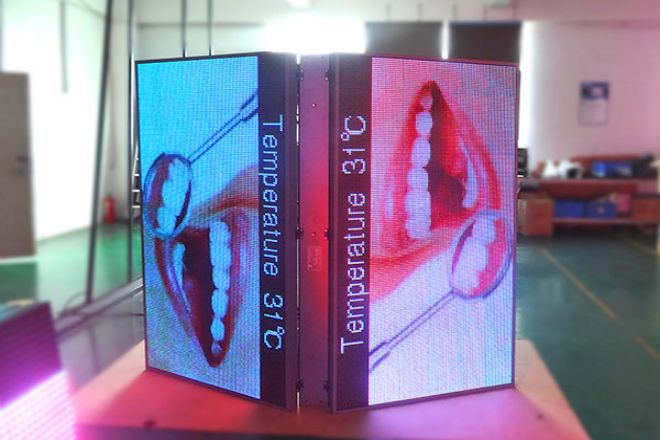
Materiality and the Room
LED screens are not just displays; they are surfaces that interact with their environment. Matte walls, glass partitions, metallic fixtures, and polished floors all change the way light is read. Dual screens amplify these interactions. Reflections can become deliberate, almost painterly, when two light sources converse. Glossy surfaces catch color in unpredictable ways, which sometimes frustrates, but also often rewards experimentation. The room becomes a living canvas, constantly negotiating between designed intent and perceptual reality.
Ambient conditions matter more than any spec sheet. A screen’s advertised nits or contrast ratio means little if daylight washes one panel unevenly while the other remains saturated. Dual setups force awareness of light sources and angles, nudging designers to treat the room as an ecosystem rather than a backdrop.
When Size Isn’t Everything
Dual screens also challenge assumptions about scale. A large single panel is impressive, but it can dominate and flatten the room psychologically. Two moderately sized panels create rhythm, scale, and hierarchy. They can imply a narrative or pathway, directing attention without coercion. The brain interprets separation as architectural intent, even if it’s purely aesthetic. Two panels can become a conversational device, breaking monotony without fracturing continuity.
There’s also a subtlety to failure modes. If one panel goes dark or suffers a processing hiccup, the other can maintain presence, cushioning the experience. Redundancy becomes a design feature rather than a technical afterthought. In some ways, dual screens are less about extravagance and more about resilience: an investment in visual integrity under real-world conditions.
The Unspoken Advantage
The value of dual LED screens is rarely in what they explicitly show. It is in the gaps, the rhythm, the unplanned juxtapositions of light and shadow that happen when two surfaces are aware of each other. A single screen is a command; a dual screen is a dialogue. It changes how people move, where they look, and how they remember the space. It’s about creating subtle cues and unexpected pauses, orchestrating a sensory experience that is both architectural and cinematic.
Dual screens invite exploration, without demanding it. They reward attention to nuance, spatial reasoning, and patience in observation. They provoke questions: why does one wall feel warmer, or why does the visual tension make the room feel deeper than it is? These are questions that no spec sheet or technical manual can answer, only experience can.
In practice, dual LED installations rarely disappoint, yet they require vigilance. There is no autopilot. Screens will drift in calibration, content will age awkwardly, reflections will shift with sun and shadow. But these are precisely the quirks that make dual screens alive rather than inert. They are a reminder that display technology, for all its precision, is only as compelling as the space it inhabits and the light it negotiates.