The decision usually starts with enthusiasm. A business decides it’s time for an LED display—something bright, modern, visible from across the street. Maybe the goal is advertising. Maybe it’s branding. Maybe it’s simply keeping up with competitors who already installed theirs months ago. The temptation is to focus on the obvious things first: size, brightness, resolution.
But LED displays don’t exist in isolation. They live inside environments—architectural spaces, streets, storefronts, lobbies, arenas—each with its own constraints and rhythms. The “perfect” display isn’t necessarily the most powerful one available. More often, it’s the one that quietly fits the space, the audience, and the business itself.
Choosing the right display means understanding context before hardware.
Visibility Means Different Things in Different Places
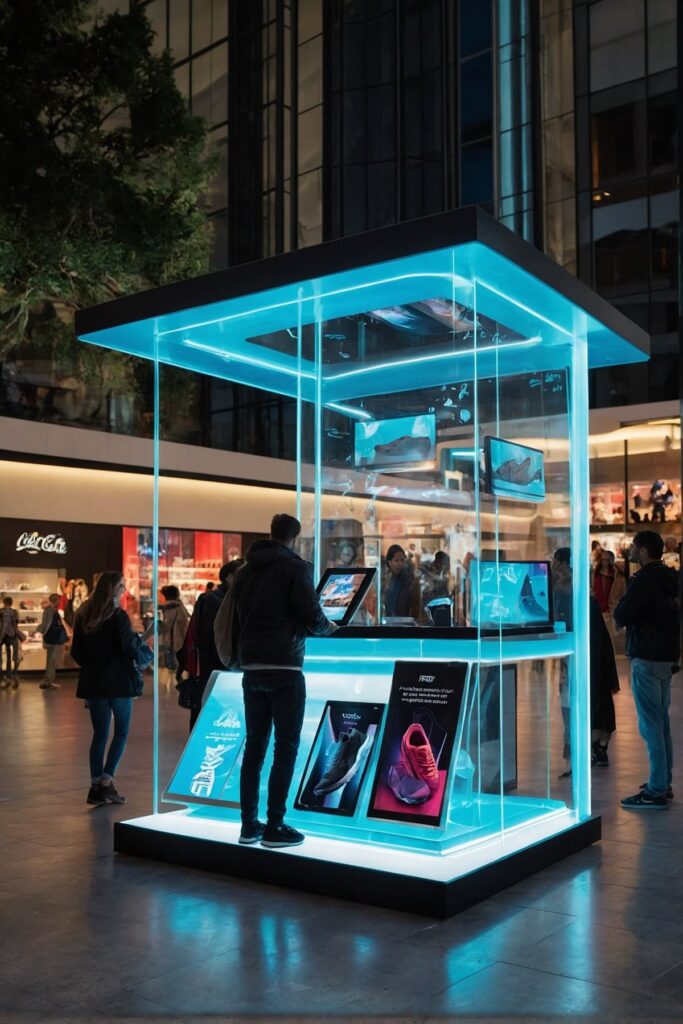
Businesses often talk about visibility as if it were a single metric. In reality, it’s a moving target. A display outside a highway-facing building has different requirements than one mounted inside a retail store. The viewing distance changes everything.
A screen designed for pedestrians standing a few feet away needs a fine pixel pitch. The individual LEDs must be packed tightly enough that the image appears smooth at close range. Install that same display high on a building facing traffic and the advantage disappears. Drivers fifty meters away won’t notice the extra density, but the business will certainly notice the extra cost.
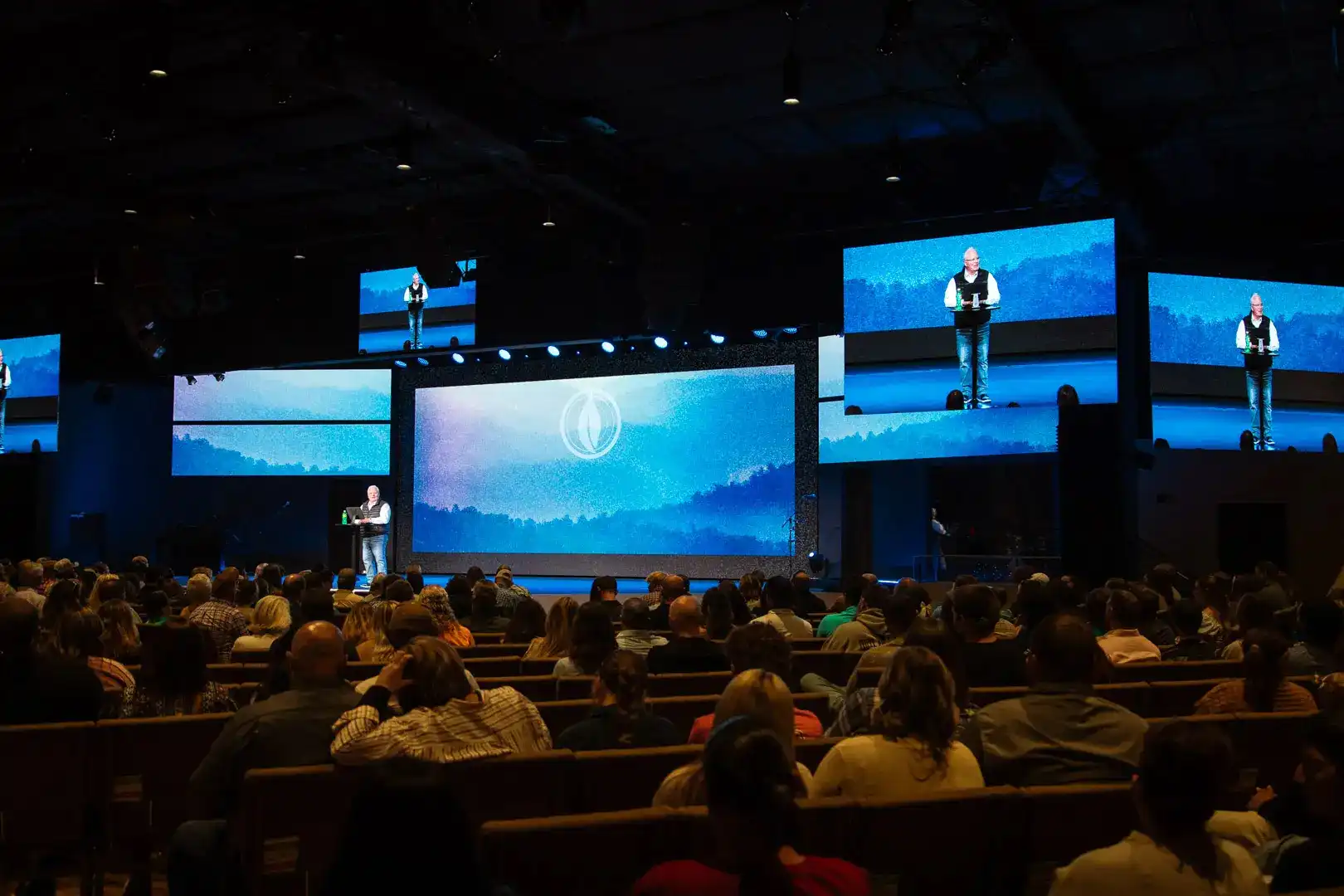
On the other hand, a large outdoor display with wider pixel spacing works perfectly at long distances but becomes awkward indoors. People standing close to it can see the individual pixels, breaking the illusion of a continuous image.
The first question isn’t how advanced the display is. It’s how far away people will be when they look at it.
Indoor Environments Reward Subtlety
Indoor displays rarely need to compete with direct sunlight, but they face a different challenge: attention fatigue. When people walk through a shopping mall, office lobby, or hotel corridor, they’re surrounded by visual stimuli. A display that’s too bright or aggressive can quickly become unpleasant.
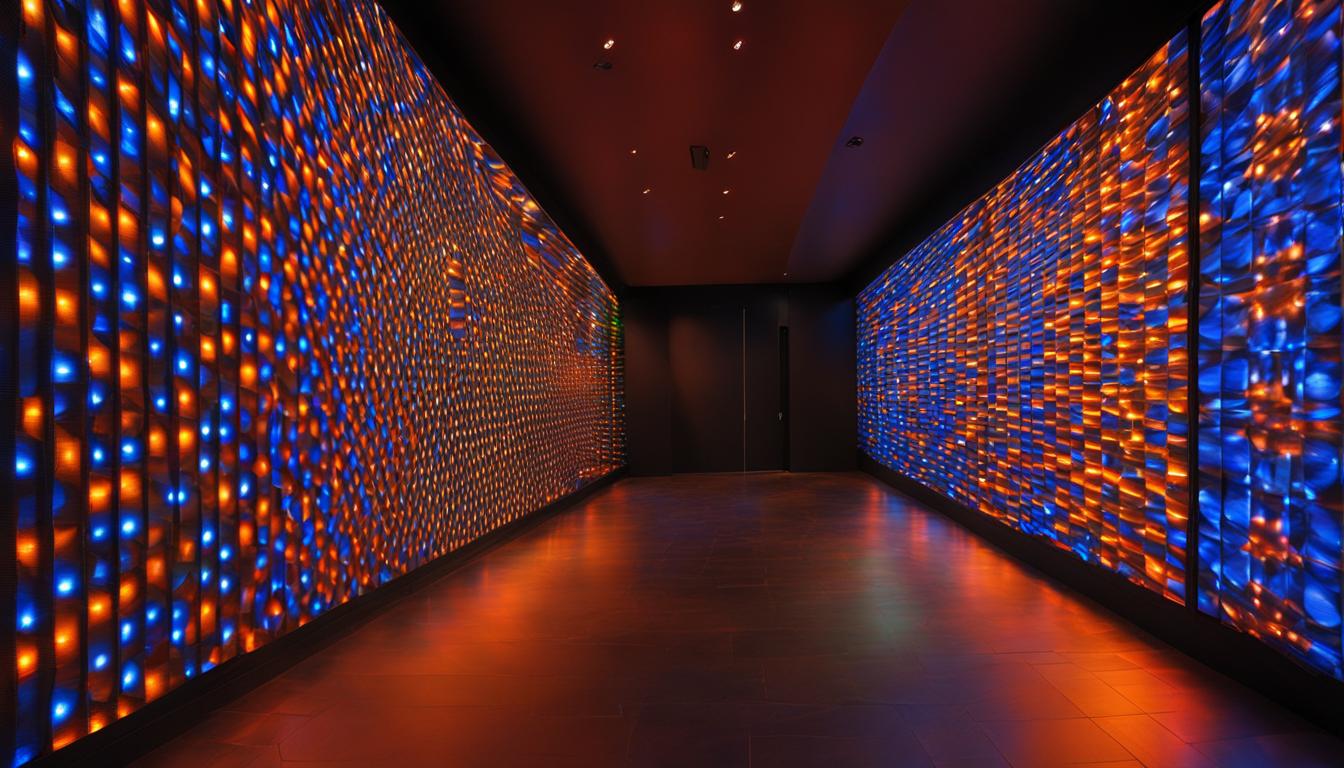
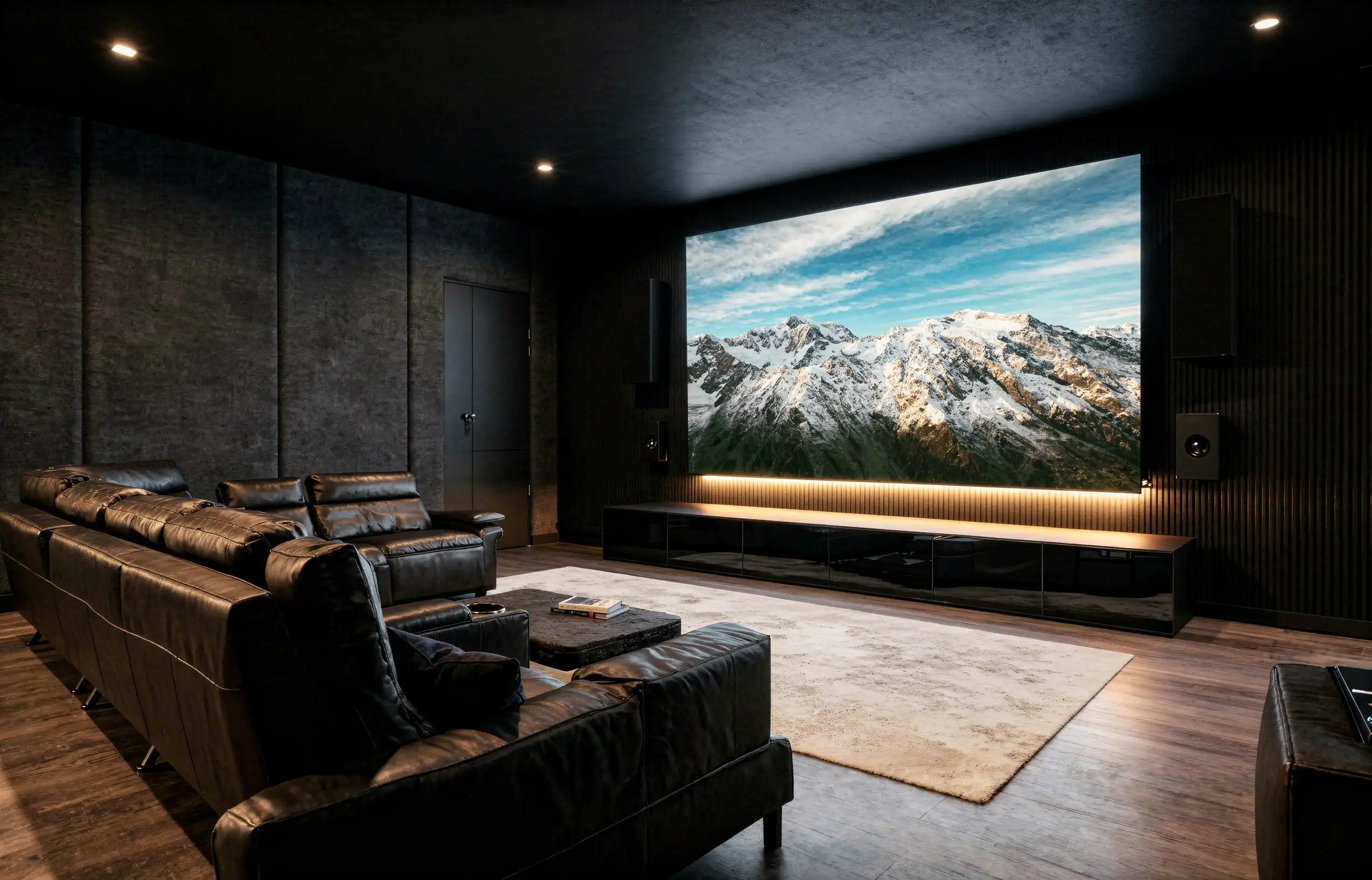
This is why indoor LED installations often prioritize balance rather than raw brightness. Smooth gradients, stable color reproduction, and comfortable luminance levels matter more than sheer visual force. The display should enhance the environment rather than overpower it.
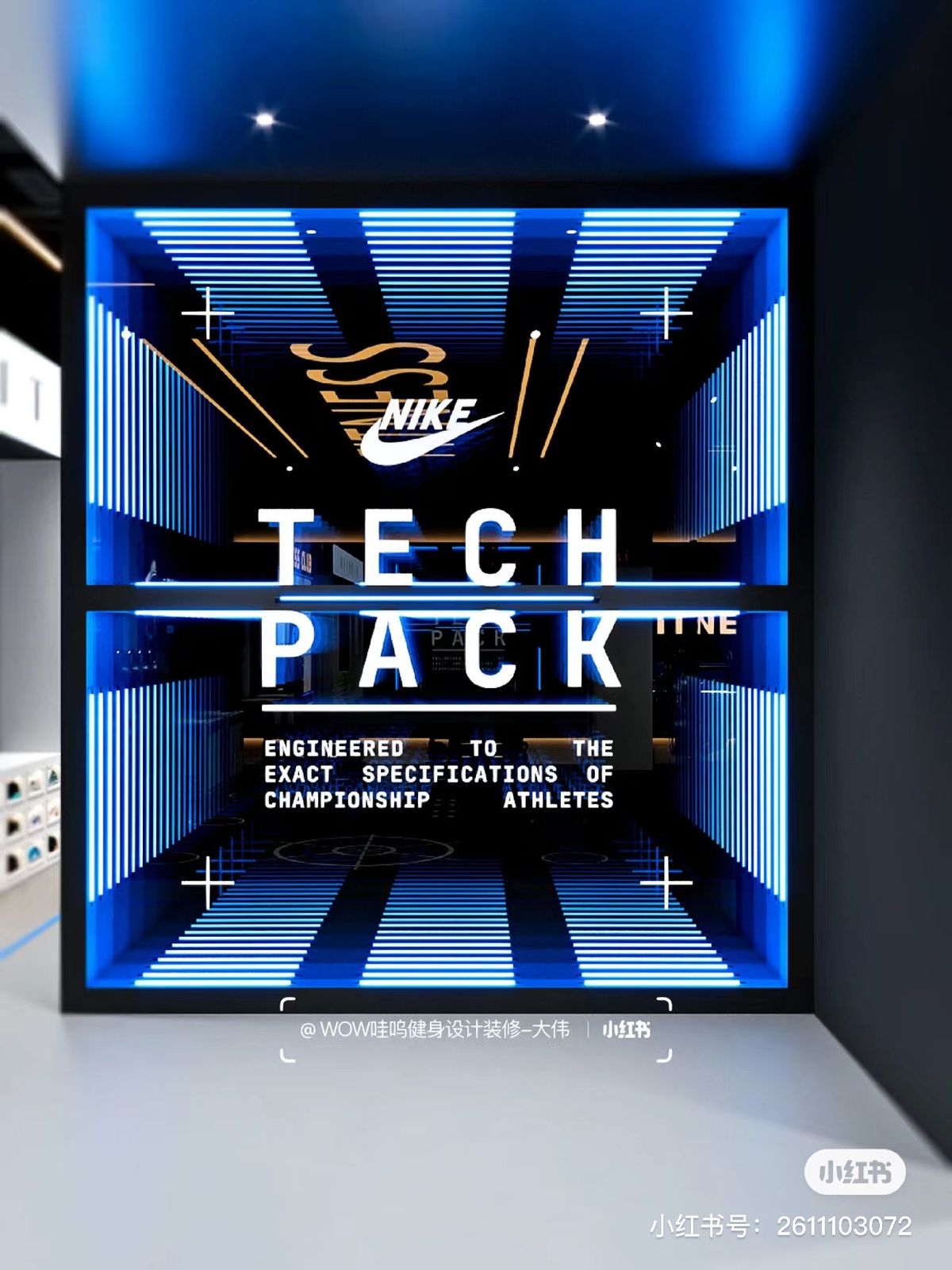
Retail spaces, in particular, have learned this lesson over time. A screen that looks spectacular in a showroom might feel overwhelming once installed in a real store. Good indoor displays behave more like design elements than advertising machines.
Outdoor Displays Fight a Different Battle
Outdoor environments are less forgiving. Sunlight, rain, temperature swings, dust—every environmental factor adds pressure on the display. Visibility during the day becomes the dominant concern.
Brightness levels must be high enough to overcome direct sunlight, and protective design becomes critical. Weatherproof housings, proper ventilation, and reliable power systems all matter more outdoors than they do inside controlled environments.
But brightness alone isn’t enough. Viewing angles play a role as well. A display mounted above a street must remain readable from different positions: pedestrians below, drivers approaching from various angles, people across the road. Wide viewing angles ensure the message stays clear regardless of perspective.
Outdoor displays are less about subtlety and more about resilience.
Content Should Influence Hardware Choices
One of the more overlooked aspects of selecting an LED display is the content it will show. Businesses often choose hardware first and think about content later, but the relationship works both ways.
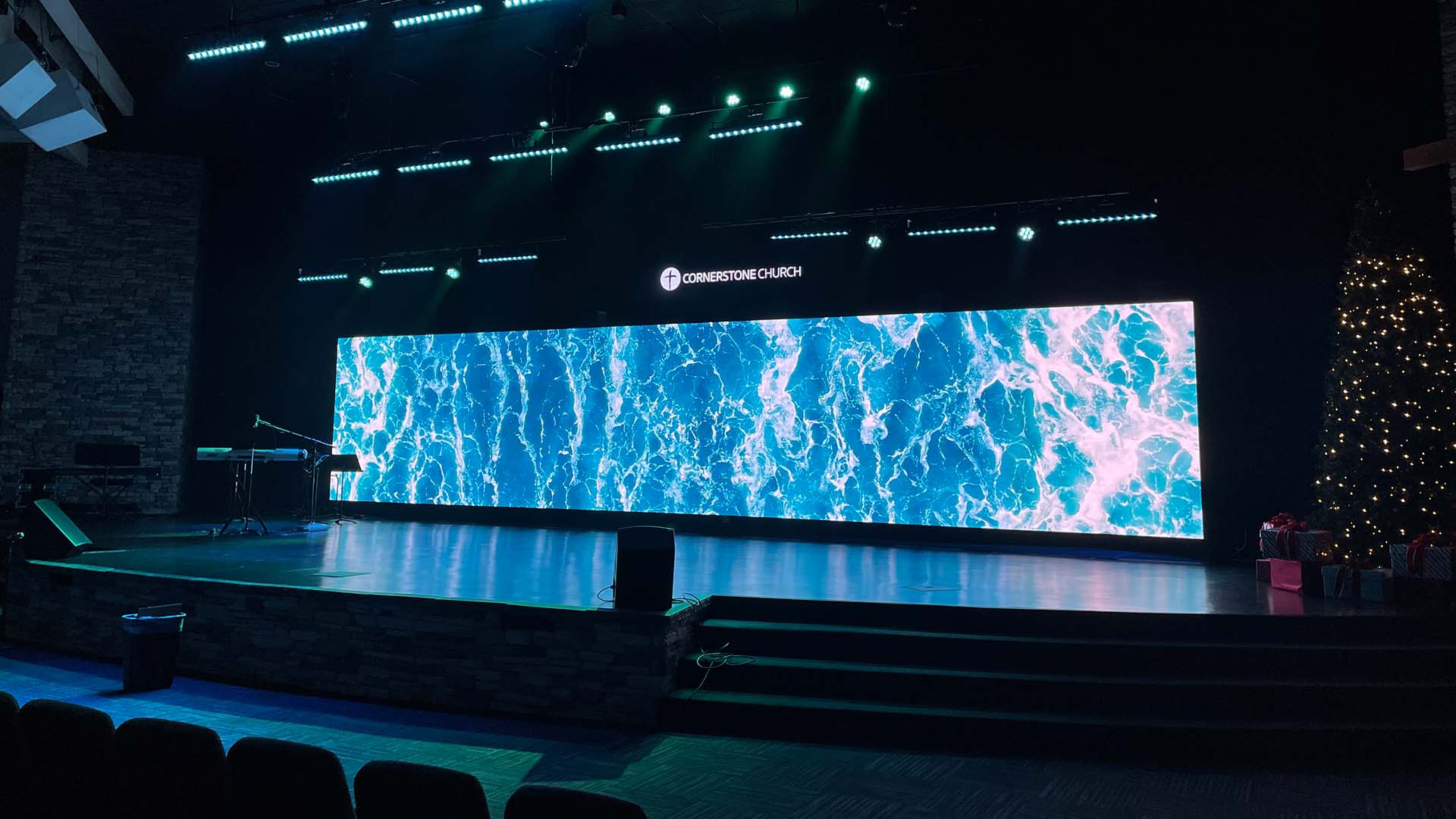
A restaurant displaying simple menus and promotions doesn’t require the same display capabilities as a venue showing high-definition video content. Likewise, a corporate lobby presenting calm ambient visuals has different requirements from a sports bar running fast-moving broadcasts.
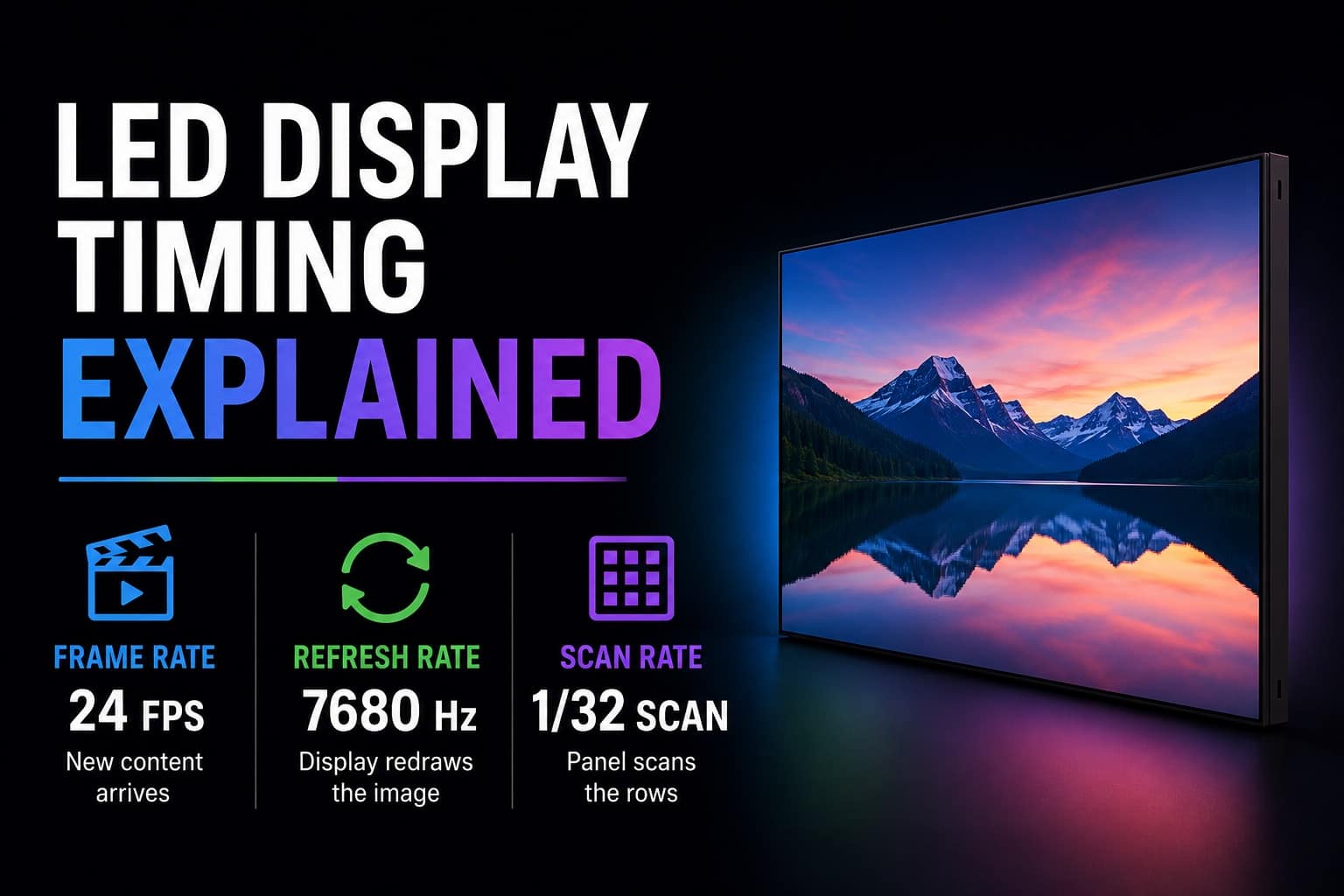
Motion-heavy content benefits from higher refresh rates and smoother processing. Static images or text don’t demand the same technical performance.
Matching the display to the type of content prevents unnecessary spending on features that won’t actually improve the experience.
The Importance of Physical Integration
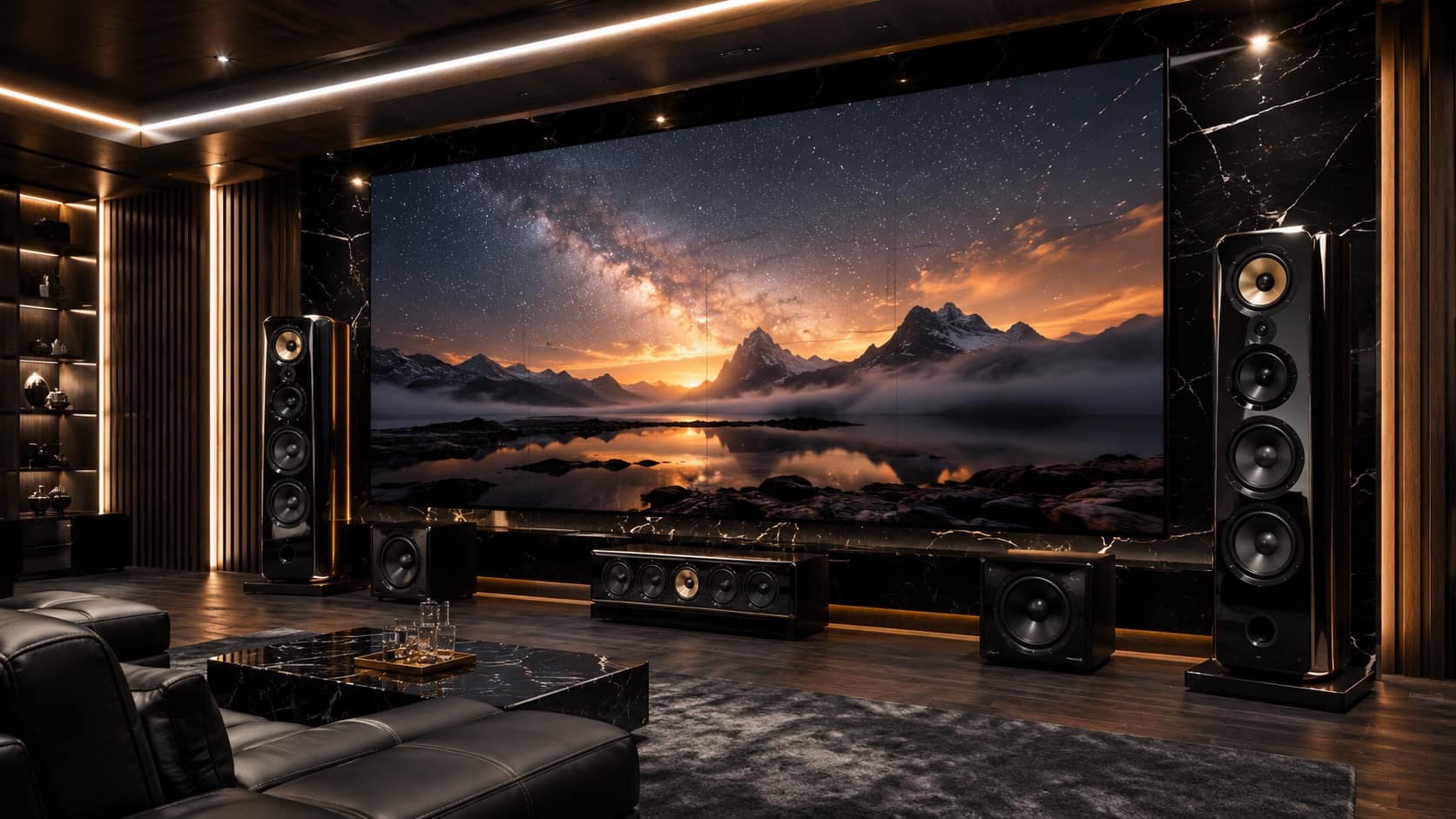
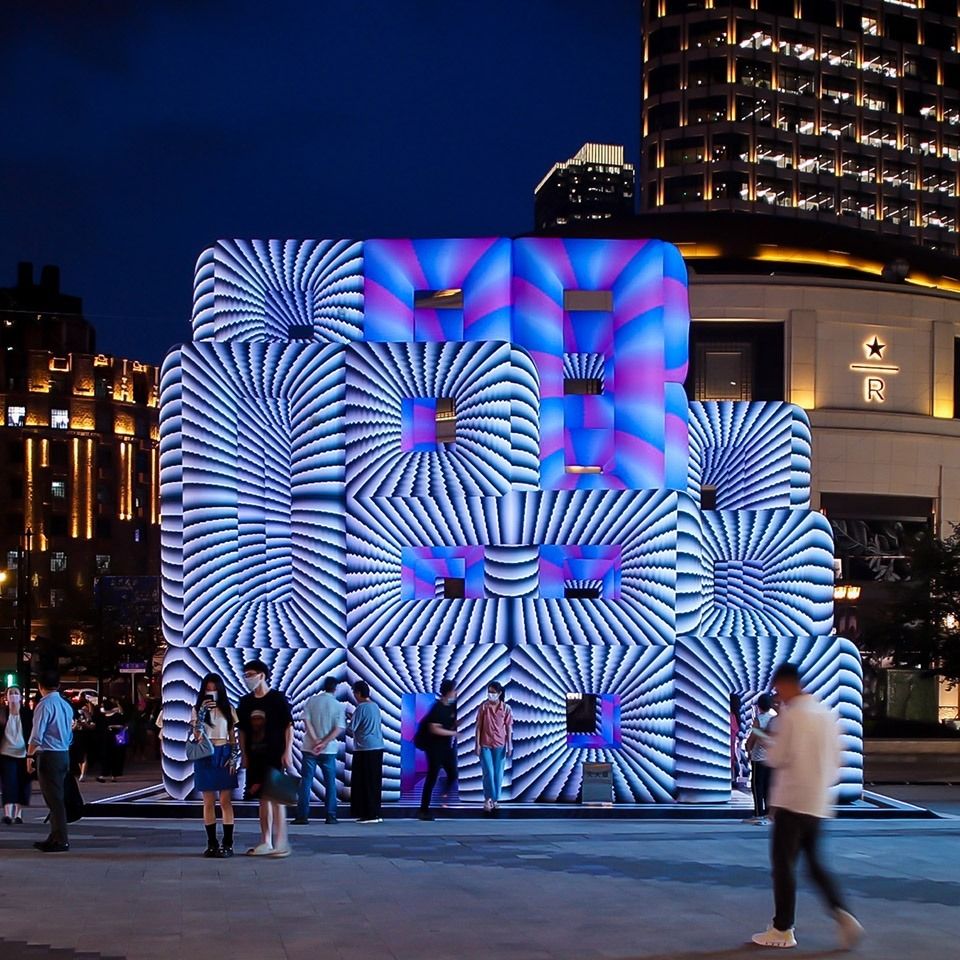
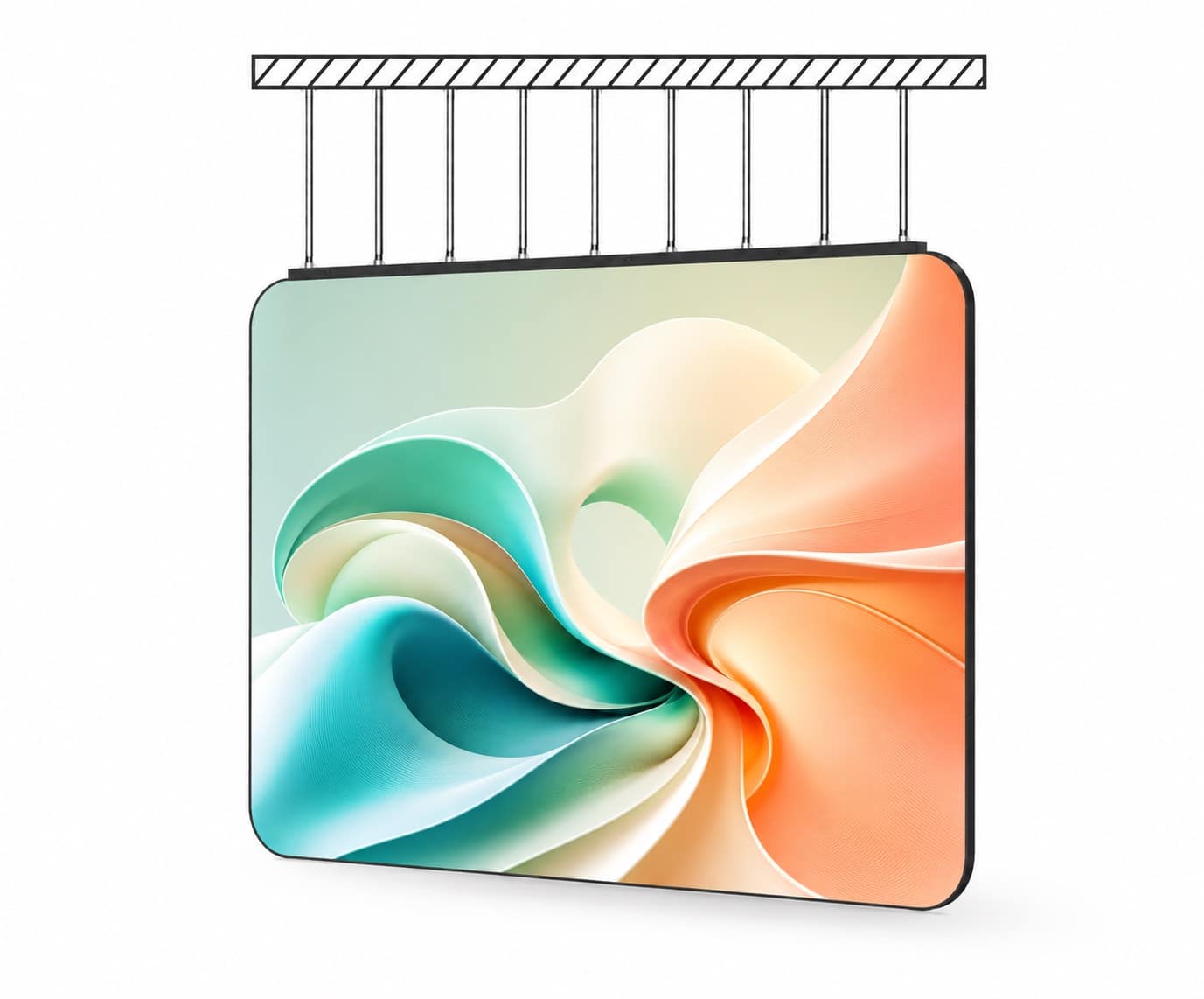
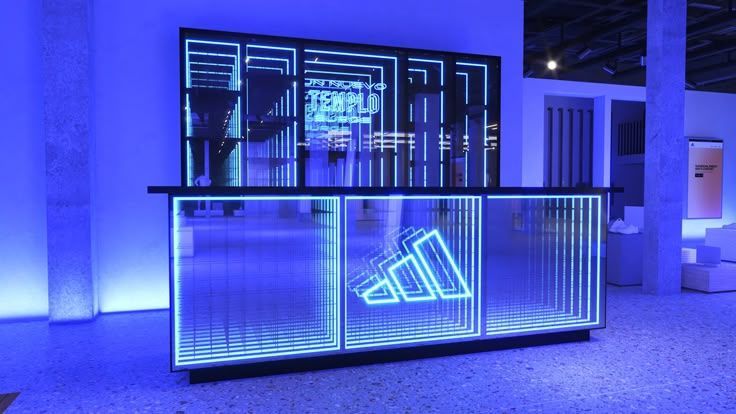
LED displays used to feel like attachments—large rectangles mounted onto buildings as afterthoughts. Modern installations are increasingly designed to integrate with architecture instead of competing with it.
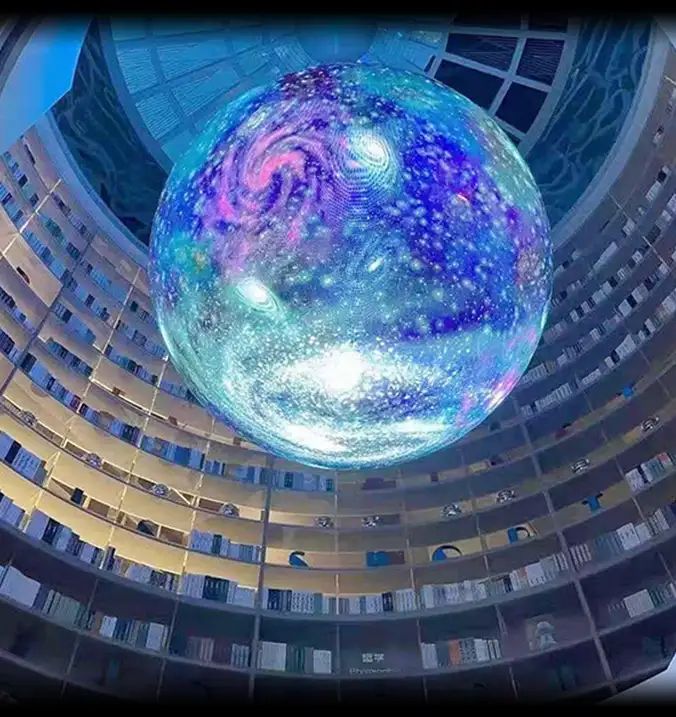
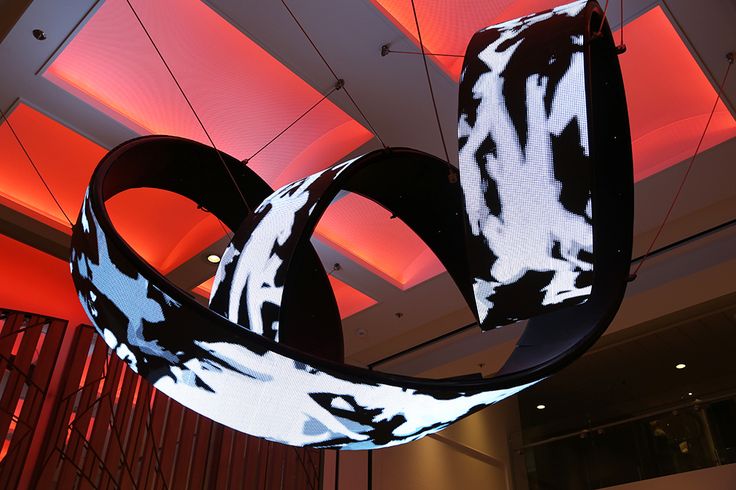
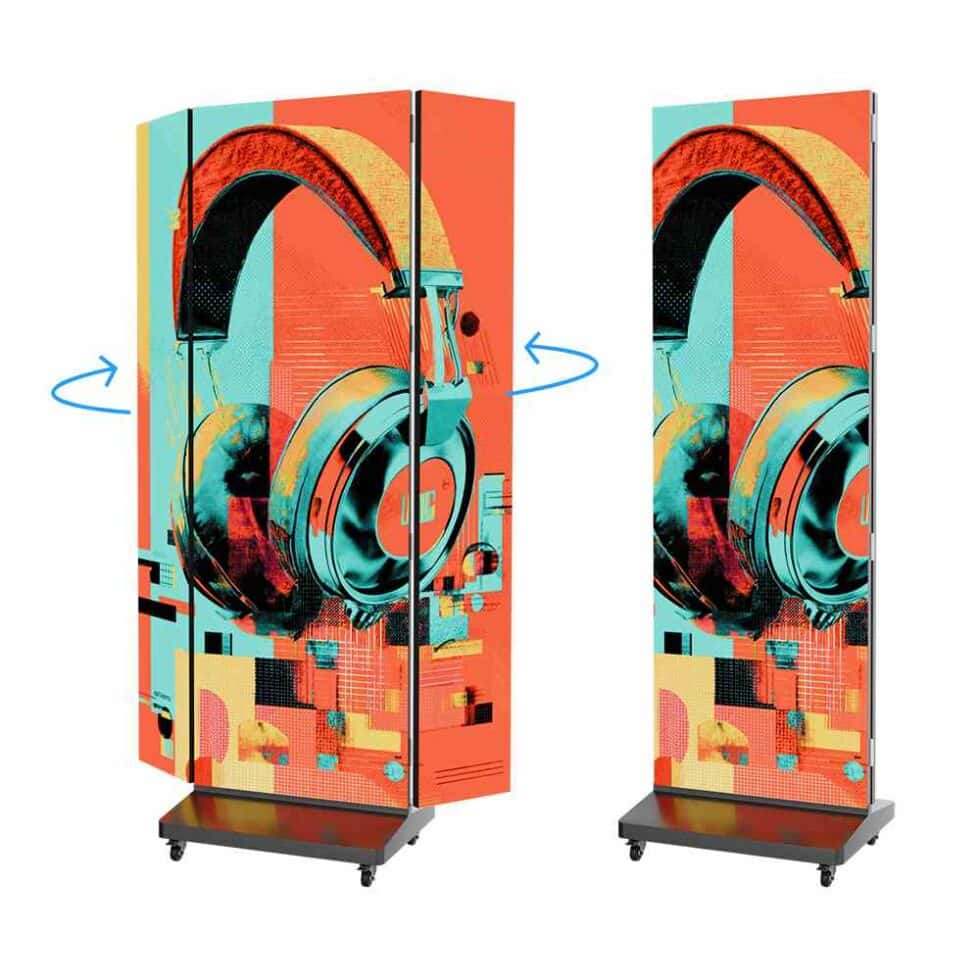
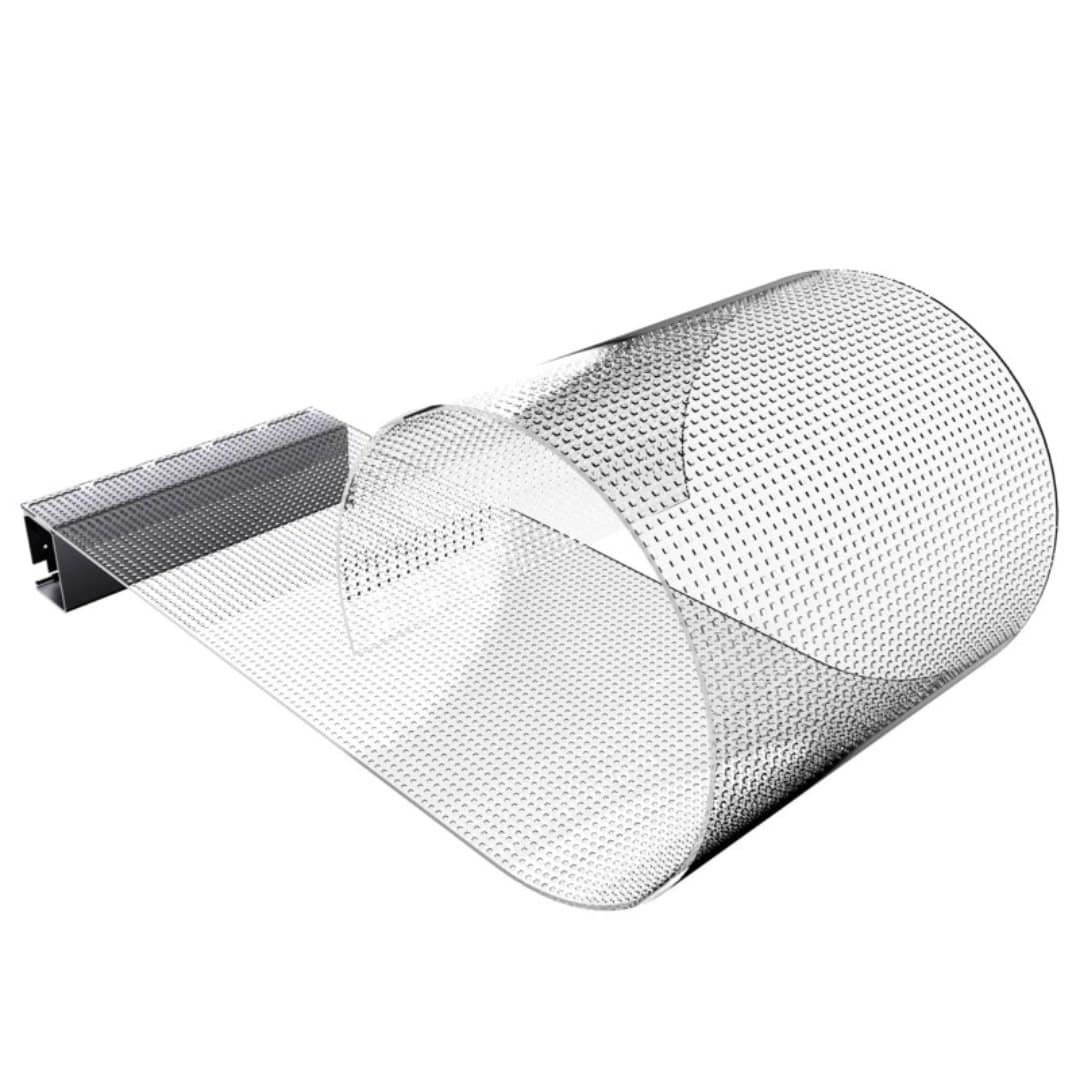
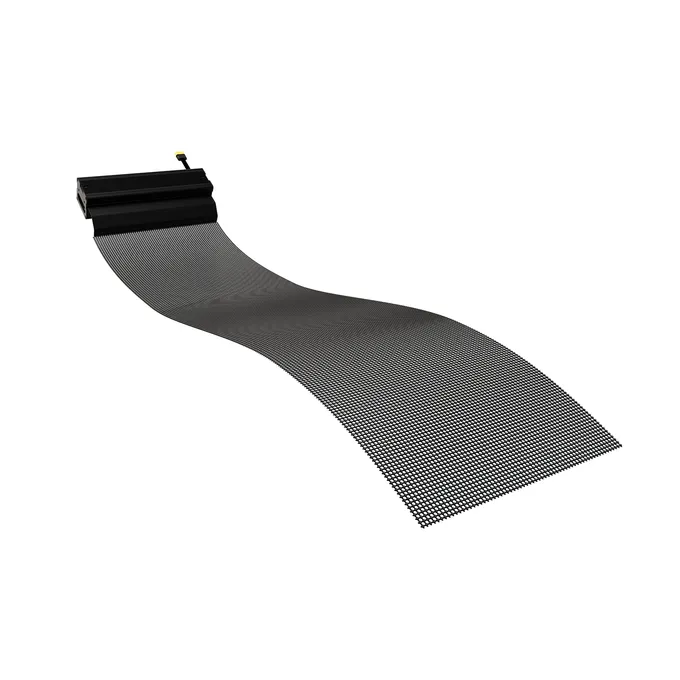
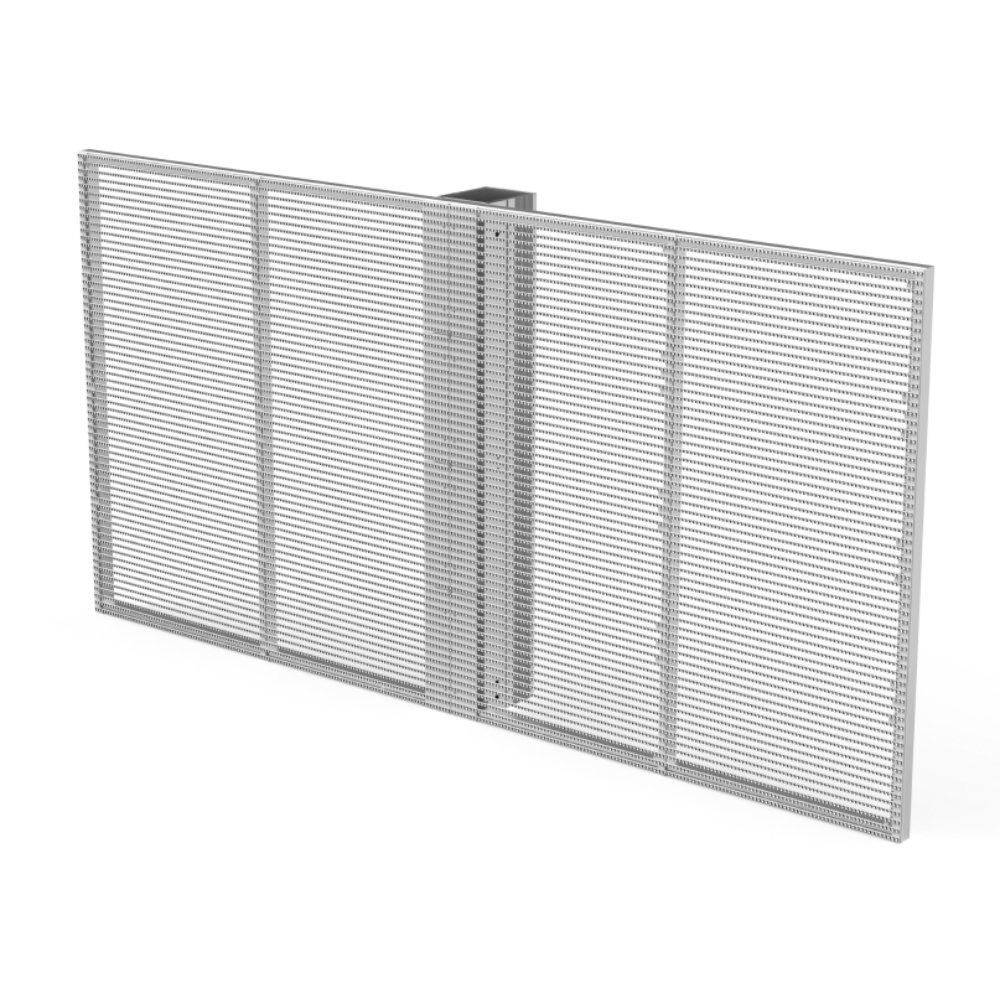
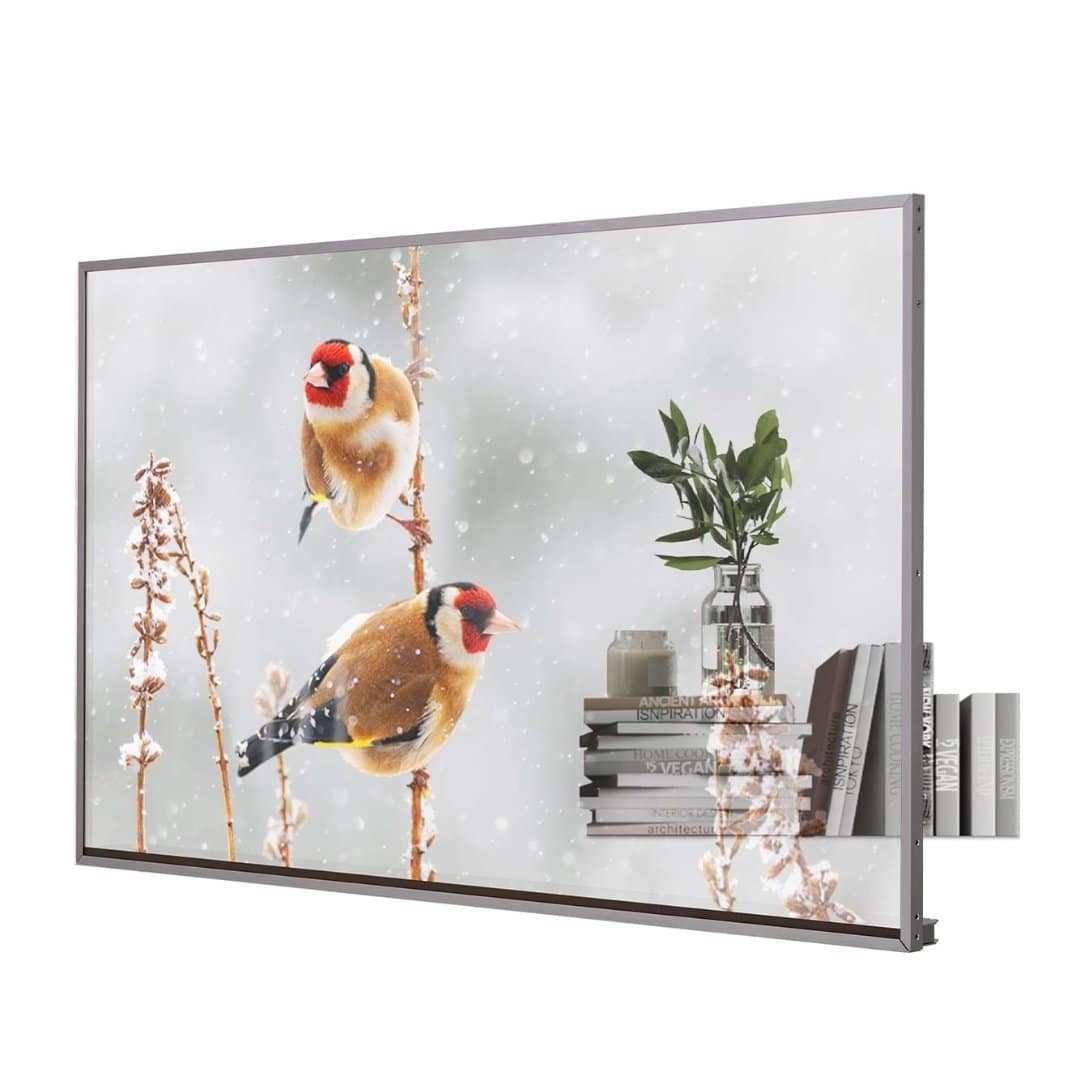
That integration can take many forms. A display might curve along a wall, wrap around a column, or sit flush with a glass façade. Transparent LED technology even allows displays to live directly on windows without blocking the view behind them.
These choices aren’t purely aesthetic. They affect how people perceive the business itself. A display that feels integrated into the environment looks intentional. One that feels bolted on can appear temporary, even if the technology itself is advanced.
Selecting the right display often means considering how it physically inhabits the space.
Size Is Less Important Than Placement
There’s a persistent assumption that bigger displays are automatically better. In reality, placement often matters more than scale.
A moderately sized screen positioned exactly in a customer’s line of sight can outperform a massive display placed slightly off-angle or partially obscured. Visibility depends on human movement patterns—where people walk, where they stop, where they naturally look.
Businesses sometimes underestimate how much these patterns shape the effectiveness of a display. A screen placed near a checkout area might receive far more attention than a larger one mounted across the room.
The most effective installations understand the choreography of the space.
Reliability Is Part of the Decision
Selecting an LED display also means thinking about how it will behave over time. Bright, flawless visuals on installation day are only the beginning. The real test comes months or years later.
Displays that run continuously require dependable power systems, good thermal management, and accessible maintenance design. Modular panels make repairs easier. Monitoring systems allow operators to detect small issues before they become visible problems.
Reliability rarely appears in marketing brochures, but it shapes the long-term value of any display. A screen that performs consistently for years will ultimately matter more than one that simply looks impressive on paper.
Energy Use and Operational Costs
Energy consumption is becoming part of the conversation as businesses look more closely at operational expenses. LED technology is efficient compared with older display types, but large installations still consume noticeable power.
Modern displays often include automated brightness control and power management features. During nighttime hours or periods of low traffic, the system can reduce output without sacrificing visibility. Over time, these adjustments reduce energy costs while extending the life of the display.
For businesses operating multiple displays, the cumulative effect can be significant.
Thinking About the Audience
Perhaps the most overlooked factor in choosing an LED display is the audience itself. Different businesses serve different kinds of viewers.
A high-end retail boutique may prefer a display that feels elegant and restrained. A sports venue benefits from large, energetic visuals that amplify excitement. A corporate office lobby might lean toward subtle information displays rather than aggressive advertising.
The technology can support all these approaches, but the selection process should start with the people who will see the display every day.
Understanding the audience often clarifies the technical decisions that follow.
The Display as Part of the Experience
Over time, LED displays have moved beyond their original role as simple advertising tools. They now contribute to how people experience a space.
In restaurants, they set atmosphere. In retail stores, they guide attention toward products. In corporate environments, they communicate identity and information simultaneously. Even outside buildings, displays shape how passersby perceive a brand.
When businesses think about displays only as marketing devices, they miss part of the picture. A well-chosen LED installation quietly shapes the environment around it.
No Single “Perfect” Display
There isn’t a universal formula for selecting the perfect LED display. The best choice for a retail storefront might fail completely in a stadium. A display ideal for indoor presentations could struggle outdoors under direct sunlight.
The decision ultimately becomes a balancing act: viewing distance, brightness, content type, architecture, reliability, audience behavior. Each factor nudges the choice in a slightly different direction.
What works well in practice isn’t always the most technically impressive option. It’s the display that fits the space so naturally that people stop noticing the technology and start paying attention to the message instead.
That moment—when the screen disappears into the experience—is usually a sign the right choice was made.