For years, LED signage followed a predictable path. Panels got brighter, pixel pitch got tighter, and installations grew larger. Each upgrade was measurable, technical, easy to quantify. But lately the changes feel less mechanical and more cultural. Top LED signage trends aren’t just improving—it’s shifting roles. What once functioned mainly as a loud announcement has started behaving more like a responsive medium.
Walk through any dense commercial district and the difference becomes obvious. Displays no longer exist just to shout promotions or loop generic videos. They respond to surroundings, blend into architecture, sometimes even fade into the background until the moment they’re needed. The technology hasn’t slowed down; if anything, it has accelerated. But the conversation around it has matured. Businesses are starting to ask different questions.
Brightness and size still matter, of course. They always will. But modern signage trends increasingly revolve around how a display behaves rather than how impressive it looks in isolation.
Transparency and the Disappearing Screen
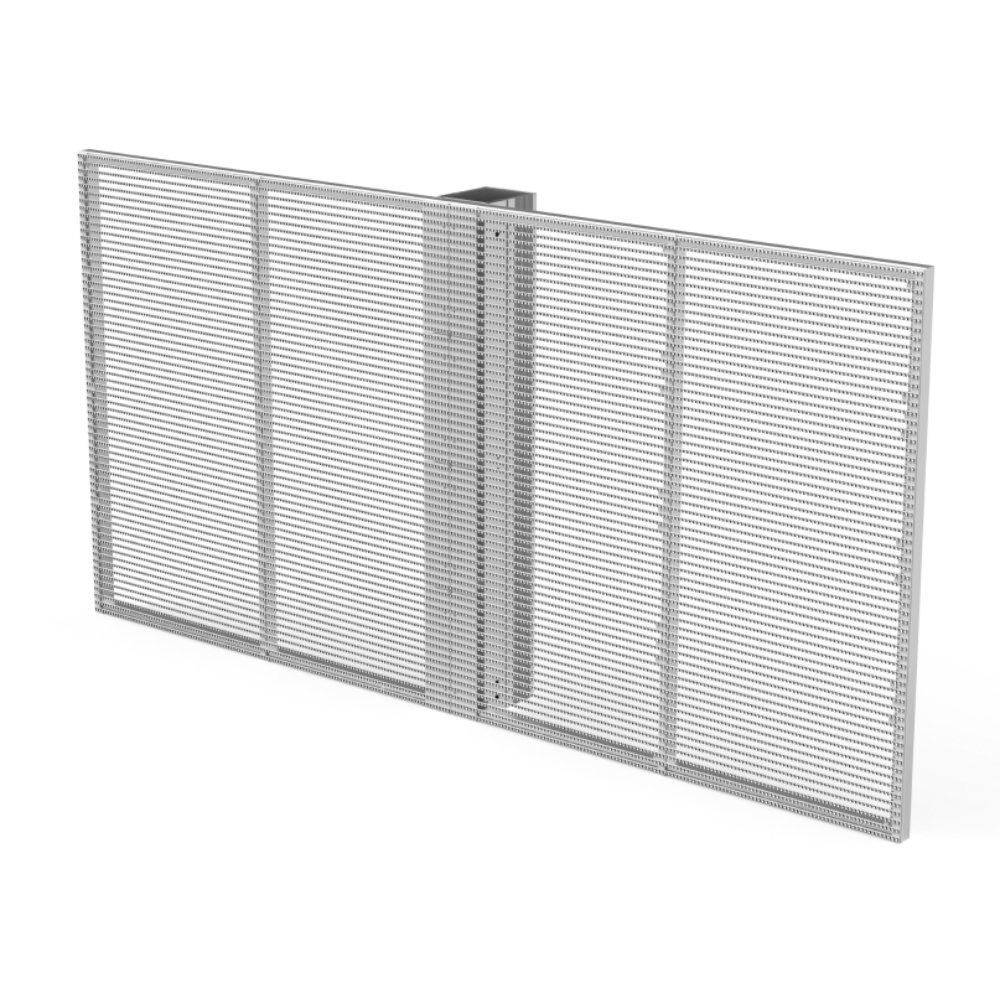
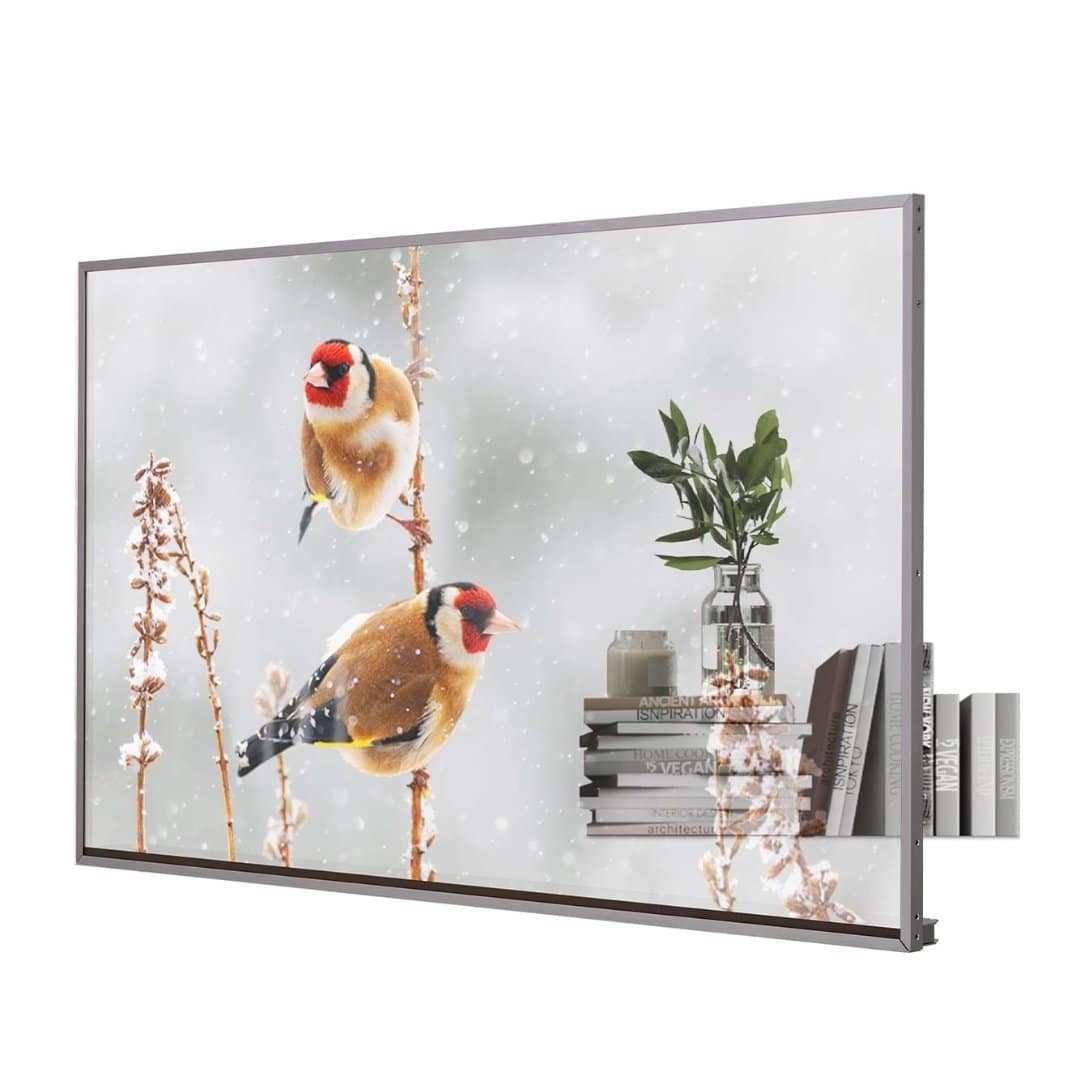
One of the most noticeable shifts is the rise of LED signage trends. A decade ago, screens were objects. They sat on walls, dominated storefronts, and physically separated interior spaces from the outside world. Transparent LED panels changed that dynamic almost overnight.
Retail windows are the obvious example. Instead of blocking the interior with solid displays, transparent signage allows businesses to overlay digital content directly onto glass. Passersby still see the store, the lighting, the products inside. The display becomes a layer rather than a barrier.
There’s something psychologically interesting about that. When screens disappear into architecture, people stop thinking of them as technology and start seeing them as part of the environment. It’s less intrusive. More natural. And from a design perspective, it gives businesses far more freedom than the old rectangular billboard approach.
The trend isn’t about novelty anymore. It’s about integration.
Displays That Adapt to Their Environment
Modern LED signage increasingly behaves like a sensor-driven system rather than a static display. Brightness adjusts automatically based on ambient light. Color profiles shift depending on the time of day. Some installations even alter content depending on crowd density or movement patterns.
None of this is science fiction. Most of it runs quietly in the background through relatively simple automation. But the effect is noticeable. Screens that once blasted the same brightness level at noon and midnight now behave more intelligently, conserving energy while maintaining visibility.
This kind of adaptability matters more than people realize. A display that responds naturally to its environment simply feels more refined. It doesn’t overwhelm a space at night or disappear in daylight. Instead, it finds a balance.
Businesses benefit from that subtlety. Customers may not consciously notice the adjustments, but they do notice when signage feels thoughtfully integrated rather than aggressively intrusive.
The Rise of Flexible Installations
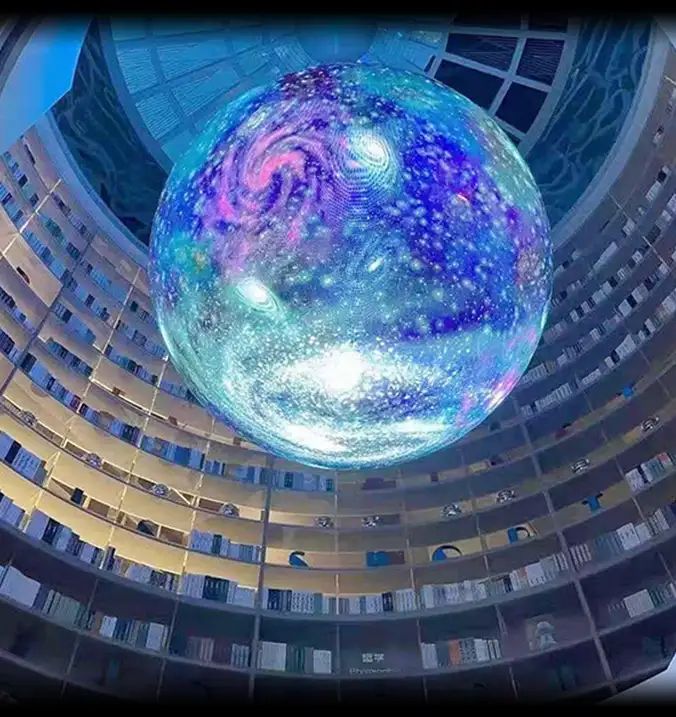
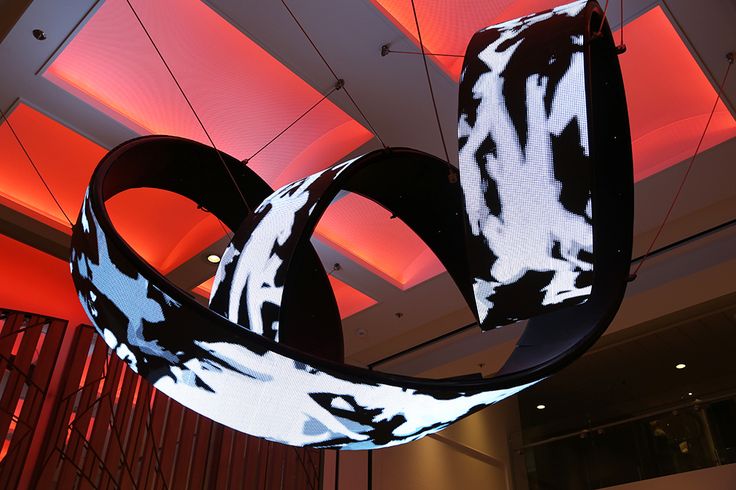
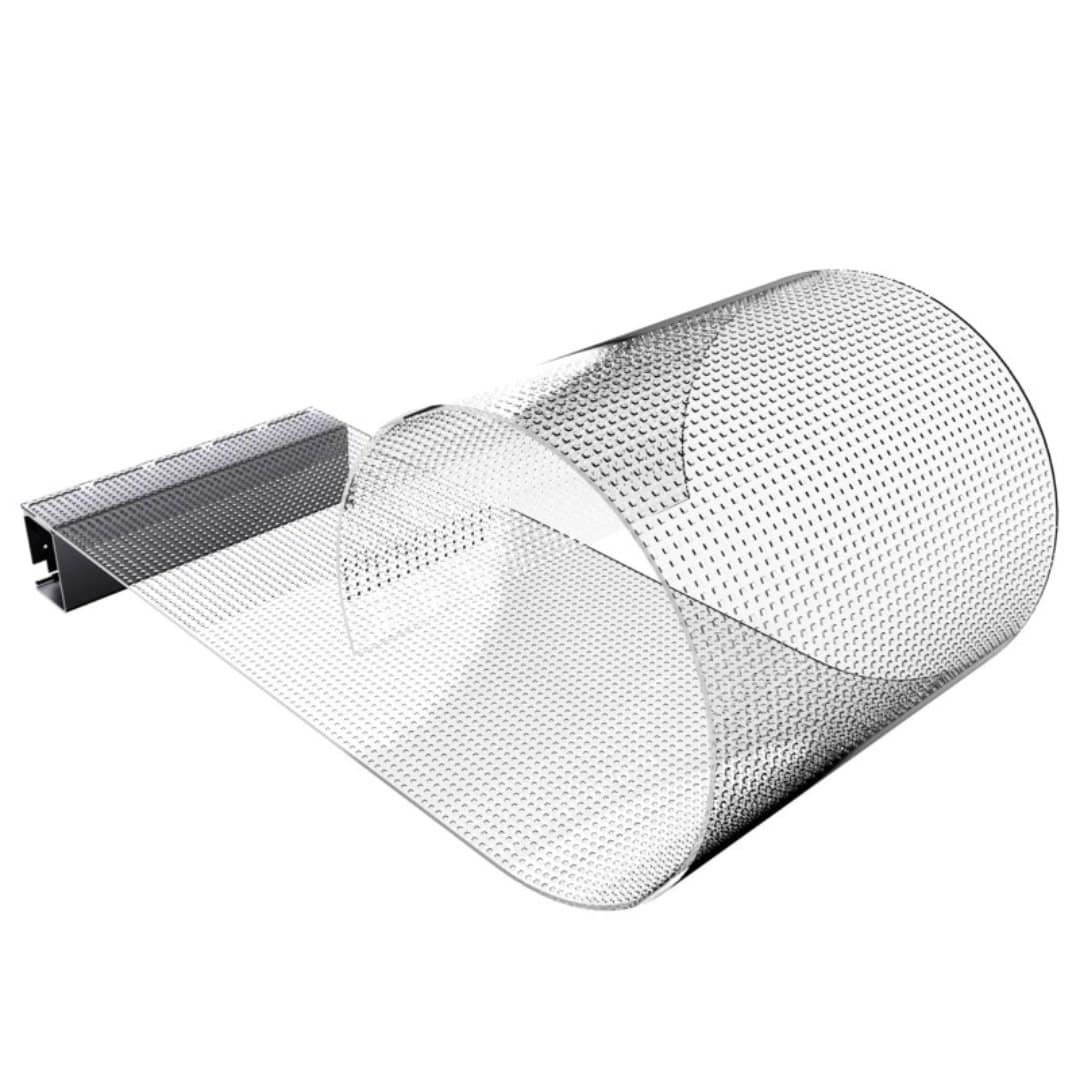
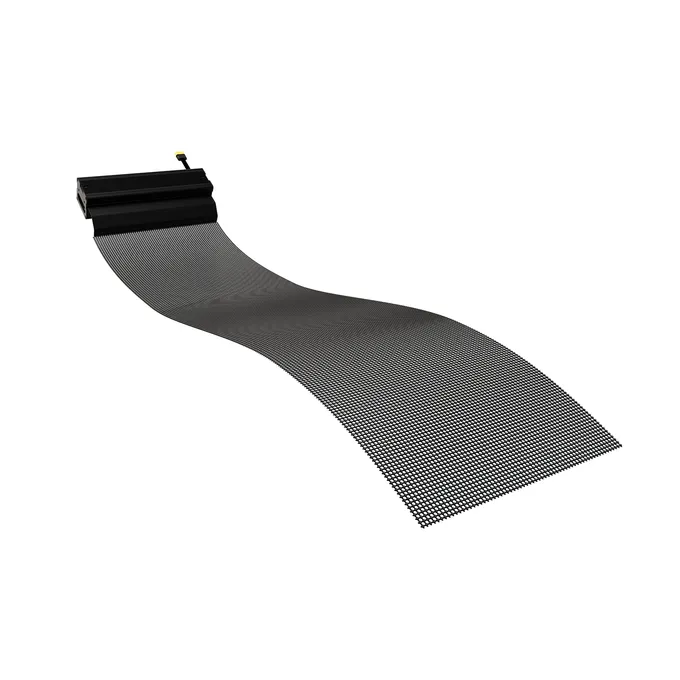
For a long time, LED screens were rigid by necessity. Large panels meant flat surfaces, predictable mounting structures, and limited creativity in shape or placement. But improvements in panel design have made curved, cylindrical, and even irregular installations far more common.
The technology behind this isn’t entirely new, but manufacturing has caught up with design ambition. Flexible LED modules allow displays to wrap around columns, bend along architectural curves, or form structures that would have been impossible a few years ago.
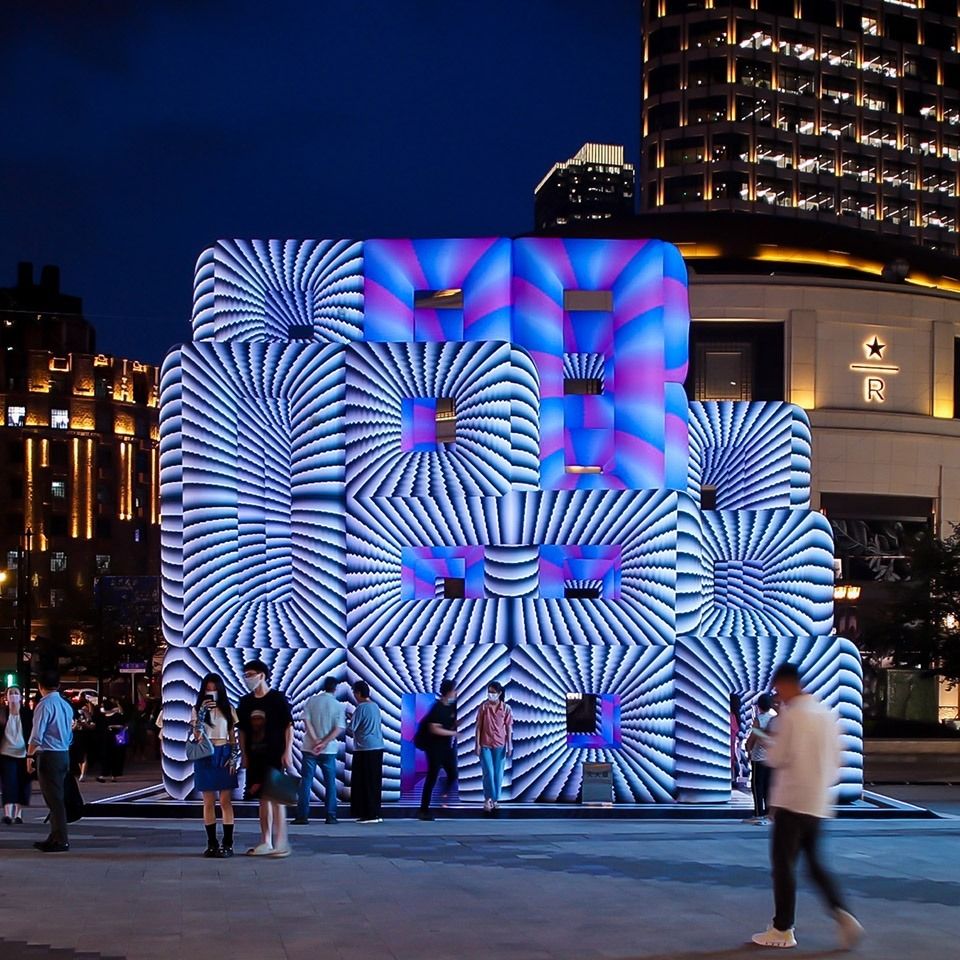
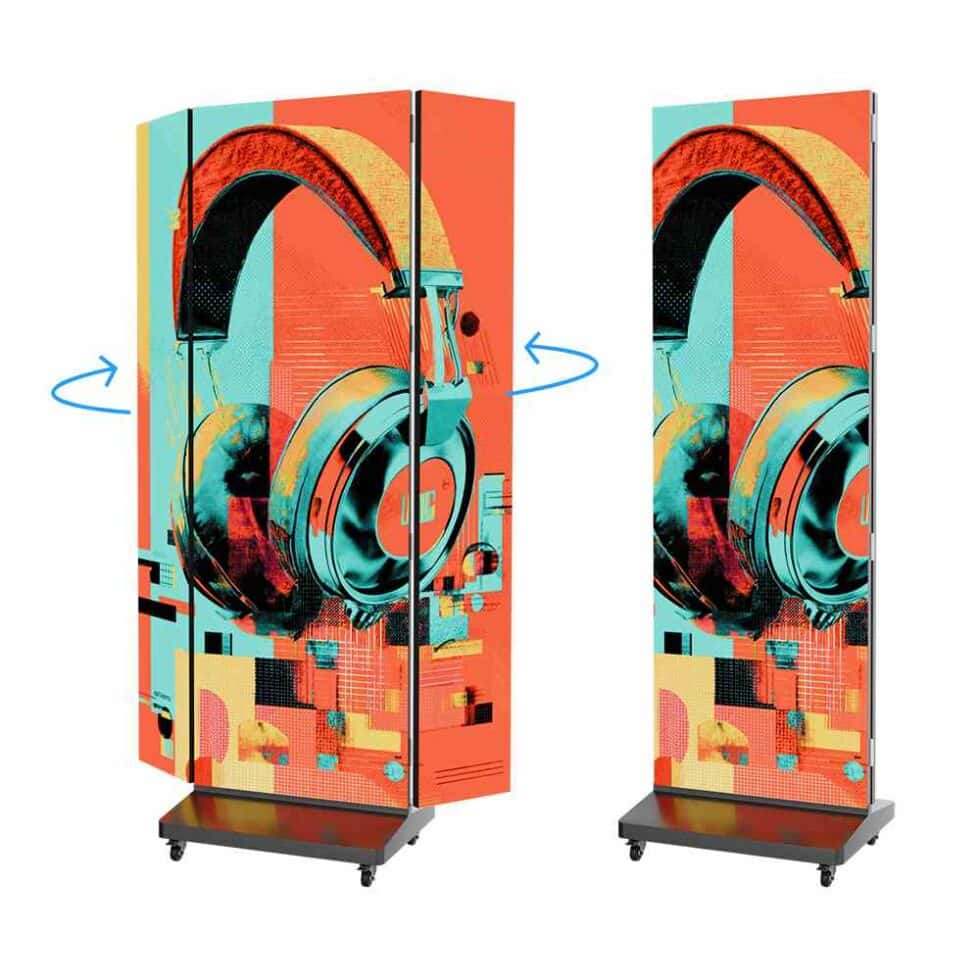
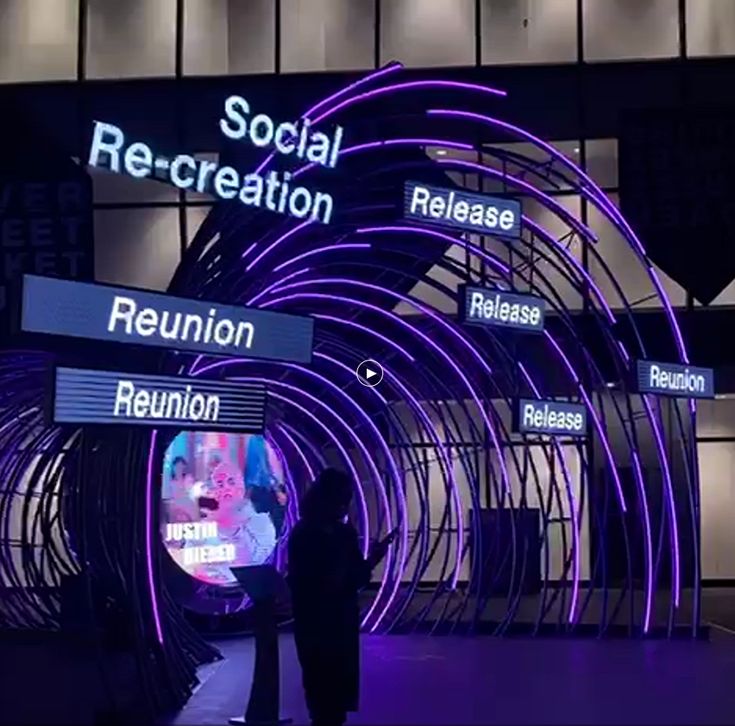
What’s interesting is how quickly designers embraced this freedom. Instead of treating displays as separate objects, architects are beginning to treat them as building materials. A curved media wall might follow the line of a staircase. A cylindrical column might double as a 360-degree display surface.
These installations blur the line between structure and screen. The display becomes part of the architecture rather than something attached afterward.
Content That Feels Less Like Advertising
Perhaps the most surprising shift in LED signage is happening on the content side. For years, digital signage mimicked traditional advertising formats—slideshows, video loops, bold text announcements. But modern businesses are starting to treat displays less like billboards and more like storytelling tools.
Instead of constant promotional messaging, many installations now show subtle animations, ambient visuals, or location-specific content. Retail environments use displays to extend the atmosphere of the space rather than interrupt it. Hotels and offices display information that feels helpful rather than promotional.
It’s a quieter approach to communication, but often a more effective one. Customers are less likely to ignore a display that contributes to the environment.
The shift suggests something deeper about how businesses think about attention. Shouting for it no longer works the way it once did.
AI and the Background Intelligence of Displays
Artificial intelligence has quietly slipped into the LED signage ecosystem. Not in the dramatic sense often portrayed in tech headlines, but in practical ways that improve performance and management.
AI now assists with brightness calibration, predictive maintenance, and even content scheduling. A large network of displays can monitor its own health, identifying failing components before they cause visible problems. Panels can automatically balance brightness and color differences as they age.
For operators managing dozens or hundreds of displays, this kind of automation changes the workload entirely. Maintenance shifts from reactive repairs to proactive adjustments.
The technology also helps optimize content delivery. Displays can analyze viewing patterns or environmental conditions to determine when certain messages are most effective. None of this is particularly flashy. But it makes signage networks far more efficient than they used to be.
Energy Awareness Is Becoming Normal
Energy efficiency has always been part of LED technology’s appeal, but the conversation has grown more serious as businesses look closely at operational costs and environmental impact.
Modern signage systems increasingly include power management features that reduce consumption during off-peak hours. Displays dim automatically at night or switch to low-power modes when traffic is minimal. Some systems integrate with building management software to coordinate lighting and display activity.
These adjustments don’t usually change how the display looks during peak hours. But over time, the energy savings add up.
For companies running large display networks, efficiency isn’t just a sustainability talking point. It’s an operational necessity.
Maintenance Is Becoming Part of the Design
A decade ago, maintenance often felt like an afterthought in LED signage installations. Displays were built, mounted, and then left alone until something broke.
That mindset is slowly disappearing. Modern installations increasingly account for long-term serviceability from the beginning. Panels are easier to access. Components are modular. Monitoring systems provide early warnings before failures become visible.
The shift reflects a broader understanding of what signage actually is: long-term infrastructure rather than temporary decoration.
A display that works flawlessly for years requires more than good hardware. It requires planning, monitoring, and a willingness to treat maintenance as part of the system rather than a reaction to problems.
Screens Are Becoming Architectural Elements
One of the more interesting trends in LED signage isn’t technical at all. It’s conceptual.
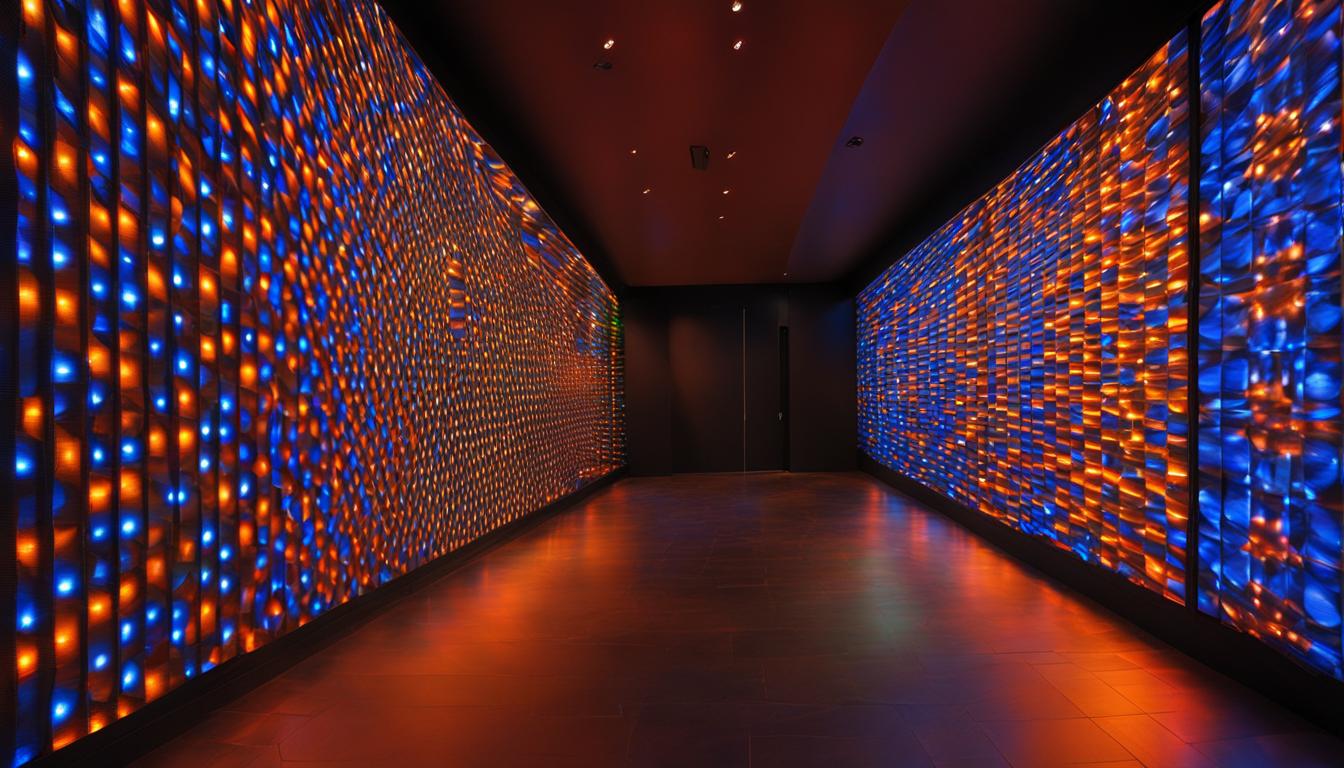
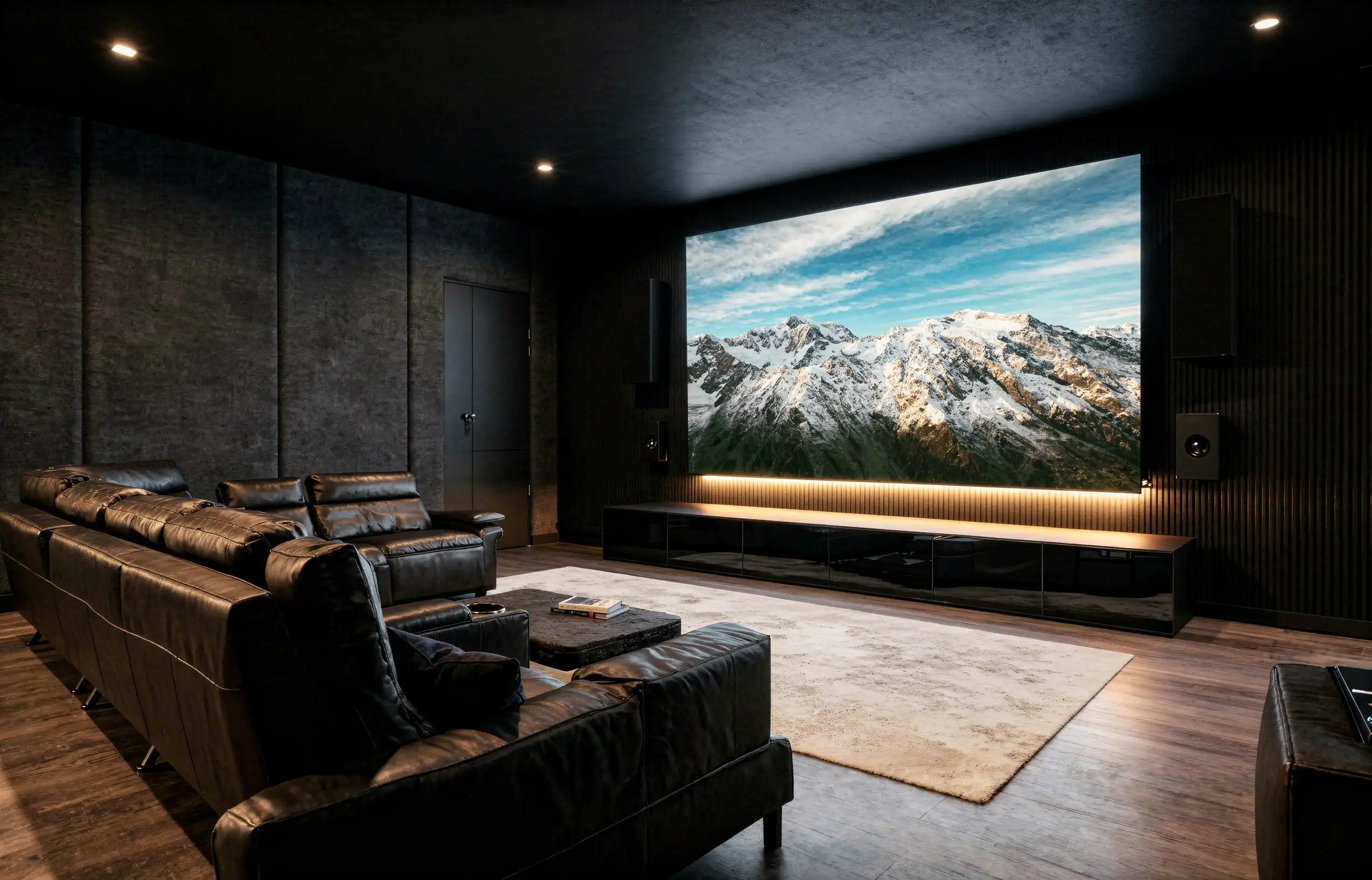
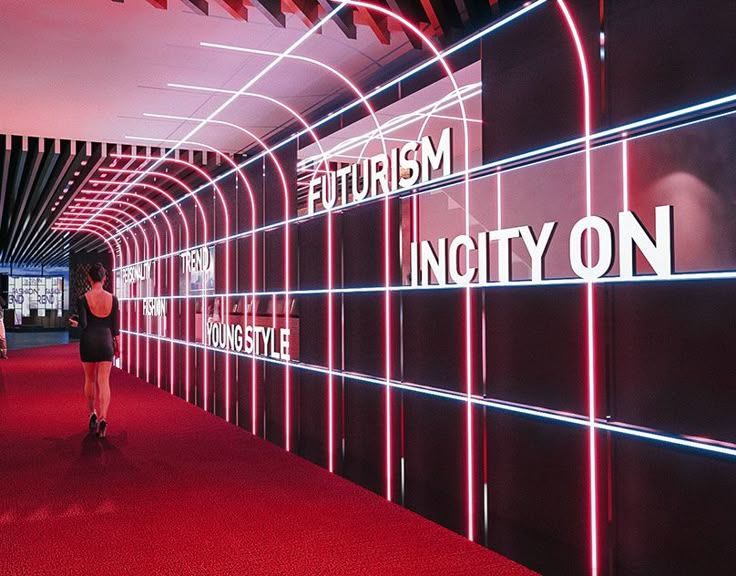
Displays are no longer confined to advertising spaces. They’re becoming architectural elements in their own right. Office lobbies incorporate LED walls as ambient design features. Transportation hubs integrate displays into ceilings and floors. Even outdoor façades increasingly include dynamic lighting surfaces powered by LED technology.
When this works well, the screen doesn’t feel like a screen anymore. It feels like part of the building’s identity.
That shift matters because it changes how businesses think about signage investment. Instead of a marketing expense, the display becomes part of the physical environment—a long-term design element that shapes how people experience the space.
The Audience Is Changing Too
Perhaps the most important trend isn’t technological. It’s behavioral.
People have grown accustomed to screens everywhere. Phones, tablets, laptops, televisions, vehicle dashboards—the modern environment is saturated with digital surfaces. For signage to stand out, it has to offer something different from the endless stream of content people already carry in their pockets.
That means clarity, context, and restraint often matter more than spectacle. The most effective displays today aren’t always the biggest or brightest ones. They’re the ones that understand where they are and how people move through that space.
In other words, signage is becoming more thoughtful.
Where the Trends Converge
All these trends—transparency, flexibility, adaptive brightness, intelligent management—point toward the same idea. LED signage is slowly evolving from a tool into a medium.
A medium reacts to context. It interacts with its surroundings. It becomes part of how a space communicates with the people inside it.
Businesses that recognize this shift are approaching signage differently. Instead of asking how large a display should be, they ask how it fits into the overall experience of the environment.
That’s a quieter conversation than the old race for bigger screens and brighter pixels. But it’s also a more interesting one. And judging by the way installations are beginning to look in modern cities, it’s only just getting started.