
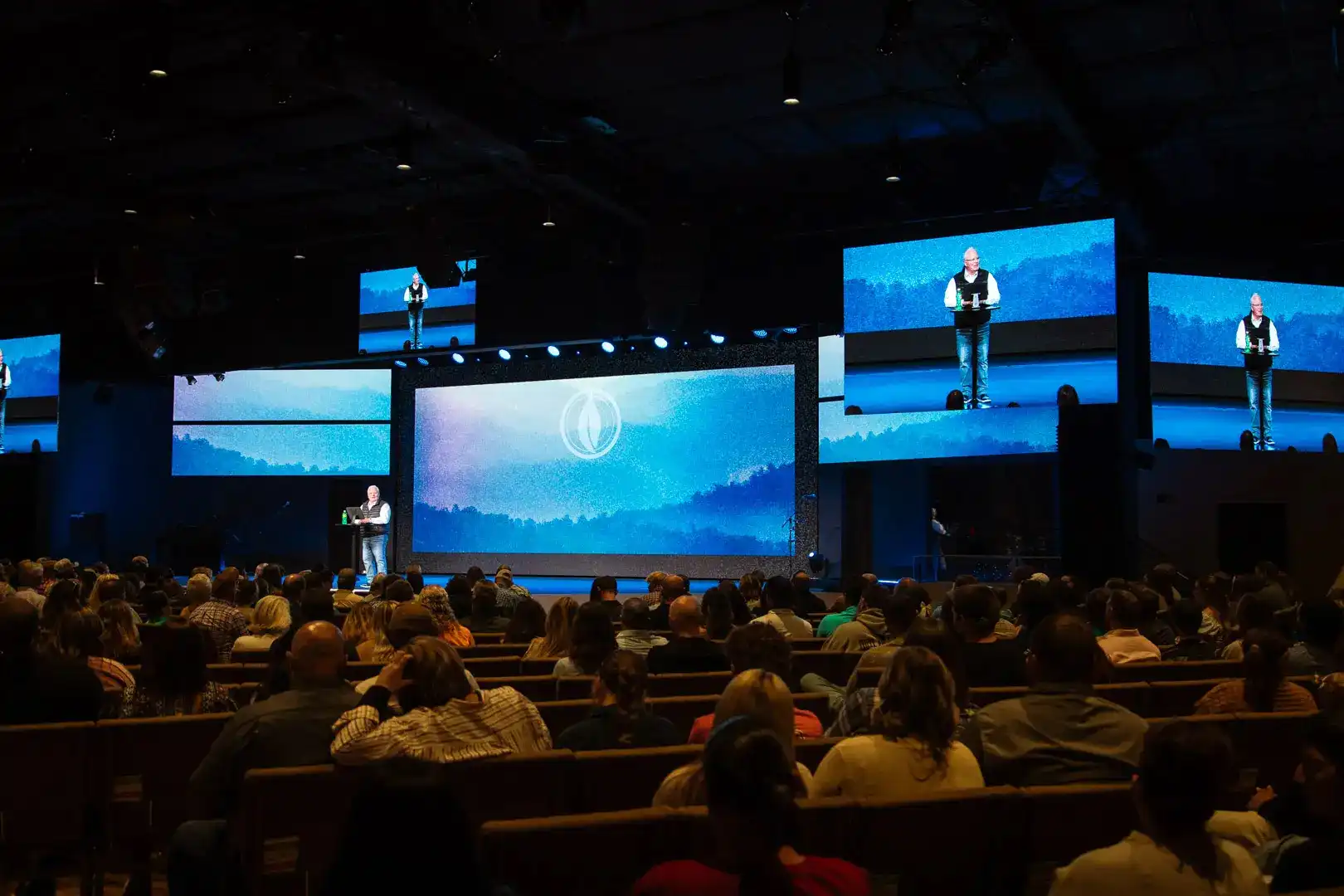
Most signage gets noticed only when it’s new. The installation day arrives, lights flick on, and suddenly the building has a presence it didn’t have the day before. Colors are crisp, text sharp, animations smooth. For a moment, the sign feels permanent, almost immune to time. But that illusion fades quickly. Displays age, pixels drift, power supplies loosen, dust settles where nobody thinks to look. The sign remains visible, but the message begins to degrade in ways that are subtle at first and then impossible to ignore.
Signage maintenance rarely gets the same attention as installation. It doesn’t carry the excitement of a new build or the visual drama of a massive LED wall coming online. Yet the quiet, routine work of maintaining signage often determines whether that investment remains effective after the novelty fades. A brand doesn’t disappear because the sign shuts off completely. It fades because the sign still works—just not well enough.
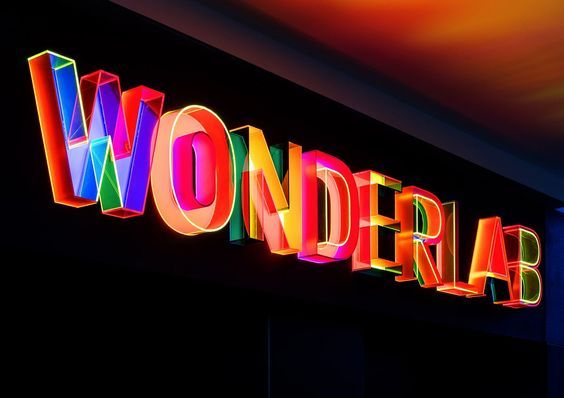
When Visibility Becomes Gradual Decay
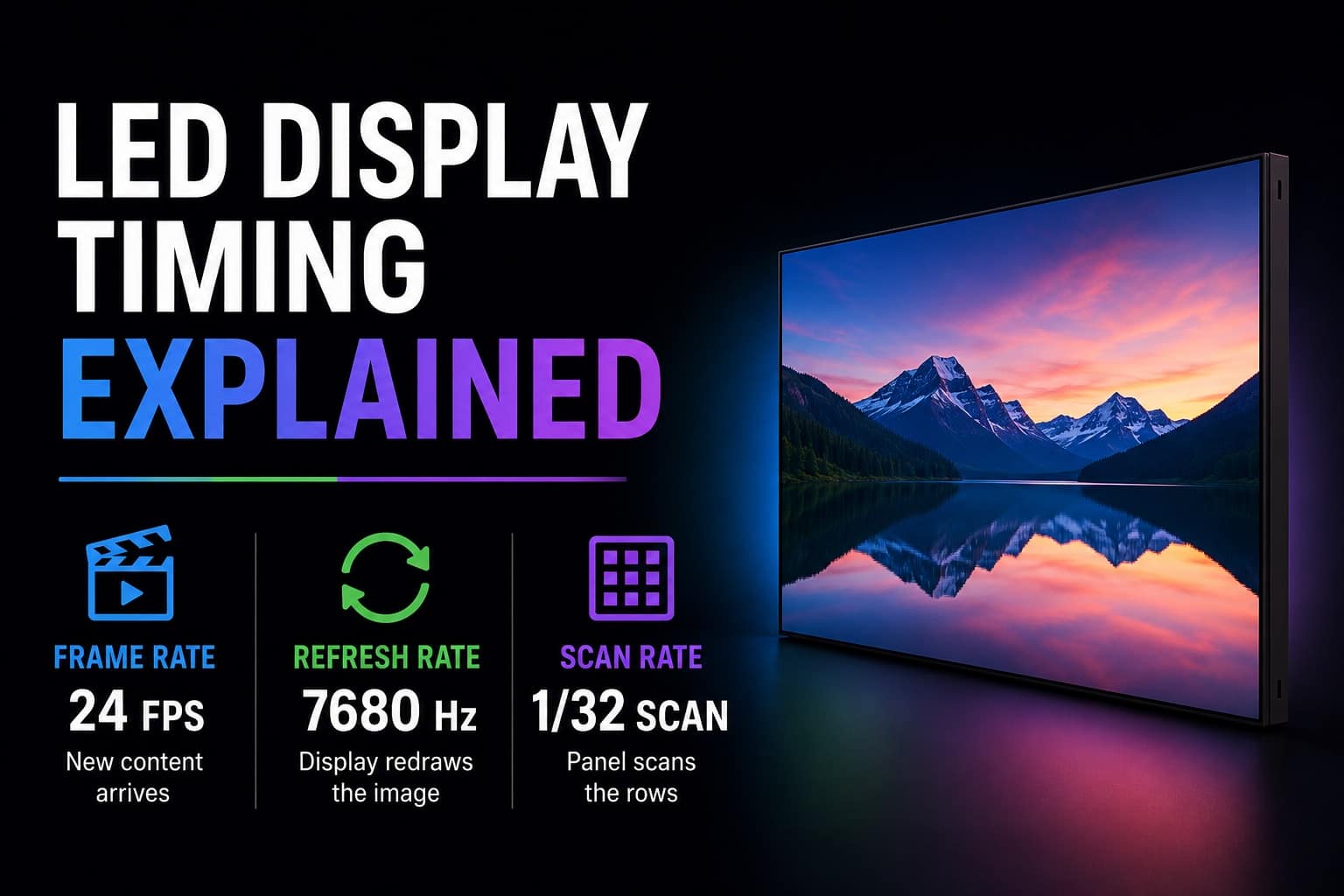
Signage technology, especially LED displays, operates in an environment that’s constantly working against it. Heat cycles, humidity, dust, vibration, even small electrical fluctuations accumulate over time. None of these forces destroys a display overnight. Instead, they introduce minor inconsistencies: a pixel cluster that dims slightly, a color temperature shift across panels, a small delay in refresh timing.
To a technician, these are warning signs. To the public, they simply register as something that feels slightly off. The sign that once looked vibrant now appears uneven. Colors lose their intensity. Content becomes harder to read at distance. The display still functions, but it’s no longer communicating with the same clarity.
Brand visibility depends on consistency. The public doesn’t analyze the technical details, but they do notice when something feels neglected. A dim or partially malfunctioning sign suggests a brand that isn’t paying attention to its own presentation. Signage maintenance, in this sense, is less about fixing things that break and more about preventing the slow erosion of visual authority.
The Safety Dimension
Signage maintenance isn’t only about aesthetics or brand perception. Safety quietly sits behind much of the work. Electrical systems, structural mounts, and moving display elements all require periodic inspection. When signage grows large—and modern LED installations often are—the stakes increase.
Outdoor displays endure wind loads, temperature swings, and occasional storms. Mounting brackets loosen, seals degrade, and internal components expand and contract with temperature cycles. Without regular inspection, small structural issues can escalate into genuine hazards.
Electrical reliability is equally important. LED panels rely on power distribution systems that must remain stable under constant operation. A loose connection may cause flickering or intermittent shutdowns. In the worst cases, it can lead to overheating. Maintenance teams understand that displays aren’t just communication tools—they’re electrical systems operating in public spaces.
The Illusion of “Set and Forget”
There’s a persistent assumption in the signage world that digital displays, particularly LED systems, require little attention after installation. Compared with older technologies, that assumption feels reasonable. LEDs are durable, long-lasting, and relatively energy efficient.
But durability isn’t the same as independence. Displays are ecosystems: panels, controllers, power supplies, sensors, and software all interacting continuously. Each element ages at a different rate.
Software alone introduces its own maintenance cycle. Content management systems update, firmware evolves, and compatibility shifts with time. Ignoring these updates can leave a display running outdated code that eventually conflicts with newer content formats or network environments. Nothing dramatic happens at first—just occasional glitches or slow transitions—but the system gradually loses reliability.
Maintenance keeps the ecosystem synchronized. Without it, even the most sophisticated display becomes unpredictable.

The Role of Calibration
Color calibration might sound like a detail reserved for broadcast studios or cinema screens, but it matters just as much in public signage. LED panels rarely age uniformly. One section of a display might lose brightness slightly faster than another. Over months, the difference becomes noticeable, particularly on large surfaces.
Regular calibration restores balance. Technicians adjust brightness curves, color profiles, and gamma levels so that panels behave as a unified surface again. It’s meticulous work. The public never sees the calibration process, but they immediately notice the absence of it.
A well-maintained display looks seamless. A neglected one begins to reveal its modular nature—patches of uneven color or brightness that break the illusion of a single, coherent screen.
Environmental Reality
Outdoor signage lives in a world designers sometimes underestimate. Dust settles inside ventilation channels. Moisture finds microscopic paths through seals. Temperature swings stress solder joints and connectors.
These conditions don’t necessarily destroy components immediately, but they introduce inefficiencies. Cooling systems become less effective as airflow decreases. Moisture can corrode contacts slowly. Over time, performance drops.
Routine cleaning and inspection prevent these issues from escalating. Removing accumulated dust or resealing vulnerable joints might seem mundane, but it’s often the difference between a display that lasts years and one that requires premature replacement.
Maintenance teams spend much of their time addressing these invisible environmental factors—the slow wear that doesn’t show up in marketing brochures but defines real-world reliability.
Content Integrity
A sign isn’t only hardware. It’s also content, and content depends on predictable performance. When displays drift out of calibration or develop intermittent faults, the visuals themselves suffer. Animations stutter, gradients band, transitions lose their intended timing.
For brands that rely heavily on dynamic messaging—retail promotions, transportation information, public announcements—this matters. The display might technically be running, but the message becomes harder to interpret.
Maintenance restores that reliability. Panels synchronize properly. Controllers process frames without delay. The difference might appear subtle on paper, but in practice it’s the line between content that feels polished and content that feels improvised.
The Economics of Neglect
Ignoring maintenance often seems economical in the short term. Displays continue operating, so the pressure to intervene feels low. But deferred maintenance tends to accumulate costs rather than eliminate them.
Minor issues grow into larger repairs. A single malfunctioning power module can stress adjacent components. A small misalignment in panel mounting can introduce vibration that gradually affects the entire structure.
When problems finally become visible, the repair scope is usually larger than it would have been earlier. Instead of adjusting or cleaning a component, technicians may need to replace entire modules. Preventive maintenance isn’t glamorous, but financially it often proves the most efficient path.
Brand Perception Is Subtle
People rarely articulate why a display leaves a positive or negative impression. They simply respond to the overall experience. A sign that looks bright, stable, and precise conveys professionalism. One that flickers or appears uneven conveys the opposite.
This is particularly true in high-traffic environments—transport hubs, retail districts, entertainment venues—where displays compete for attention. A poorly maintained sign doesn’t just fade into the background; it actively undermines the brand message it carries.
Maintenance protects that perception. It ensures the display continues to represent the brand the way it was intended when it was first installed.
Monitoring the Invisible
Modern signage increasingly includes monitoring systems that track temperature, voltage, and panel health in real time. These systems provide early warnings when something begins to drift out of tolerance.
But data alone doesn’t solve problems. Someone still has to interpret it and respond. Predictive maintenance works only when technicians treat the display as a living system rather than a static object.
That mindset—continuous observation rather than occasional repair—is gradually becoming standard in large installations. Displays now generate streams of information about their own condition. The challenge is turning that information into action before minor anomalies become visible failures.
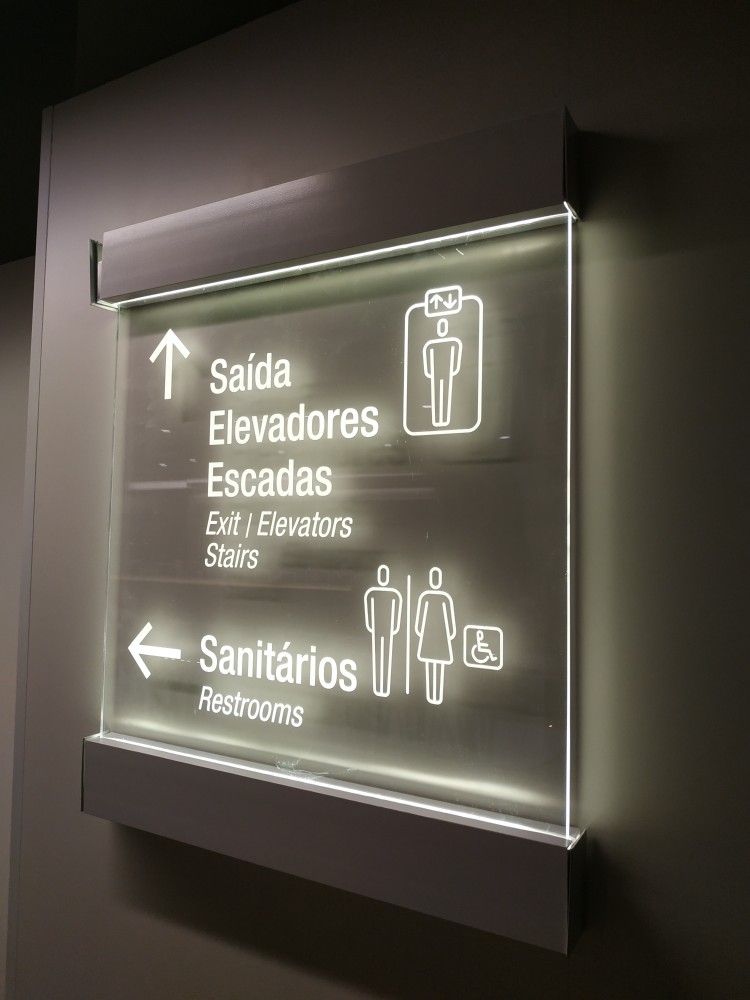
What the Audience Never Sees
The irony of signage maintenance is that success is invisible. When everything works properly, nobody thinks about the technicians who adjusted calibration curves at midnight or replaced a power supply before sunrise. The display simply works, day after day, projecting the same message with the same clarity.
Only when maintenance stops does the audience notice. A dead pixel cluster spreads. Colors drift. Motion loses its fluidity. The sign still exists, but it no longer commands attention the way it once did.
In that quiet gap between installation and replacement, maintenance does its work—keeping displays reliable, safe, and visually consistent long after the launch moment has passed. It’s not the glamorous side of signage technology, but without it, even the brightest display eventually becomes just another fading light in the background.