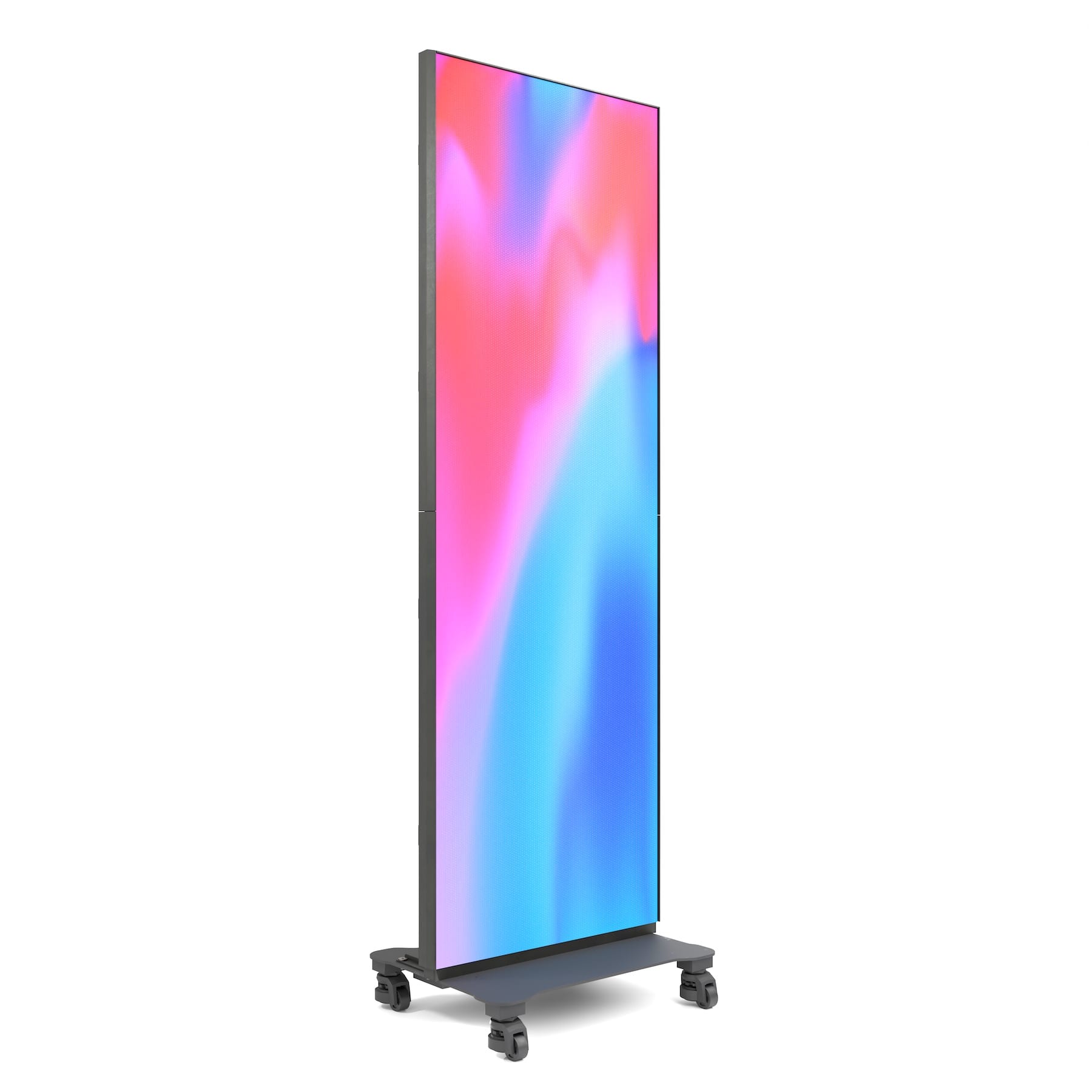
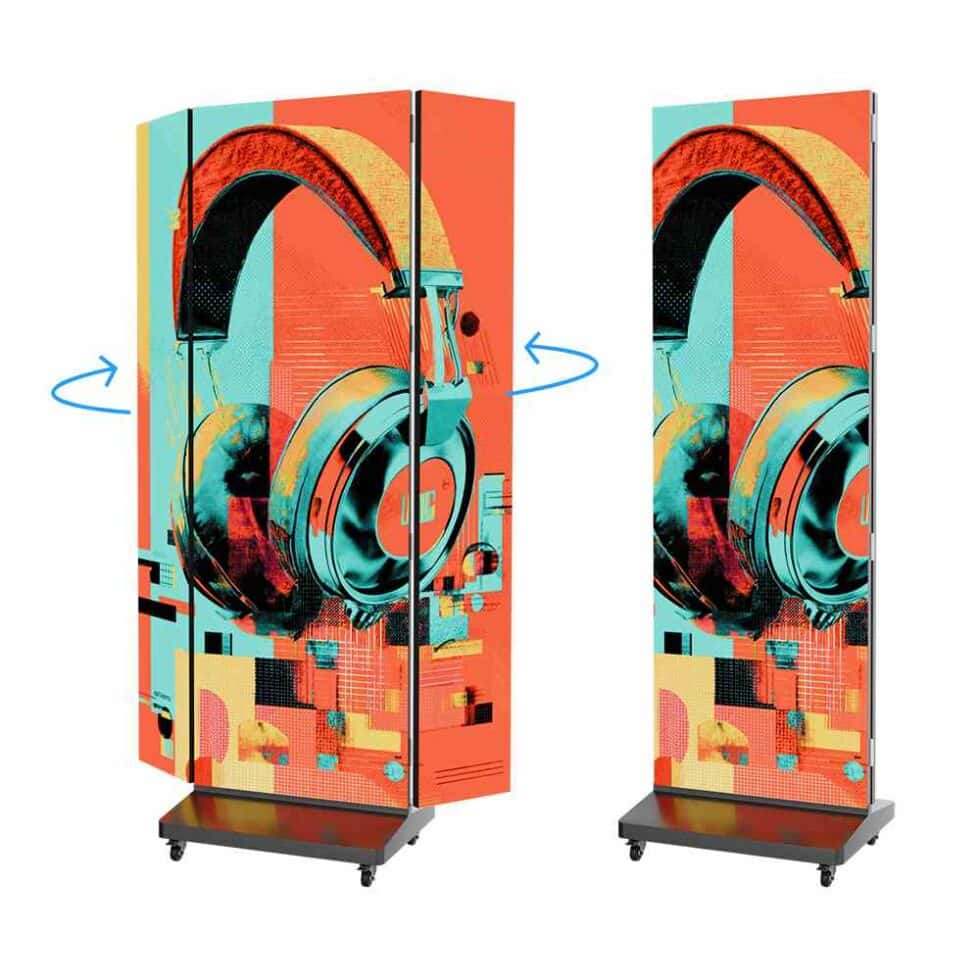
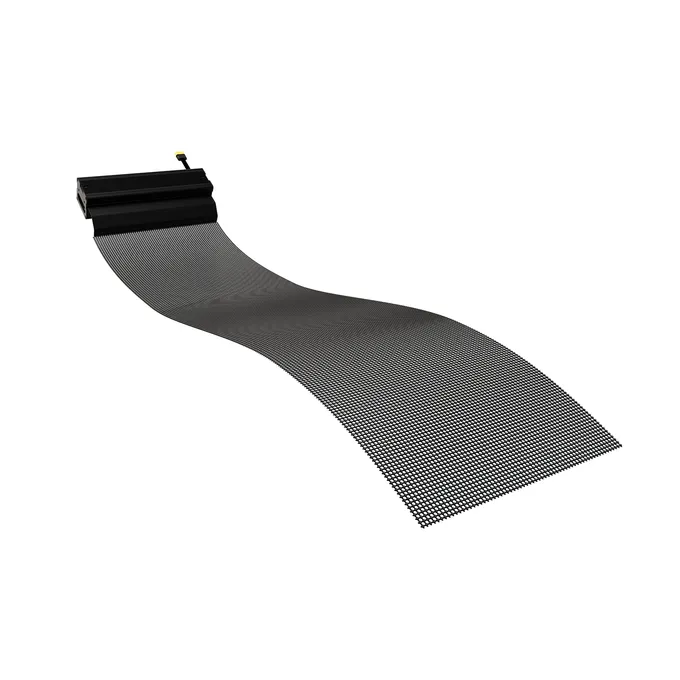
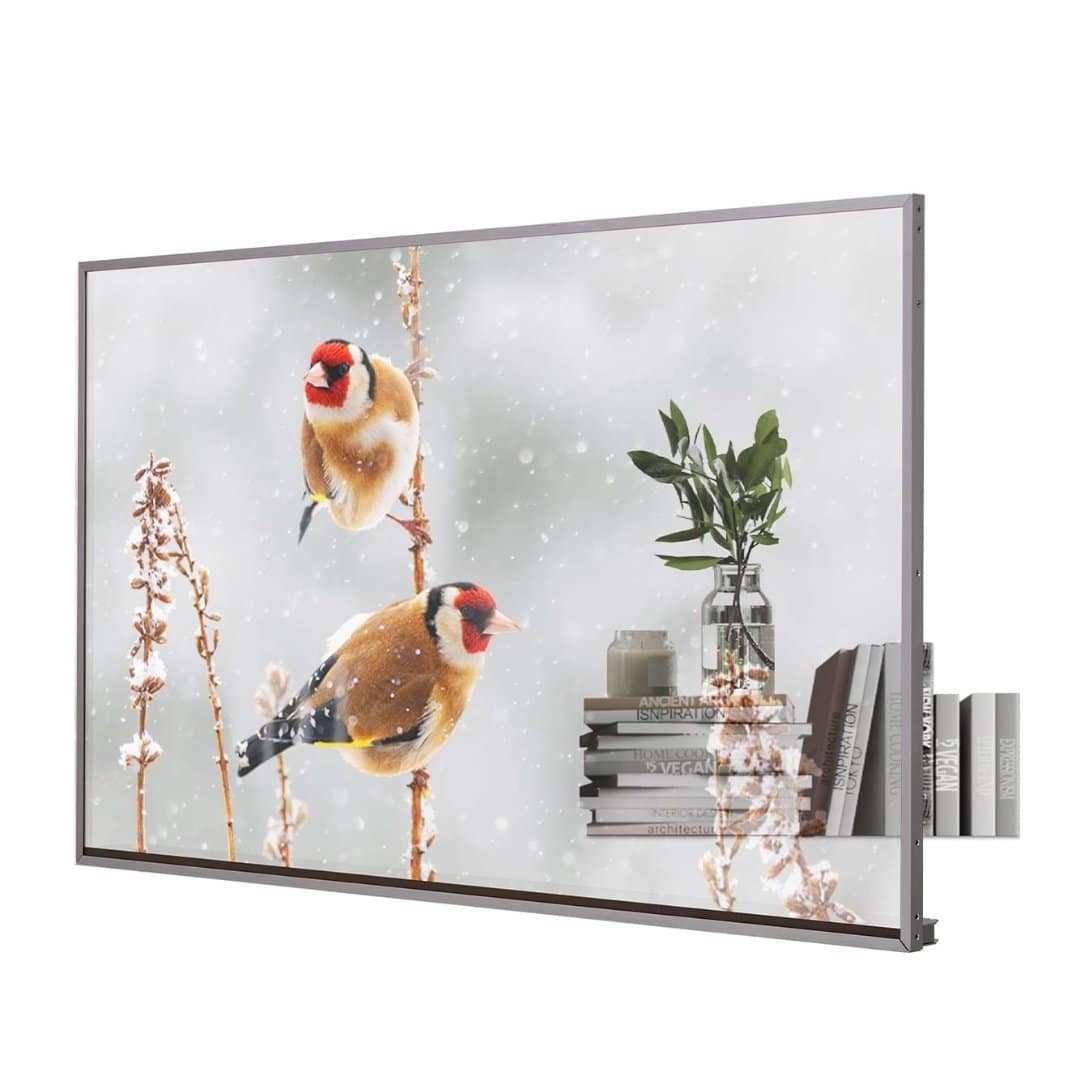
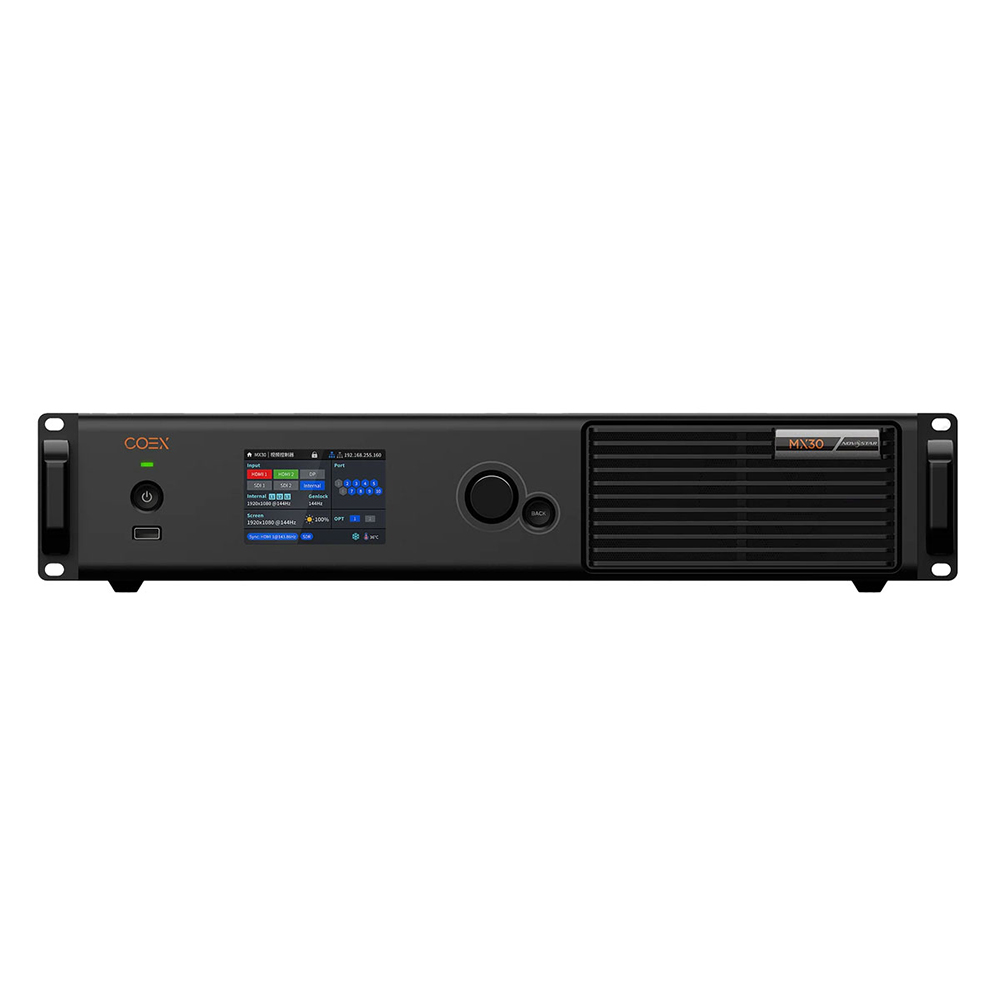
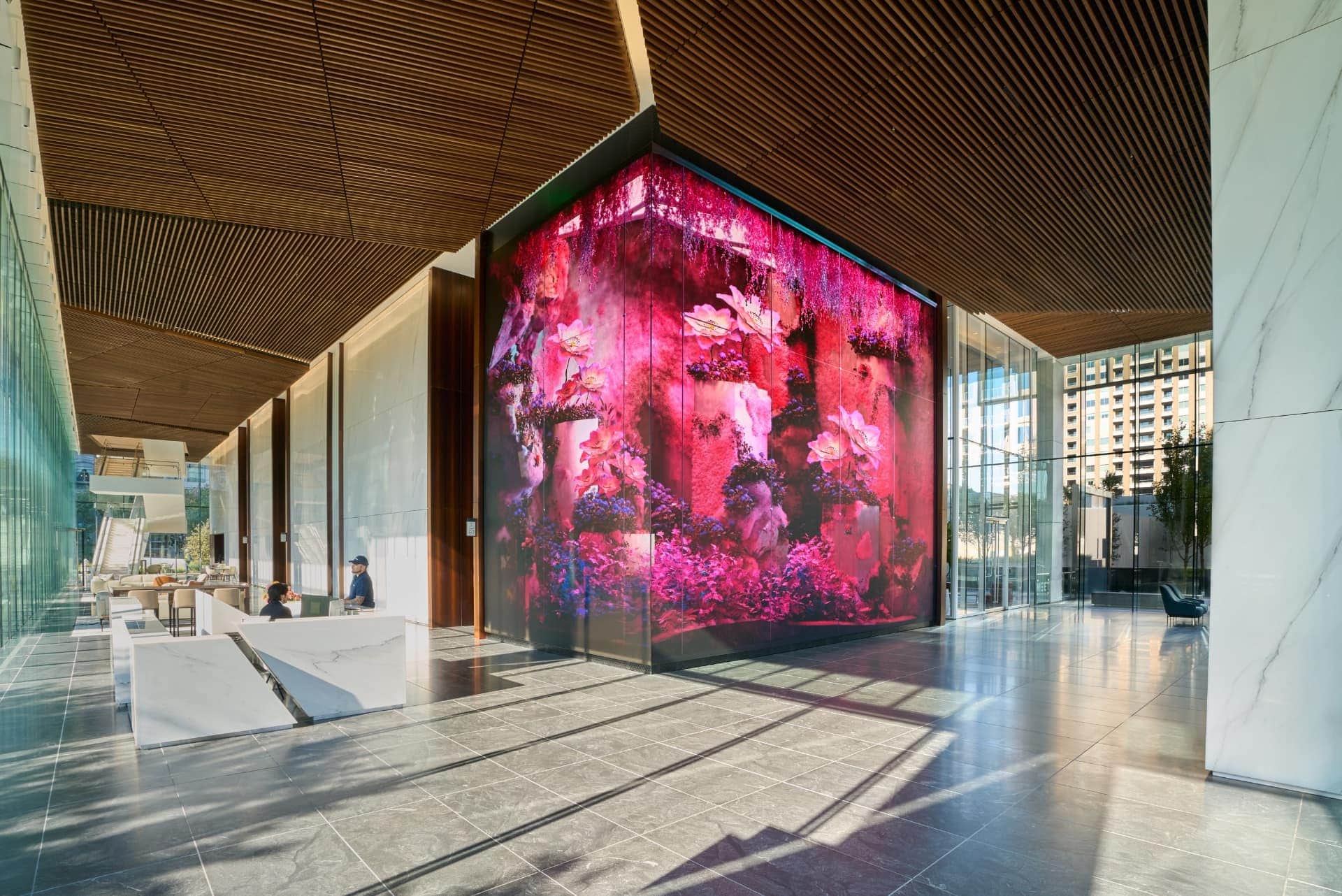
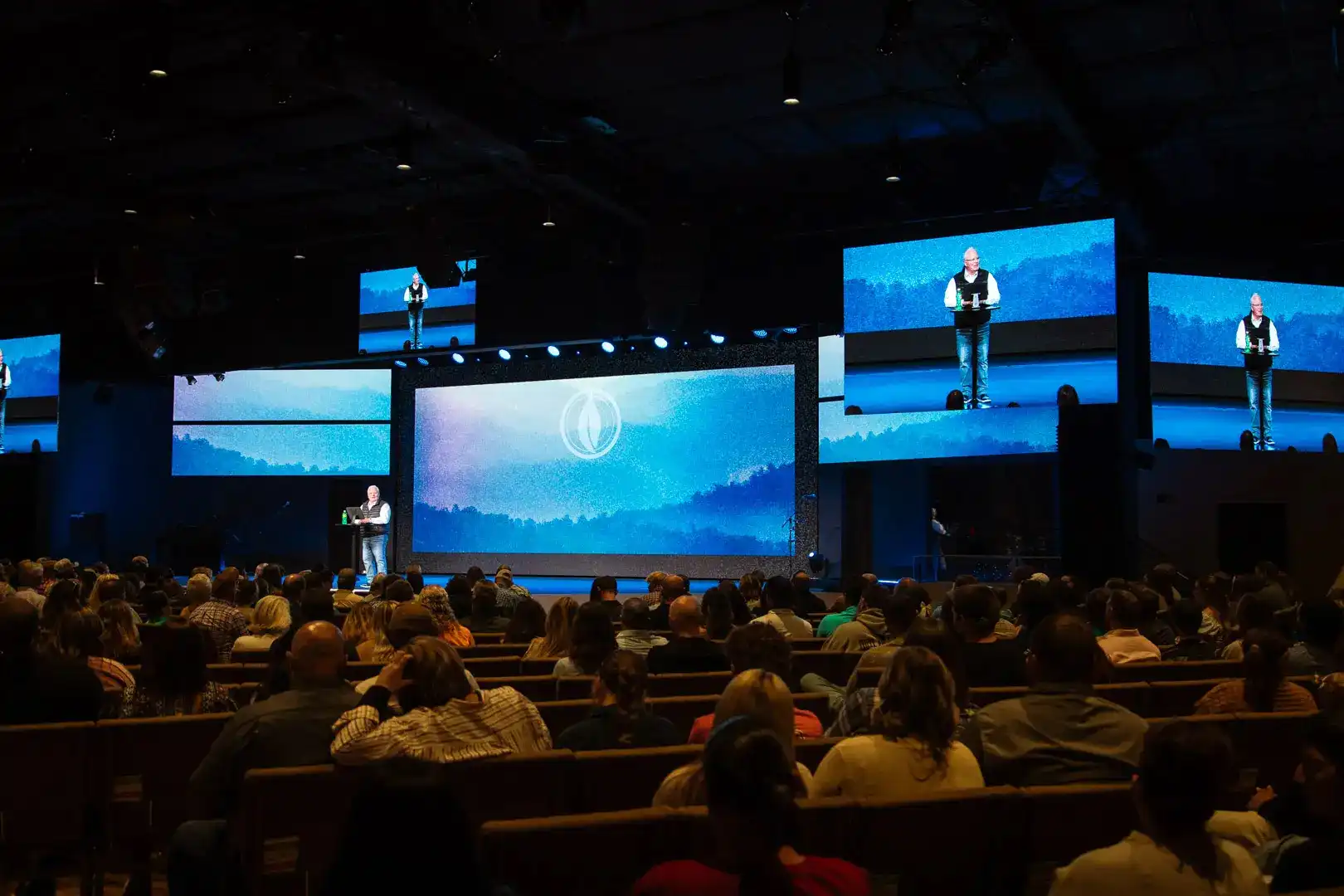
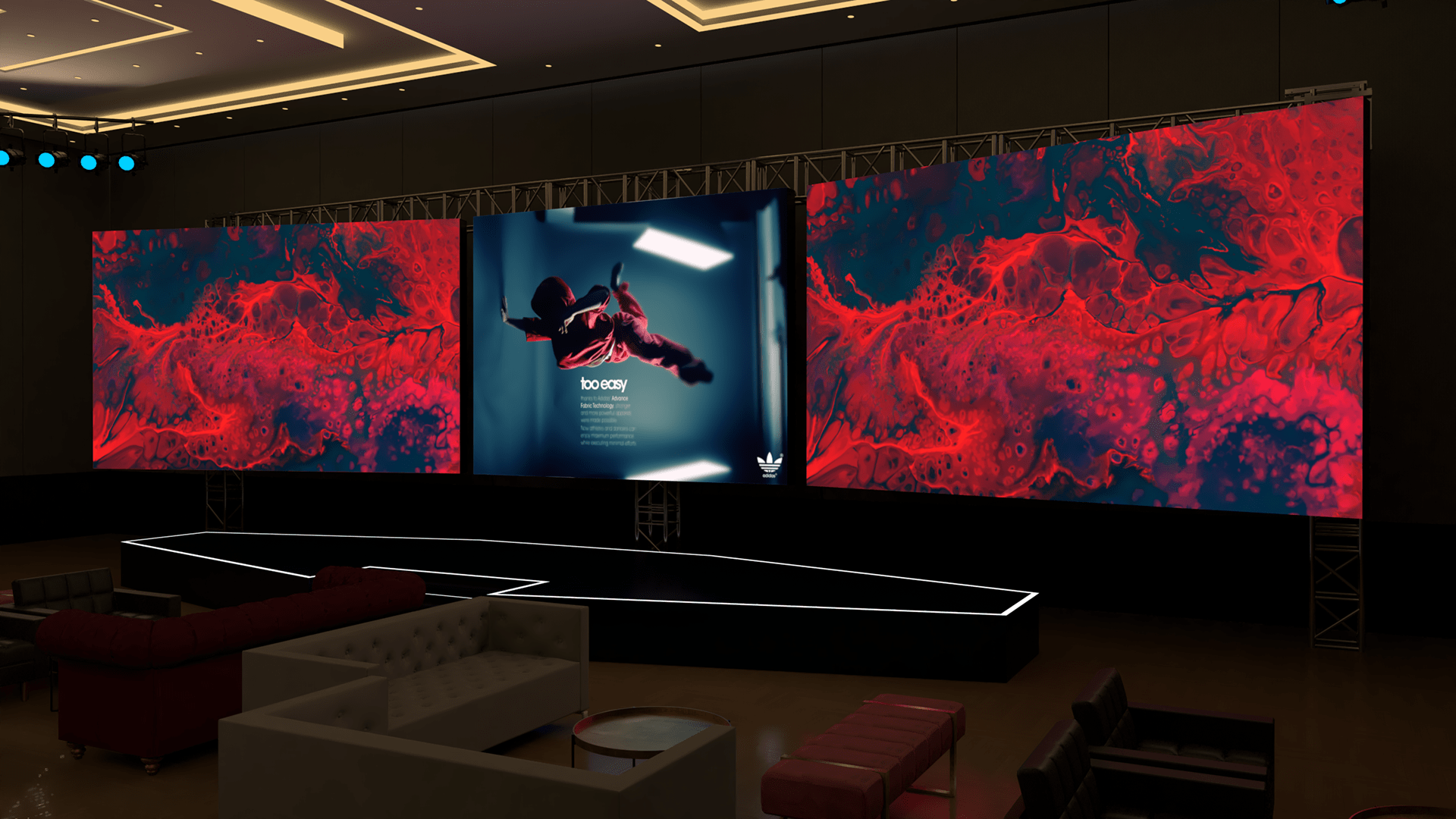
There’s a subtle thrill to watching a slider LED screen in motion. Not the static, monumental walls of a stadium or the rigid, monolithic façades of corporate lobbies—these are panels that shift, reveal, and reconfigure. The technology has been around in some form for years, but only recently has the engineering reached a point where it feels fluid rather than clunky. It’s a reminder that display tech isn’t just about brightness or resolution; it’s about adaptability, timing, and control.
The phrase “slider LED screen” itself invites misconceptions. It’s easy to assume a single type, a standardized mechanism, a common approach. In practice, it’s a spectrum, defined not just by movement but by how that movement integrates with pixel density, control systems, and audience perception. The screen slides, but the intelligence behind it determines whether that slide feels mechanical or almost organic.
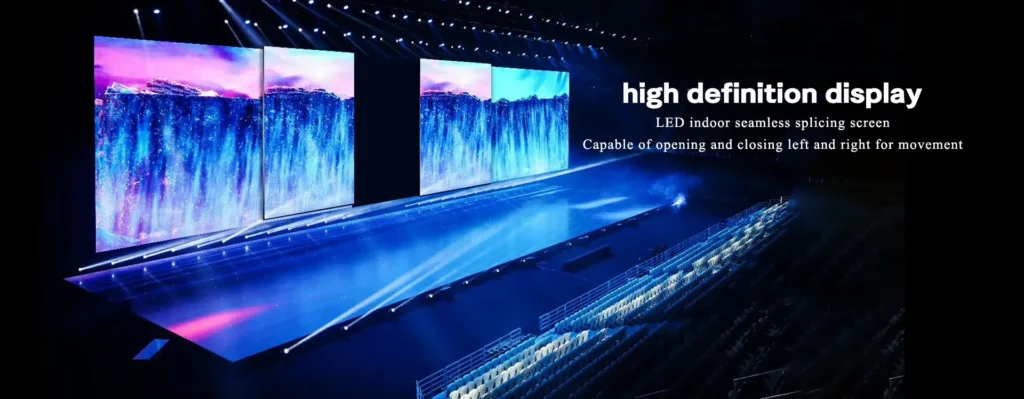
Mechanical vs. Magnetic Motion
At one end of the spectrum are traditional mechanical sliders. These panels operate on rails or tracks, physically shifting modules in and out of position. The benefit is predictability: movement is precise, repeatable, and integrates cleanly with architectural frameworks. The drawback is weight. Large assemblies require structural reinforcement and careful calibration. Every shift must account for inertia, backlash, and torque.
Then there are the magnetic or motorized sliders. These rely on electromagnets or servo-driven systems to move panels silently. It’s the difference between a manual curtain and a floating screen. Magnetic sliders offer a certain elegance—they can accelerate, decelerate, or pause mid-motion in ways that feel choreographed. But they demand a control layer capable of interpreting load, speed, and trajectory in real time. AI and predictive algorithms are creeping into this space, adjusting movement based on visual cues or environmental conditions. The panel no longer simply slides; it responds.
Indoor vs. Outdoor: Context Defines Type
Slider LED screens are rarely one-size-fits-all. Indoor versions favor fine pixel pitch, subtle motion, and content optimization for short viewing distances. The sliding mechanism is often lighter, less exposed to vibration or wind, and paired with precise environmental sensors. Content designers can rely on the screen to move gently without worrying about physical stress or color drift.
Outdoor sliders confront a harsher reality. Wind, temperature, humidity—these are constant forces. Mechanisms must be robust enough to prevent warping or misalignment. Panels are heavier, modular joints reinforced, motors over-engineered. Yet the human expectation remains the same: fluid motion without noticeable lag or vibration. Outdoor systems increasingly rely on predictive motor control, adjusting movement speed based on wind load or temperature-induced expansion.
Fixed-Track vs. Free-Movement
A subtle distinction, often overlooked in technical discussions, is between fixed-track sliders and free-movement systems. Fixed-track panels move along a pre-determined path. They’re reliable, predictable, and integrate neatly with stage design or architectural frameworks. Free-movement sliders, by contrast, are semi-autonomous. Panels may slide diagonally, rotate, or shift in a choreographed sequence. AI begins to matter here. It can predict mechanical constraints, audience sightlines, and environmental variables to execute a movement pattern that feels intentional rather than pre-programmed.
It’s in free-movement systems that the “screen as performance” concept emerges. The display becomes part of the choreography, almost like a living actor. Each motion is contextual, influenced by lighting, surrounding architecture, and even the content itself. It’s no longer just a platform for visuals—it’s a participant in the narrative.
Transparent vs. Opaque
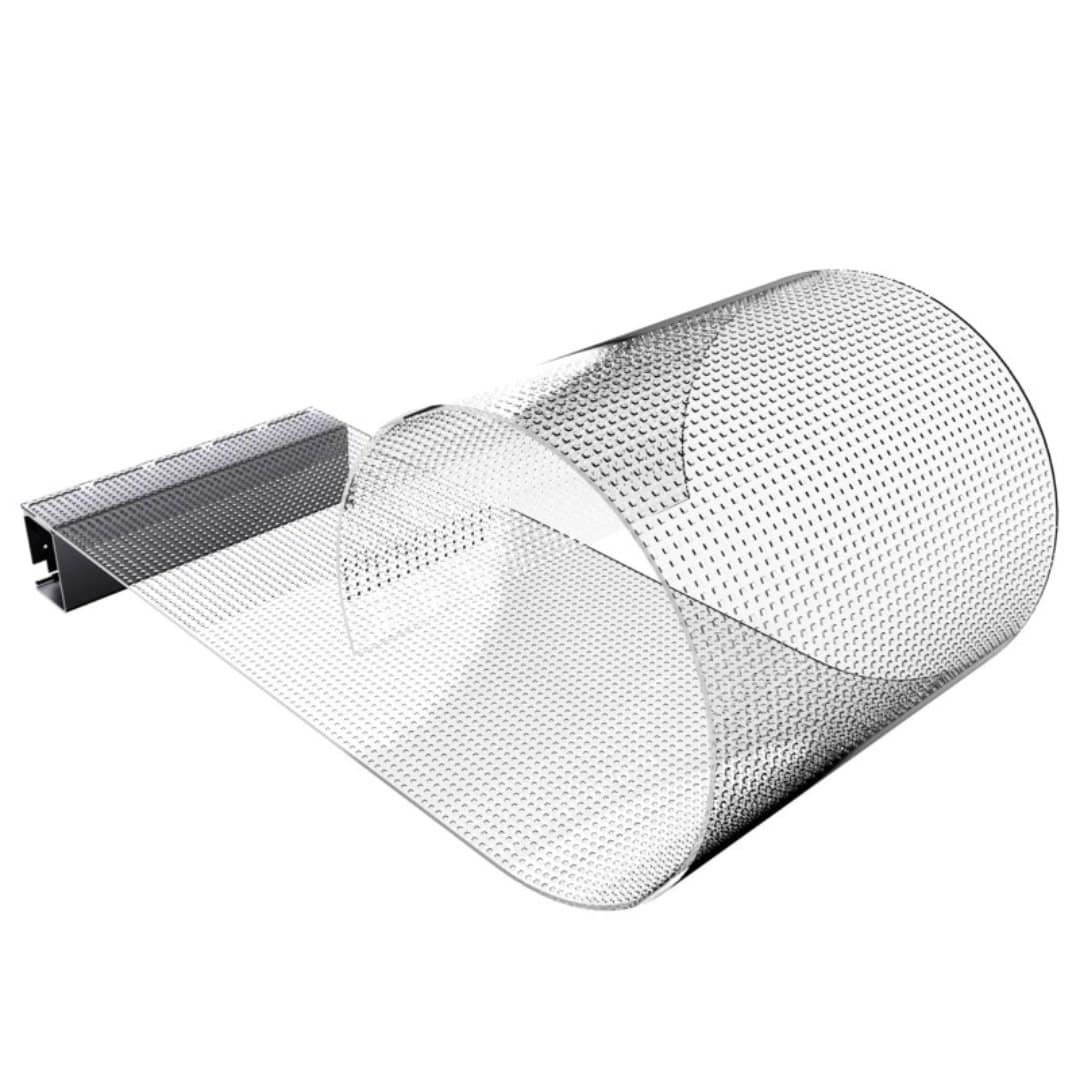
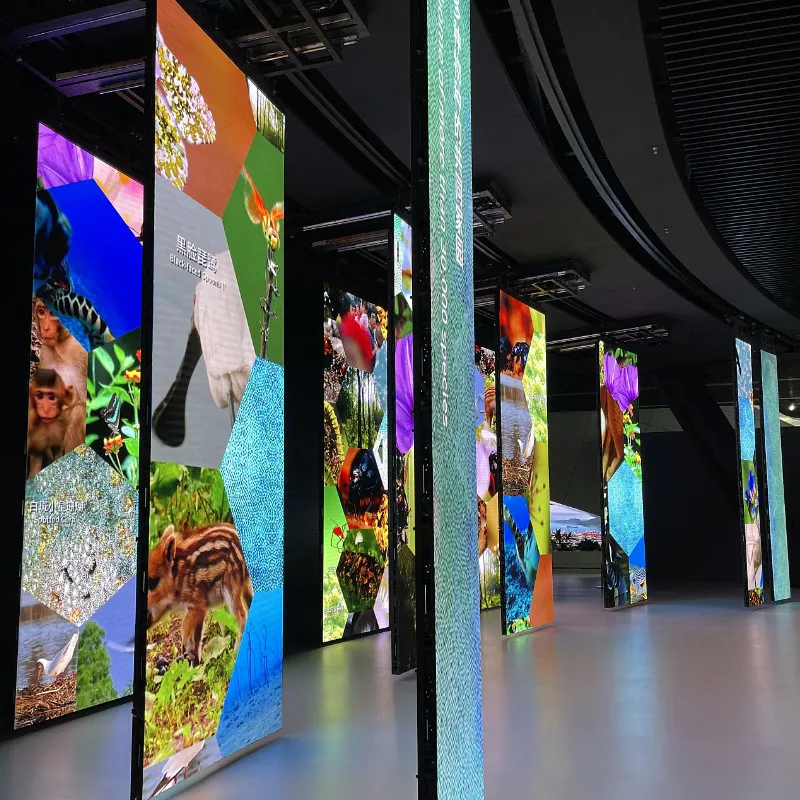
Slider mechanisms intersect with panel transparency in surprising ways. Transparent LED sliders are increasingly common in high-end retail and urban facades. They slide without obstructing light or views behind them. The challenge is density. Transparent modules have fewer diodes per unit area, so motion must be smoother to avoid perceptible flicker or visual artifacting. AI-driven pixel mapping is often required to compensate for the reduced emissive surface.
Opaque sliders, by contrast, offer freedom in content complexity. Color density, contrast, and brightness are easier to control. Motion can be abrupt, dramatic, even theatrical, without risking legibility. The trade-off is environmental integration: opaque screens dominate a space visually, while transparent systems negotiate with light and transparency to create subtlety.
Modular vs. Integrated Systems
Another axis of distinction lies in modularity. Modular slider LED screens are assembled from discrete panels. Each module can move independently or in groups, offering flexibility for replacement, repair, or reconfiguration. There’s a logic to this in long-term operational strategy: a faulty module doesn’t halt the whole screen. But modular systems require careful calibration. Misalignment of even a single module can disrupt visual coherence, and AI-assisted alignment has become almost standard in high-end installations.
Integrated sliders take the opposite approach: large, contiguous panels designed to move as a single unit. The motion feels seamless, almost cinematic, but repair is more invasive. Control systems must handle inertia across a much larger mass. These are typically found in flagship locations, stage installations, or architectural statements where fluidity of motion is paramount.
Automated vs. Manual Control
Control philosophy distinguishes types as much as mechanical design. Manual sliders operate through operator input—joysticks, control panels, or mechanical levers. Timing and coordination are human-dependent. AI may still play a role in smoothing transitions, but the impetus comes from a person. Automated systems, however, rely entirely on algorithmic control. Motion paths, acceleration curves, and position synchronization are all pre-calculated or dynamically adjusted. Some advanced setups use real-time environmental feedback to modulate speed or pause movement for optimal visual impact.
The implication is profound: once the human operator is removed from the chain, the system becomes self-aware in a limited sense. It optimizes its own operation for clarity, energy efficiency, and aesthetic outcome. The slider isn’t just moving; it’s reasoning.
Hybrid Types
Of course, the landscape isn’t binary. Most modern slider LED screens are hybrids. They combine mechanical rails with AI-assisted motor control, modular construction with integrated aesthetic design, transparency with opacity in layered panels. The hybrid model allows designers to negotiate multiple constraints at once: structural, visual, environmental, and experiential. These systems blur the line between category types, creating setups that can’t be reduced to a single classification.
This is where expertise in deployment becomes critical. It’s not enough to know mechanical types; an installer must understand control logic, pixel mapping, environmental sensing, and audience perception. The panel may be designed to slide, but the overall success depends on the orchestration of multiple variables at once.
Content and Motion Are One
Perhaps the most overlooked factor in categorizing slider LED screens is content itself. A system may physically allow rapid motion, but if content can’t adapt, the effect fails. AI-driven interpolation, predictive rendering, and dynamic frame adjustment are becoming standard. Panels move, but they also anticipate the visual effect of that motion, recalibrating brightness, contrast, and pixel intensity on the fly. In this sense, a slider isn’t just a mechanical object; it’s an intelligent canvas.
This introduces a subtle irony: the type of screen is often defined as much by how the content interacts with its movement as by its physical characteristics. Two identical sliders could feel completely different depending on the sophistication of the control and rendering logic. Motion itself becomes a variable, a co-creator with the visuals.
Beyond Classification
Trying to define “types” of slider LED screens is almost an exercise in futility. The categories—mechanical vs. magnetic, indoor vs. outdoor, fixed-track vs. free-movement, transparent vs. opaque, modular vs. integrated, manual vs. automated—are all valid, but none captures the full experience. Every system is a negotiation of trade-offs, constrained by physics but amplified by software. AI has made these negotiations subtle, almost invisible. The screen slides, but so does the expectation of what a screen can do.
It’s tempting to reduce slider LED screens to a simple typology, but the truth is messier and more fascinating. Each installation is a hybrid, a compromise, and an experiment in perception. Engineers, designers, and content creators collaborate not just to move a panel, but to move the audience, and the distinction matters more than the technical label assigned to a mechanism.
Observing the Subtle Differences
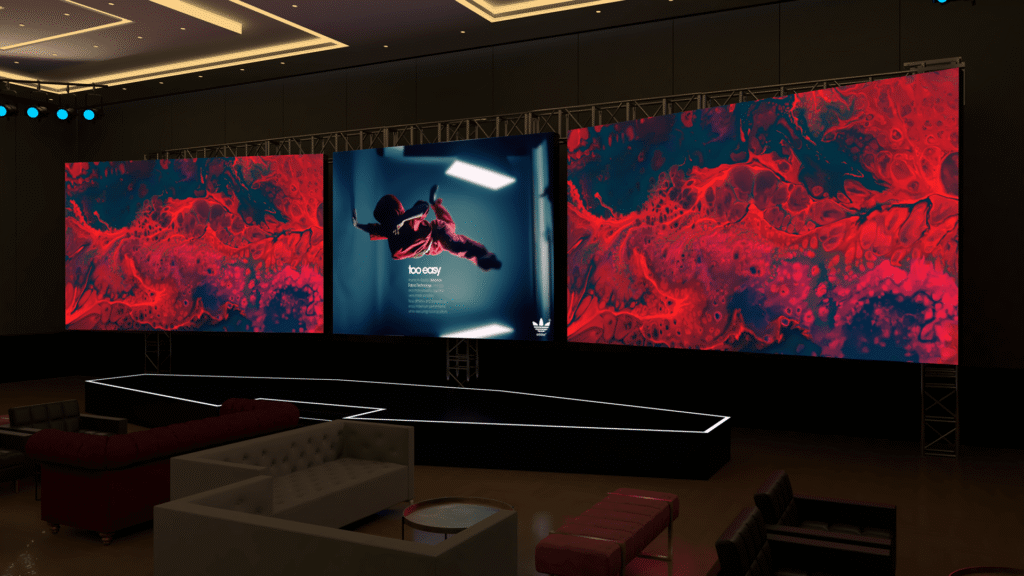
Walking past a slider LED installation, it’s rarely obvious what type it is. Rails might be hidden, motors silent, content perfectly mapped. What distinguishes one system from another often emerges only in the details: the way motion is timed to fade-ins, the micro-adjustments in brightness during a slide, the absence of jitter when panels accelerate. That subtlety is the point. The category names—magnetic, mechanical, modular—exist more for engineers and spec sheets than for the audience.
And that may be why the market is shifting toward hybrid intelligence. Panels that move intelligently, content that adjusts dynamically, sensors that feed environmental feedback back into motion control. The type of slider becomes secondary to the experience it produces. Two panels could share the same mechanical design but feel worlds apart depending on calibration, algorithmic sophistication, and integration with content.
Watching Screens Become Performance
The ultimate takeaway is that slider LED screens are no longer just displays—they are performances. The physical motion, the pixel density, the algorithmic adjustments, the environmental feedback: all converge to create a perception that the screen itself is alive. Typologies remain useful for discussion and deployment, but they fail to capture the emergent experience of watching a panel shift seamlessly, revealing content in ways that feel choreographed, deliberate, almost sentient.
Perhaps that is the next frontier: not just understanding types, but understanding the interaction between panel, motion, and human perception. The slides, shifts, and reveals are no longer just a technical specification—they are a medium, a language, and a subtle demonstration of how far LED technology has evolved.