
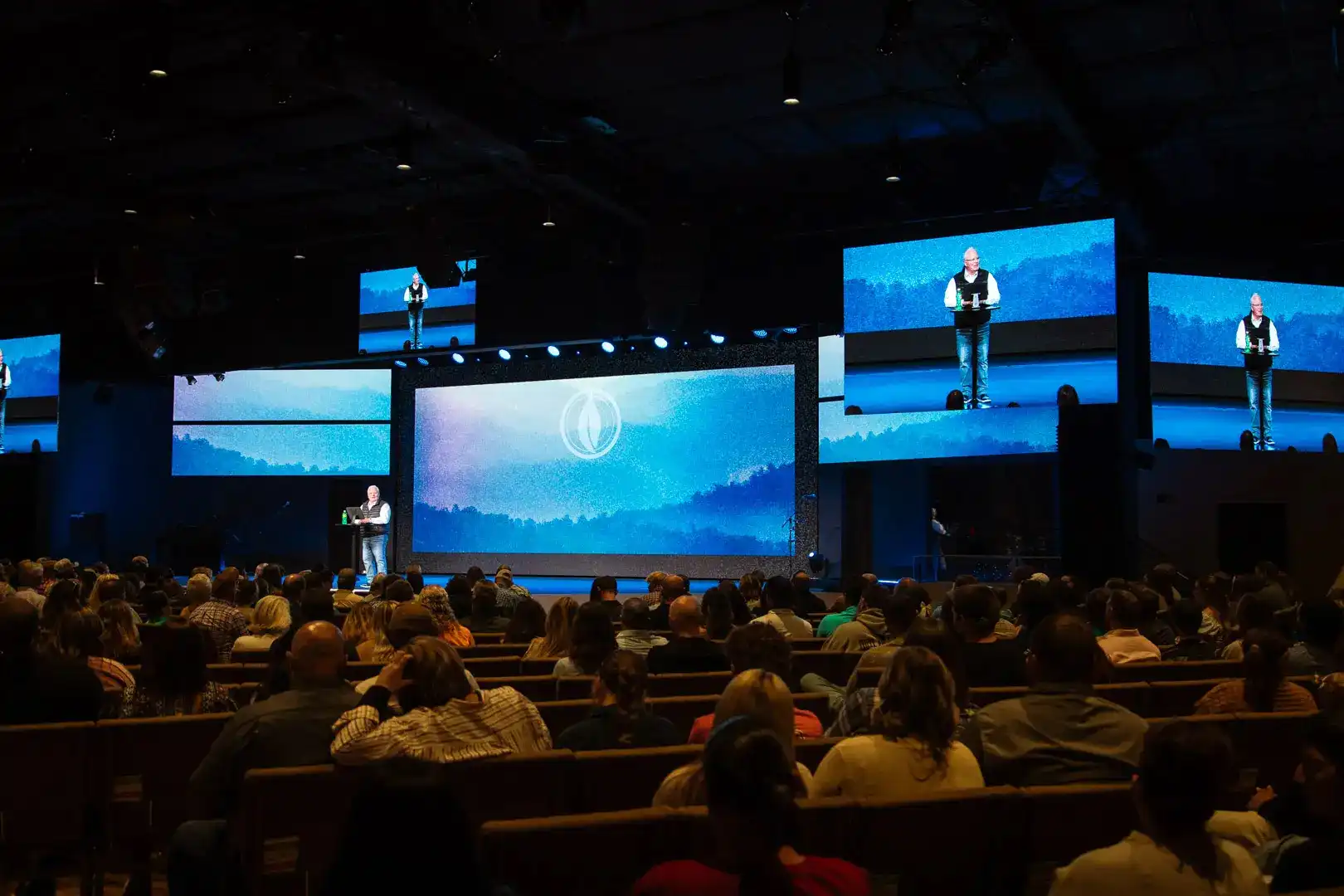
The distinction between synchronous and asynchronous LED displays is one of those technical details that matter more than most people realize. At a glance, both systems do the same job: illuminate pixels in sequence to produce images, video, and motion graphics. But dig a little deeper, and the differences reveal themselves in content timing, control, scalability, and ultimately, in how people experience the display.
For designers and engineers working in large-scale LED installations—whether stadium signage, digital billboards, or immersive retail environments—understanding these distinctions isn’t optional. It affects performance, reliability, and even the creative freedom of the content team.
The Basics: What Makes a Display “Synchronous”?
Synchronous LED displays operate in lockstep. Every pixel is driven by a central controller, and data flows in a coordinated, timed sequence. The refresh of the screen is globally synchronized; the output of the display is predictable and consistent across the surface.
This synchronization matters most when high-speed video or animation is required. Motion on synchronous displays is smooth because the timing of pixel updates is controlled precisely. Think of a stadium scoreboard showing a fast-paced highlight reel. Every module, every cabinet, refreshes in harmony with the master controller. Lag is minimized, and even complex transitions—like high-frame-rate animations or scrolling ticker information—remain coherent.
Synchronous displays also simplify content pipelines. Designers and operators know exactly how data will propagate across the wall. There is little guesswork about latency or frame alignment.
The Trade-Offs
Synchronous systems aren’t perfect. They require a robust data backbone. Centralized control means that as the number of modules or panels grows, the system must handle massive data throughput. A single misconfigured cable or a module that falls out of sync can create visual glitches across the wall.
The infrastructure cost can be high. Large synchronous walls demand advanced controllers, high-speed networking, and often custom cabling solutions. Installation must be precise; every module must meet timing tolerances. For high-density or curved walls, synchronization errors are more visible and harder to correct.
Asynchronous LED Displays: Independent Yet Connected
Asynchronous LED displays take a different approach. Instead of a single master controller dictating timing for every module, each panel—or sometimes each cluster of panels—operates independently. Data is sent in bursts, buffered locally, and refreshed on the module’s schedule.
This model introduces flexibility. Walls can be larger, content can be staged in segments, and modules can function semi-independently if one section fails. Installation is often simpler because each panel handles its own timing internally. Network requirements are lower, and cabling can be more straightforward.
In environments where content doesn’t require ultra-high-speed video—like corporate signage, transit displays, or retail promotion boards—an asynchronous approach can deliver impressive results at lower cost. It’s forgiving, scalable, and modular.
When Timing Really Matters
The distinction between synchronous and asynchronous becomes stark in motion-intensive applications. Fast transitions, 60Hz or higher frame rate video, or VR-style immersive content generally favors synchronous systems. Lag, frame tearing, or misalignment are more noticeable in these contexts.
Asynchronous systems are often used where timing precision is less critical. Scrolling text, static images, or slow-motion transitions are easier to implement without the need for central synchronization. Some hybrid solutions now exist, where critical modules are synchronized, and peripheral panels operate asynchronously—giving engineers a balance between cost and performance.

Installation Considerations
For synchronous LED walls, installation is a discipline in itself. Every panel must be wired into the master controller with precise attention to signal propagation, timing delays, and refresh rates. Cable length, connector quality, and even grounding matter. The more panels, the more critical timing becomes. In large stadium walls, engineers sometimes use active repeaters or signal boosters to maintain perfect synchronization across hundreds of modules.
Asynchronous walls are more forgiving. Modules can be preloaded with content, or data can be sent in packets over standard Ethernet networks. Installation crews can swap panels without worrying about recalibrating timing across the entire wall. It’s modular by design—ideal for temporary setups, touring events, or environments where uptime is critical but pixel-perfect synchronization is less important.
Content Design Implications
Content teams must think differently depending on the system. On synchronous walls, animations and effects can be crafted knowing that every pixel will refresh in lockstep. Motion blur, fast pan shots, and dynamic transitions work as expected. Designers can push the system to its limits because timing is predictable.
Asynchronous systems demand a more conservative approach. Designers have to anticipate slight variations in refresh across modules. Fast-moving elements may appear slightly staggered. Subtle effects, like cascading transitions or scrolling tickers, may require adjustments to maintain coherence. In some cases, designers embrace the stagger as a creative effect, using the asynchronous timing to produce shimmering or staggered motion that would be impossible on a fully synchronous wall.
Performance, Reliability, and Maintenance
Synchronous displays tend to be more sensitive to failures. One faulty module can disrupt the timing chain, creating noticeable visual artifacts. Maintenance often requires diagnostic tools to pinpoint timing mismatches, and engineers must be vigilant about firmware updates and cable integrity.
Asynchronous displays are generally more robust in this regard. Modules can fail independently without compromising the entire display. Replacement is easier, and network redundancy can allow sections to continue operating while technicians service a faulty panel. For environments like public transit hubs or large outdoor signage, the practical advantage is clear: uptime matters more than perfect synchronization.
Cost Considerations
Synchronous walls are expensive. Advanced controllers, high-speed cabling, and precise engineering add up. The investment is justified in applications where ultra-smooth motion is critical—live events, broadcast backgrounds, and immersive installations.
Asynchronous walls are often chosen for budget-conscious projects. Modular flexibility, simpler cabling, and lower control overhead make these systems more accessible. You sacrifice some motion fidelity, but in many cases, the trade-off is invisible to the casual viewer.
Hybrid Systems: The Best of Both Worlds
Modern LED installations increasingly blur the line between synchronous and asynchronous. Hybrid systems synchronize the most visually critical modules—center screens, camera-facing panels—while peripheral panels run asynchronously. This allows designers to balance performance and cost.
Some LED walls even employ intelligent content mapping, where fast-motion areas are prioritized for synchronization while static or slow-moving zones operate independently. It’s engineering meets design strategy, and it underscores how LED display technology isn’t just hardware—it’s spatial storytelling.
Real-World Examples
- Sports Arenas: Synchronous LED walls dominate the big screens. Fast action replays and dynamic graphics demand precise timing. Even slight lag or tearing would be visible to thousands of spectators.
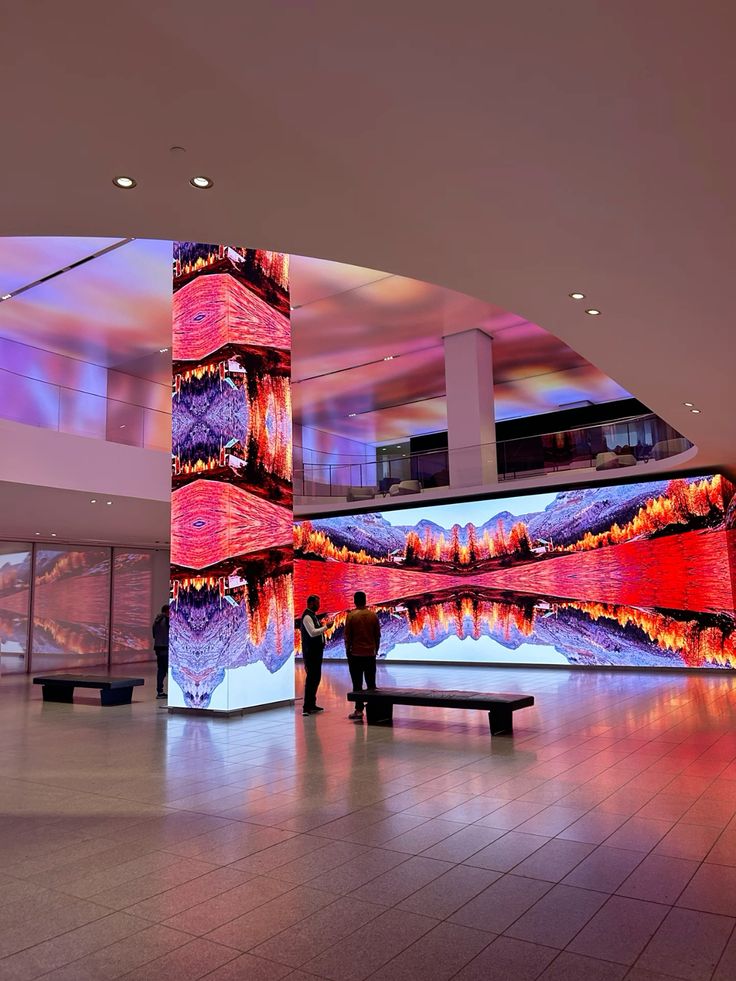
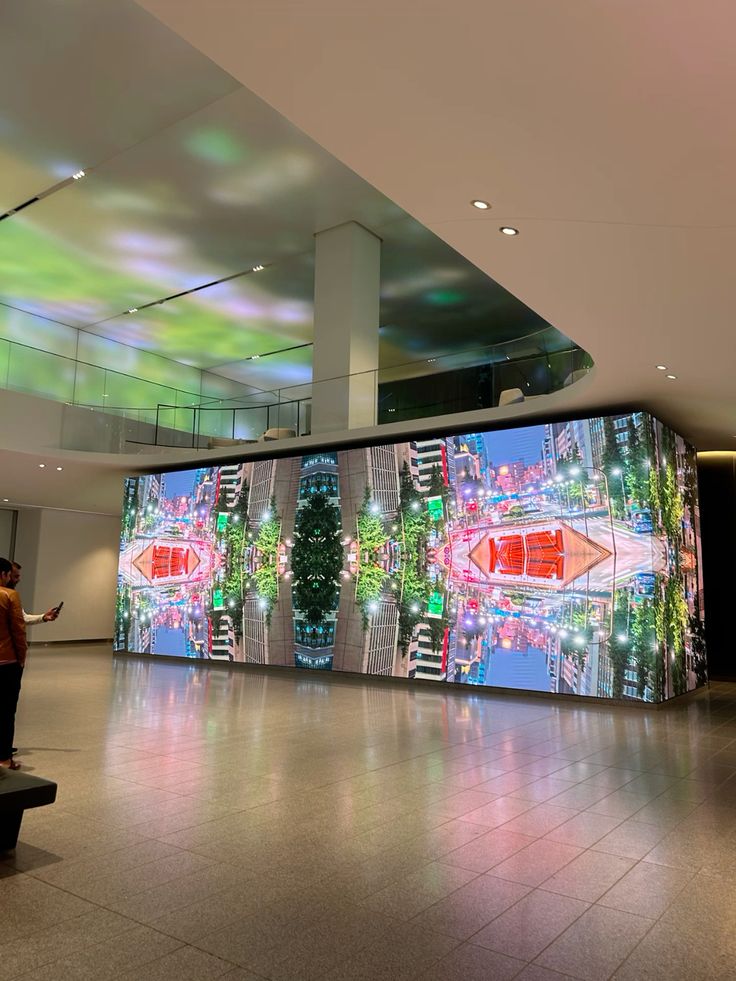
- Retail & Corporate Spaces: Asynchronous displays are common. Static or semi-animated promotional content doesn’t require perfect sync, and modularity allows for flexible design and easy maintenance.
- Transit Hubs: Both approaches exist. Main information walls may be synchronous for scrolling departure boards, while peripheral signs or small kiosks operate asynchronously for ads or announcements.
- Touring Events & Exhibitions: Asynchronous walls dominate because they can be quickly assembled, broken down, and transported while remaining functional.
The Takeaway
The difference between synchronous and asynchronous LED displays is fundamentally about timing, control, and application. Synchronous walls demand precision, infrastructure, and careful installation, delivering ultra-smooth motion and perfect alignment. Asynchronous systems prioritize flexibility, modularity, and robustness, allowing scalable installations with lower technical demands.
For engineers, designers, and production teams, the choice shapes installation strategy, content design, maintenance, and user experience. It’s not just a technical distinction; it’s a creative and operational one.
LED display technology may seem straightforward on the surface: lights go on, pixels show images. But when timing enters the equation, the display becomes a living system, a network of coordinated—or semi-independent—elements that must work in harmony to convince the human eye.
And in the end, whether synchronous or asynchronous, the goal remains the same: create an image that feels alive, seamless, and immersive. It’s just that some walls march in perfect rhythm, and others dance to their own beat.