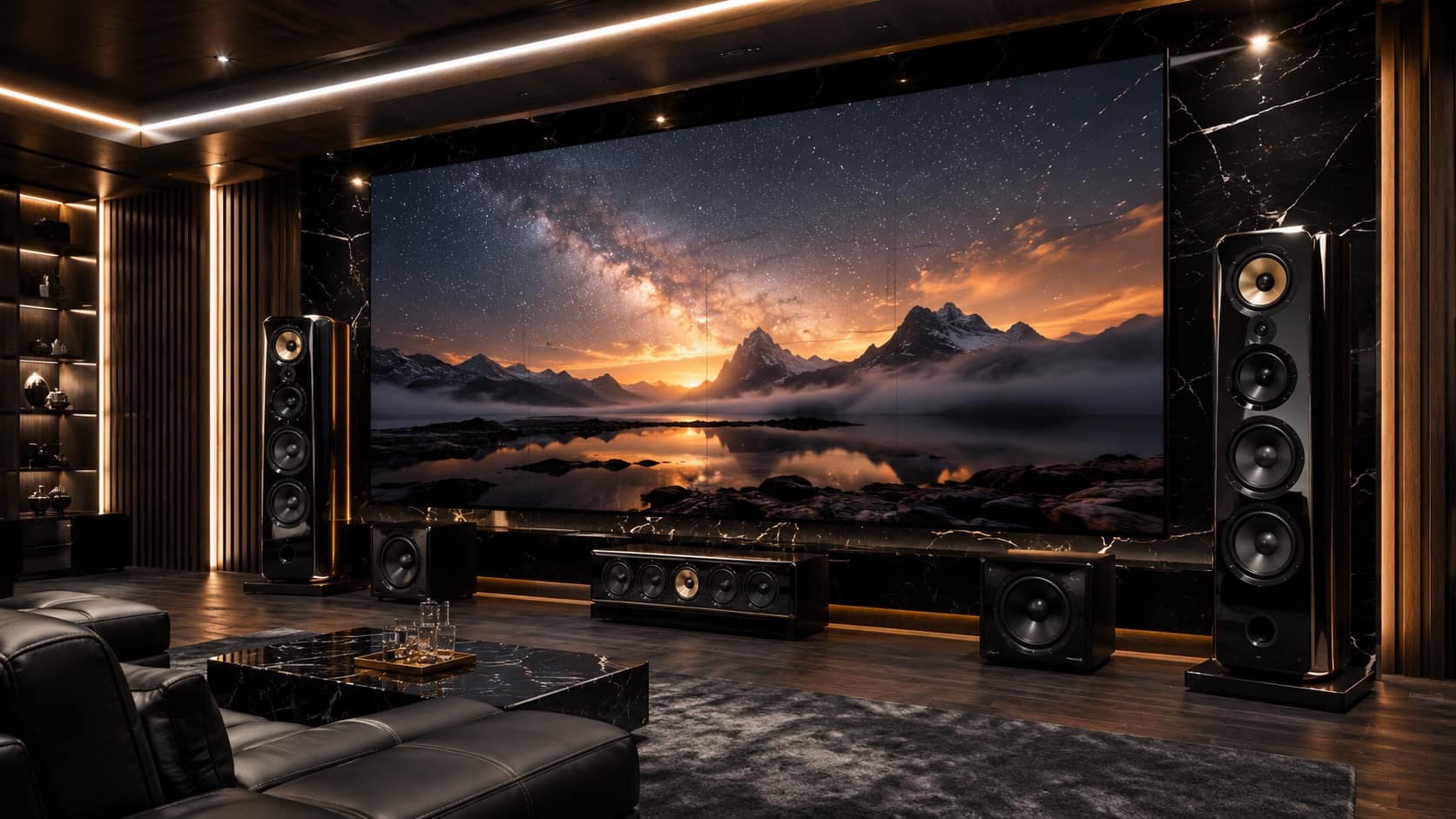
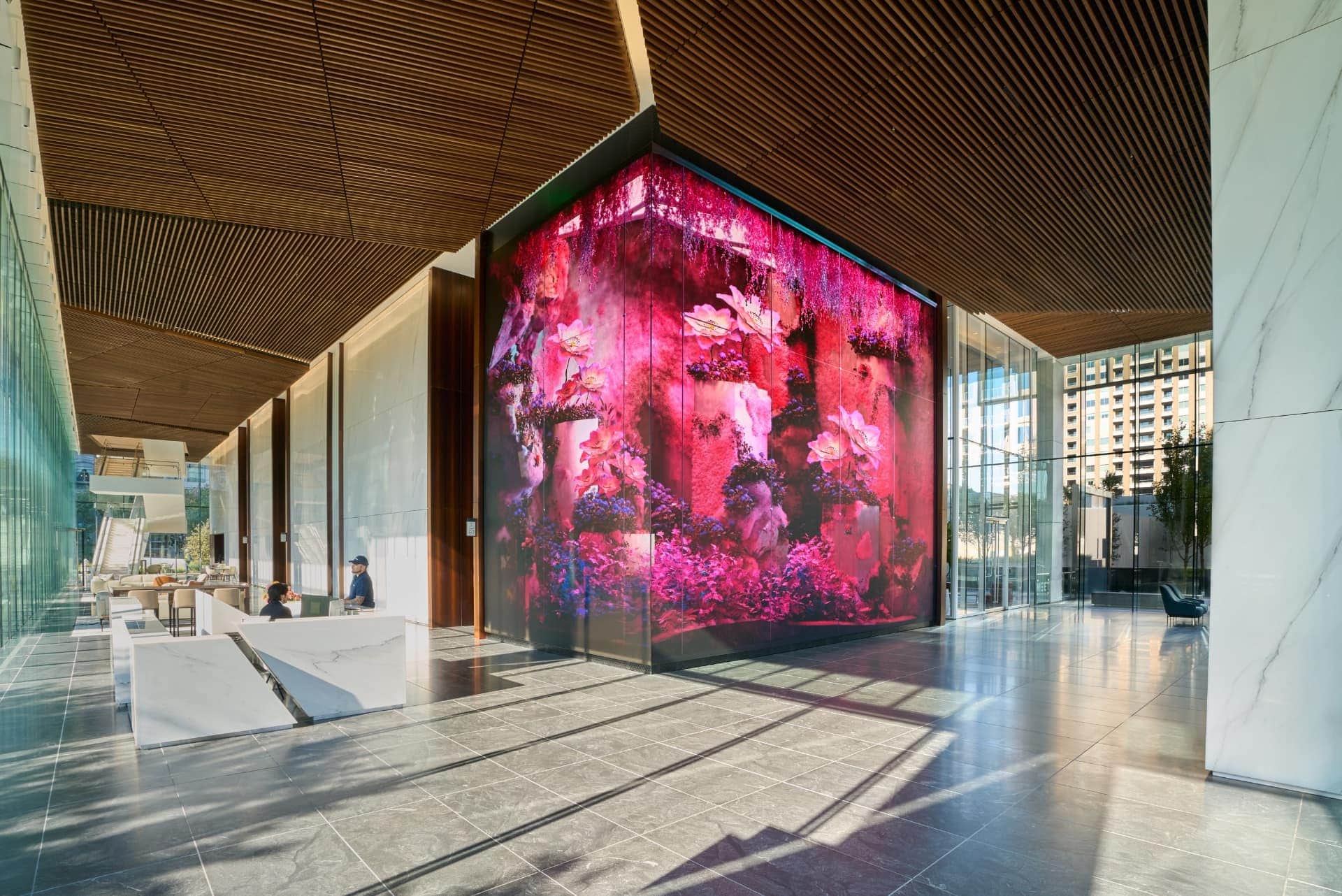
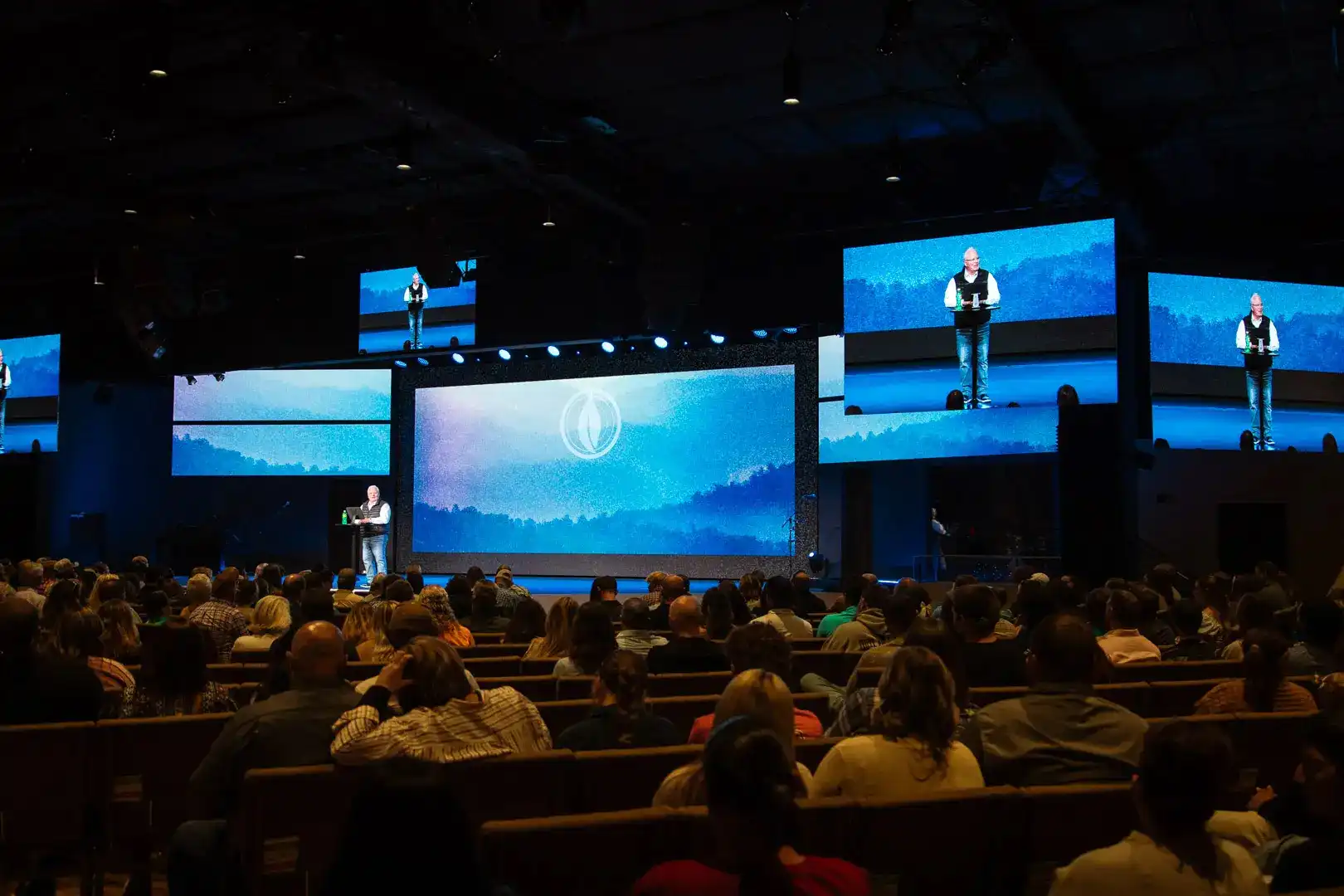
Hollywood has always been about illusion. For decades, filmmakers relied on matte paintings, green screens, and projection backdrops to create worlds that didn’t exist. Now, LED display technology has changed that equation. Entire sets are wrapped in walls of light, color, and motion, giving filmmakers tools that are immediate, interactive, and far more controllable than anything in a studio projector booth.
The change isn’t just incremental. It’s systemic. Production no longer waits for post-production to see the world. Directors can see it live, actors can interact with it, and lighting designers can work in real time with environments that previously only existed as reference or imagination. It’s transformative, but also messy. There’s a learning curve, and the hardware is as much part of the story as the content projected onto it.
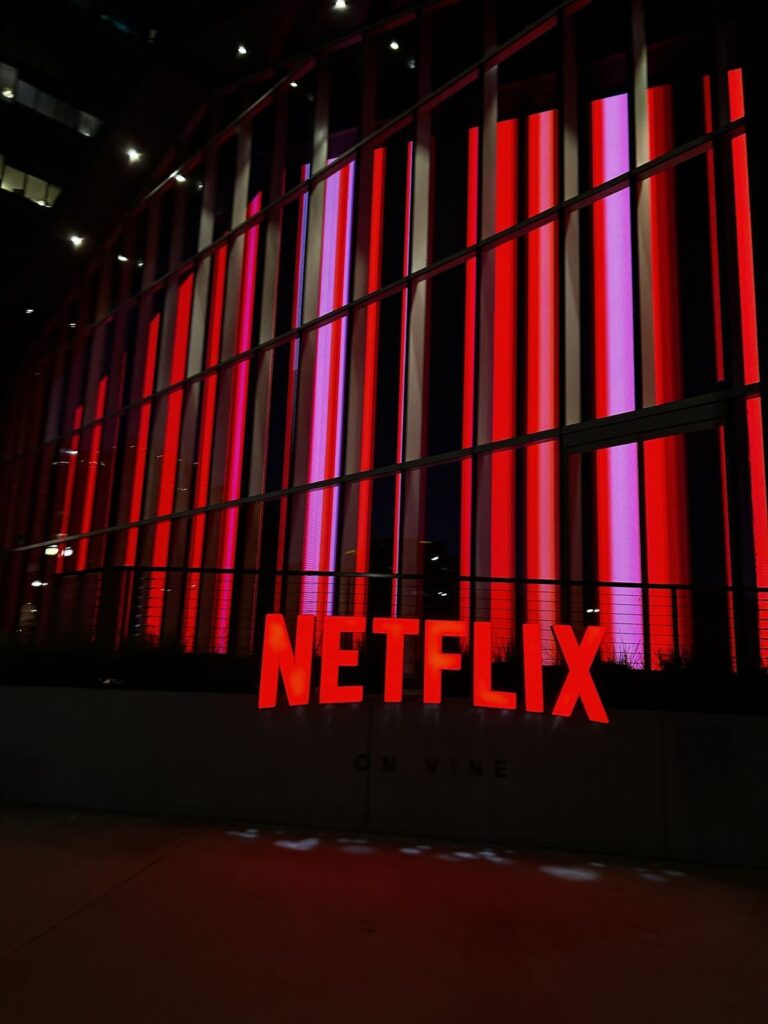
LED Video Walls and Virtual Production
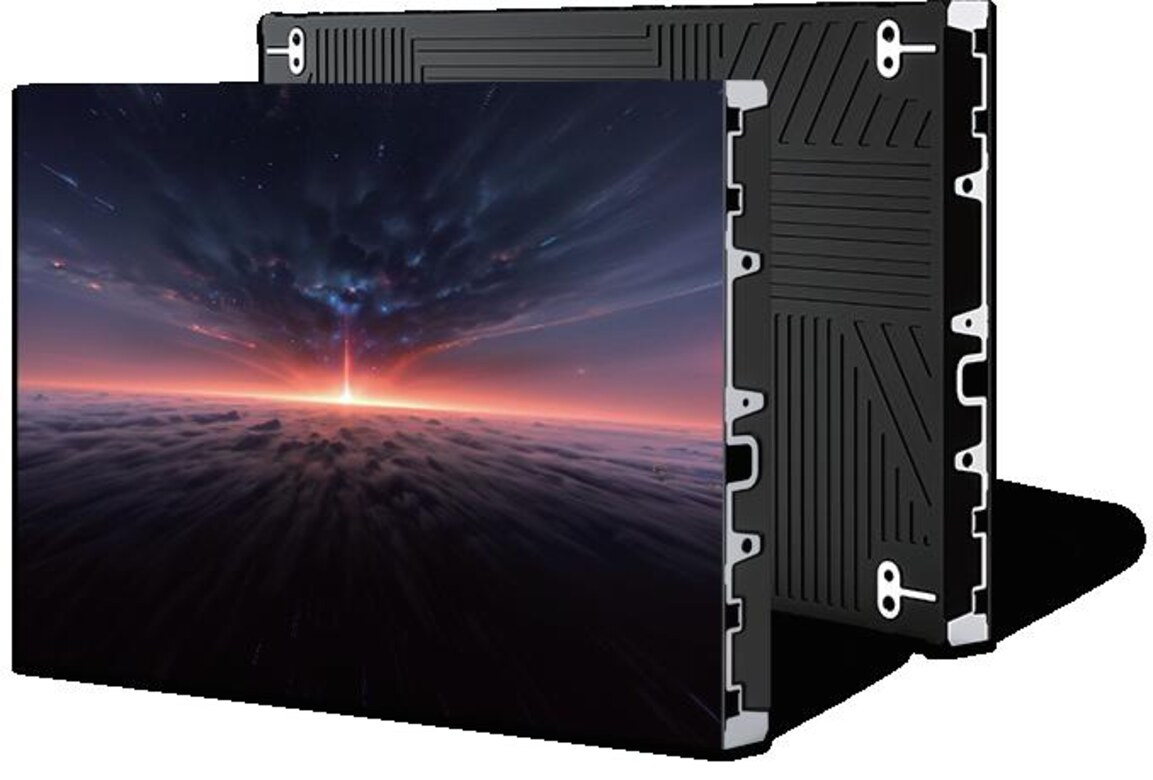
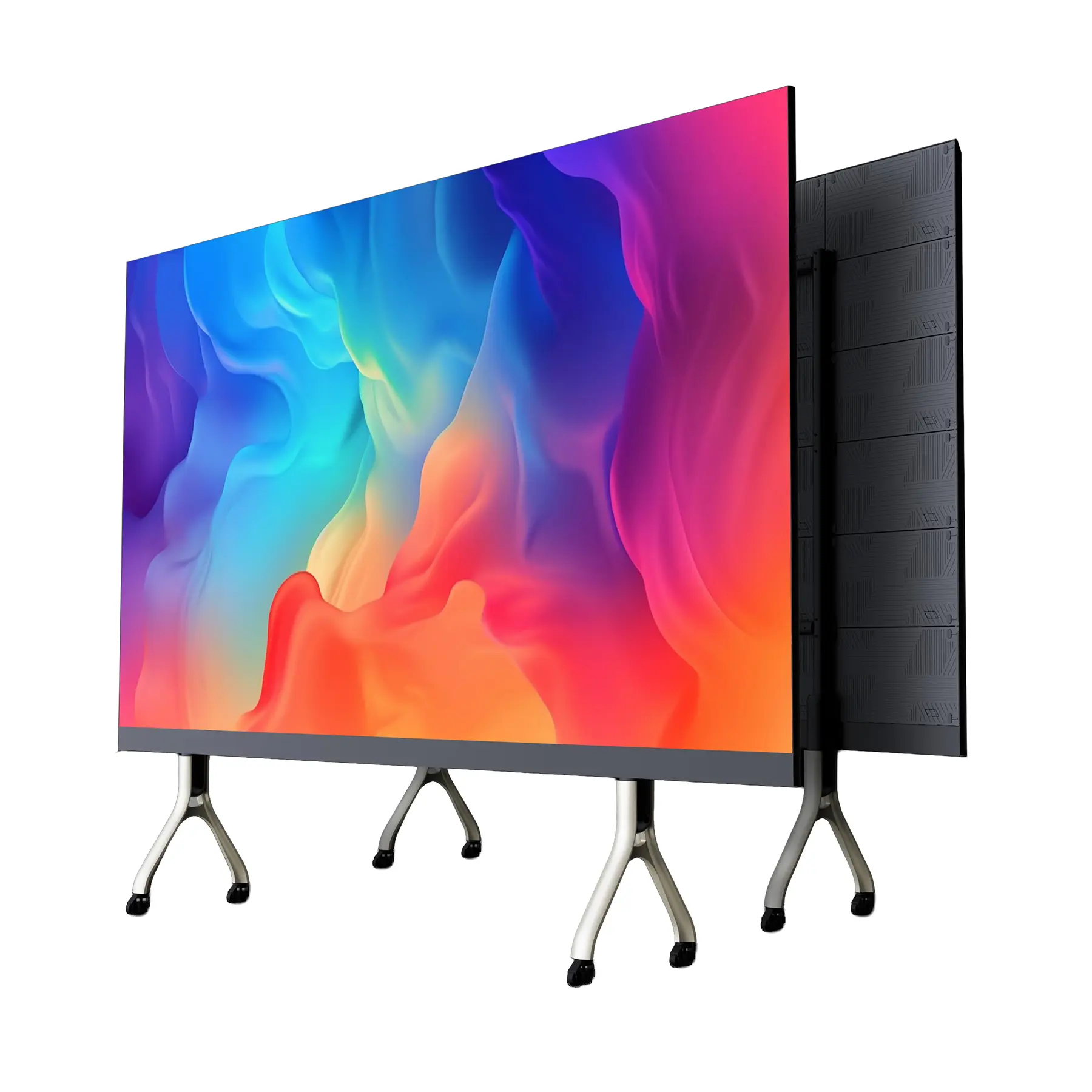
The big story in Hollywood is virtual production. Think of a massive LED video wall encircling a set. The panels project highly detailed environments—city streets, alien landscapes, interiors of spacecraft—without ever leaving the studio. Motion capture and camera tracking software synchronizes the perspective so the background moves naturally with the camera. Parallax is no longer a post-production problem; it’s baked into the live shoot.
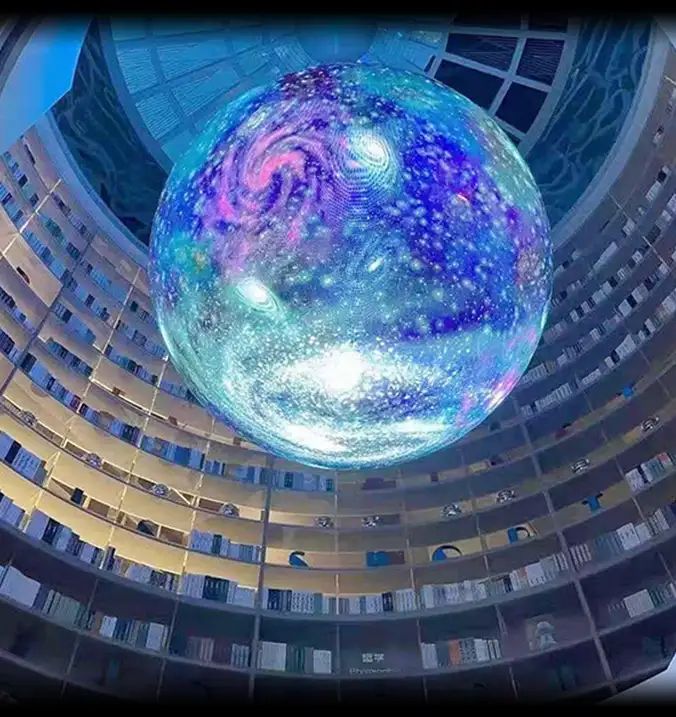
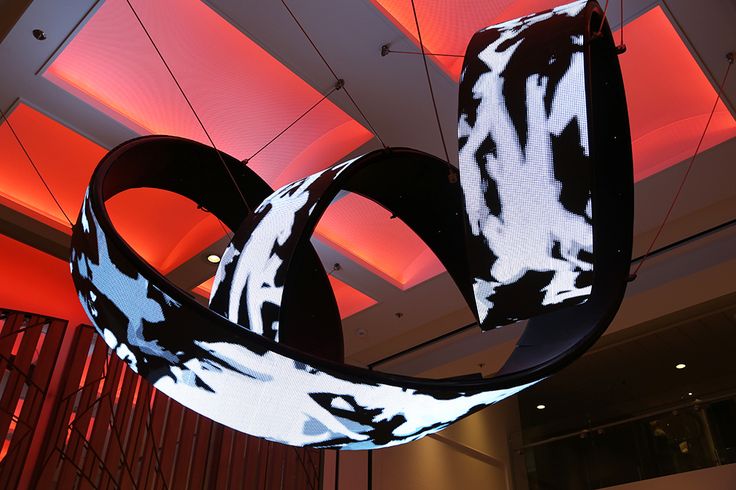
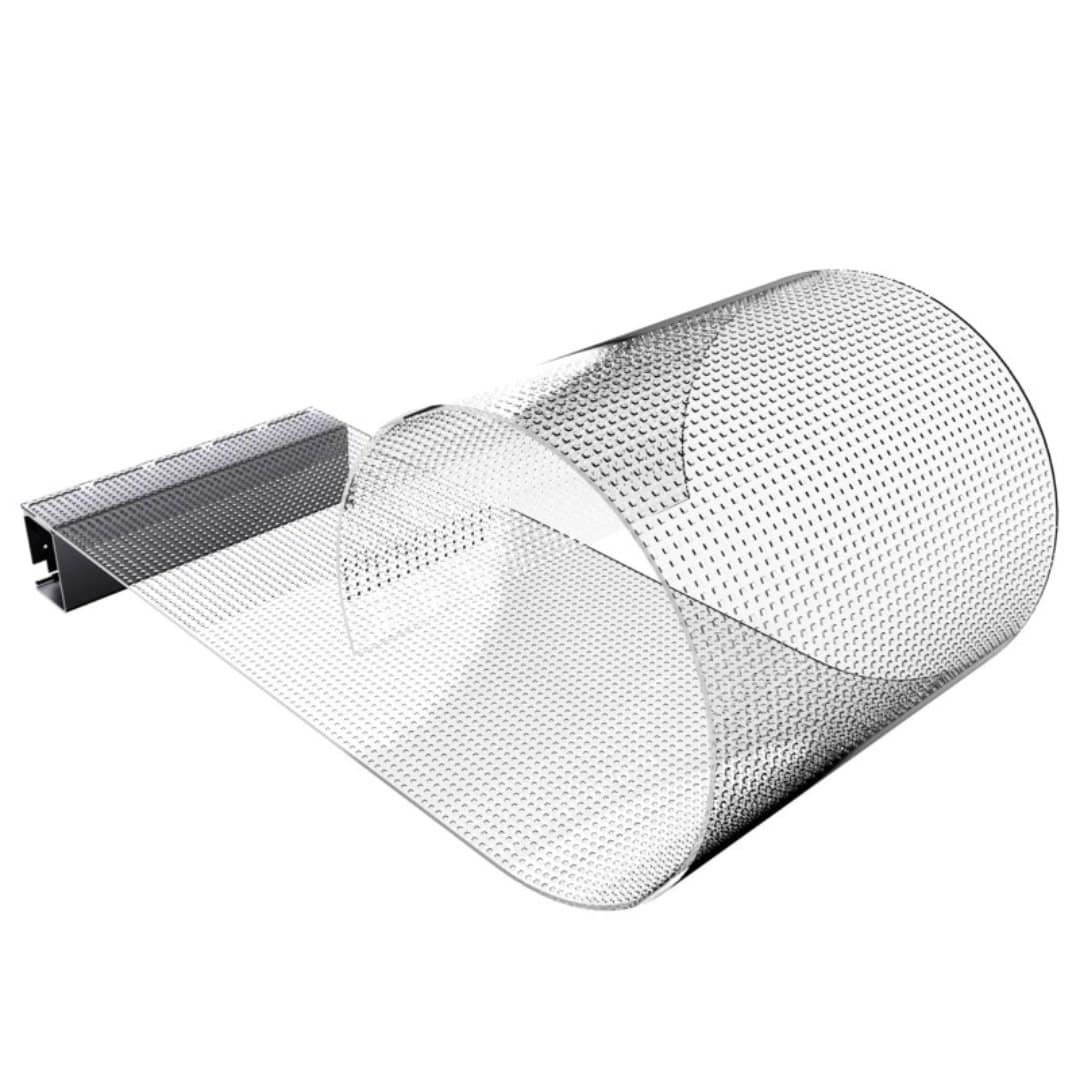
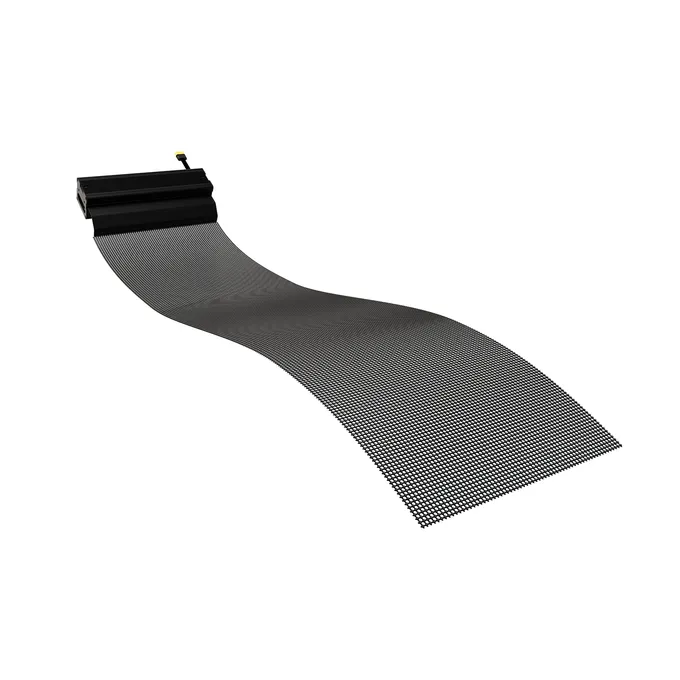
Concave walls wrap around the set, convex panels can expand beyond sightlines, and modular systems allow for curved, flexible environments. These setups are expensive, but the visual payoff is immediate. Actors respond to real light on their faces, reflections bounce realistically, and interactive elements can be incorporated in a way that a green screen never allowed.
The technology also bridges departments. Lighting, cinematography, and visual effects teams work together in real time. Adjusting brightness, color temperature, or content animation doesn’t mean calling the VFX house in another city—it happens on the spot. That immediacy changes not only efficiency but creative decisions. Shots can be framed differently because directors know exactly how backgrounds and reflections will behave.
Motion and Interactivity
LED display in Hollywood are not static billboards. Motion is everything. Content flows seamlessly across panels, often wrapped in curves that match camera paths. Motion graphics designers think in 3D space. A flythrough of a futuristic city isn’t just a flat video—it’s mapped onto a three-dimensional, often concave or convex, environment.
Interactivity is subtle but critical. Camera tracking feeds motion data to the LED display in real time. As the camera moves, the perspective of the content changes. If a drone or crane camera sweeps through a set, the environment updates instantly. Actors see the shift, shadows adjust, reflections on helmets or glass are correct. It’s no longer about creating a “stand-in” for lighting—it is the lighting.
Some productions push it further. Walls respond to props, movements, or environmental triggers. LED panels themselves become part of the narrative, whether projecting dynamic textures, reacting to explosions, or simulating environmental changes like fire, snow, or fog. The LED wall is not a passive backdrop; it is an active participant in the scene.
Engineering and Installation
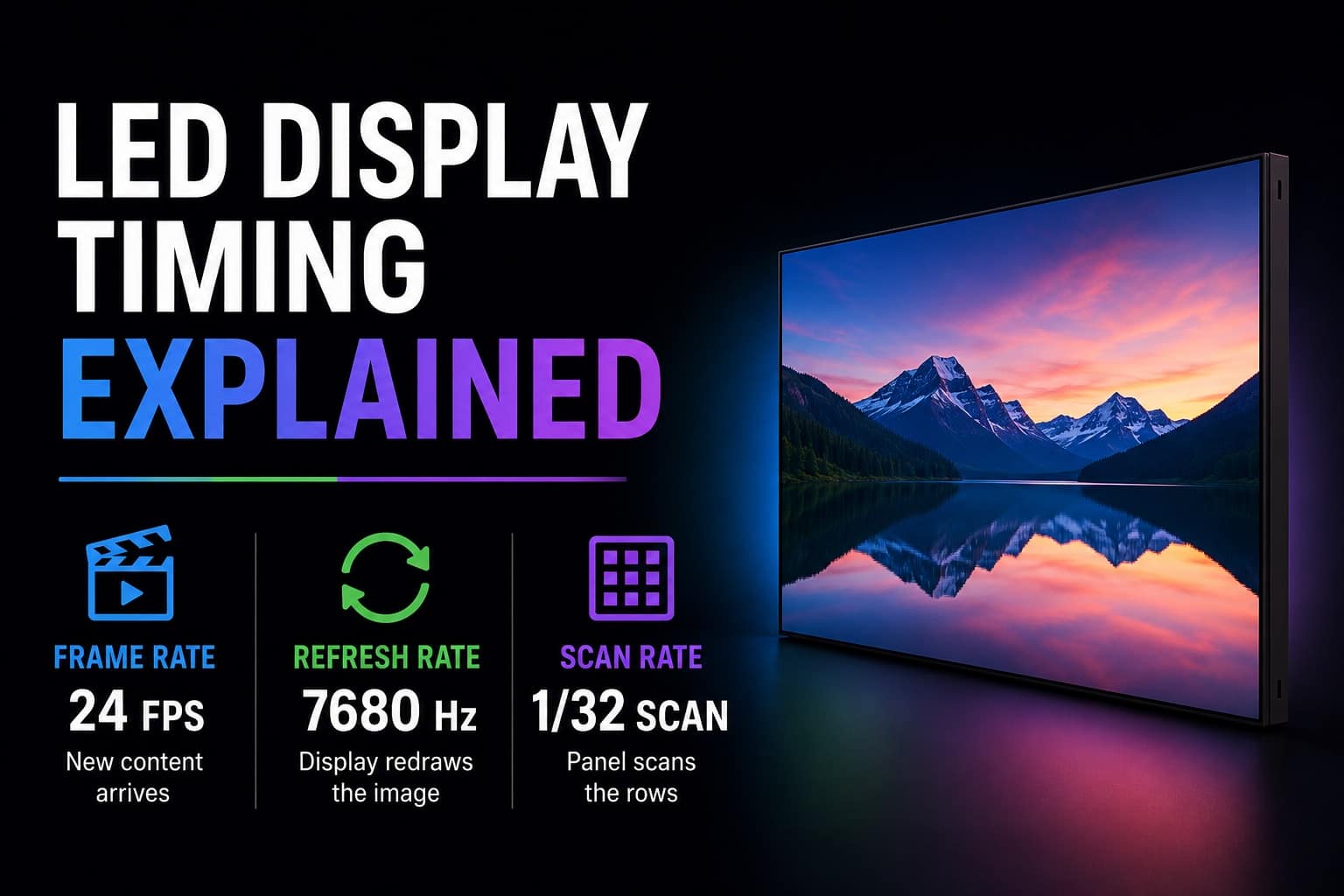
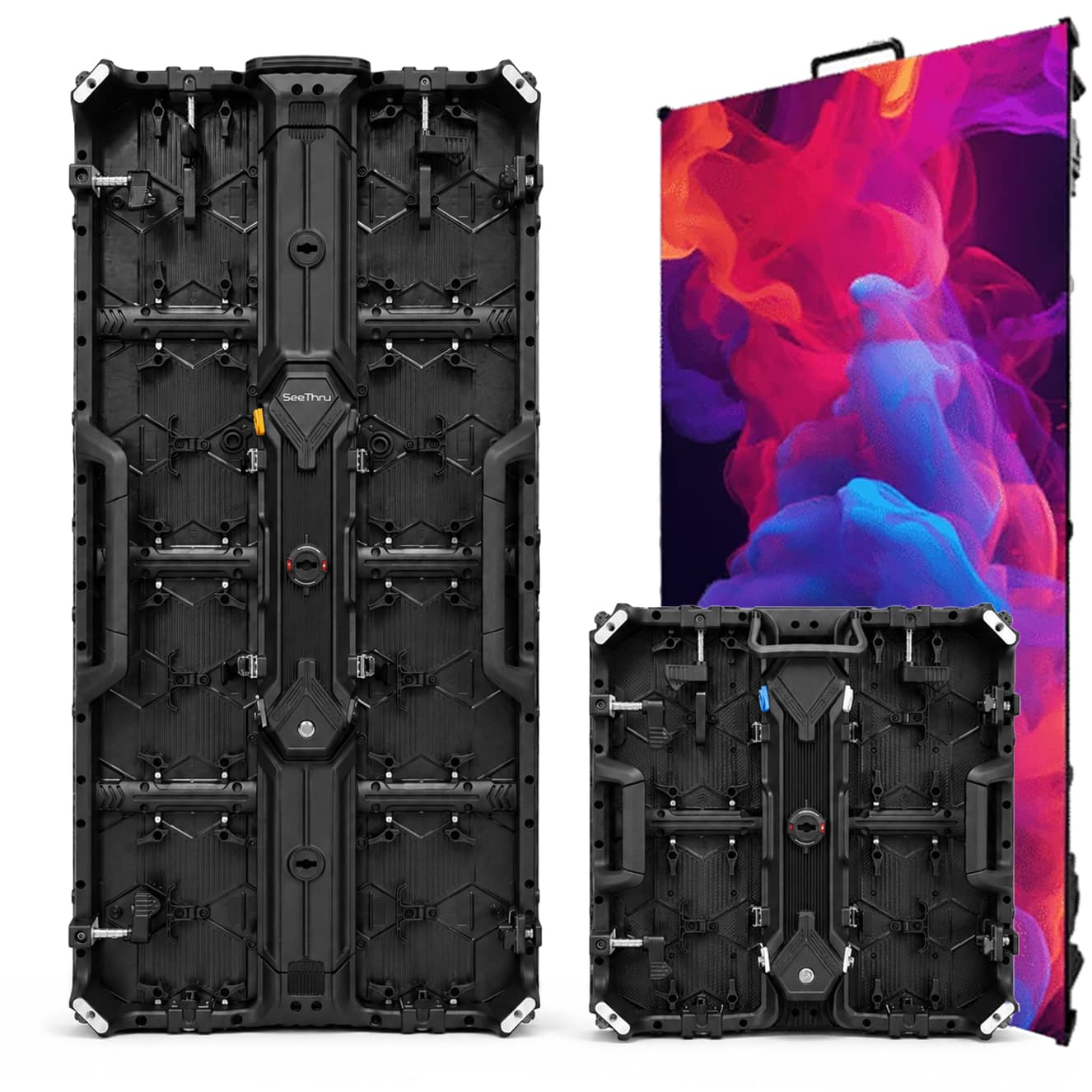
The technical demands are brutal. LED panels have to maintain color uniformity, refresh rates, and brightness across hundreds or thousands of modules. Pixel pitch is critical—too large, and close-up shots reveal grid artifacts; too small, and the hardware becomes prohibitively expensive and generates excess heat.
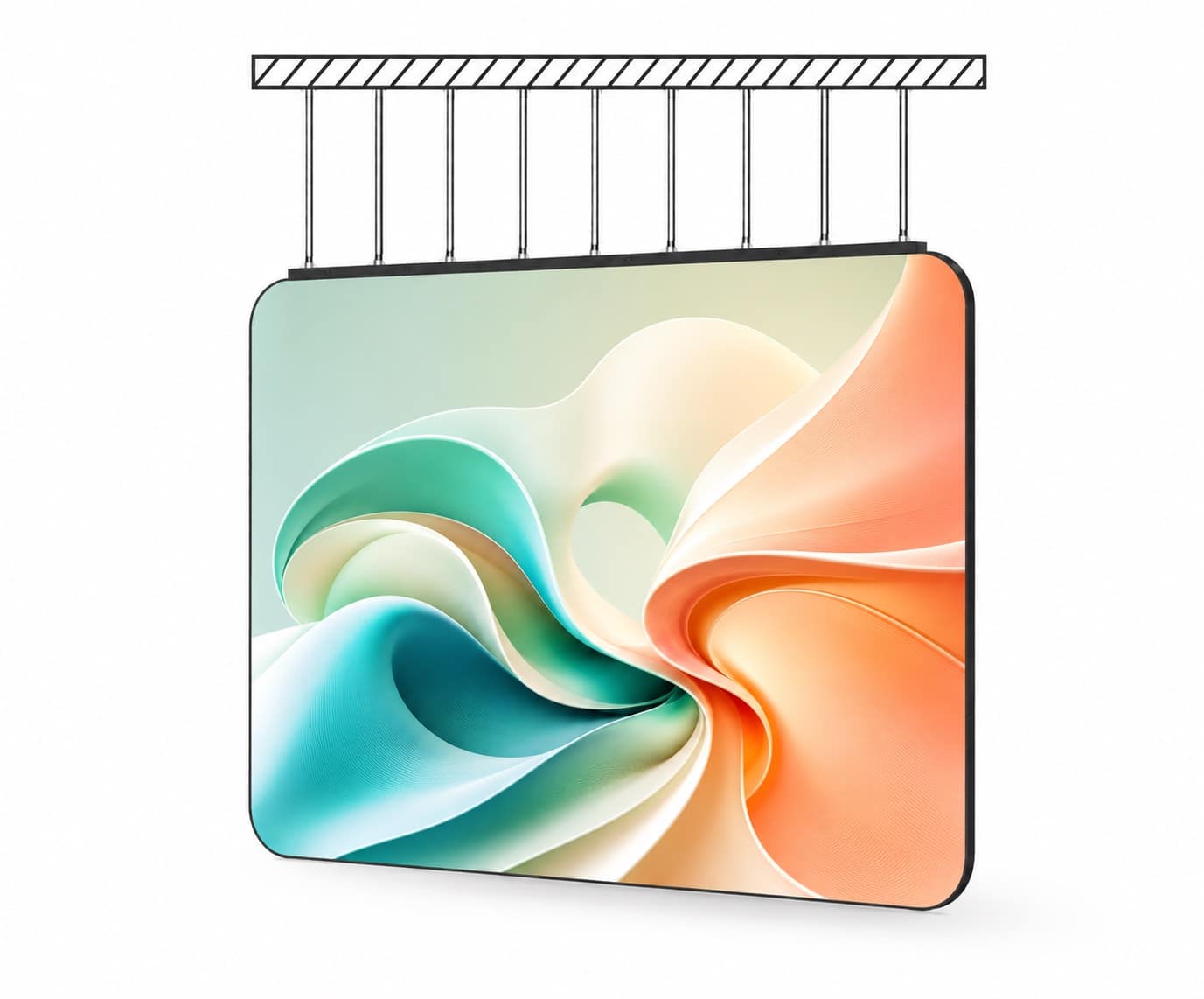
Curved walls amplify complexity. Concave setups must angle modules precisely to ensure no distortion; convex arrays have to project images outward while avoiding hotspots and uneven brightness. Support structures, cooling systems, and power distribution are all engineered to handle these unusual configurations. Every panel must align perfectly, because even a millimeter off can create ghosting or misalignment in-camera.
Calibration is constant. VFX teams often work with real-time color correction, tweaking gamma, brightness, and contrast on the fly. A green-screen environment could tolerate approximations; a massive LED wall cannot. Thermal expansion, reflected light, and panel aging are all factored in, particularly for productions that span weeks or months.
Advantages Over Traditional Methods
The immediate advantage is obvious: realism. A helmeted actor doesn’t react to green; they react to actual digital sunlight bouncing off a cityscape or alien terrain. Reflection, shadow, and ambient color are real on set. Post-production compositing is still necessary, but it’s far less demanding.
Efficiency is another driver. Location shooting can be expensive, unpredictable, or even impossible. With LED walls, crews can simulate deserts, mountains, or alien worlds in a soundstage. Weather isn’t a factor. Time of day can be manipulated instantly. Reshoots are simpler because the background exists continuously in controlled lighting.
Another subtle advantage is the psychological one. Actors and crew are more engaged when they can see the environment. It’s easier to imagine reactions, movements, or emotional beats when the world is literally in front of them, rather than a vague green backdrop.

Case Examples
Some blockbuster films have embraced the LED wall revolution. Space operas use curved concave walls for starship interiors. Action films build entire urban landscapes around LED tunnels. Music videos and commercials employ convex panels to create infinity loops of visual spectacle.
Even smaller productions are experimenting. LED walls are modular, which means sections can be rearranged or repurposed. One day it’s a rooftop skyline; the next, it’s a cavern interior. The technology isn’t just for spectacle—it’s a creative tool that scales across production budgets.
Challenges and Limitations
There are downsides. Cost is high. Hardware, installation, power, and content creation for LED walls is expensive. Every square foot adds complexity. Technical crews need specialized skills. Motion mapping, panel alignment, thermal management, and content pre-warping are all necessary.
Lighting integration is tricky. Even with high-quality LEDs, balancing wall output with practical on-set lighting can be difficult. Overly bright panels can wash actors out; too dim, and reflections or motion parallax fail. Cinematographers often need to blend traditional lighting techniques with the LED environment for the best results.
Finally, not all shots work. Camera movement must be carefully choreographed. Rapid, unpredictable camera swings can reveal gaps in synchronization or distort perspective. It’s not a replacement for cinematography—it’s an augmentation that demands collaboration and planning.
The Future of LED in Hollywood
Expect more integration. Pixel pitch will shrink further, hardware costs will fall, and software pipelines will become more automated. AI may adjust content dynamically to compensate for lens distortion, actor movement, or lighting conditions in real time.
Virtual production stages will increasingly rely on modular, curvature-aware panels. Entire soundstages may be wrapped in immersive LED environments, making green screens the exception rather than the norm. Storytelling, not just spectacle, will benefit. Directors can stage scenes that were previously impossible without travel, CGI, or complex set builds.
The LED wall is no longer just a display—it’s a platform. It’s lighting, it’s background, it’s interactive scenery, and it’s a spatial storytelling device all at once.
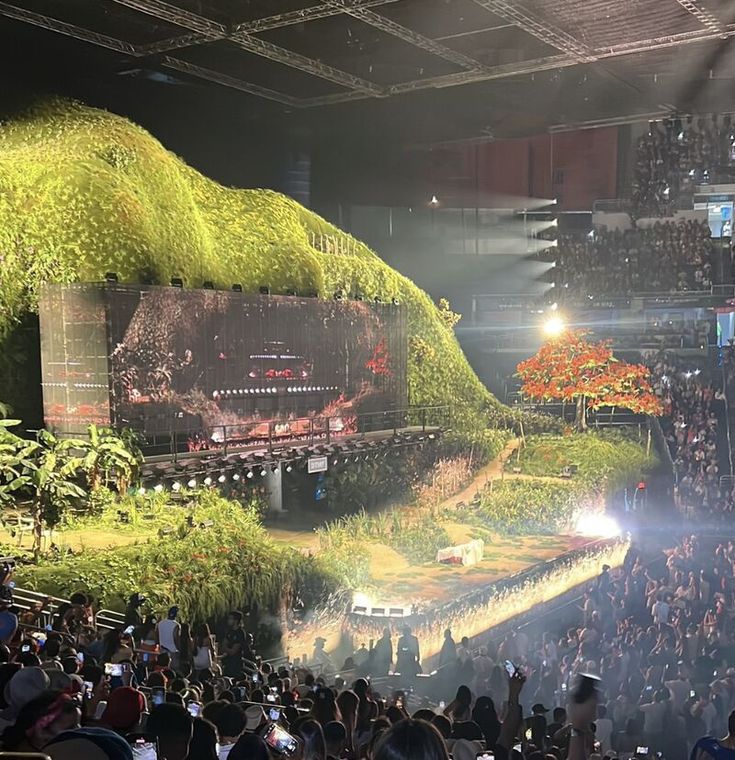
Hollywood’s adoption of LED display technology is not a gimmick. It’s a practical, creative, and technical evolution. The screens are bigger, brighter, and more flexible than ever, but the real innovation lies in how filmmakers use them. Every panel, every angle, every pixel is a tool to shape space, perception, and emotion.
In 2026, as more productions embrace this technology, expect the line between physical set and digital environment to blur further. LED walls are not just backdrops—they are the set, the light, and, sometimes, the story itself.