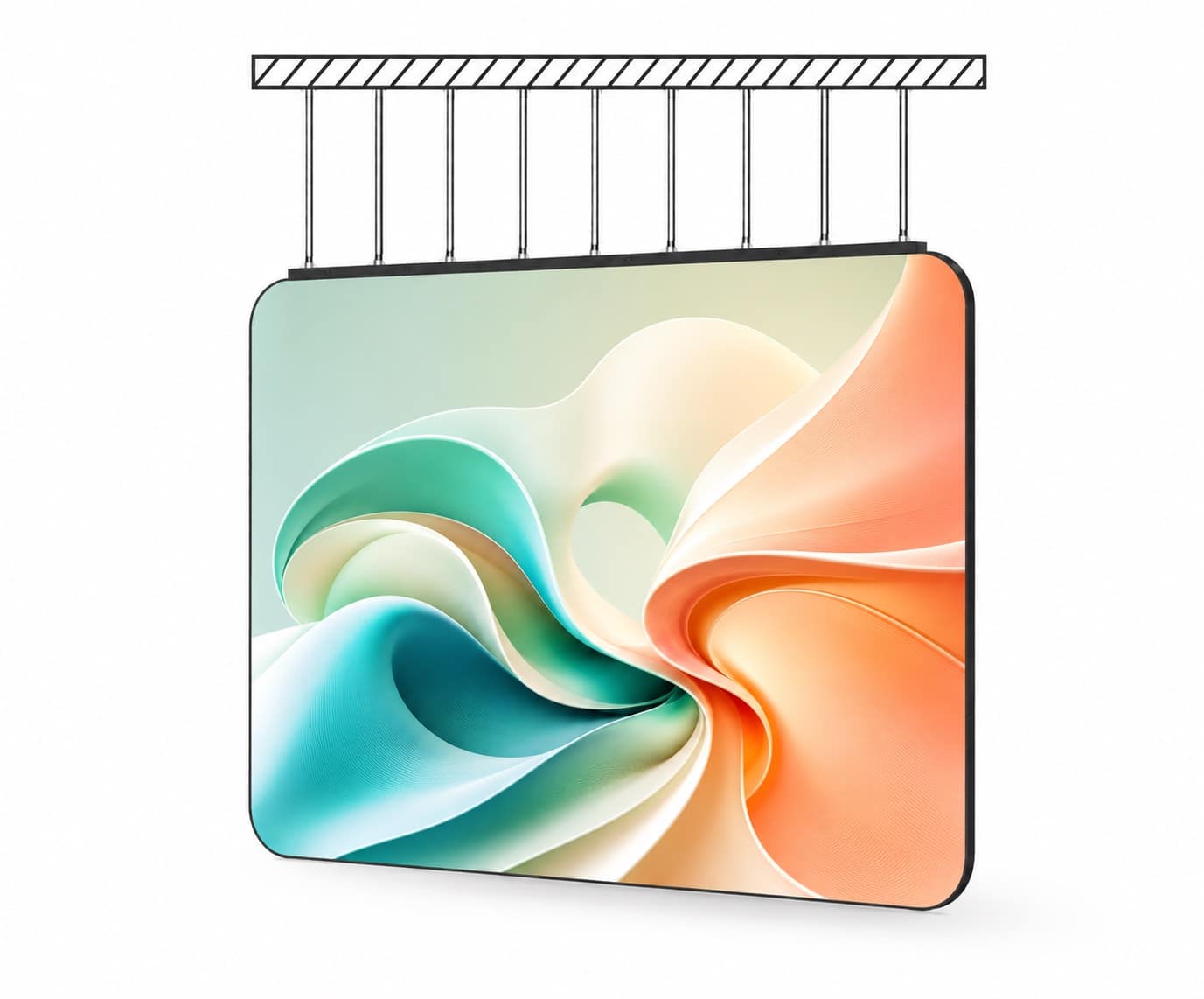
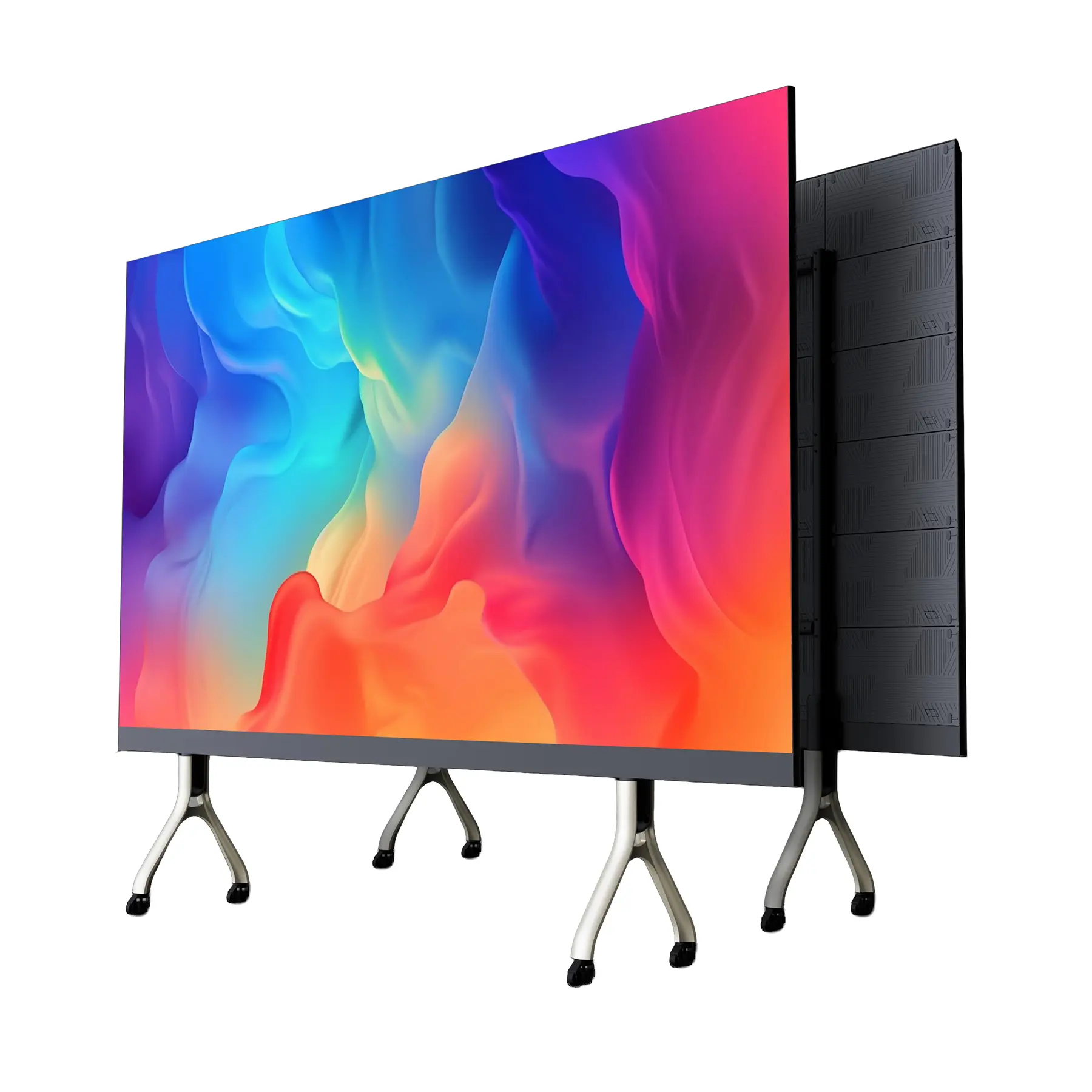
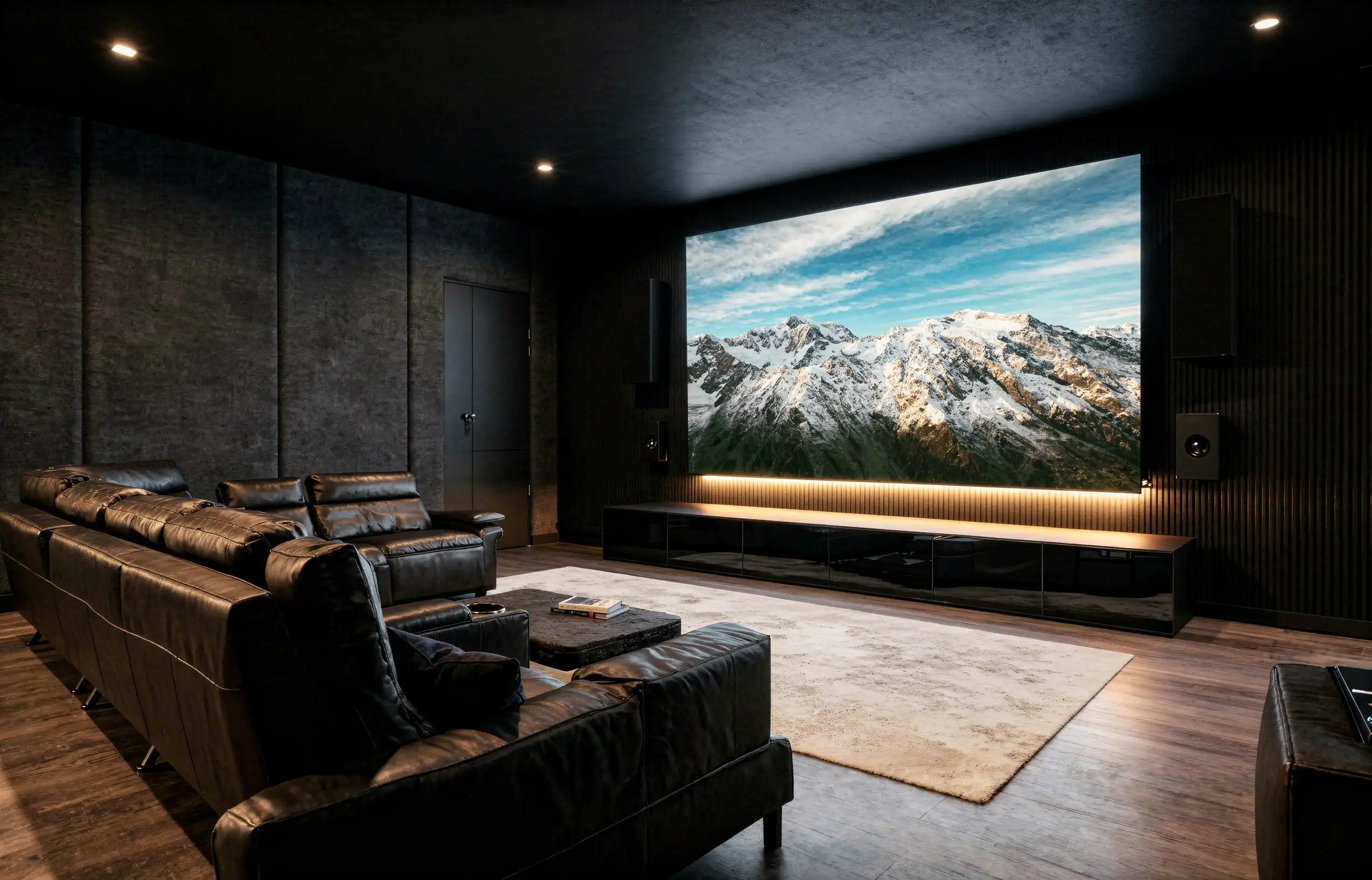
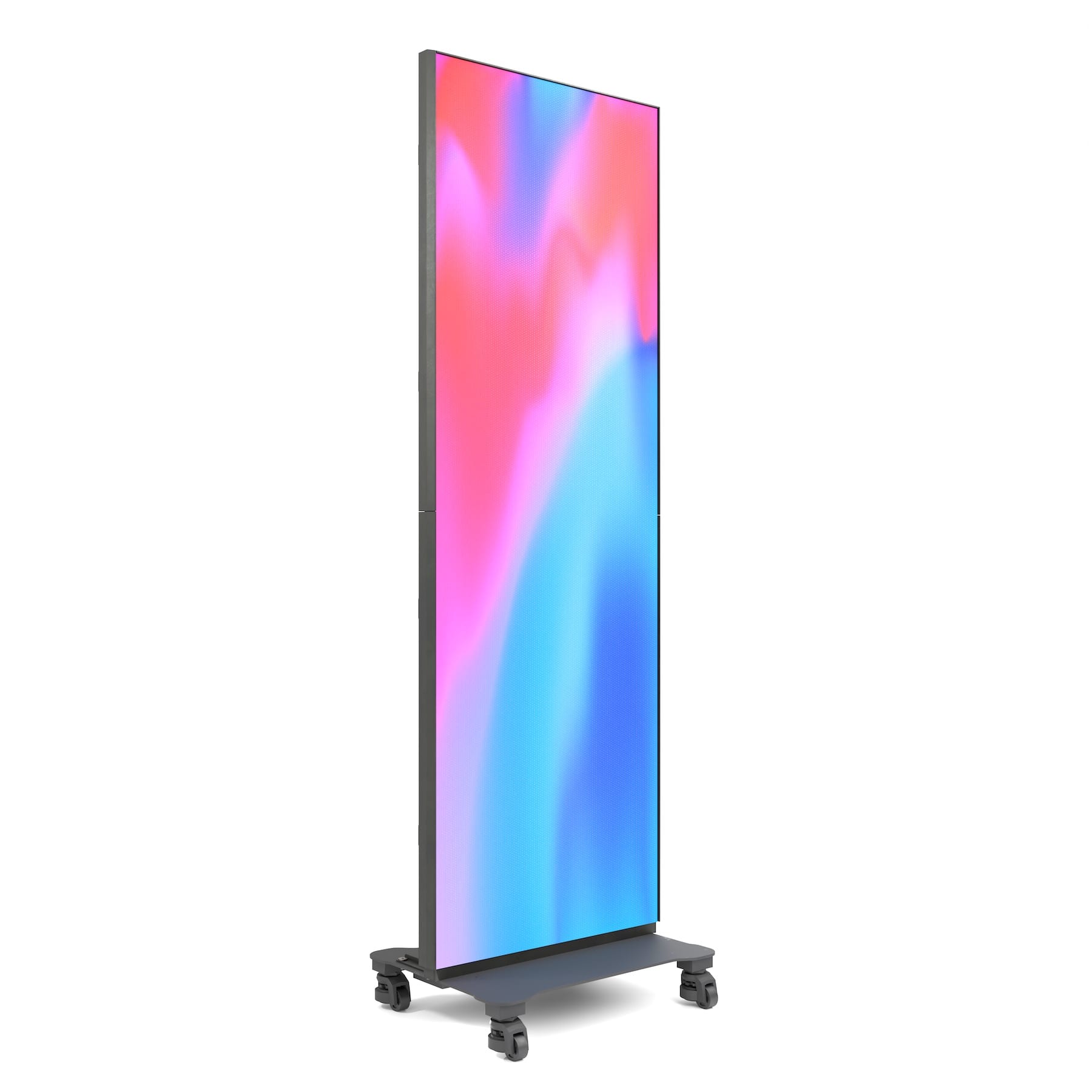
Flat LED displays were never meant to stay flat forever. That was always obvious to anyone who spent time around large-format installations. The rectangle was convenient, not inevitable. It matched the shape of televisions and projectors, it stacked easily, and it simplified engineering. But it also imposed a kind of visual discipline that architecture itself rarely follows. Buildings curve which requires curved LED displays. Corridors bend. Atriums spiral upward. Screens, for a long time, stubbornly remained rectangles.
That mismatch has been dissolving slowly. Curved LED structures—cylinders, ribbons, tunnels, concave walls—are now appearing in places where conventional displays would have looked like afterthoughts. Not because someone wanted to show off technical capability, though that sometimes happens, but because the geometry finally allows displays to behave like part of the space rather than something attached to it.
The change seems subtle from a distance. Up close, it rewrites the relationship between viewer and image.
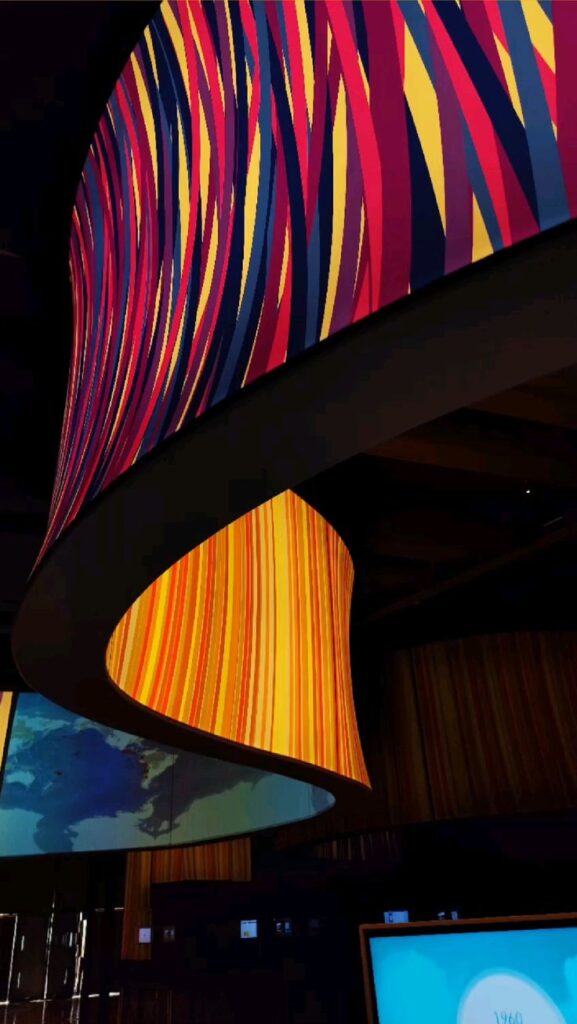
Cylinders and the Return of the Object
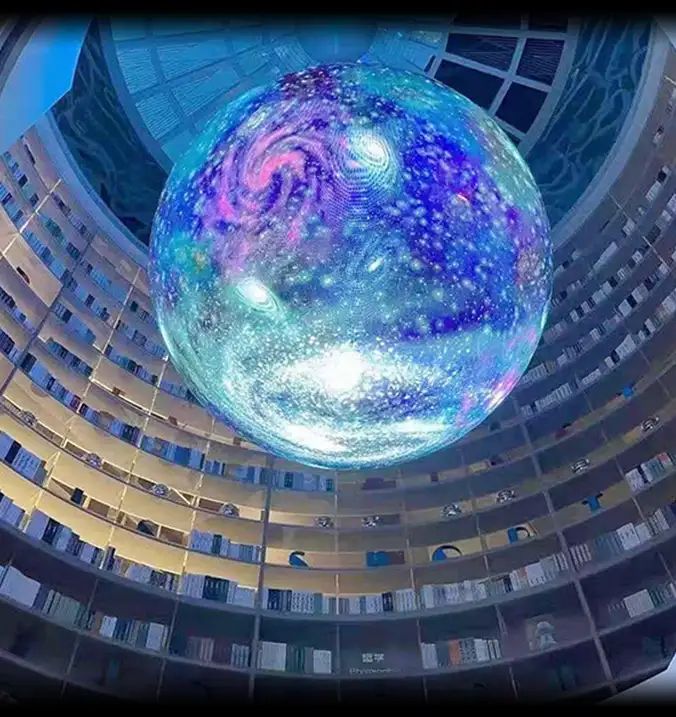
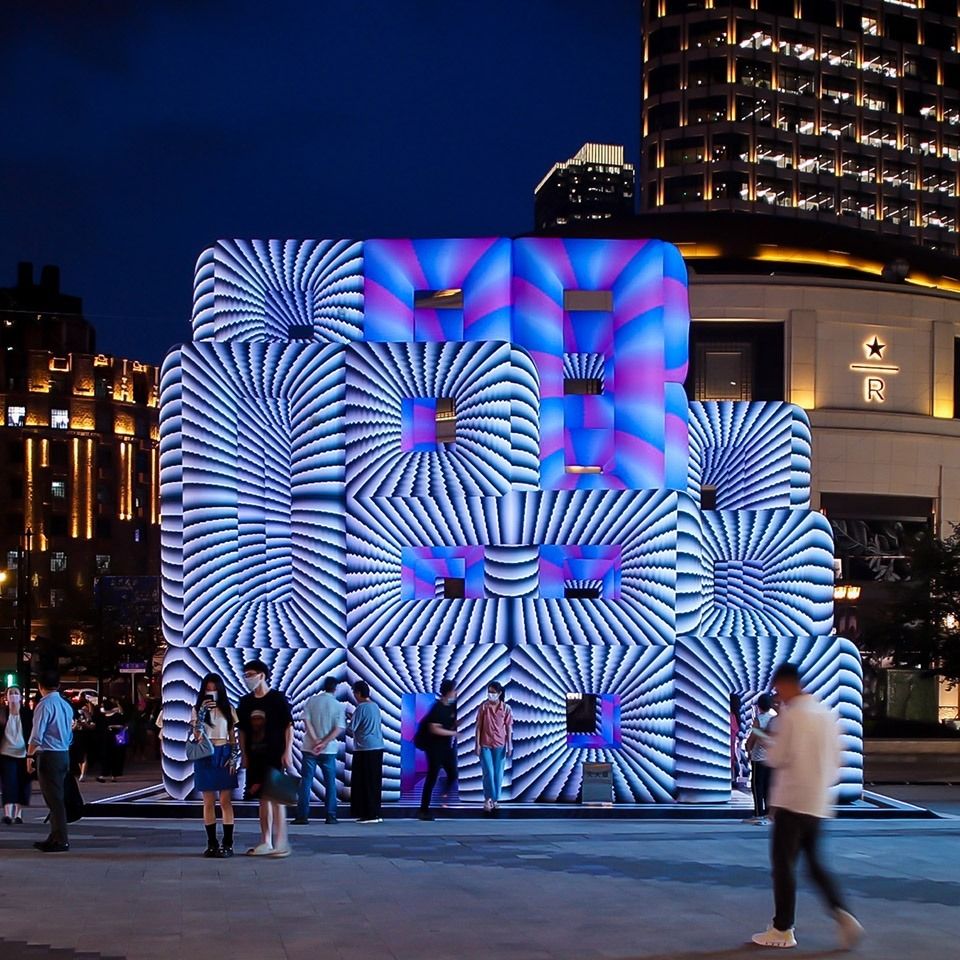
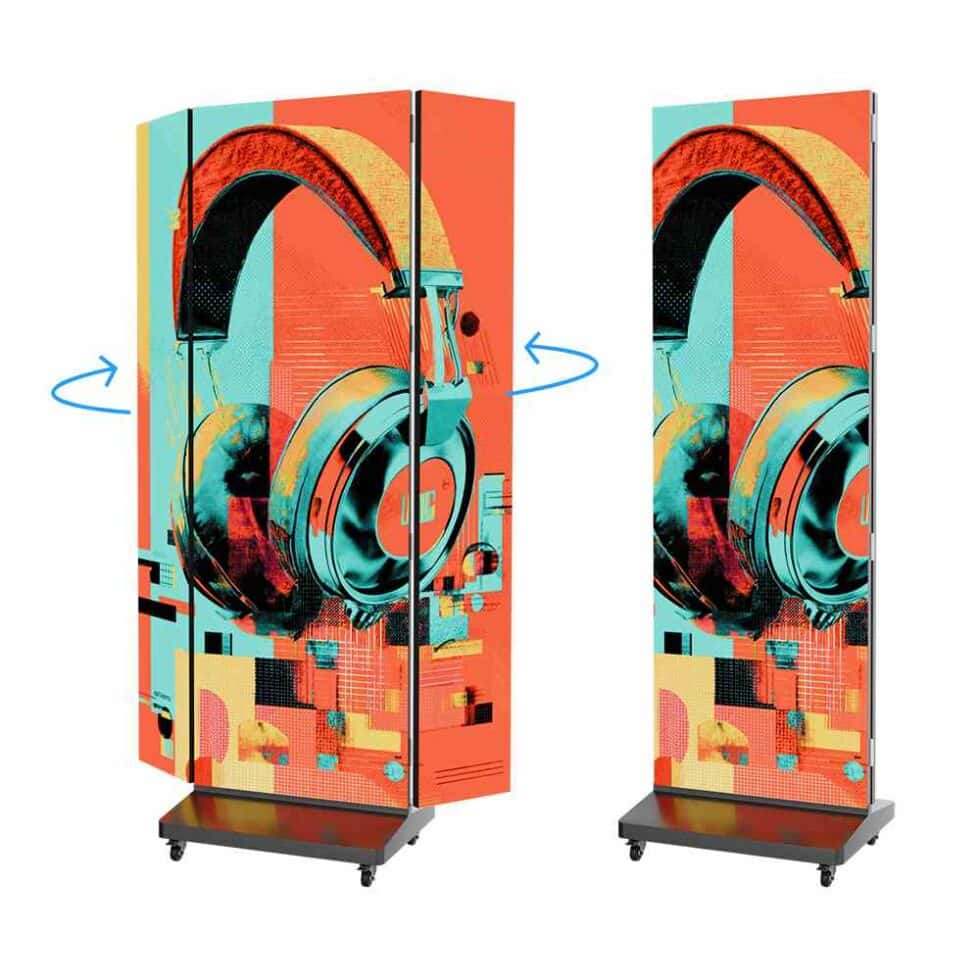
A cylindrical LED display does something flat screens cannot: it becomes an object in the room rather than a surface on the wall.
Walk around one and the image never quite sits still. Content wraps around the curved LED display, disappearing and reappearing as viewers move. Perspective shifts constantly. Even static visuals feel kinetic because the audience is forced to orbit them. The result is closer to sculpture than signage.
This difference matters for designers who are used to controlling the viewing angle. Flat screens assume a frontal audience. Cylinders reject that assumption. A person approaching from any direction should see something coherent. Typography, motion graphics, and spatial composition all need to adapt.
In practice, that means content rarely behaves like traditional video. Instead of beginning on the left edge and ending on the right, visuals may circulate continuously. Motion loops become more natural. Elements rotate, spiral, or cascade vertically.
Some installations handle this elegantly. Others look like ordinary graphics awkwardly wrapped around a drum. The distinction is easy to spot.
LED Ribbons and the Architecture of Motion
If cylindrical displays turn screens into objects, LED ribbons do something different: they turn them into gestures.
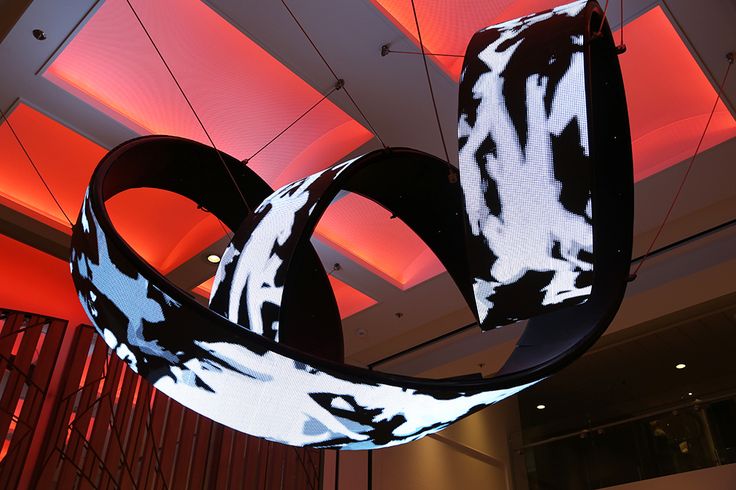
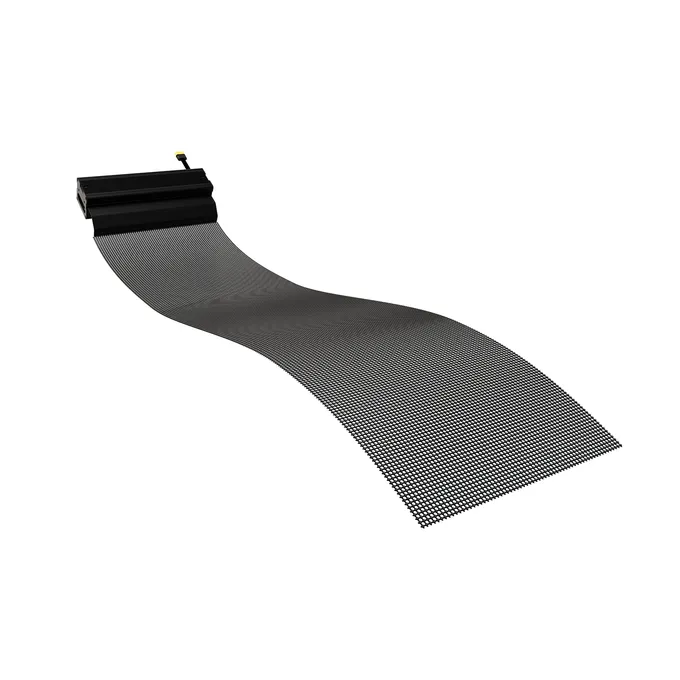
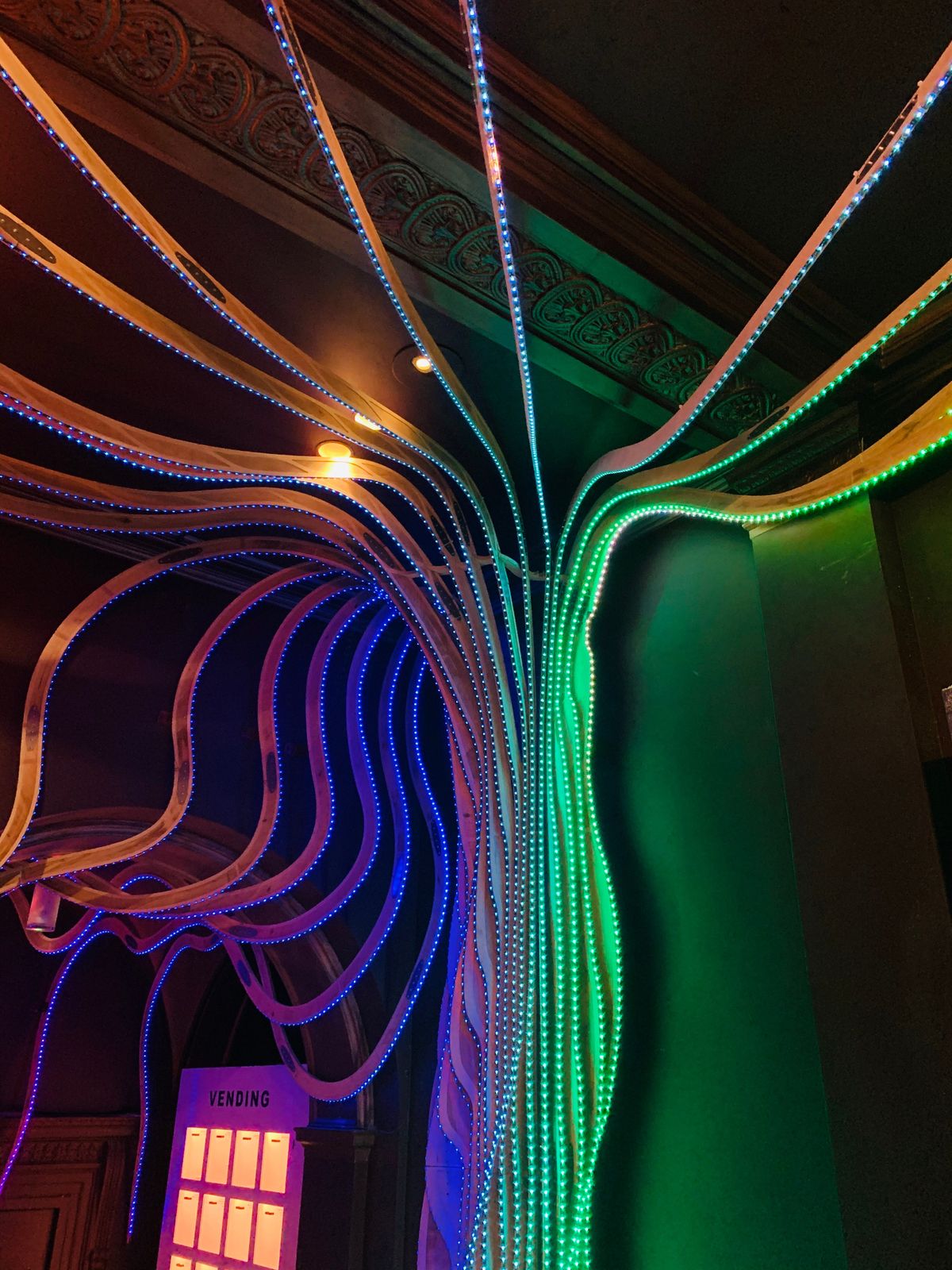
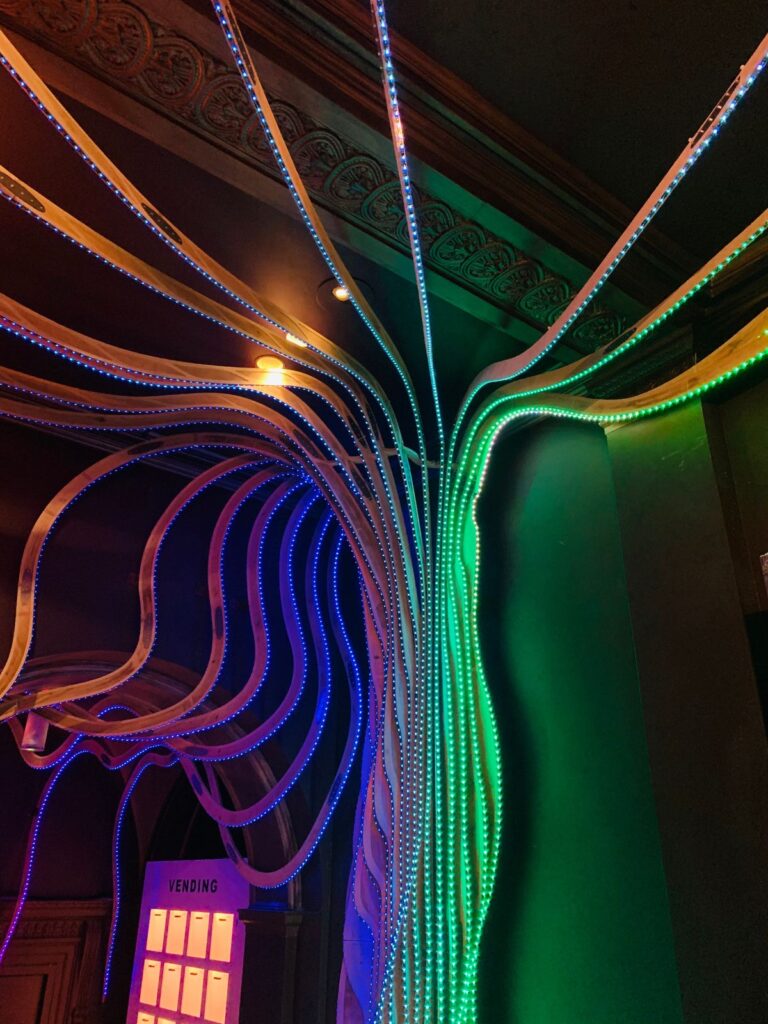
Ribbons are long, narrow LED surfaces that snake through spaces—along ceilings, across walls, or suspended through atriums. They behave less like displays and more like strokes of light drawn through architecture.
From a technical standpoint, ribbons are made possible by smaller module sizes and flexible cabinet systems. From a design standpoint, they introduce a different kind of narrative. Content moves along the ribbon the way light travels along fiber optics. Direction matters. Flow matters.
A ribbon above a concourse might show subtle motion guiding pedestrians forward. In a retail environment it might pulse gently toward a focal point deeper inside the store. In transportation hubs, the form almost naturally suggests directional information.
There is a quiet elegance to this. Instead of competing with architecture, the display reinforces movement that is already happening in the space.
LED Tunnels and the Psychology of Immersion
LED tunnels represent one of the more dramatic expressions of curved display structures. They are also one of the easiest to misuse.
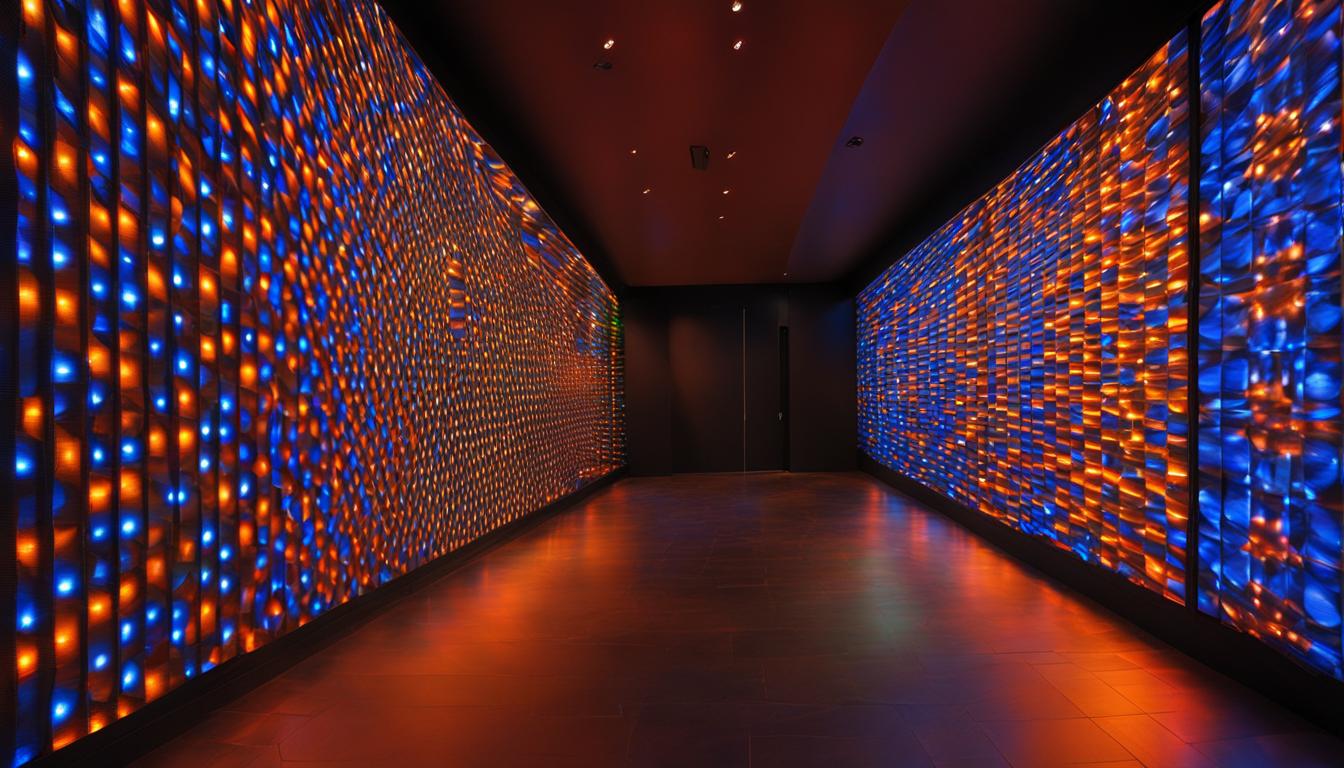
Technically, the concept is straightforward: a corridor or passageway lined with LED panels on walls and ceilings, sometimes extending to the floor. When synchronized properly, the surfaces create a continuous visual envelope around the viewer.
The problem is that immersion can easily become overload. Bright, fast-moving graphics in a confined tunnel create visual fatigue quickly. Visitors pass through these spaces rather than dwell in them, so the pacing of content becomes critical.
Some installations treat the tunnel as a spectacle—rapid animations, intense color shifts, aggressive motion. Others approach it more carefully, using slow gradients, flowing patterns, or subtle environmental visuals.
The latter tends to age better.
People underestimate how sensitive human perception becomes when surrounded by light on all sides. Movement that feels restrained on a wall can feel overwhelming inside a tunnel.
Concave Walls and the Return of Depth
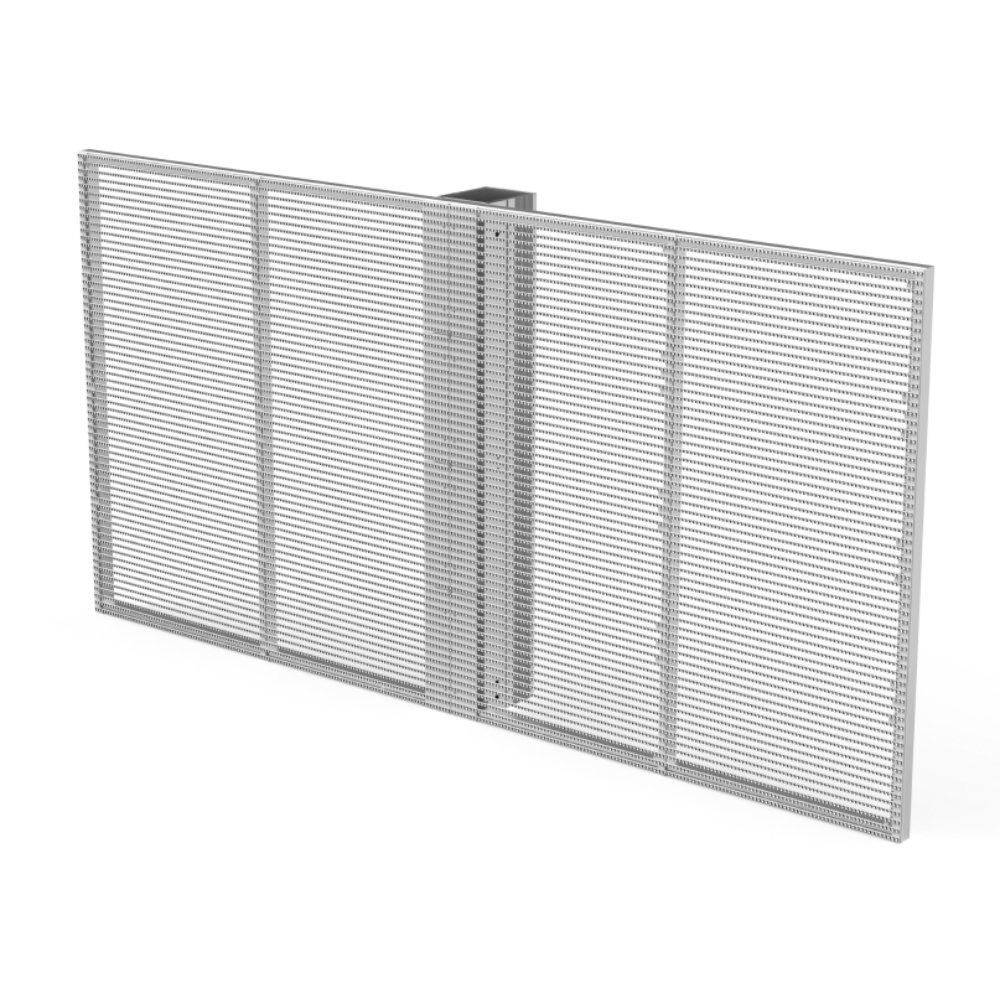
Concave LED walls—surfaces that curve inward toward the viewer—have become popular in control rooms, broadcast studios, and corporate presentation environments. The reason is partly visual and partly practical.
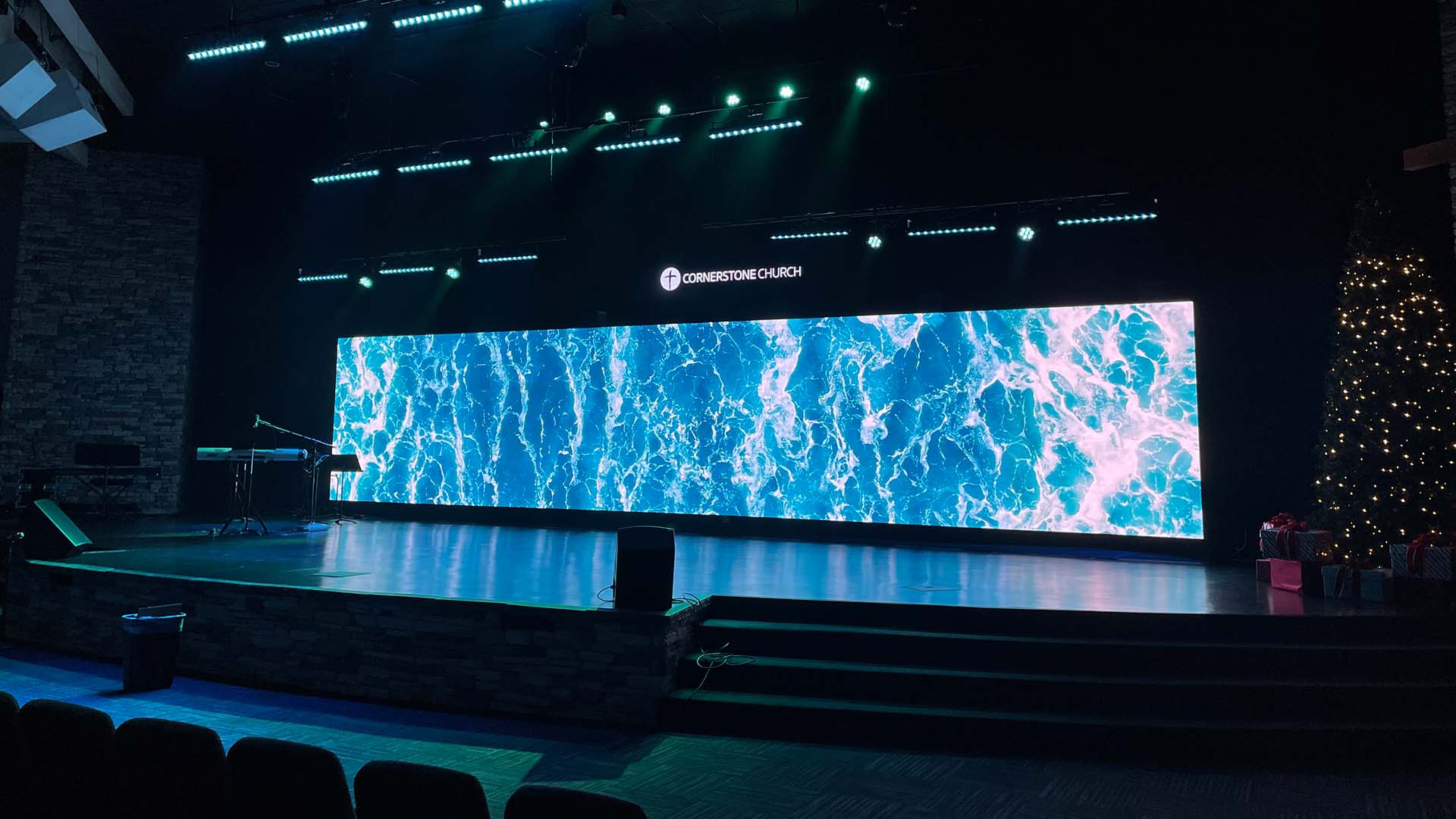
Curvature reduces the perception of edge distortion across wide displays. Instead of forcing viewers to turn their heads toward flat corners, the screen subtly wraps the content toward them. The result feels more cohesive, especially in large installations where a flat wall might extend twenty or thirty meters.
There is also a psychological effect. Concave surfaces create a sense of enclosure without completely surrounding the viewer. They feel immersive without becoming disorienting.
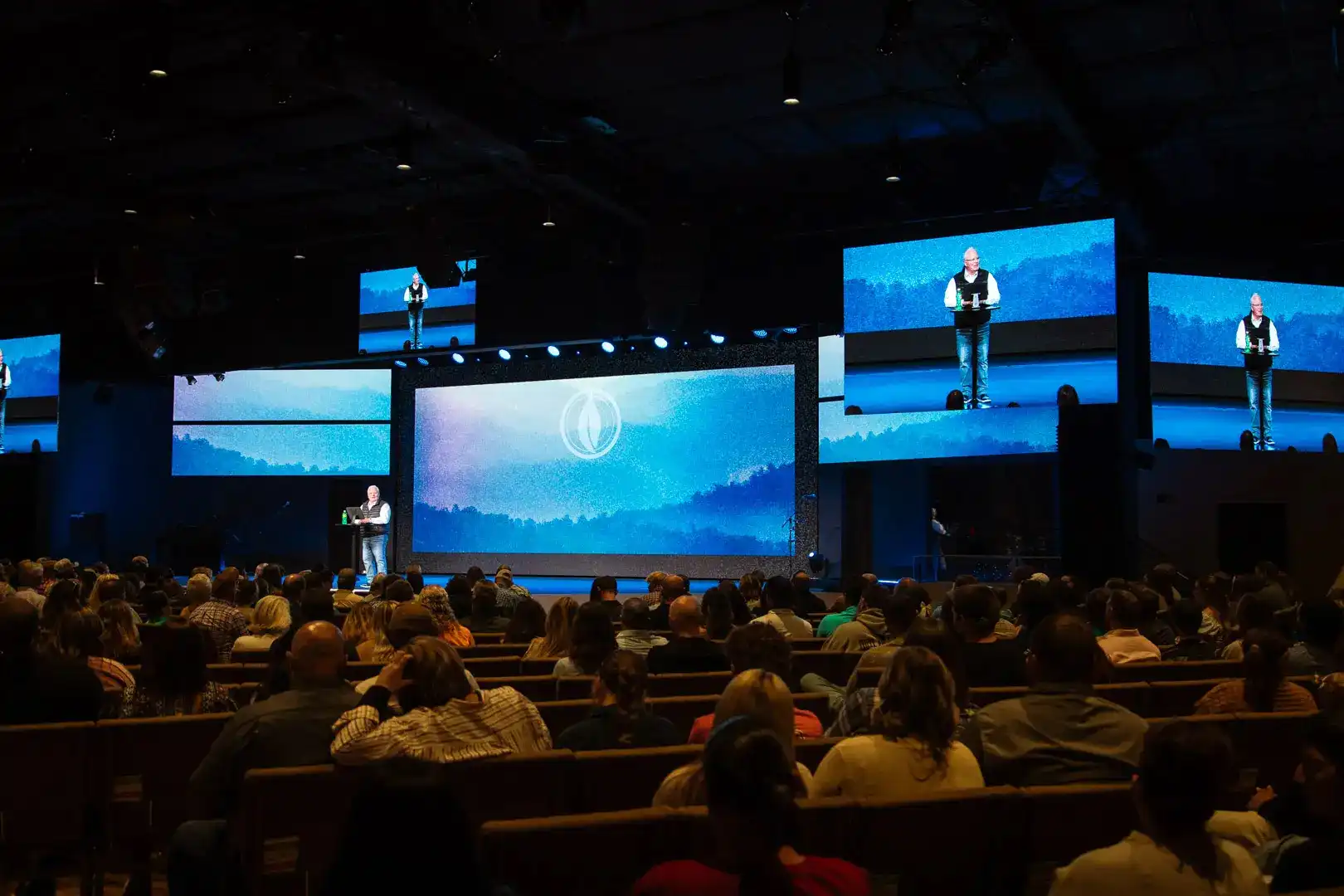
Broadcast studios discovered this early. A curved LED backdrop allows on-camera graphics to appear more dimensional, while also keeping lighting reflections manageable. Corporate environments are now adopting similar configurations for presentation spaces.
It is not uncommon to see concave LED walls used as data visualization environments—financial dashboards, operational monitoring displays, or command center interfaces. The curvature pulls information toward the audience rather than pushing it away.
Engineering the Curve
Curved LED structures are not simply flat panels bent into shape. The engineering is more deliberate than that.
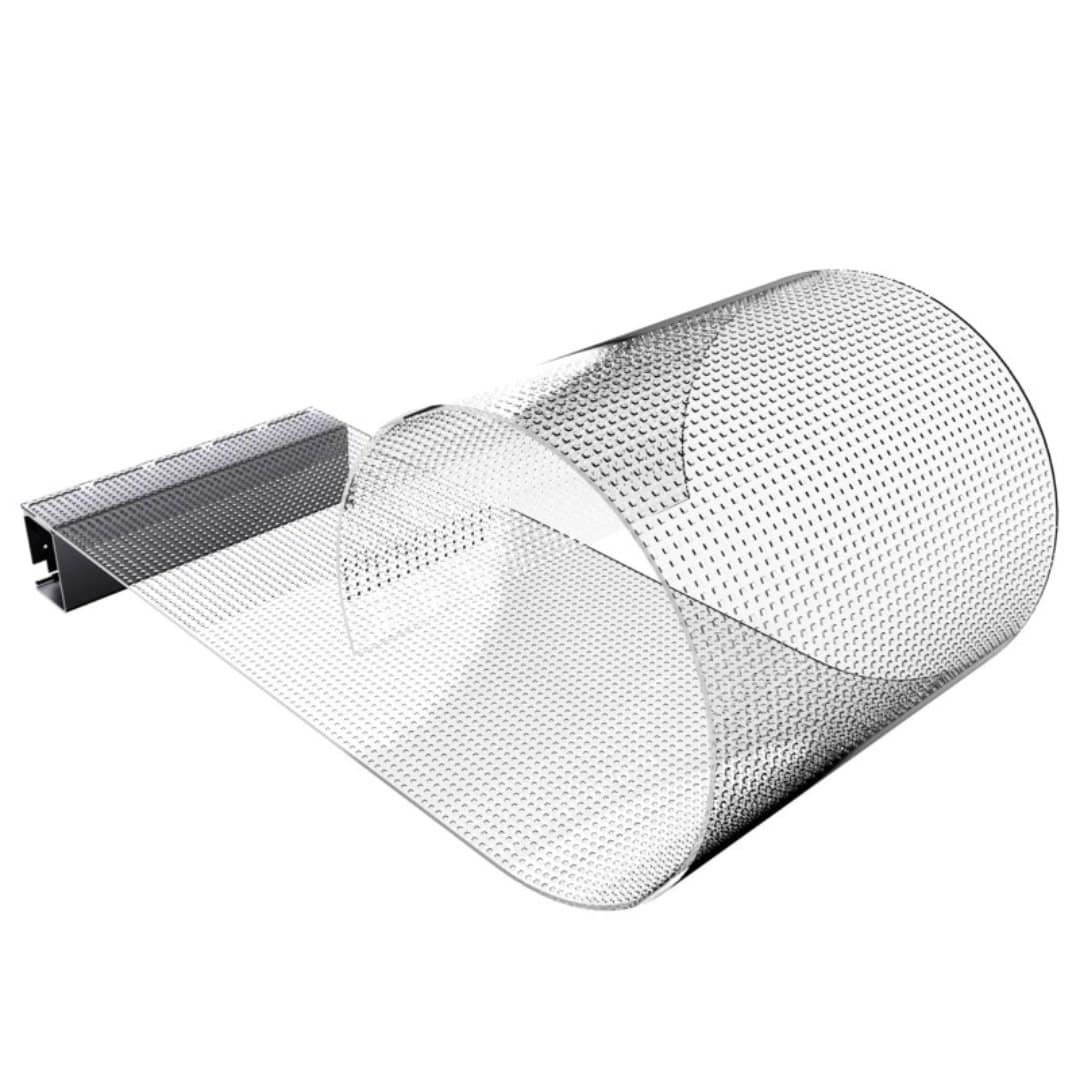
Most curved installations rely on cabinets designed with small angular increments—modules that can be adjusted slightly relative to one another to create smooth arcs. For tighter curves, flexible LED modules mounted on bendable substrates may be used. Structural support becomes critical because even slight inconsistencies in curvature can break the illusion of continuity.
Alignment tolerances are unforgiving. On a flat wall, small misalignments might pass unnoticed. On a curved surface, they become visible immediately because light reflects differently across the arc.
Heat management also behaves differently in curved structures. Cylinders, for example, can trap warm air in ways flat displays do not. Proper ventilation and spacing between internal components becomes essential for long-term reliability.
These are not glamorous problems, but they determine whether the display still performs properly several years after installation.
Content Has to Respect the Geometry
One of the most common mistakes in curved LED installations is treating them like oversized televisions.
Designers accustomed to flat formats sometimes place conventional video content onto curved surfaces without adjusting the composition. The results can feel distorted or visually confusing. Straight lines bend. Motion paths become unpredictable.
Content designed specifically for curved displays behaves differently. Graphics may radiate from the center of a cylinder, travel along the length of a ribbon, or expand across the curvature of a concave wall. Perspective is carefully controlled so that viewers moving through the space perceive the visuals as coherent rather than warped.
Motion designers working with these surfaces often think less like filmmakers and more like environmental artists. The goal is not simply to show imagery but to shape spatial perception.
Where Curved Displays Are Showing Up
Airports, museums, retail flagships, entertainment venues, and transportation hubs are among the environments where curved LED structures appear most frequently.
Airports favor ribbon-like installations that guide passengers along concourses. Museums experiment with cylindrical displays that function almost like digital sculptures. Retail brands use tunnels and curved walls to create immersive entry experiences.
Some cities are even exploring curved LED façades integrated directly into building exteriors. The curvature softens the visual impact compared to rigid rectangular billboards, though the brightness levels still spark debates about urban visual clutter.
Curved displays also appear increasingly in corporate headquarters where architectural statements matter. A curved LED installation in a lobby communicates technological ambition even when it is simply displaying ambient visuals.
The Shape of Things
Curved LED structures reveal something about the broader direction of display technology.
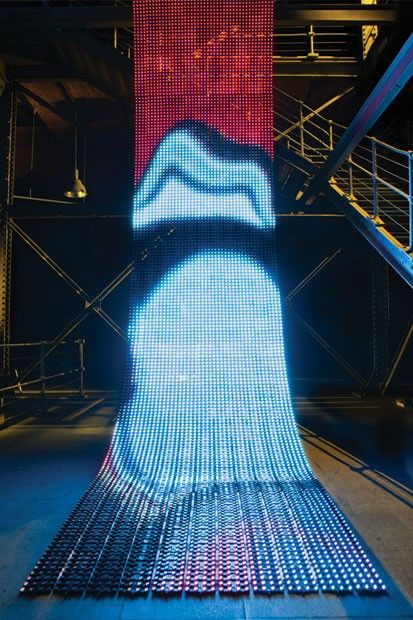
Screens are no longer confined to acting like televisions. They are becoming spatial materials—elements that interact with architecture, circulation, and perception. Cylinders behave like digital columns. Ribbons resemble light drawn through the air. Concave walls gently envelop the viewer.
None of this replaces the flat screen entirely. Rectangular displays remain efficient and practical in many situations. But the industry is clearly exploring what happens when pixels are allowed to follow the shapes already present in the built environment.
The most successful installations do not treat curvature as a gimmick. They use it to reshape how people move through and experience space.
Curved LED structures make a simple point that becomes obvious once seen in person: once pixels can go anywhere, the rectangle stops being the default.