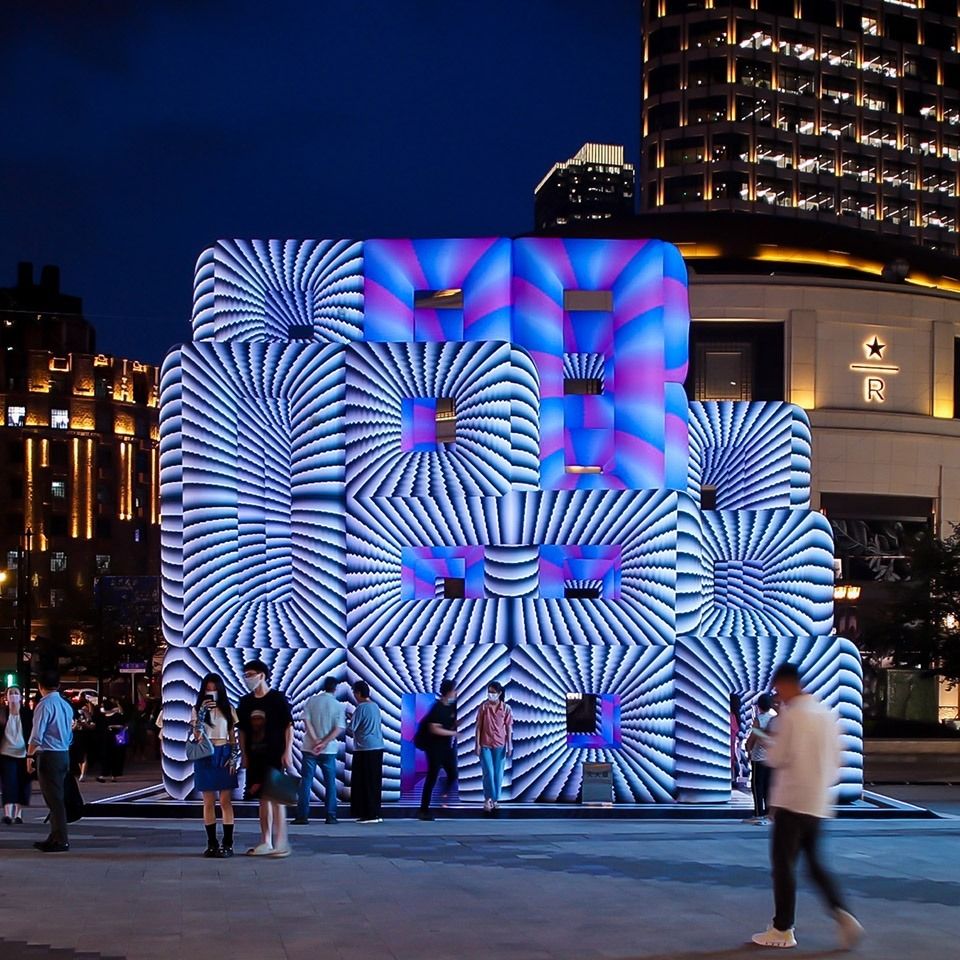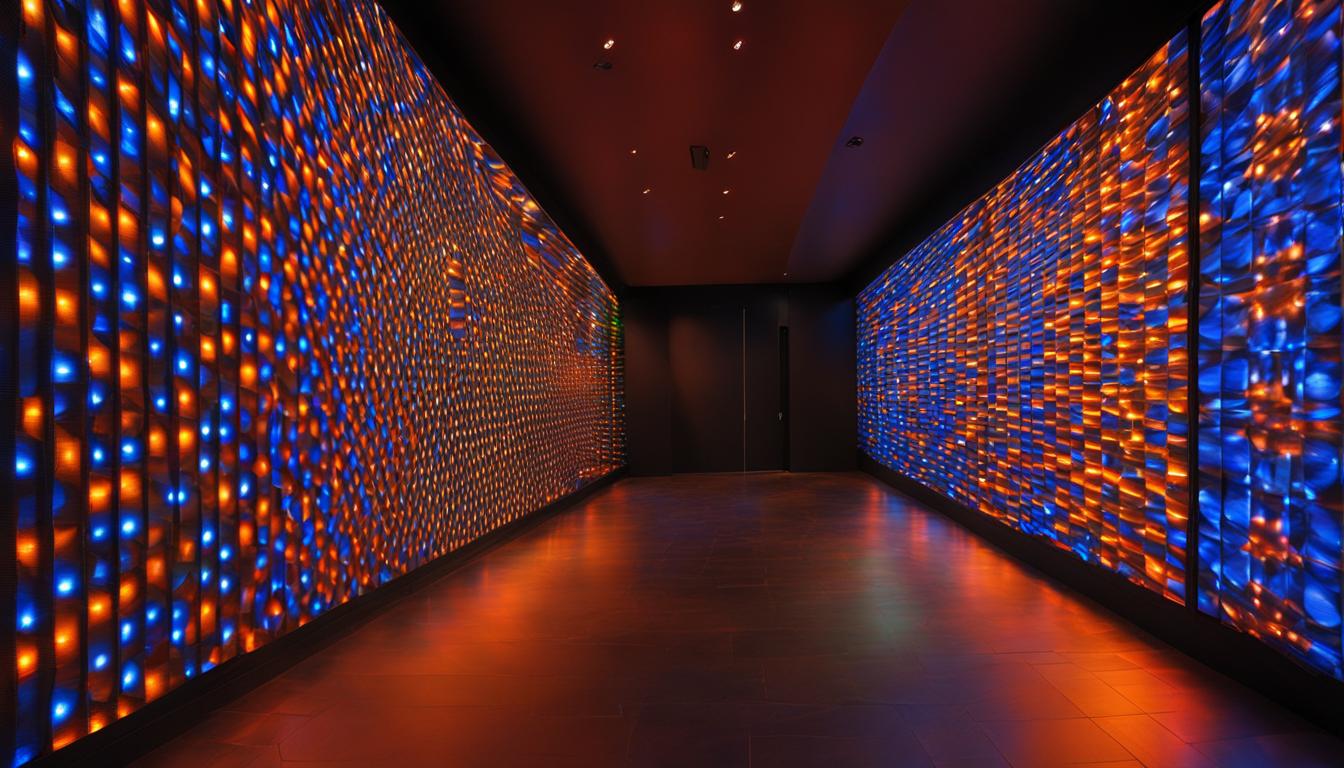
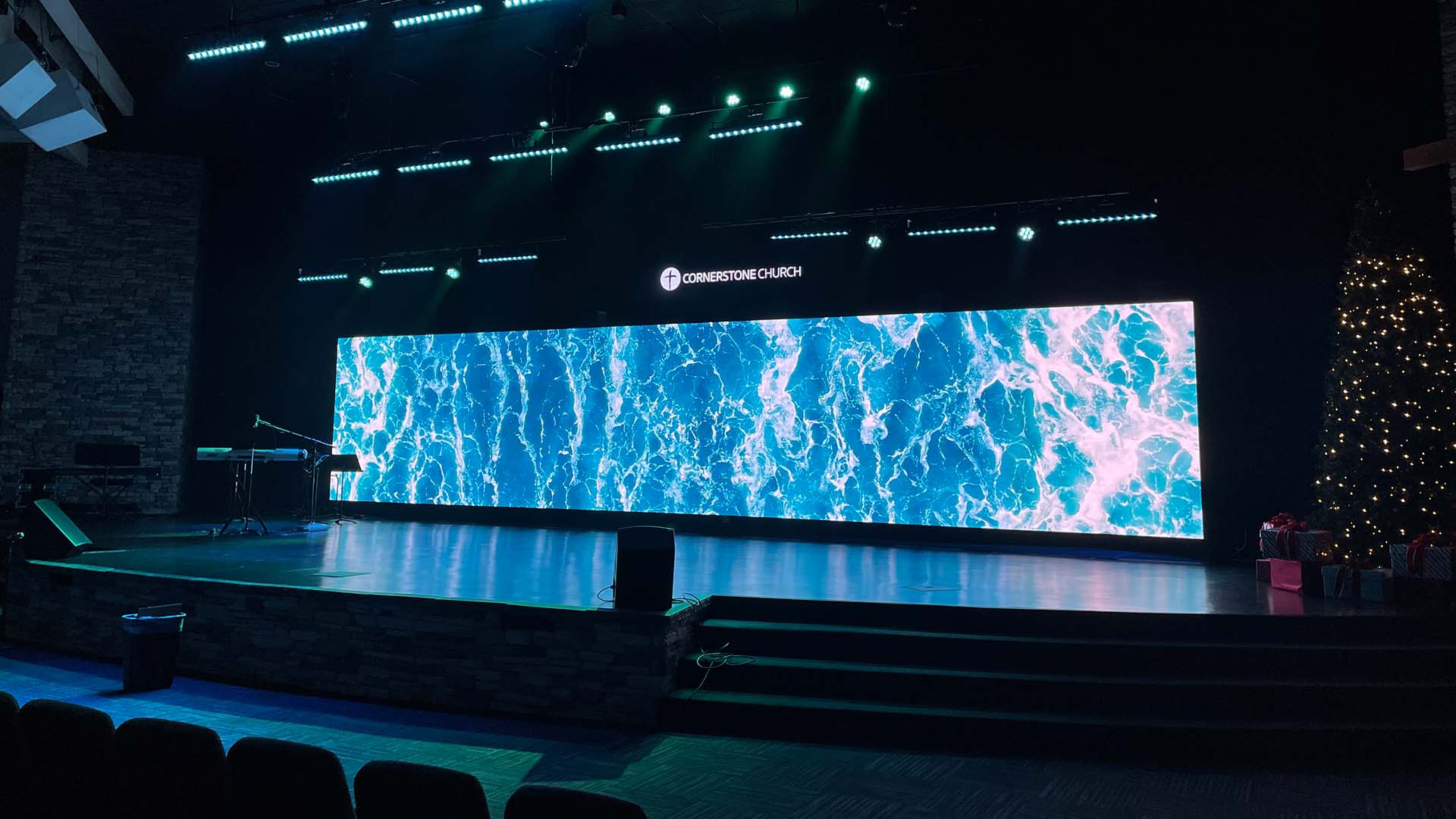
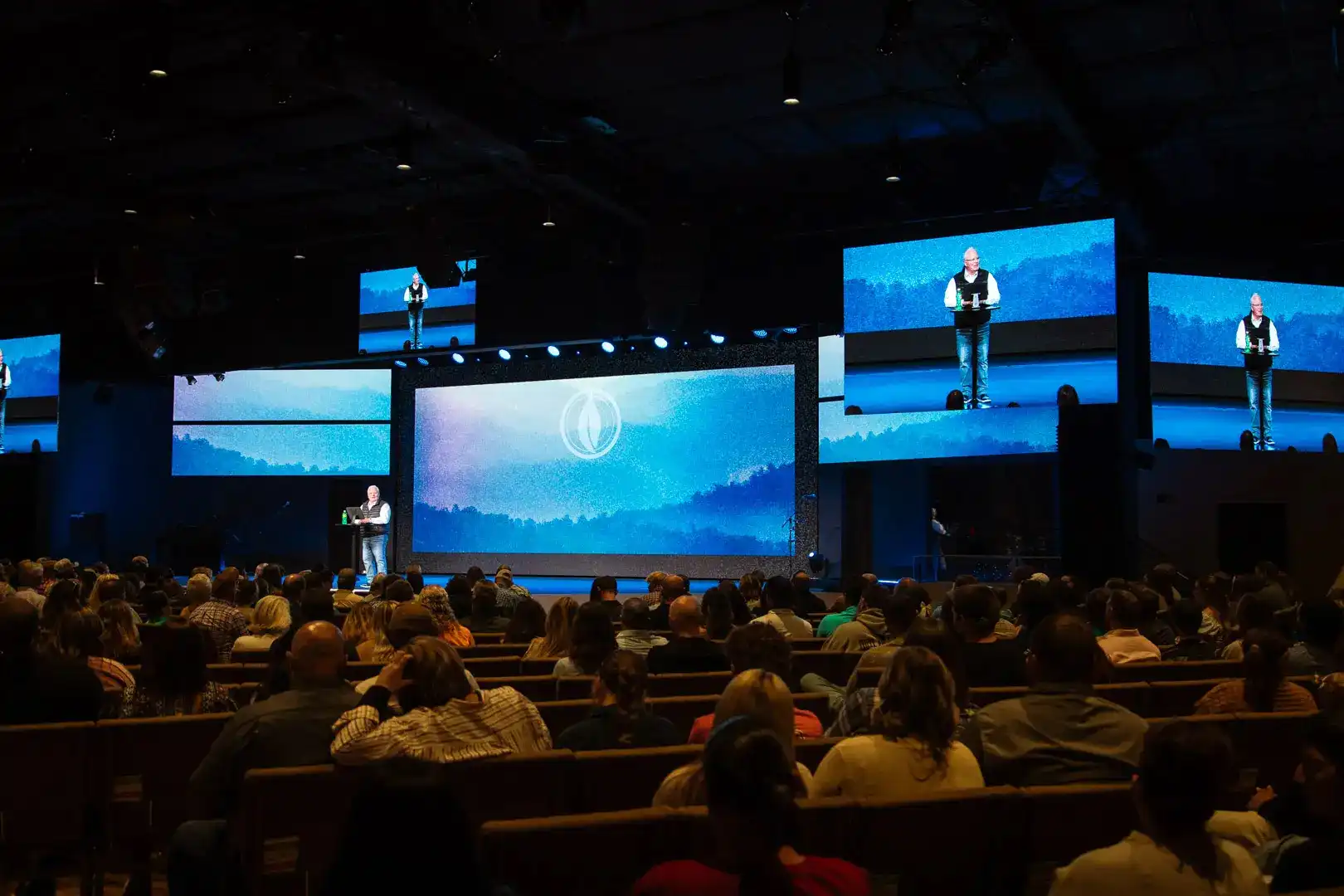
Walk through any modern airport, control room, retail flagship, or convention center and the trajectory becomes obvious. LED screens are no longer confined to stages or outdoor billboards. They are becoming architecture. Walls, columns, ceilings, corners—any surface capable of holding modules eventually becomes a candidate for display.
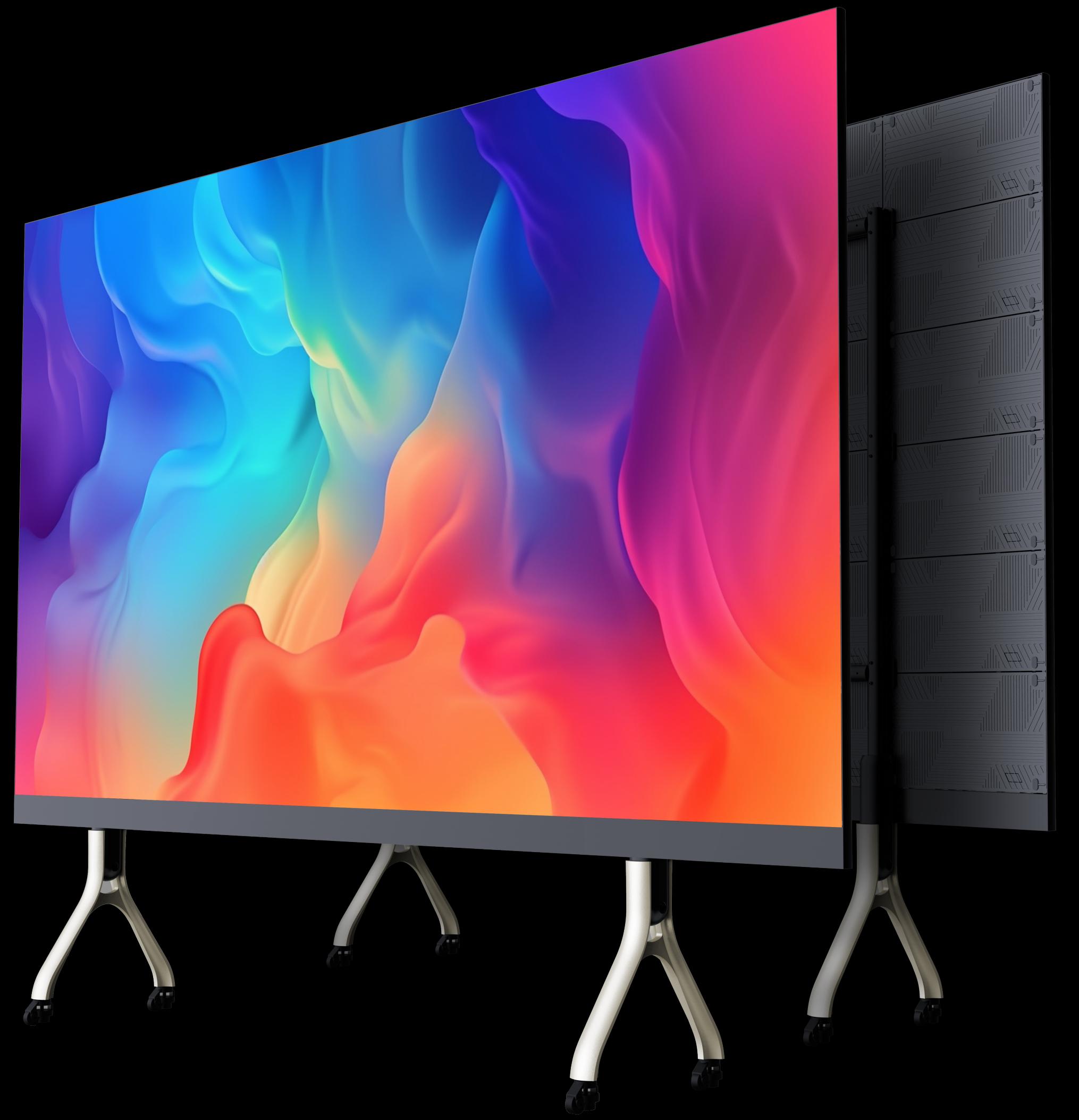
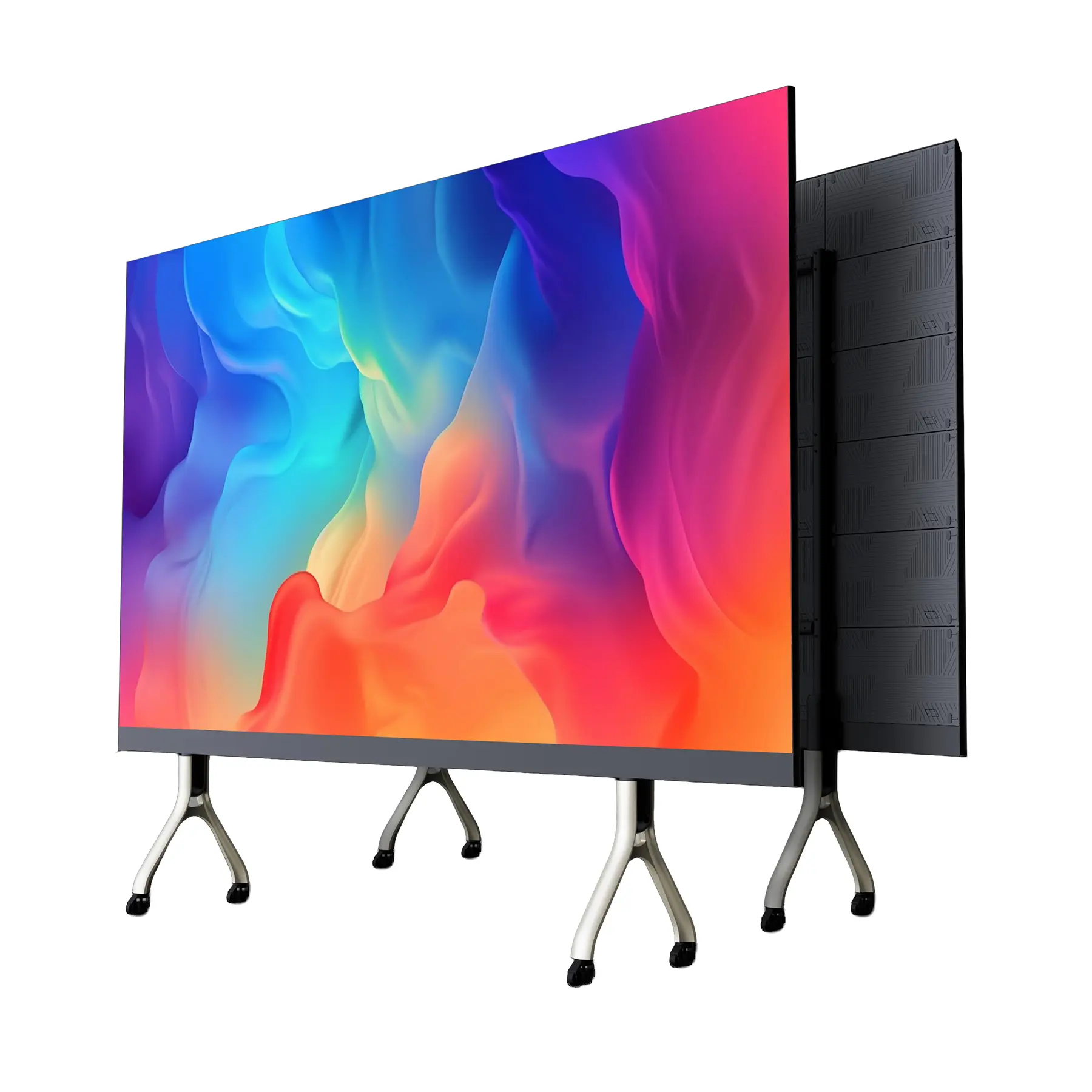
That shift has less to do with novelty than with physics and manufacturing. Pixel pitch keeps shrinking while production costs gradually stabilize. A decade ago, anything below 2.5 mm was considered specialty territory. Today, fine-pitch LED installations around 1.5 mm or even 1.2 mm appear regularly in corporate environments. Not because executives suddenly care about pixel density, but because LED is beginning to replace LCD video walls outright.
LCD seams always had a psychological effect on viewers. Even when they were thin, the grid remained visible. LED removes that constraint. A continuous surface—no bezels, no obvious boundaries—changes how designers think about scale. Instead of assembling screens, spaces are now wrapped in light.
That difference matters more than the spec sheets suggest.
The Quiet Shift From Screens to Infrastructure
LED displays are slowly becoming infrastructure rather than standalone products. The same way lighting fixtures once evolved from decorative elements into integrated building systems.
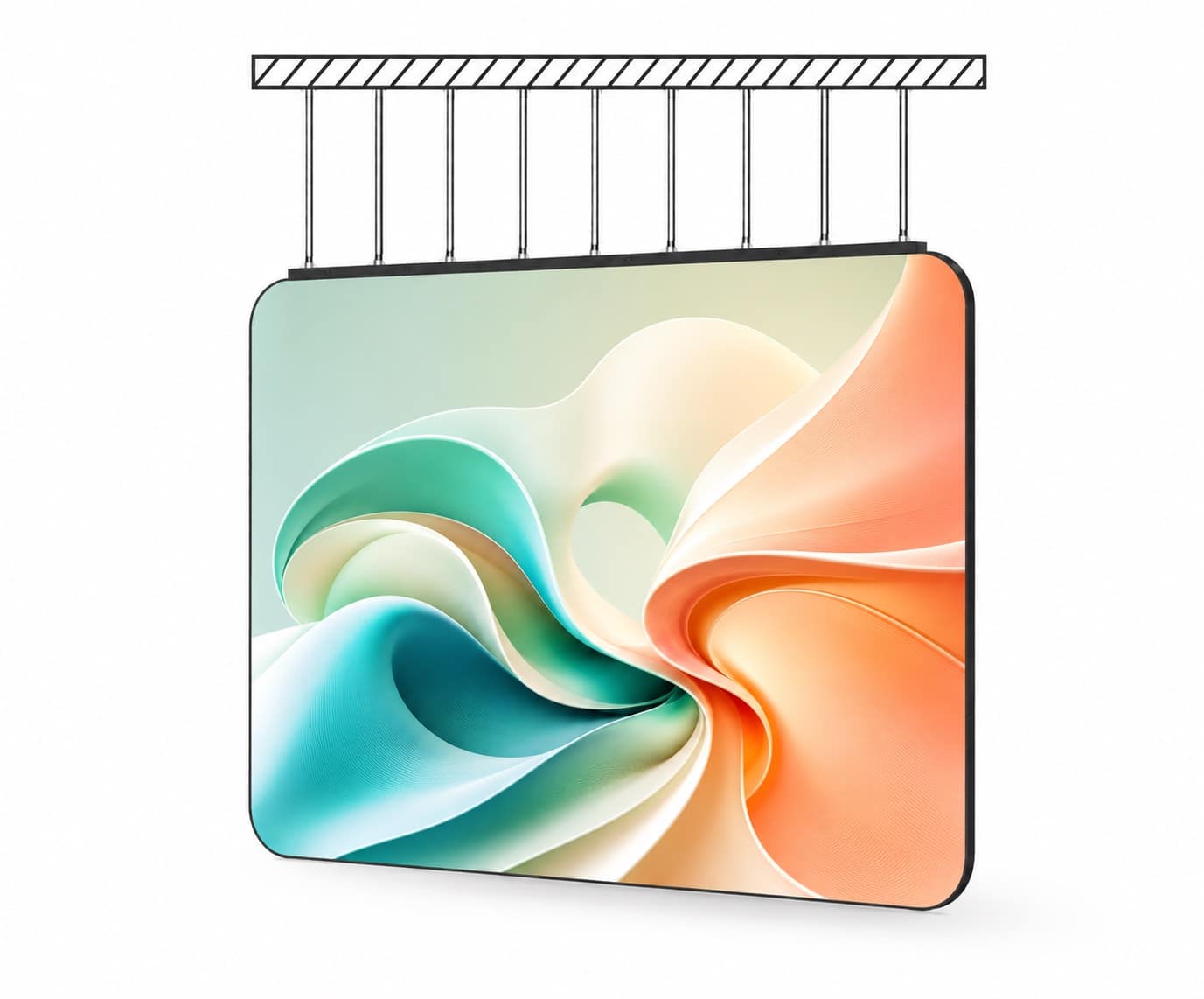
New construction projects increasingly plan LED surfaces from the beginning instead of adding them later. Structural mounts, power routing, ventilation pathways, and service access are considered during architectural design. The display becomes part of the building envelope.
This changes the expectations placed on the technology. Reliability matters more than peak brightness. Serviceability becomes as important as resolution. A screen embedded in a lobby wall cannot behave like a touring stage display that gets swapped out every season.
Modular systems designed for front access, magnetic servicing, and quick panel replacement are gaining traction precisely because these displays now live in places where downtime is unacceptable.
Airports understand this well. Transit hubs have quietly become one of the most demanding LED environments in the world: constant operation, variable lighting conditions, high viewer turnover, and strict maintenance windows. The displays must simply work.
Transparency Is Moving From Novelty to Use Case
Transparent LED screens spent years occupying the “interesting but unnecessary” category. That perception is changing.
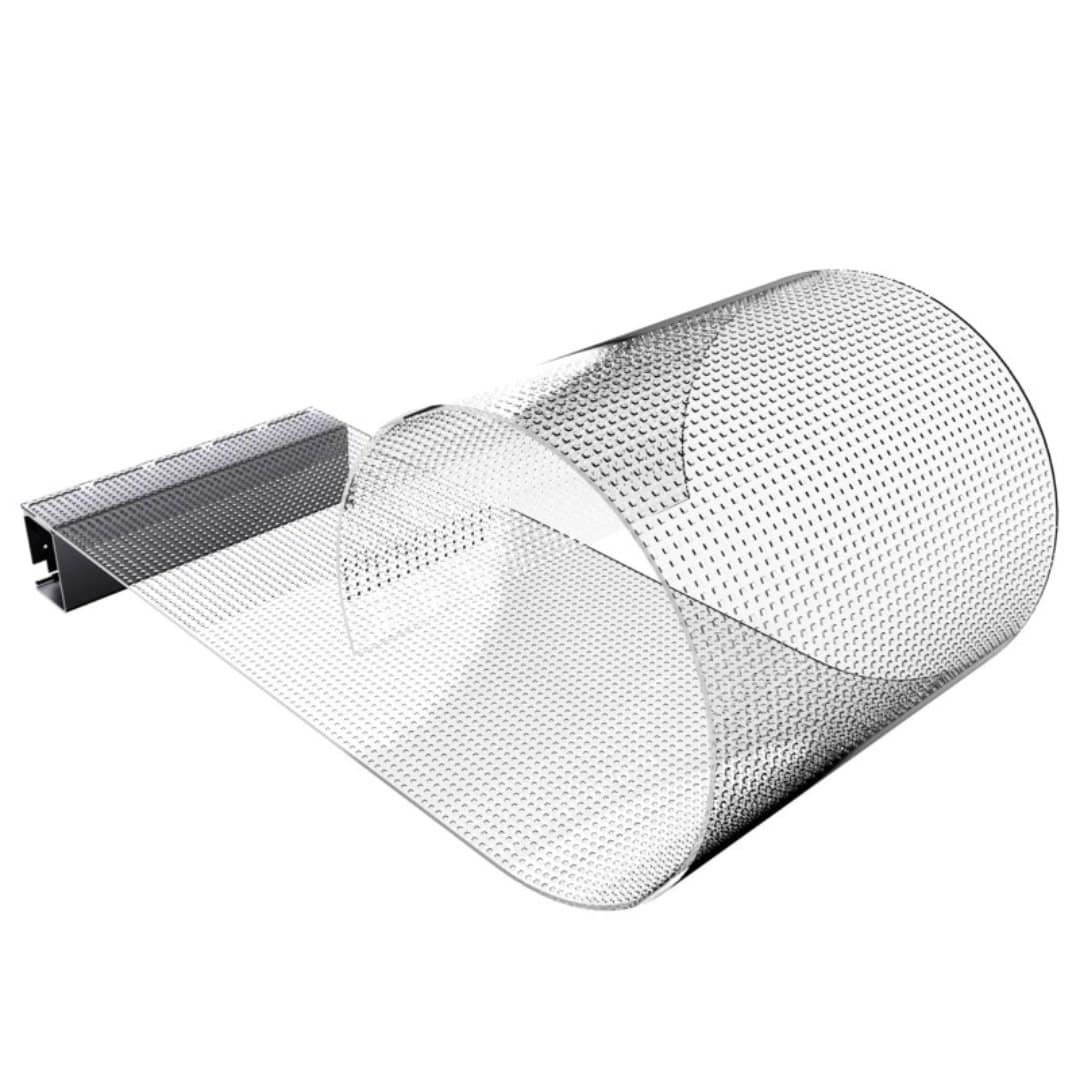
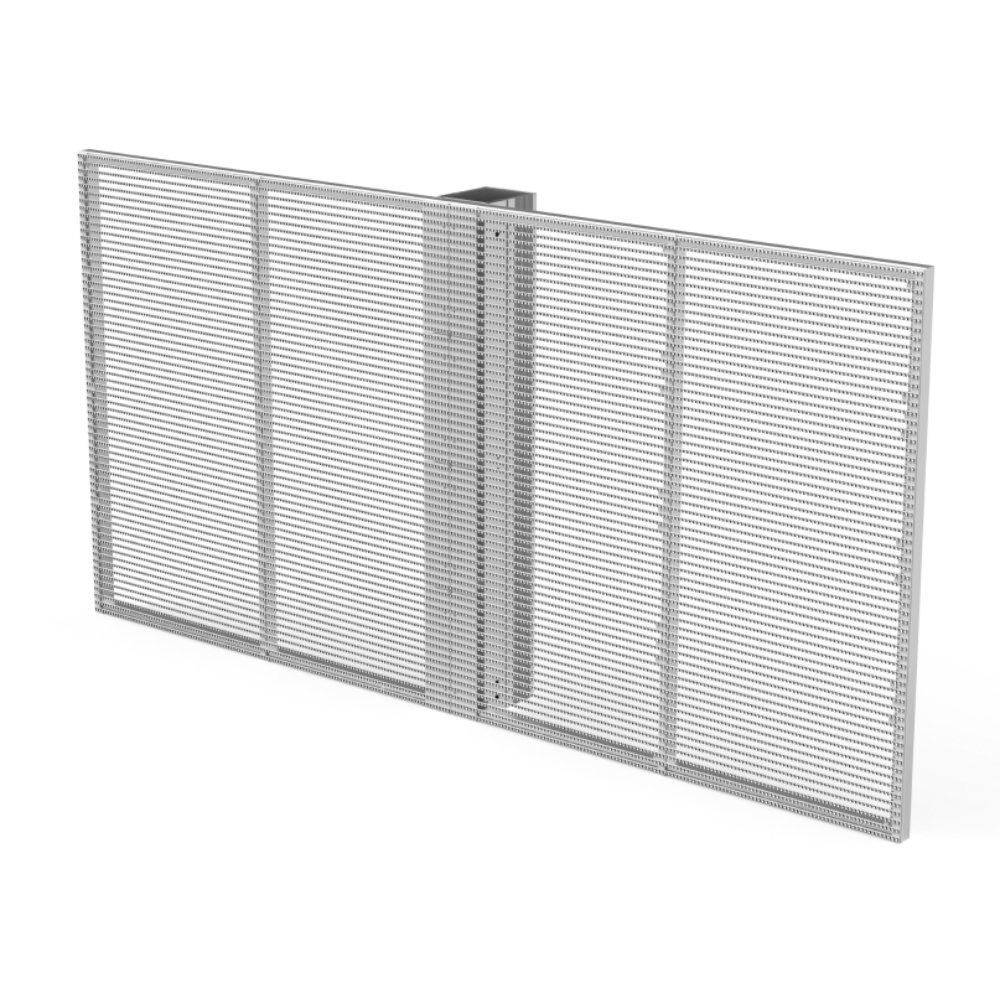
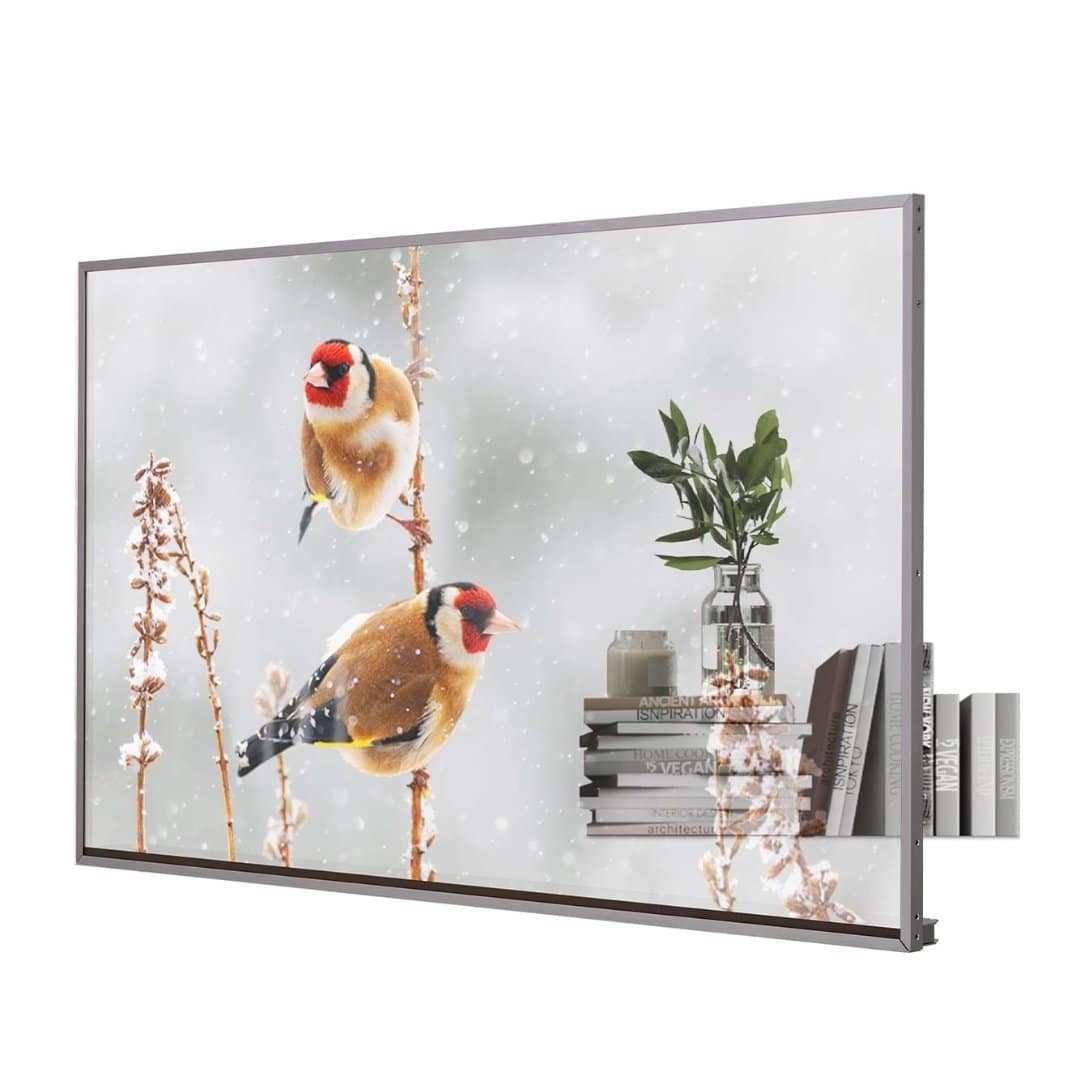
Glass façades remain valuable real estate in retail and corporate architecture. Blocking them with opaque screens rarely makes sense. Transparent LED systems solve that problem, allowing light and visibility to pass through while still delivering moving content.
The technology is not perfect. Bright daylight conditions still limit contrast, and pixel density is nowhere near what opaque LED panels can achieve. But the direction is clear. As LED chips become smaller and mounting structures thinner, transparent displays are starting to look less like a compromise and more like a deliberate design choice.
Urban storefronts in cities like Seoul, Shenzhen, and Tokyo are already experimenting with these hybrid surfaces. From the street they appear animated; from inside the building they remain mostly transparent. The façade becomes a medium rather than a barrier.
The architectural implications are significant.
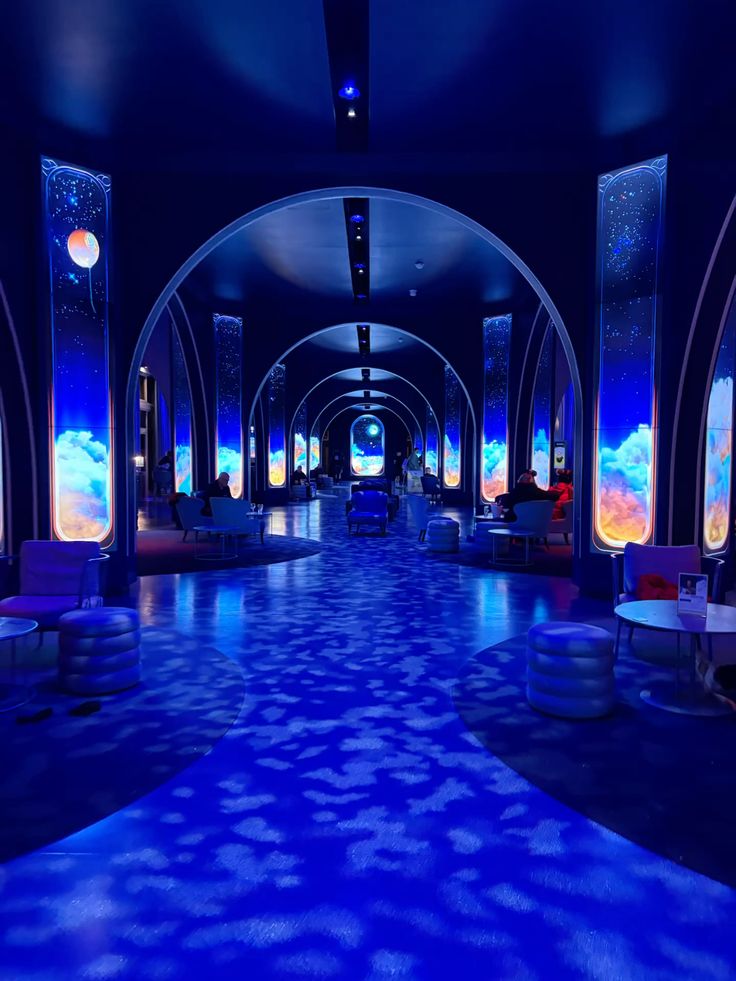
Curved, Cylindrical, and Everything in Between
Flat rectangles still dominate the market, but that dominance is beginning to feel temporary.
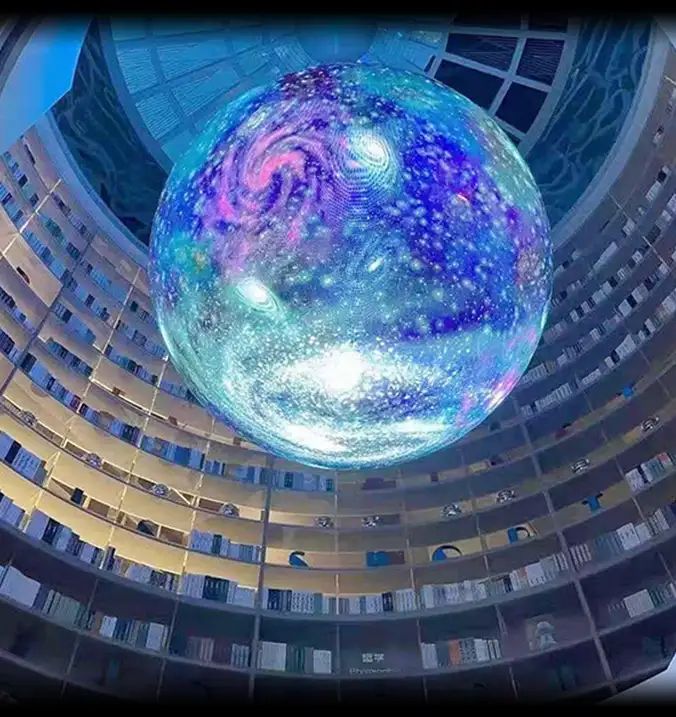
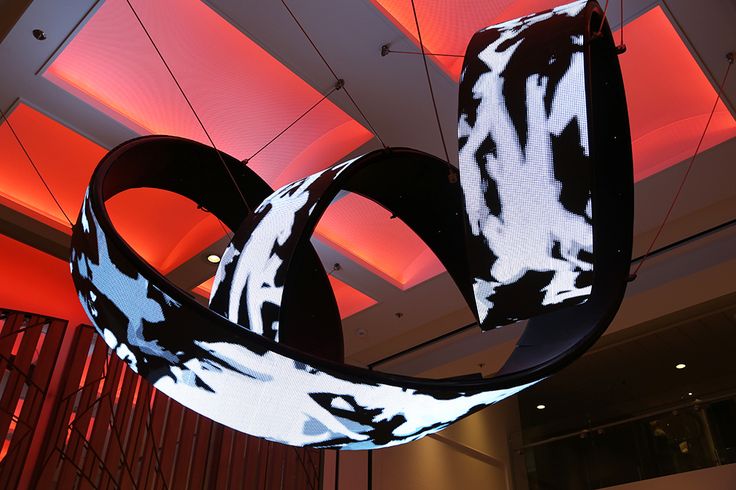
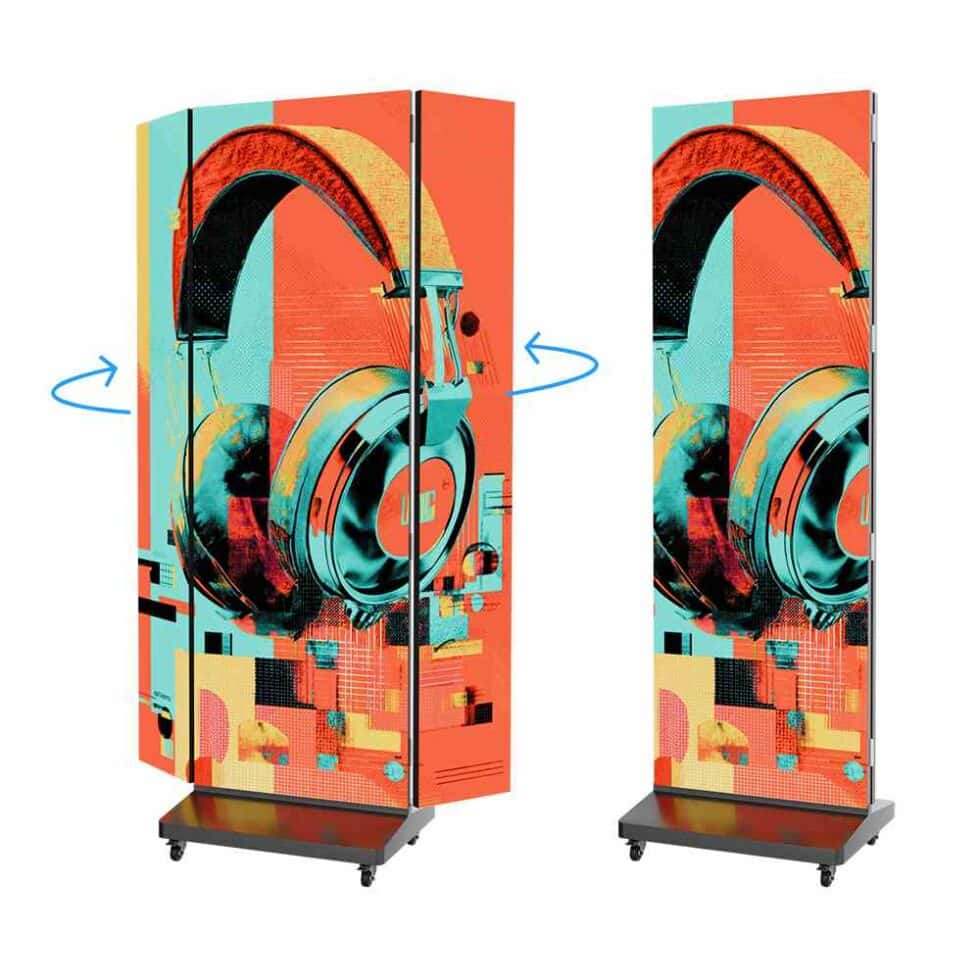
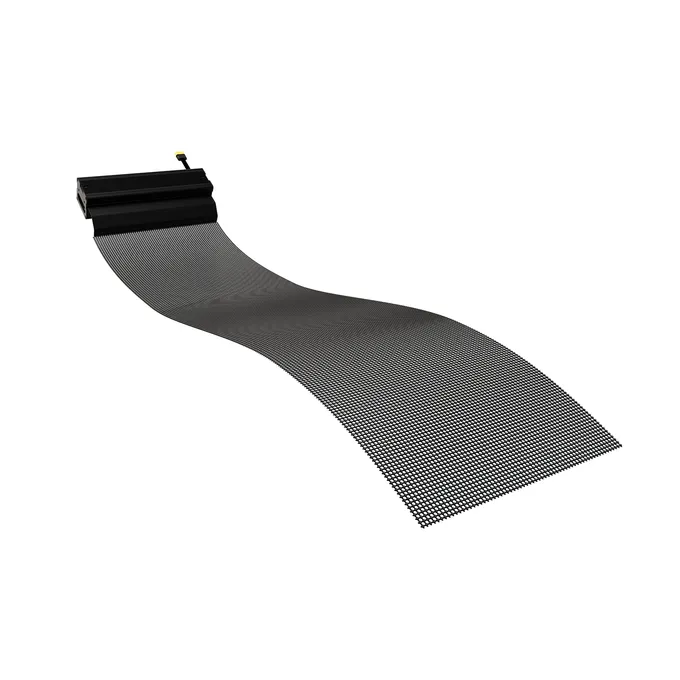
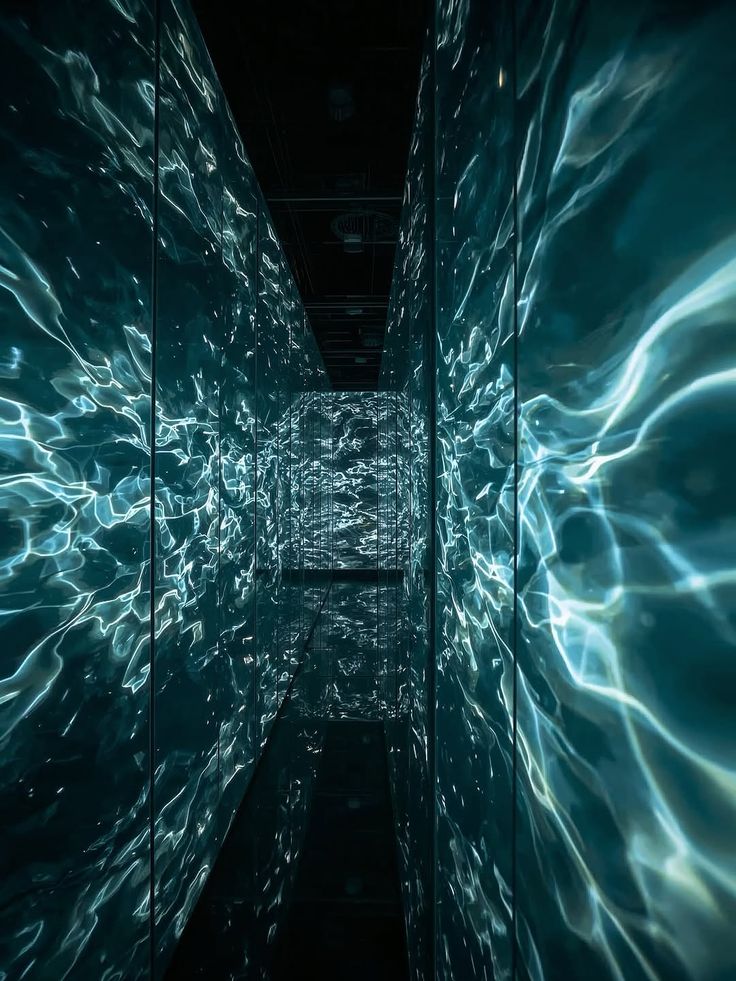
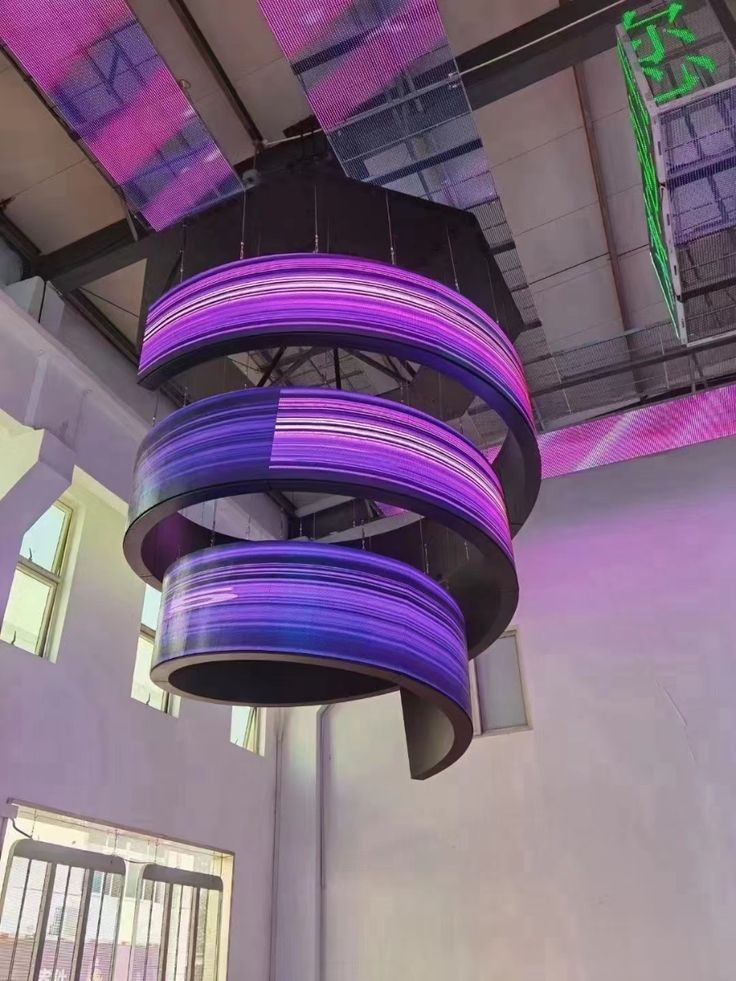
Curved LED structures—cylinders, ribbons, tunnels, concave walls—are becoming easier to produce because manufacturers now offer flexible cabinets and smaller module increments. Structural engineers are increasingly comfortable supporting them.
The interesting part is not the shape itself but how people interact with it. A flat screen is directional. It assumes a viewer standing in front of it. A cylindrical display behaves differently. Viewers orbit it. Content wraps around perception instead of confronting it head-on.
This spatial behavior changes design logic. Motion graphics must account for multiple sightlines. Typography cannot rely on centered layouts. Animation becomes environmental rather than cinematic.
Some installations fail spectacularly because of this. Content created for flat displays often looks distorted when wrapped around a curve. But the better examples reveal something more interesting: LED screens behaving less like televisions and more like dynamic sculpture.
Sustainability Is Finally Being Treated Seriously
Energy consumption has always been the quiet criticism surrounding large LED installations. Even with efficient diodes, large surfaces consume meaningful power, particularly in high-brightness outdoor applications.
What is changing now is not the efficiency of the LEDs themselves—those improvements have been incremental—but the intelligence around how displays operate.
Adaptive brightness systems tied to ambient light sensors are becoming standard. A billboard that once ran at maximum brightness all day can now adjust dynamically based on sunlight conditions. In indoor environments, displays can dim significantly without affecting visibility.
There is also a subtle shift toward serviceable systems rather than disposable ones. Early LED displays often required entire panel replacements when components failed. Newer modular architectures allow individual boards or power supplies to be swapped without discarding large sections of hardware.
This is less glamorous than a new display technology headline, but it probably matters more.
The Broadcast and Film Industry Is Driving Unexpected Demand
Virtual production has quietly become one of the most influential forces in LED development.
Large LED video walls used for in-camera visual effects have pushed manufacturers to refine color accuracy, refresh rates, and synchronization capabilities. Film studios care deeply about things most advertising installations never worried about: camera scan lines, moiré patterns, color fidelity under extreme exposure conditions.
The result is a set of performance standards that are gradually spilling over into other industries. Broadcast studios, corporate presentation environments, and high-end event spaces now benefit from LED panels originally designed for film production stages.
It is a reminder that technological progress often arrives sideways. The demand for cinematic realism is shaping displays that will eventually appear in boardrooms.
Control Systems Are Becoming the Real Product
Hardware used to dominate LED conversations. Pixel pitch, brightness, cabinet weight. Those specifications still matter, but the industry is slowly realizing that software ecosystems determine long-term value.
A large LED installation rarely runs a single piece of content anymore. It cycles through schedules, integrates live data feeds, reacts to events, and sometimes responds to audience interaction. Managing all of that requires robust control systems.
Poorly designed content management software can make even the most impressive display frustrating to operate. Conversely, intuitive control platforms allow operators to manage complex installations with minimal training.
The most successful LED deployments increasingly treat the screen as part of a broader information system rather than a standalone display surface.
Fine Pitch Is Expanding the Indoor Market
Fine-pitch LED panels have fundamentally changed the indoor display market.
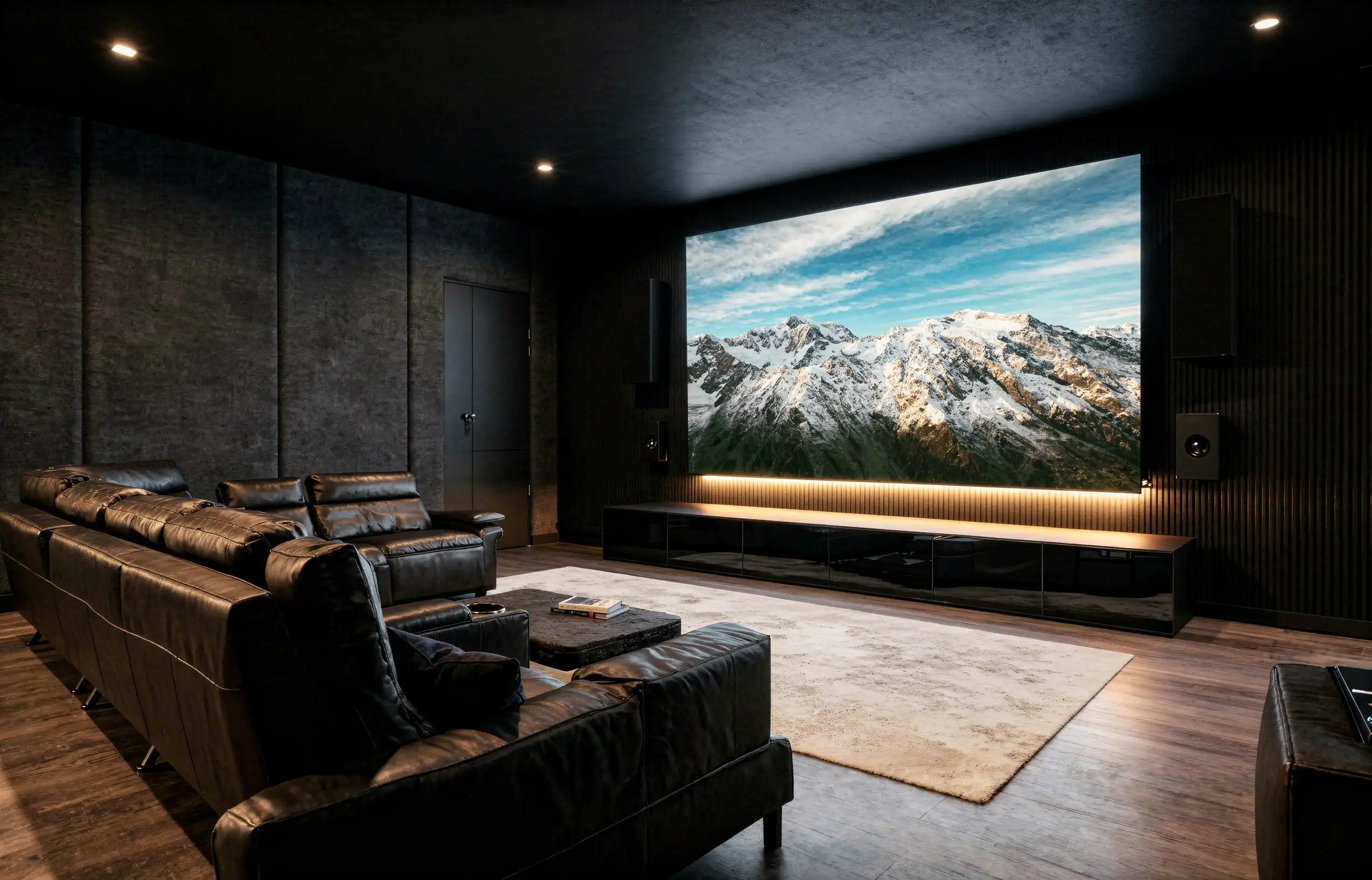
Corporate boardrooms once relied on projectors or tiled LCD displays. Neither solution handled ambient light particularly well, and both imposed limitations on scale. LED panels with pixel pitches around 1.5 mm have reached a threshold where close-range viewing becomes comfortable.
The result is a slow migration away from traditional technologies. Not overnight—cost still plays a role—but steadily.
Large corporate environments are beginning to treat LED walls the way they once treated projection systems: a permanent fixture for presentations, data visualization, and hybrid collaboration. The reliability advantage becomes obvious over time. Lamps burn out in projectors. LCD panels fail unpredictably. LED modules, when well designed, tend to degrade gradually rather than catastrophically.
This reliability is one of the less discussed reasons LED adoption continues to grow.
Cities Are Becoming Display Surfaces
Urban environments are changing too. Massive LED façades have become common in parts of Asia, particularly in commercial districts where buildings compete for visual attention after dark.
Some installations feel excessive, almost chaotic. Others reveal careful design thinking—content synchronized across multiple buildings, coordinated brightness levels, deliberate pacing.
The line between architecture and media continues to blur. A building façade might behave as advertising during certain hours and revert to subtle ambient lighting later in the evening.
Urban planners are beginning to notice. Some cities are already exploring regulations around brightness, motion intensity, and visual clutter. The conversation around LED displays is no longer purely technological. It has become cultural.
The Industry Is Growing Up
LED technology has moved past the stage where every installation needed to prove that it was possible.
The industry now faces more nuanced questions. Where should displays exist? How bright is too bright? When does visual communication become visual noise?
Those are design questions, not engineering ones.
The technology itself will continue evolving—smaller pixels, lighter cabinets, more efficient diodes. But the more interesting changes may come from how the displays are used. Architecture, urban design, film production, corporate communication, and retail environments are all influencing the direction in different ways.
LED screens are no longer just displays. They are becoming surfaces where information, motion, and space intersect.
And the surfaces keep expanding.