Live music has always been about connection. The sound matters, of course—but what people remember is how the show felt. The energy in the room. The moment when everything clicked. In 2025, visuals play a much bigger role in creating that feeling, and LED video walls have quietly become one of the most important tools in modern concerts.
Not because they’re flashy. Not because they’re trendy. But because they solve real problems that live shows have always struggled with—scale, visibility, atmosphere, and consistency.
If you’ve been to a concert recently and walked away thinking, That felt bigger than the room, chances are LED video walls were part of the reason.
Concerts Aren’t Just About Sound Anymore
Audiences today experience concerts differently than they did even ten years ago. People don’t just listen—they watch closely. They want to see expressions, movement, small moments between songs. They want to feel close to the artist, even if they’re standing fifty rows back.
LED video walls make that possible without turning a live show into a movie. Instead of pulling attention away from the stage, they bring the stage closer to everyone.
In large venues especially, this matters. Without strong visuals, half the audience is relying on sound alone. With LED video walls, everyone feels included in the same moment.
That shared experience is what turns a good show into a great one.
Scale That Matches the Music
Some music is meant to feel intimate. Other moments are meant to feel massive. The best concerts move between the two.
LED video walls give production teams the flexibility to match that emotional range. A quiet song might use minimal visuals—soft textures, slow movement, maybe just a close-up of the performer. Then the beat drops, the chorus hits, and suddenly the entire stage comes alive.
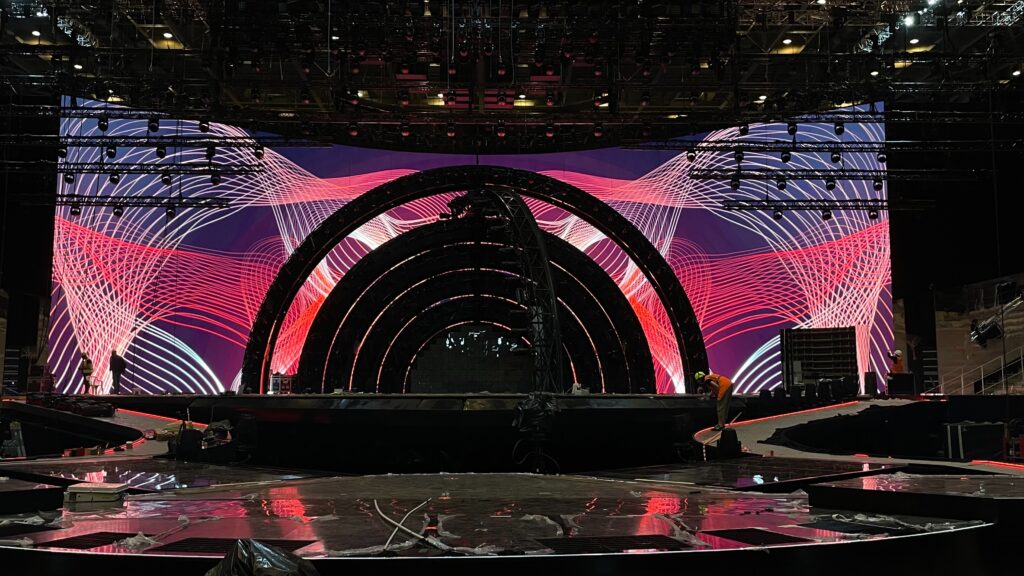
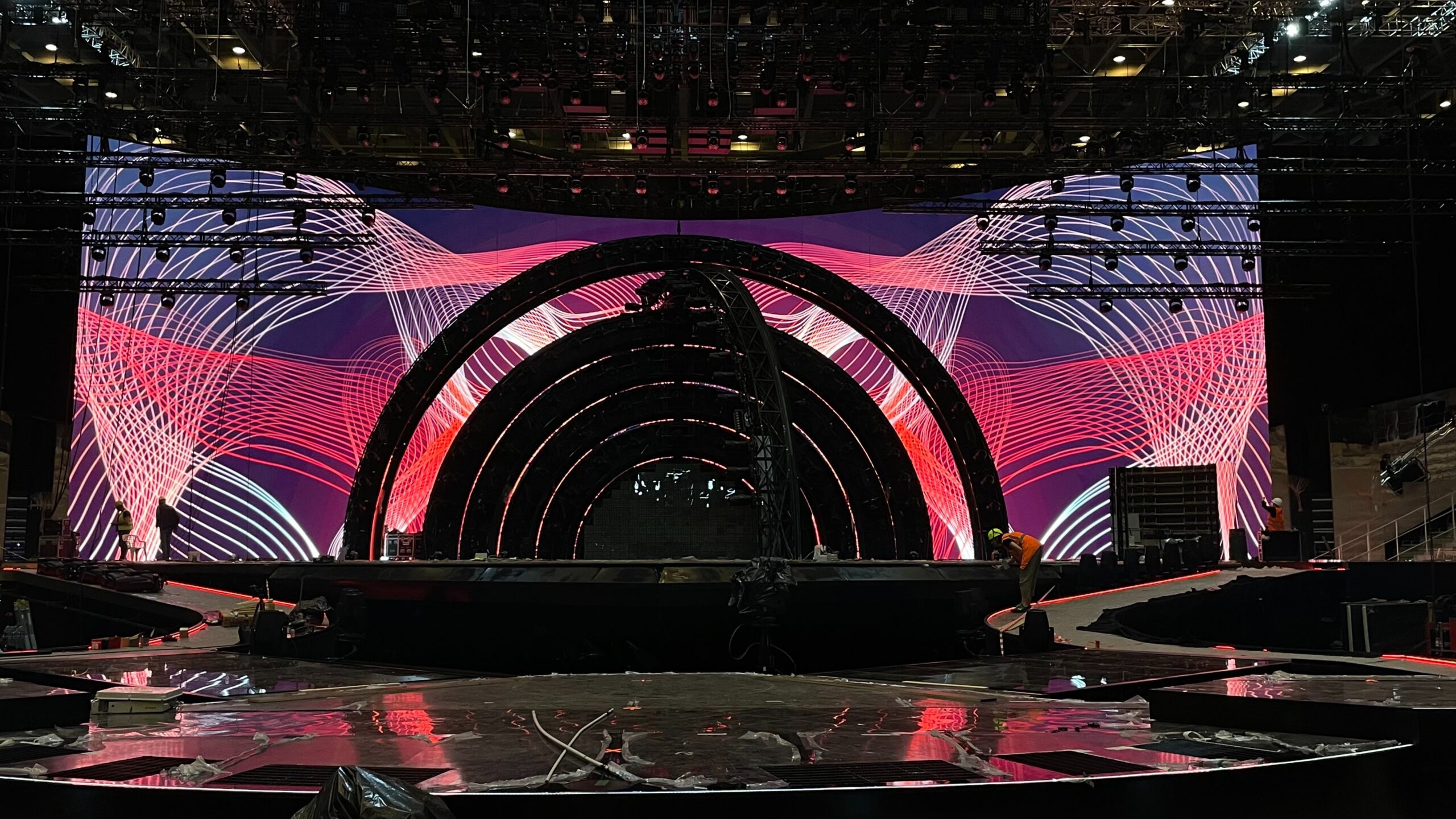
Because LED walls aren’t limited to a fixed size or shape, they can grow with the performance. Wide backdrops. Vertical columns. Full-stage canvases. The visuals don’t just sit behind the artist—they become part of the performance.
That sense of scale is something traditional screens and projections have always struggled to deliver consistently.
Everyone Gets the Same Experience
One of the biggest challenges in live concerts has always been distance. Front-row fans see everything. Back-row fans… not so much.
LED video walls help level that experience. High brightness, strong contrast, and wide viewing angles mean the visuals stay clear no matter where you’re standing or sitting.
This is especially important in 2025, when audiences expect premium experiences regardless of ticket price. People are less willing to accept a “partial” experience just because they’re farther from the stage.
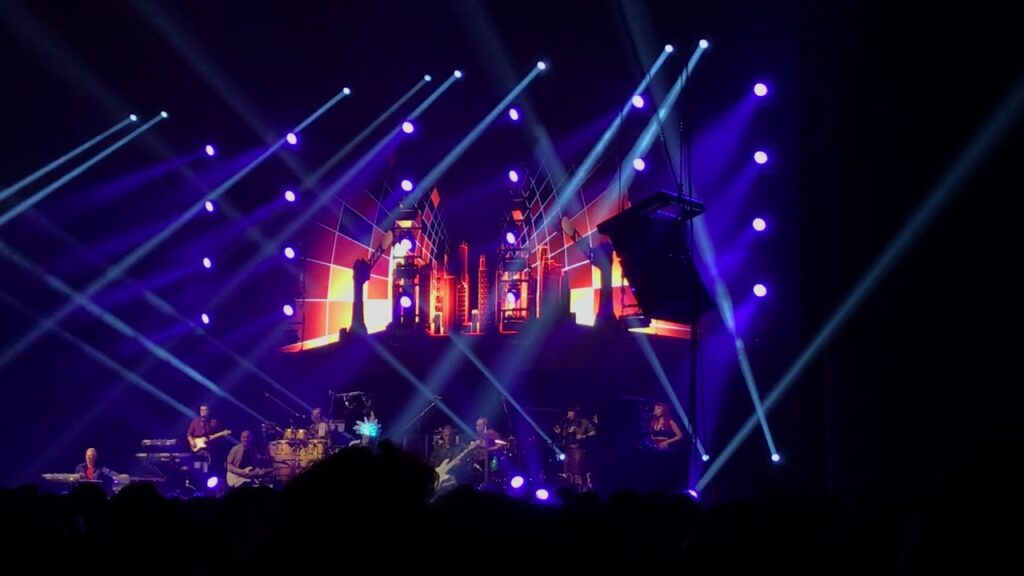
When visuals are done right, no one feels left out.
Visuals That Feel Built In, Not Bolted On
There was a time when concert screens felt like accessories—something added after the stage was designed. That’s no longer the case.
Today, LED video walls are often part of the stage architecture from the beginning. They align with lighting rigs, scenic elements, and even choreography. The result feels intentional, not improvised.
When everything works together, the stage doesn’t feel crowded or technical. It feels cohesive. Like a single environment rather than a collection of parts.
That cohesion is something audiences feel, even if they can’t explain why.
Supporting the Artist, Not Stealing the Show
One of the biggest misconceptions about LED video walls is that they automatically mean over-the-top visuals. In reality, the best concert designs often use them very quietly.
Sometimes it’s just a camera feed that lets fans see subtle moments. Sometimes it’s abstract motion that adds texture without telling a literal story. Sometimes the wall barely moves at all.
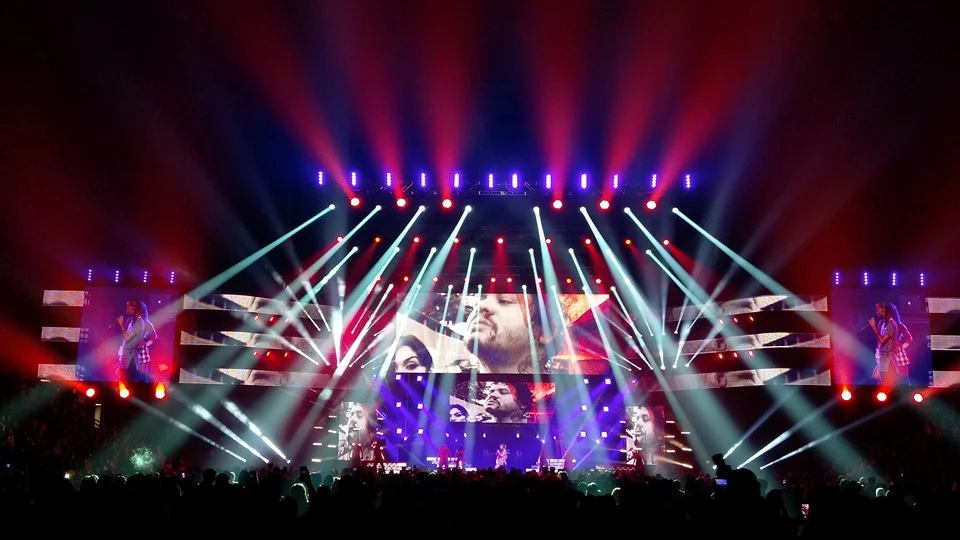
The point isn’t to compete with the artist—it’s to support them.
In 2025, audiences are surprisingly sensitive to visual overload. The concerts people talk about most are often the ones where everything felt balanced.
LED video walls give designers the control to find that balance.
Lighting and Video Are No Longer Separate Worlds
One of the biggest shifts in concert production is how video and lighting now work together.
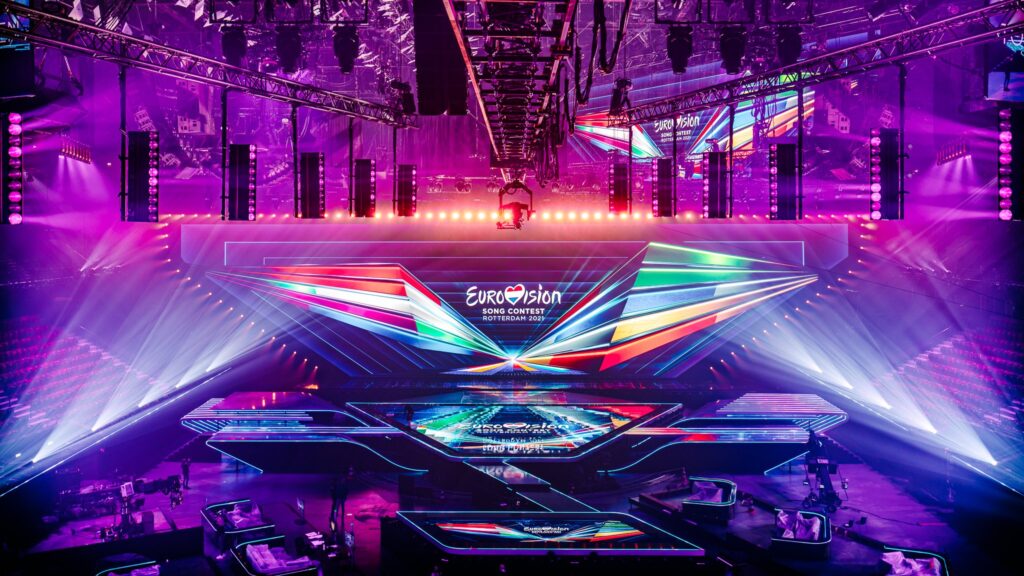
LED video walls emit light, which means they influence the entire space. Colors on the wall reflect onto the stage, the crowd, and surrounding elements. Lighting designers and video designers are no longer working in isolation.
When done well, this creates a more immersive environment. The room feels unified rather than segmented. Sound, light, and visuals move together.
That’s when concerts start to feel truly immersive instead of just loud and bright.
Built for the Reality of Live Shows
Live events don’t allow second chances. If something fails mid-show, everyone notices.
LED video walls are trusted in 2025 because they’re designed for this reality. Modular panels allow quick fixes. Systems are built for long runtimes. Redundancy is standard, not optional.
For touring acts, this reliability means fewer surprises from city to city. For venues, it means consistent performance night after night.
When the technology is dependable, creative teams can focus on the show instead of the risk.
Faster Setups, Easier Touring
Touring is demanding. Time is limited. Crews are under pressure.
Modern LED video wall systems are lighter, faster to assemble, and easier to adapt than earlier generations. Content can scale to different stage sizes without needing a complete redesign.
This flexibility allows tours to maintain visual quality whether they’re playing a festival stage or an indoor arena.
Efficiency might not sound exciting, but it plays a huge role in why LED video walls have become the standard.
Extending the Experience Beyond the Stage
The concert experience doesn’t begin when the first song starts.
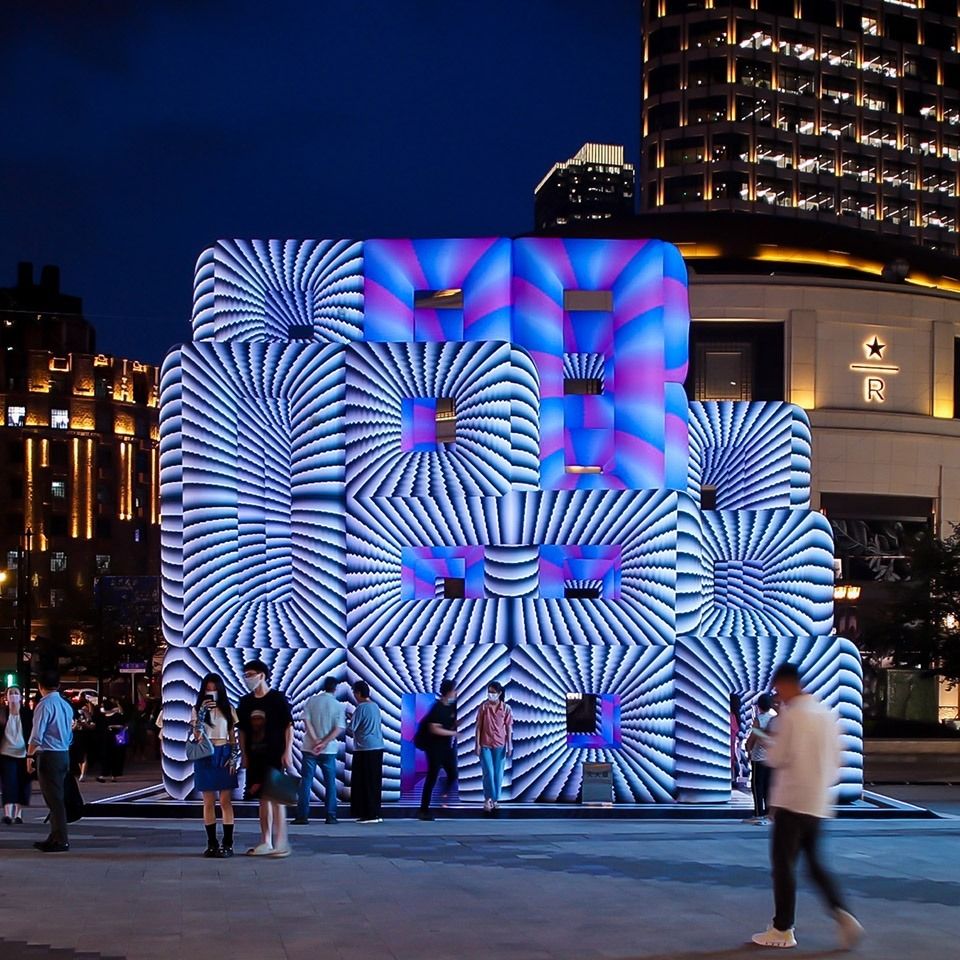
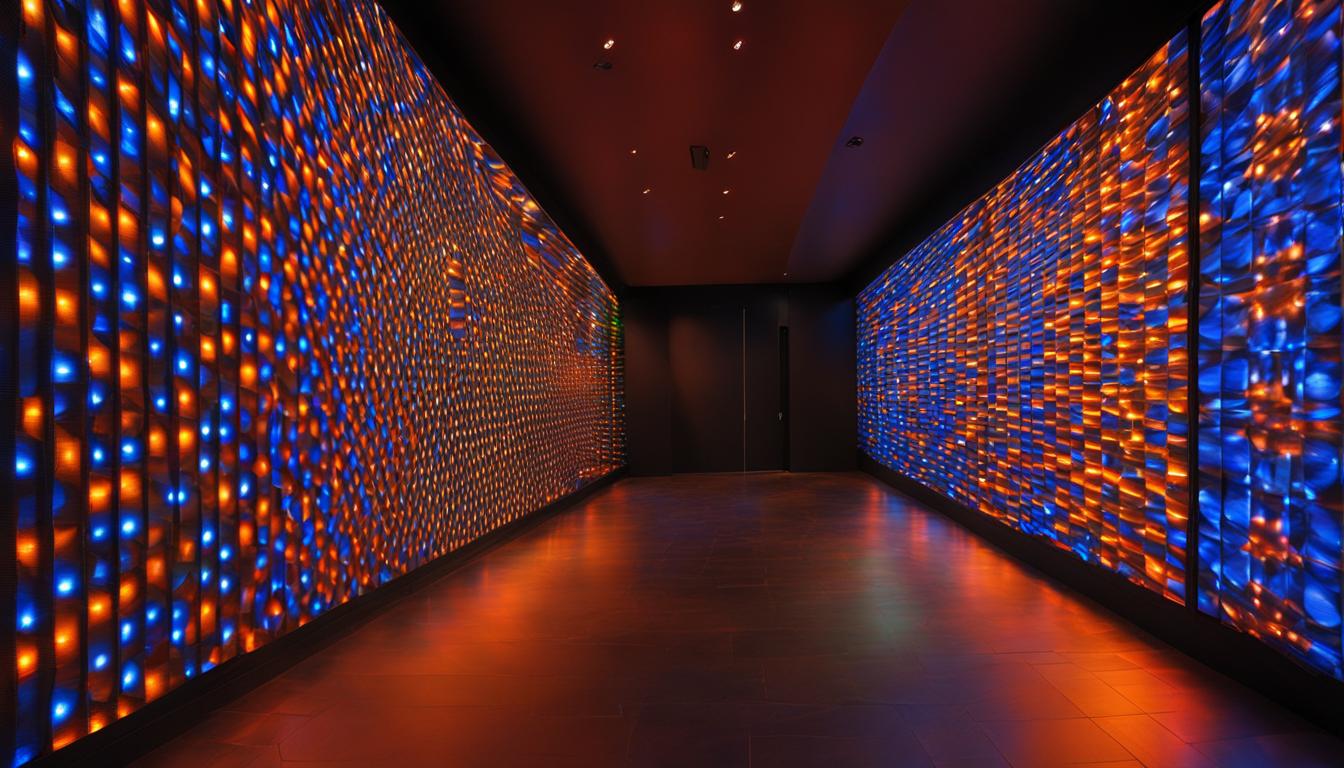
LED video walls are increasingly used in entryways, concourses, and outdoor areas to build anticipation before the show and carry energy afterward. Visuals set the tone before fans even reach their seats.
For festivals and large venues, this creates a sense of immersion that extends well beyond the performance itself.
Fans remember the whole experience, not just the setlist.
Designed for Both Live and Digital Audiences
In 2025, concerts often live in two places at once: the venue and the screen.
LED video walls support this hybrid reality by providing clean, controlled visuals that work for in-person audiences and cameras alike. What looks good in the room also translates well on livestreams and recorded content.
That consistency matters for artists building global audiences.
Why LED Video Walls Truly Changed the Concert Experience
LED video walls didn’t change concerts overnight. They changed them gradually—by solving problems, improving consistency, and giving creative teams more freedom.
Today, they’re not seen as extras. They’re part of how concerts are designed from the ground up.
When visuals feel intentional, reliable, and emotionally aligned with the music, the entire experience becomes stronger.
That’s why LED video walls aren’t just common in 2025. They’re expected.
A Thought on the SeeThruDisplays Approach
At SeeThruDisplays, concert installations are approached with a simple mindset: the performance comes first.
Whether it’s a large touring backdrop or a venue-specific LED wall, the goal is always to enhance the experience without distracting from it. When LED video walls are integrated thoughtfully, they fade into the background—while the memory of the show stays with people long after the lights go down.