There’s a moment that happens when an LED video wall crosses a certain size. It stops being a screen and starts becoming a presence. People notice it without trying to. Conversations slow down. Phones come out. The room recalibrates around it.
That reaction isn’t accidental, and it isn’t just about brightness or resolution. LED video walls are uniquely powerful at scale because they change how people perceive space itself. When they get bigger, they don’t simply display content more clearly—they reshape the experience of the environment.
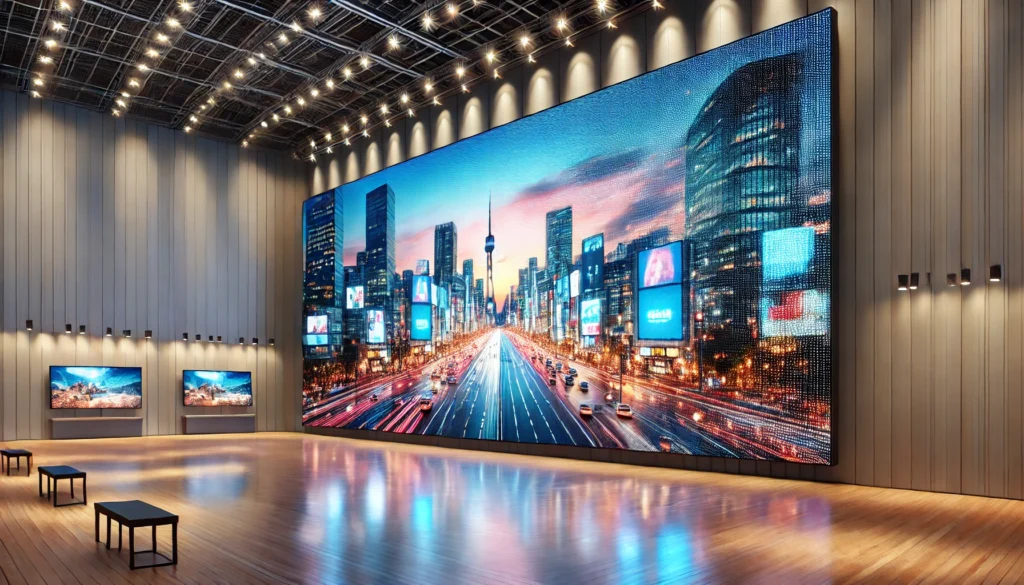
This is why large-scale LED video walls have become the visual backbone of major events, flagship retail spaces, public installations, and high-impact architectural projects. At scale, they do something no traditional display can replicate.
Scale Changes Perception, Not Just Size
Small LED screens can look impressive. Large LED video walls feel immersive.
Once an LED wall spans a meaningful portion of a viewer’s field of vision, the brain stops treating it like an object and starts treating it like part of the surroundings. This is where LED technology separates itself from TVs, projectors, or tiled displays.
The human eye is drawn to motion and light. When those elements exist at architectural scale, they don’t compete with the space—they define it. A wall-sized LED installation doesn’t ask for attention. It commands it naturally.

This is the psychological shift that happens when LED video walls grow beyond “large display” territory and into true environmental design.
Big LED Walls Create Context, Not Just Content
At larger scales, LED video walls stop functioning as content containers and start acting as context setters.
A massive LED backdrop behind a stage establishes tone before a speaker ever steps forward. A multi-story retail LED facade signals brand confidence long before a customer walks inside. A large-format LED wall at an event instantly communicates importance, investment, and intention.
What’s displayed matters, but so does the sheer presence of the wall itself. The size alone tells a story: this moment matters.
That’s something smaller screens can’t convey, no matter how sharp they are.
Seamlessness Is What Makes Scale Work
Large-scale LED video walls succeed because they are seamless.
Unlike tiled LCD walls or multi-screen setups, LED panels lock together without visible borders. At scale, this continuity is critical. The larger the display, the more disruptive even small visual breaks become.
Seamlessness allows content to breathe. Motion feels fluid. Imagery feels uninterrupted. The wall reads as a single surface rather than a collection of parts.
This is why large LED video walls feel cinematic without needing darkness or projection. They maintain visual integrity across massive surfaces, which is what allows them to scale so effectively.
Brightness That Holds Its Own Against Architecture
At small sizes, brightness is a feature. At large sizes, it’s a requirement.
Large spaces tend to have competing visual elements—natural light, architectural lighting, reflective materials, and open sightlines. Projection systems struggle here, and traditional displays quickly lose impact.
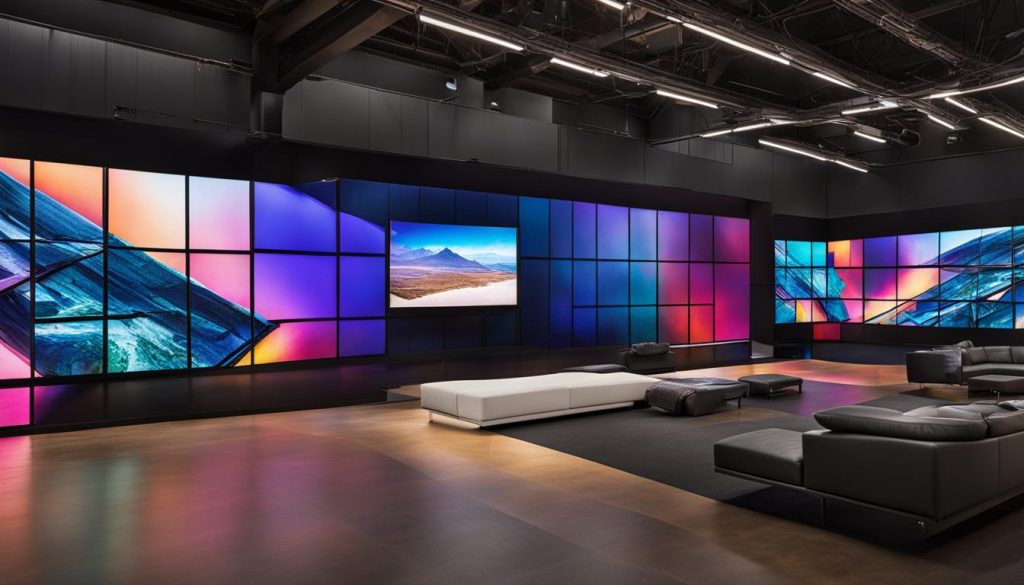
LED video walls thrive in these environments. Their brightness allows them to remain dominant without overpowering. They can be tuned for comfort while still maintaining contrast and clarity.
This balance becomes more impressive as the wall grows. A large LED wall that remains legible and comfortable in a sunlit atrium or expansive venue feels almost effortless—and that effortlessness is what reads as premium.
Large-Scale LED Walls Shape How People Move
One of the most overlooked effects of large LED video walls is how they influence movement.
People orient themselves toward them. They gather near them. They use them as landmarks, even subconsciously. In large venues or events, a properly placed LED wall can guide flow without signage or instruction.
This spatial influence grows with scale. The bigger the wall, the more it anchors the room.
Designers and planners increasingly use large LED video walls not just to display information, but to organize space—defining zones, focal points, and transitions through visual gravity alone.
Content Feels More Emotional at Scale
A close-up image on a TV is engaging. That same image, stretched across a massive LED video wall, becomes emotional.
Faces feel more human. Landscapes feel immersive. Motion feels physical. The viewer doesn’t just see the content—they feel surrounded by it.
This emotional amplification is one of the main reasons large-scale LED walls are favored for product launches, brand storytelling, and cultural events. They allow content to operate on a visceral level rather than an informational one.
At scale, subtle content choices matter more. Slow motion feels slower. Color choices feel richer. Timing feels more intentional.
The wall magnifies everything—including mistakes—so thoughtful design becomes essential.
Why Big LED Walls Work Better for Live Events
Live events benefit disproportionately from large-scale LED video walls.
In big rooms, distance creates disconnection. LED walls collapse that distance. They bring speakers, performers, and visuals closer to everyone in the audience, regardless of where they’re seated.
Large walls also allow for visual layering. Live video, graphics, and atmospheric motion can coexist without clutter. Instead of fighting for attention, elements support one another.
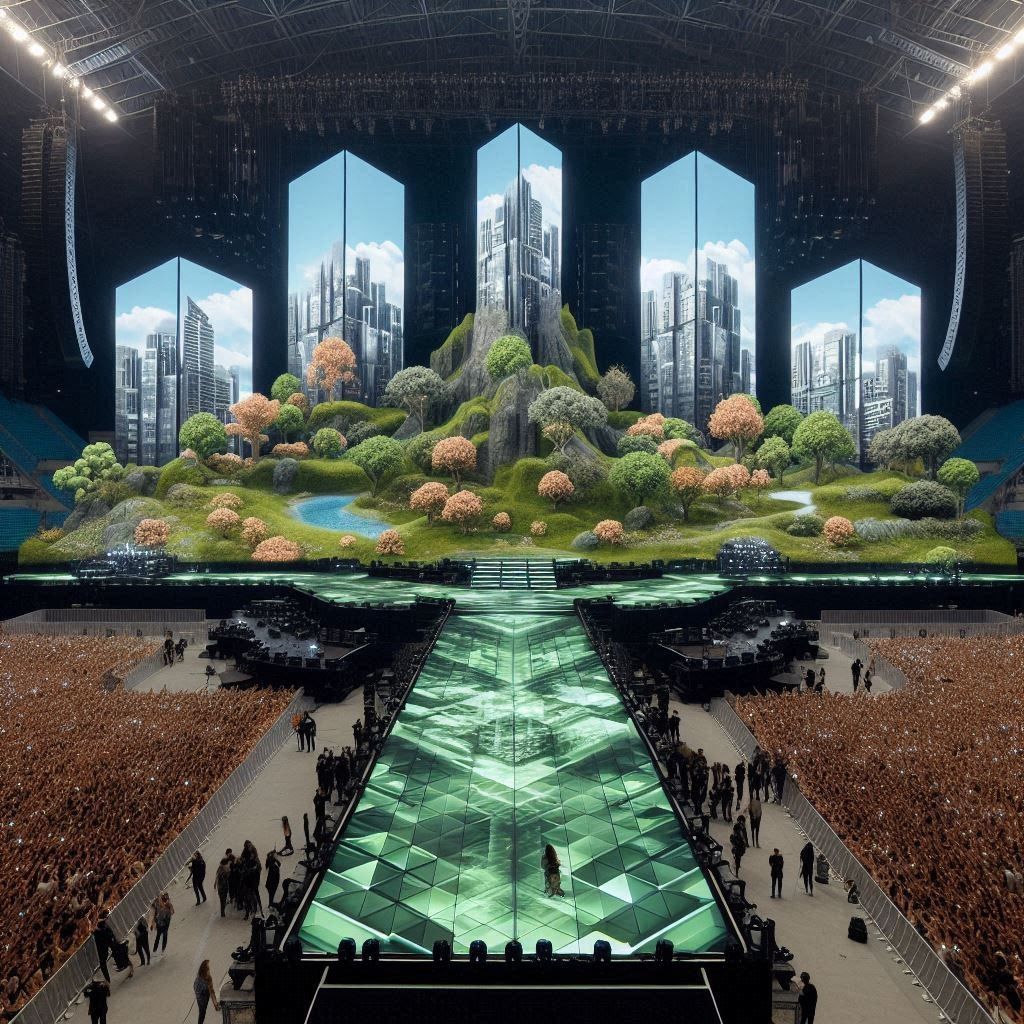
When an LED wall spans the width or height of a stage, it stops being “the screen behind the speaker” and starts becoming part of the performance itself.
That integration is what elevates events from functional to memorable.
Architectural Integration Gets More Powerful at Scale
Small displays decorate. Large LED video walls integrate.
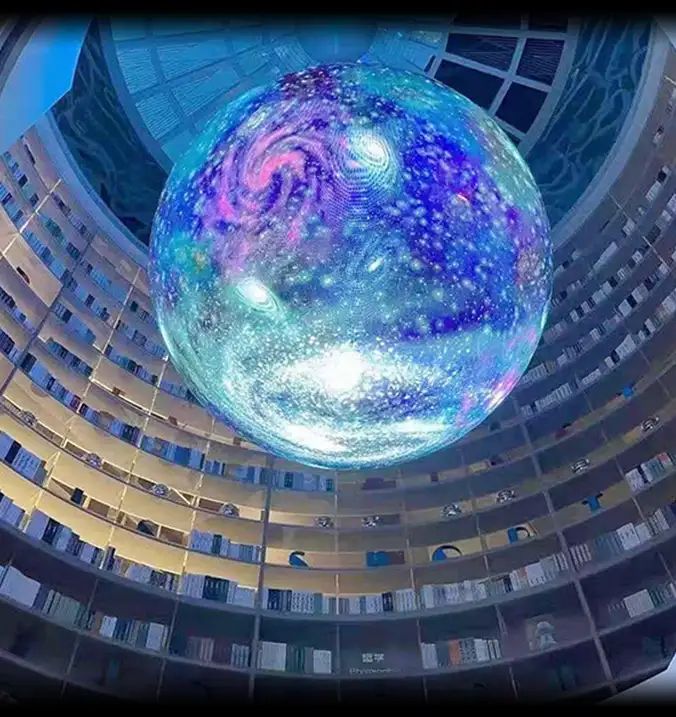
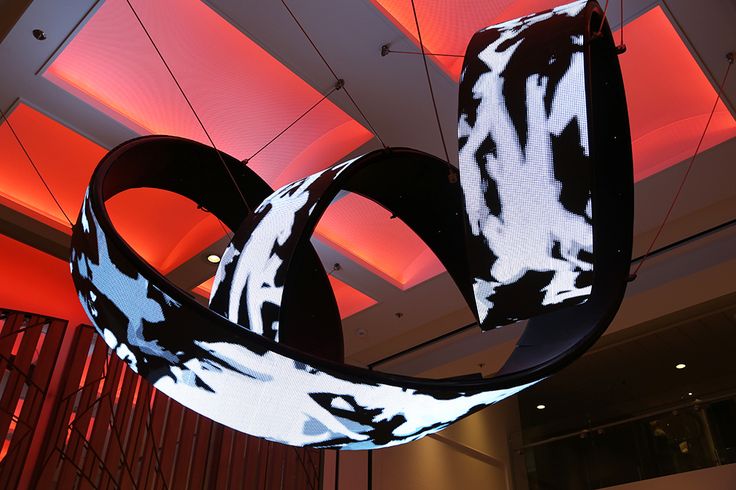
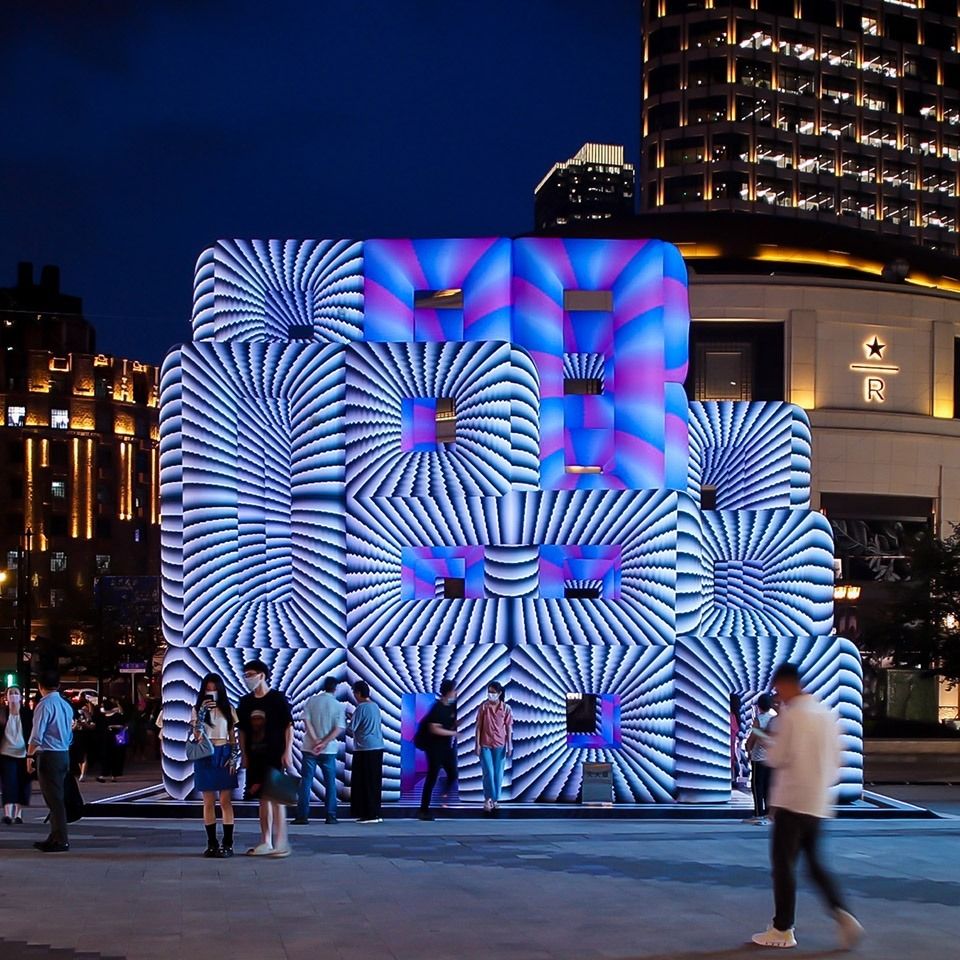
When LED walls reach architectural scale, they can align with columns, wrap corners, span atriums, or replace traditional materials altogether. At this size, they become building elements as much as display technology.
Transparent and semi-transparent LED walls take this even further, allowing large-scale visuals to coexist with glass, daylight, and views beyond the structure.
This is where LED video walls stop competing with architecture and start collaborating with it.
Large-scale installations that feel intentional often go unnoticed technically—which is exactly the goal. People notice the experience, not the hardware.
The Technical Side Matters More as Scale Grows
The bigger the LED video wall, the smaller the margin for error.
Alignment, calibration, power distribution, signal management, and structural support all become more complex at scale. Minor inconsistencies that might go unnoticed on a smaller wall become glaring on a large one.
Large-scale LED walls demand careful planning from the earliest design stages. Pixel pitch must align with viewing distances. Content resolution must match physical dimensions. Cooling and ventilation must be invisible but effective.
This complexity is why experience matters more than specifications alone. At scale, execution determines whether a wall feels awe-inspiring or overwhelming.
Why Large LED Video Walls Feel Like the Future
There’s a reason people often describe large LED video walls as “the future of displays,” even though the technology already exists.
They align with how spaces are evolving—bigger, brighter, more open, and more experiential. They support content that’s dynamic rather than static. They blur the line between digital and physical environments.
As scale increases, LED walls don’t feel excessive. They feel inevitable.
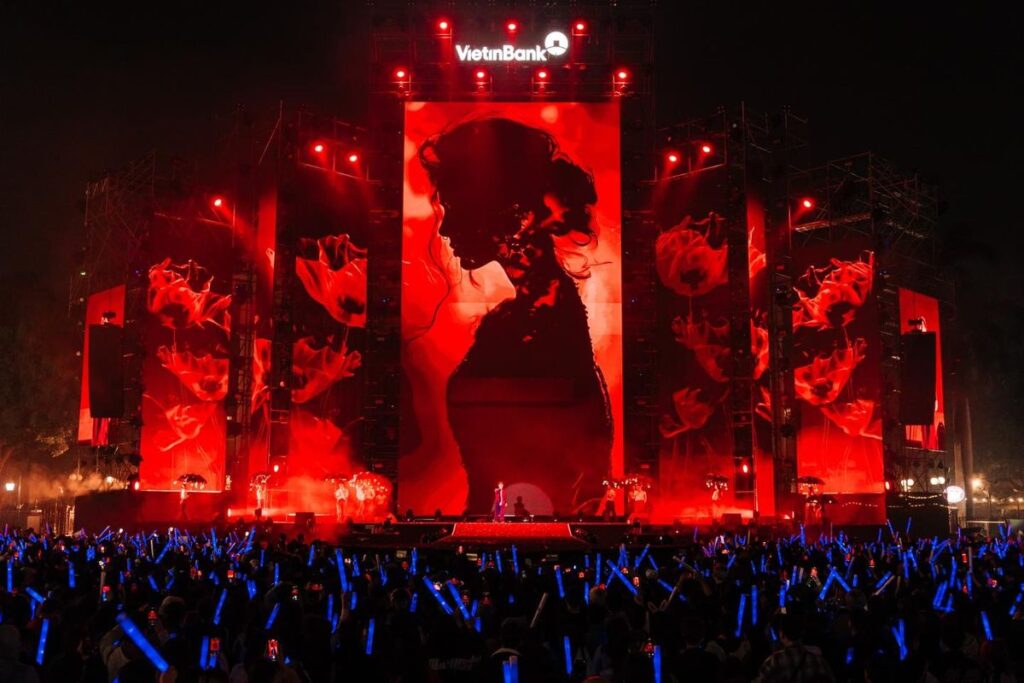
When people encounter a truly well-executed large-scale LED installation, it often resets their expectations of what displays can be. Traditional screens suddenly feel constrained by comparison.
A Quiet Perspective from SeeThruDisplays
At SeeThruDisplays, large-scale LED projects are often approached with restraint rather than spectacle. Bigger doesn’t automatically mean louder. The most impressive installations are usually the ones that feel proportionate, intentional, and integrated.
Scale works best when it serves the space, the audience, and the story being told—not when it exists purely for impact.
When LED video walls reach their full potential at large scale, they don’t shout. They resonate.