LED video walls have reached a point where they no longer feel experimental. They’re established, reliable, and widely adopted across events, retail, corporate environments, and architecture. That maturity, however, doesn’t mean innovation has slowed. In many ways, the most interesting changes are just beginning.
What’s happening now isn’t a single breakthrough, but a series of quieter shifts—improvements in resolution, integration, efficiency, and design flexibility that collectively change how LED video walls are used and where they belong. The future of LED video wall technology looks less about spectacle and more about refinement.
For anyone planning installations beyond 2025, understanding these trends isn’t about chasing the newest feature. It’s about recognizing how the role of LED walls is evolving.
LED Video Walls Are Becoming Architectural Materials
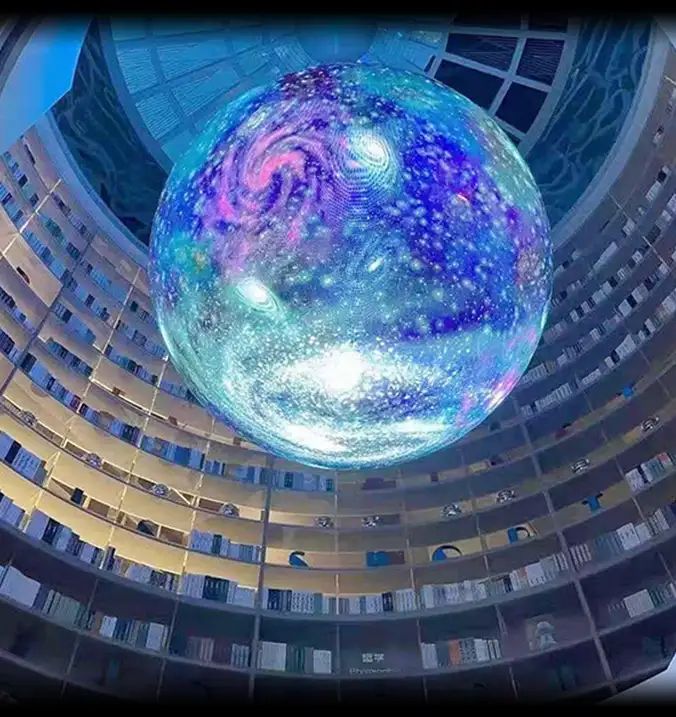
One of the clearest trends shaping the future is the way LED video walls are being treated as building elements rather than display devices.
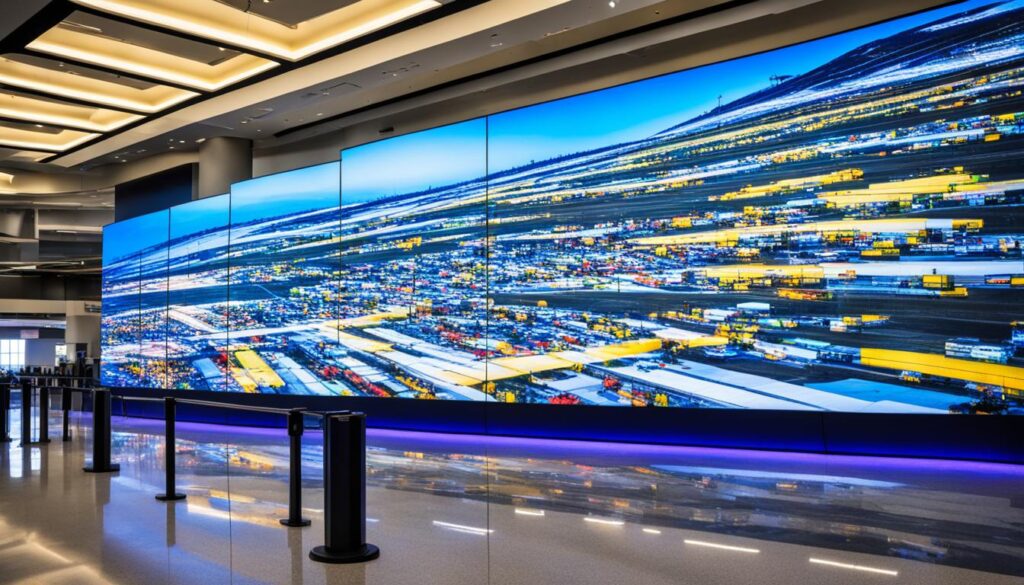
In earlier installations, LED walls were mounted onto finished surfaces. Now, they’re increasingly designed into structures from the start. Architects are planning facades, atriums, and interior features with LED integration in mind, allowing displays to align with materials, proportions, and sightlines.
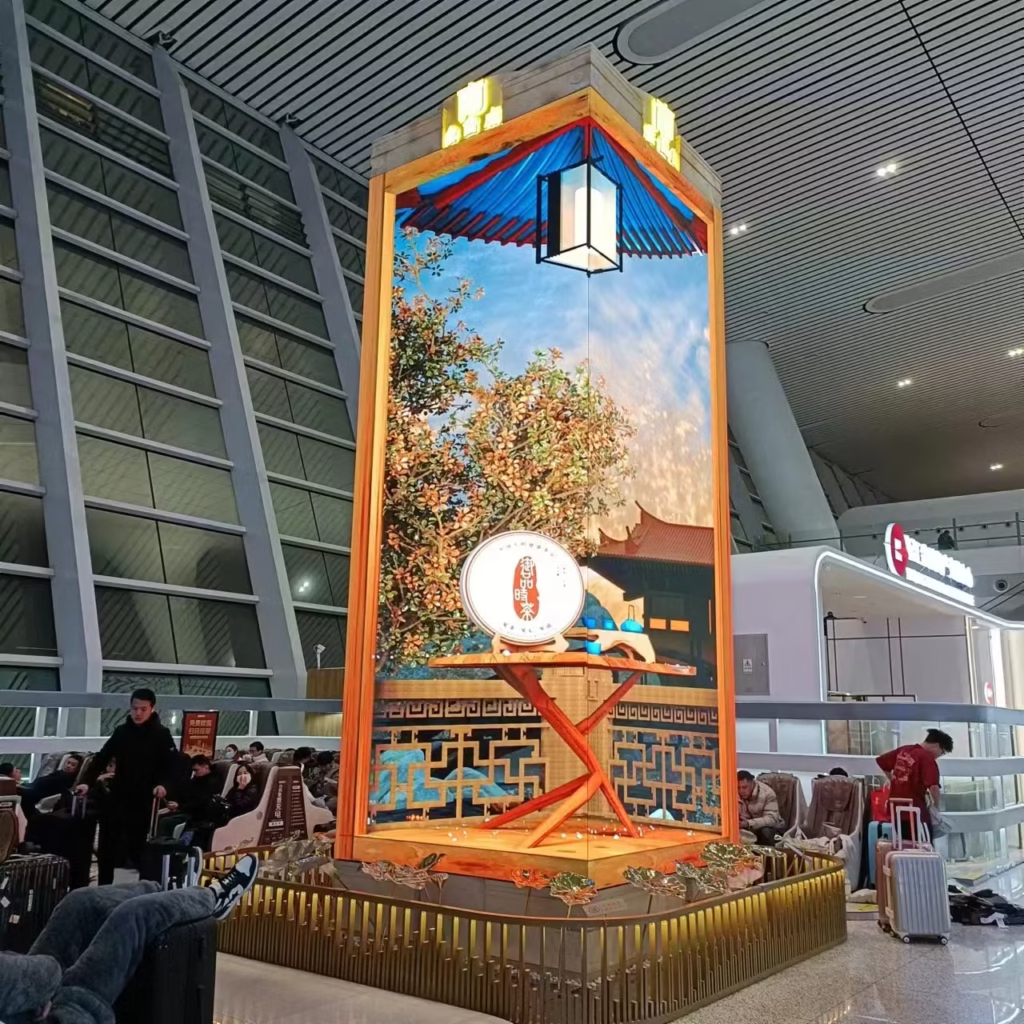
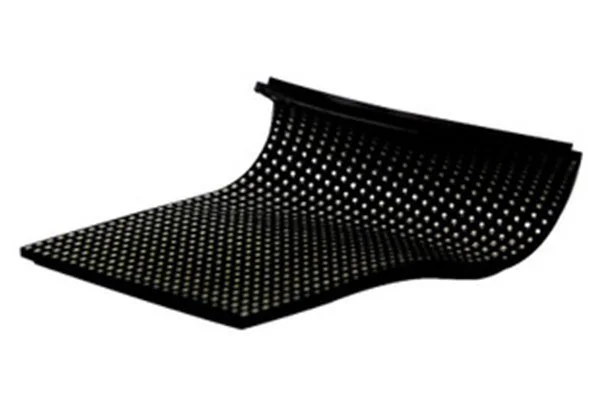
This shift changes expectations. LED walls are no longer temporary or decorative. They’re permanent, intentional, and spatial. The technology is adapting accordingly, with thinner profiles, lighter panels, and mounting systems designed for long-term architectural integration.
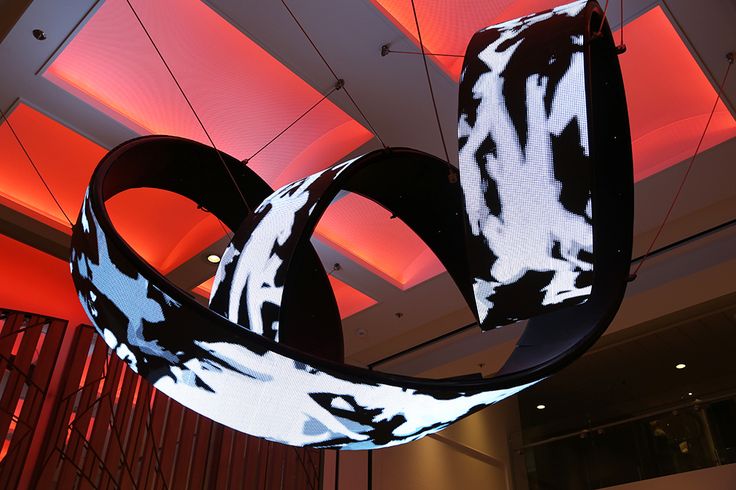
As this trend accelerates, LED video walls will feel less like screens and more like surfaces that happen to display content.
Pixel Pitch Is Getting Finer—But More Thoughtfully
Yes, pixel pitch continues to shrink. But the future isn’t about racing toward the smallest number possible.
What’s changing is how pixel pitch is selected. Instead of defaulting to ultra-fine resolutions, designers and integrators are matching pitch more precisely to viewing distance, content type, and environment. This results in displays that feel crisp without unnecessary cost or complexity.
As LED manufacturing improves, finer pitches become more accessible, particularly for indoor and residential applications. But the real advancement lies in smarter specification, not just higher density.
The future of LED video wall technology is less about specs for their own sake and more about performance that feels right in context.
Transparent LED Is Moving Into the Mainstream
Transparent LED video walls technology have existed for years, but they’re now entering a phase of broader adoption.
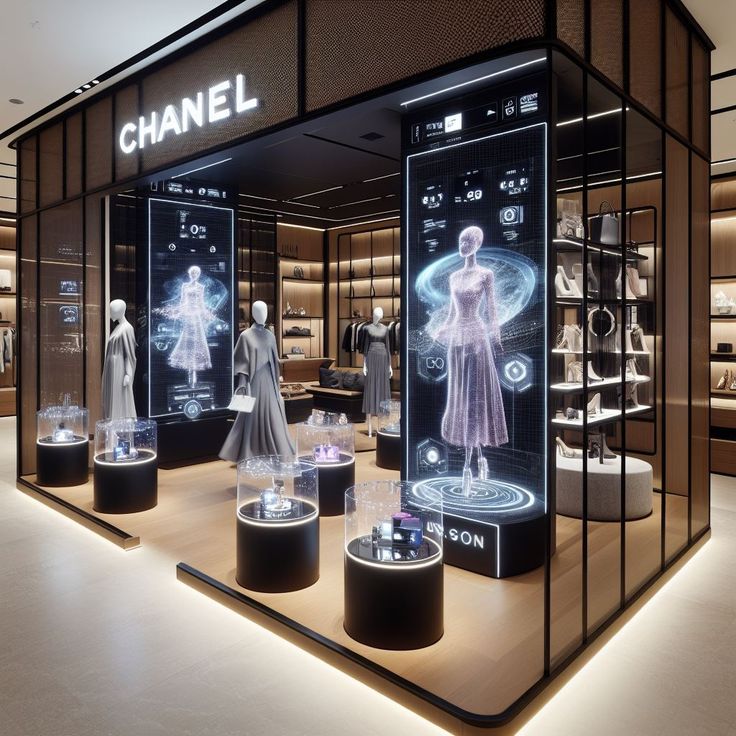
Advancements in brightness, transparency ratios, and structural integration are making transparent LED viable for more than niche installations. Retail storefronts, glass facades, museums, and mixed-use developments are embracing displays that deliver content without blocking light or views.
What’s changing is perception. Transparent LED is no longer seen as a novelty; it’s viewed as a solution for spaces where traditional screens simply don’t belong.
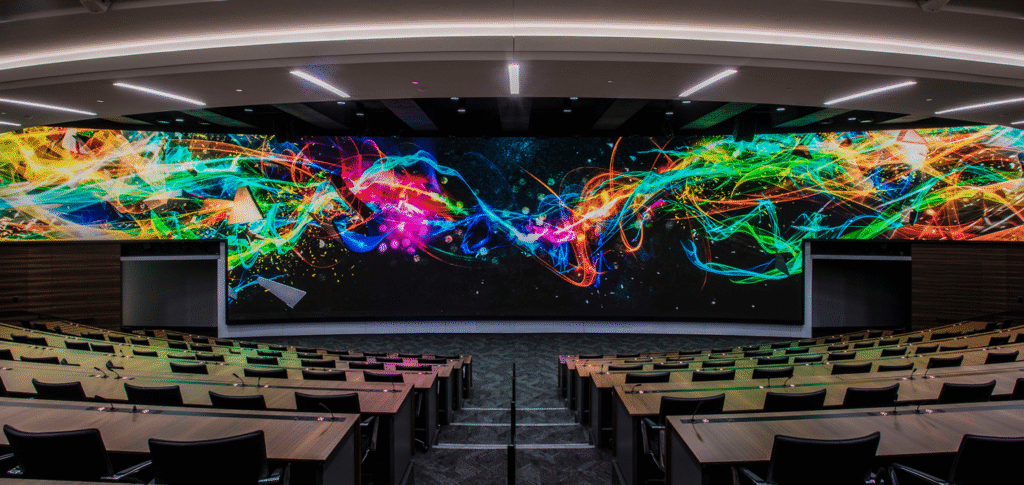
As content design for transparent displays matures, expect to see these systems used more subtly—enhancing environments rather than dominating them.
Energy Efficiency Is Becoming a Design Priority
Sustainability is shaping technology decisions across industries, and LED video walls are no exception.
Manufacturers are improving power efficiency, reducing heat output, and optimizing brightness management. Smarter control systems adjust luminance based on ambient light, content type, and time of day, lowering energy use without compromising visibility.
This matters most in large-scale and permanent installations, where operational costs accumulate over time. The future of LED video wall technology favors systems that deliver impact responsibly.
Efficiency isn’t just a cost consideration anymore—it’s part of the design conversation.
Control Systems Are Getting Simpler and Smarter
As LED video wall technology grows more complex physically, their control systems are becoming more intuitive.
Modern processors and content platforms are reducing friction for end users. Scheduling, content updates, live input switching, and diagnostics are increasingly centralized and user-friendly.
Remote monitoring is also improving. Integrators can track performance, detect issues early, and adjust settings without on-site intervention. For clients, this translates to fewer surprises and smoother long-term ownership.
The future isn’t about adding features—it’s about removing barriers between people and the technology they rely on.
Content Is Driving Hardware Decisions
Another important shift is the growing influence of content on hardware selection.
In the past, displays were often chosen first, with content adapted afterward. Today, that order is reversing. Brands, event producers, and designers are thinking about storytelling, motion, and interaction before locking in specifications.
This change affects everything from aspect ratios to brightness requirements. LED video walls are being tailored to support specific content strategies rather than generic use cases.
As a result, installations feel more intentional and less interchangeable.
Immersive Experiences Are Becoming More Subtle
Immersion remains a key driver, but the future favors subtlety over overload.
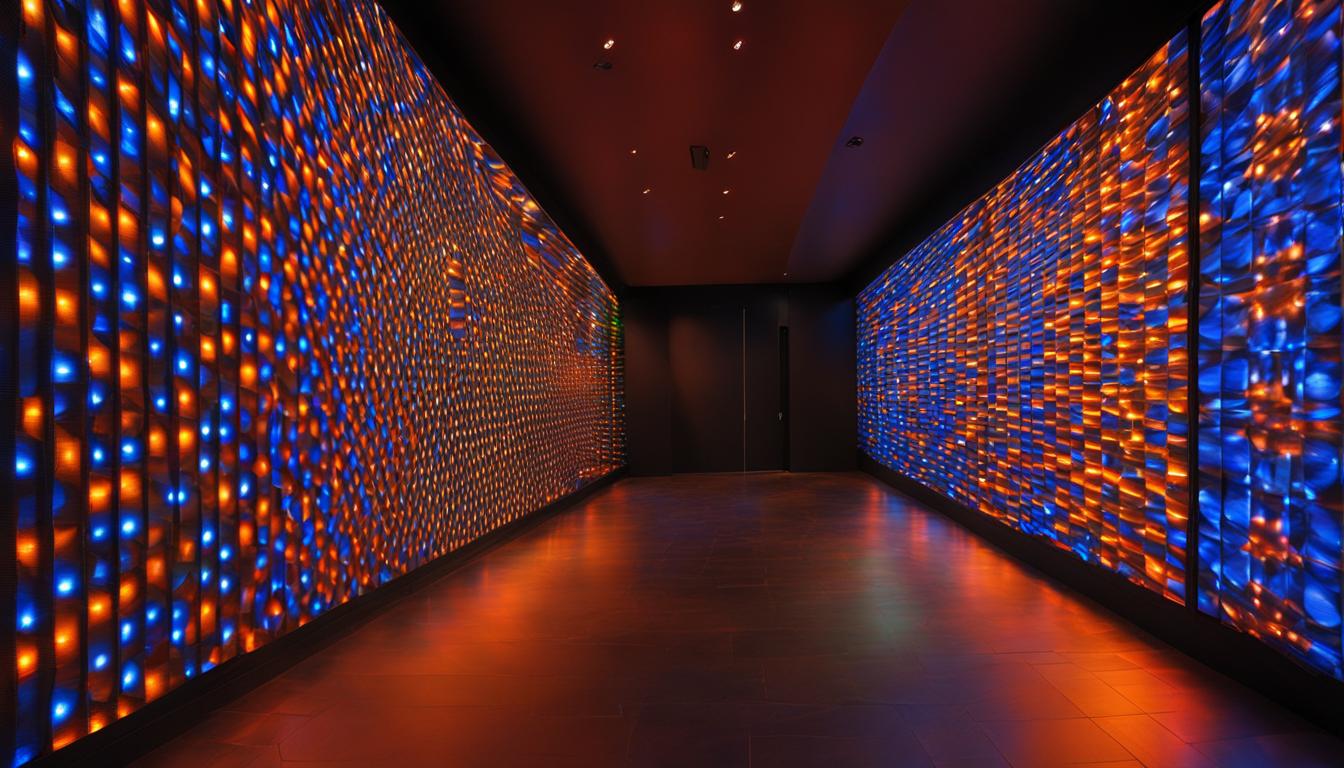
Rather than overwhelming viewers with constant motion and brightness, many designers are using LED walls to create atmosphere. Slow-moving visuals, texture, and light transitions are replacing aggressive animations.
This approach works particularly well in corporate, cultural, and luxury environments where restraint communicates confidence.
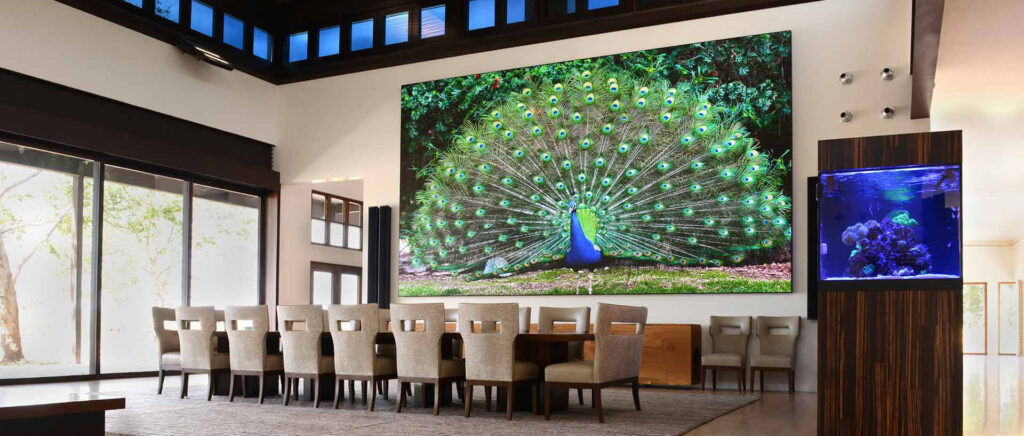
The technology is powerful enough to dominate a space. The future lies in knowing when not to.
Modular Design Enables Long-Term Flexibility
LED video walls have always been modular, but future systems are becoming more adaptable over time.
Panels are easier to replace, upgrade, or reconfigure without dismantling entire installations. Control systems are designed to accommodate future expansion. Content platforms evolve without requiring hardware changes.
This flexibility aligns with how organizations think about long-term investments. Instead of committing to a static solution, clients can plan for growth and change.
The future of LED video wall technology supports evolution, not obsolescence.
Outdoor LED Walls Are Blending With Urban Design
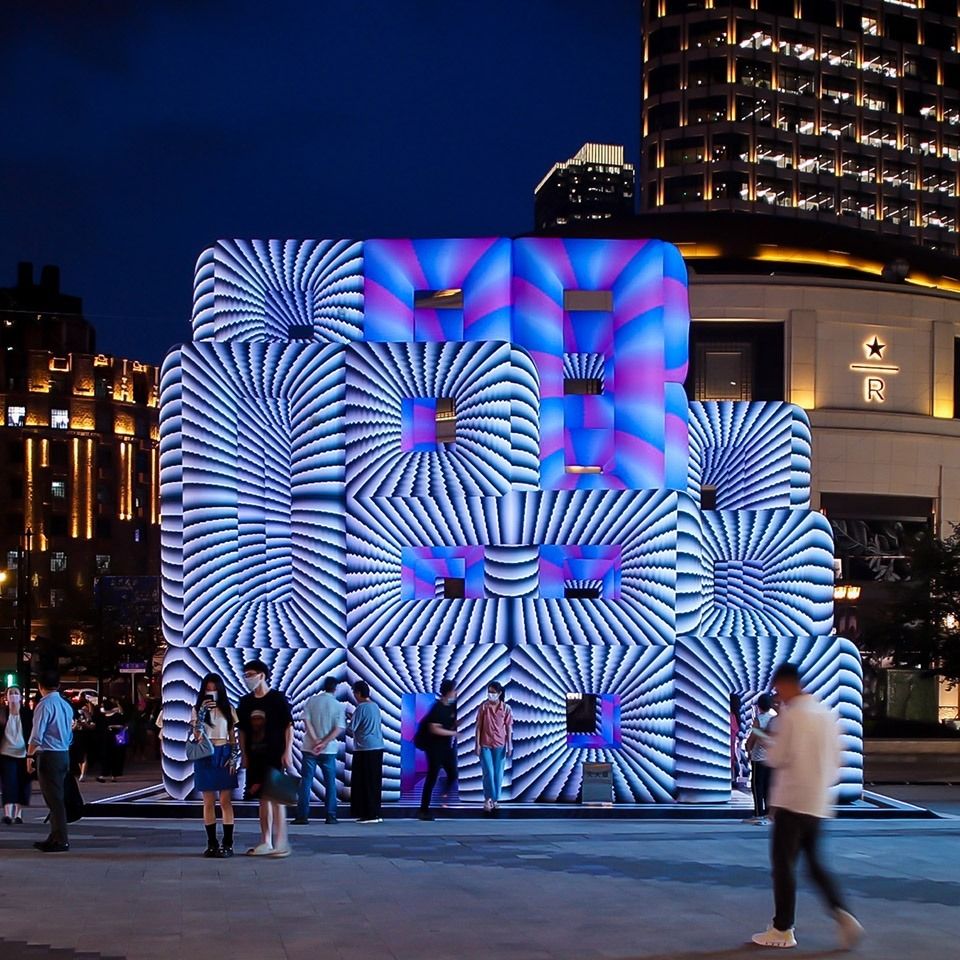
Outdoor LED video walls are moving beyond advertising into civic and cultural roles.
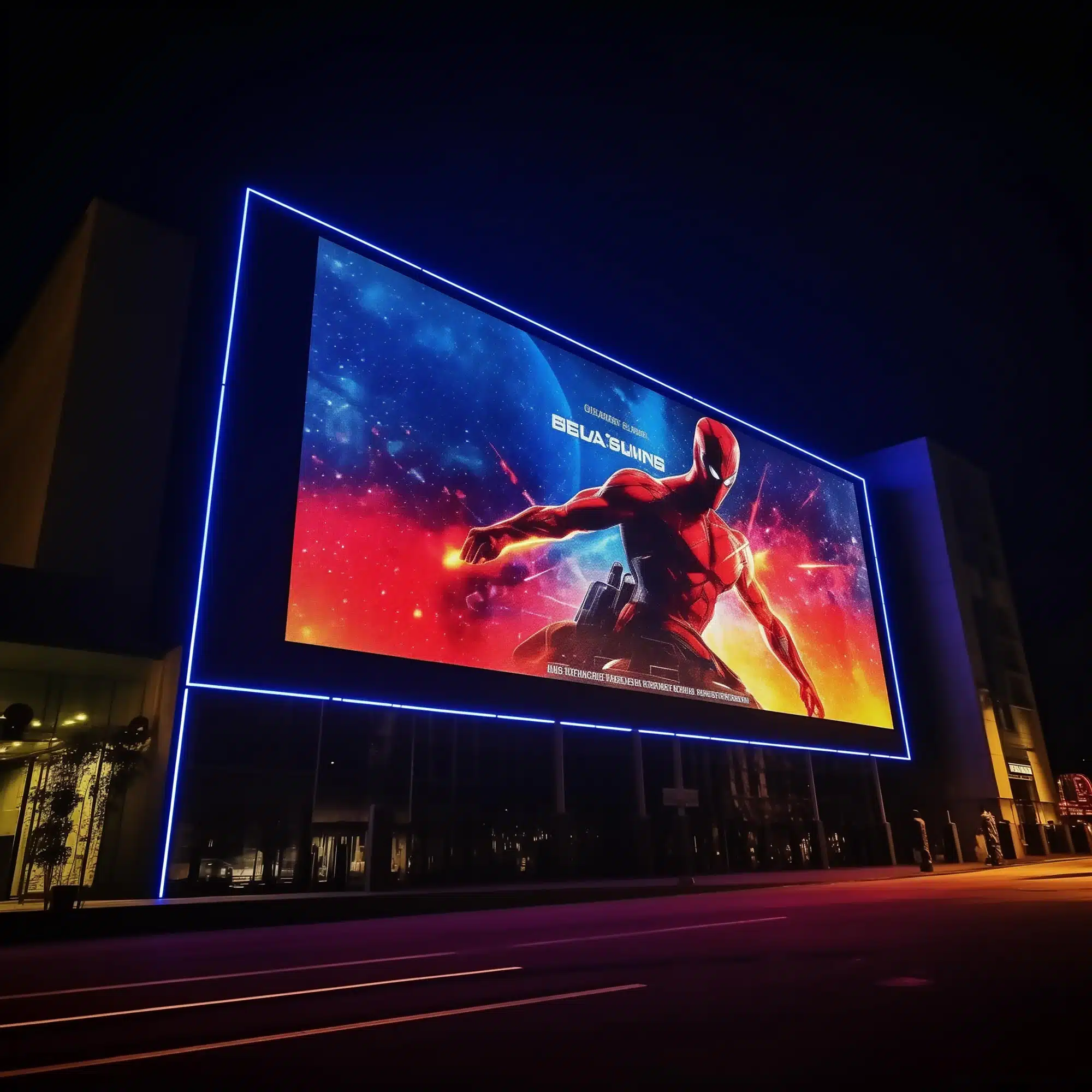
Cities are using large LED installations for public art, event programming, and information sharing. The technology is becoming more refined—brighter when needed, calmer when appropriate.
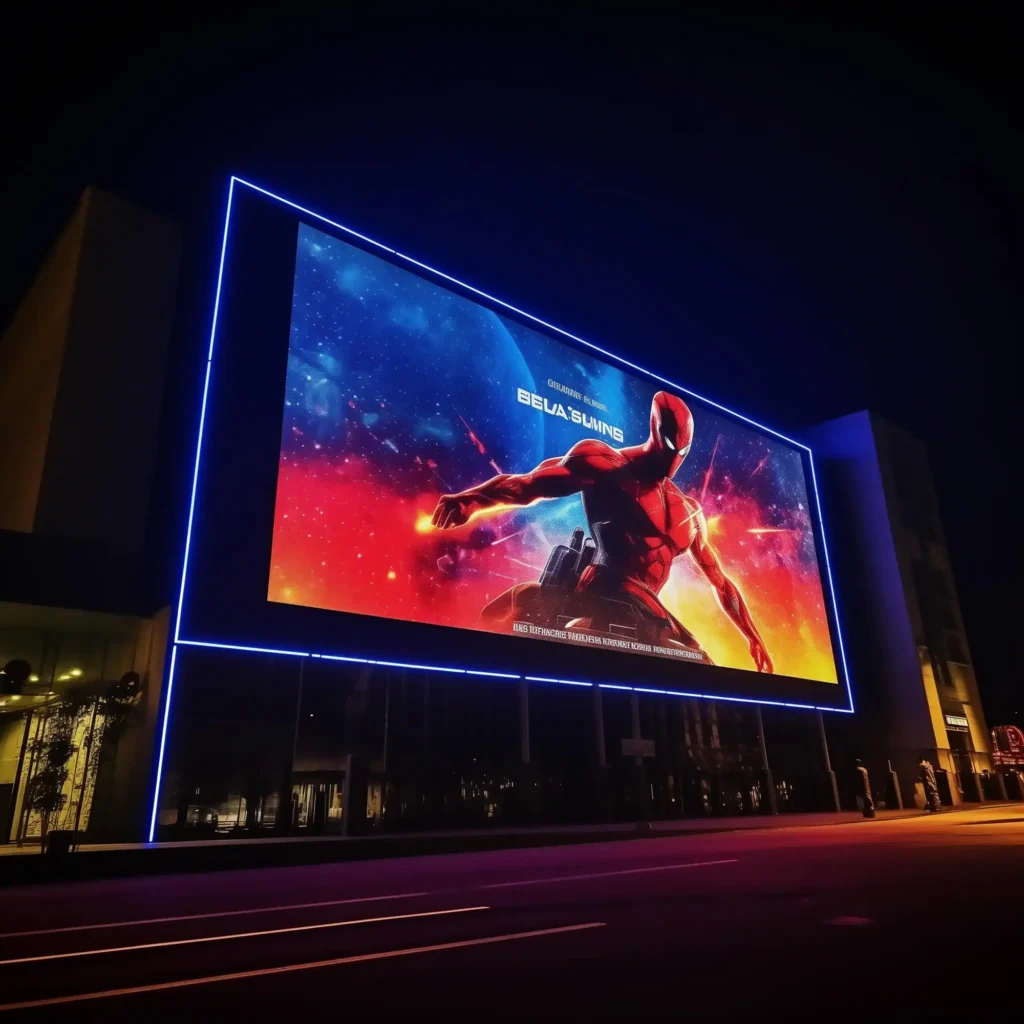
Designers are paying closer attention to how these displays interact with urban environments, considering sightlines, scale, and visual comfort.
As regulations and community expectations evolve, outdoor LED walls will increasingly be judged by how well they integrate, not just how visible they are.
Residential Adoption Is Expanding Quietly
While commercial installations still dominate, residential LED video walls are growing steadily, especially in high-end homes.
Improved pixel pitch, quieter operation, and better integration options are making LED walls viable alternatives to traditional TVs in large or light-filled spaces.
The future here isn’t mass adoption—it’s thoughtful adoption in homes where architecture and viewing experience demand something more flexible than a flat panel.
Why Experience Matters More Than Ever
As LED video wall technology advances, the gap between good and great installations widens.
The hardware is more capable, but that capability must be guided by experience. Planning, integration, content strategy, and long-term support all play a role in whether a display feels timeless or dated within a few years.
The future belongs to projects where technology supports the space, not the other way around.
A Thought on Where SeeThruDisplays Fits In
At SeeThruDisplays, much of the focus has been on applications where LED video wall technology needs to integrate cleanly into real environments—especially glass-heavy, architectural, and design-forward spaces.
Following trends matters, but understanding which ones serve a project is more important. The most successful LED installations rarely chase every innovation. They select the right ones and apply them with restraint.
That mindset will matter even more as the technology continues to evolve.