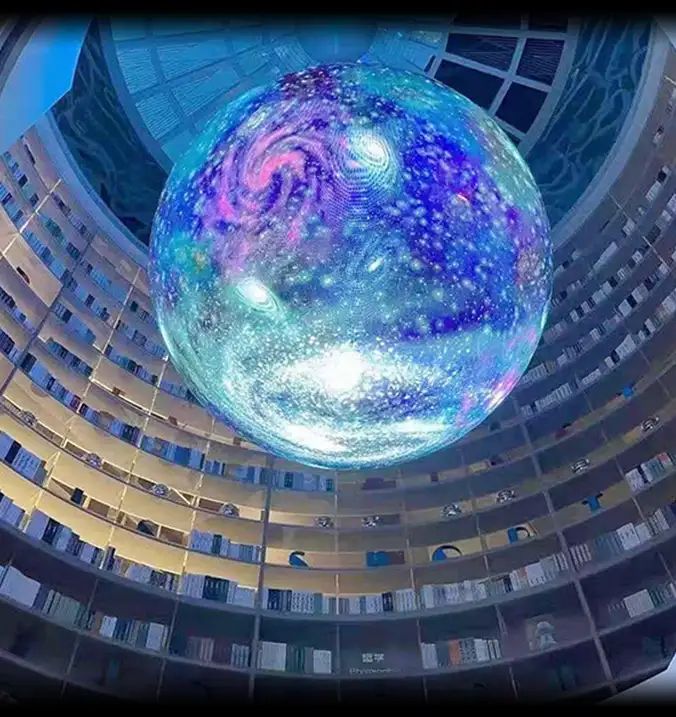
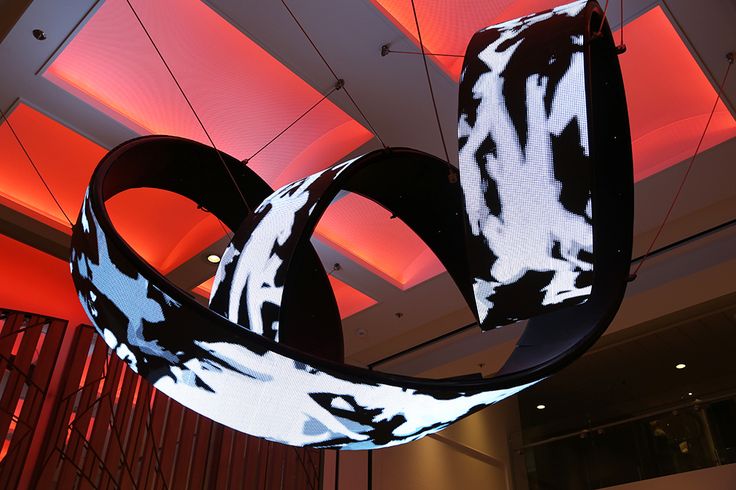
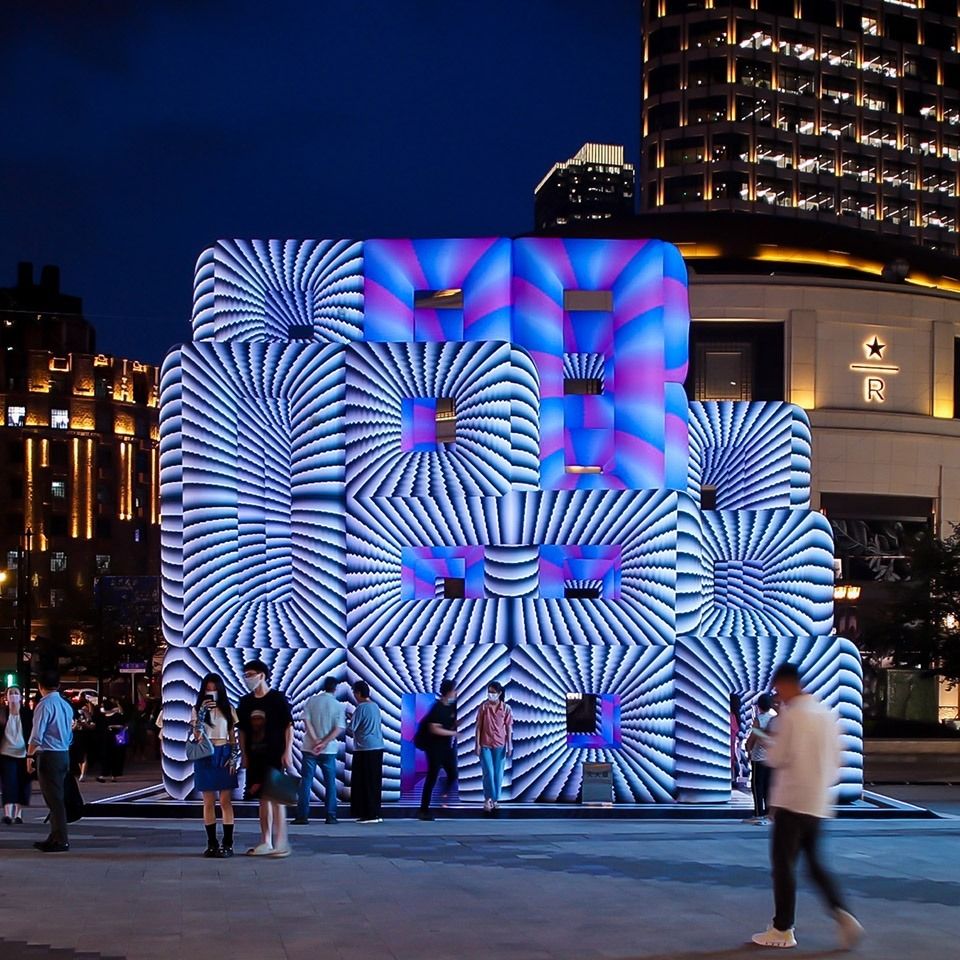
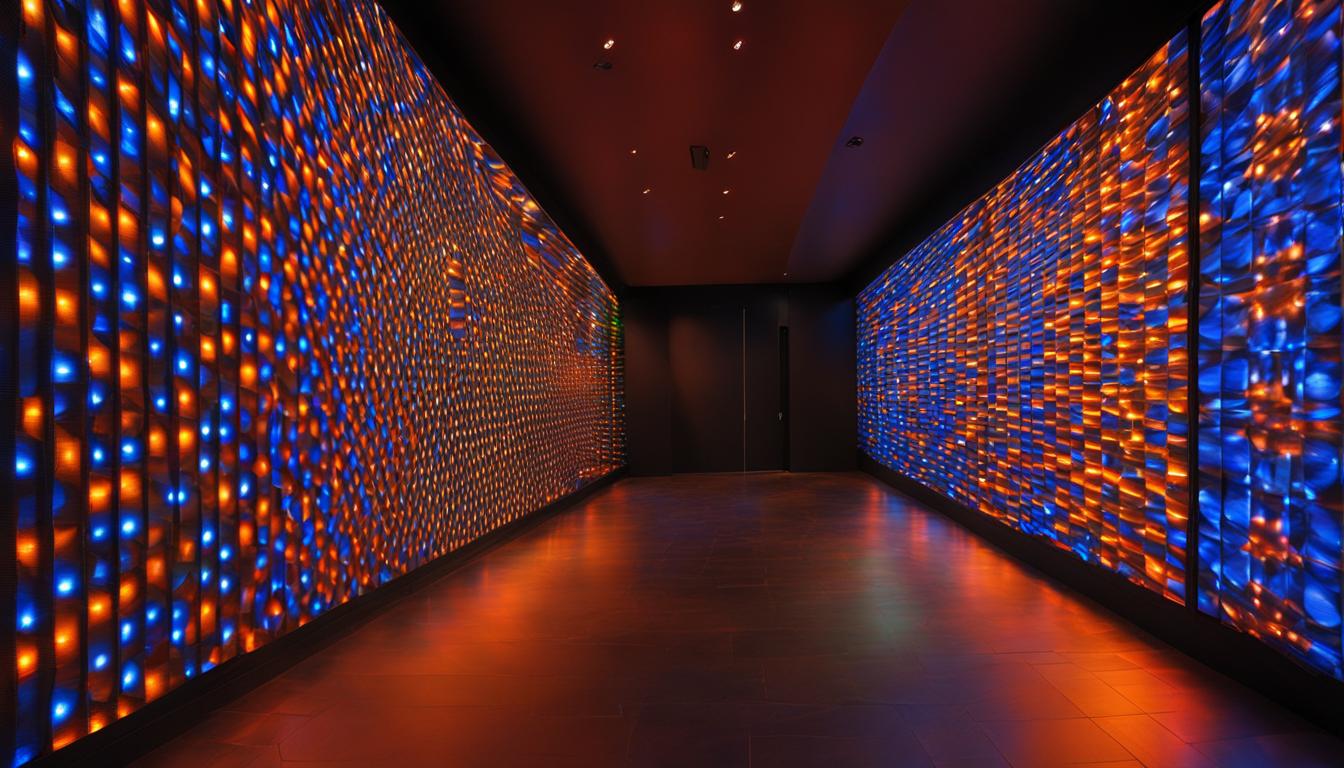
A tunnel lined with LEDs is a different experience entirely. It isn’t just a corridor or a passageway—it becomes a space that moves, pulses, and reacts. Walls, ceiling, sometimes the floor, shimmer with light, and every step feels framed by color, motion, and rhythm. The effect is immersive, and it doesn’t need physical alterations to the architecture itself.
LED tunnels are the product of a few trends coming together: fine-pitch LEDs, smaller and lighter modular panels, and control systems that can handle complex sequences. But the fascination isn’t just technical. It’s perceptual. A tunnel is linear by definition, but wrapped in light it stops being a simple path and starts to feel like a stage. People inside don’t just move—they interact with perception itself.
The Allure of Enclosure
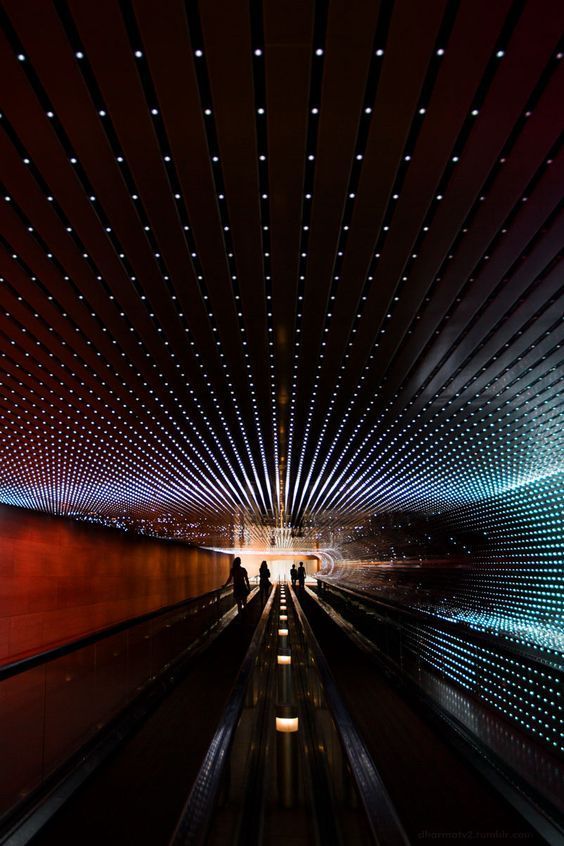
Tunnels naturally limit visual distraction. That constraint becomes part of the medium. Designers can use it deliberately, layering light and motion in ways that feel almost cinematic. Colors cascade along walls, patterns ripple overhead, reflections flicker on polished floors.
It’s not just about spectacle. There’s a subtle psychological effect. Humans respond differently to enclosed illuminated spaces. The brain interprets the tunnel as a contained environment, which makes motion and color feel more intense. Even moderate brightness suddenly seems vibrant. Small details that might get lost on a wall become impossible to ignore.
Motion Is Everything
Motion defines LED tunnels. Still images feel inert; loops of video, flowing gradients, or particle trails create engagement. Some tunnels even use sensors. Steps trigger ripples. Music drives ambient waves. Even when subtle, the interplay between movement and light makes the tunnel feel alive.
Advanced tunnels respond to people. A single person walking triggers a trail of light. Two people crossing paths create intersecting effects. It’s mesmerizing, even if no one understands the mechanics behind it. The floor and walls almost feel like instruments, and the audience becomes a performer.
Design Challenges
Building a good LED tunnel is deceptively hard. Linear spaces are narrow. Panels must align perfectly, especially with tight pixel pitches. Even a small misalignment sticks out immediately because the tunnel magnifies perspective errors. Curved ceilings or arches make things even trickier.
Heat is another problem. Enclosed spaces trap warm air, and LEDs generate heat. Without proper ventilation, modules degrade faster. Brightness consistency is tough too. Angles, reflections, and distance from viewers all matter.
Then there’s software. Complex content across walls, ceilings, and sometimes floors needs to run in perfect sync. Even minor lag breaks the illusion. Tunnels are unforgiving. What works on a flat wall usually doesn’t work when it wraps around people.

Beyond Nightclubs
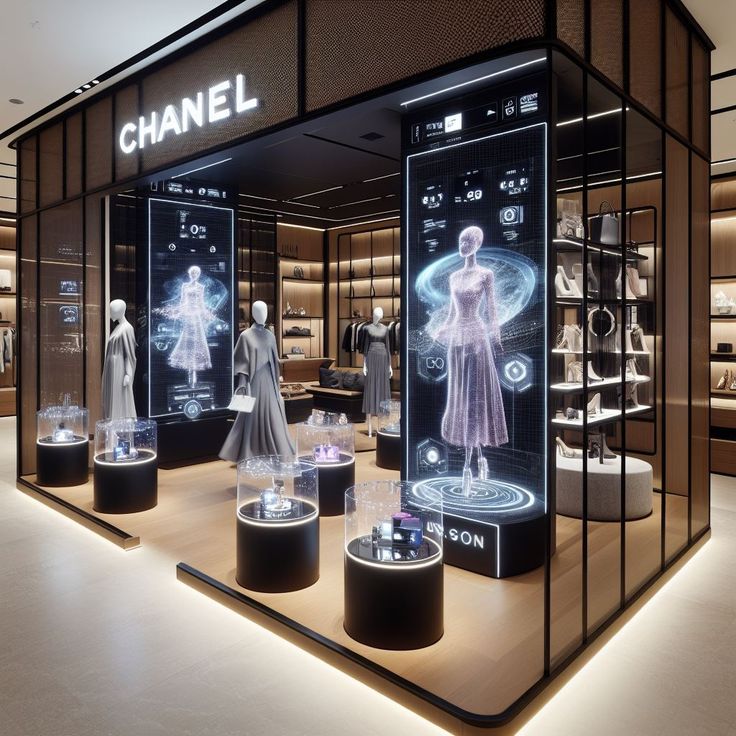
LED tunnels are no longer just flashy features in nightclubs or concerts. Airports, train stations, museums, and retail spaces are starting to use them. In airports, subtle motion guides passengers without cluttering walls with signs. Museums use tunnels to transition visitors between exhibits. Retail brands turn corridors into Instagram-ready experiences.
Even corporate spaces are experimenting. A data center lobby might show live system metrics. A corporate HQ reception might display ambient brand visuals that also guide foot traffic. The tunnel communicates without saying a word, integrating technology with space.
Experiential vs. Functional
The tension in tunnel design is always between spectacle and comfort. Too aggressive, and people feel disoriented. Too subtle, and it fails to engage. Designers must balance visual impact with human perception. What works on a wall can feel overwhelming in a confined space.
Content strategy is key. Motion speed, colors, brightness, pattern density—all must be tuned. Interactivity adds complexity but also opportunity. A well-designed tunnel can guide, inform, entertain, and even calm people all at once.
Modular Panels and Maintenance
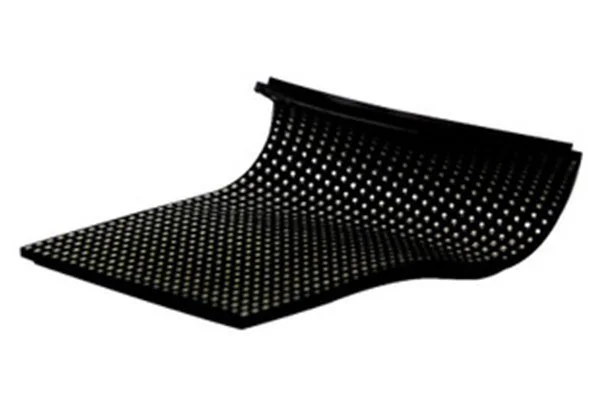
Most LED tunnels are modular. Individual panels can be swapped without taking down the entire tunnel. Smaller modules allow smoother curves and tighter designs. Some installations even use flexible panels for slight structural variations.
This also affects content. Designers have to account for seams and edges. The best tunnels hide the technology so well that people see continuous light rather than panels. That illusion is what makes the experience feel seamless.
Energy and Longevity
LED tunnels use a lot of power. Continuous illumination in a small space is demanding, especially bright LEDs. But adaptive brightness, selective panel activation, and sensors help. Panels light up only where needed, which saves energy and makes interaction feel dynamic.
Enclosed modules run hotter, so thermal design is critical. Modular construction allows for quick replacements, reducing waste. In most cases, energy costs are offset by the value of the experience—the tunnel becomes a feature rather than just a hallway.
Curvature and Immersion
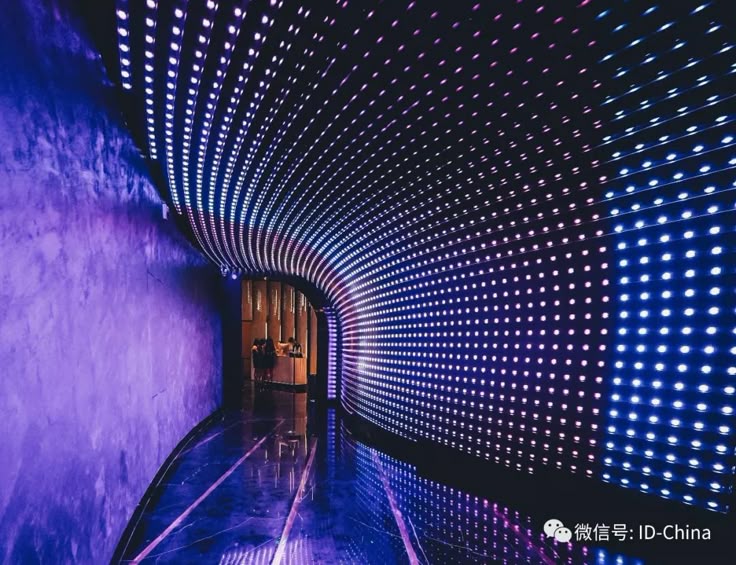
Not all LED tunnels are straight. Arched, cylindrical, or spiraling designs are increasingly common. Curvature changes how light hits surfaces and how viewers perceive motion. Cylindrical tunnels create natural motion paths for visuals. Spiraling tunnels extend the sense of space. Arches soften edges and reflections.
Curvature introduces technical challenges too. Modules must fit the shape precisely. Alignment tolerances shrink. Shadows and reflections behave differently. But when done right, the tunnel stops feeling like a corridor and starts feeling like a world.
How It Feels
At the end of the day, LED tunnels are about perception. People rarely walk through one and ignore it. Motion, color, and interactivity alter pace, focus, and mood. Participants become part of the display, whether they realize it or not. The tunnel doesn’t just show content—it orchestrates movement and attention.
This is why museums, retail spaces, and corporate environments are embracing them. The tunnel becomes an interface that is architectural, aesthetic, and technological all at once.
What’s Next
Expect LED tunnels to get more intricate. Finer pitch, higher refresh rates, AI-driven interaction, and more complex curves. Tunnels will be planned from the beginning in architecture, not just inserted later. Structural support, airflow, and service access will be part of the design brief.
The result: the tunnel becomes a space rather than just a screen. People don’t pass through—they experience. And that is the promise of LED tunnels in 2026 and beyond: screens that stop being flat and start being alive.
LED tunnels show how pixels can move beyond rectangles, beyond walls. They guide, envelope, and shape perception. Every step through them proves that LED technology is no longer just about images. It’s about space, motion, and human experience.