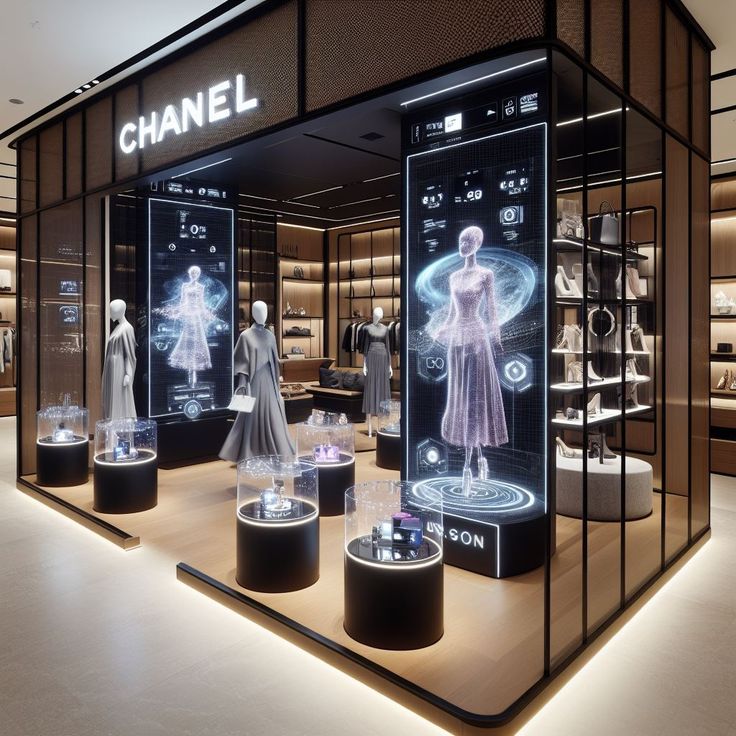
There’s something quietly thrilling about watching a wall of light roll across a room. Not just any wall, mind you—a wall on wheels, flexible, portable, and capable of commanding attention wherever it goes. The LED rolling display isn’t fixed. It’s part tool, part stage prop, part signage, all at once. And it’s easy to underestimate how much mobility changes the way a space feels.
Traditional LED screens are anchored. They require planning, rigging, and sometimes heavy structural support. A rolling display defies that expectation. Suddenly, a high-resolution, high-brightness screen can appear in a corner, pivot during an event, or glide into place mid-presentation. The room isn’t static anymore. It shifts with the screen, responding, adapting. And that changes everything.
When Mobility Becomes Design
Portability isn’t just about convenience. It changes how designers think about space and attention. A screen that moves alters timing, audience focus, even perception of scale. You can reveal content gradually, pivot the display to direct attention, or reposition it to transform a crowded hall into an intimate experience. Motion alone is persuasive. A rolling screen doesn’t have to shout—it simply moves, and eyes follow.
The effect is subtle but real. Even observers who don’t consciously notice the screen’s motion respond to it. A moving LED display becomes part of the choreography of the room, not just a digital backdrop. Its presence is alive, dynamic, and almost performative.
Engineering Portability
Of course, a LED rolling display isn’t just a screen on a cart. There’s a lot of engineering under the hood. Panels need to stay rigid enough to avoid bending, yet the frame must move smoothly without vibration. Cables and drivers have to accommodate motion without causing flicker. Even heat becomes tricky—airflow isn’t fixed, so thermal management has to be clever.
Flexibility doesn’t end with movement. Many rolling displays are modular. You can join units for a larger surface or split them into multiple smaller screens. That adaptability doesn’t just solve problems—it affects how people experience the space. A single panel can become a focal point; several together can dominate a room. Each configuration tells a slightly different story.
Content That Moves With the Screen
Content strategy changes when the screen itself moves. Static graphics suddenly acquire momentum, video sequences gain another layer of depth. Designers can choreograph digital motion to interact with physical motion. The rolling display becomes part of the story, not just a canvas.
Subtle effects, like staggered activation or partial animation, add even more dimension. One panel pivots to reveal a message while another remains static. Motion draws the eye without overwhelming it. The audience isn’t just watching—they’re participating in the spatial choreography, whether they know it or not.
The Psychology of Movement
There’s a psychological punch in mobility. A screen that rolls into place feels intentional, almost alive. People react to it instinctively. A static wall can only demand attention; a moving wall can command it. Even small shifts—just a few feet left or right—can transform how the space feels. Mobility makes the installation feel dynamic, alive, and responsive in ways a fixed display never could.
Portability also changes perception of permanence. Audiences understand that the display can move. That knowledge makes spaces feel flexible, adaptable, and less rigid. Rolling LED screens invite curiosity, engagement, and interaction without any extra bells and whistles.
Technical Reality
Rolling screens are deceptively simple-looking. But every aspect has to be precise. Frames must remain rigid under motion, connections must tolerate vibration, and signal integrity can’t wobble. Even minor jitter is noticeable. Power distribution, hinge integrity, wheel stability—all of it matters.
Maintenance, too, is a constant consideration. These screens get handled, stored, and moved frequently. Hinges, casters, and connectors are potential points of failure. Attention to materials and design isn’t optional—it’s essential. When it’s done well, you barely notice the engineering. When it’s off, every misalignment or flicker jumps out.
Adapting Spaces
Rolling LED screens are surprisingly adaptable. Corporate events can reposition them throughout the day. Galleries can use them as temporary partitions or pop-up exhibits. Retail spaces can shift displays for seasonal campaigns or product launches. Flexibility isn’t just convenient—it’s creative freedom.
Scale becomes fluid, too. A single unit can dominate a small space. Multiple units can create walls, corridors, or immersive installations. Designers can iterate in real time, responding to audience movement and room dynamics. In effect, mobility accelerates creativity.
Interaction and Participation
Rolling screens invite human interaction, even indirectly. People follow, angle themselves, or subconsciously adjust their line of sight. Motion sensors or touch overlays can make the screens reactive. A screen that moves toward an observer suddenly feels alive. Content can reveal, adapt, or respond in real time.
Multiple rolling units create layered experiences. Screens can move independently, stagger content, or coordinate for dramatic effects. The result is immersive storytelling without the complexity of projection mapping or augmented reality. Physical movement plus LED motion creates its own magic.
Beyond Convenience
At the end of the day, rolling LED displays are more than portable screens. They are tools for shaping perception, attention, and experience. They turn walls into mobile canvases and events into stages. Light, motion, and physicality combine into something richer than pixels alone can provide.
They remind us that display technology isn’t just specs on paper. Nits, resolution, and refresh rate matter—but presence, mobility, and context matter more. A rolling display has agency. It responds to the room, to the audience, and even to time of day. It adapts and engages. And when it’s done right, it doesn’t just illuminate a room—it orchestrates it.