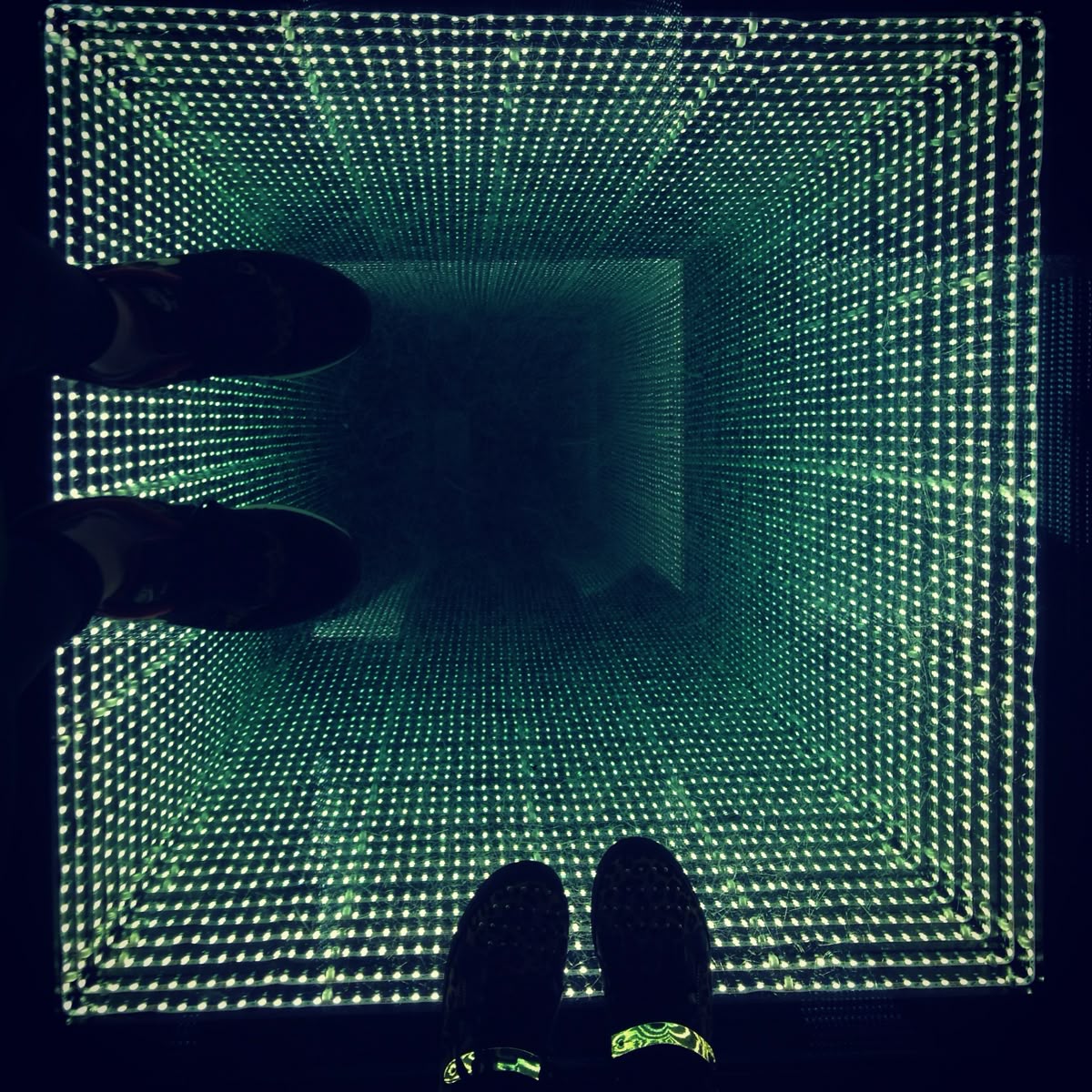
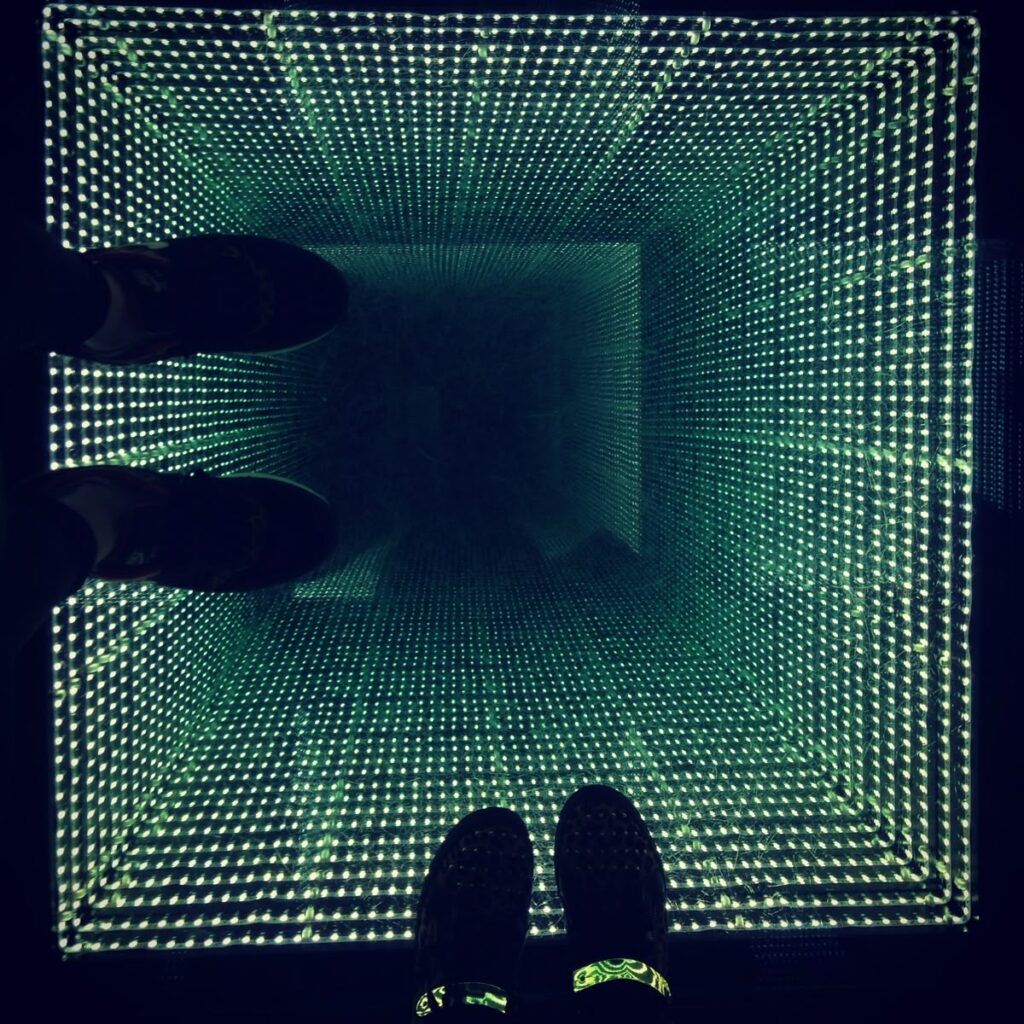
They glow first, before anything else. Enter a club, a wedding hall, a theater, and the floor hums in color beneath every footstep. It is not the music that claims attention initially, or the cocktails, or even the bodies in motion—it is the floor. A grid of light tiles, each a small rectangle or square, assembling and disassembling into patterns as though the room itself is breathing. Interactivity, feedback loops, immersive experiences—these terms can be tossed around endlessly—but the LED dance floor delivers in blunt poetry. It does not whisper. It glows. And in doing so, it convinces a room that its spatial reality has been subtly shifted.
The Argument of Tiles
Color saturation, timing, tile spacing—seemingly trivial choices that are, in practice, persistent sources of tension. A tile just a millimeter off, a panel slightly misaligned, and the illusion of seamless motion collapses. Attention is drawn to the flaw, not the choreography of light. Yet this collapse is not failure; it is a reminder that all of this is constructed. Electronics, firmware, and stubborn hands with screwdrivers form the hidden scaffolding of enchantment. Perfection is optional, and the imperfection often becomes part of the visual narrative.
Passive Aggression
The LED dance floor occupies a strange duality: simultaneously passive and aggressive. Step onto it, and it appears to respond—or at least the brain insists it does. Most of the time, it does not respond to human presence at all; it is choreography pretending to be reactive. Yet the illusion is enough to elicit movement. Bodies shift, hesitate, accelerate. The floor dictates rhythm without ever touching a note. Design decisions about responsiveness—how sensitive a tile is, how quickly a pattern fades—become ethical as much as aesthetic considerations. Too fast, and the effect is chaotic; too slow, and it feels lifeless. There is a narrow band where technology and perception meet.
Spatial Seduction
The floor manipulates more than just light; it negotiates space. In a dim hall, a glowing square of white surrounded by saturated amber draws people toward it. A gradient of blues and purples inverts the sense of depth, and suddenly the room seems larger, smaller, less predictable. Furniture placement, ceiling height, speaker orientation—all these variables interact with the floor in unspoken dialogue. Unlike walls or screens, the floor anchors experience physically: every step is a brushstroke in an ongoing canvas. Design choices ripple immediately, not just visually but through movement and posture.
The Human Interface
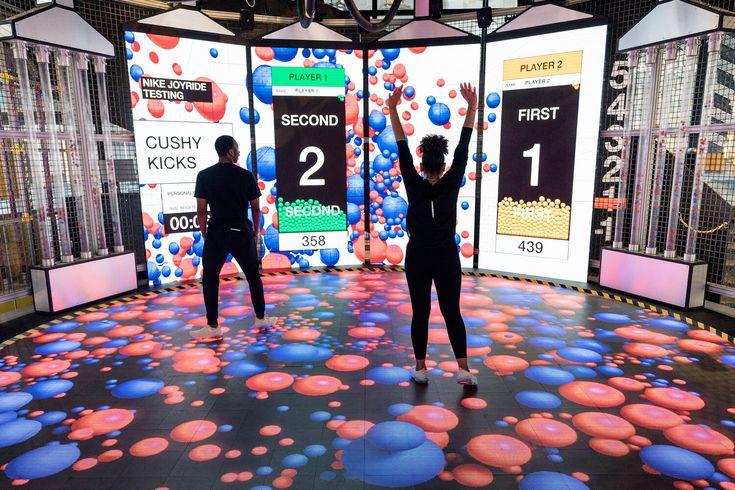
Interaction is never quite literal. Feet, heels, bare toes, sneakers—they read differently on the same tiles. The floor does not judge but records in flickers of light that change with weight, speed, proximity. Patterns that appear programmed reveal traces of bodies. Dancers adapt unconsciously, learning which tiles hold longer glows, which flash too quickly to be trusted. There is negotiation between human intent and electronic output, subtle yet persistent. Some designers obsess over software, writing complex algorithms for motion detection, but even the simplest floors produce emergent choreography when enough bodies occupy them. Complexity is unnecessary; complexity sometimes betrays spontaneity.
Material Matters
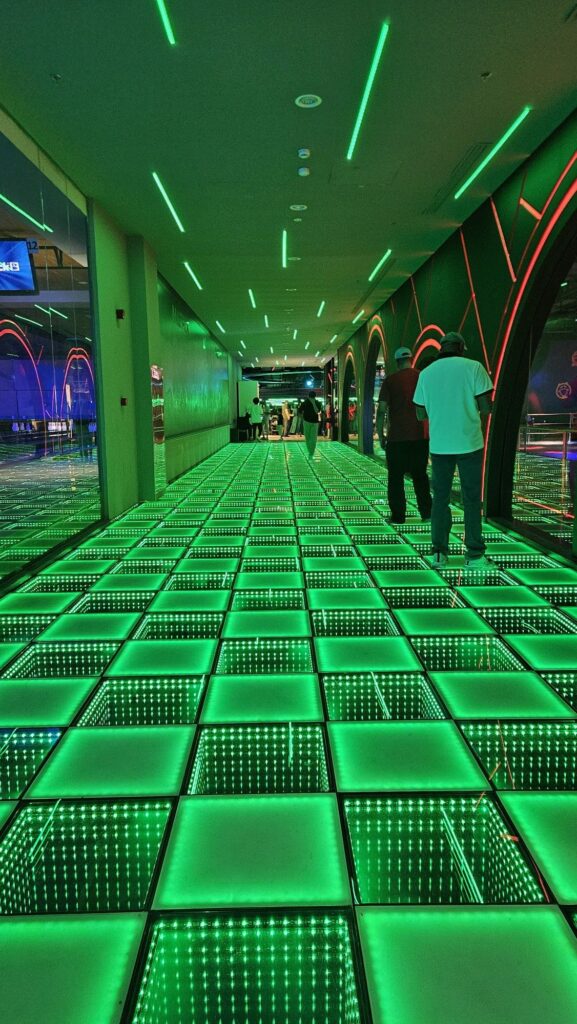
The tactile quality of the tiles rarely gets mentioned, but it is essential. Acrylic surfaces, tempered glass, and polycarbonate feel different underfoot. Reflection, refraction, diffusion—these are as critical to perception as the LED array beneath. A matte finish softens color transitions but absorbs ambient light, changing the perceived intensity. Glossy tiles produce glare, highlighting imperfections in alignment, soldering, or panel seams. The choice of materials is not aesthetic indulgence—it shapes the very language of movement.
Patterns That Lie
The programmed choreography of light is often deceptive. Geometric animations suggest order, symmetry, progression. Reality resists. People step unpredictably, heels scrape, shoes stick. The illusion of a perfect grid fractures with every body, and the floor betrays its own rules. This betrayal is not failure but honesty in another register. Design must account for it. Too rigid a sequence and the floor feels brittle, punitive. Too loose, and it becomes visual noise. The balance is subjective, elusive, constantly renegotiated.
Context Over Control
LED floors rarely exist in isolation. The same floor in a hotel ballroom functions differently than in an underground club. Ambient lighting, wall texture, and ceiling height modulate perceived brightness and color saturation. Sound levels influence how people move, which in turn changes the interaction with the floor. Designers who ignore context are often disappointed when the first real audience steps on the tiles. Predictive models falter; algorithms assume perfect conditions that never exist. Reality is messy, and sometimes the most elegant solution is simply observation—watching bodies negotiate the light and responding in real time.
The Time Dimension
Movement is not just spatial; it is temporal. Patterns that linger, fade, or stutter produce different psychological effects. A rapid staccato of flashes creates tension, anticipation, even anxiety. Slow undulations induce relaxation or trance. Designers obsess over color theory and waveforms but often underestimate the significance of duration. Light, in this case, is less a static medium than a temporal one. The floor becomes a metronome, orchestrating subtle emotional shifts across a crowd without a note of music.
Imperfect Perfection
Imperfections are integral. A panel that flickers unpredictably, a pattern that misaligns for a split second, these moments inject authenticity. In a room full of controlled lighting, such faults are reminders of presence: of hands that wired the grid, of people moving in unpredictable ways, of electricity behaving capriciously. Striving for perfection can sterilize the experience, turning an LED floor from a living, reactive canvas into a cold, mechanical display. Design is negotiation, and negotiation requires tolerating the unexpected.
Footnotes in Movement
The most compelling floors are those that seem to write their own footnotes. A fleeting pulse of red under a sneaker, a lingering green in a corner where someone paused—these moments exist outside the master plan. They are not failures, not mistakes; they are annotations, ephemeral signatures that the room leaves behind. In design circles, emphasis is often placed on control, modularity, repeatability. Yet the floor’s genius is in its insistence on improvisation.
The LED dance floor does not need an argument, a lesson, or a narrative closure. It exists beneath, shaping perception, dictating subtle rhythms, occasionally betraying the very logic that created it. It is architecture and performance in the same plane, insistently glowing, quietly demanding attention, and refusing explanation.