For years, the biggest decision in a luxury home media room was simple: OLED or QLED, 77 inches or 85. Bigger felt better, thinner felt smarter, and the TV quietly disappeared into the wall when it wasn’t in use.
That mindset is changing.
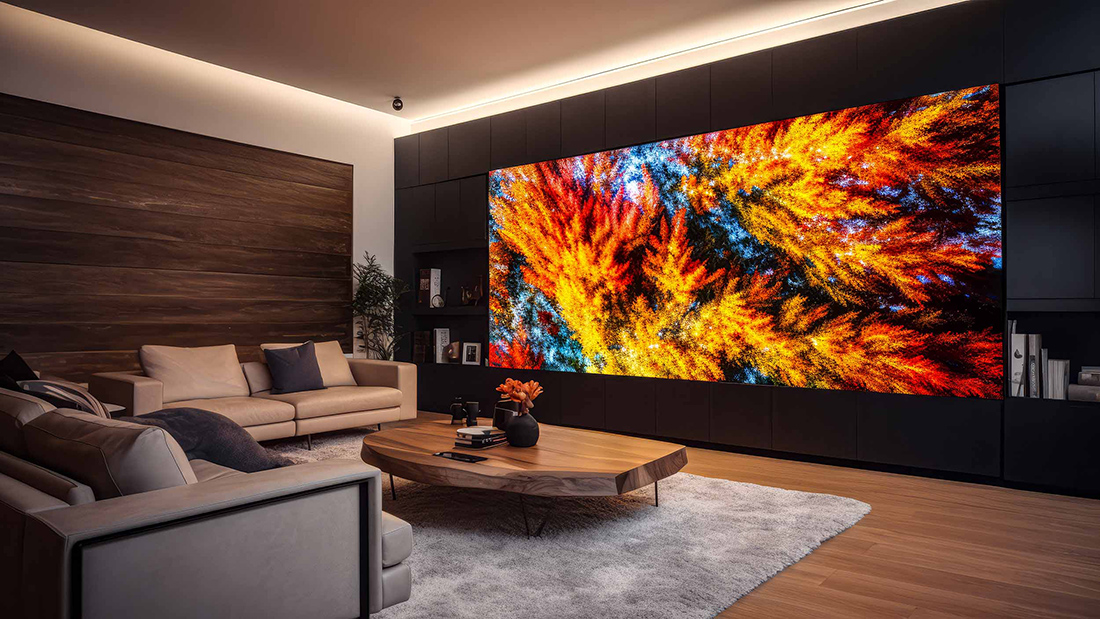
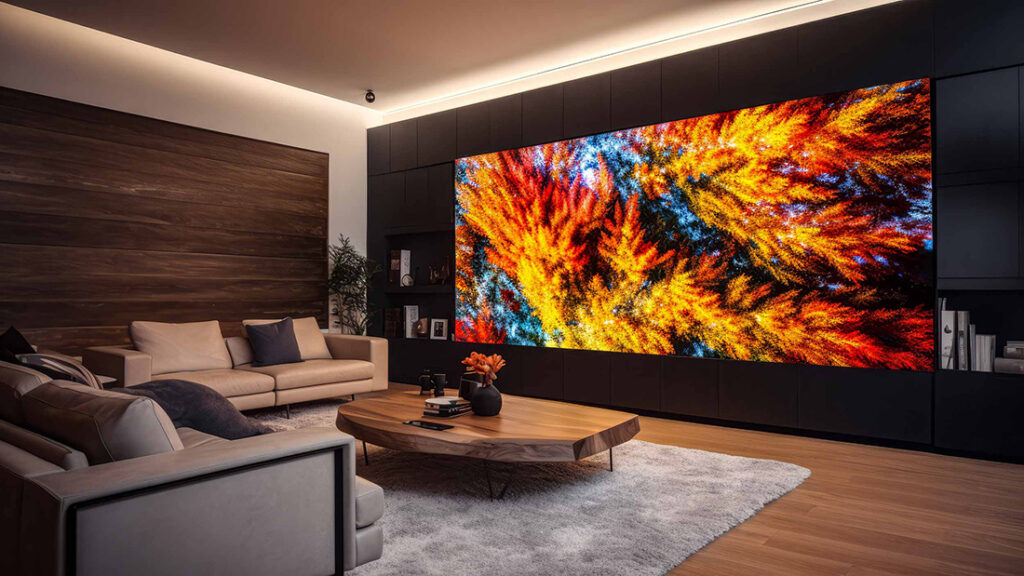
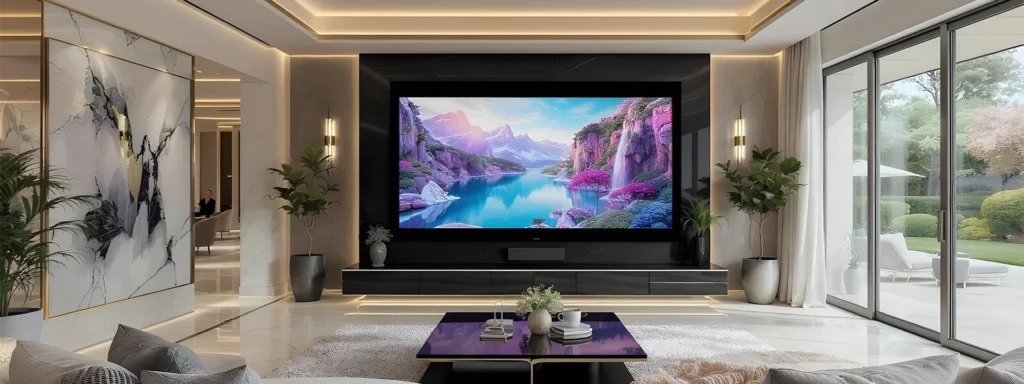
In 2025, a growing number of high-net-worth homeowners are skipping the “largest TV available” conversation entirely and moving straight to something more architectural: the home LED video wall. What started as technology reserved for corporate lobbies, flagship retail, and live events has found its way into private residences—and not as a novelty, but as a serious design and performance upgrade.
This shift isn’t about showing off. It’s about scale, immersion, flexibility, and control in ways traditional televisions simply can’t match anymore.
Why Traditional TVs Are Reaching Their Ceiling
Modern TVs are impressive, but they’re also boxed in—literally.
No matter how advanced the panel technology becomes, TVs are still manufactured in fixed sizes, fixed aspect ratios, and fixed brightness limits. Even the most expensive residential displays struggle in rooms with large windows, high ceilings, or open architectural layouts.
In luxury homes, these limitations become more obvious. A massive great room swallows an 85-inch screen. A glass-walled living space washes out even premium OLED panels during the day. Custom millwork and stone walls clash with the idea of mounting a black rectangle at the center of a carefully designed space.
Home LED video walls remove those constraints. They don’t ask the room to adapt to the screen—the screen adapts to the room.
That flexibility is the foundation of the home LED video wall movement.
What Makes a Home LED Video Wall Different?
At its core, a home LED video wall is made from modular LED panels that lock together seamlessly to create a single display surface. Unlike tiled TVs or projection systems, there are no visible borders, no drop in brightness, and no compromise in contrast across the screen.
For residential use, these systems are engineered with finer pixel pitches, quieter operation, and color tuning appropriate for living spaces rather than stadiums.
The result is a display that feels less like electronics and more like part of the architecture.
When designed properly, a home LED video wall doesn’t dominate the room. It anchors it.
The Luxury Buyer’s Shift Toward Immersion
One of the biggest drivers behind this trend is immersion.
Home theaters have evolved beyond dark, enclosed rooms. Today’s luxury homes favor open layouts where entertainment, dining, and relaxation coexist. Owners want cinematic experiences without disappearing into a cave.
LED video walls deliver scale without sacrificing brightness. A wall-sized display can run at comfortable luminance during casual viewing and still deliver punch when it’s time for a movie night or major sporting event.
The experience feels closer to a private cinema than a large TV ever could—but without the fragility or lighting limitations of projection.
That immersive quality is why designers and homeowners alike are revisiting what “screen size” even means.
Design Freedom That TVs Can’t Offer
Luxury buyers care about design coherence as much as image quality. This is where home LED video walls quietly outperform traditional displays.
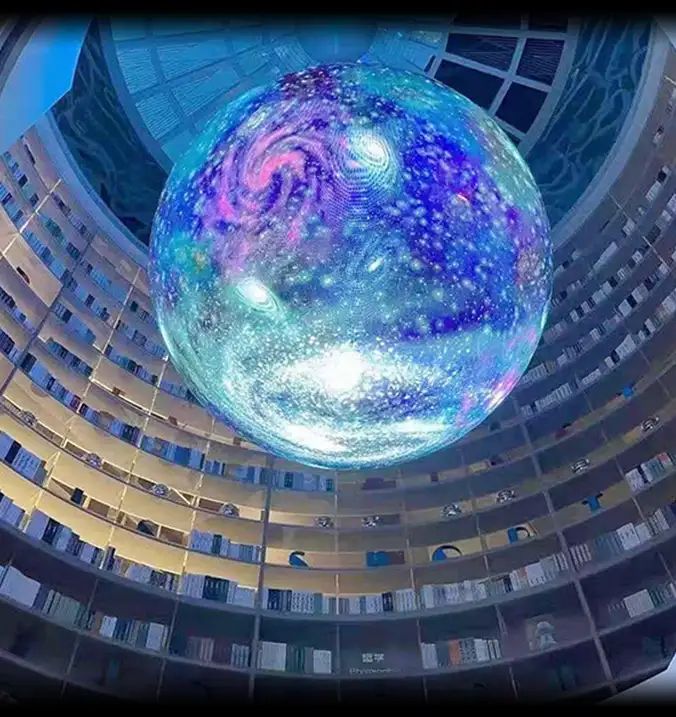
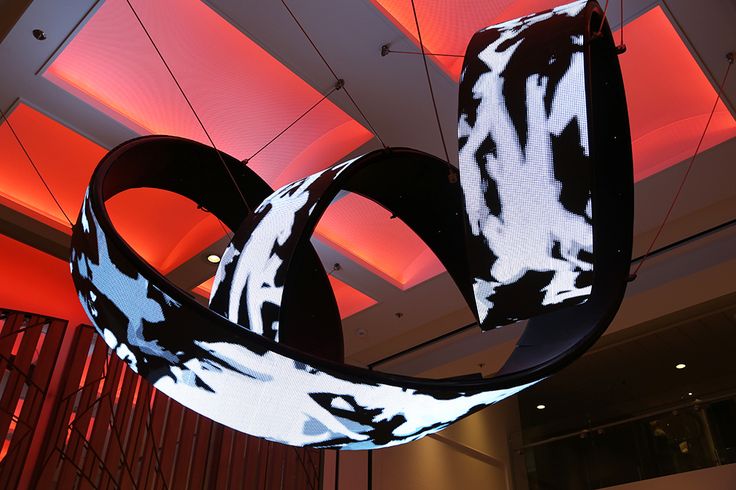
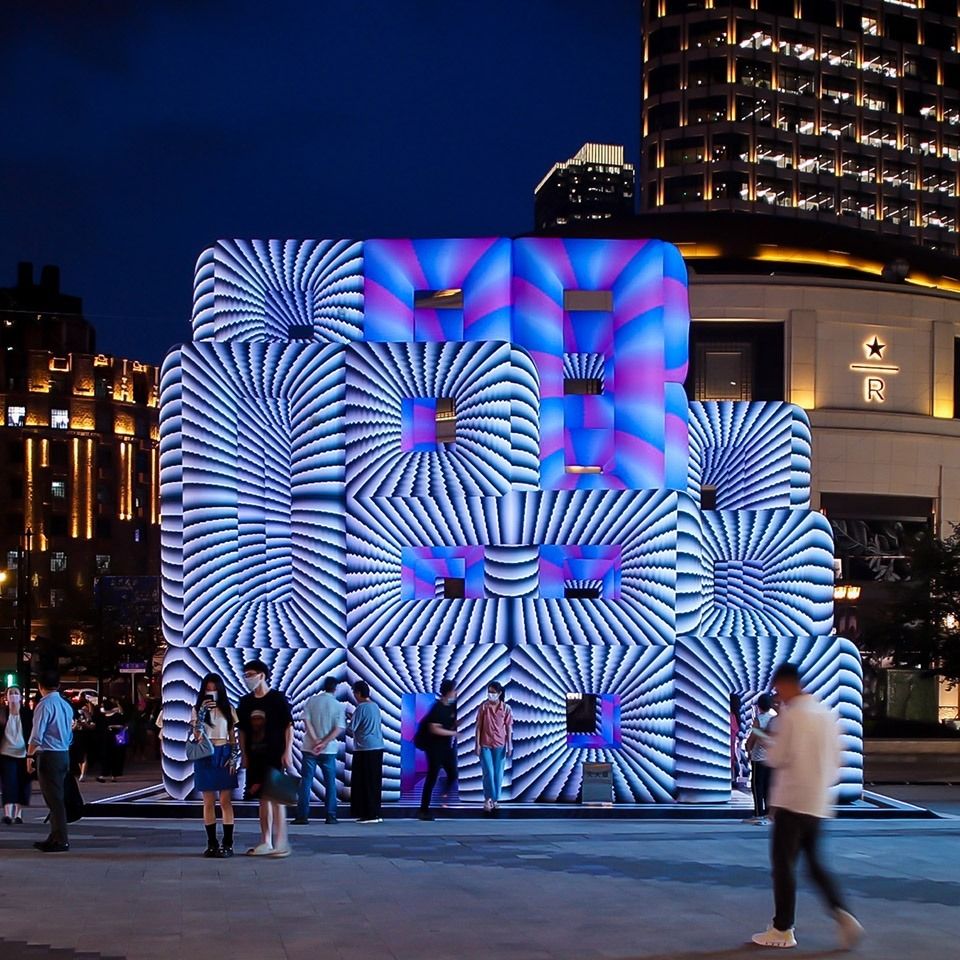
Because LED walls are modular, they can be built to exact dimensions. Wide and low for a modern living room. Tall and vertical for a stairwell or gallery-style space. Even curved or wrapped around architectural features.
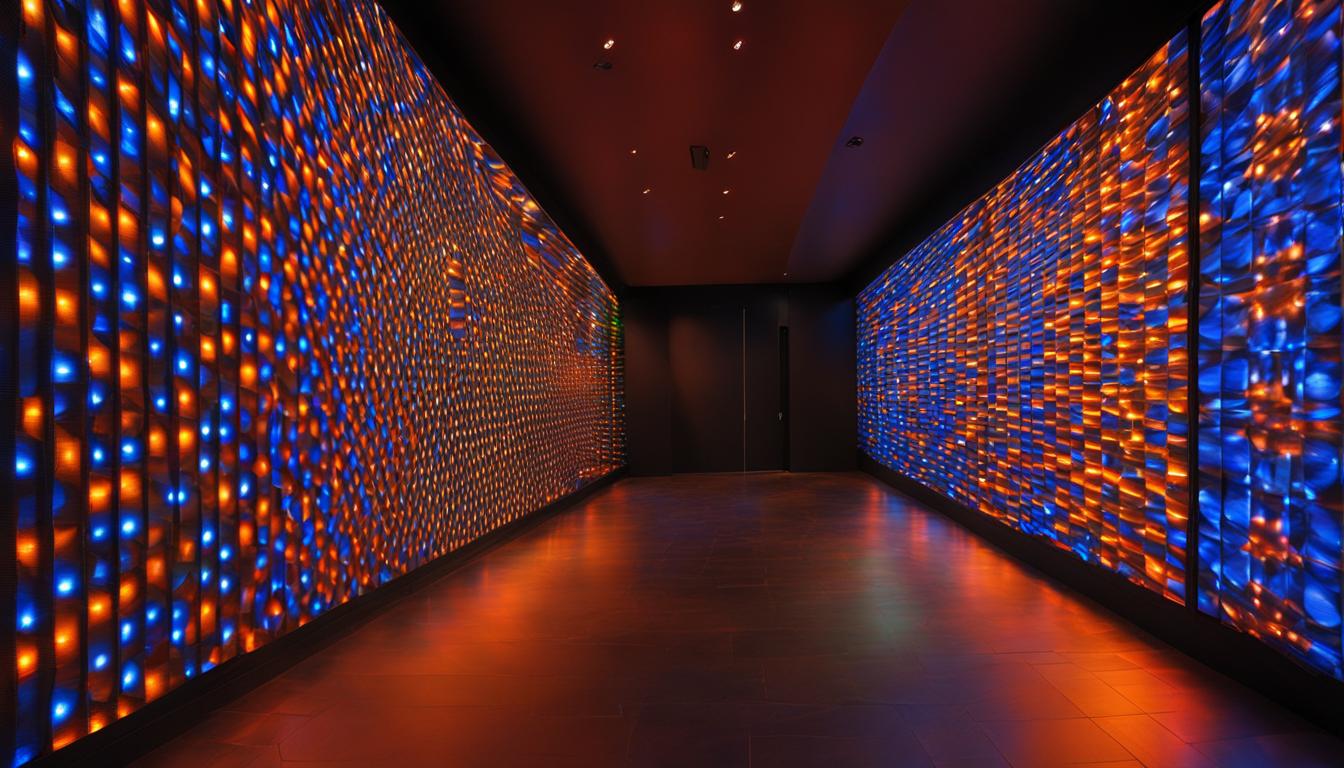
In some homes, LED walls replace artwork when idle, displaying subtle textures, photography, or ambient visuals that shift throughout the day. In others, they sit flush with stone, wood, or glass surfaces, maintaining clean lines without visible frames.
A home LED video wall becomes a design element, not an appliance.
Brightness and Daylight Performance
Brightness is one of the most practical reasons luxury buyers are making the switch.
Even premium TVs struggle in sunlit environments. Anti-glare coatings help, but they don’t change the fundamental limitations of panel brightness.
LED video walls are designed to perform in bright commercial spaces, which means they remain vivid in residential environments with floor-to-ceiling windows, skylights, or open courtyards.
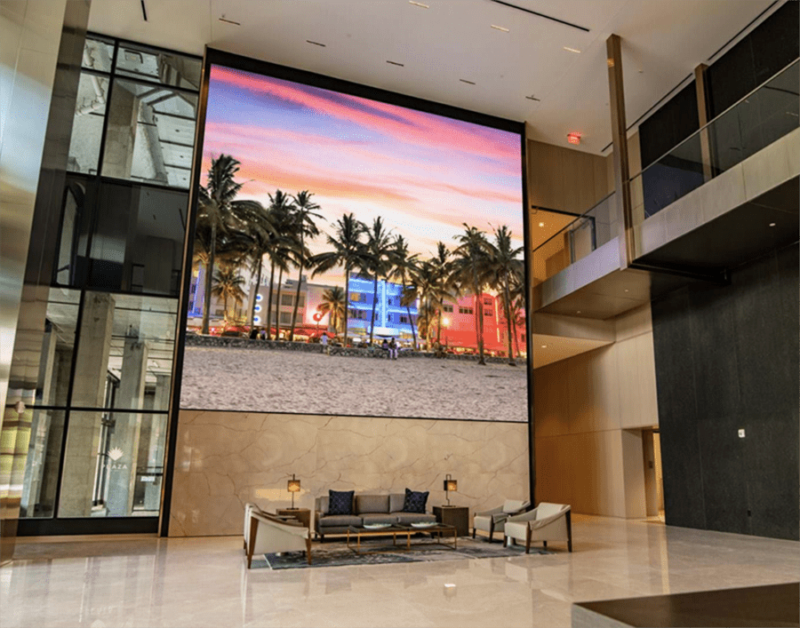
This isn’t about blasting light at viewers. It’s about maintaining contrast and clarity without closing shades or redesigning the room around the screen.
For many homeowners, that alone justifies the move.
Resolution, Pixel Pitch, and Viewing Distance at Home
There’s a misconception that LED video walls lack the resolution needed for close viewing. That may have been true a decade ago. It isn’t anymore.
Modern residential LED walls use fine pixel pitches that support comfortable viewing distances similar to large TVs. The key is selecting the right pitch for the room, not chasing specs for their own sake.
A properly specified home LED video wall delivers crisp detail without visible pixel structure, even in intimate seating layouts.
This is where experience matters. Over-specifying resolution increases cost without improving the experience. Under-specifying breaks the illusion entirely.
The best installations strike a balance that feels effortless.
Content Flexibility Beyond TV Viewing
Another reason luxury buyers are embracing LED walls is versatility.
A TV does one thing well. An LED wall does many.
It can display live television, movies, and sports just like a traditional screen. But it can also act as a digital art canvas, a dynamic backdrop for entertaining, or an information display integrated with smart home systems.
Some homeowners use their LED wall as a visual extension of the environment—subtle animations, seasonal visuals, or custom photography that shifts with time of day.
This flexibility turns the display into something you live with, not just something you watch.
The home LED video wall becomes part of daily life.
Quiet Engineering for Residential Spaces
One of the concerns homeowners often raise is noise. Commercial LED systems can rely on active cooling that wouldn’t be acceptable in a living room.
Residential-grade LED video walls are engineered differently. They use efficient power management, passive or near-silent cooling, and careful thermal planning to ensure the system disappears acoustically.
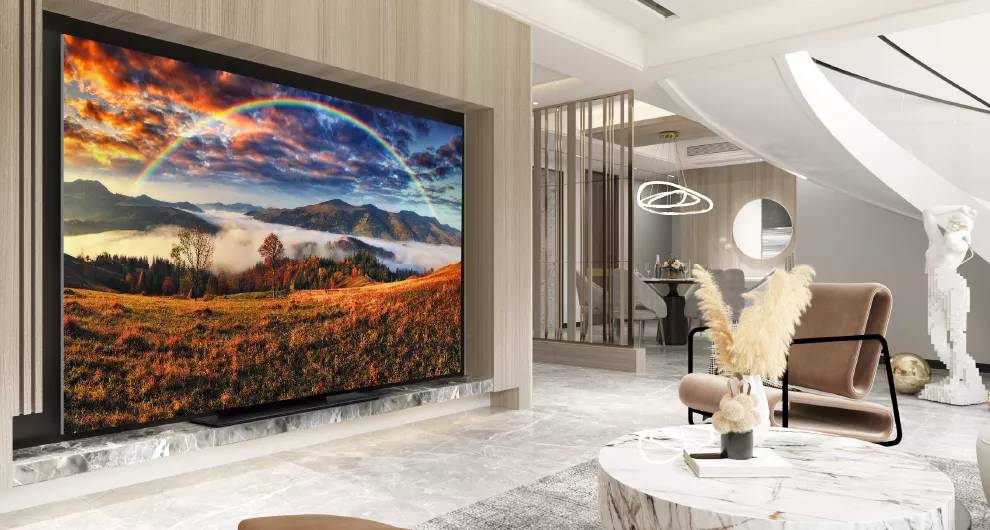
When done correctly, the room sounds exactly the same with the wall on or off.
That level of refinement is what separates true residential systems from repurposed commercial products.
Long-Term Value and Longevity
Luxury buyers think in terms of long-term value, not just upfront cost.
High-quality LED video walls are built for extended operational life. Individual modules can be serviced or replaced without tearing apart the entire wall. Brightness and color consistency are maintained through calibration over time.
Unlike TVs, which are often replaced wholesale every few years, a well-designed home LED video wall can evolve. Control systems update. Content improves. The physical structure remains.
That longevity aligns well with how luxury homeowners approach investment in their spaces.
Installation Is Where Outcomes Are Decided
An LED wall is only as good as its installation.
Structural support, power distribution, ventilation, and alignment all matter. In luxury homes, installations often involve coordination with architects, interior designers, and builders to ensure the wall integrates cleanly into the space.
Mistakes here are visible forever.
This is why buyers increasingly look for partners who understand both technology and residential design. The goal isn’t to install hardware—it’s to preserve the integrity of the home.
Any conversation about a home LED video wall should include installation planning from day one.
Why This Trend Is Accelerating in 2025
The technology has matured. Costs have stabilized. Design awareness has grown.
At the same time, luxury buyers are more comfortable investing in experiential features that enhance daily life, not just resale value. The line between media, art, and architecture continues to blur.
Home LED video walls sit right at that intersection.
They aren’t replacing TVs everywhere. But in high-end residences where space, light, and design matter, they’re becoming the preferred solution.
Where SeeThruDisplays Fits In
At SeeThruDisplays, much of the residential work focuses on integrating LED technology into spaces where traditional screens fall short—especially environments with glass, open sightlines, or architectural constraints.
The most successful projects tend to start with conversations about how a space is used, not which product to install. When technology follows intent, the result feels natural rather than imposed.
For homeowners exploring what’s possible beyond the limits of traditional TVs, that approach often makes all the difference.