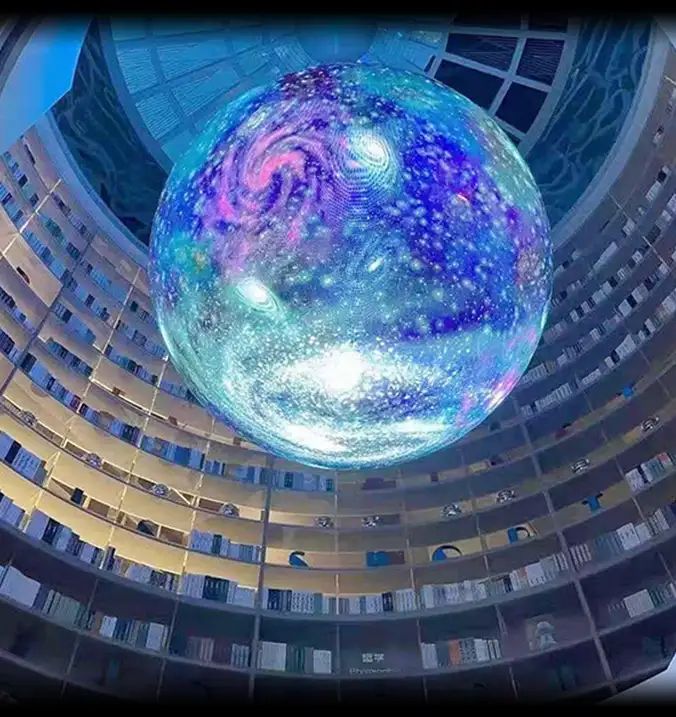
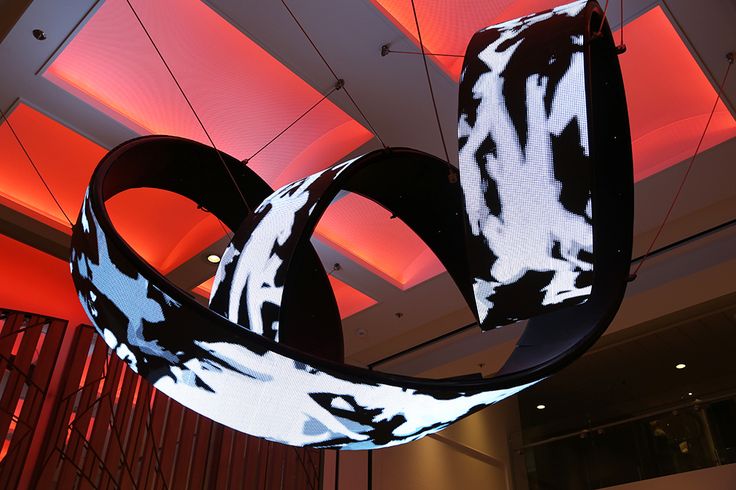
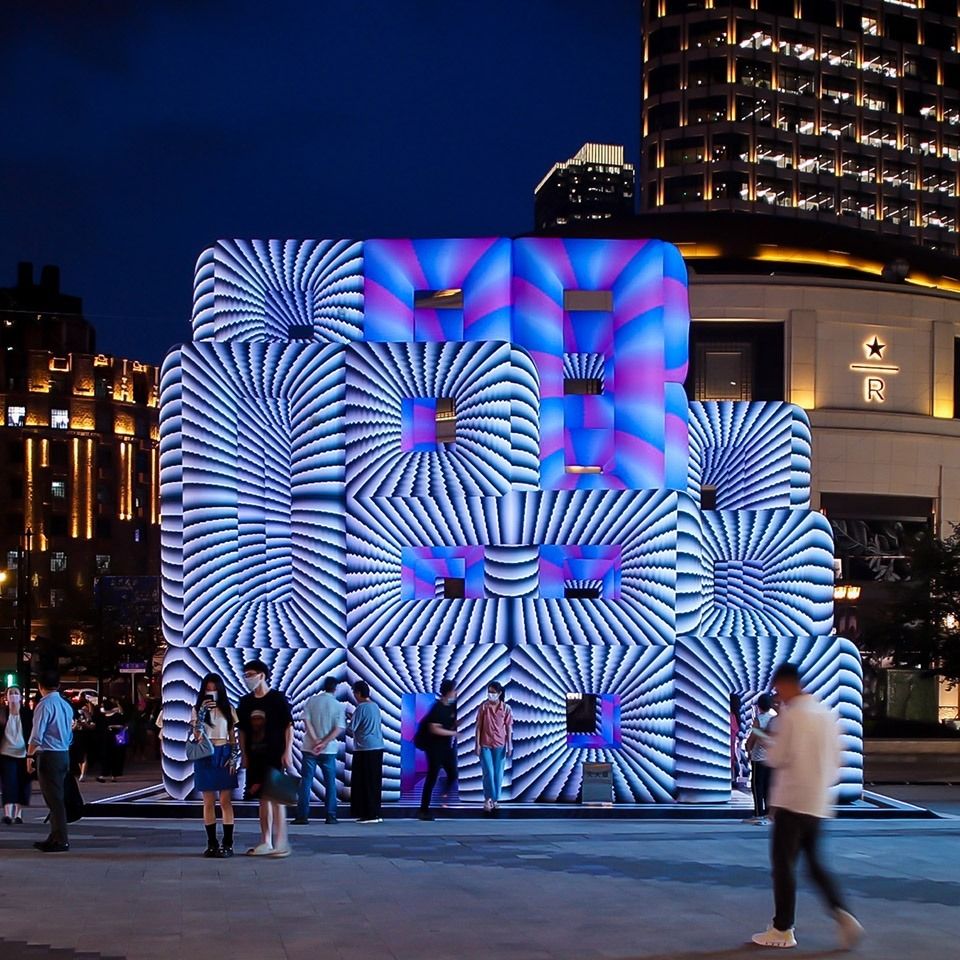
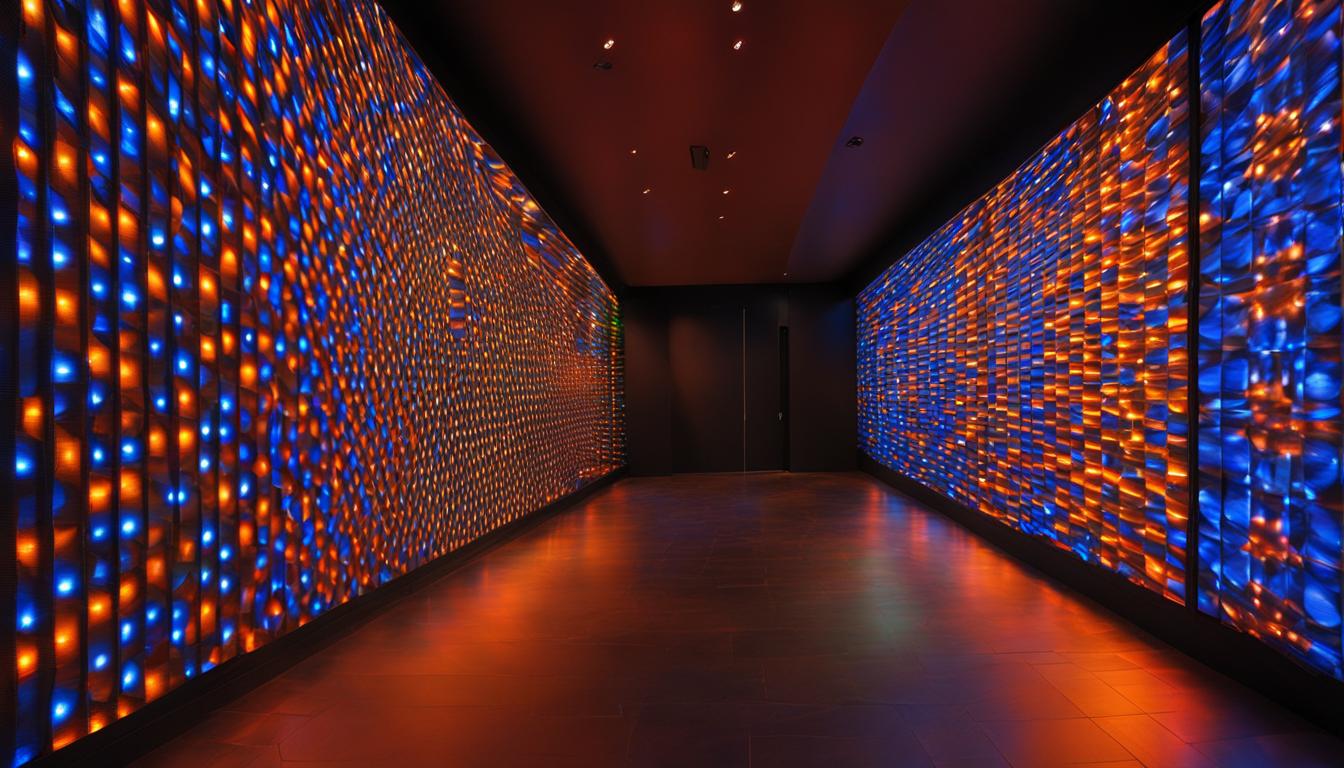
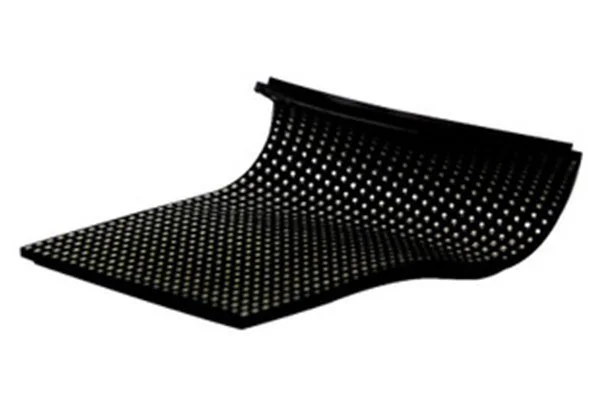
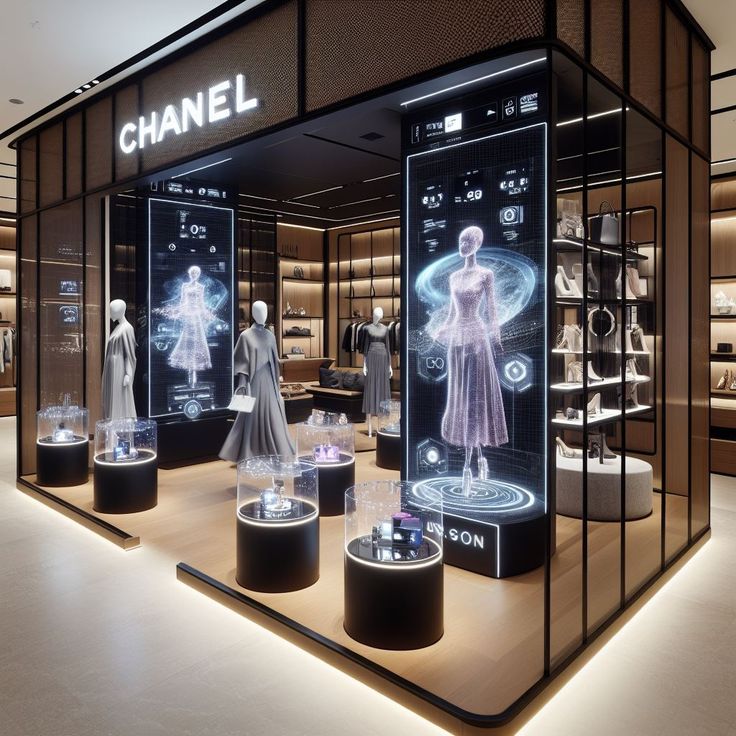
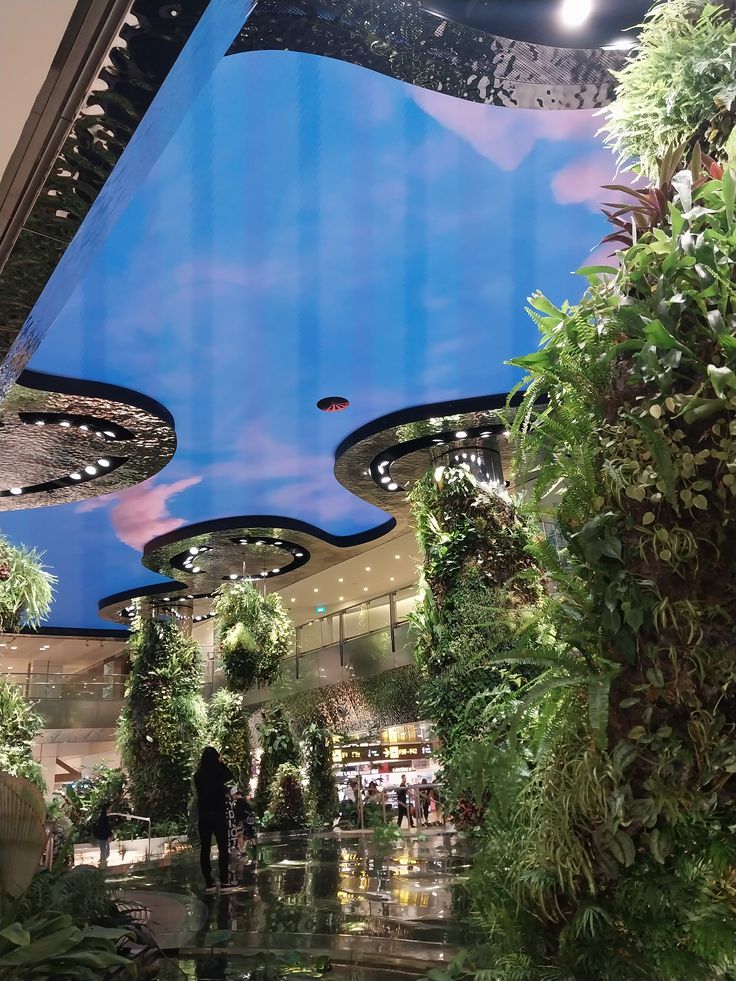
Step into a modern conference center or retail flagship and you’ll notice something immediately—walls that aren’t walls, ceilings that aren’t just ceilings, and surfaces that don’t behave the way surfaces used to. Fine-pitch LED indoor displays have quietly become the preferred medium for designers who want more than content—they want space to perform. And the trend isn’t just about resolution; it’s about modularity, serviceability, and adaptability.
The market narrative is shifting. Large, coarse-pitch panels still have their place—stadiums, arenas, outdoor façades—but the excitement, investment, and innovation are moving indoors. Pixel pitches under 2mm are becoming common, sometimes under 1mm, which opens possibilities that were previously reserved for projection systems or high-end video walls. The difference is subtle but tangible: images feel continuous, text is crisp at close distance, and immersive installations can occupy entire surfaces without the visual breaks that used to betray modular construction.
The Modular Mindset
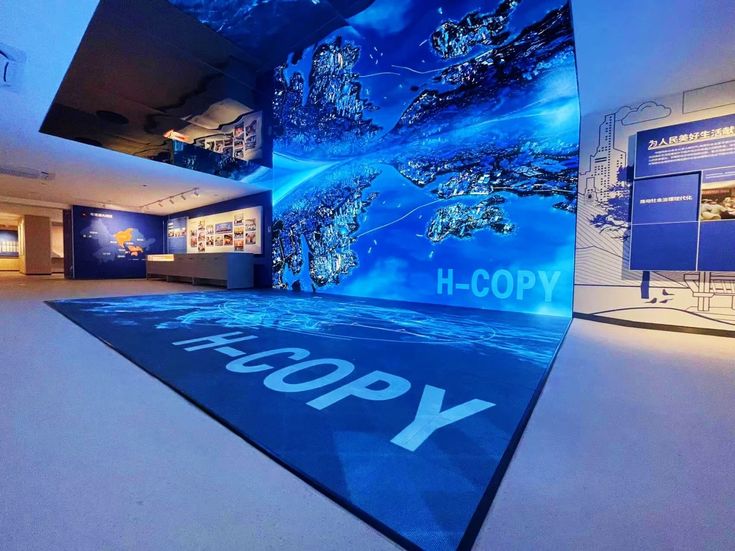
Fine-pitch LED isn’t just a technical specification. It’s a mindset, and modularity is the other half of that equation. Indoor LED systems are increasingly designed around serviceable modules, panels that can be removed, replaced, or upgraded without dismantling the entire wall. It’s a lesson learned from outdoor installations: repair and maintenance must be painless, or the system fails.
Designers love it. Imagine a 100-square-meter wall in a corporate lobby. One panel develops a dead pixel grid. In a traditional system, you might have to pull the whole wall apart. Modular design lets a technician swap the affected panel in minutes. It sounds mundane, but in practice it transforms operational overhead. It also changes the conversation between client and installer: no longer is the wall a monolith; it’s a living system.
Indoor Scale, Outdoor Thinking
A lot of the advances in indoor fine-pitch LED come from lessons learned outdoors. Outdoor installations are unforgiving: heat, dust, rain, glare. Engineers built robust, serviceable modular systems to survive that. Take that reliability and bring it indoors: sudden brightness spikes, temperature fluctuations from HVAC, dust in high-traffic environments. Indoor systems don’t face the same extremes, but the design discipline transfers. Modules are easier to access, connectors are more forgiving, and electronics can be tuned for longevity instead of brute-force brightness.
Yet there’s still an elegance to indoor fine pitch. These systems don’t just have to survive—they have to seduce. They have to render delicate color gradients, animate smoothly, and integrate seamlessly into architecture. Pixels are so small that even a slight misalignment is obvious. Lighting designers, AV engineers, and architects have to work in concert. It’s not just technology; it’s choreography.
Beyond Resolution
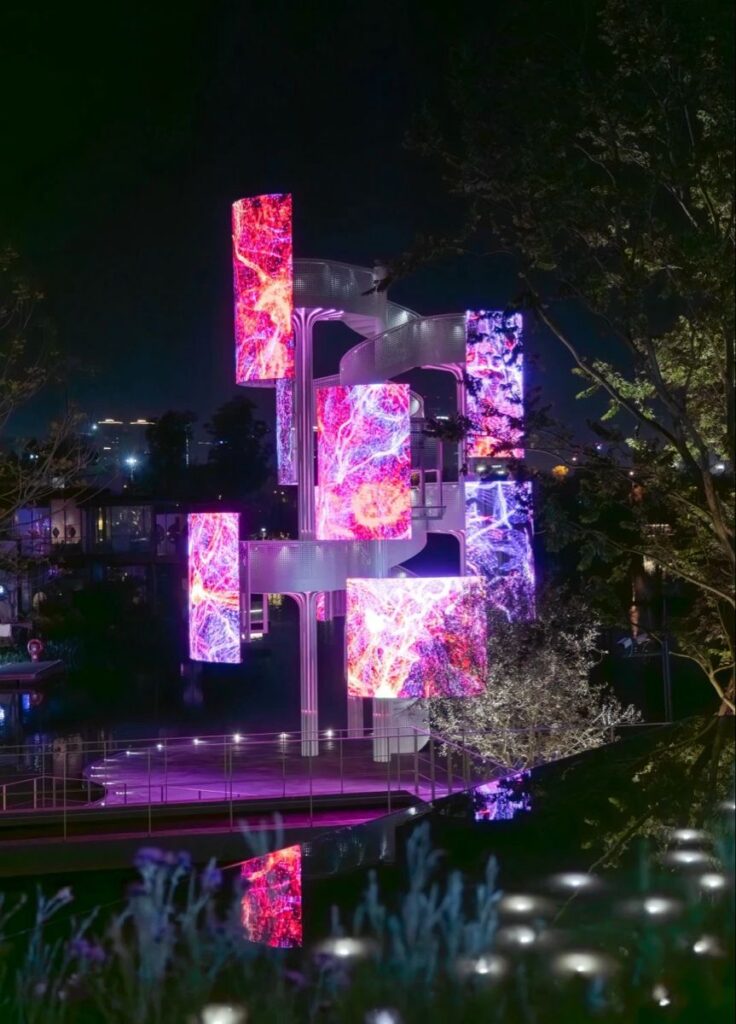
The obsession with pixel pitch can overshadow the bigger picture. Fine pitch is exciting, yes—but modular serviceability is what enables these walls to scale, to last, and to evolve. A corporate client today might order a 20-square-meter wall with the expectation that it will remain cutting-edge five years from now. A modular system lets that happen. Panels can be upgraded to higher brightness, higher refresh rate, or better color calibration without tearing down the installation.
This evolution is pushing indoor LED from pure display toward system thinking. You’re not buying a screen; you’re buying a maintainable, scalable infrastructure. For clients, that’s reassurance. For designers, it’s freedom. You can imagine walls that curve, ceilings that float, rooms that become immersive without worrying that the first dead pixel will derail the illusion.
Integration Into Space
Fine-pitch LED works when it disappears. When it feels like part of the room rather than an object in it. That’s why indoor systems increasingly emphasize serviceable modules: the less you see seams and access points, the better. Yet the seams can’t be ignored entirely. Designers often leave micro-gaps for ventilation and access. Those gaps are architectural decisions in their own right: they influence perception, rhythm, and even acoustics.
It’s ironic: the closer the pixels, the less forgiving the surface. At 0.9mm pitch, a technician who misaligns one panel by a millimeter will be visible to anyone standing five meters away. Indoor installations are intimate in a way outdoor stadium boards are not. This intimacy changes the design brief. Walls have to be perfect, but also maintainable, because the user is close enough to notice errors.
Dynamic Use Cases
The most exciting applications for fine-pitch modular LED are those that interact with the environment. Retail, corporate, hospitality, even education. LED walls can respond to occupancy sensors, ambient light, or external feeds. A lobby wall may shift colors based on time of day. A boardroom installation can switch seamlessly between video conference feed, data visualization, or brand messaging.
These applications are practical, yes, but they are also performative. Modular systems make it feasible. You can change panels, add interactivity, integrate sensors, and upgrade firmware without a massive downtime. The installation evolves with the space instead of freezing it in a moment in time.
Challenges in Fine Pitch
It isn’t all smooth. Fine-pitch LEDs bring their own headaches. Alignment is critical. Color calibration is relentless. Even small voltage differences between modules can shift white balance. Heat dissipation, while less severe than outdoor boards, still matters: over time, heat causes color shifts and reduces lifetime. And because these walls are often used for corporate or retail environments, failures are highly visible. A single malfunctioning module can undermine an entire installation.
The modular approach mitigates these problems—but it doesn’t eliminate them. Designers still have to think about access, ventilation, redundancy, and long-term calibration. Engineers need tight manufacturing tolerances. Installers need patience and precision. The technology only looks effortless once everything is in place.
The Economics of Modularity
Clients are realizing that modular serviceability has financial implications. It’s no longer just about installation cost—it’s about total cost of ownership. A high-end retail space might pay a premium upfront for modular panels, but maintenance is cheaper, upgrades are easier, and downtime is minimal. For venues that operate 16–18 hours a day, this is a compelling argument.
From a market perspective, it also drives repeat business. Manufacturers can sell replacement modules, upgrades, and calibration services, creating ongoing revenue streams rather than one-off purchases. It’s a shift from product to ecosystem thinking.
Perception and Experience
At the end of the day, fine-pitch indoor LEDs are about perception. They blur the line between screen and architecture. They create surfaces that can transform instantly. Motion graphics look fluid. Color transitions feel natural. Content feels immersive without overwhelming.
And modularity ensures that this experience doesn’t degrade over time. You can imagine the future: walls that evolve as company branding changes, conference rooms that morph between functional display and ambient storytelling, retail environments that can respond in real time. The combination of fine resolution and serviceable design turns walls into instruments, not just screens.
Observing the Shift
The shift in focus—from coarse, outdoor panels to fine-pitch, indoor, modular systems—is subtle but significant. It’s not headline-grabbing like massive stadium displays or city-scale billboards, but it’s foundational. It changes how designers think about space. It changes how architects integrate technology into walls and ceilings. It changes expectations for maintenance, longevity, and adaptability.
And the market is responding. Budgets are shifting. Engineers are refining modular connectors. Designers are rethinking walls as digital canvases rather than static objects. End users are demanding performance without compromise, scale without disruption.
Fine-pitch LEDs are still about pixels, yes, but the real story is systems thinking, modularity, and longevity. That’s what’s pushing growth. That’s what’s driving the next wave of indoor installations.
It’s not just about what the wall shows you—it’s about how it behaves, how it ages, and how it can keep up with the needs of a dynamic space.