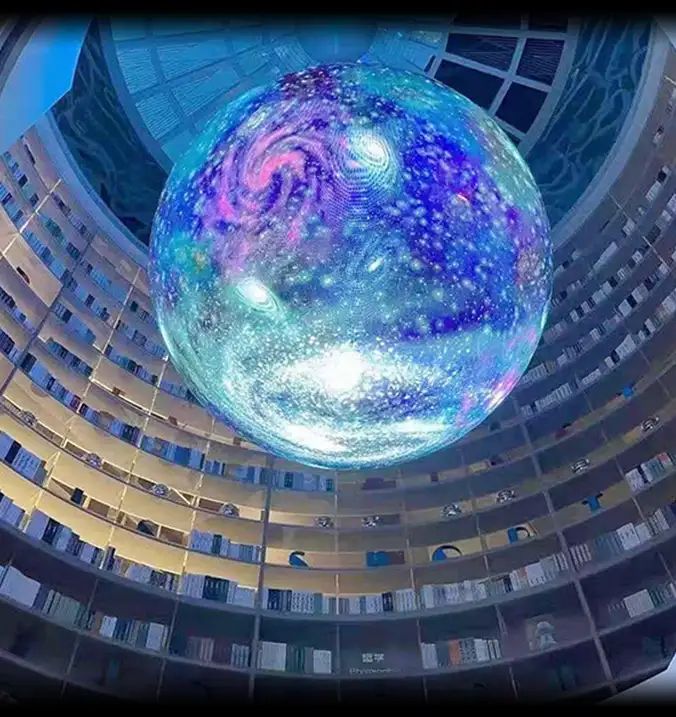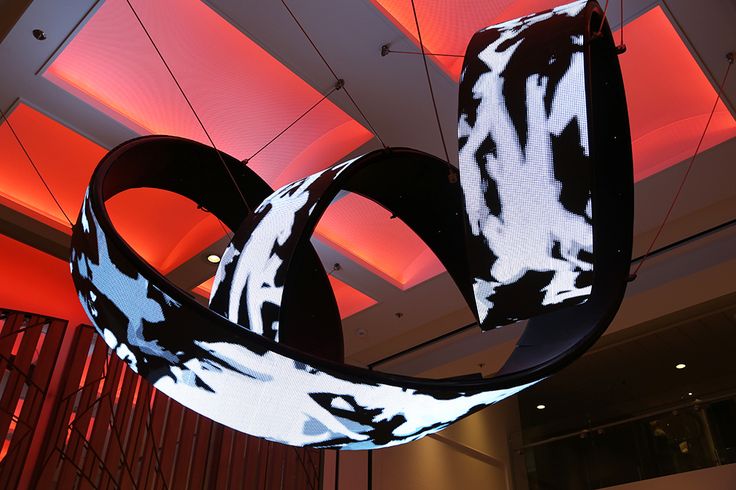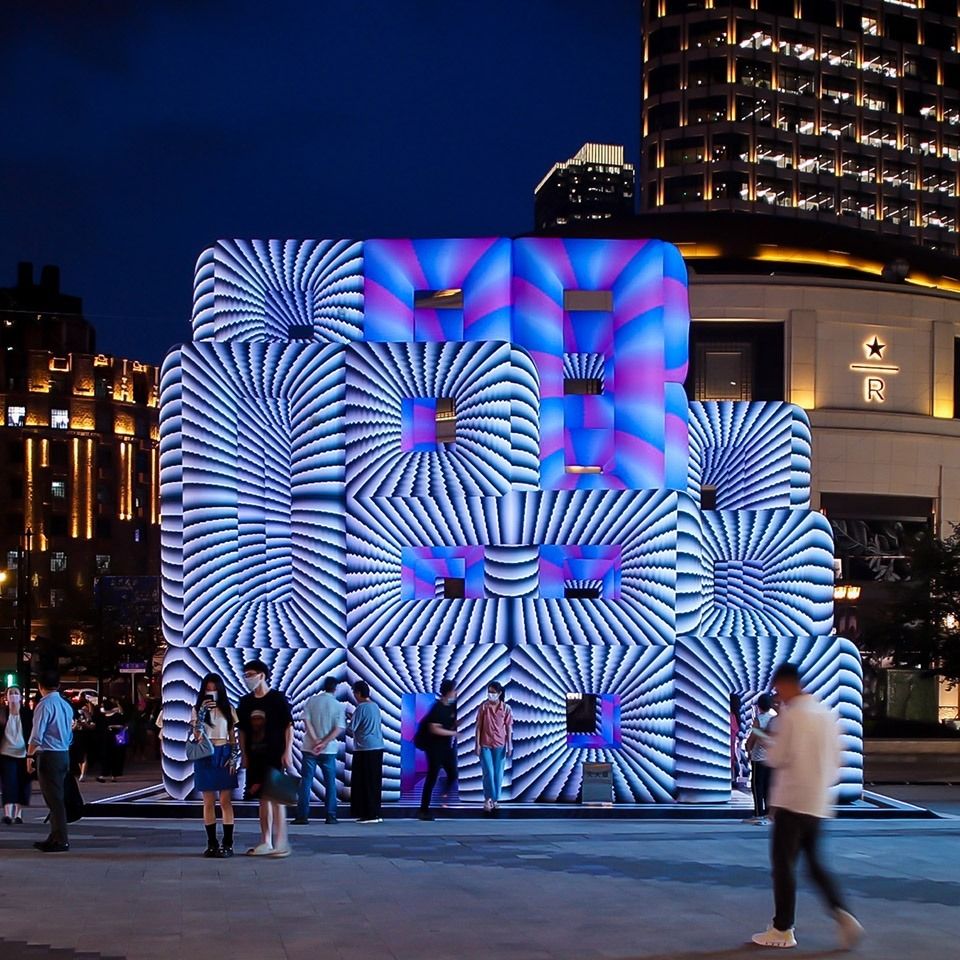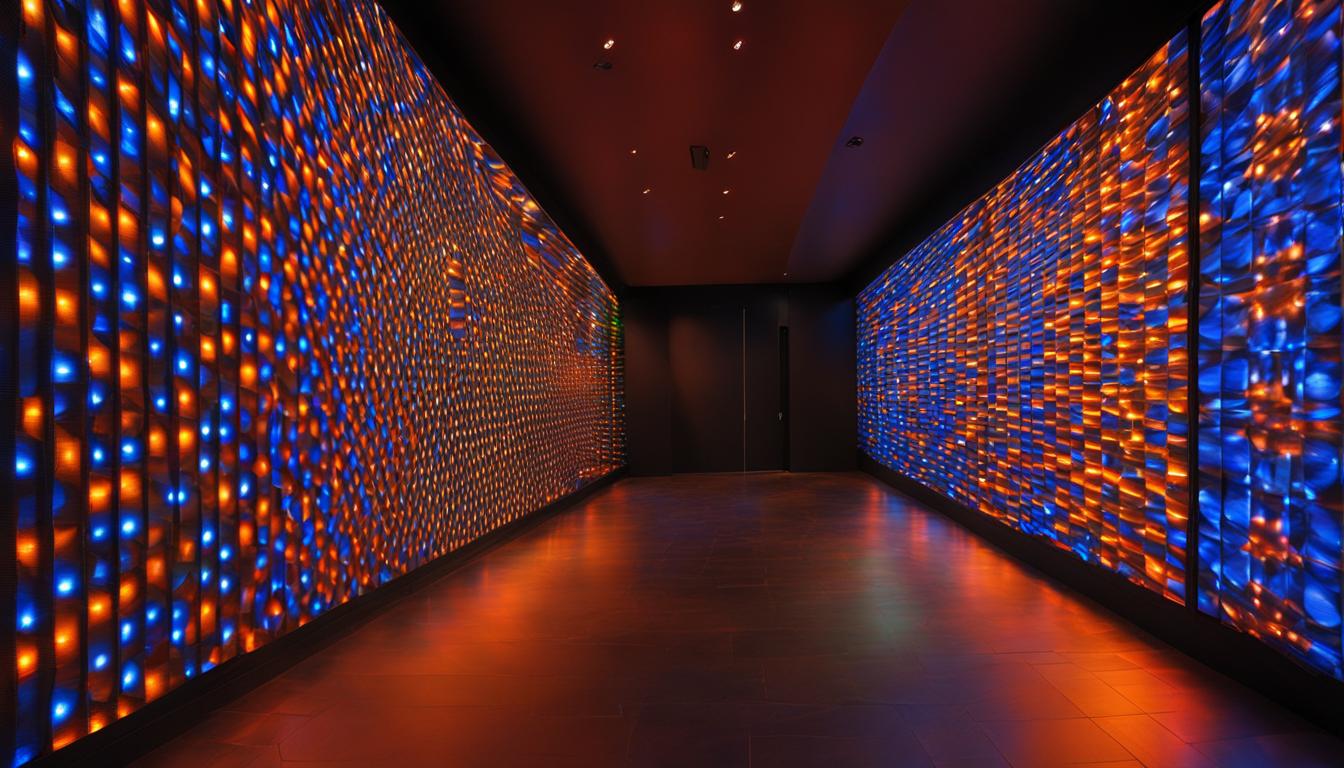
Curved LED walls are no longer a novelty. They’ve moved from flashy trade show floors into museums, corporate lobbies, retail flagships, and broadcast studios. And yet, for anyone on the ground building one, they are a delicate combination of engineering, design, and a little bit of luck. There’s nothing forgiving about a curve. Every panel, every cabinet, every cable has to behave exactly as intended, or the illusion of seamless motion falls apart.
Flat walls are straightforward. You measure, you hang, you calibrate. Curvature changes all of that. It’s not just about bending panels; it’s about bending physics, perception, and logistics into alignment.
The Geometry Challenge
The first thing engineers wrestle with is geometry. A curve is an arc, a radius, a three-dimensional space that a rectangle can’t naturally occupy. Concave or convex, the panels must align with astonishing precision. A few millimeters off and the entire sequence looks warped.
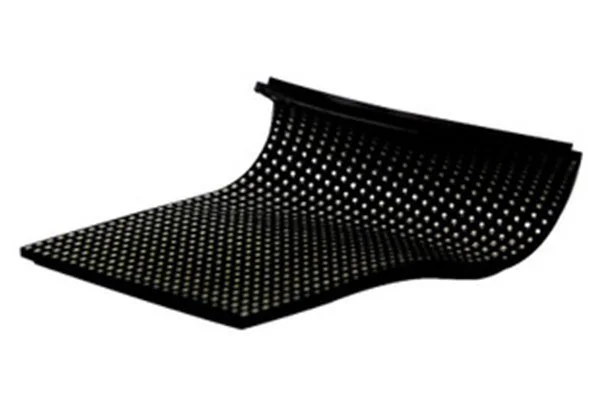
There are two approaches. One is to use modular panels cut to angle. Each cabinet is a small segment of the curve. This works for gentle arcs but becomes impractical for tight bends. The other approach is flexible panels. Some LED modules bend slightly, allowing them to hug mild concave or convex shapes without breaking solder joints or LEDs. Both solutions have limits. Extreme curves often require a hybrid: angled rigid modules interspersed with flexible panels, carefully plotted in CAD software before fabrication even begins.
Even once the panels are ready, mounting is a technical puzzle. Rigid frames must match the curve exactly. Every bracket, bolt, and support bar is part of the optical illusion. A single misalignment shows immediately in motion graphics. Tolerance is tight. Sometimes, installers have to shim panels or micro-adjust every section while the system is powered on to see the effect live.
Electrical and Thermal Considerations
Curved walls aren’t just mechanical; they’re electrical beasts. Each module draws power, and in a continuous curve, current distribution must be precise. Engineers need to calculate voltage drop across the surface so brightness remains consistent. Otherwise, the ends of the curve can appear dimmer, and the illusion of uniformity disappears.
Heat is another factor that grows exponentially with scale. LEDs generate heat, and a flat wall vents air predictably. Curves trap air pockets. Concave installations, especially, act like heat traps; convex walls can reflect heat back onto neighboring panels. Cooling strategies—forced airflow, heat sinks, ventilation gaps—are as important as pixel pitch. No one wants a wall that fades or burns out unevenly after six months.
Even power cabling becomes a challenge. Flat walls allow linear routing. Curved installations often require loops, bends, and segmented feeds, all while maintaining redundancy and avoiding voltage drop.
Pixel Pitch and Viewing Distance
Engineers also have to consider pixel pitch with curvature in mind. A tight pitch is essential for close viewing, especially in concave walls where the viewer might stand near the center. But smaller pixels generate more heat and cost more. Larger pixels work at distance but break down the illusion of seamless motion up close.
Curvature amplifies these effects. On concave walls, panels at the edges sit further from the viewer than panels in the center. The apparent resolution changes unless content is warped to match the arc. Convex walls create the opposite challenge: edges are closer, and brightness/contrast must be balanced to avoid hotspots.
Software, Calibration, and Content Mapping
Hardware is only half the battle. Curved LED walls demand specialized software. Motion designers cannot just send flat video to the panels. The software must compensate for geometry, perspective distortion, and edge blending. It needs to map content so that circles stay circular, motion feels natural, and brightness remains uniform across the curve.
Calibration is painstaking. Color temperature, gamma, brightness, and refresh rate must be tuned across dozens—or hundreds—of panels. Even slight misalignment creates flicker or color shifts that ruin immersion. Some teams calibrate iteratively, powering up panels in segments, measuring luminance and color, adjusting, then moving to the next section.
Content pipelines evolve too. Designers create geometry-aware motion graphics. Pre-warping is standard. Animations, text, and logos must account for viewer perspective. Interactive systems add another layer: motion sensors, cameras, or proximity triggers can make the wall react dynamically, but only if the software accounts for curvature and distance.
Structural and Mechanical Insights
Mounting a curved wall isn’t just about aesthetics; it’s about physics. Panels are heavy. Large concave or convex arcs place unusual loads on supporting structures. The frames must resist torsion and sagging while maintaining optical alignment. Some installations use custom aluminum extrusions; others rely on steel frames with micro-adjustment points.
Serviceability is critical. Panels fail. Cables loosen. Control boards need replacement. Modular construction allows individual sections to be removed without dismantling the entire wall. Many installations include rear access walkways, catwalks, or tilting mechanisms for maintenance. Designing these features is often as complex as the wall itself.
Environmental and Sustainability Considerations
LED walls are energy-intensive, and curvature amplifies this. Concave and convex walls sometimes require more panels than an equivalent flat wall due to the surface area of the arc. Engineers have to plan for adaptive brightness, segment activation, and cooling efficiency to reduce both energy consumption and wear.
Thermal management affects longevity, too. Enclosed spaces trap heat, accelerating pixel aging. Careful design extends lifespan and prevents uneven degradation across the curve. Energy efficiency is not just cost-saving—it’s critical to preserving visual quality over time.
Real-World Applications
Curved LED walls appear in unexpected places beyond concerts or luxury showrooms:
- Control Rooms: Concave walls wrap around operators, aligning with sightlines and reducing eye strain.
- Broadcast Studios: Convex and concave backdrops provide cinematic depth visible from multiple camera angles.
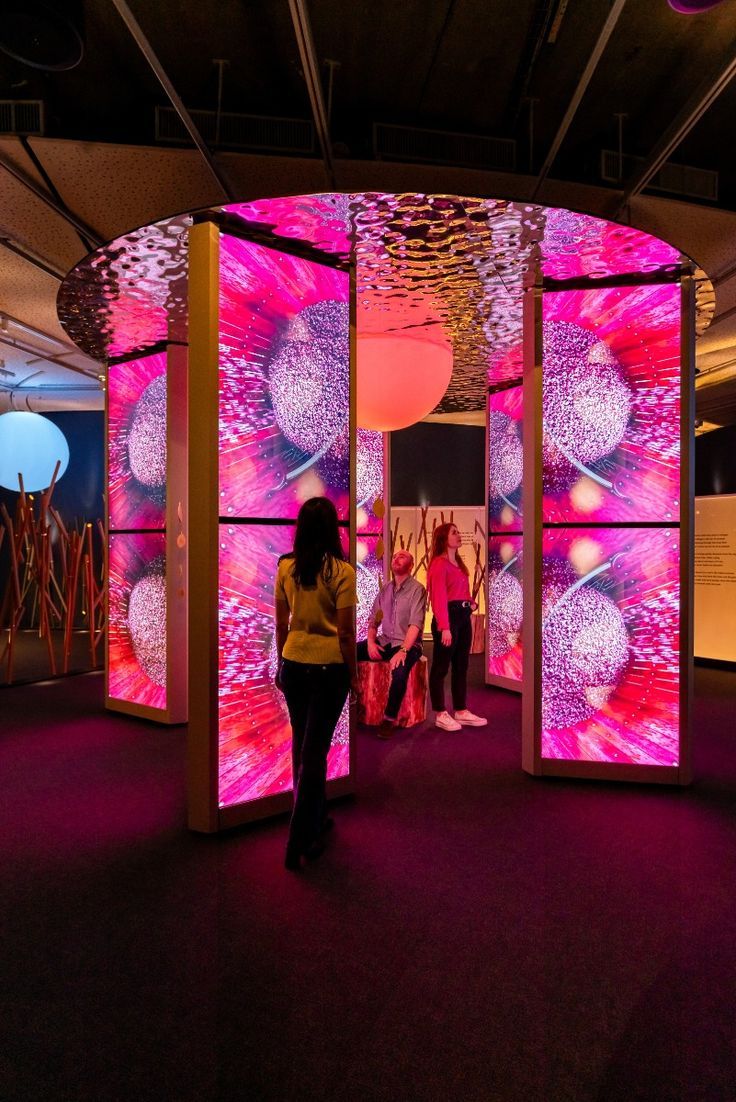
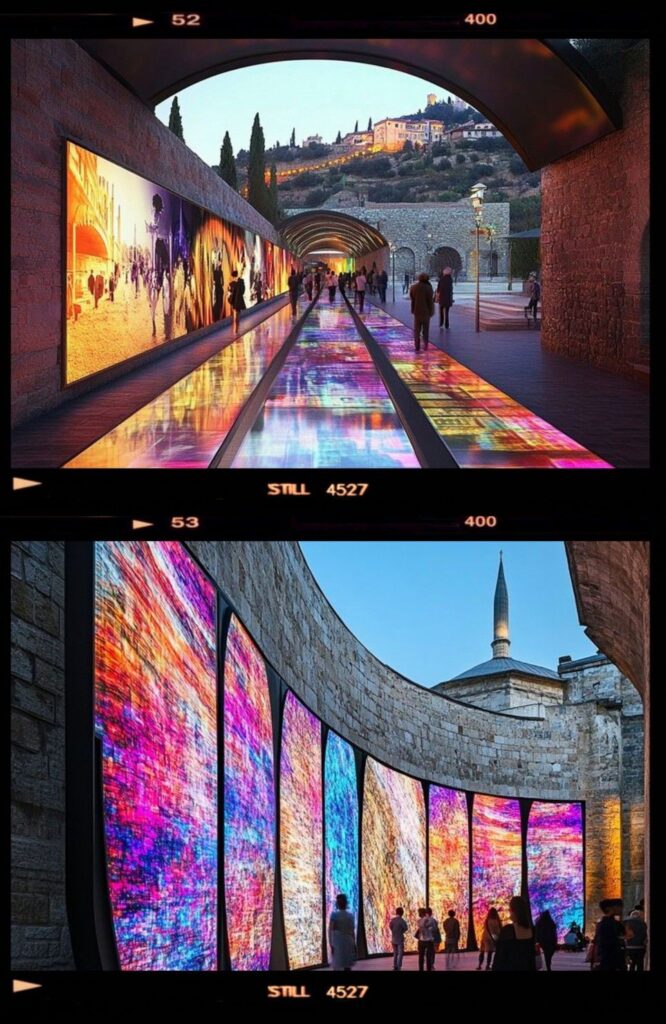
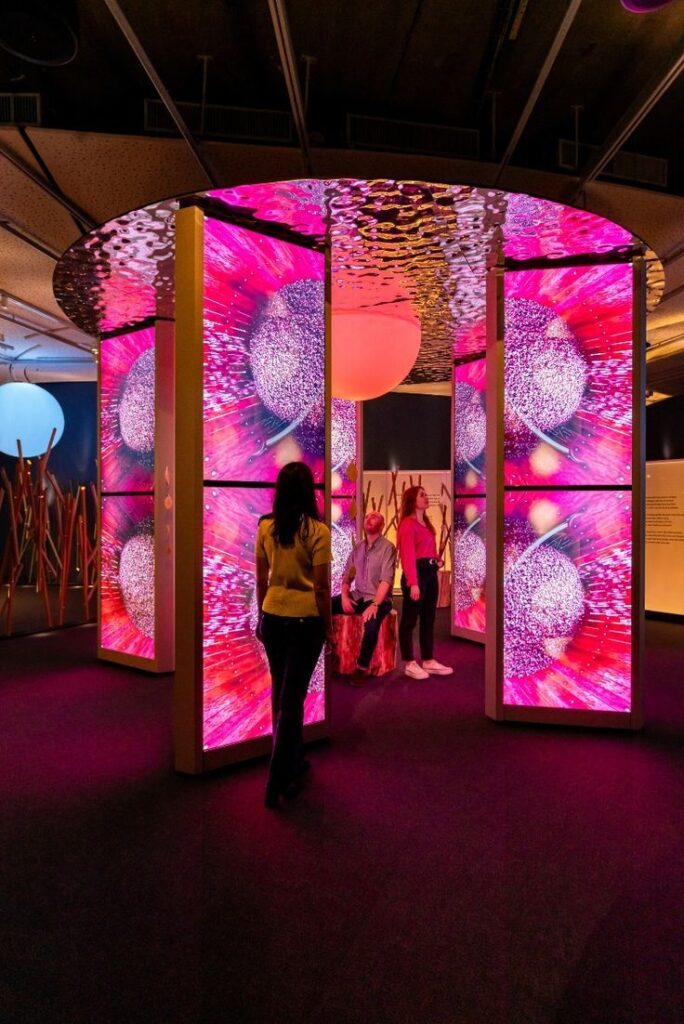
- Museums & Exhibitions: Curved walls guide visitor movement and create immersive storytelling environments.
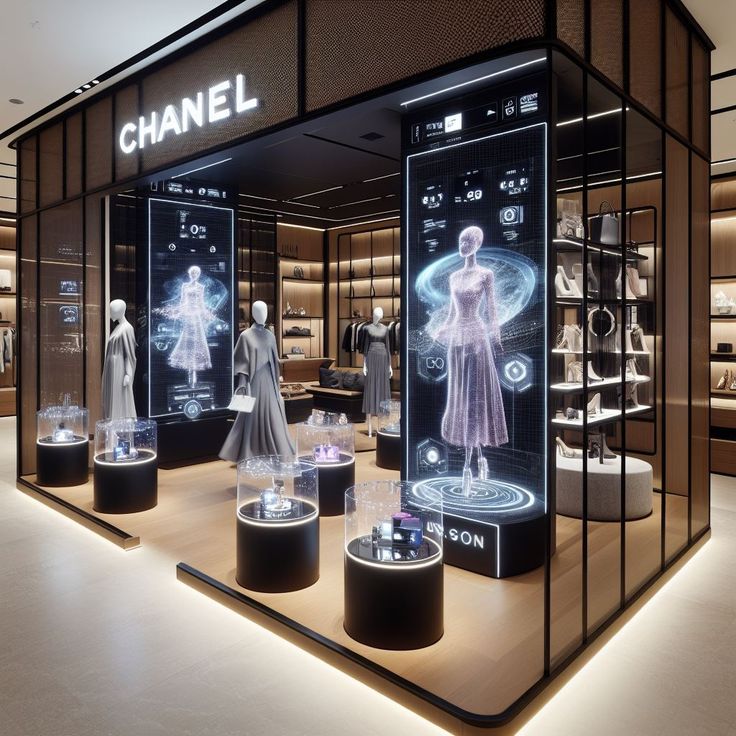
- Retail Spaces: Flagship stores use concave or convex walls to engage shoppers, direct attention, and create “wow” moments.
- Public Installations: Airports, transit hubs, and urban display projects leverage curvature to reach people across multiple angles.
In each case, the curve isn’t just aesthetic—it solves for human perception and spatial interaction.
The Human Factor
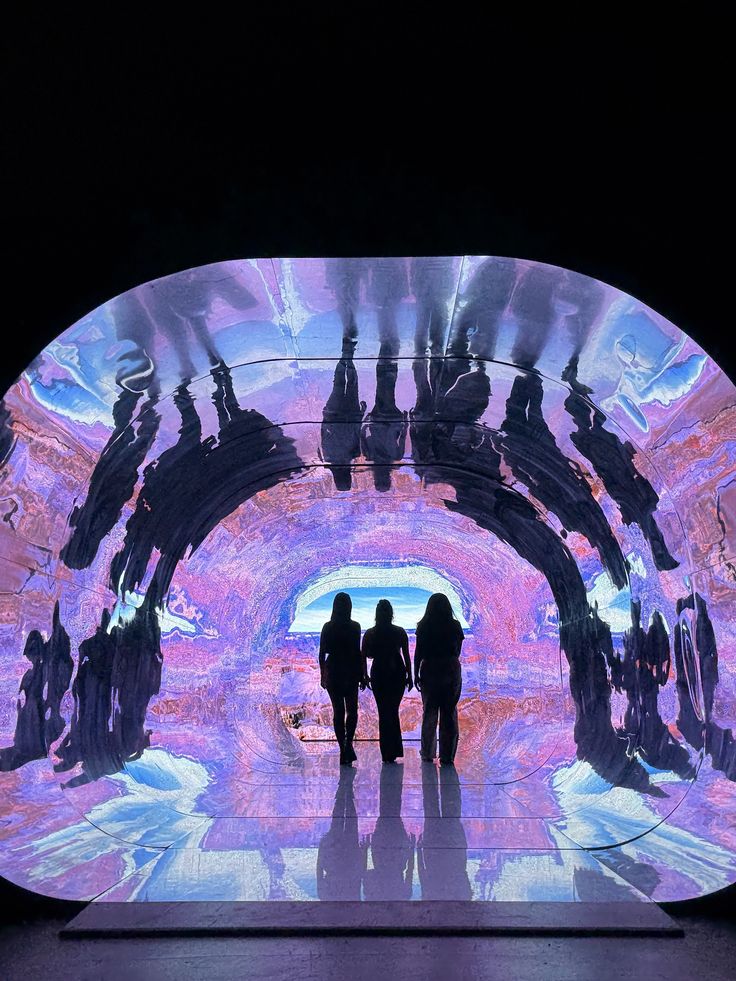
The real beauty of a curved LED wall is experiential. Viewers don’t just see content—they inhabit it. Motion and light feel spatial rather than flat. In concave installations, people step forward into the image; in convex displays, they feel the content pushing outward into the room. Even subtle curvature changes pacing, attention, and engagement.
The technology becomes invisible. What matters isn’t the panels, the calibration, or the software—it’s the way people experience motion, color, and scale. Curved LED walls turn architecture into media and media into architecture.
The Future of Curved LED Walls
Expect curvature to get bolder and more common. Pixel pitches will shrink, modular panels will get lighter and more flexible, and control software will become geometry-aware by default. AI-driven interactivity will allow walls to respond in real time to viewers’ positions, movement, or even attention.
Installation processes will also evolve. Pre-fabricated curved frames, automated calibration, and integrated cooling solutions will reduce setup complexity. Designers will begin planning curvature from the start of architectural projects rather than as an add-on. Curved walls will no longer be “specialty” installations—they’ll be a mainstream tool for spatial storytelling.
And as the line between architecture, engineering, and media blurs, the walls themselves will be less about showing content and more about shaping experience.
Curved LED walls are not forgiving. They demand precision, planning, and constant attention to detail. But when done right, they transform flat spaces into environments that move, envelop, and engage. They aren’t just screens—they’re living surfaces, bending light, motion, and perception into one cohesive experience.
The technology is still evolving, but the possibilities are clear: walls that aren’t just seen, but inhabited.