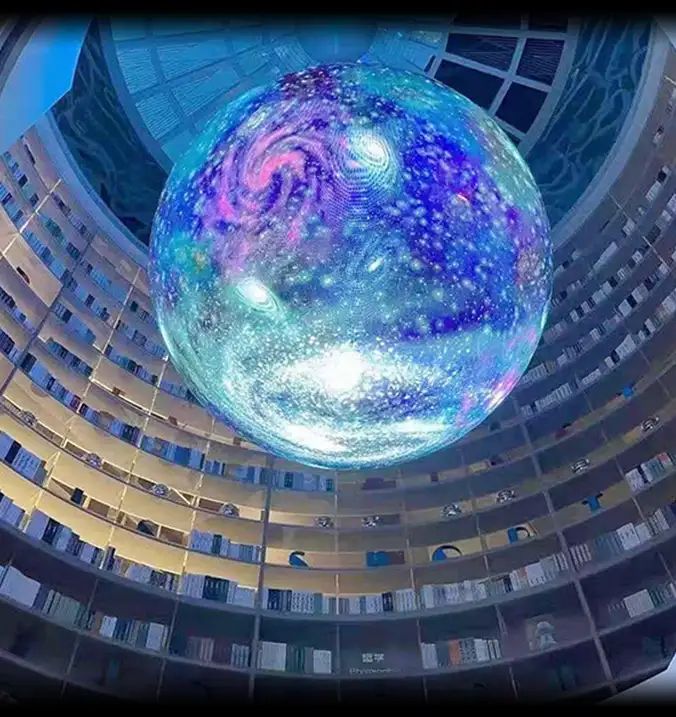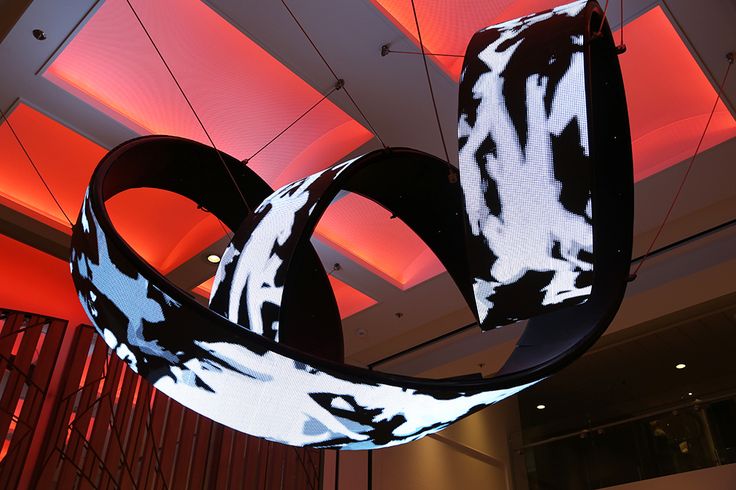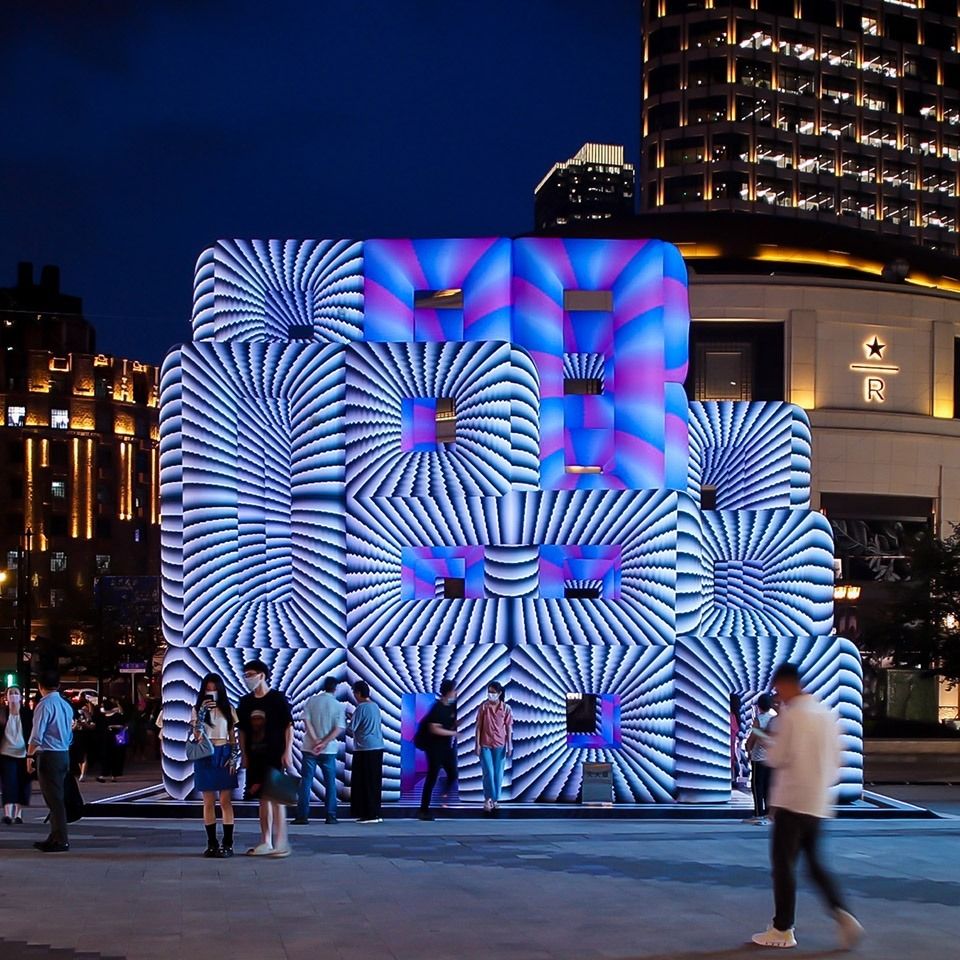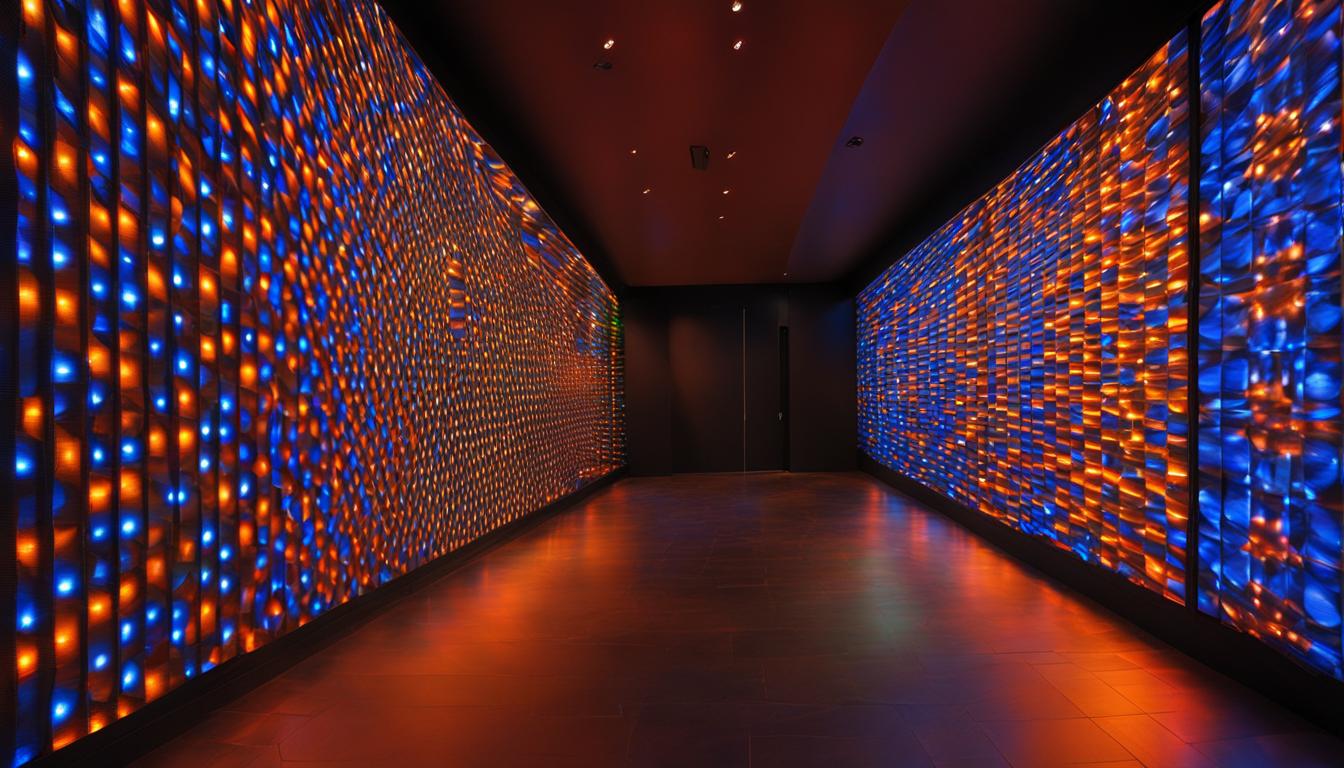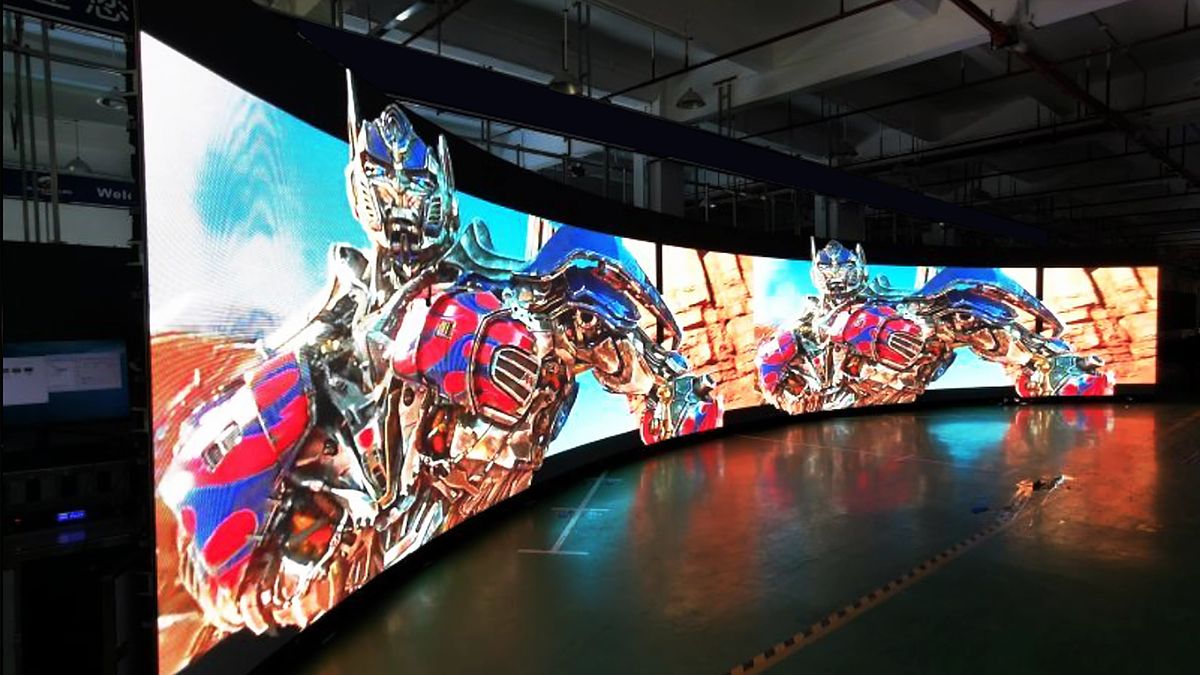
Convex LED displays aren’t just screens—they’re a challenge to how people perceive digital content in three-dimensional space. While flat walls and concave surfaces pull viewers in, convex panels push outward, projecting content beyond the immediate plane. The moment light bends around the curve, the rules change. Sightlines, motion, depth, and perception all shift.
Convex displays are still relatively rare, but they’re growing in popularity because they offer something flat panels can’t: engagement from multiple angles without sacrificing the scale of the image. Instead of commanding attention from a single point, a convex LED surface distributes it, making the display feel alive, almost sculptural.
Geometry and Perception
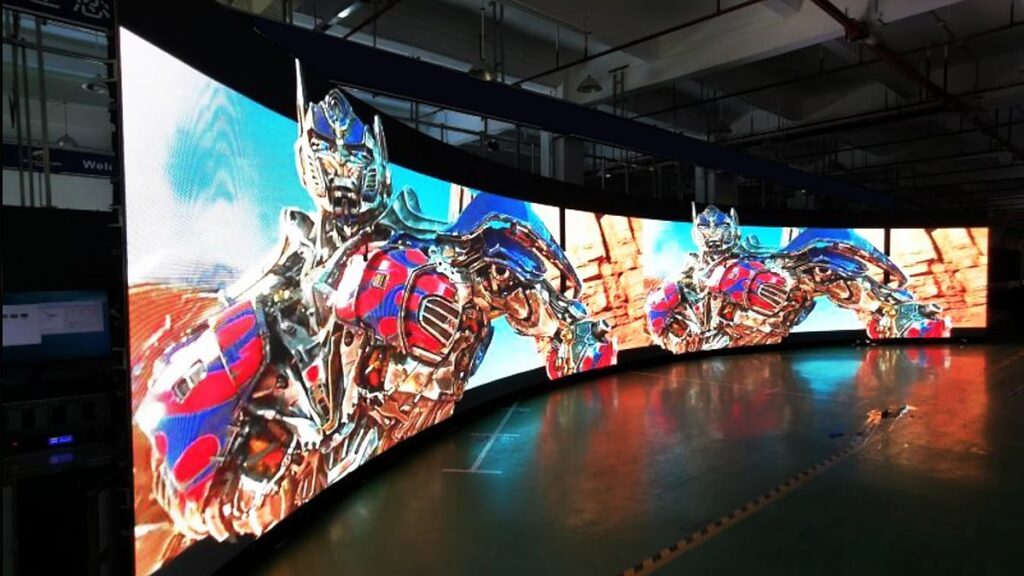
The magic of convexity is subtle but profound. On a flat wall, perspective is predictable. Everyone sees roughly the same thing from roughly the same viewpoint. On a convex surface, that predictability disappears. The screen becomes a volume rather than a plane. Edges project outward, center content recedes slightly, and peripheral vision starts working differently. Motion seems to bend and wrap, and static images take on an unusual depth.
Human eyes are sensitive to these effects. Convex displays can create an expansive sense of space, even in compact rooms. They alter movement patterns subtly. Viewers step back or shift slightly to align content. Light reflects differently off nearby surfaces, giving the impression that the room itself is part of the display.
This isn’t simply a novelty. Designers are exploiting these qualities for practical reasons: exhibitions, retail displays, and public spaces where multiple sightlines must be addressed simultaneously. Convex displays let you communicate to many people at once without compromising legibility.
Content Challenges
Convex surfaces are beautiful, but they’re demanding. A circle or rectangle that works on a flat wall becomes distorted when projected across a convex arc. Motion that seems smooth on a control desk can appear uneven to someone walking past. Color gradients can shift subtly across angles, and brightness must be carefully tuned.
This makes content creation tricky. Designers can’t simply repurpose flat graphics. Motion has to respect curvature. Patterns and transitions need to anticipate perspective shifts. Animations sometimes require pre-warping so the viewer perceives them correctly. The workflow is no longer linear—it’s spatial. Content becomes almost architectural in nature, designed to occupy volume rather than a plane.
Even with all the tech, some compromises remain. Extreme convex curves can stretch the visual canvas too far, creating zones of unavoidable distortion. Designers must balance spectacle against legibility. Subtlety becomes as important as brightness or resolution.
Installation and Engineering
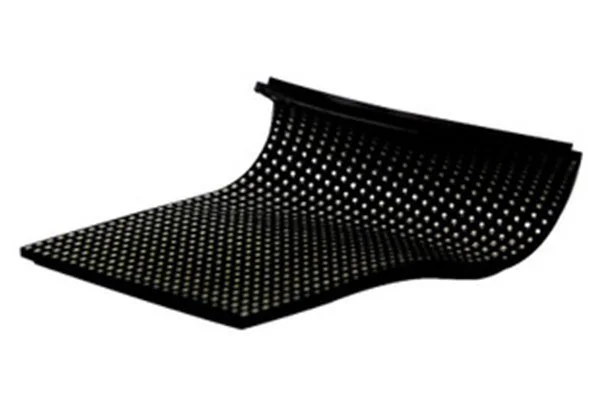
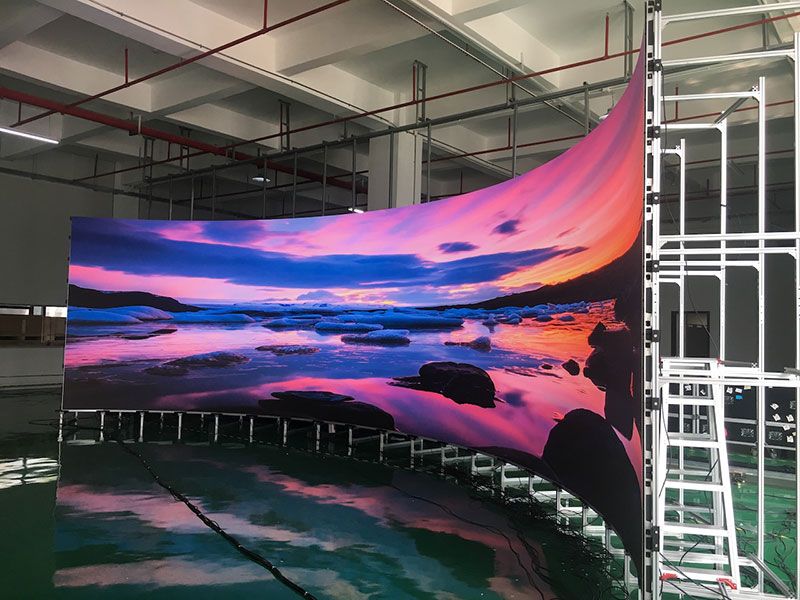
Convex displays are engineering puzzles. Flat LED walls are modular and predictable; convex structures introduce new angles, physical stresses, and thermal considerations. Modules must follow a curve precisely. Alignment tolerances shrink. Mechanical supports must compensate for outward cantilever without creating vibration or stress on panels.
Heat management changes as well. Convex panels sometimes trap warm air at the apex of the curve, so designers need active cooling or ventilation solutions. Reflective surfaces in surrounding architecture compound the challenge. A convex screen is no longer just a display—it’s a structure that interacts with light and space in complex ways.
Electrical and control systems also need careful consideration. Convex installations often span large arcs, requiring precise synchronization of content across many cabinets. Any latency or misalignment is magnified. Every pixel counts.
Practical Applications
Despite the challenges, convex LED displays are finding their niche. They appear in environments where visibility from multiple angles matters:
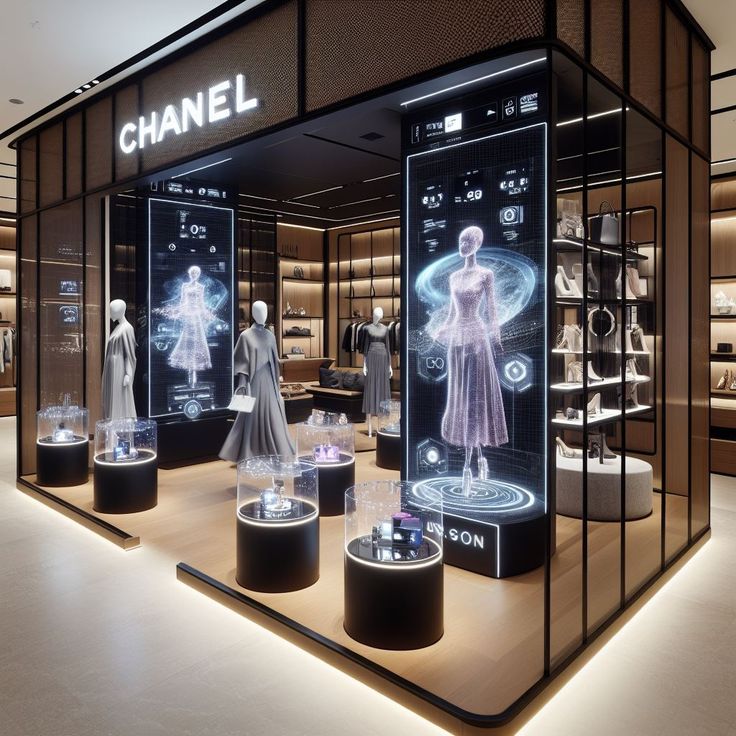
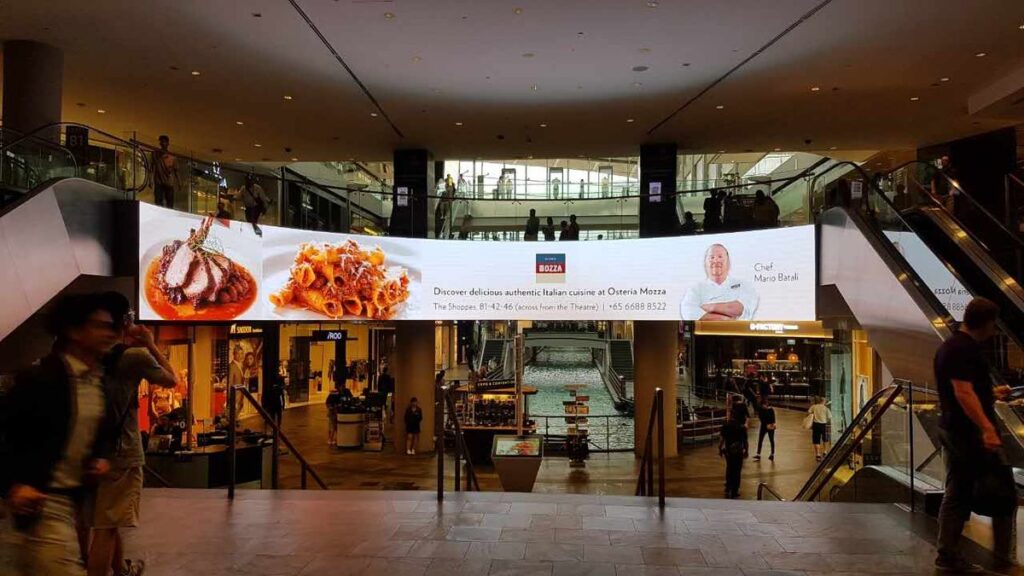
- Retail Spaces: Convex walls can wrap around entrances or atriums, catching attention from shoppers moving through different corridors. The outward projection amplifies the display’s reach without requiring additional screens.
- Museums and Exhibitions: Curved displays allow immersive storytelling. Visitors moving past or around the screen experience depth and perspective shifts that make content feel more dynamic.
- Public Spaces: Convex screens in airports, train stations, or transit hubs address audiences from many angles at once. Flight or train information, advertisements, and event schedules become legible without forcing viewers to stand in a single optimal zone.
- Broadcast and Events: Convex panels can be used as sculptural backgrounds that are visible from multiple camera angles. This reduces the need for multiple flat screens or angled monitor arrays while maintaining visual drama.
In all these cases, the convex form isn’t purely decorative—it solves spatial and perceptual problems that flat walls cannot.
Interaction and Engagement
Convex LED displays also invite a form of interaction that flat screens cannot. The outward projection creates a subtle sense of inclusion. People moving past notice shifts in light, motion, or content without actively engaging. For interactive experiences, sensors can respond to foot traffic, motion, or proximity, making the curve part of a responsive environment.
Even when passive, convex displays affect human behavior. People slow down, adjust their viewpoint, and engage more visually because the screen occupies space rather than sitting behind it. They become part of the room, rather than a separate object on it.
Energy and Maintenance Considerations
Like all LED technology, convex displays are energy-intensive, particularly at high brightness or when covering large areas. Heat distribution and power efficiency must be considered from the start. Modular panel design is critical for maintenance; the outward projection of convex modules makes replacement or service more difficult than flat panels.
Adaptive brightness, segment activation, and sensor-driven content can reduce power consumption while also enhancing the interactivity of the display. Properly engineered, a convex installation can last for years without losing visual uniformity or structural integrity.
Aesthetic and Experiential Value
Convex LED displays transform spaces in ways that go beyond utility. They offer architectural drama and sculptural presence. A convex screen feels larger than it is, expanding perceived space. It encourages movement, guides sightlines, and shapes attention in subtle ways.
The combination of curvature, light, motion, and content makes convex installations more than just displays—they’re experiences. Designers no longer work with rectangles and pixels but with volume, perspective, and perception. Every choice—curve radius, pixel pitch, content motion, brightness gradient—becomes a spatial design decision.
The Future of Convex Displays
Convex LED technology is improving rapidly. Smaller modules and finer pixel pitches allow for smoother arcs and higher resolution. Control software is becoming geometry-aware, automatically correcting content to maintain the intended perception. AI-driven interactivity is starting to appear, letting displays respond dynamically to movement, sound, or even crowd density.
We can expect convex installations to expand beyond flagship retail or high-profile events. As cost drops and design tools evolve, these displays will enter corporate lobbies, educational spaces, public infrastructure, and urban installations. The novelty of a convex form will fade, replaced by its utility as a tool for spatial storytelling.
Convex LED displays are not just about projecting content—they’re about reshaping space, guiding attention, and interacting with human perception. They challenge assumptions about what a screen is and how people move through it.
A New Kind of Display
At the end of the day, convex LED displays are a reminder that technology and space can converge. Flat rectangles are dead ends. Curves expand vision, shift focus, and transform engagement. They take what once lived on a wall and make it part of the room.
Walking past a convex installation, it’s impossible to ignore. The screen isn’t just showing an image—it’s asserting presence, shaping behavior, and subtly altering perception. And in 2026, that’s the real promise of this technology: displays that aren’t just seen, but felt.