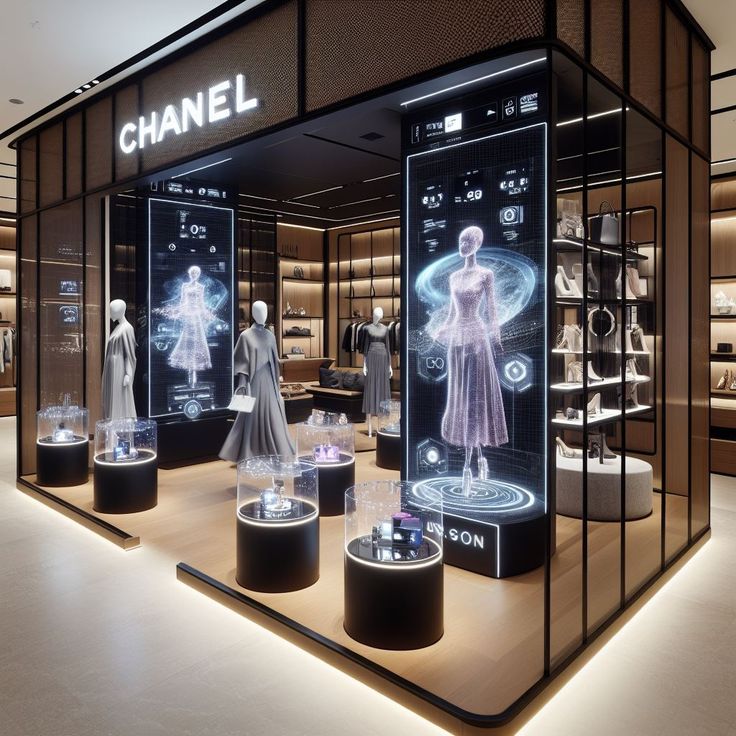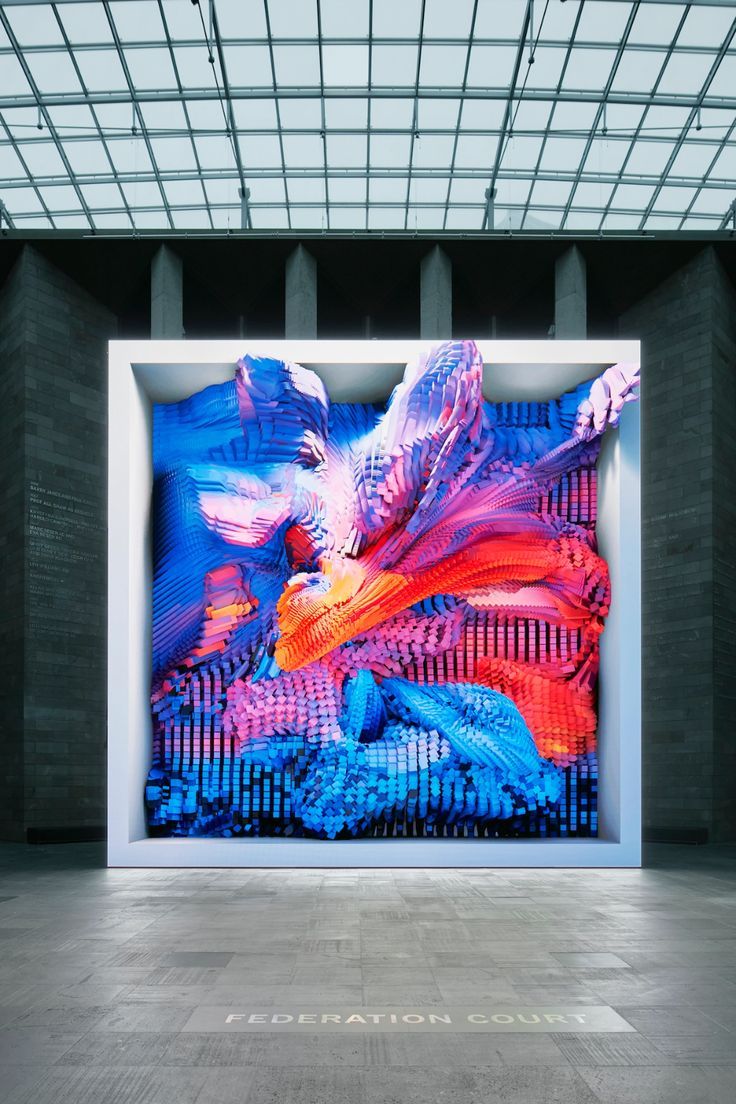
Walk into a small event space, a classroom, or a mid-tier retail environment, and you might notice the trend: LED walls are no longer reserved for arenas or luxury boardrooms. Budget LED walls options have proliferated. They promise big color, big scale, and big impact for far smaller costs than their premium cousins. But the question that lingers for designers and technologists alike is: does low cost mean low quality? Or can these walls truly hold their own without compromises that show up in pixels, motion, or longevity?
The first thing to understand is that “budget” is relative. A $10,000 LED wall feels cheap compared to a $100,000 installation, but in absolute terms it’s still expensive. The real debate isn’t cost versus cost. It’s about expectations versus reality.
The Perception of Quality
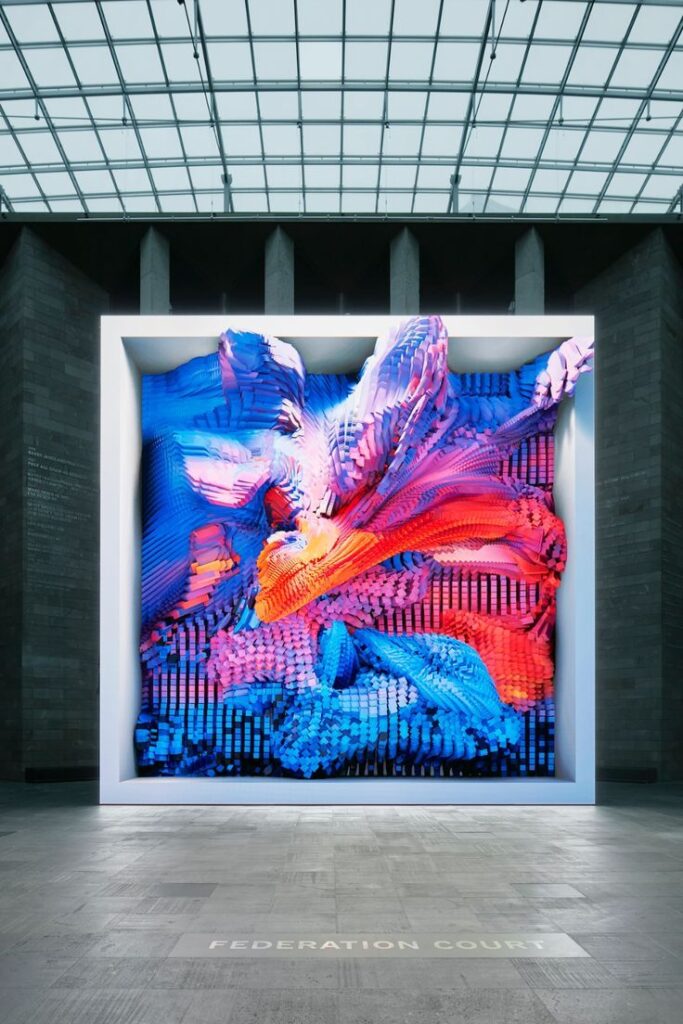
Budget LED walls have a stigma, and it’s partially earned. Early adopters of low-cost modules often experienced uneven color, inconsistent brightness, or a pixel pitch that betrayed itself from ten feet away. Engineers and designers noticed immediately — alignment quirks, heat buildup, and module failure rates were common complaints.
But the stigma is shifting. Manufacturers are learning that perceived quality matters as much as raw specs. Even on a lower budget, you can get uniform color calibration, reliable power supplies, and modules that are serviceable without a degree in electronics. The key is not to expect the same features as a premium installation — HDR, ultra-fine pixel pitch, or perfect black levels — but to focus on fit-for-purpose quality.
A budget LED wall doesn’t need to compete in every metric. It only needs to perform reliably where it matters. For classrooms, lobbies, or small events, viewers care about clarity, brightness, and readability more than cinematic perfection.
Where Cost Savings Happen
Budget-friendly walls often save money in obvious places: pixel density, materials, and software ecosystems. Pixel pitch is typically wider. That means from close up, the image might reveal individual LEDs. But move three to five meters back, and the display looks smooth enough for most practical applications.
Materials are another lever. Frames, mounts, and cabinets might use lighter metals or plastics. Tolerances might be looser. That doesn’t mean they’re bad — just less refined than premium builds. The tradeoff is durability versus initial cost. Careful planning and installation can mitigate most of these risks.
Software and processing are often simpler, too. Budget systems might have fewer fancy effects or lower refresh rates. But again, if your goal is informational display rather than high-speed gaming visuals, these simplifications often go unnoticed.
Smart Buying: Balancing Expectations
The trick with budget LED walls is to be precise about what you actually need. A salesperson might promise “arena brightness” on a $5,000 panel, but the physics of LED chips and cooling systems make extreme performance unrealistic. That doesn’t make the wall worthless. It just requires understanding the environment and intended use.
For designers, this means thinking about:
- Viewing distance: Wider pixel pitch is fine if people aren’t scrutinizing the display up close.
- Ambient light: Budget walls may struggle in direct sunlight, but indoors, with controlled lighting, they can look excellent.
- Content type: High-speed video or ultra-fine graphics may show limitations; text, static imagery, and moderate motion often work fine.
When you match budget solutions to appropriate contexts, you often get quality that exceeds expectations. That’s the subtlety many first-time buyers miss.
Installation Matters More Than You Think
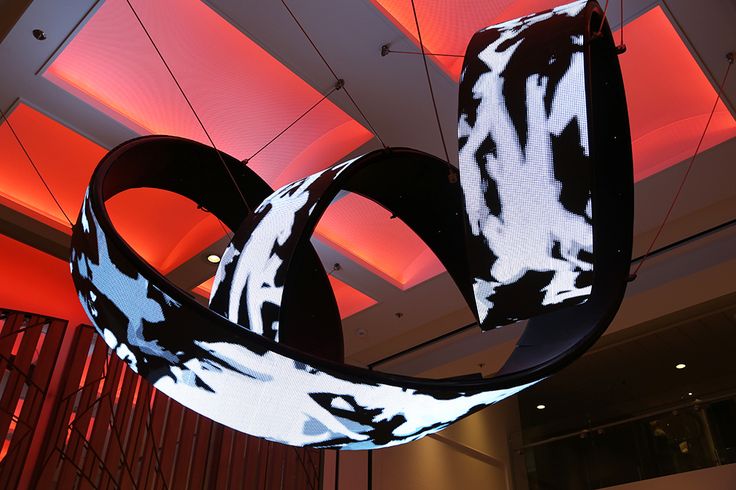
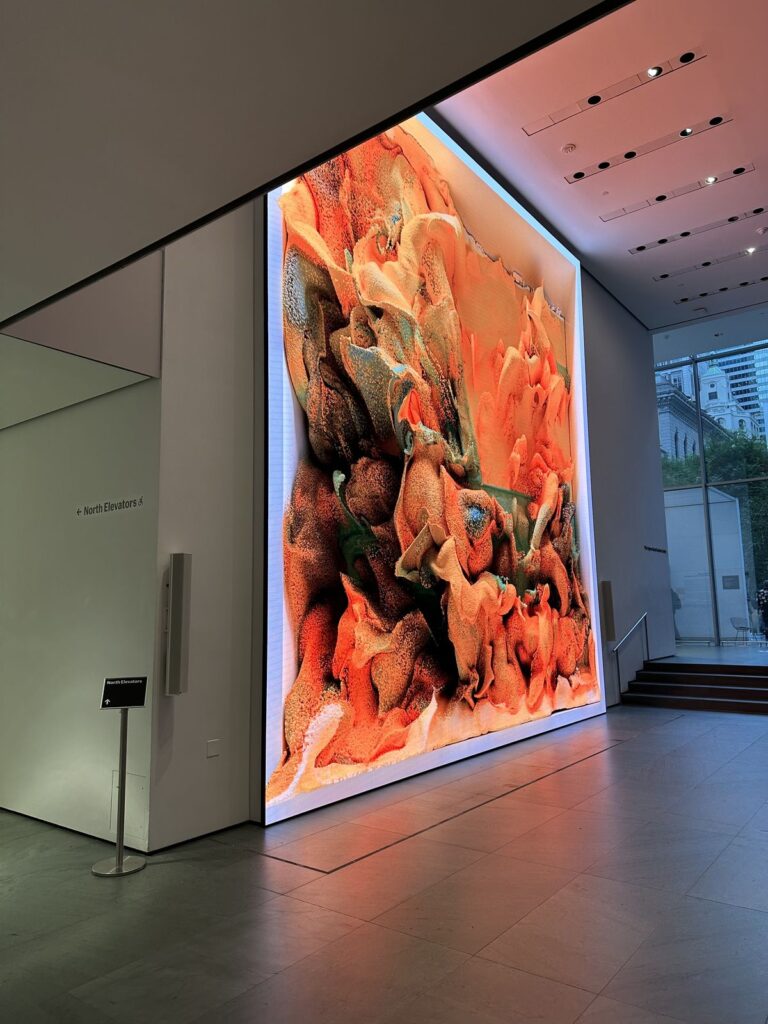
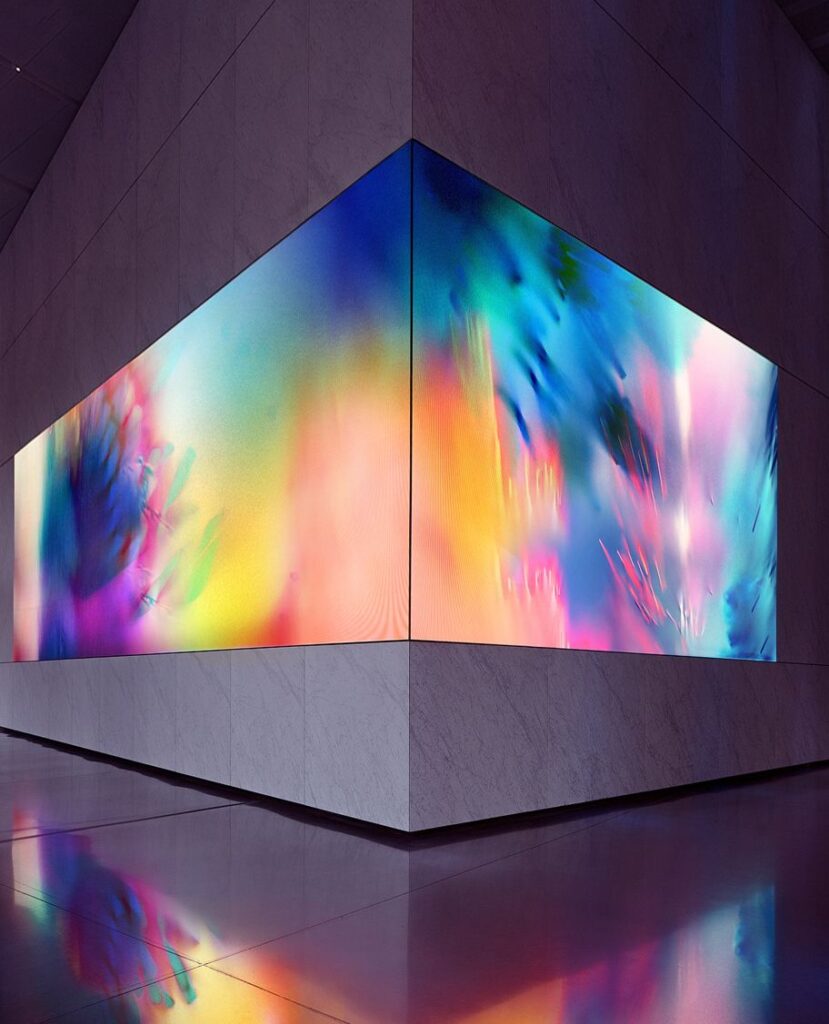
Even the best budget LED wall can look awful if it’s poorly installed. Alignment, flatness, and proper calibration make a huge difference. With cylinders, curves, or modular designs, tiny gaps or misaligned panels can scream, even on a lower-cost solution.
Installation is where smart planning pays off. Leveling, power distribution, ventilation, and cabling — all of it affects performance and longevity. A budget wall that’s carefully installed, calibrated, and maintained can outperform a premium system that’s sloppily deployed.
Serviceability and Modularity
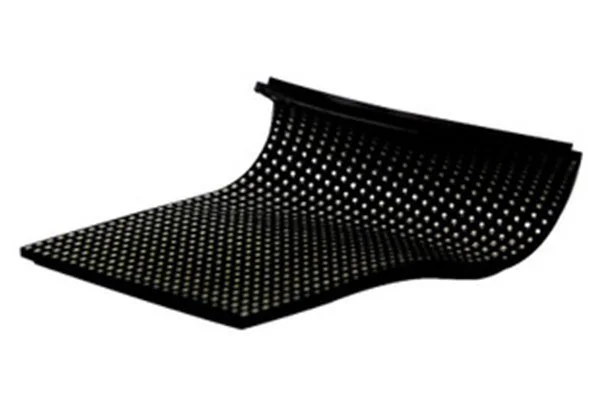
One advantage of budget systems is that they often embrace modularity. Individual panels are cheap to replace, and most manufacturers allow for in-field swapping without special tools. That’s a big deal for long-term quality, because a wall’s visual integrity depends on every module functioning.
Budget-friendly walls almost force designers to consider maintenance strategy from day one. Where a premium wall might hide a non-critical failure behind redundancy, a cheaper wall requires serviceable design. In practice, that means you can keep the display performing well for years if you stay on top of maintenance.
Perception vs. Reality
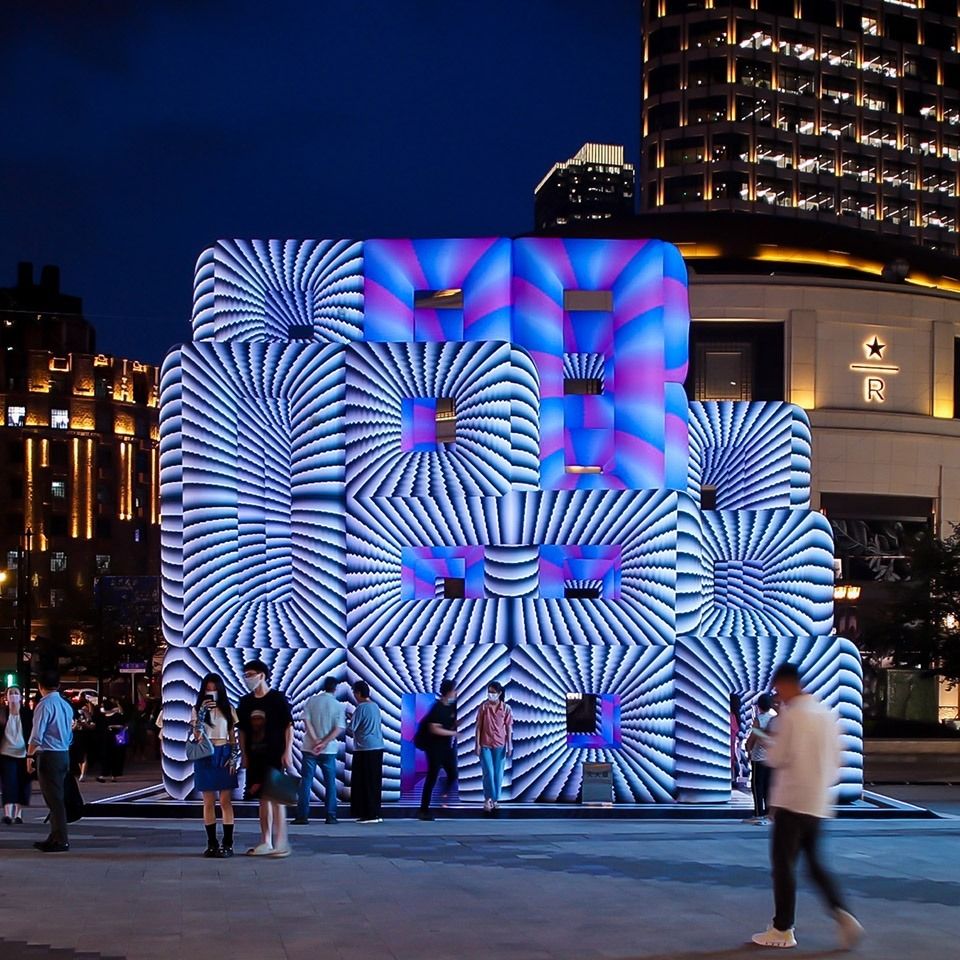
Viewers don’t always notice small imperfections. Pixel density that looks loose up close disappears from several meters away. Slight color variations across modules often go undetected unless under controlled test conditions. In many applications, these walls look better than their price tag would suggest.
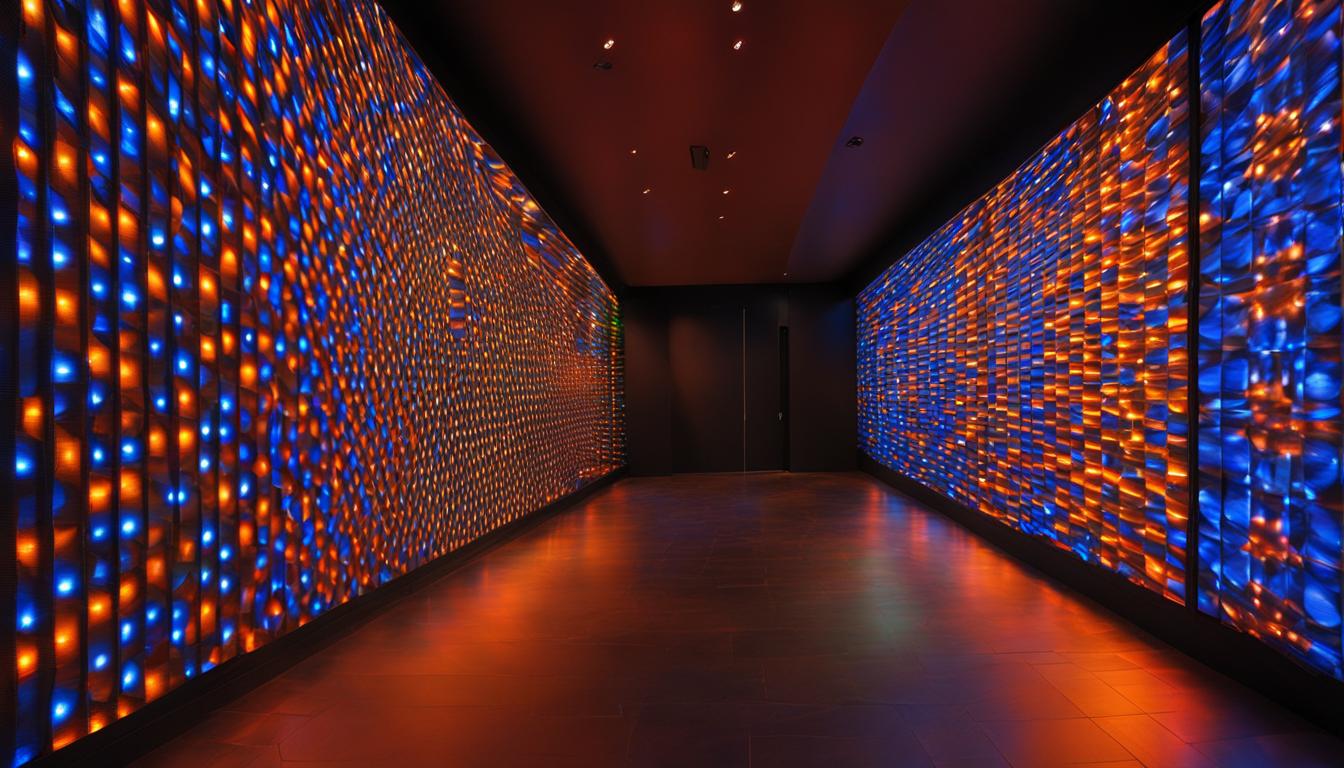
And there’s a psychological element. Budget walls installed well can feel aspirational. They deliver scale and brightness that still impresses. People respond to the presence of light and motion more than they respond to micro-level technical perfection. That’s a reminder that design is perception, not just specs.
Where Budget Walls Still Fall Short
It’s worth being honest. Budget-friendly LED walls struggle with:
- Extreme brightness for outdoor daytime viewing.
- HDR content or deep black reproduction.
- Ultra-fine pitch for detailed graphics or cinematic applications.
- Advanced processing features like high refresh rates or interactivity.
In contexts that demand those features — high-end broadcast, premium retail, immersive VR-adjacent installations — budget walls aren’t the right choice. But for most practical uses — informational displays, corporate signage, classrooms, small events — they’re often more than adequate.
A Shift in Market Perception
Over the last few years, budget-friendly LED walls have evolved from “cheap substitute” to “viable, reliable solution.” Designers, integrators, and end users are beginning to understand that quality is contextual. It’s no longer about absolute spec supremacy; it’s about delivering a visually compelling, reliable, and maintainable system that works for the intended environment.
The real innovation isn’t in the pixels alone; it’s in how manufacturers package value: modularity, serviceability, simplicity, and focus on the metrics that matter most to the audience. That’s how budget walls can achieve quality without premium costs.
The Takeaway
Yes, a budget-friendly LED wall can be quality — if expectations are calibrated, installation is careful, and use cases are appropriate. The key is matching the solution to the environment and audience. The market now provides options where cost-efficiency doesn’t automatically equate to visual compromise.
In other words: you can save money without feeling like you’re cutting corners, but you have to think strategically about design, installation, and maintenance. Done right, a budget LED wall can deliver clarity, scale, and impact that surprises even seasoned viewers.
Flat-out, high-spec perfection isn’t the goal for every space. Sometimes, good enough — intelligently chosen and installed — is enough. And in 2026, that’s becoming the new definition of LED wall quality.