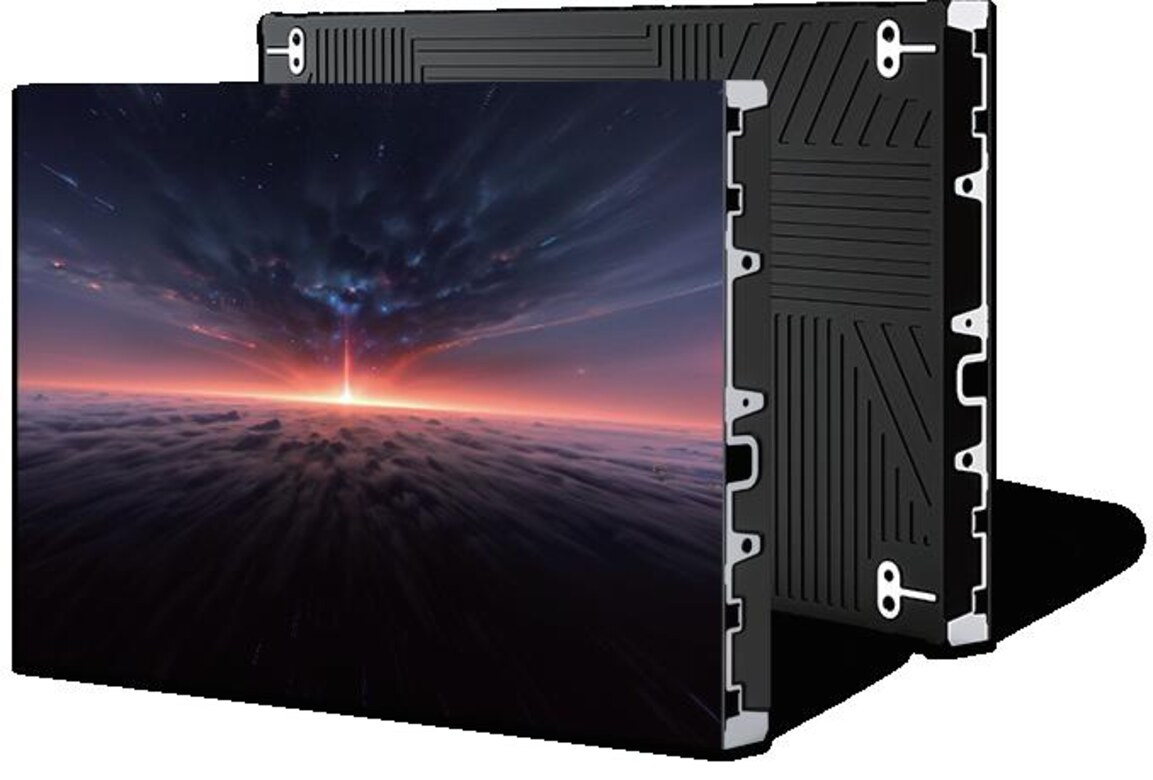
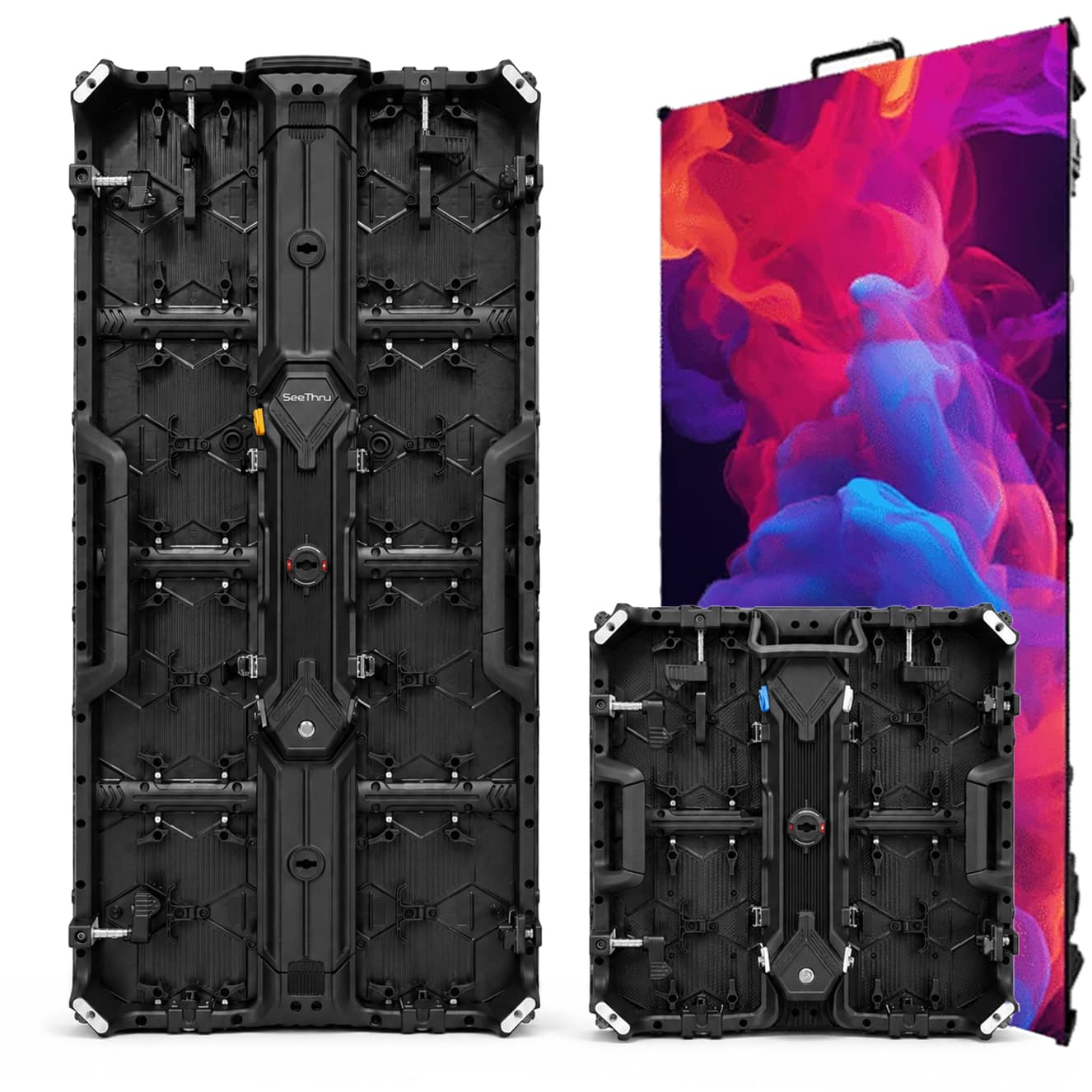
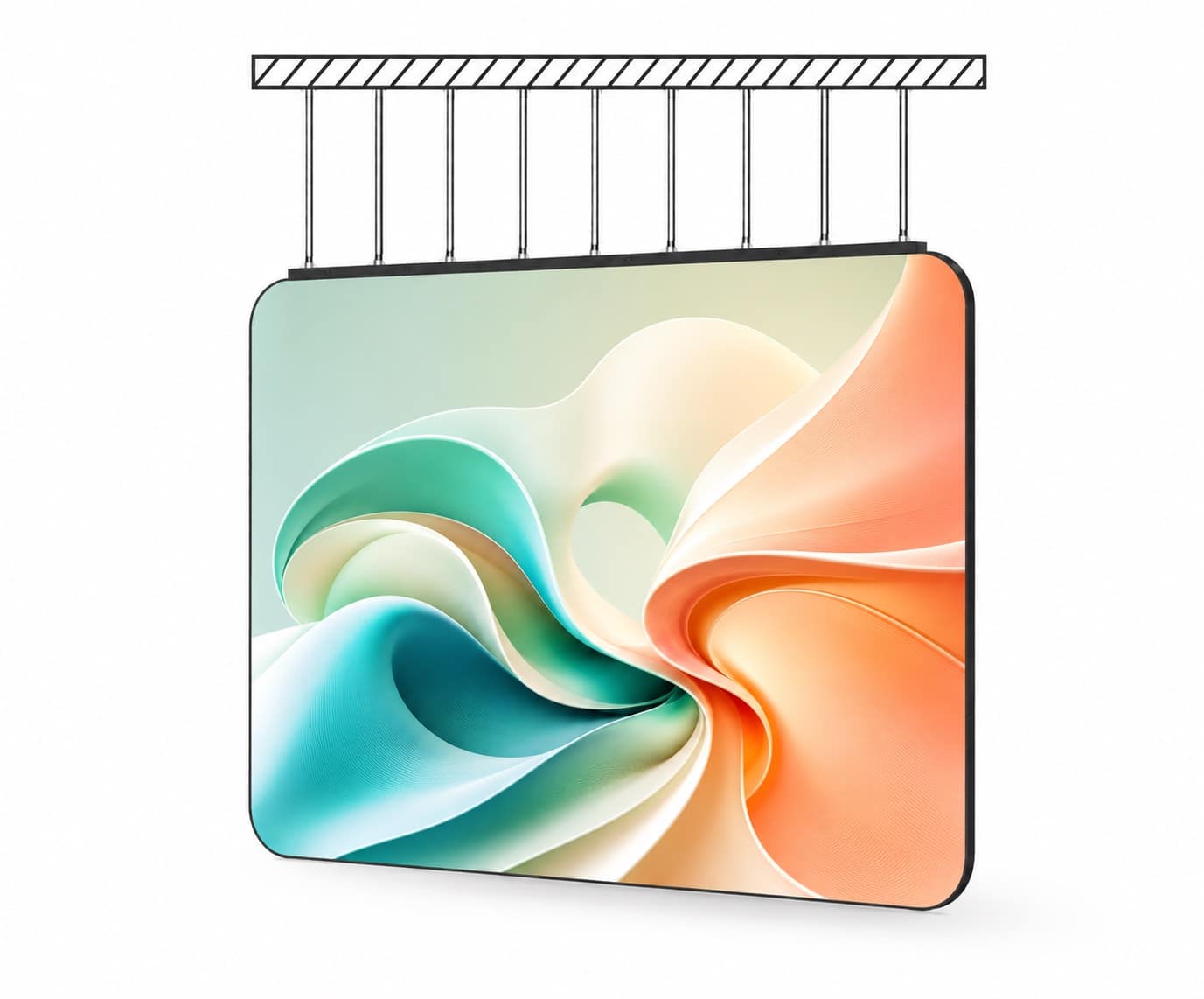
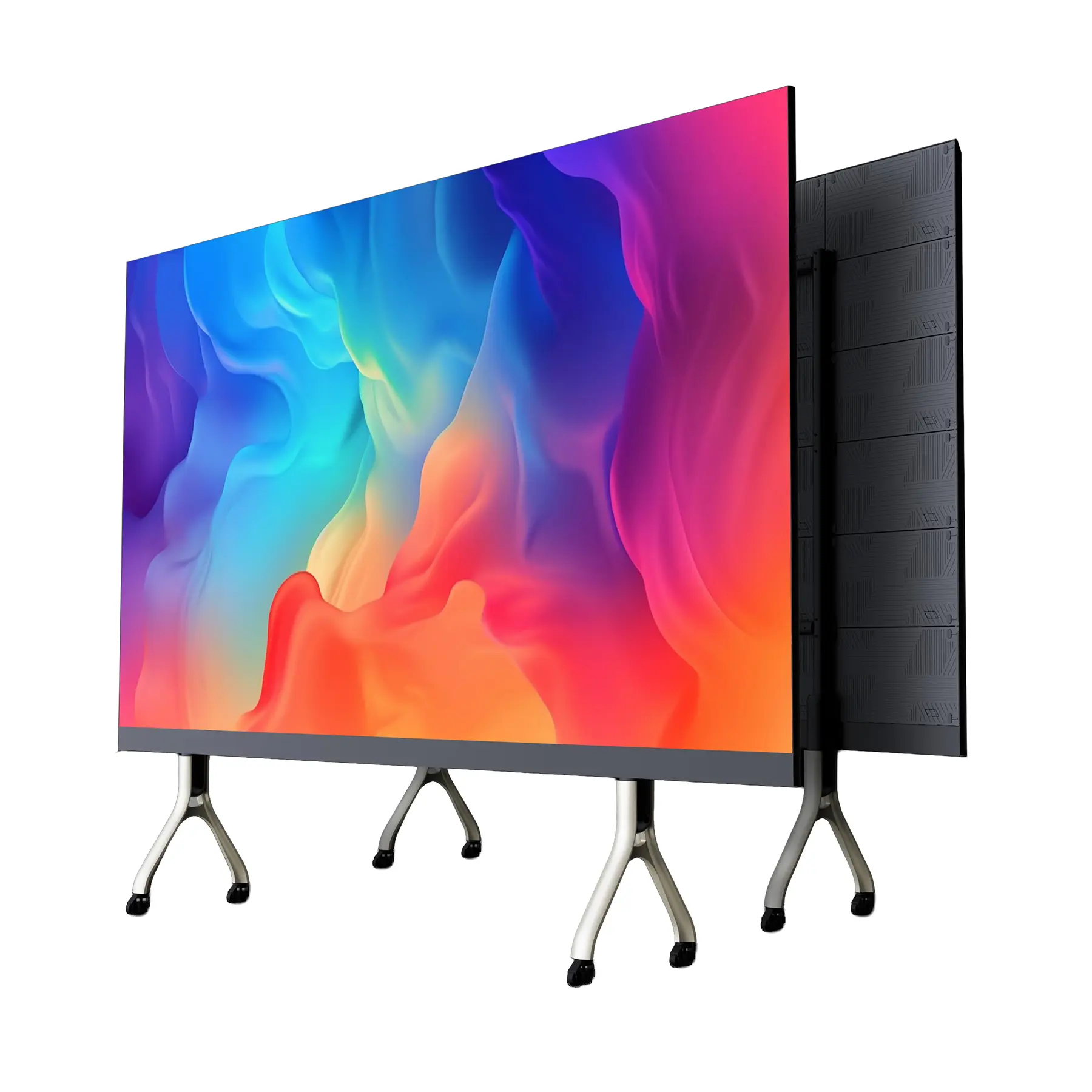
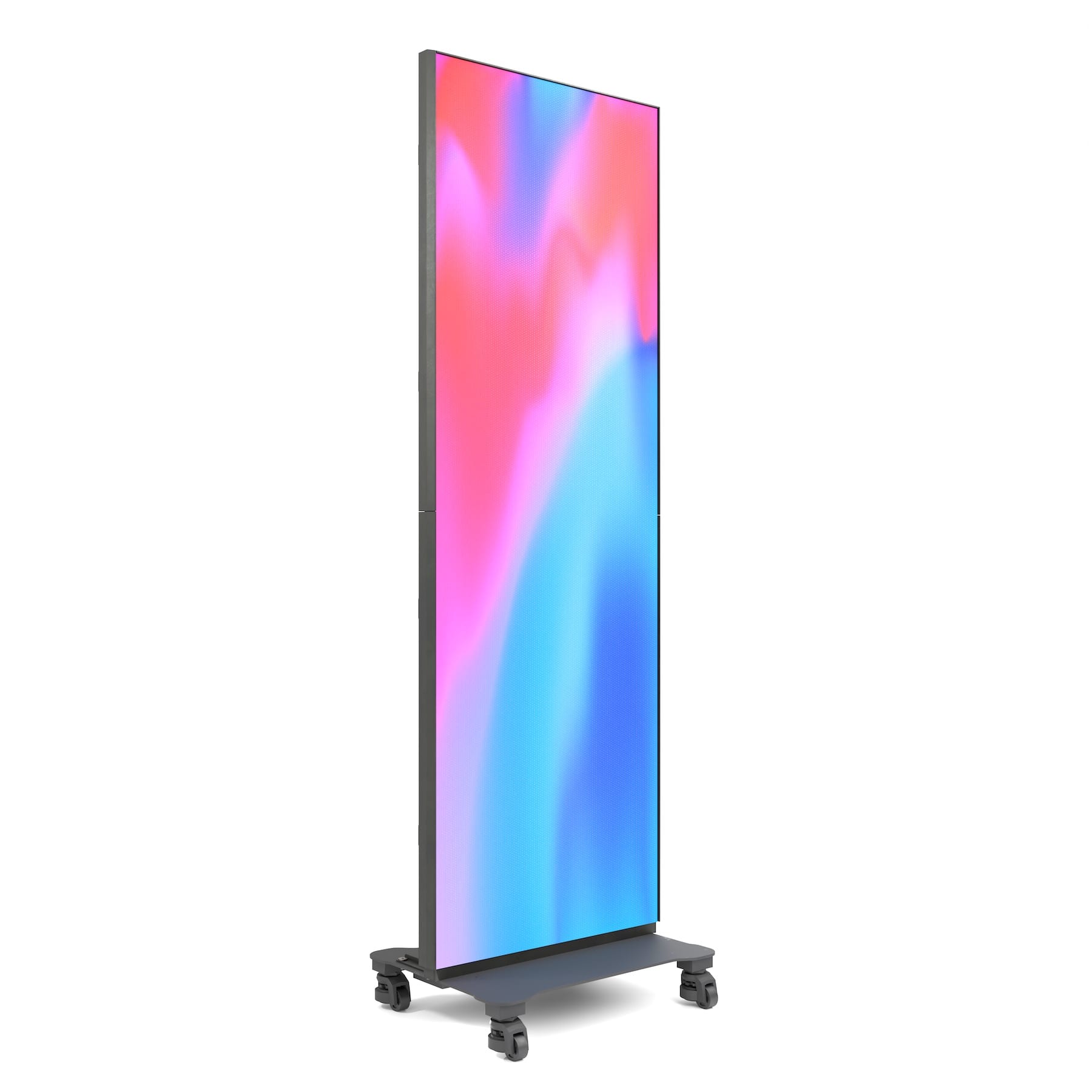
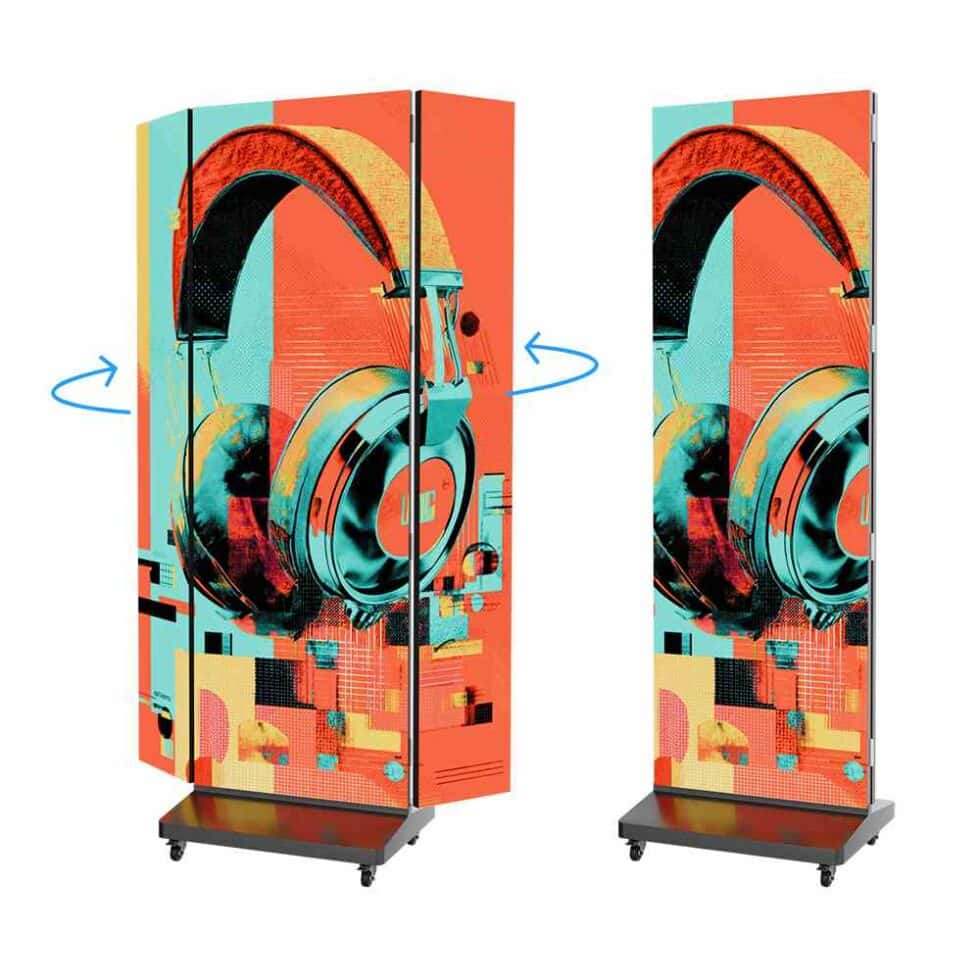
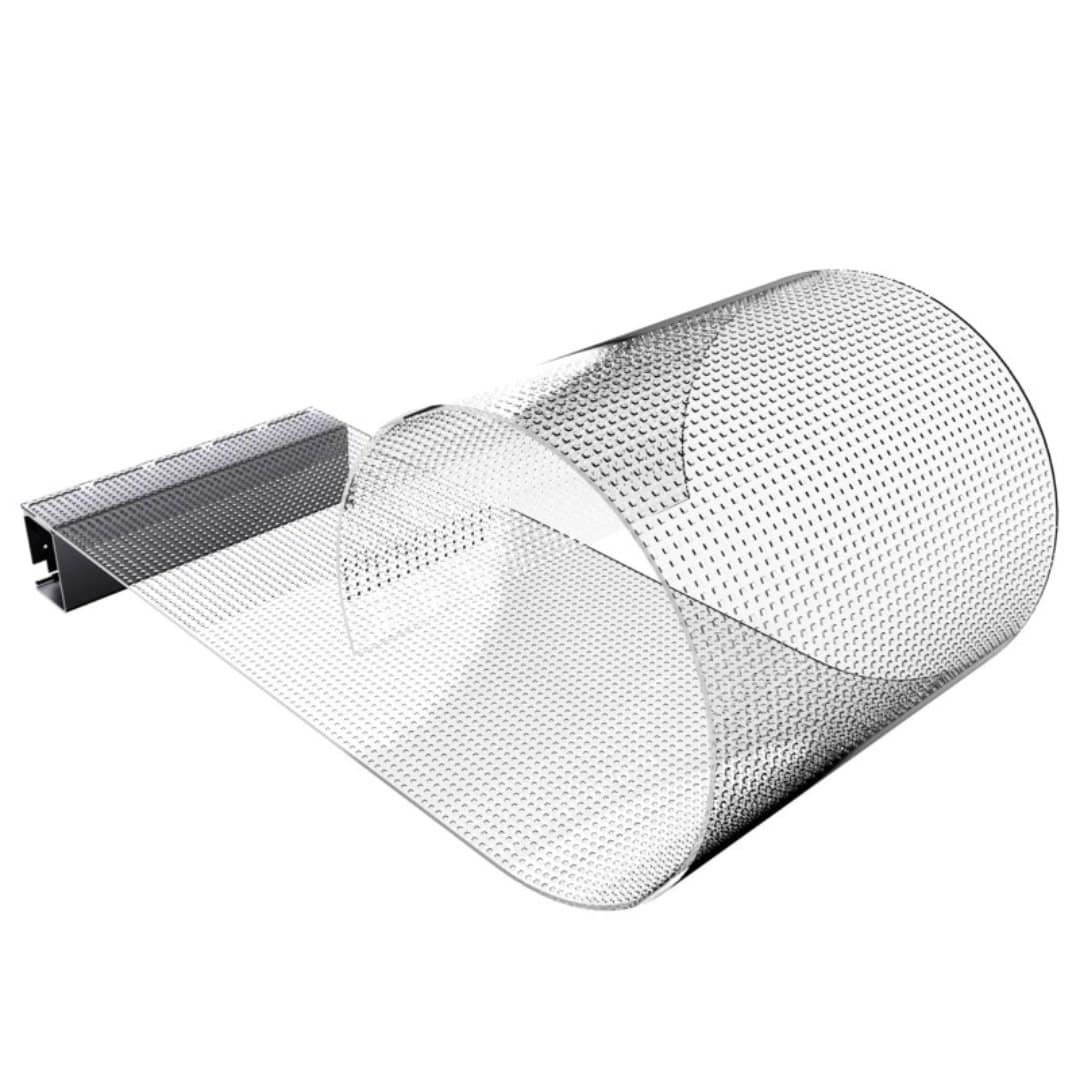
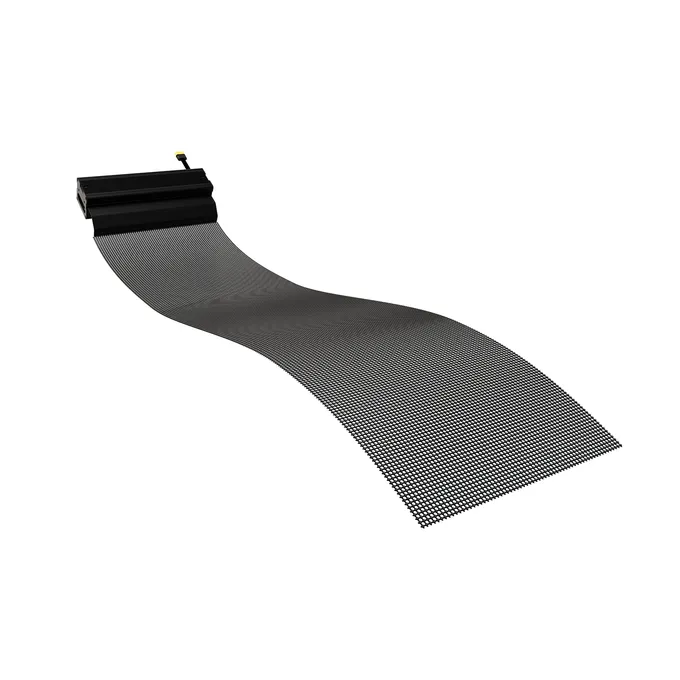
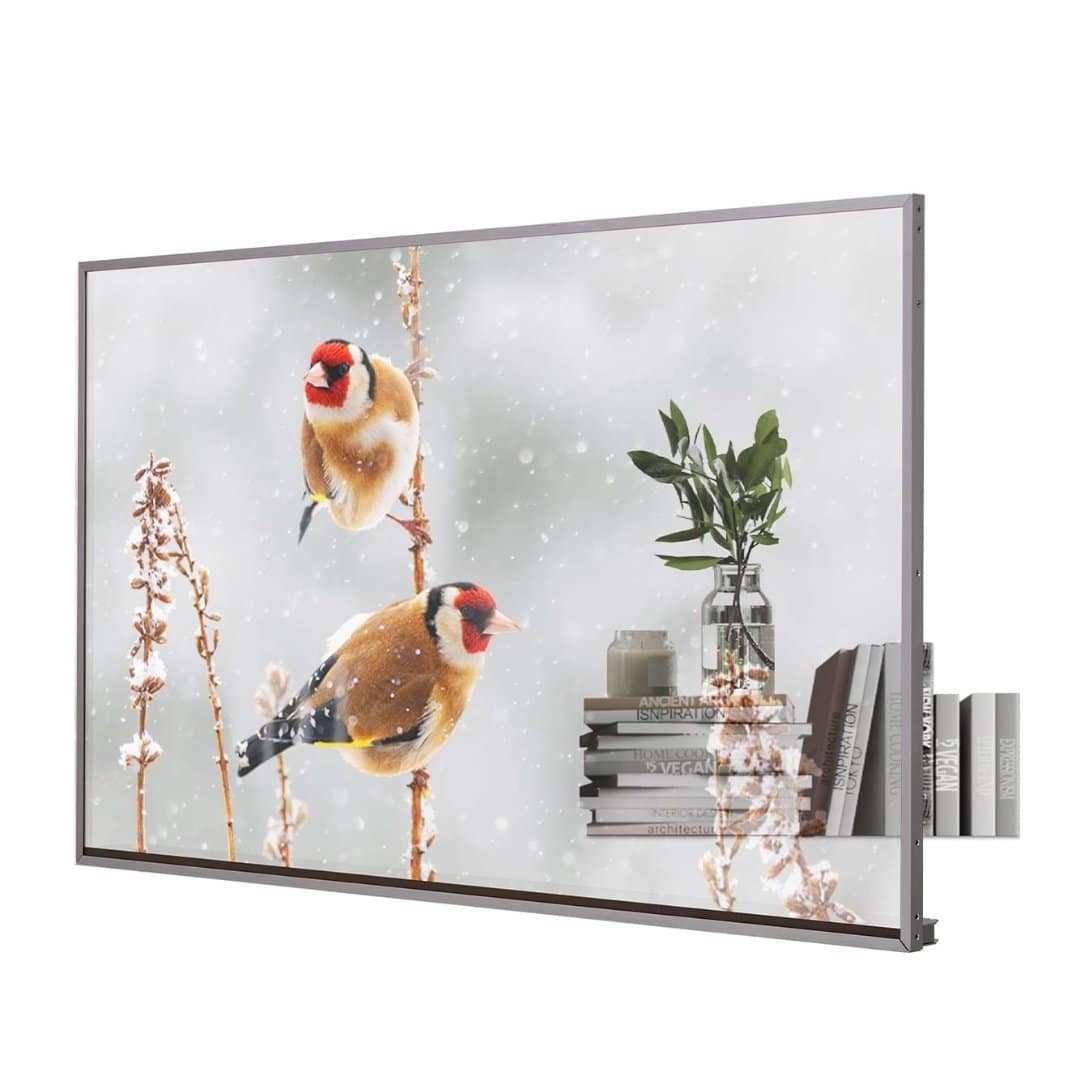
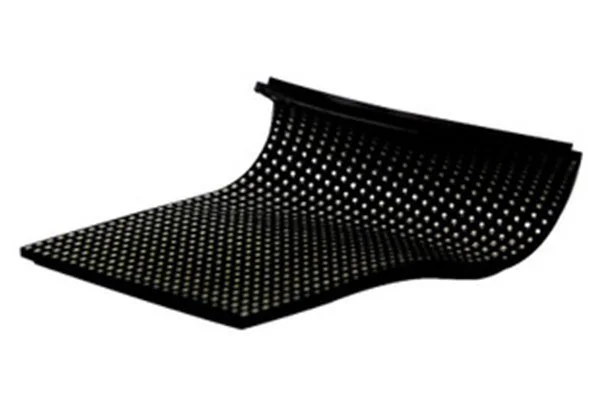
The first instinct when seeing a foldable LED screen is disbelief. A device that once demanded rigid frames, heavy mounts, and careful calibration now bends and folds like a piece of paper. The familiar tension between form and function has been replaced by something almost mischievous: a display that obeys gravity yet defies it. It’s portable, flexible, and, for the first time, feels playful in a professional context.
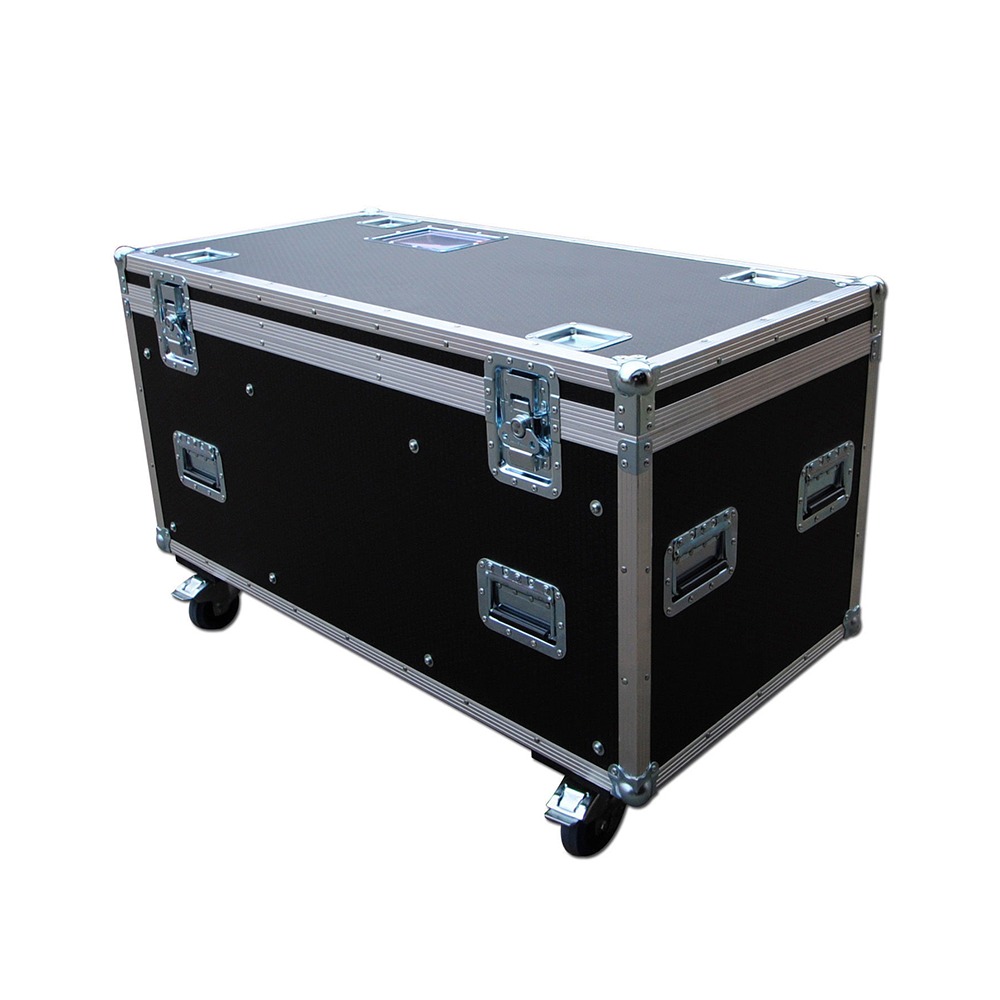
The practical implications are immediate. No longer constrained by walls, columns, or ceilings, the screen adapts to context. Pop-up events, temporary installations, or on-the-go presentations suddenly gain visual fidelity previously reserved for permanent setups. Folding panels allow transport in standard cases, setup by a single operator, and configuration that adapts to the room rather than forcing the room to adapt to the screen. But this is more than convenience. It’s a shift in mindset: LED displays are no longer static monuments; they are dynamic tools.
The Illusion of Seamlessness
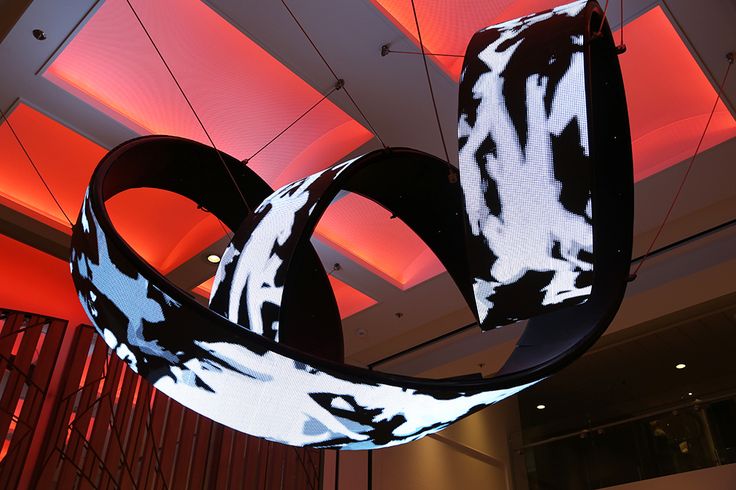
A foldable display invites scrutiny. Every crease, hinge, or bend becomes a negotiation with optics. Unlike rigid panels, which promise uniformity across a plane, folding introduces subtle discontinuities. Color may shift near the hinge; brightness can vary across folds. These imperfections might be described as flaws in a spec sheet, but in practice they offer texture. The human eye is forgiving when the movement of the screen suggests intent. Motion across a fold feels sculptural, almost kinetic. Graphics wrap and bend, introducing depth and rhythm. A display that bends transforms the visual experience from two-dimensional to a subtle three-dimensional choreography.
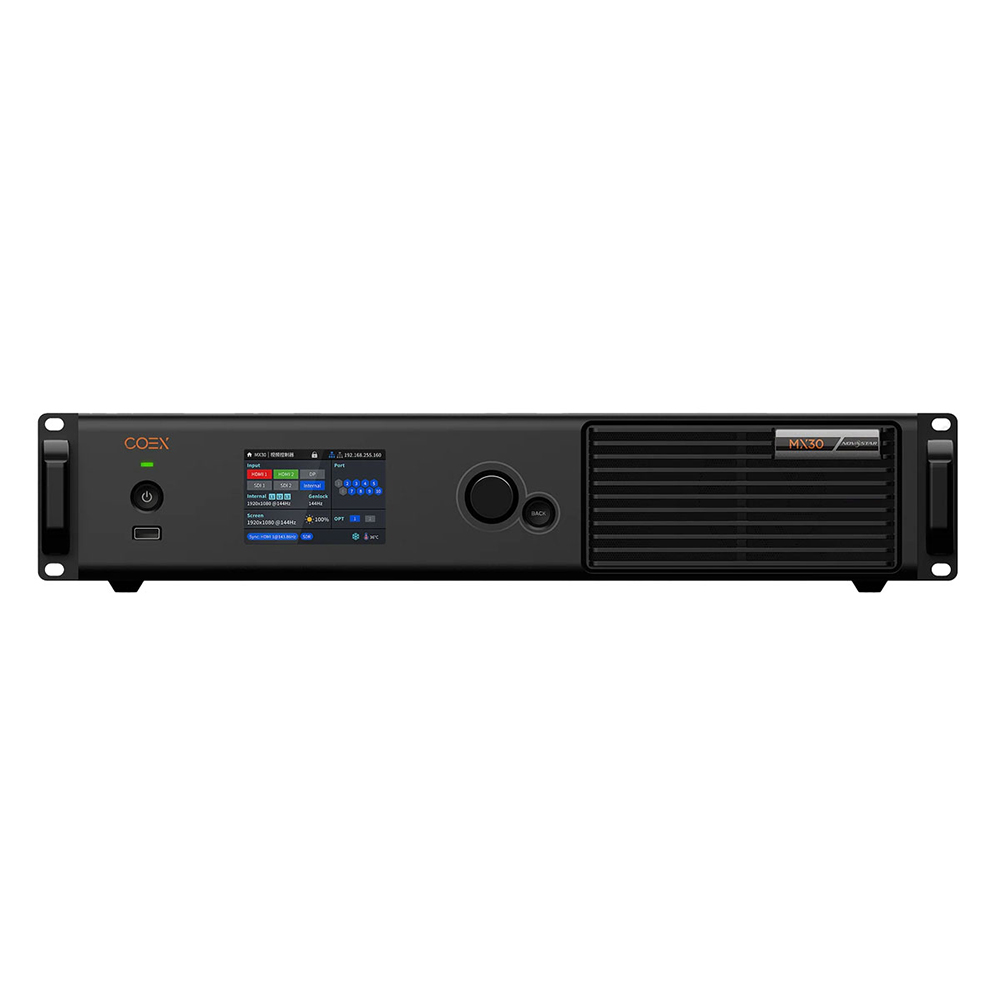
The challenge is in calibration. Each hinge, each fold, each panel requires precise alignment and driver management. Even minor misalignment in one fold can ripple across content, producing jitter or skew. It’s exacting work, but it also opens creative possibilities. Designers can choreograph motion to acknowledge folds, turning what might be a defect into a deliberate part of the visual language. The screen is no longer a passive window; it is an active participant in the presentation.
Flexibility as Design Language
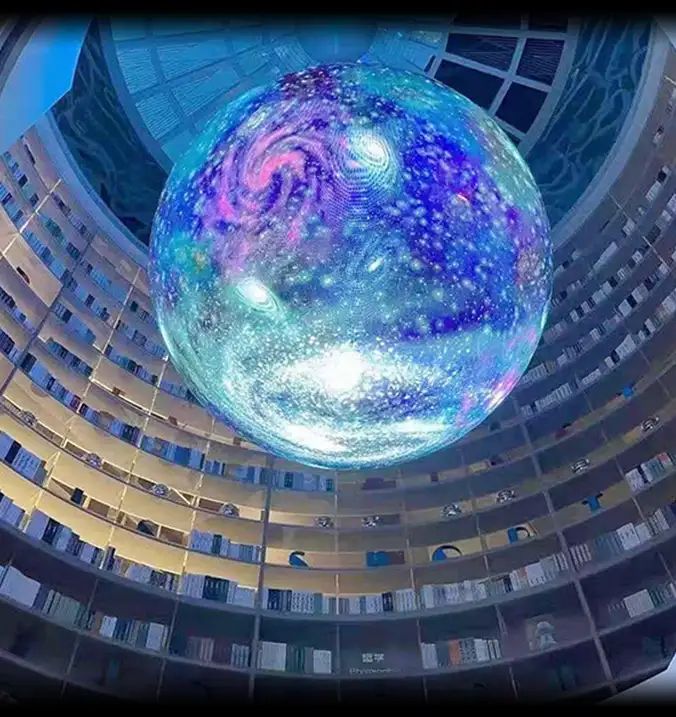
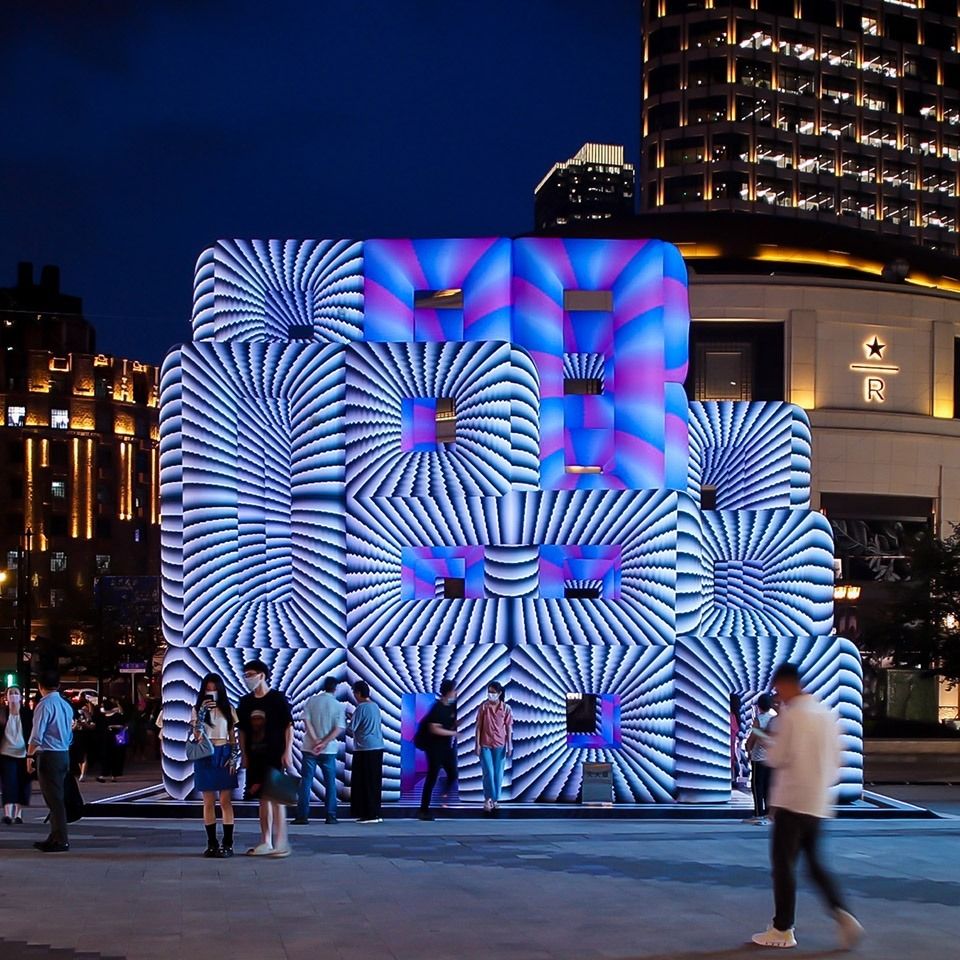
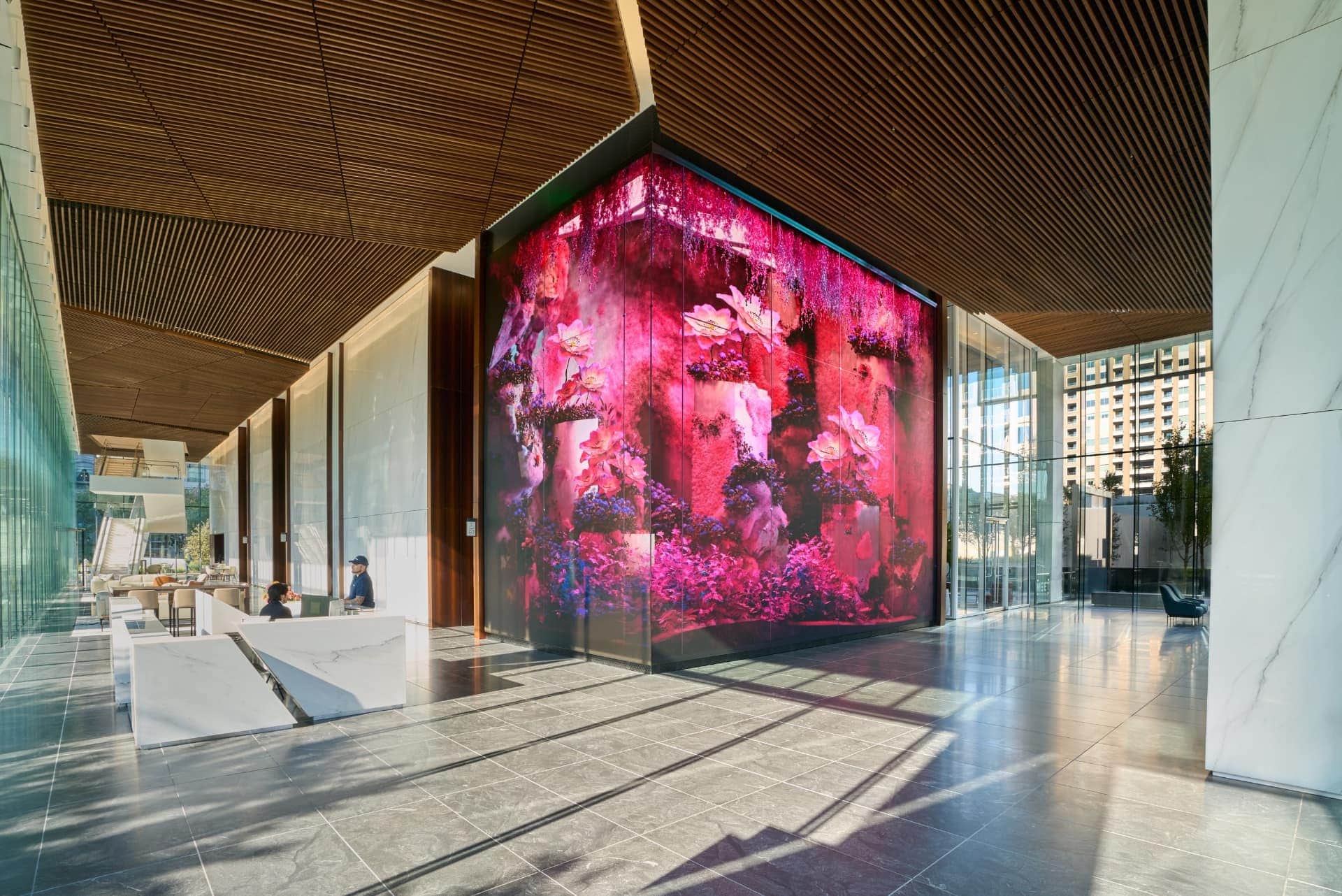
Foldable LED screens reframe the notion of display geometry. The simplest panels are rectangles, but the technology accommodates curves, angles, and unexpected arrangements. A single screen can fold into a triangle, wrap around a corner, or create a freestanding shape in the middle of a room. In effect, it’s not just a screen; it’s modular architecture. A single visual composition can occupy multiple planes, creating depth and tension previously unattainable with flat surfaces. It’s a reminder that LED technology is as much about spatial storytelling as pixel density.
This flexibility also encourages experimentation in content design. Animations can traverse folds, pause at bends, and resume with altered perspective. It introduces a sense of journey to visual storytelling. The audience is no longer passive; their movement relative to the screen changes perception. A foldable screen doesn’t just display content—it frames the human experience within its mutable geometry.
Portability Meets Performance
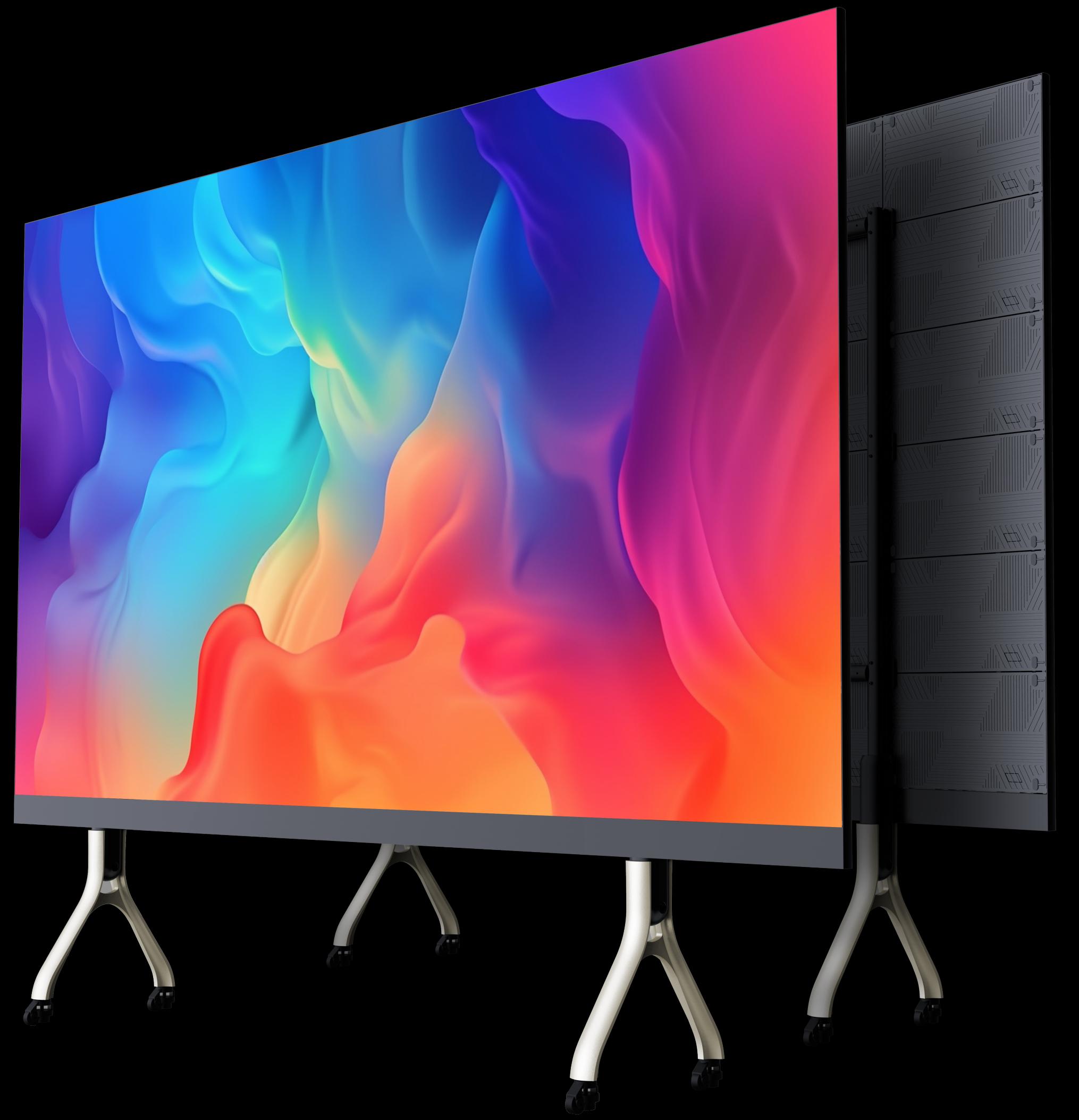
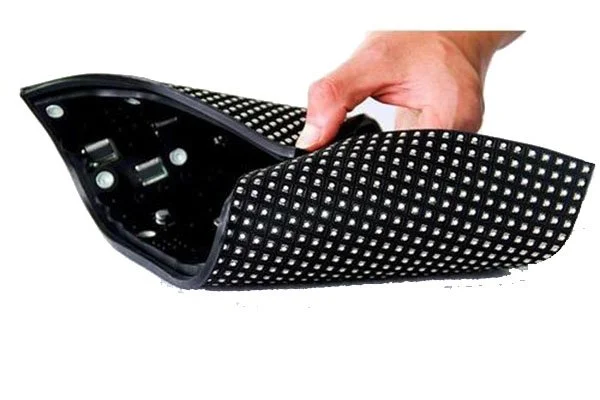
Portability, however, is not a compromise on quality. Modern foldable LED panels retain high brightness, excellent color fidelity, and reliable refresh rates, despite the demands of flexible substrates. The engineering is exacting: bendable circuits, pliable backplanes, and hinge designs that withstand repeated folding without degradation. Thermal management becomes a nuanced art; heat that can accumulate unevenly in a fold must be dissipated without introducing stress or distortion. The panels are mechanical, electrical, and optical systems in delicate equilibrium, and the result is a performance that feels almost miraculous to anyone accustomed to rigid LED walls.
Portability extends beyond physical movement. A foldable LED display allows rapid reconfiguration of spaces. Conference rooms, galleries, retail stores, or pop-up exhibitions can transform overnight. The screen becomes a tool for improvisation, adapting instantly to evolving needs. Its presence encourages risk-taking in layout and content, because nothing is permanent, and nothing is fixed. It introduces agility into the traditionally immobile world of high-end visual displays.
Interaction and Audience Engagement
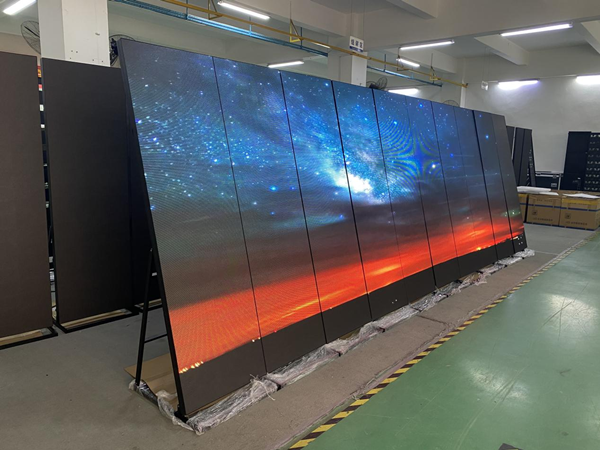
The foldable form changes how people engage with content. Unlike a massive, static LED wall, a screen that can shift and bend invites curiosity. Viewers instinctively approach, angle themselves, or peer around folds to catch hidden parts of the display. The physical act of folding or unfolding can itself become part of the show—content can be revealed gradually, panels can move to change the narrative frame. There’s a performative element absent in conventional displays. The screen becomes a participant, not just a canvas.
Content design must acknowledge this interactivity. Animations are no longer simply played; they are orchestrated. Folded segments can act as triggers for staggered motion, layered transitions, or partial reveals. Even static imagery gains dynamism when presented across moving, bending surfaces. Foldable LED screens reward experimentation and demand attentiveness, which is rare in a medium often treated as passive.
Materiality and Mechanics
Foldable LEDs are exercises in material science as much as electronics. The backplane must bend without fracturing, the PCB traces must stretch slightly without breaking, and connectors must survive repeated use. Even adhesives and protective layers are carefully selected to maintain optical clarity while accommodating flex. It’s a reminder that modern display technology is no longer purely about pixels per inch or color gamut—it is about systems engineering, where mechanical resilience and optical performance converge.
Hinges themselves are deceptively simple-looking, but they must absorb torsion while maintaining perfect alignment. Slight deviation and the entire image can warp. The precision required is high, yet invisible. A screen folded and unfolded hundreds of times should feel seamless, like an extension of the space rather than a technological object demanding attention.
Context and Applications
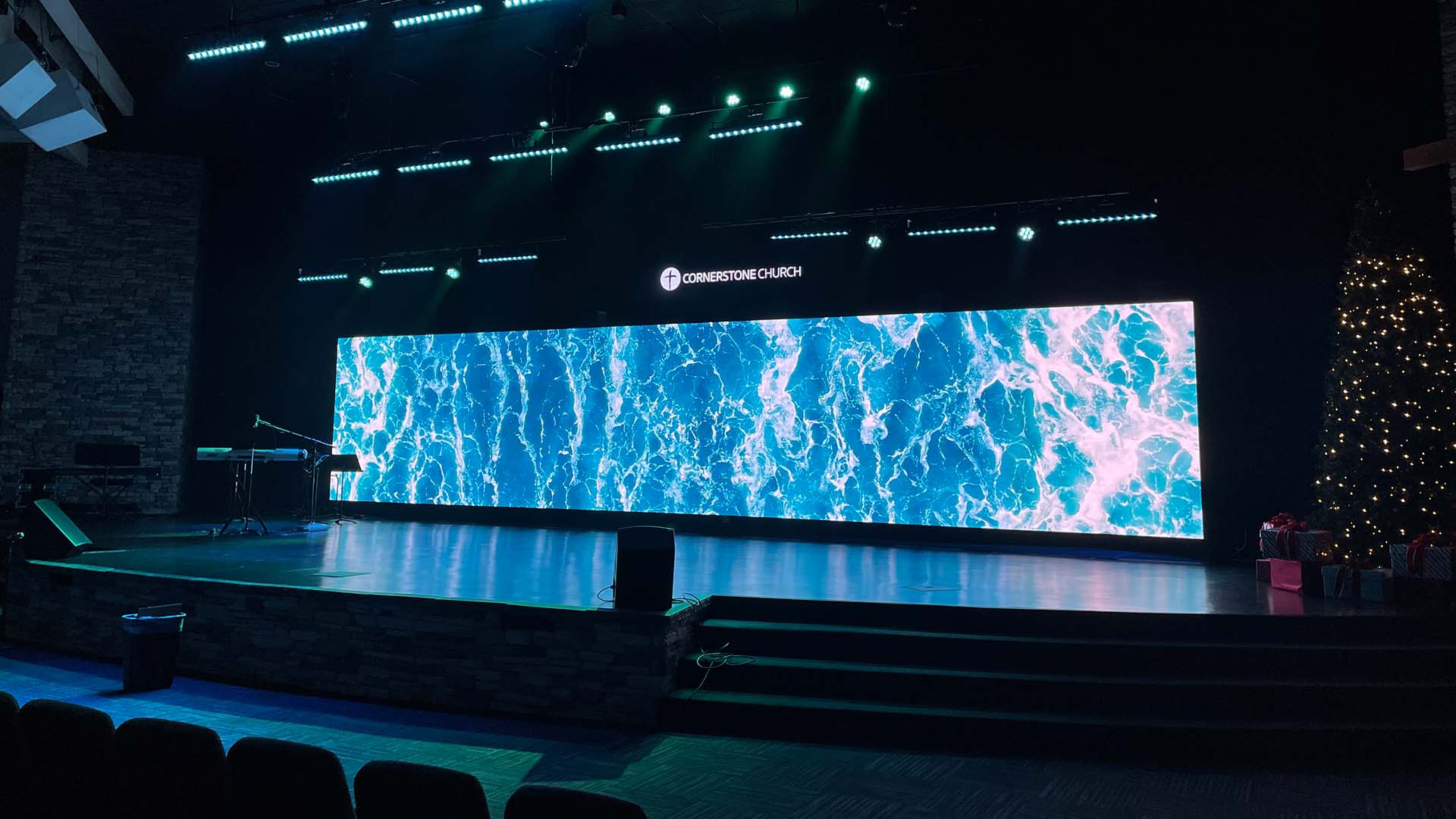
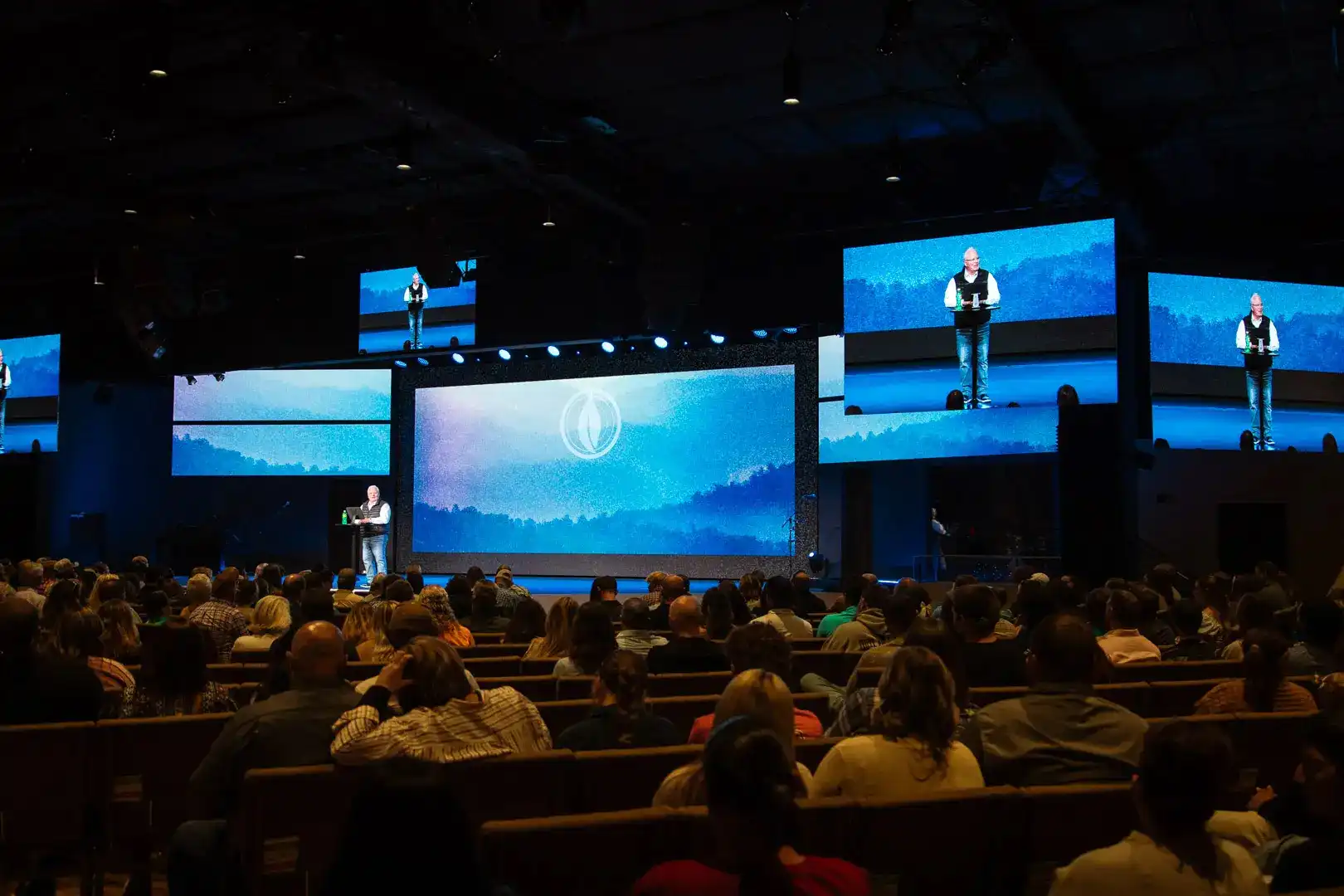
The applications are as varied as they are compelling. Events, exhibitions, and corporate presentations benefit immediately from portability and adaptability. Retail environments can create dynamic, temporary displays without committing to permanent installations. Even in permanent settings, foldable panels allow for content rotation and reconfiguration with minimal downtime. The screens are bridges between permanence and improvisation, encouraging design experimentation that static panels never accommodate.
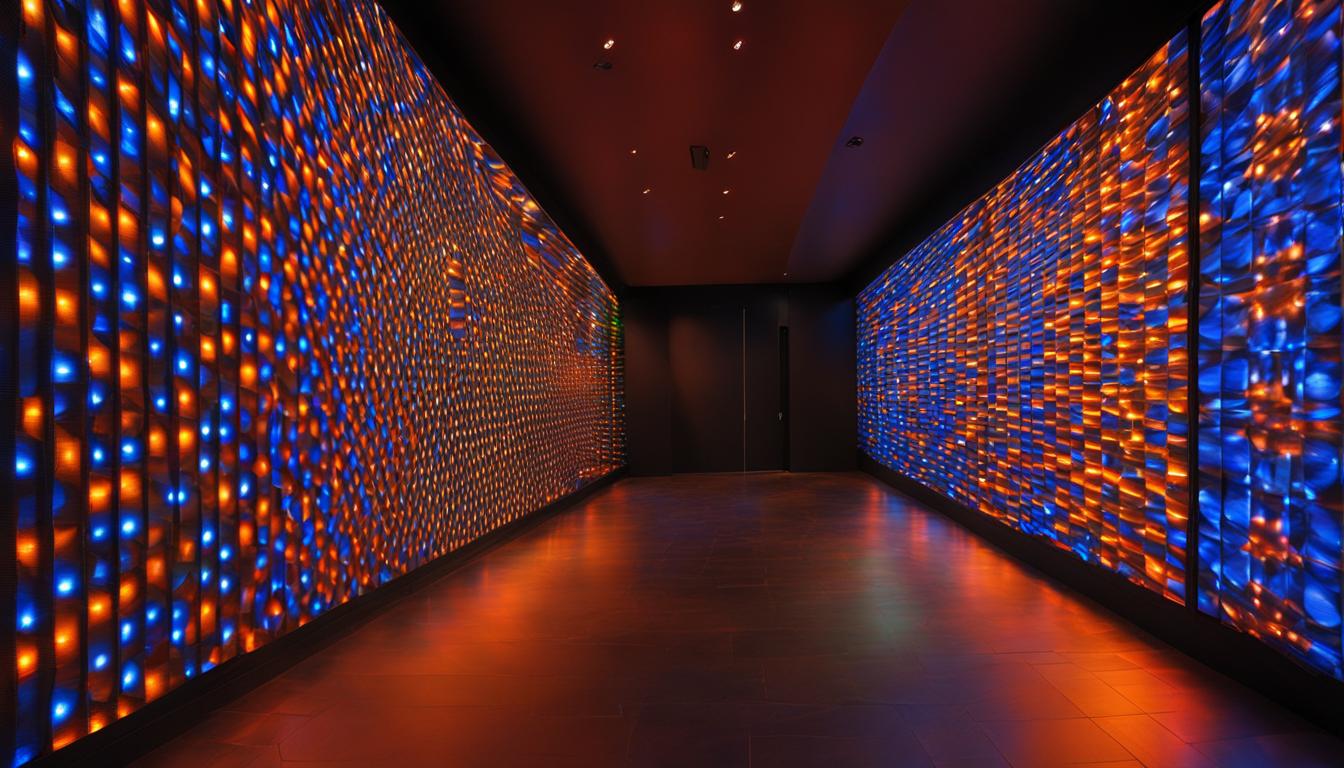
The technology also shifts expectations. Stakeholders begin to anticipate displays that adapt to the environment rather than the environment being forced to accommodate the screen. Columns, partitions, or temporary stages no longer restrict visual storytelling. The foldable LED becomes a tool for spatial negotiation, an instrument that mediates between space, content, and audience.
Limitations and Rewards
Foldable LED screens are not without challenge. Repeated folding tests mechanical limits, uneven tension can distort pixels, and hinge points demand constant inspection. The audience can detect irregularities more easily than with rigid walls, because the eye follows movement, bend, and curve. But these limitations are also the source of richness. Designers and operators develop a tactile awareness of the screen, learning how to bend content and adjust folds to maximize visual effect. The technology rewards attentiveness and punishes carelessness, which in practice results in more thoughtful installations.
The Experience Beyond Pixels
Ultimately, foldable LED panels shift the dialogue from pure technical specification to spatial experience. A screen that bends, folds, and moves is less about resolution or brightness and more about how it shapes perception. It introduces rhythm, tension, and choreography into a space. Movement across the panels, interaction with human presence, and the potential to reveal or conceal content all transform the audience from passive observers to participants. The foldable LED doesn’t merely display content—it defines a space, orchestrates attention, and negotiates presence.
It’s a reminder that display technology, for all its rapid development, is still measured by human perception. Foldable LEDs merge engineering, material science, and design intuition into a singular medium. They defy conventional assumptions about display rigidity and permanence, proving that flexibility, portability, and interactivity can coexist without compromise. In practice, they demand engagement, precision, and creativity. They are, in short, devices that insist on being noticed—and on being understood.