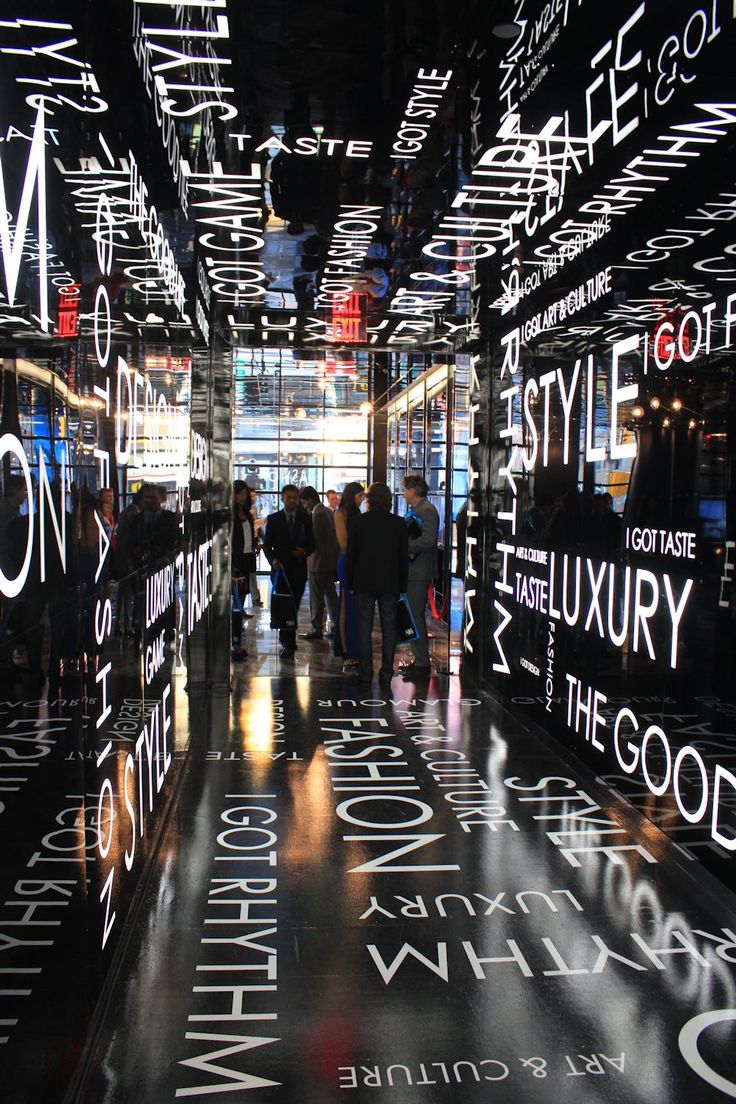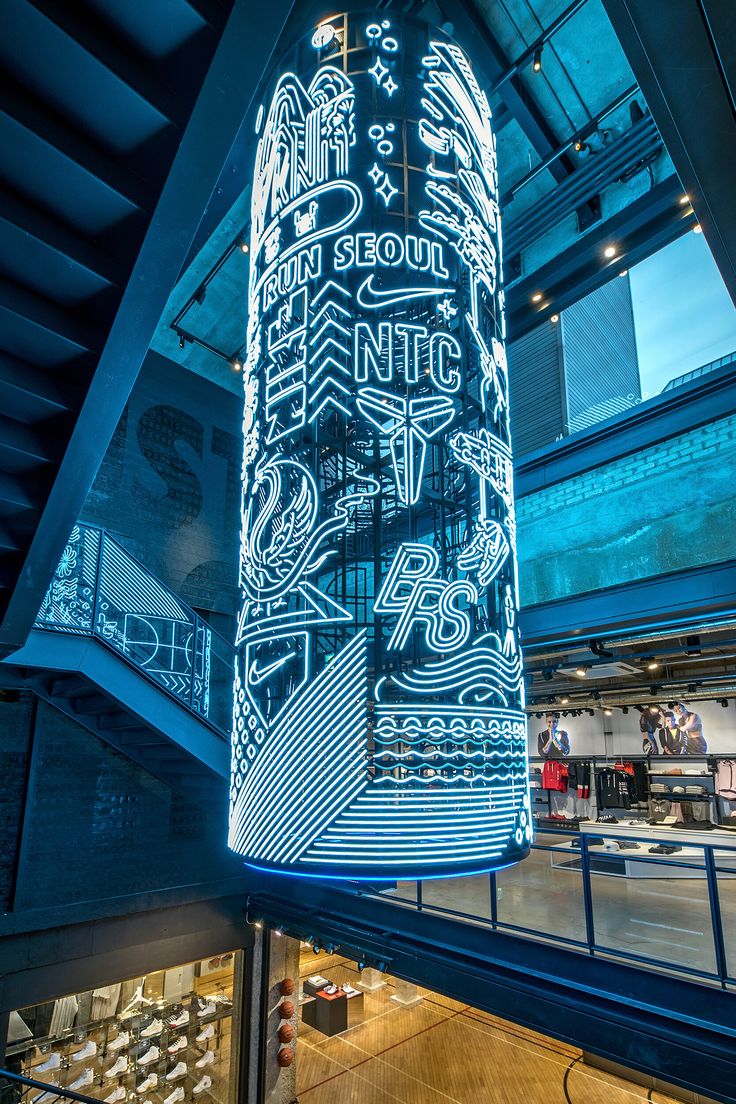
Walk into a lobby, a plaza, or an atrium and there it is: a cylinder of light, rotating gently, commanding attention without shouting. Cylindrical LED screen systems aren’t just screens; they’re spatial instruments. They occupy volume in ways flat panels never could, turning familiar spaces into something you navigate differently.
It’s easy to underestimate how much a simple shift from flat to curved can change perception. People don’t just look at a cylinder the way they look at a rectangle on a wall. They walk around it, glance from multiple angles, experience motion differently. Designers often talk about sightlines and focal points. Cylindrical LED screens force you to reconsider both.
Breaking Free From the Flat Plane
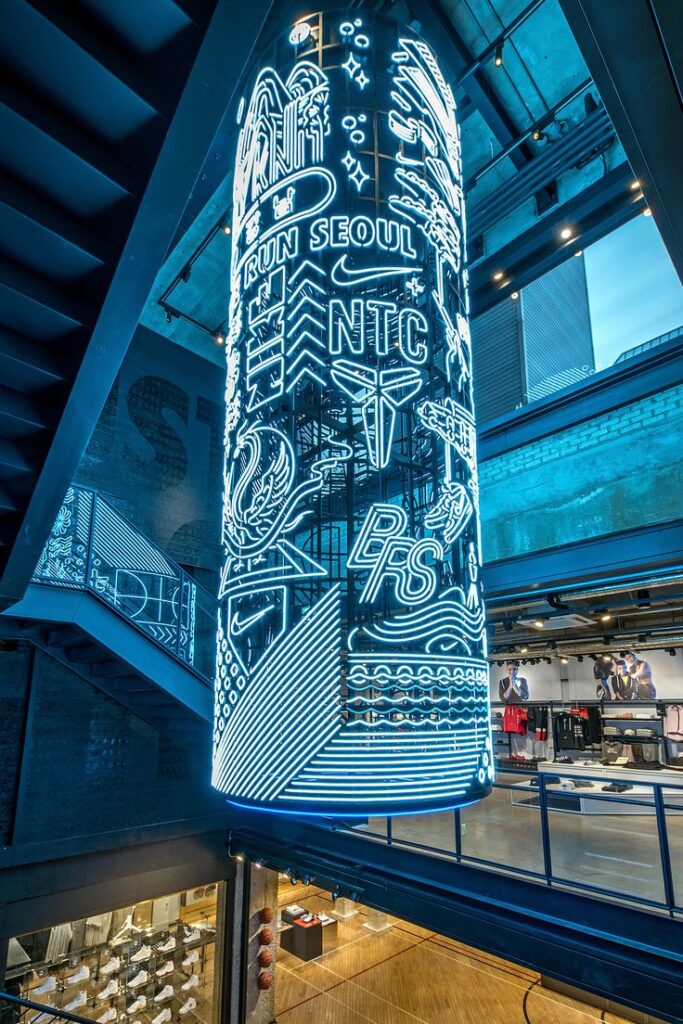
Flat screens are predictable. They sit obediently against walls, ceiling mounts, or stages. Cylindrical LED screens are rebellious. They wrap, they turn, they draw the eye in a spiral instead of a line. The effect is subtle but visceral: movement feels continuous, content feels immersive, and even simple information reads differently because the surface itself changes perspective as you move.
This isn’t just a gimmick. In retail, cylindrical LED screens allow content to be viewed from multiple paths simultaneously. In public spaces, they act as 360-degree beacons of information and entertainment. For designers, it’s a new variable: how content reads from every approach, not just one frontal viewpoint.
Content Becomes Spatial
Once a screen is cylindrical, content strategy shifts. It’s no longer enough for visuals to look good head-on. Motion design, typography, and imagery must account for curvature, distance, and perspective. A logo that reads perfectly on a flat surface can warp or fragment on a cylinder. Designers need to think like spatial storytellers rather than traditional content creators.
This changes narrative pacing. A cylinder can rotate or segment into vertical panels. Motion can spiral, cascade, or sweep in patterns impossible on flat walls. You’re choreographing light and space, not just animation. Every movement, every fade, becomes part of the experience, not just decoration.
Interactivity and Multi-User Engagement
Many cylindrical LED systems incorporate interactivity, but not in obvious “touch this screen” ways. Sensors can track presence, adjust content flow, or respond to ambient motion. A pedestrian pauses, and graphics ripple outward. A group moves together, and the display adapts rhythmically.
In a corporate lobby, this can subtly guide traffic or highlight information. In a public square, it can transform from information hub to spectacle. The key is that the interaction is distributed across a volume, not a flat plane. That creates a sense of agency for viewers: you feel like part of the system without having to physically touch it.
Engineering Challenges and Design Considerations
Curvature complicates everything. Pixels must be precisely aligned to avoid distortion. Modules need careful calibration because the cylinder’s surface isn’t uniform; light reflects differently at various angles. Viewing distance changes continuously as you move around the display. Motion that looks smooth on a control monitor can appear jagged in real space if engineers haven’t accounted for cylindrical geometry.
Heat management becomes trickier, too. Cylinders trap air differently than flat walls. Maintenance access is more complex because modules may not be immediately accessible without partial disassembly. And while the effect is dramatic, it’s unforgiving — misaligned panels, color shifts, or latency are magnified in a volume.
For designers, this means collaboration with engineers is critical. The creative vision can’t exist in isolation. Cylindrical LED screens demand co-design, where spatial intention and technical feasibility meet at every pixel.
Cylinders as Landmarks
There’s a subtle sociological effect, too. Cylindrical displays don’t just show content; they anchor space. They create gathering points in public squares, brand icons in retail atriums, and visual landmarks in corporate environments. People use them as wayfinding references. They influence movement patterns and how spaces are experienced.
This dual role — functional signage and visual spectacle — is why cylindrical LED systems are appealing. They’re not just flashy; they’re effective. They mediate behavior while shaping perception. That’s the rare combination of design impact and utility that makes installations memorable.
Ambient Presence and Multi-Functionality
Cylindrical screens can operate in subtle modes, too. They’re not limited to high-intensity advertising or spectacle. A cylinder in ambient mode can provide mood lighting, dynamic textures, or environmental storytelling. Light and motion can complement the architecture, not overpower it.
This flexibility makes them valuable in spaces that need to do more than deliver messages. Museums, hotels, and corporate headquarters can use cylindrical LED systems to provide visual cues, create ambiance, or highlight art without demanding constant attention. The system becomes a layer of atmosphere rather than just a content machine.
Audience Psychology
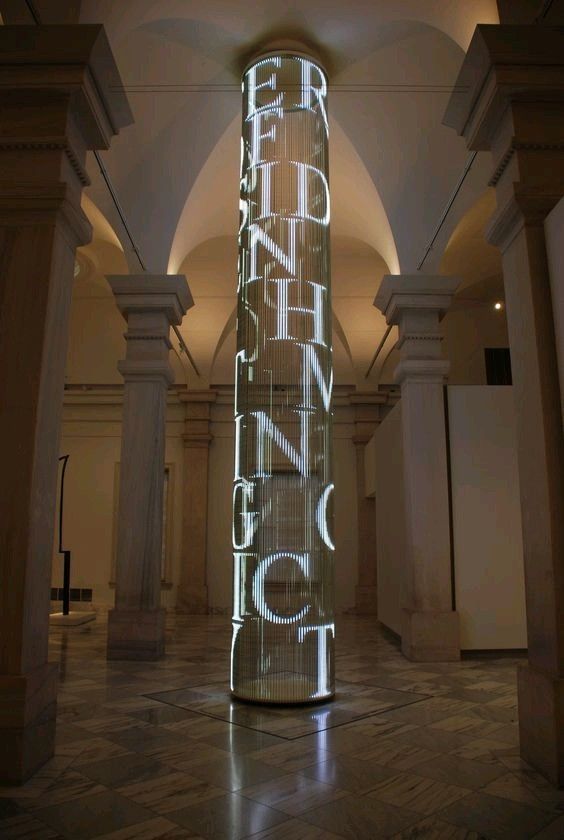
Humans perceive cylinders differently. The eye tracks content across a curve in a way it doesn’t across a flat plane. There’s more engagement, a subtle sense of immersion, even when content is static. Pedestrians subconsciously adjust movement and focus to accommodate the rotating or spiral content. Designers can exploit this to guide attention without being overt.
This is part of the reason cylindrical displays are so effective in high-traffic spaces. They don’t scream for attention; they invite it. People approach, circle, and experience content at multiple angles, creating longer dwell times and higher engagement rates.
Beyond the Single Cylinder
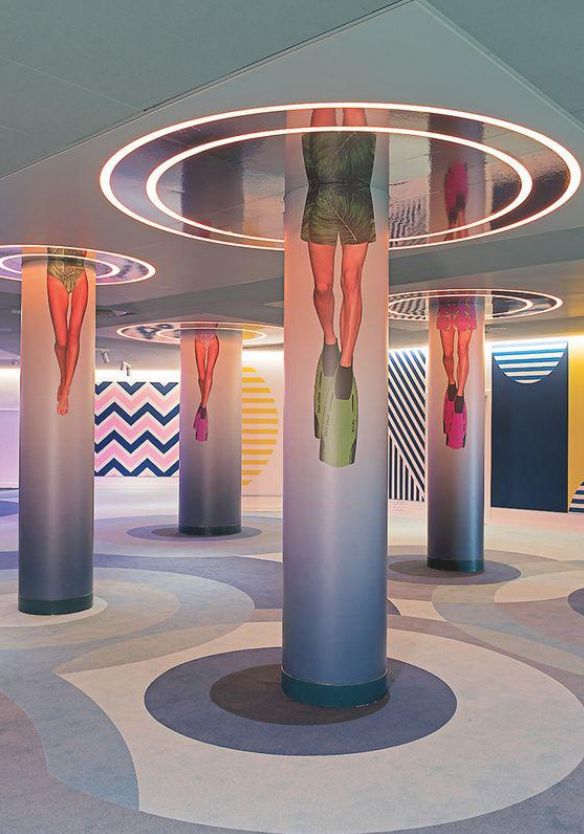
Multiple cylindrical systems in one space open new possibilities. Imagine a lobby with three cylinders positioned in a triangle. Content can move from one to the next in choreographed sequences. Motion can ripple between them. The space becomes animated, a visual ecosystem rather than isolated signage.
This concept introduces complexity, of course. Synchronization, latency, and content strategy all become more critical. But when done well, it transforms a lobby, atrium, or plaza into a spatial narrative that is both immersive and functional.
The Future of Cylindrical LED Systems
Cylindrical LED screens are more than a novelty. They represent a shift in how designers think about displays as objects in space. Flat walls will always have a role, but volume, curvature, and interactivity are redefining expectations. These systems challenge designers to think about motion, perspective, audience behavior, and architecture simultaneously.
The technology is still evolving — smaller pixel pitches, more efficient modules, lighter structures, integrated sound, and advanced interactivity will only expand the possibilities. But even today, the impact is obvious: a cylinder of light can change how a space feels, how people move through it, and how content is perceived.
Flat screens display content. Cylindrical screens shape experience. That’s the subtle, yet profound, difference that makes this technology one of the most exciting developments in large-format display design today.