There comes a point in every technology cycle when incremental improvements stop feeling incremental. Instead of adding a bit more brightness or a slightly smaller pixel pitch, designers, engineers, and clients begin to expect displays to behave differently — to feel alive or contextual, not just technically better. That’s where LED display trends are heading in 2026. What used to be cool features are becoming baseline expectations, and what once felt futuristic is now driving real investment.
If you walk through contemporary architecture, retail spaces, transit hubs, or corporate campuses, you’ll see it: LED surfaces aren’t just screens. They’re layers in the choreography of light, space, perception, and behavior. The trends coalescing now tell a story not just about better hardware, but about how displays are experienced, integrated, and felt. The market is no longer growing because companies want bigger logos; it’s growing because people expect space to respond.
Fine Pitch Is Becoming Default
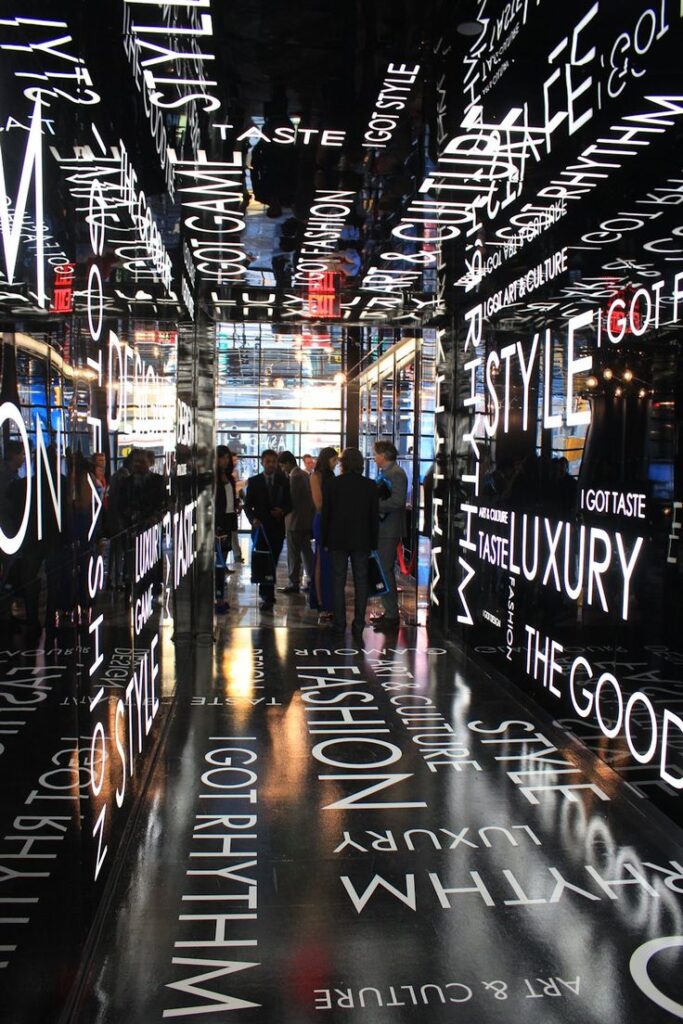
Once upon a time, fine pixel pitch was a luxury — something reserved for high-end control rooms or premium brand showcases. In 2026, it’s moving toward default for any space where people stand closer than ten feet from the screen. What’s interesting is not just that pixel pitch is shrinking, but that the way designers think about resolution is changing. Screens are no longer passive messaging surfaces; they have to handle typography, data visualizations, wayfinding, environmental graphics, and expressive content without looking pixelated or mismatched at varying viewing distances.
This matters beyond technical specs. It changes spatial hierarchy. A fine-pitch LED wall can feel like an architectural surface rather than a display protruding into space. That alters how designers position furniture, how lighting is set, even how circulation paths are calibrated. When displays feel like integrated planes — not appended billboards — they redefine the room, not just the wall.
Modular and Serviceable Design
Modularity in LED displays isn’t new in concept, but it’s becoming non-negotiable in practice. Buyers aren’t interested in screens that age poorly or become obsolete because a single panel fails. What makes modular design compelling isn’t just ease of service — it’s future flexibility.
Imagine a lobby wall installed today. Tomorrow, content requirements change. Pixel pitch expectations tighten. Visual standards evolve. A modular architecture lets designers and technologists upgrade rather than replace. In a world where visual communication needs to adapt rapidly, modular serviceability turns LED walls into long-term assets instead of short-lived features.
It’s also interesting how this trend influences installation strategy. Designers are thinking in systems, not objects. Panels, connectors, and service access points become part of the architectural conversation, not afterthoughts. It’s a smarter way to design technology into environments.
Interactivity Without Gimmickry
Kinetic LED walls and touch-interactive displays have rocked some event environments, and in 2026, we’re seeing a maturation of interactive LED. But it’s not about gimmicks anymore. It’s about interaction that feels natural — subtle changes in content triggered by occupancy, environmental cues, or human movement, not flashy swipes or obvious motion sensors.
This trend flips how content is created. Instead of crafting animations that demand attention, designers are building graphics that respond to it. A screen that dims or shifts tone based on proximity, time of day, or even sound levels isn’t doing something cool for its own sake. It’s respecting context. It acknowledges that people are present in space and adjusts visual language accordingly.
This matters especially in public spaces and retail. When screens feel like they are listening and reacting, they stop being intrusive and start being participatory. That subtlety — motion without noise — is a far more interesting direction than the old “brightest and biggest wins” model.
Ambient Display Modes
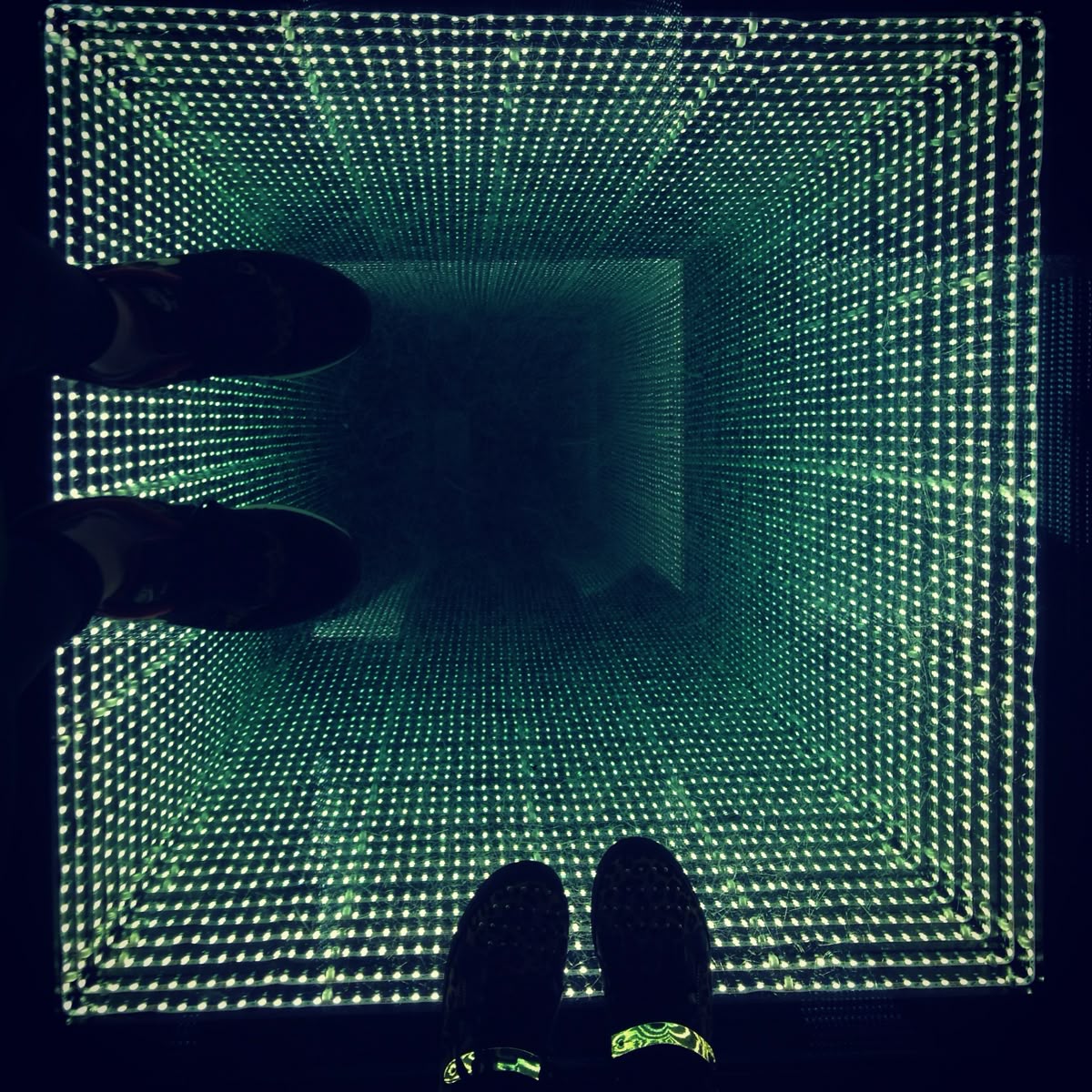
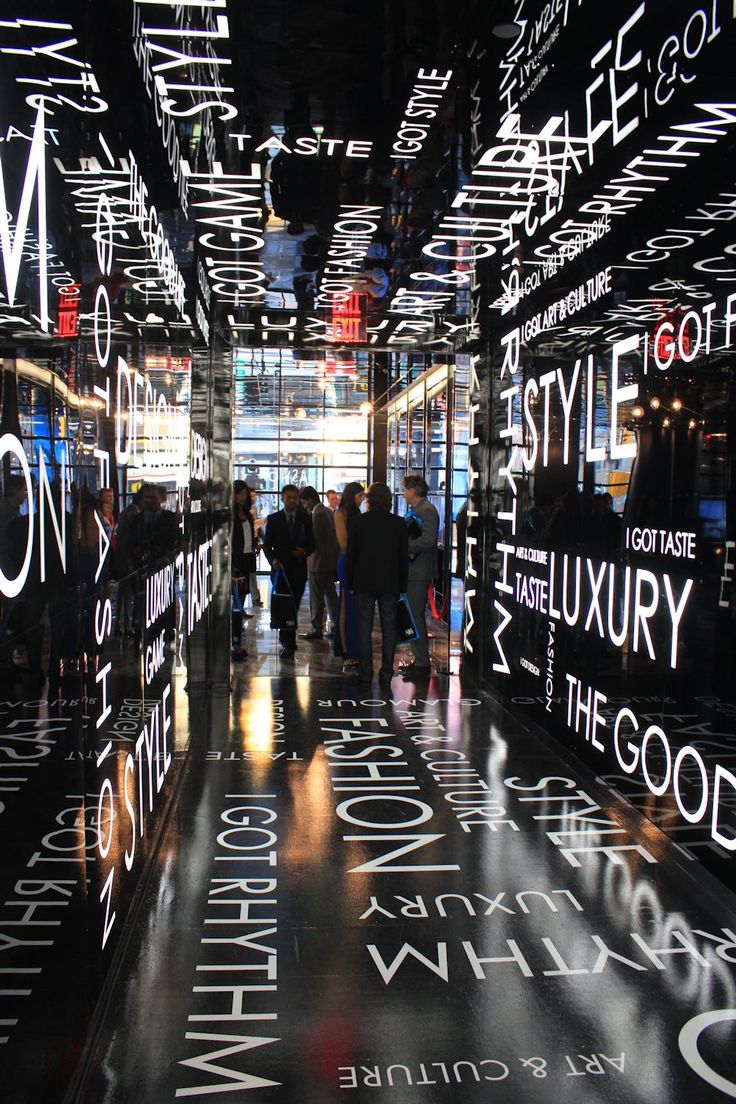
One of the subtler trends you’ll see more often in 2026 is ambient display — screens that don’t scream for attention, but enhance presence. This is where LED displays begin to behave less like billboards and more like materials in the built environment. Soft gradients, low-motion visual textures, contextual data overlays — these become part of the ambient environment, not just content placeholders.
Why does this matter? Because people are overloaded with screens. Everyone has a screen in their pocket. What’s rare is a display that feels like it belongs in a space instead of interrupting it. Ambient modes are not about showing less, but about showing smarter. They respect visual fatigue, sightlines, and human comfort without sacrificing communicative potential.
Corporate spaces, healthcare environments, and hospitality venues are already experimenting with this approach: screens that feel calm, not commanding. That’s a shift away from spectacle and toward presence.
Sustainable and Energy-Aware Displays
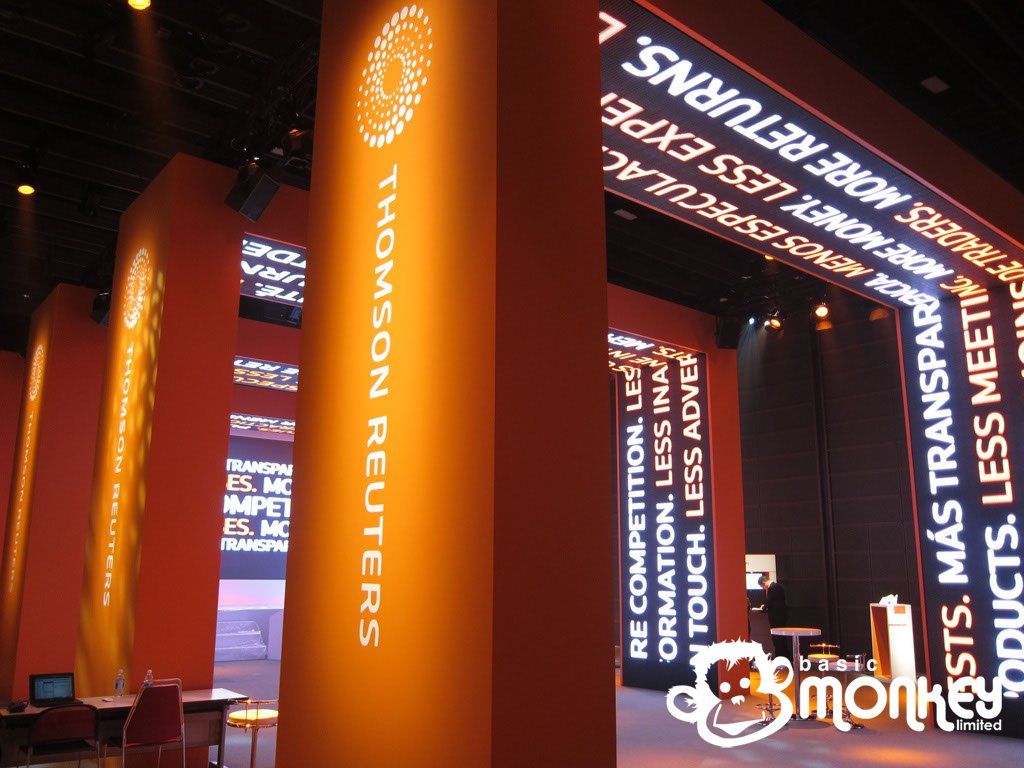
Sustainability is no longer an optional feature; it’s a design requirement. Not just because clients are more environmentally conscious, but because operational costs are real and measurable. LED displays historically were power hogs — big, bright surfaces beaming day and night. Now, energy efficiency is one of the first criteria specifiers look at.
Adaptive brightness, power-saving content modes, responsive dimming, and even integration with building management systems — these are not experimental features anymore. They’re expected. Designers are specifying screens that react to ambient light, occupancy, and even scheduling to minimize unnecessary power draw.
It’s notable how this trend dovetails with fine-pitch and ambient display. A screen that’s smart about when and how it displays content can be both comfortable to live with and easier on energy budgets. Sustainability has quietly become a performance metric for LED installation, because doomscrolling visuals lose appeal when seen through the lens of environmental impact.
Integration With Physical Environments
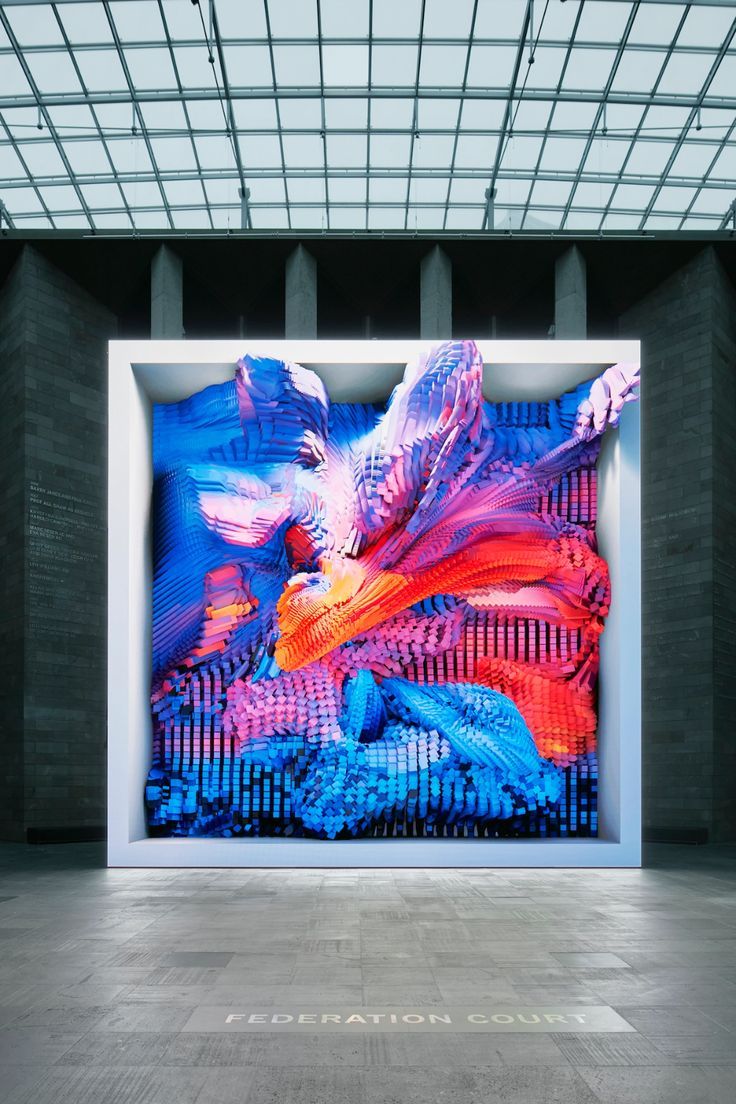
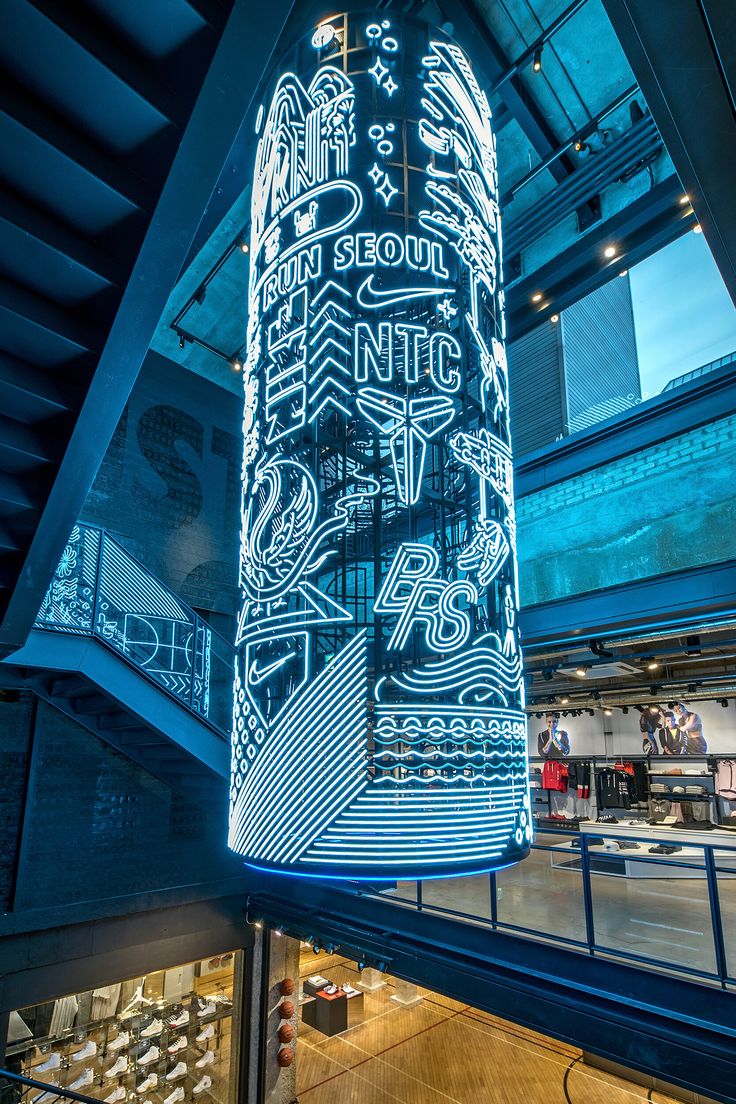
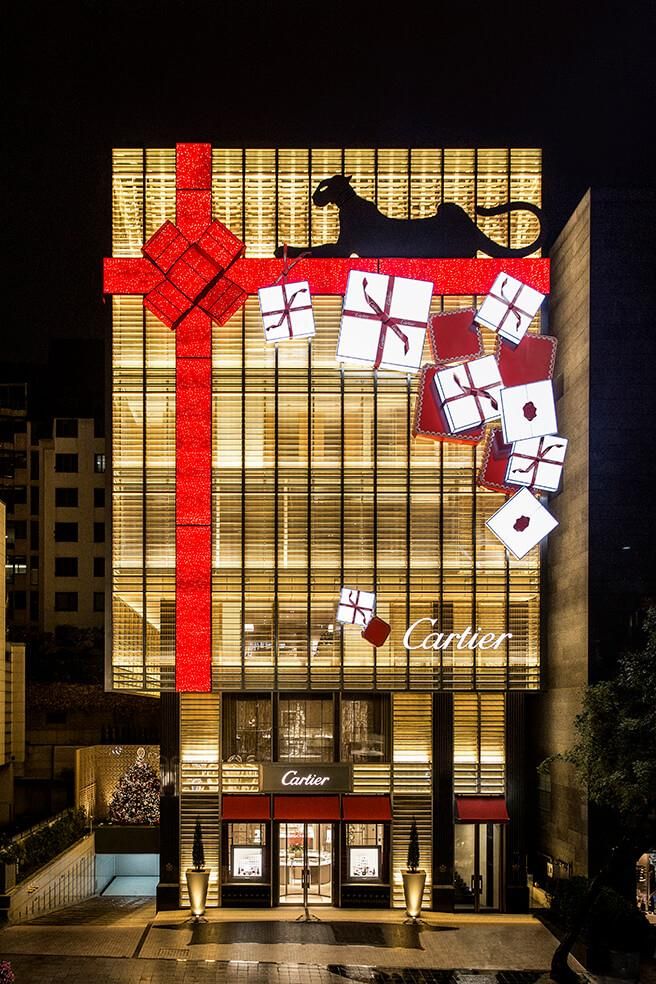
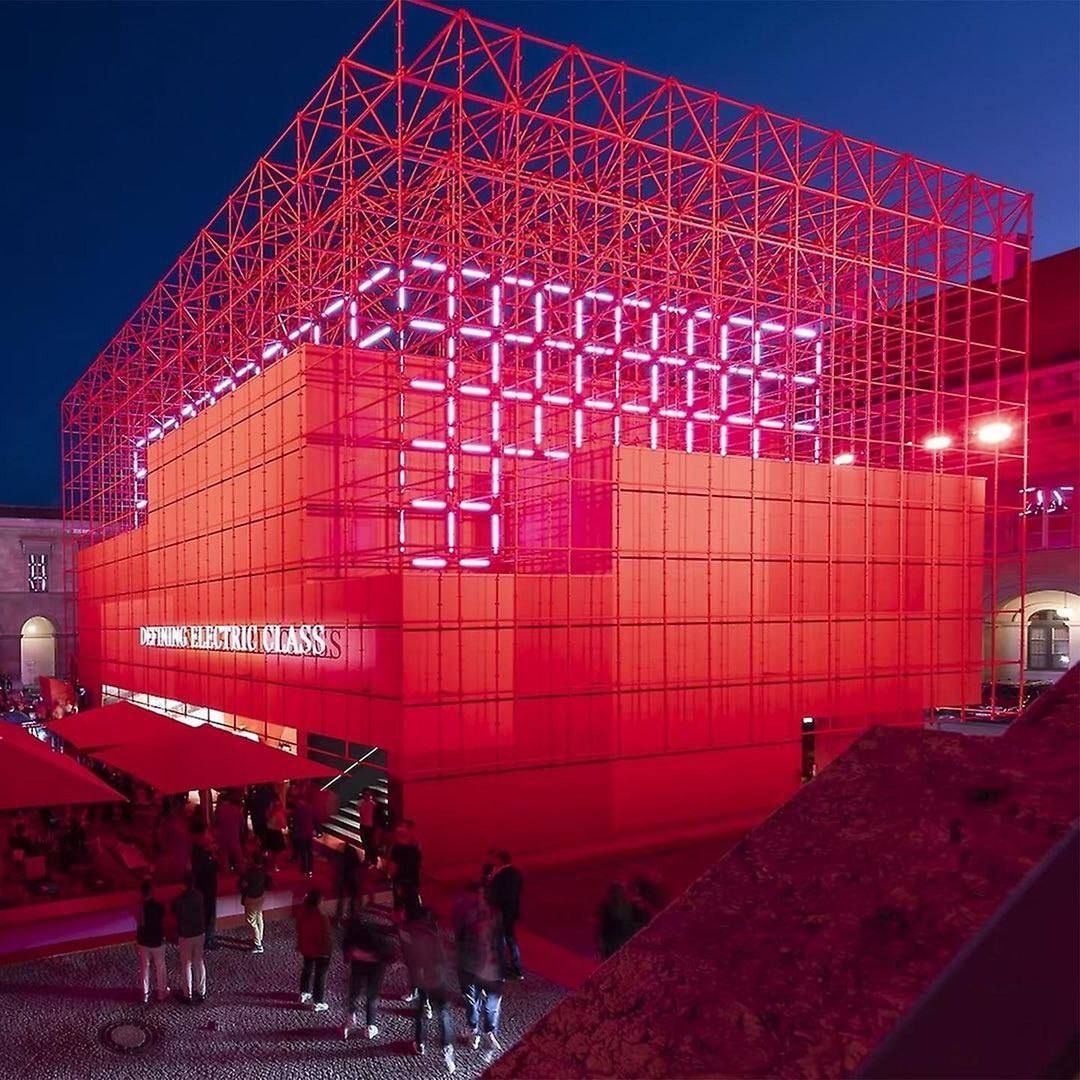
LED displays used to be attachments — boxes glued to walls or suspended like signs in space. In 2026, integration is a priority. Screens are being designed as part of façades, columns, niches, and architectural planes rather than as isolated rectangles. This does more than look nice. It changes perception. It alters how people move through, around, and across spaces.
In airports, LED panels are becoming wayfinding tools, not just departure boards. In retail, they behave like spatial anchors that guide circulation rather than static banners that distract. In corporate spaces, they echo material language — a cedar wall with LED inserts, a concrete plane with integrated video zones. The screen is the surface.
This trend means designers are thinking about LED not as a communicative afterthought, but as a foundational spatial element. That’s a significant shift. It means architectural language is being rewritten pixel by pixel.
The Social Dimension of LED
Another interesting trend is how LED screens influence social behavior. Large displays in public spaces become points of congregation — not just for information, but for interaction. People stop, form groups, make decisions, communicate with one another around screens. The screen becomes social furniture.
This has implications designers are beginning to account for: sightlines from seating clusters, acoustics when people gather around a display, spatial flow that acknowledges attention as a factor in movement. LED screens are not just information delivery mechanisms; they are now social cues in space. That’s a fascinating development because it positions technology as a mediator of interaction, not just a source of content.
Hardware Matters — But Not in Isolation
All these trends point to a central theme: LED technology is no longer about the hardware alone. Pixel pitch, brightness, contrast — they’re still important. But they are features within a larger ecosystem of experience. Designers are thinking holistically about how screens relate to sound, motion, human behavior, and even emotional state.
This is where 2026 feels different from earlier cycles. We’re past watching screens perform better. We’re watching screens behave better. There’s a qualitative shift from performance metrics to perceptual outcomes. A display that has great contrast but feels alien in a calm space is no longer a success story. A display that reads like part of an environment, that contributes to comfort, clarity, and engagement — that’s the new standard.
What Clients Really Want
When specifiers and clients talk about LED displays, they rarely use the same language as engineers. They talk about impact, presence, connection. They want screens that elevate brand experience without overwhelming it; they want technology that works without dominating the space; they want solutions that feel natural, not conspicuous.
In the past, technology was measured by how big, bright, fast it was. Today, it’s measured by how appropriate it is. Does the display enrich the space? Does it respect light and motion? Does it make the content easier to read and the environment easier to inhabit? These are the questions shaping the design briefs of 2026.
Observing the Bigger Picture
If there’s one takeaway from the trends unfolding in LED displays, it’s this: screens are becoming participants in designed spaces rather than accessories. They aren’t just delivering messages — they are influencing perception, shaping behavior, and interacting with environment and occupant in nuanced ways.
Big, bright, and fast will always have its place — entertainment venues, arenas, broadcast stages. But in everyday spaces — lobbies, galleries, retail interiors, transit hubs — the technology is measured on experience, not spectacle.
The trends shaping LED displays for 2026 are less about pushing numbers on a spec sheet and more about fitting display technology into the language of architecture, spatial psychology, and human behavior. That’s a shift designers can appreciate, and it’s why LED isn’t just a display technology anymore. It’s becoming a medium for spatial expression, ambient presence, and human connection.