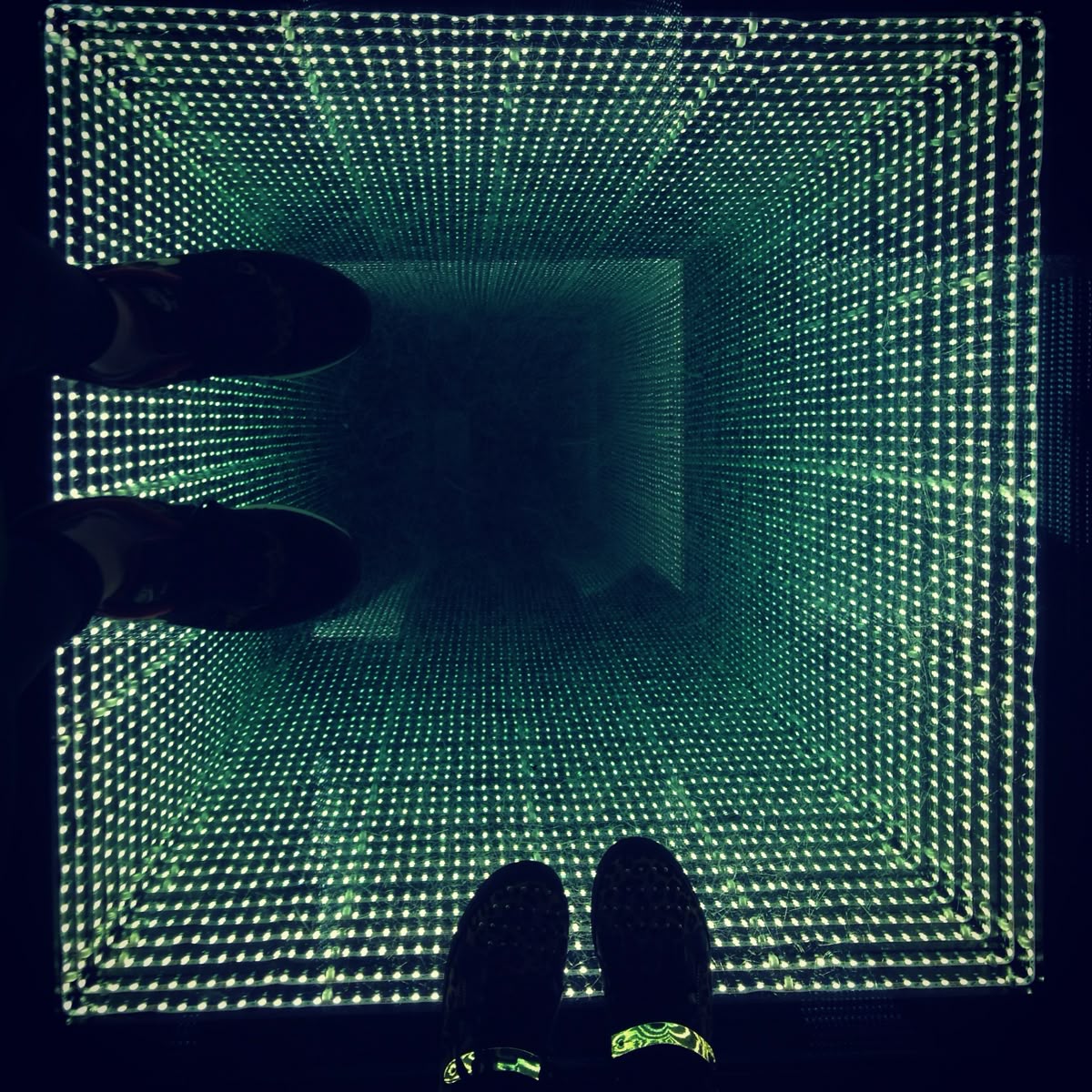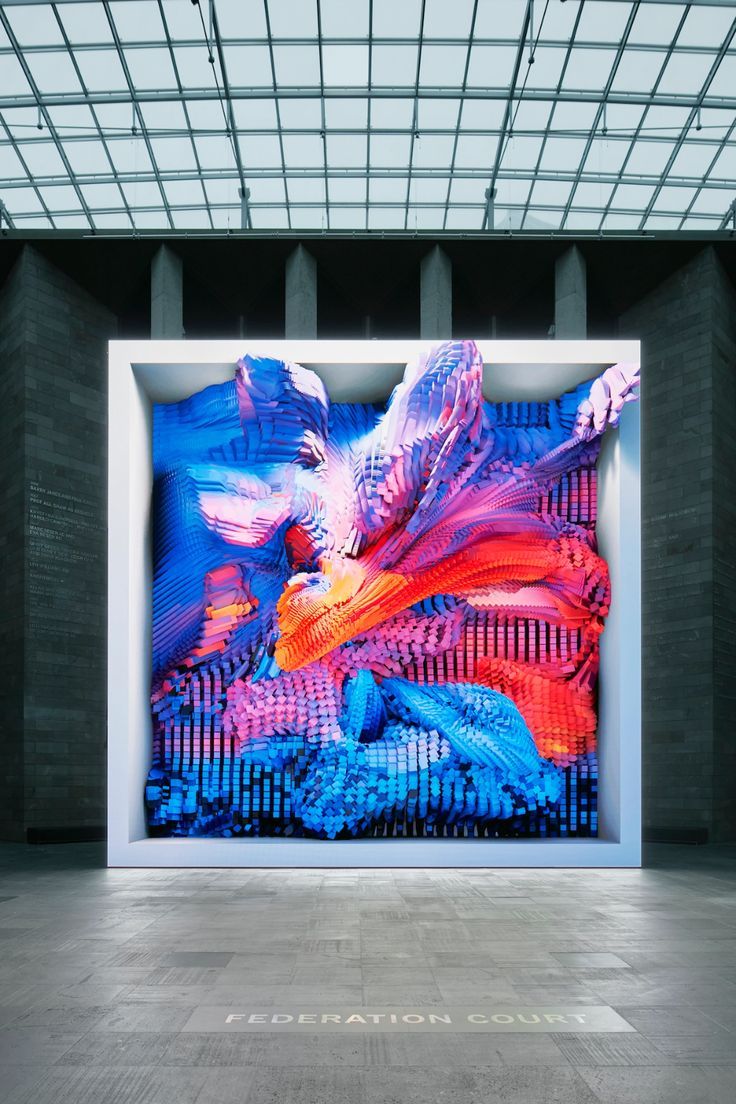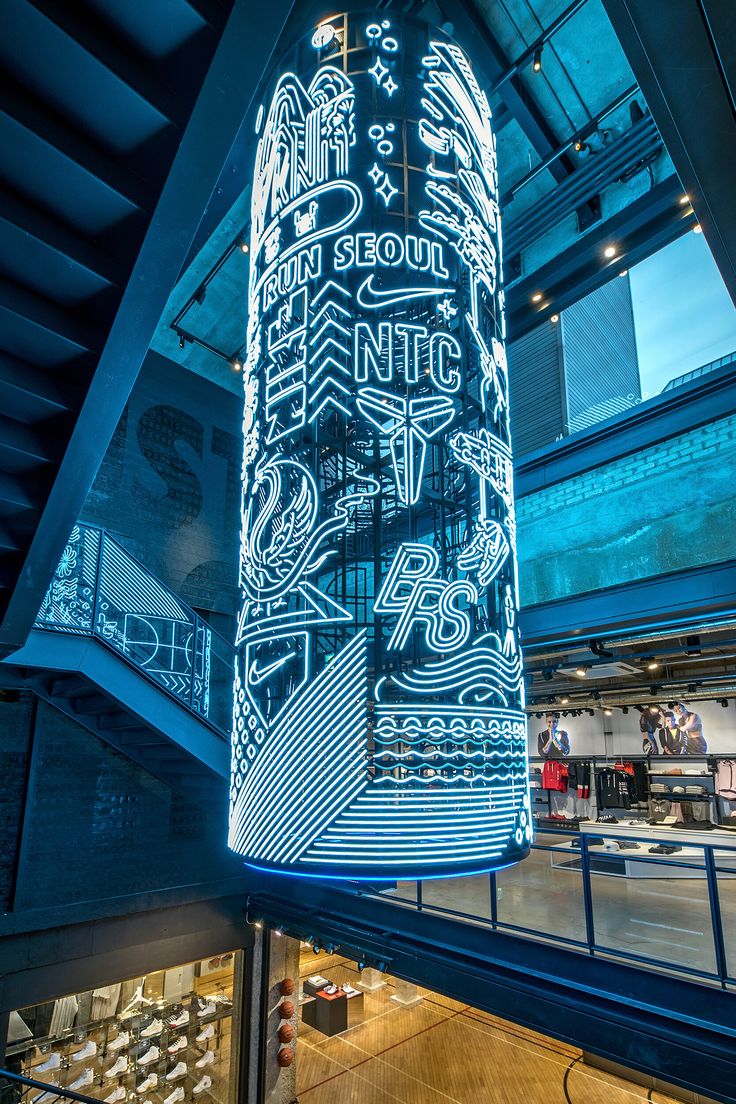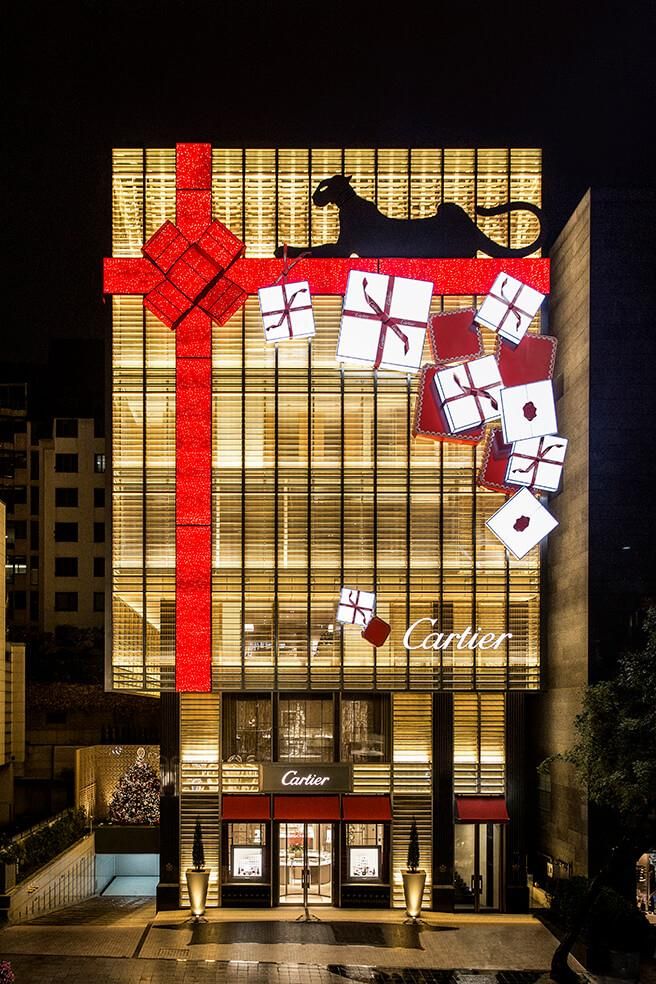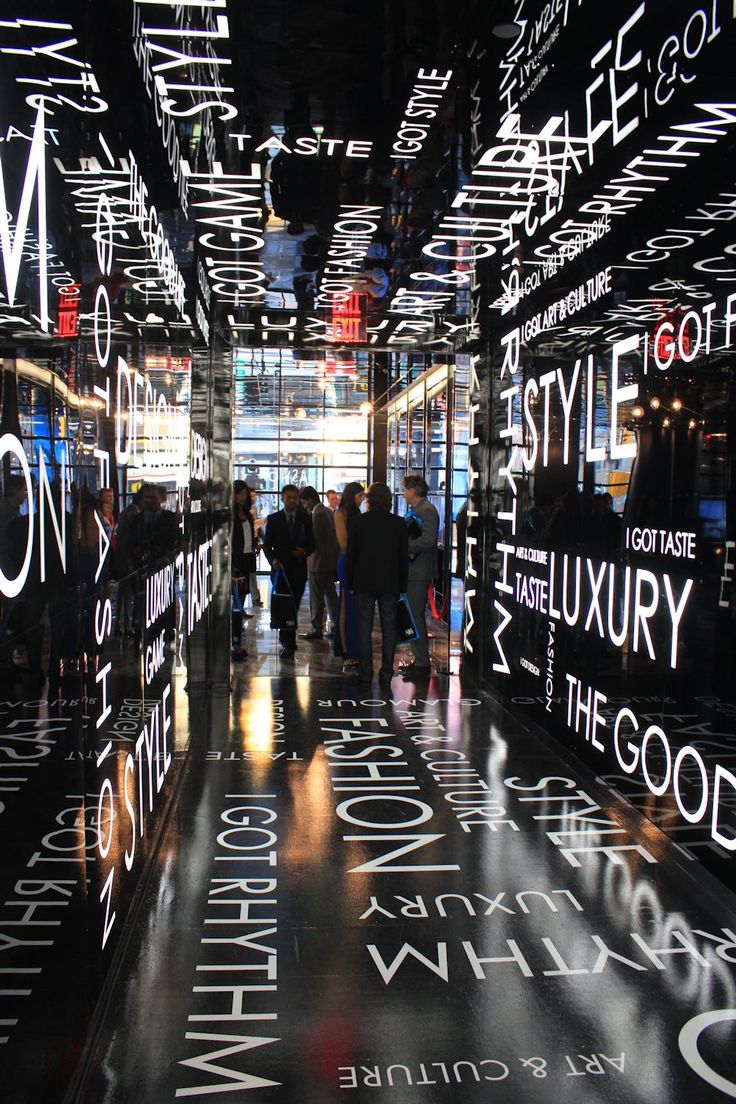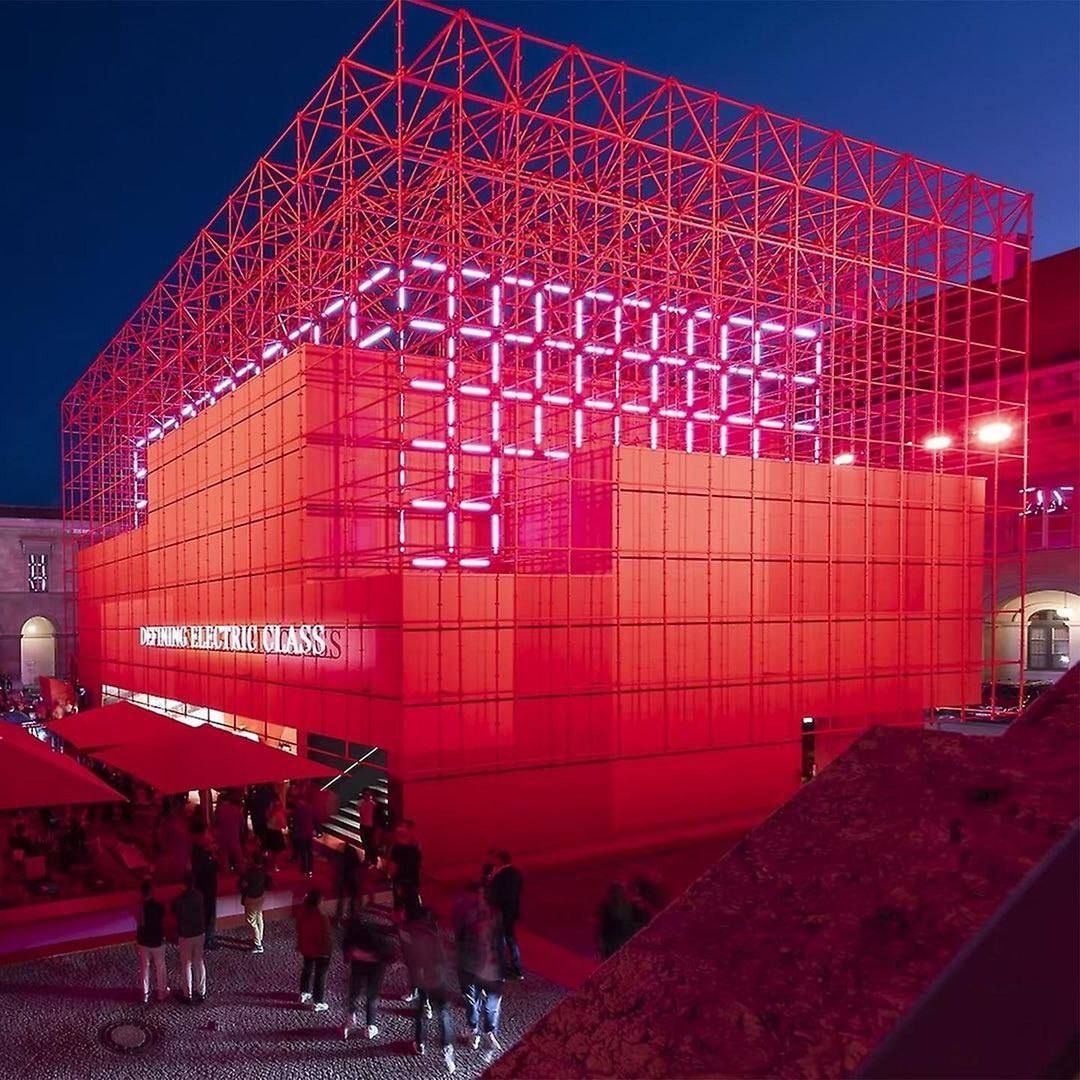
There’s a moment at a live event when the audience realizes the backdrop isn’t just a backdrop. It moves. Not video movement, not animation on a flat surface, but actual physical motion—panels shifting, tiles lifting and falling, light changing shape as the structure itself transforms. The room reacts before the brain catches up. That’s the power of an interactive kinetic LED screen, and it’s quietly changing what we expect from live events.
For years, LED screens were about resolution, brightness, scale. Bigger walls, tighter pixel pitch, cleaner content. Interactive kinetic LED throws that entire hierarchy sideways. The point isn’t how sharp the image is. It’s that the image exists on a surface that refuses to stay still. Light gains dimension. Content becomes choreography. And suddenly, the stage feels less like a screen and more like a living system.
When the Screen Becomes a Performer
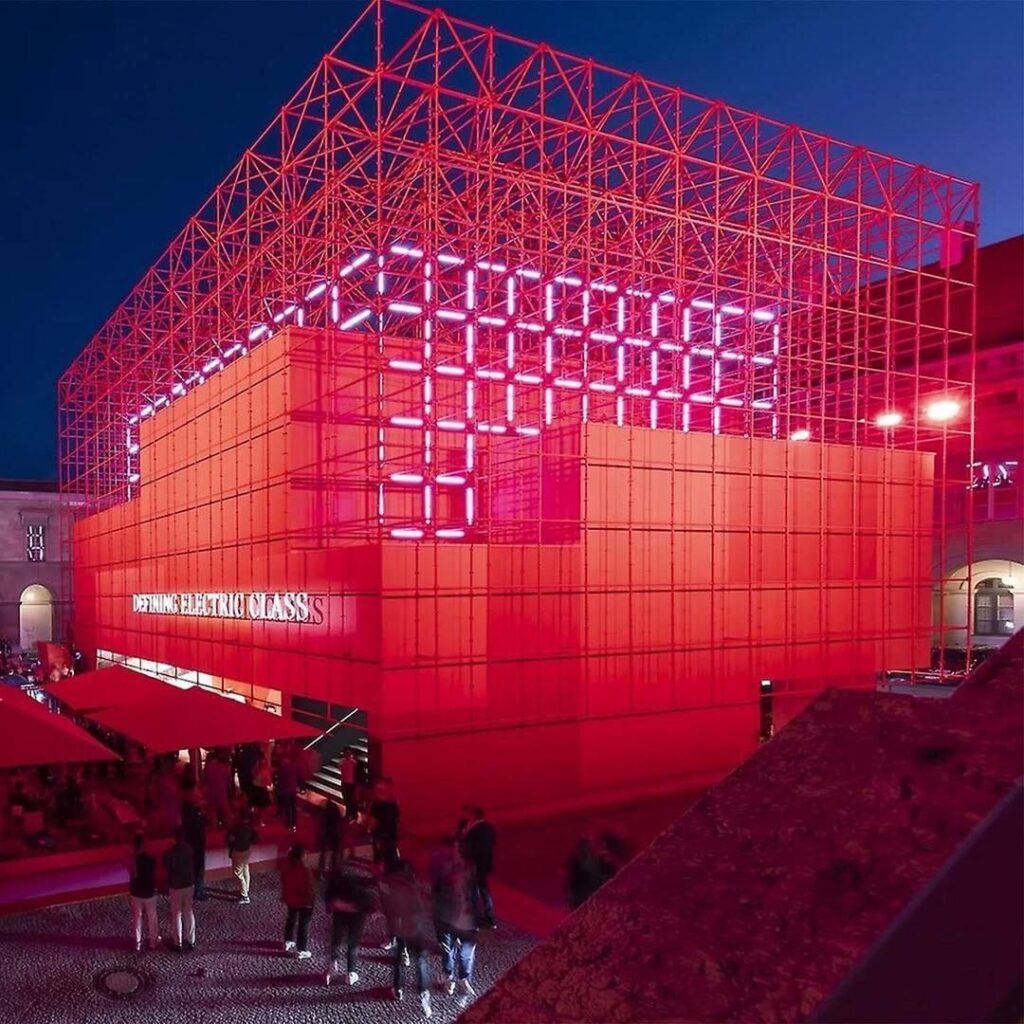
Traditional LED walls behave like reliable background actors. They do their job, stay in place, support the narrative. Interactive kinetic LED screens step forward. They perform. Panels tilt, rotate, rise, collapse, ripple. The display doesn’t just show motion; it embodies it.
At live events—fashion shows, product launches, concerts, brand activations—that physicality matters. Audiences are saturated with screens. Everyone has one in their pocket. What cuts through now isn’t just content but presence. A kinetic screen occupies space the way architecture does. It casts shadows. It changes the room’s geometry. It makes people look up, not down.
There’s a visceral difference between watching pixels move and watching a structure move. One feels expected. The other feels slightly dangerous, even when it’s perfectly engineered. That tension is part of the appeal.
Motion as Material
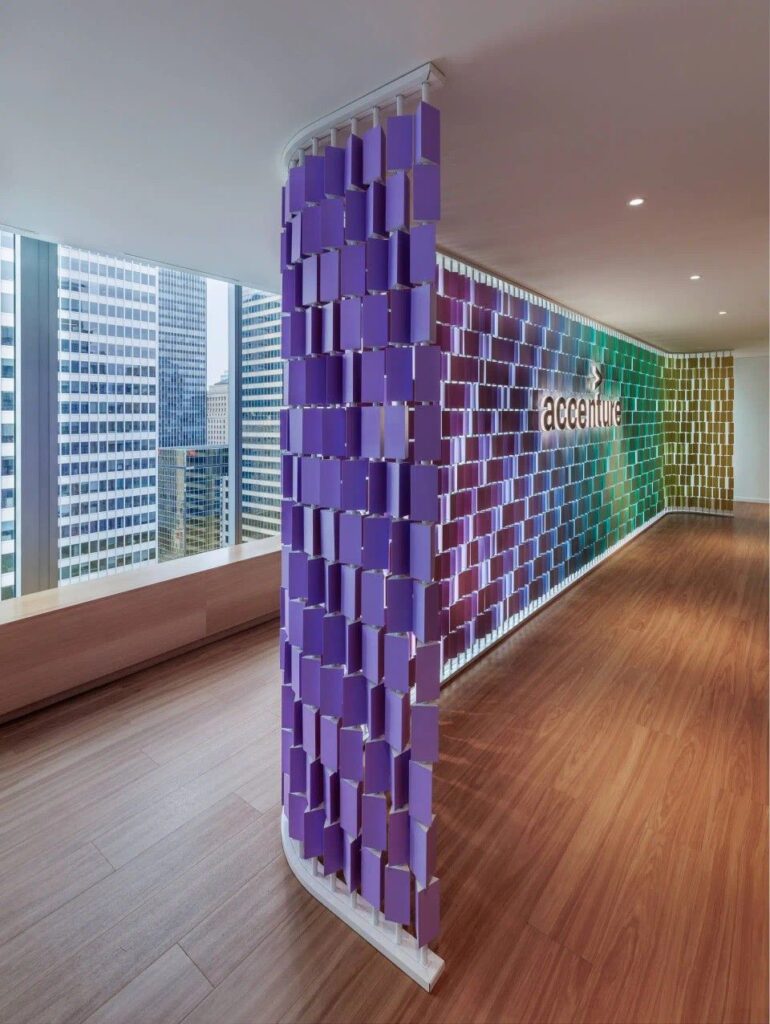
Designers working with interactive kinetic LED screens tend to stop thinking in terms of “graphics” and start thinking in terms of materials. Motion becomes a building block, not an effect. Panels are treated like tiles, fins, or scales. Light wraps around edges. Content breaks apart as the surface fractures, then reforms.
This is where interactive kinetic LED departs from conventional stage design. The screen isn’t a neutral rectangle anymore. It has depth, rhythm, weight. Motion can be slow and architectural or sharp and rhythmic. A subtle undulation can feel meditative; a rapid mechanical shift can feel industrial, aggressive, or celebratory. The same hardware can convey radically different moods depending on how it moves.
And movement doesn’t have to be constant. In fact, restraint often makes it more powerful. A wall that sits still for ten minutes and then shifts once—deliberately—will command more attention than one that never stops moving.
Interactivity Changes the Relationship
Add interactivity and the dynamic shifts again. Sensors, real-time data, performer input, audience movement—suddenly the screen is responding, not just performing. This is where kinetic LED becomes genuinely collaborative.
At live events, interactivity doesn’t need to be obvious. Sometimes the audience never realizes they’re influencing the system. Crowd noise modulates motion. A performer’s position alters the geometry. Environmental data subtly reshapes the surface. The effect isn’t gimmickry; it’s responsiveness.
That responsiveness changes how people behave in the space. Audiences lean forward. They pay attention. They feel like something is happening with them, not just in front of them. It’s the difference between watching a show and being inside one.
Choreographing Light, Not Just Content
One of the most interesting aspects of kinetic LED screens is how they force collaboration. Motion designers, structural engineers, lighting designers, and content teams have to work together. You can’t design in silos. A graphic that looks perfect on a flat LED wall might fall apart once the surface starts moving. A motion sequence that looks elegant mechanically might ruin content legibility if not planned carefully.
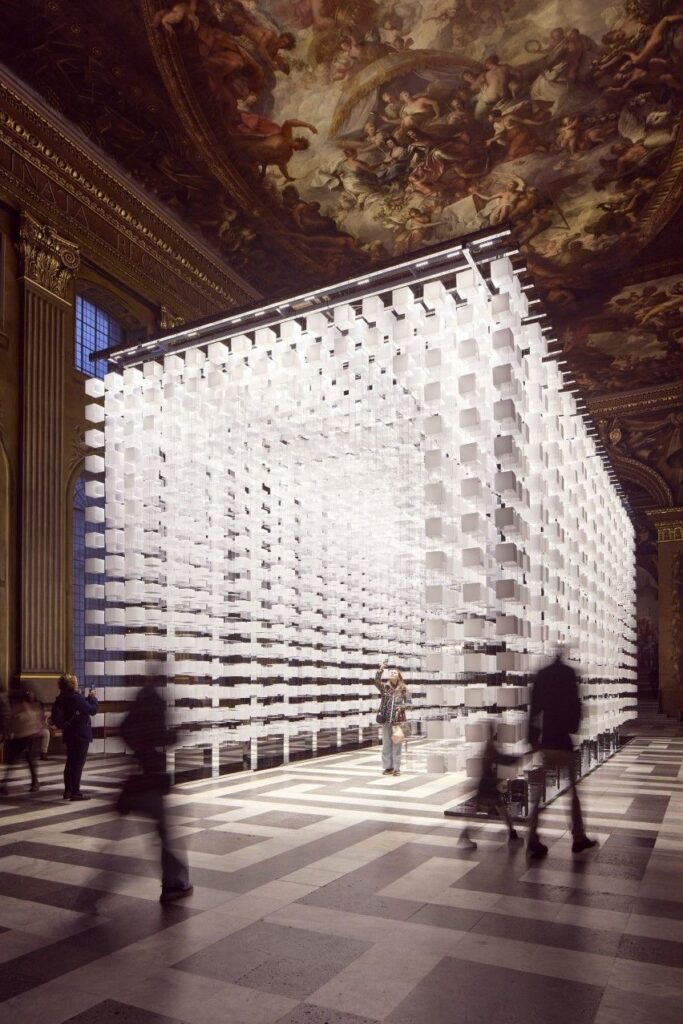
The best kinetic installations feel choreographed rather than programmed. Motion has pacing. Transitions breathe. Light and structure work in tandem instead of competing. This is closer to stagecraft than screen design, closer to dance than digital signage.
For live events, that’s a feature, not a drawback. Events are temporal by nature. They unfold over time. Kinetic LED screens lean into that reality instead of fighting it.
Breaking the Flatness of Modern Events
A lot of modern event design suffers from the same problem: everything is flat. Massive LED walls, yes—but still flat. Stages become oversized screens, environments become content containers. Kinetic LED breaks that monotony.
Depth re-enters the conversation. Parallax becomes physical. Sightlines change as the structure moves. Cameras capture moments that feel dimensional instead of graphic. For broadcasted events, this is especially valuable. A kinetic screen reads differently on camera. It creates visual interest without relying solely on cuts or overlays.
And because the screen itself changes shape, the same stage can support multiple acts, moods, or brand narratives without a teardown. Motion becomes a form of scenography.
Engineering as Invisible Drama
What audiences rarely see is the engineering underneath. Motors, actuators, control systems, safety redundancies—all of it has to work flawlessly. There’s no tolerance for hesitation or misalignment when hundreds of panels are moving overhead or around performers.
This hidden complexity is part of what makes kinetic LED feel magical. The more complex the system, the more effortless it must appear. Any jerkiness, delay, or audible mechanism breaks the illusion. When it works, the technology disappears. All that’s left is motion and light.
From a design perspective, this places enormous importance on rehearsal, calibration, and restraint. Just because a screen can move doesn’t mean it should, constantly or dramatically. The most memorable kinetic moments often involve minimal motion executed with precision.
A Different Kind of Spectacle
There’s spectacle, and then there’s kinetic spectacle. The latter doesn’t rely on brightness alone. It relies on anticipation. Audiences sense that something is about to change. The room holds its breath. Then the structure shifts, and the space transforms.
This kind of spectacle feels more physical, more embodied. It’s not just something you watch; it’s something you feel in your peripheral vision, in the way sound and light interact with moving surfaces. That’s why kinetic LED screens work so well for live events. They align with the body, not just the eye.
In an era where content is endlessly replayable online, this physicality matters. You can film a kinetic screen, but you can’t fully capture how it feels to be in the room. That makes the experience valuable, memorable, and difficult to replicate.
Creativity Through Constraint
Kinetic LED systems introduce constraints—weight limits, speed limits, safety zones. Paradoxically, those constraints often lead to better creative decisions. Designers have to think about why something moves, not just how.
Is the motion revealing something? Emphasizing a moment? Marking a transition? Supporting a performer? When movement has purpose, it feels intentional rather than ornamental. The screen becomes part of the storytelling, not a distraction from it.
This is where kinetic LED separates mature design from novelty. The goal isn’t to impress with complexity but to use motion as meaning.
Where Live Events Are Heading
Interactive kinetic LED screens point toward a future where live events are less about static spectacle and more about responsive environments. Spaces that shift, adapt, and participate. Stages that behave like instruments rather than platforms.
As audiences become more visually literate and harder to surprise, physical motion reintroduces unpredictability. Not chaos, but genuine variation. No two moments are exactly the same, even if the system is programmed.
That unpredictability is what keeps live events alive.
Motion That Lingers
When people talk about a great live event afterward, they rarely mention resolution or pixel density. They talk about moments. A reveal. A shift. A transformation that caught them off guard.
Interactive kinetic LED screens excel at creating those moments. Not through volume or brightness, but through motion that feels purposeful and spatial. They turn light into structure and structure into performance.
In a world saturated with screens, movement is the differentiator. Not animation, not content, but real, physical change unfolding in front of an audience.
That’s why kinetic LED isn’t just another display trend. It’s a reminder that the most powerful experiences still happen in space, over time, with bodies present. And when motion and creativity are designed together, live events stop being watched and start being felt.