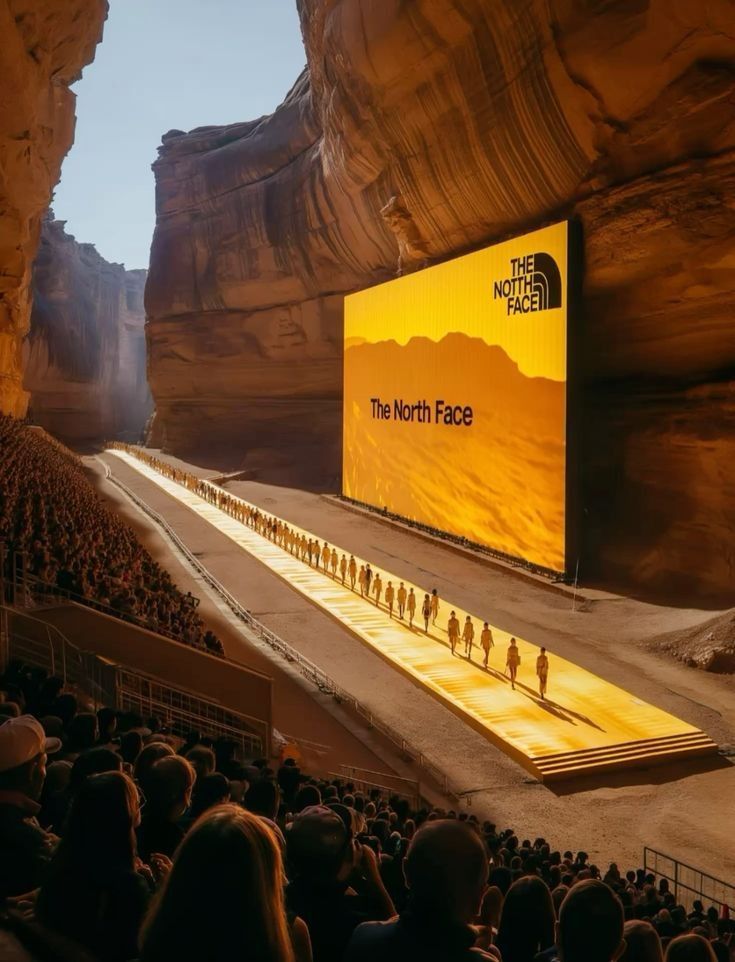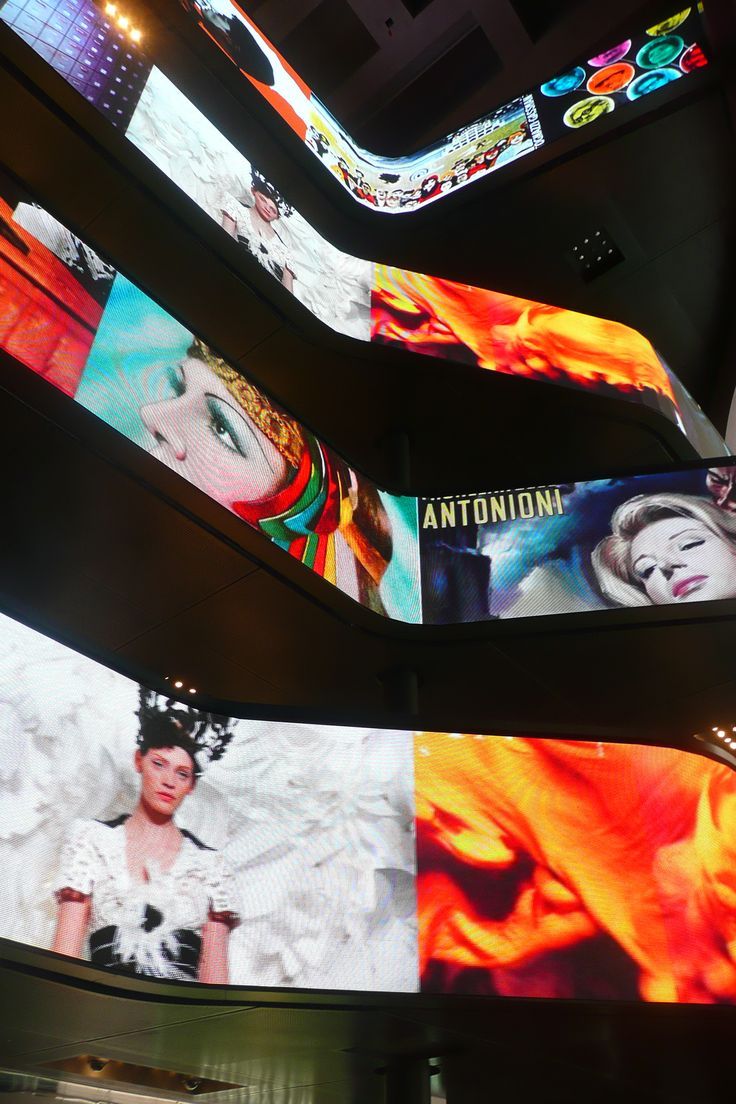
Walk into a corporate lobby, a broadcast studio, or a high-end retail space today, and the story is obvious. LED video walls are everywhere, not just as a flashy afterthought, but as the default choice for visual communication. It isn’t hype. It’s the quiet revolution of clarity, scale, and reliability that traditional projectors and LCD panels simply can’t match.
Over the last few years, watching organizations migrate from older technologies to LED video walls has been like observing a tectonic shift. Projection has its charm, but ambient light is always an enemy. LCD panels, while sharper than old plasma or CRTs, hit limits the moment you try to scale beyond a single screen. LED walls don’t just push past those limits — they erase them. The first moment a properly calibrated LED wall powers on, the difference is palpable: colors are saturated but natural, blacks feel substantial, motion is fluid, and brightness is consistent across the entire surface. You don’t need a spec sheet to notice it; your eyes tell the story.
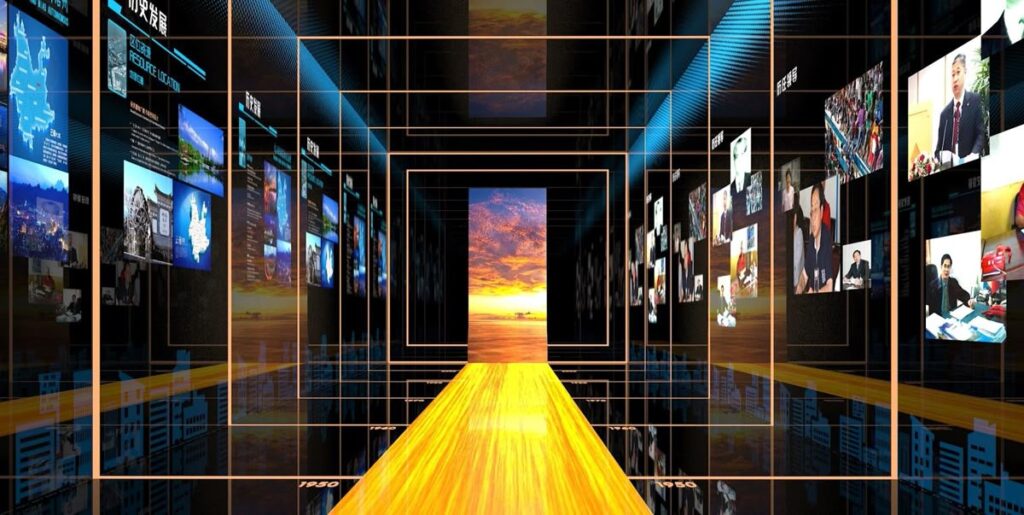
Scale Without Compromise
One of the biggest selling points of LED walls is scale. Designers used to compromise between size and resolution. Want a massive display? Expect uneven color, hotspots, or motion blur. Want tight pixel pitch? Get ready for high costs and small panels. LED walls have rewritten that negotiation.
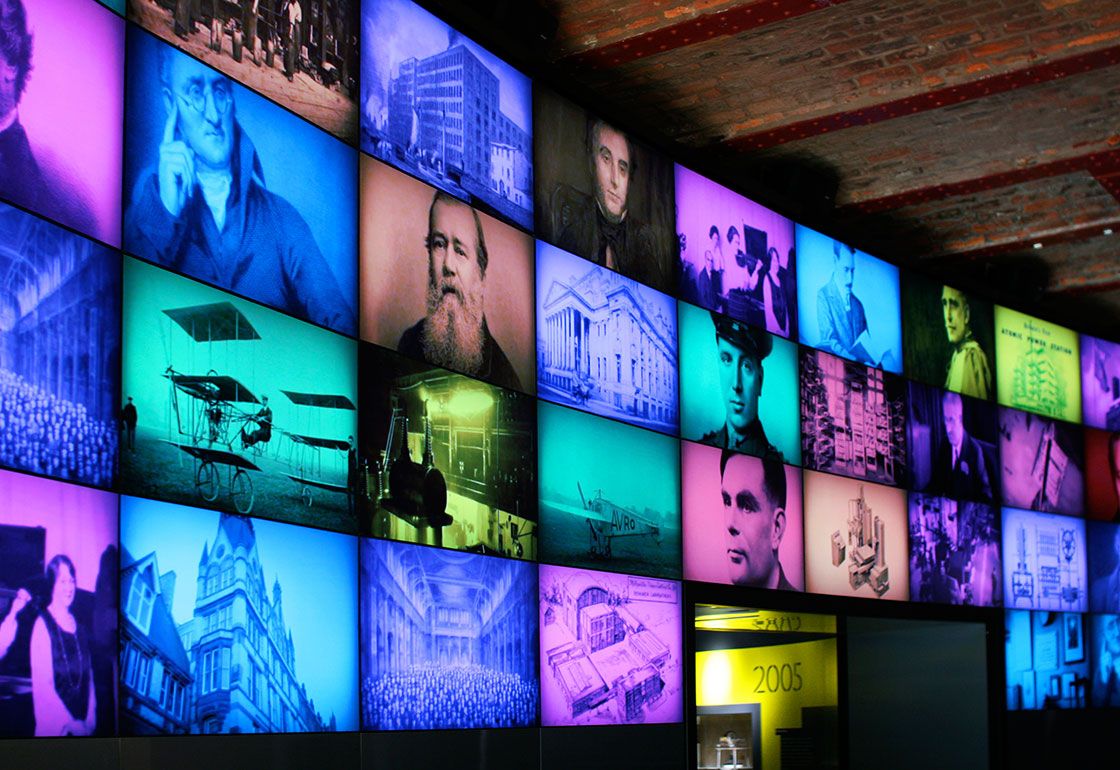
It’s not just that you can go big; it’s that you can go big and still feel like you’re looking through a window rather than at a screen. From command centers to immersive lobbies, the ability to cover a wall seamlessly with image fidelity that holds from corner to corner is transformative. And scale isn’t only about width or height; it’s about modularity. Panels can be swapped, repaired, or upgraded without tearing down the entire installation. This level of adaptability changes how organizations plan for display technology over the long term.
Clarity That Commands Attention
There’s an almost tactile quality to the clarity of LED video walls. Unlike projection, which loses punch in daylight, or LCDs, which struggle with off-angle viewing, LED keeps its authority in any environment. Even large walls retain detail in shadows, subtle gradients, and fast-moving visuals. It’s the kind of presence that makes people stop and look — whether it’s an advertising wall in a retail environment or a data visualization in a corporate control room.
It’s easy to underestimate this clarity until you compare. Sit across from an LCD array or a projector setup and then turn to a fine-pitch LED wall — the difference isn’t subtle. It isn’t just sharper. It’s more confident. Every frame, every motion, every color appears intentional. That visual confidence changes how content is designed. Designers don’t have to work around the limitations of the medium; they can design for impact and nuance.
Reliability That Reduces Anxiety
Part of the reason LED walls have become standard is reliability. Organizations are tired of screens that flicker, projectors that overheat, or panels that degrade unevenly. LEDs are engineered for endurance: consistent brightness, long lifespans, and maintenance-friendly modularity.
There’s a psychological effect to this reliability as well. A control room engineer knows that what’s displayed will be exactly what was planned. A retail manager can trust that brand messaging appears as intended, all day, every day. When technology fades into the background because it just works, the space can start fulfilling its design intent rather than constantly being interrupted by technical troubleshooting. That trust, surprisingly, has a profound impact on adoption.
The Flexibility Factor
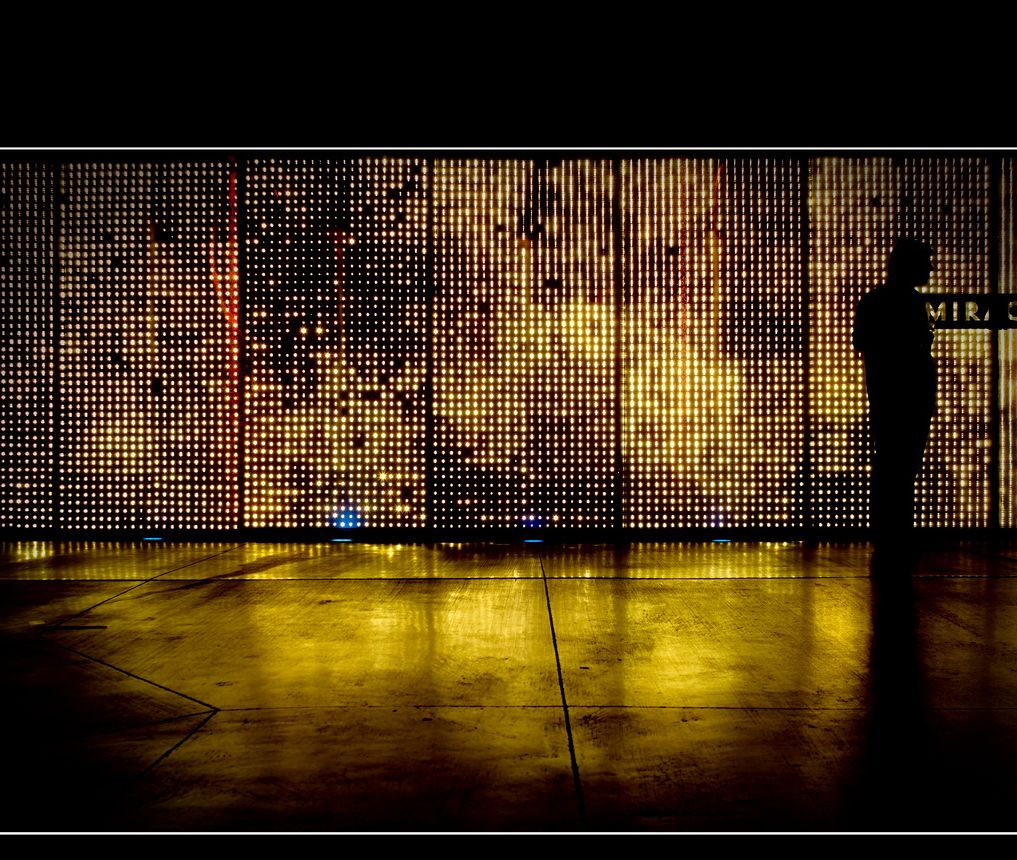
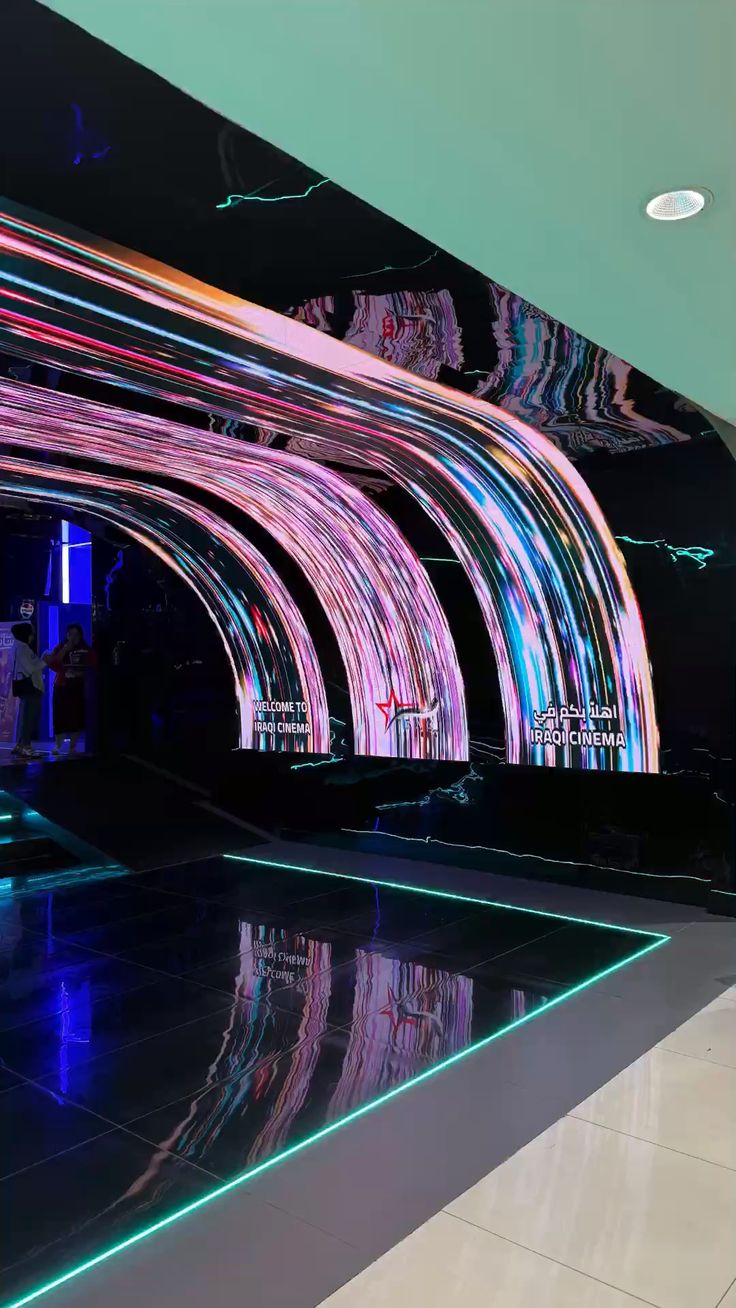
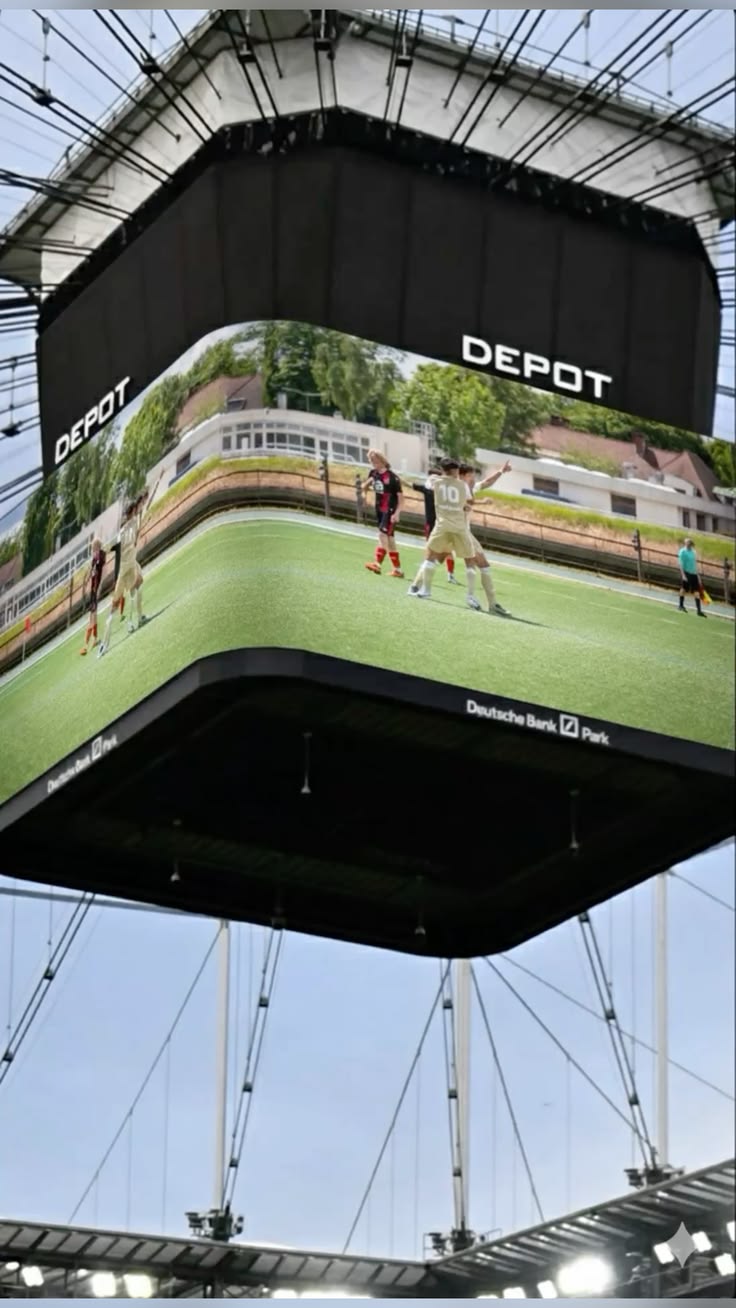
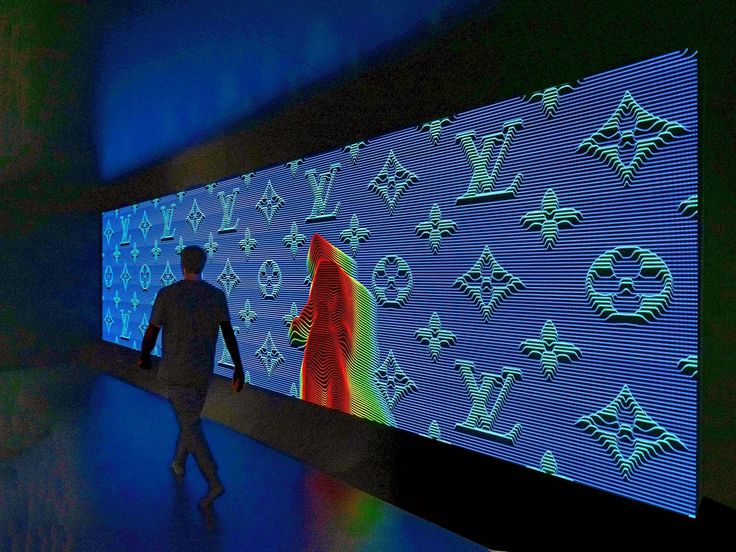
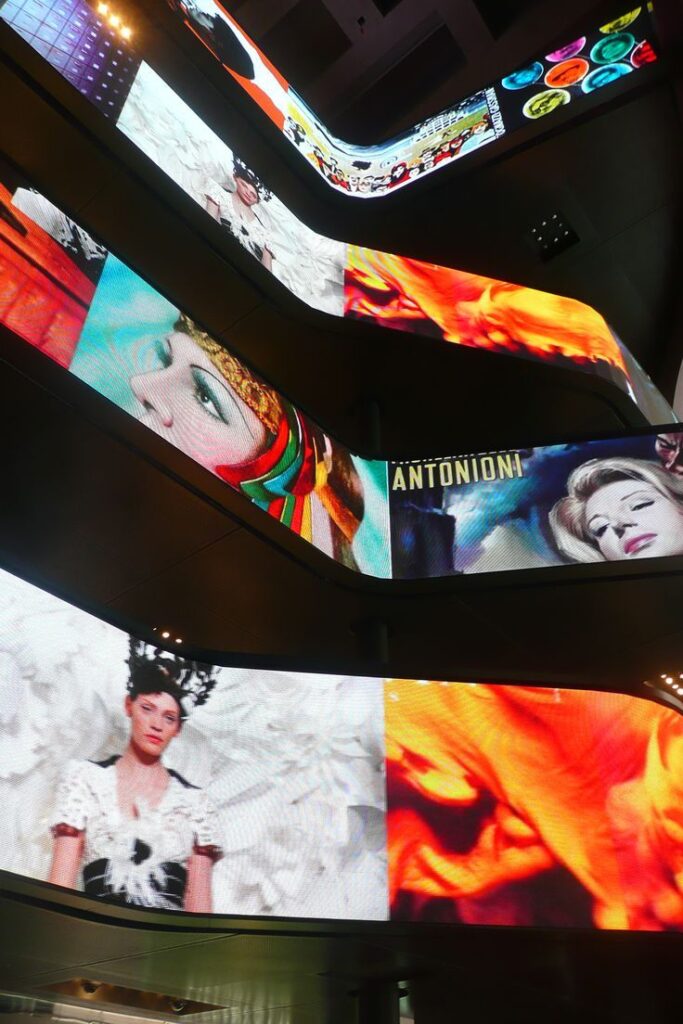
LED walls aren’t just bigger and more reliable; they’re also incredibly flexible. You can curve them, tilt them, stack them, or wrap them around spaces. That’s where the creativity comes in. Designers can think about how the display interacts with architecture, light, and movement, rather than being limited to the rectangle of an LCD screen or the shadowy footprint of a projector.
And content can adapt to the form factor in ways that were previously impossible. Animated graphics, live feeds, interactive visuals — all of it can respond to space and audience in real time. The display stops being a static object and starts being a participant in the environment.
Cost and ROI in Perspective
Yes, LED walls are a significant upfront investment. But the total cost of ownership often favors LEDs over time. Projection systems require frequent lamp replacements, calibration, and maintenance. LCD arrays need constant alignment, and the larger they get, the more visible imperfections become. LED walls, with modularity and longevity, reduce ongoing costs and downtime.
Clients are realizing that paying more initially buys them certainty and performance. The ROI isn’t just in dollars; it’s in impact. A message displayed on an LED wall has more authority, a broadcast studio looks polished to viewers, and visitors experience spaces the way designers intended. That combination of aesthetic and operational payoff explains why adoption is accelerating.
Designing for Experience
One of the interesting shifts is how LED walls influence design thinking. It’s no longer about filling a blank surface. Designers now consider how content, architecture, and human perception interact. With traditional displays, you designed around limitations. With LED, you design around potential.
For example, a corporate lobby wall can double as a dynamic art installation, a live data feed, or an interactive directory. Retail spaces can scale immersive brand storytelling across entire façades without worrying about sunlight washing it out. Even small venues can have impact comparable to arenas — because the technology doesn’t constrain storytelling anymore.
Looking Ahead
As LED video walls become the standard, the market will continue evolving. Pixel pitches will shrink further. Brightness will increase without compromising energy efficiency. Integration with interactive systems, sensors, and AI-driven content will turn walls into intelligent surfaces.
But the baseline expectation has shifted: organizations now assume any large-scale display should be high resolution, reliable, and integrated into space. Anything less is noticeable, even jarring. That’s why adoption is no longer limited to high-profile venues — it’s becoming standard in offices, universities, hospitals, and transit hubs.
The power of LED walls is self-reinforcing. The more people see them, the more they expect them. And that expectation drives investment, adoption, and innovation in a cycle that shows no signs of slowing.
The Bottom Line
LED video walls aren’t just “better screens.” They are tools for communication, experience, and perception. They solve problems projection and LCD never could: scale without compromise, clarity in any environment, and reliability that frees designers and operators to focus on content and engagement.
The moment a wall powers on, the difference is obvious. And once that standard is set, it’s hard to imagine going back. Organizations that have adopted LED walls know this intuitively: it isn’t just technology; it’s the baseline expectation for modern visual communication.
As spaces evolve, as expectations rise, and as content becomes more interactive and immersive, LED video walls aren’t just a solution — they’re the canvas. And once you’ve experienced that canvas, everything else feels like a compromise.