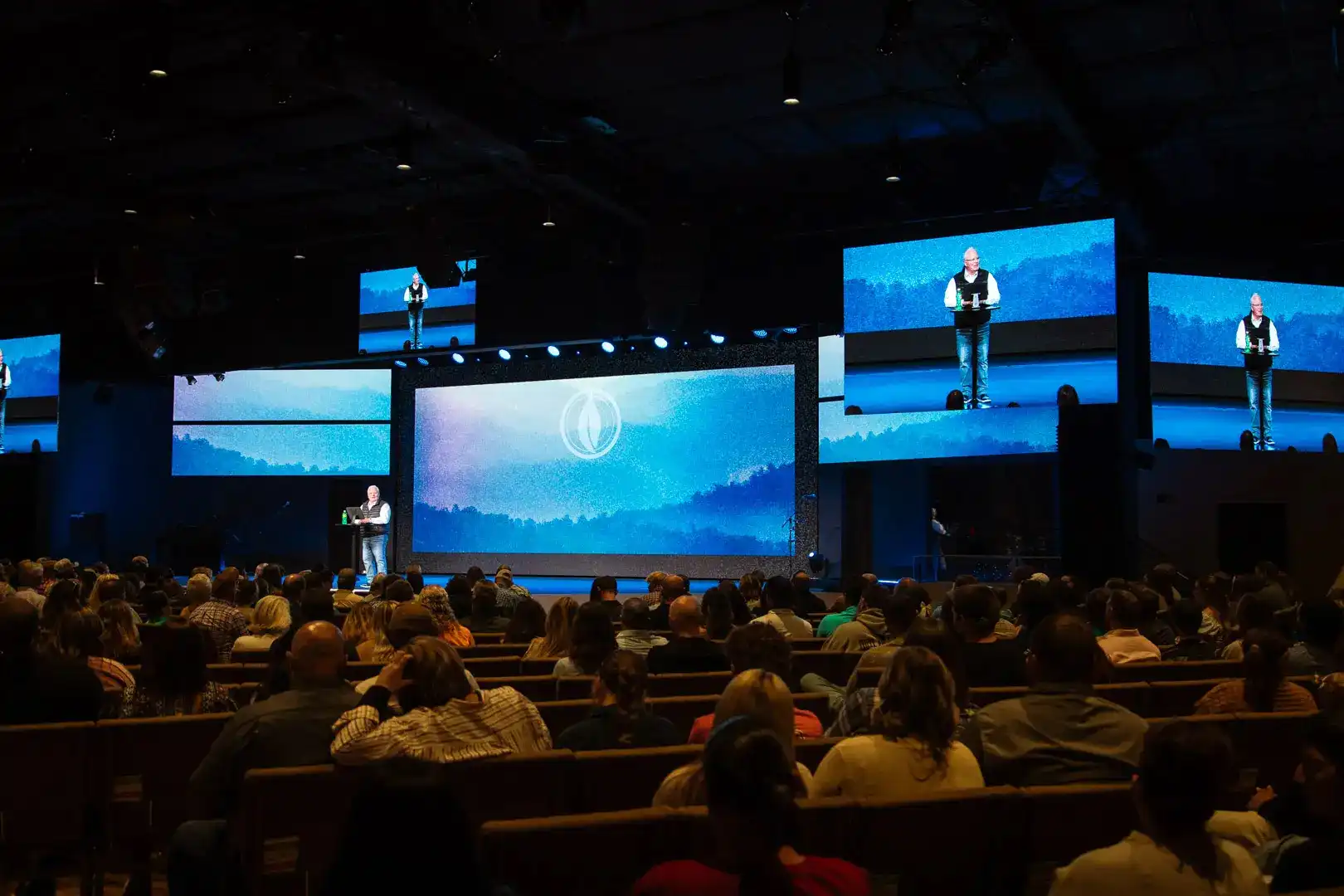
There’s a point in every visual technology cycle when the industry stops chasing isolated improvements — brighter pixels, slightly tighter pitch, bigger dimensions — and starts reorganizing how displays behave in the world. For LED signage trends in 2026, that inflection is here. The trend isn’t just about better hardware; it’s about how screens engage space, users, and context in ways that feel purposeful rather than decorative. What used to be compelling has become baseline. What used to be futuristic is becoming expected.
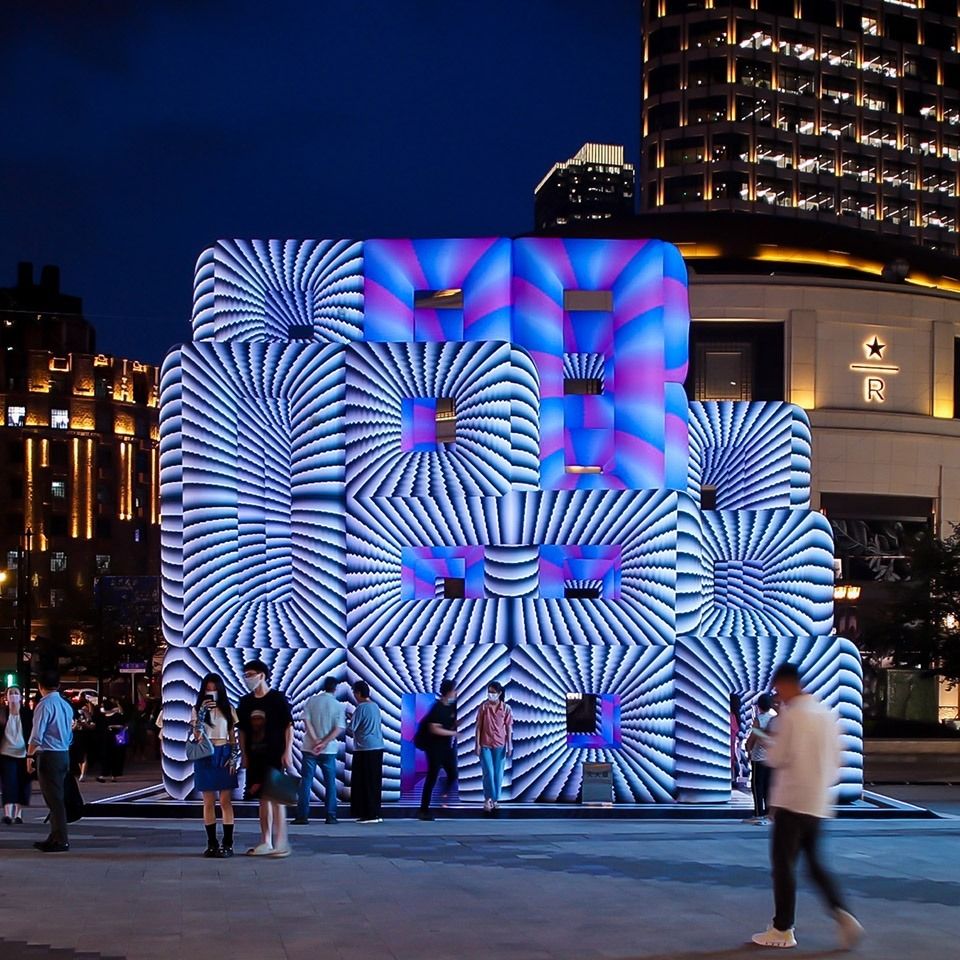
Walk through a bustling high street, a transit hub, or a corporate lobby today and you’ll notice something subtle: LED signage trends are no longer merely visible. It’s integrated. It reacts. It adapts. It communicates with other systems, responds to environmental cues, and ties into broader brand ecosystems the way lighting or architectural finishes once did. It’s a shift from displaying information to mediating experience — a shift that’s reshaping how designers and strategists think about visual communication.
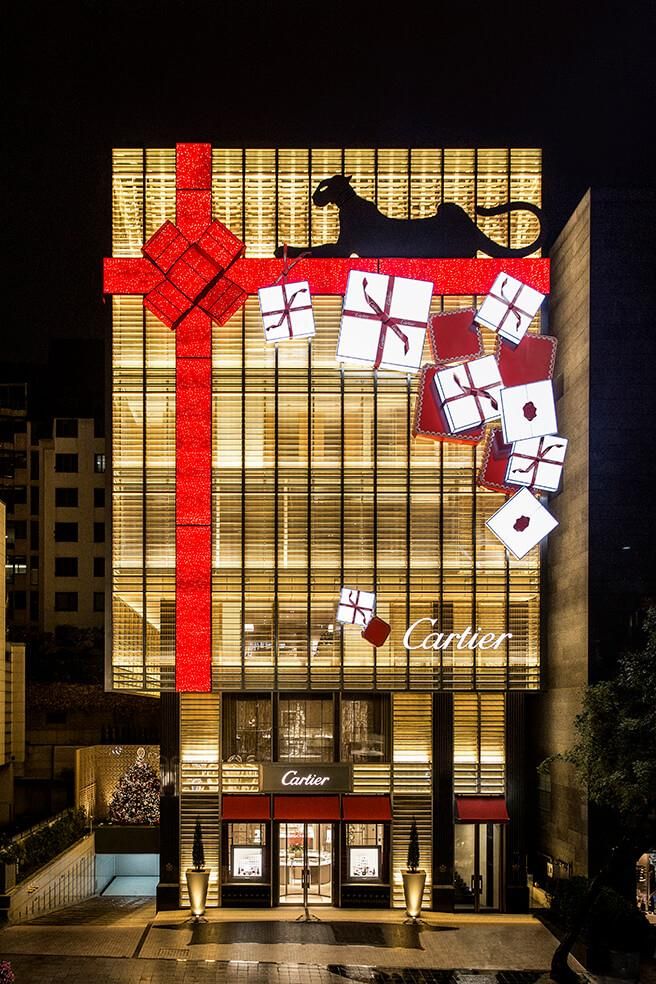
Higher Resolution and Pixel Precision Isn’t Optional Anymore
Five years ago, fine pixel pitch was “nice to have” for premium retail walls and luxury installations. By 2026, it’s creeping into almost every context where people look up close — shopping centers, office lobbies, hospitality venues, even interactive wayfinding zones. The demand for sharper imagery isn’t because clients want prettier pictures; it’s because the content is richer and more contextual.
Smaller pixel pitch means text, graphics, motion, and data can all coexist legibly at shorter distances. You can put wayfinding next to promotional content next to data dashboards without them competing for attention. That blend of information — not just messaging — is a big part of why higher resolution matters. People no longer judge signage by how big it is; they judge it by how relevant and readable it is in diverse contexts.
Smart Signage and Cloud Control Are Default
The idea of updating signage by manually loading a USB stick or visiting a local controller is rapidly dissolving. Smart LED signage — connected, centralized, and remotely manageable — is becoming a baseline expectation.
Business owners now assume they can control their content from anywhere, schedule promotions across different locations, and adapt on the fly to conditions like daytime lighting or local events. Smart signage isn’t just a convenience; it’s an operational requirement. In a market where attention is fragmented and audience behavior changes by the hour, being able to update content in real time shifts LED signage from static decoration to dynamic communication infrastructure.
For designers and strategists, this means signage isn’t a static deliverable but part of an ongoing content ecosystem — one that ties into CRM systems, social media feeds, inventory systems, and even external APIs that deliver weather or crowd data.
Digital Billboards Get More Local and Responsive
Outdoor LED signage used to be big and blunt — massive walls broadcasting messages to broad swaths of people. The trend in 2026 is toward precision targeting, driven not by location alone but by contextual timing.
Digital billboards are now expected to rotate multiple ads based on time of day, traffic patterns, and nearby footfall. Morning commuters might see service‑oriented messaging; lunchtime traffic gets food‑oriented calls to action; evenings flip to retail or entertainment pre‑launch content. This isn’t random motion graphics. It’s time‑of‑day contextual relevance that boosts engagement and reduces “wasted impressions.”
Part of this is a cultural shift: audiences have learned to tune screens out when they’re predictable. What draws the eye now is relevance — a message that feels timely, not just loud.
Energy Efficiency Is No Longer an Afterthought
There was a period when discussions about signage glossed over energy concerns — brightness and impact trumped consumption. In 2026, that has flipped. Sustainability and energy efficiency are core procurement criteria, not marketing bullet points.
Modern LED signage draws less power without sacrificing brightness. Better heat management extends the lifespan of components. Display designers talk less about peak nits and more about brightness per watt. Longevity, lower operational cost, and sustainability are tightly linked.
This trend isn’t just environmental virtue signaling. It’s being driven by hard budget constraints in multi‑location deployments and by corporate ESG reporting expectations. LED signage now needs to fit into sustainability narratives rather than undermine them.
Modular, Flexible, and Future‑Ready
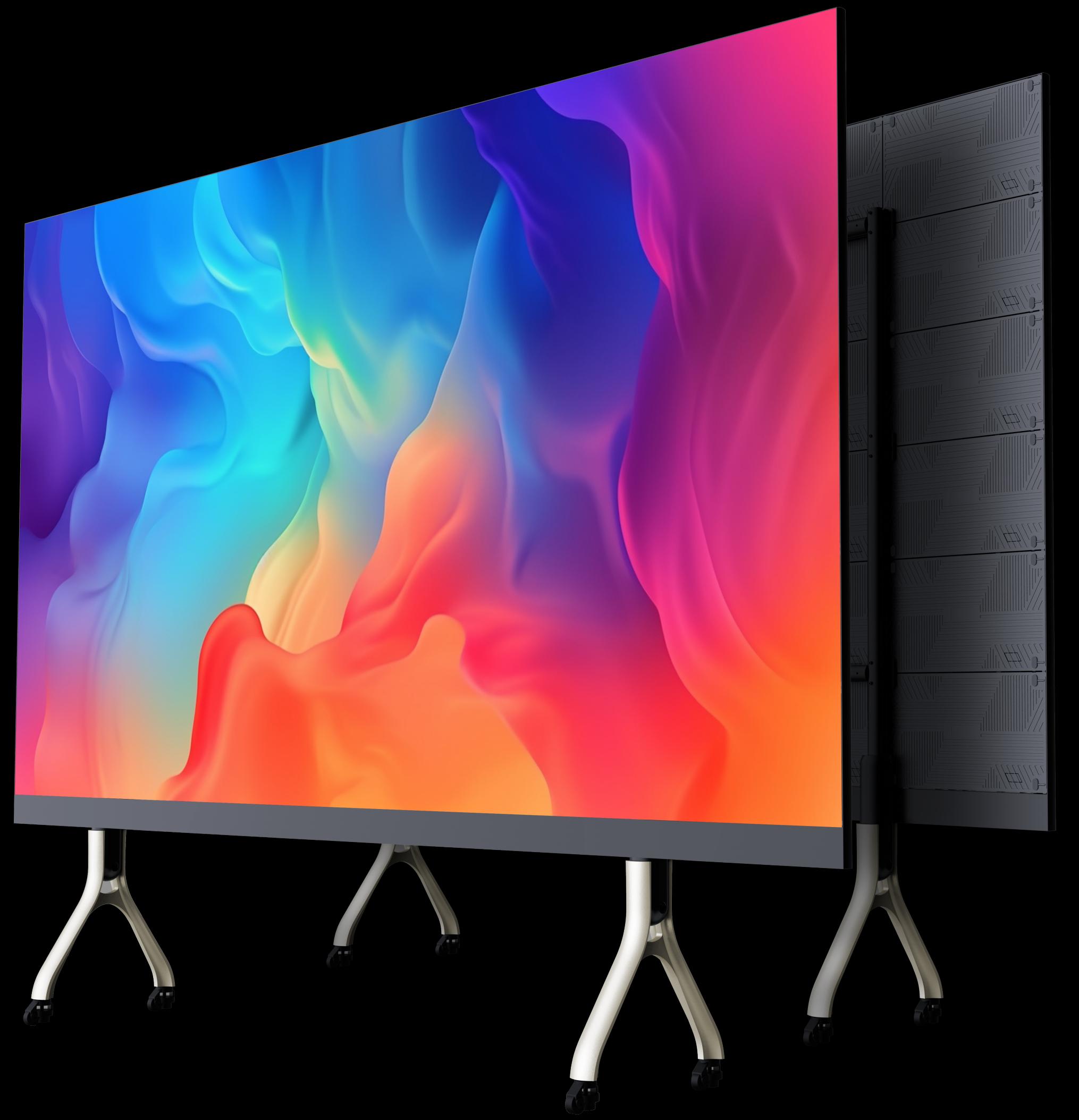
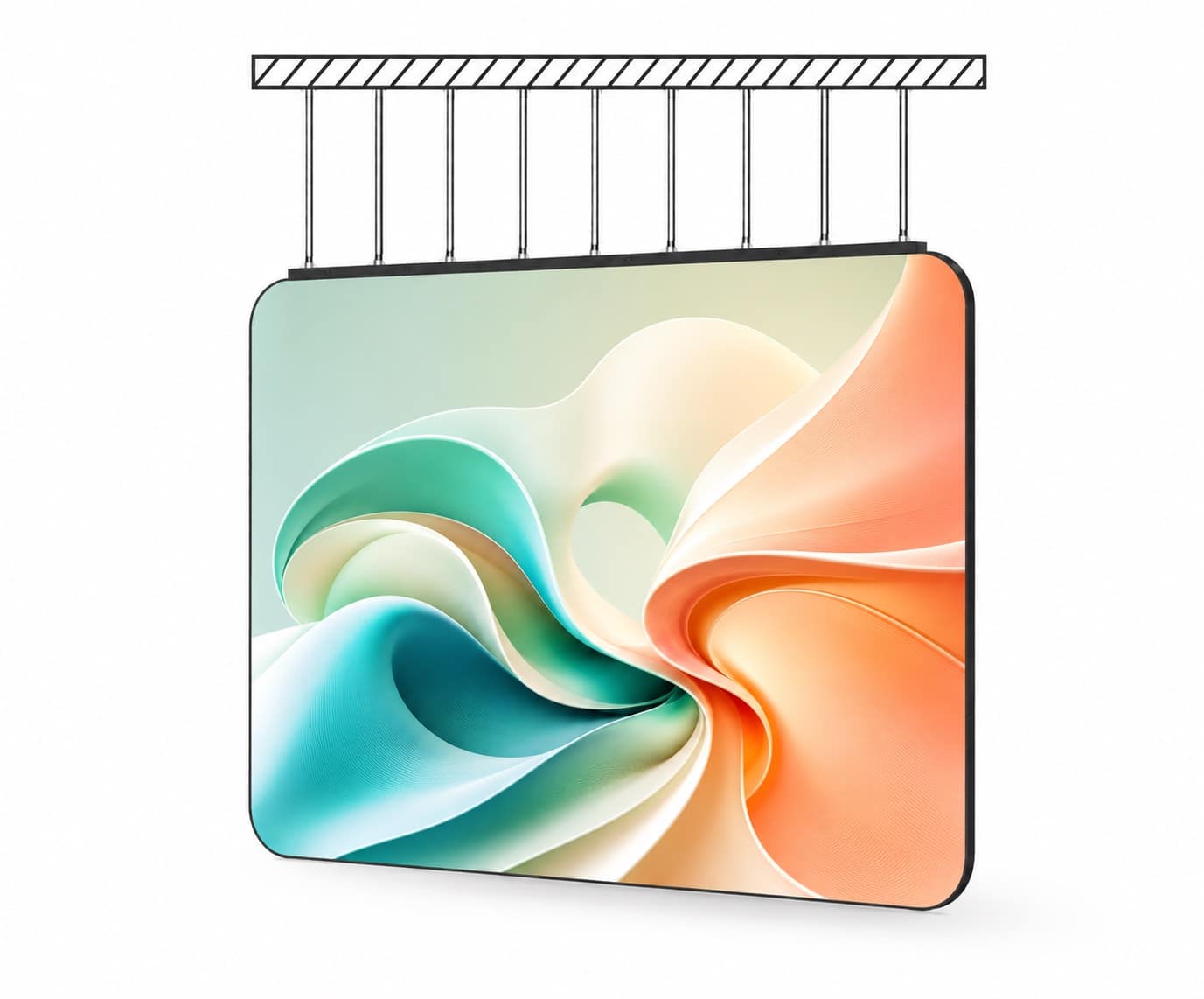
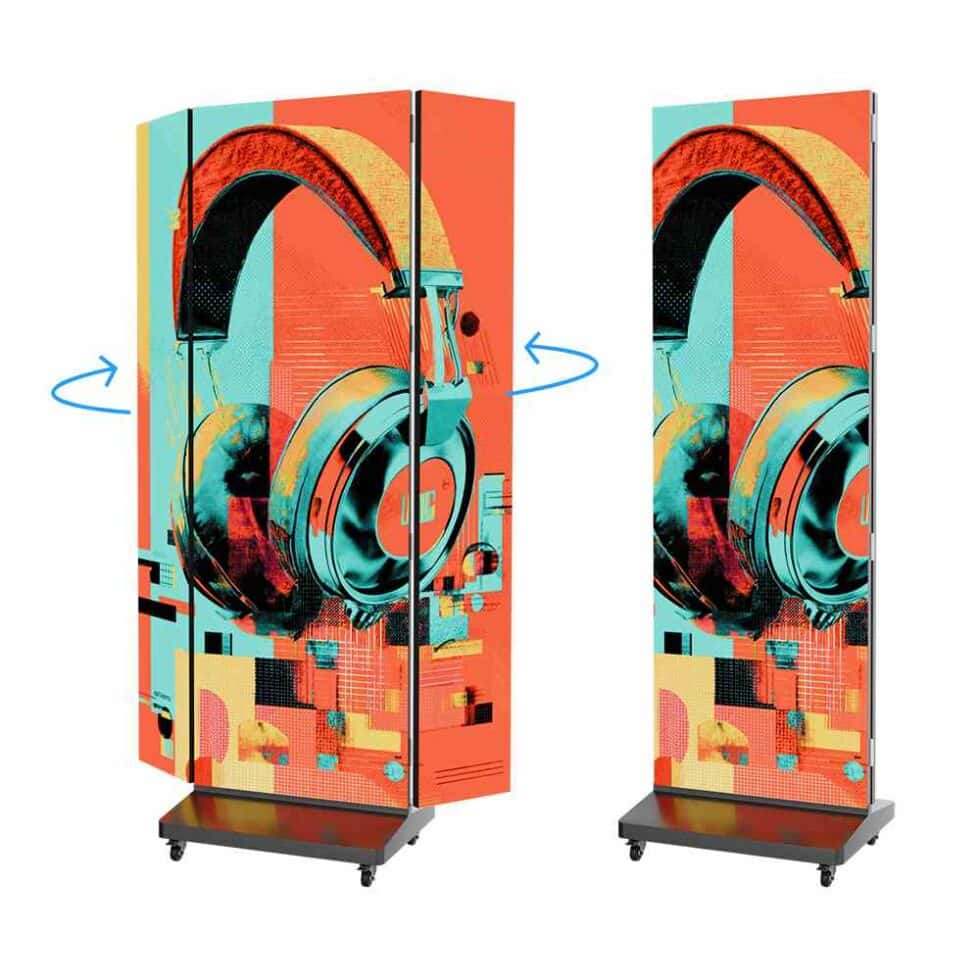
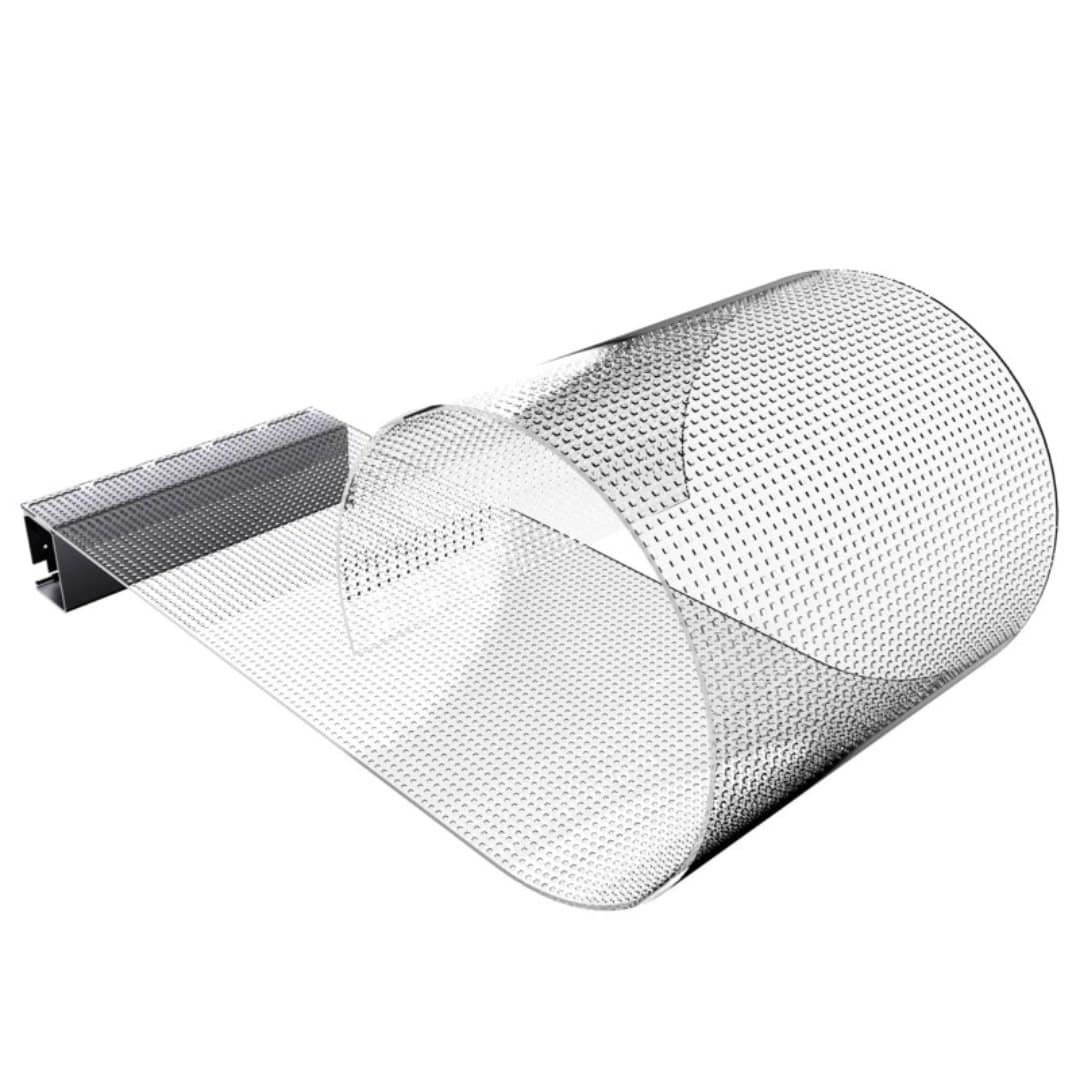
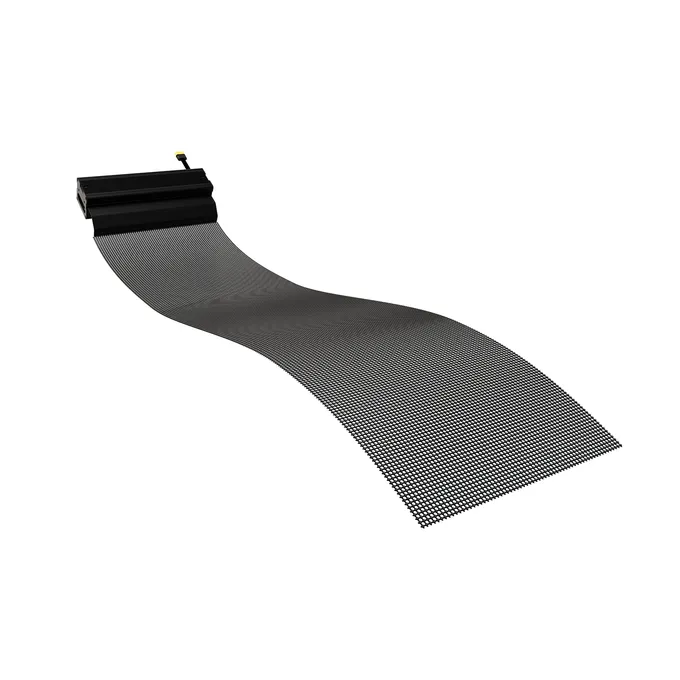
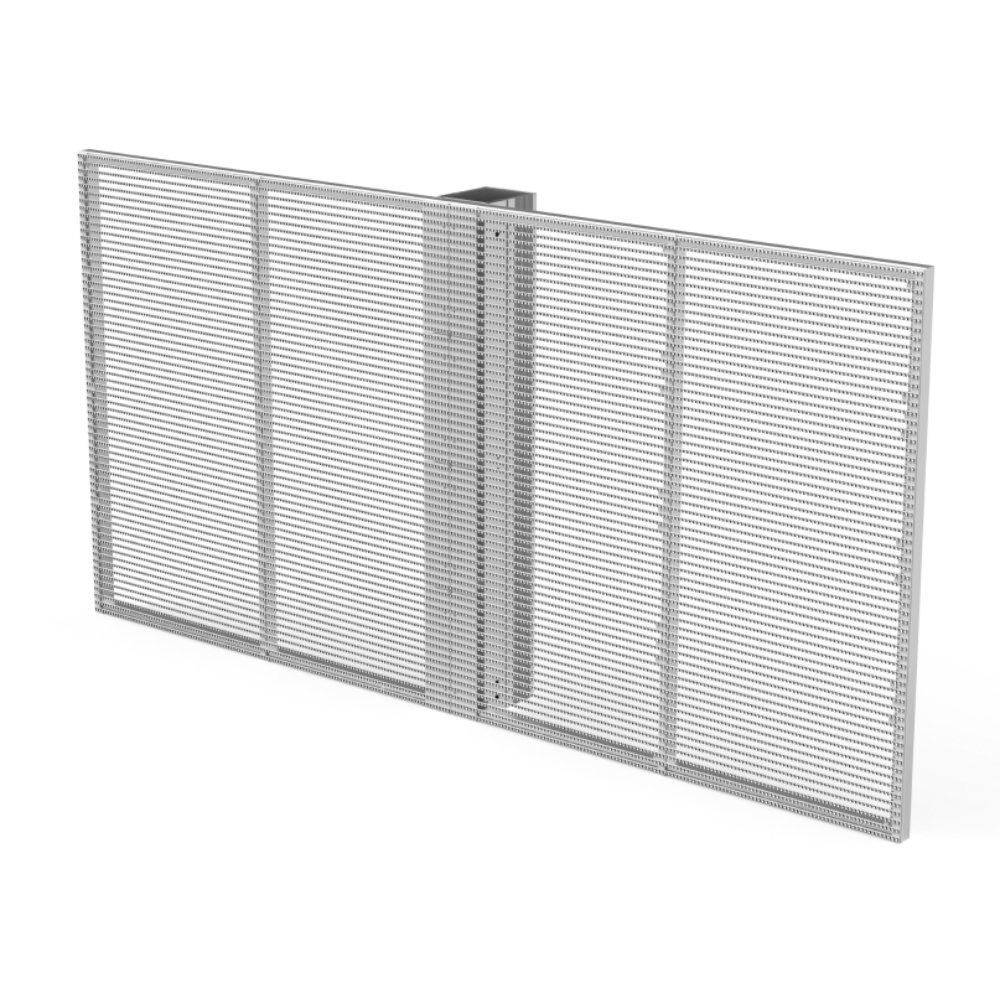
Another quiet revolution is happening in how screens are built, not just how they look. Commercial LED signage in 2026 embraces modular design: panels that can be swapped, expanded, resized, or repurposed as business needs change.
This matters because signage needs to be future‑proof without being disposable. A shopping center shouldn’t need a complete teardown every time messaging strategy changes. A corporate lobby shouldn’t have to replace an entire wall because one module failed. Modular design turns LED signage from a static billboard into flexible infrastructure that can grow and adapt.
From an architectural standpoint, this changes how signage is designed into spaces — not as an add‑on but as part of a living environment that evolves over time.
Data‑Driven Signage Strategies
LED signage used to be evaluated by visibility and recall. In 2026, it’s evaluated by performance metrics — dwell time, engagement, conversion, even footfall tracking.
Businesses are tying LED displays into analytics platforms that reveal how long people watch content, which messages trigger desired actions, or which promotions correlate with sales lifts. Signage stops being an artful statement and becomes a measurable piece of the marketing stack.
This data‑driven approach changes content strategy profoundly. Instead of static campaigns, signage can shift in response to real‑time insights. A breakfast offer can morph into a lunch CTA by the time the lunch crowd arrives. A retail promo that isn’t resonating can be phased out without replacing hardware. LED signage, in effect, becomes a responsive medium rather than a fixed signpost.
Integration With Omnichannel Branding
Physical signage no longer lives in isolation. It’s part of an omnichannel narrative that includes websites, mobile apps, social media, in‑store promotions, and transient experiences.
Today’s LED displays often work as live portals — QR codes that connect to apps, live feeds from social channels, synchronized messaging across screens and digital properties. This integration matters because it shapes brand continuity in a fragmented media landscape. A passerby might see a store’s LED signage, scan a code, and continue the experience on their phone. That’s not signage — that’s contextual brand architecture.
Designers and strategists see this not just as aesthetic choreography but as a functional bridge between digital and physical customer journeys.
Compliance, Safety, and Local Standards
Another practical trend that’s shaping signage is compliance. Municipal brightness limits, zoning rules, and safety standards are increasingly part of procurement conversations.
LED displays are powerful — too powerful in the wrong context. Glare, distraction to drivers, and light pollution are regulatory concerns. Smart LED systems now include compliance settings that cap brightness automatically or adjust content based on local ordinances.
This isn’t just legal risk avoidance. It’s part of design maturity — thinking about signage not as a giant eyeball magnet, but as a responsible actor in the public realm. Designers now work with zoning and safety as standard variables, not afterthoughts.
The Human Experience Is Central
The trends defining signage in 2026 share one theme: people first. Screens aren’t just hardware installations. They’re touchpoints in the shared human environment. They aren’t meant to dominate space; they’re meant to communicate meaningfully within it.
LED signage once was about being seen. Now it’s about being understood. It’s not enough to be bright and sharp. It has to be relevant, responsive, and respectful of context, human behavior, and environmental impact. That’s a profound shift from simple visual spectacle to integrated, meaningful communication.
Walking any downtown street or corporate hallway today, you can see it happening: screens that feel intentional. Not just louder than competitors, but smarter, more considerate, and more adaptive.
The future of LED signage isn’t just about technology. It’s about how technology becomes part of thoughtful, perceptive, humane spaces. That’s the real trend defining 2026.