There’s a moment in most technology cycles when the shiny promise settles into everyday reality and designers start noticing the cracks — what looks good on paper but feels unfinished in practice. With LED display technology, we’re past the early hype and into the uncomfortable territory of real expectations. Not just what the screens can do, but what customers should actually demand from them. The LinkedIn piece makes the point plainly: the bar has moved. What used to be “nice to have” is now table stakes.
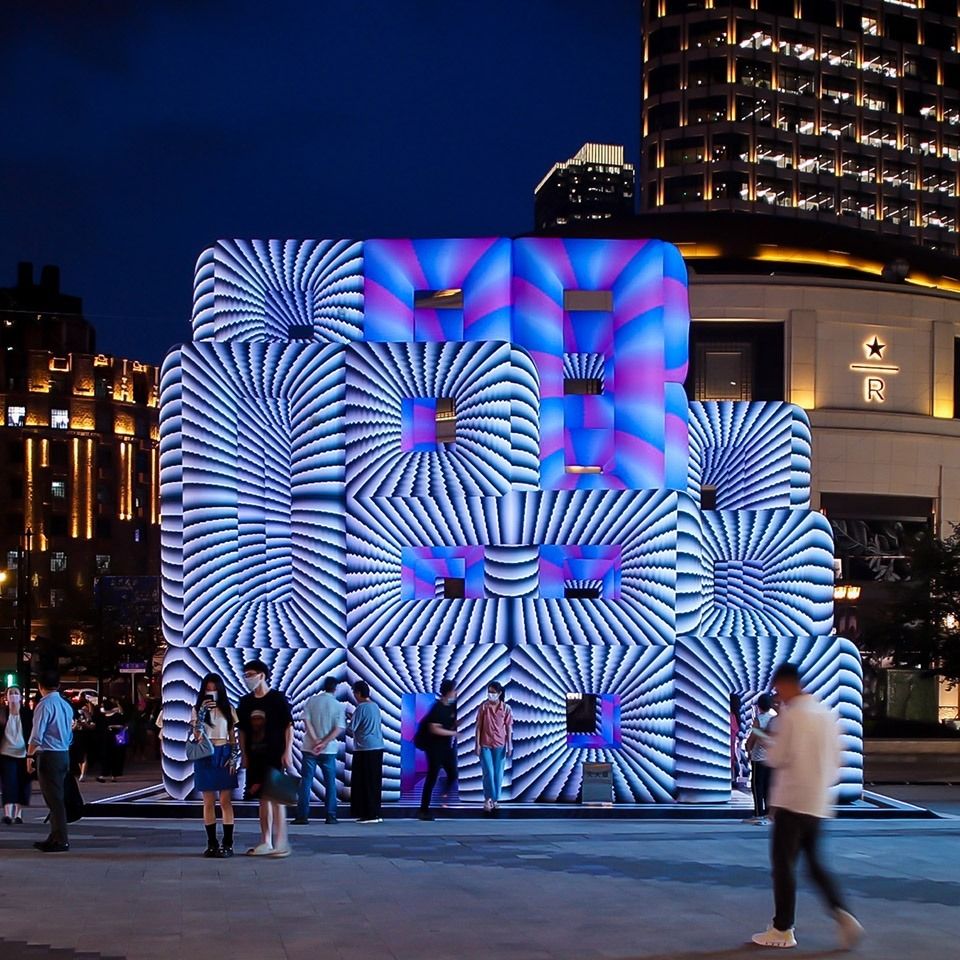
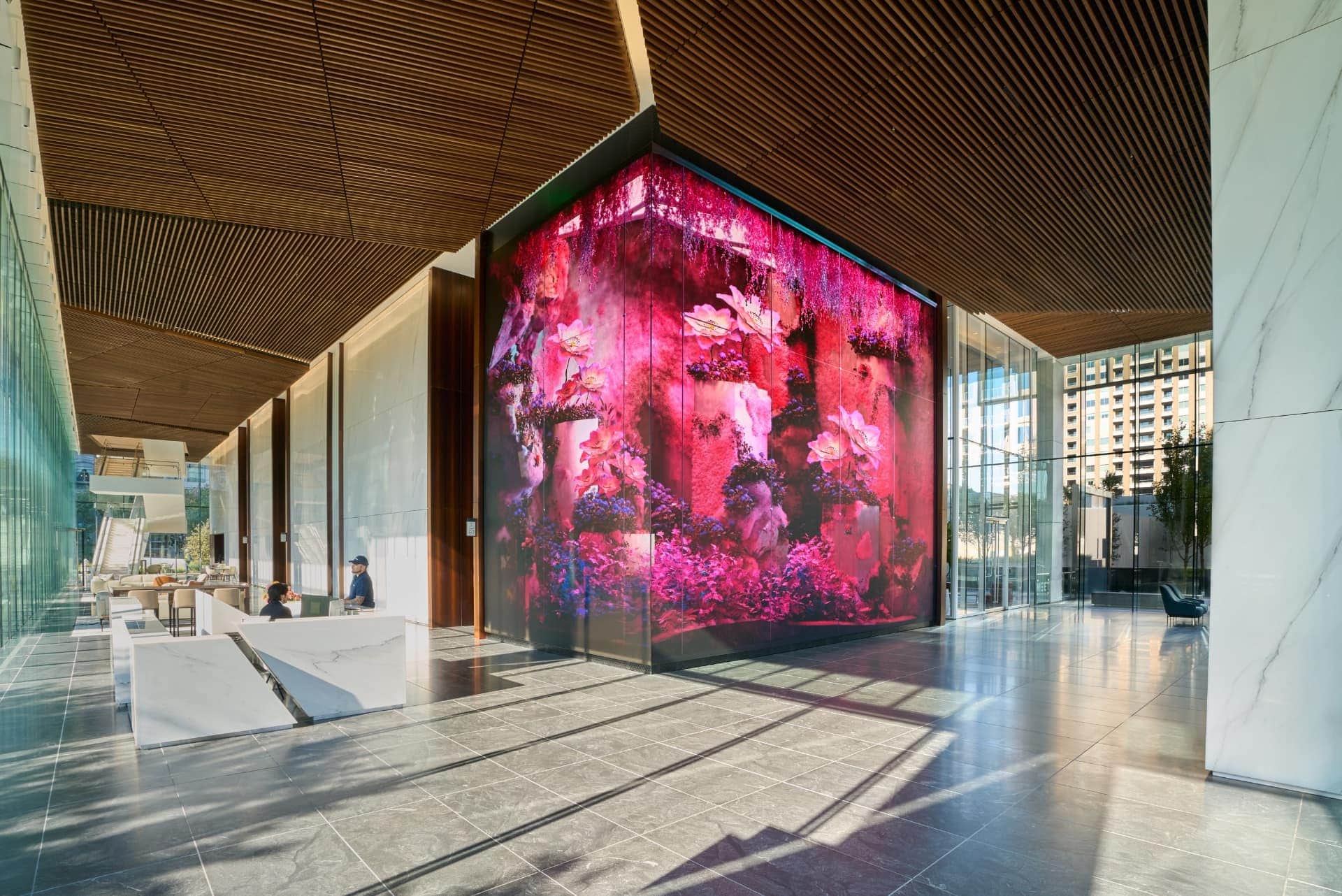
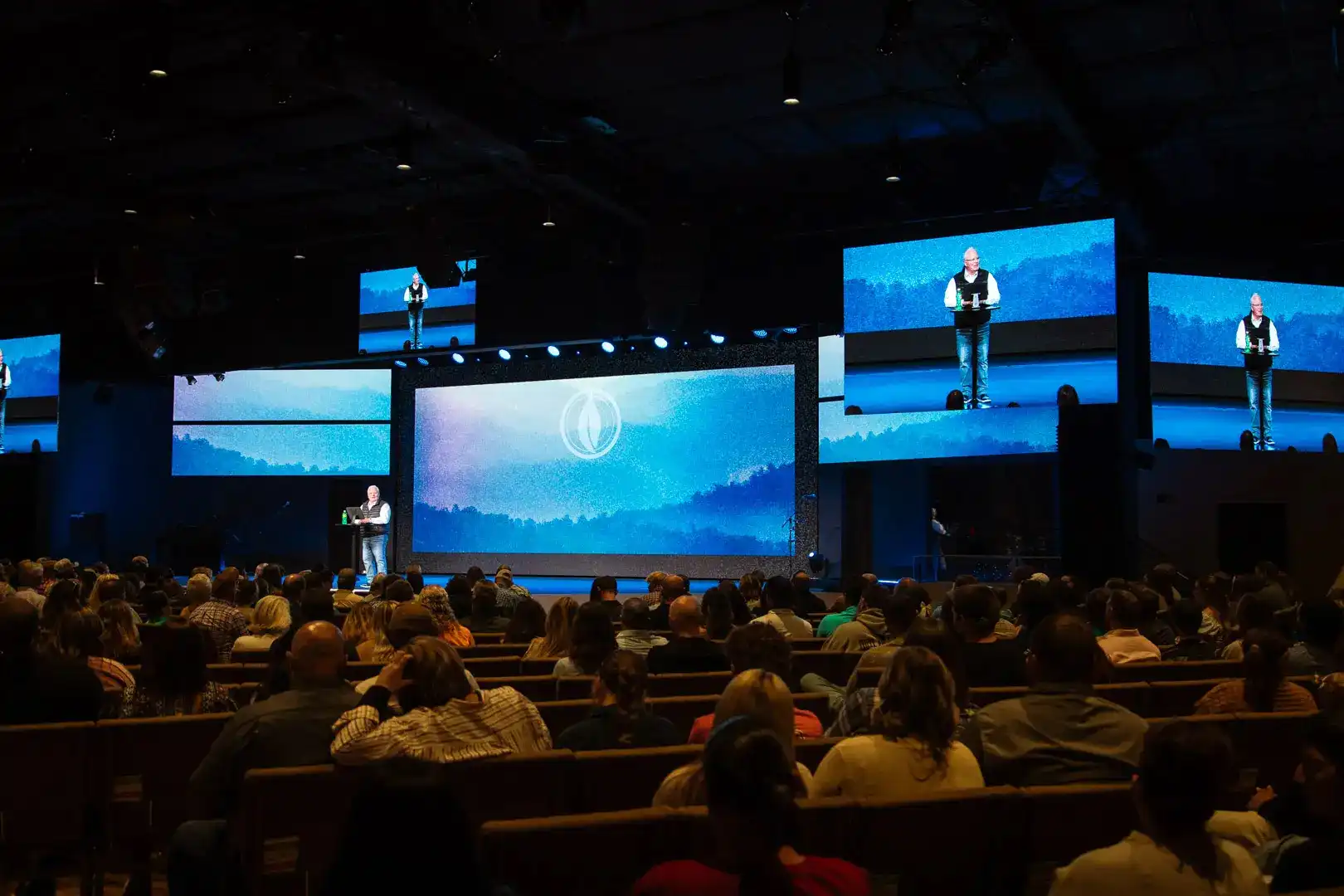
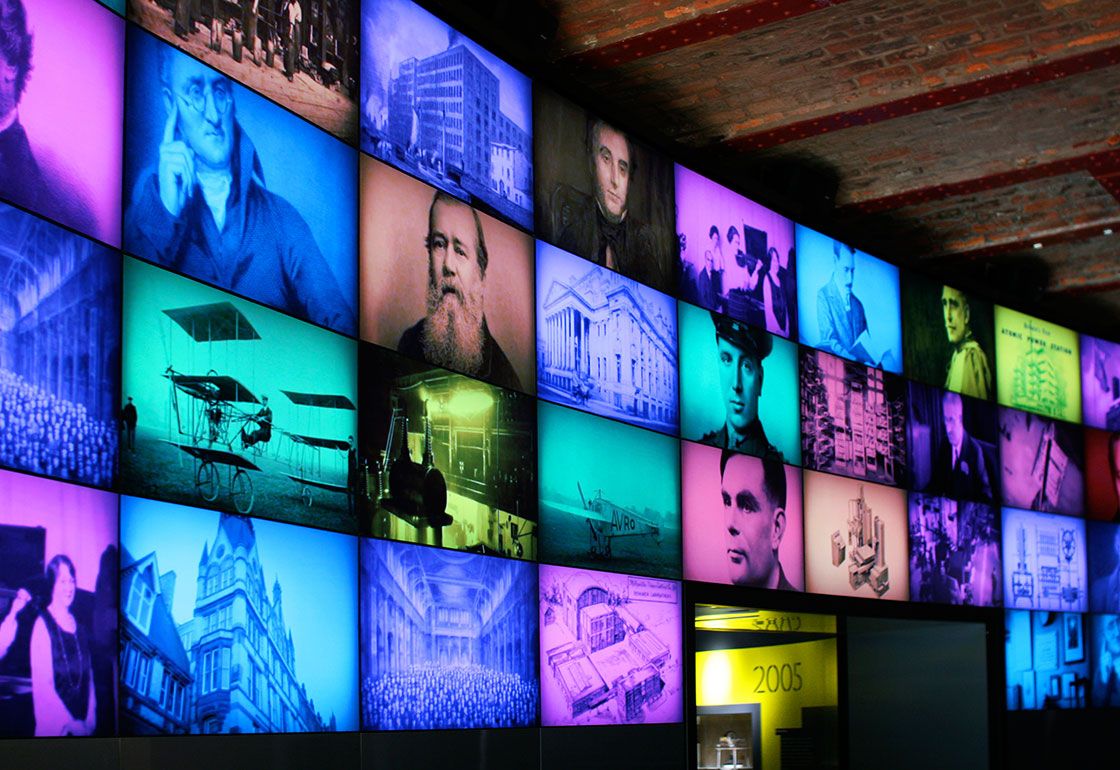
And it shows everywhere you look — not in pretty demos, but in built environments where these walls are supposed to work. Retail stores, corporate lobbies, transportation hubs, urban façades — the technology is capable of staggering visual impact, but too often the deployments fall short because expectations weren’t aligned with reality.
The Illusion of Simplicity
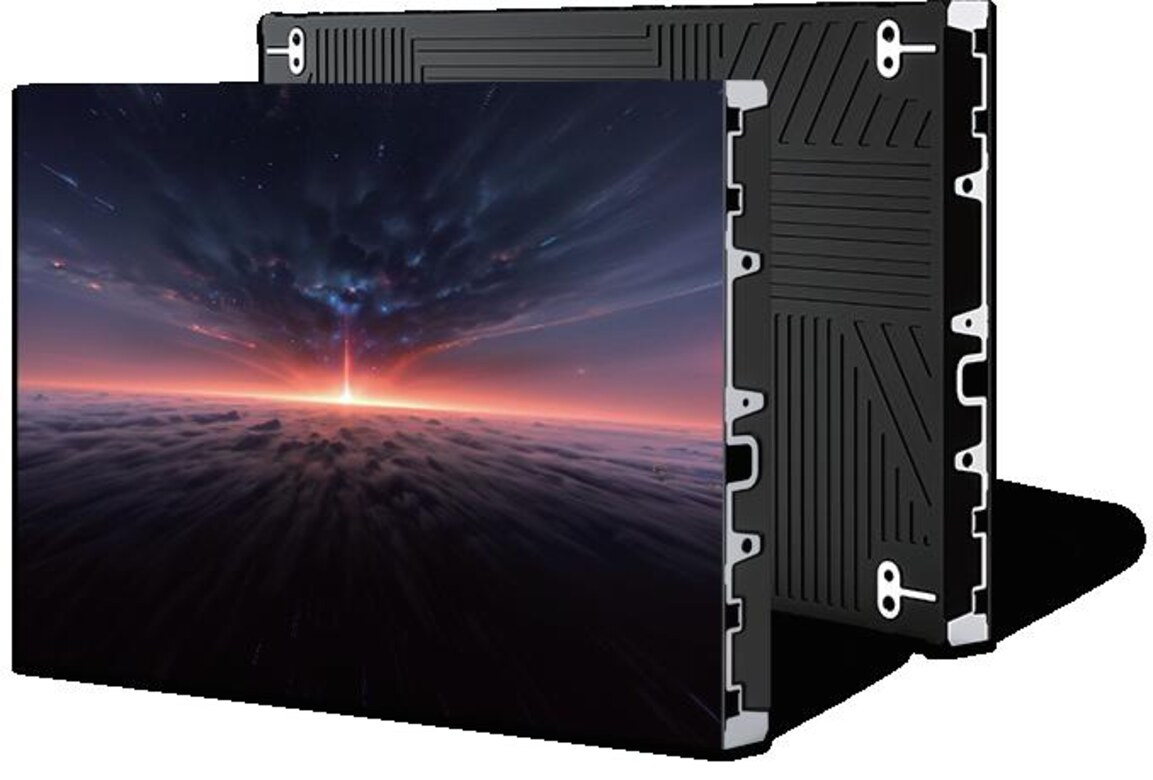
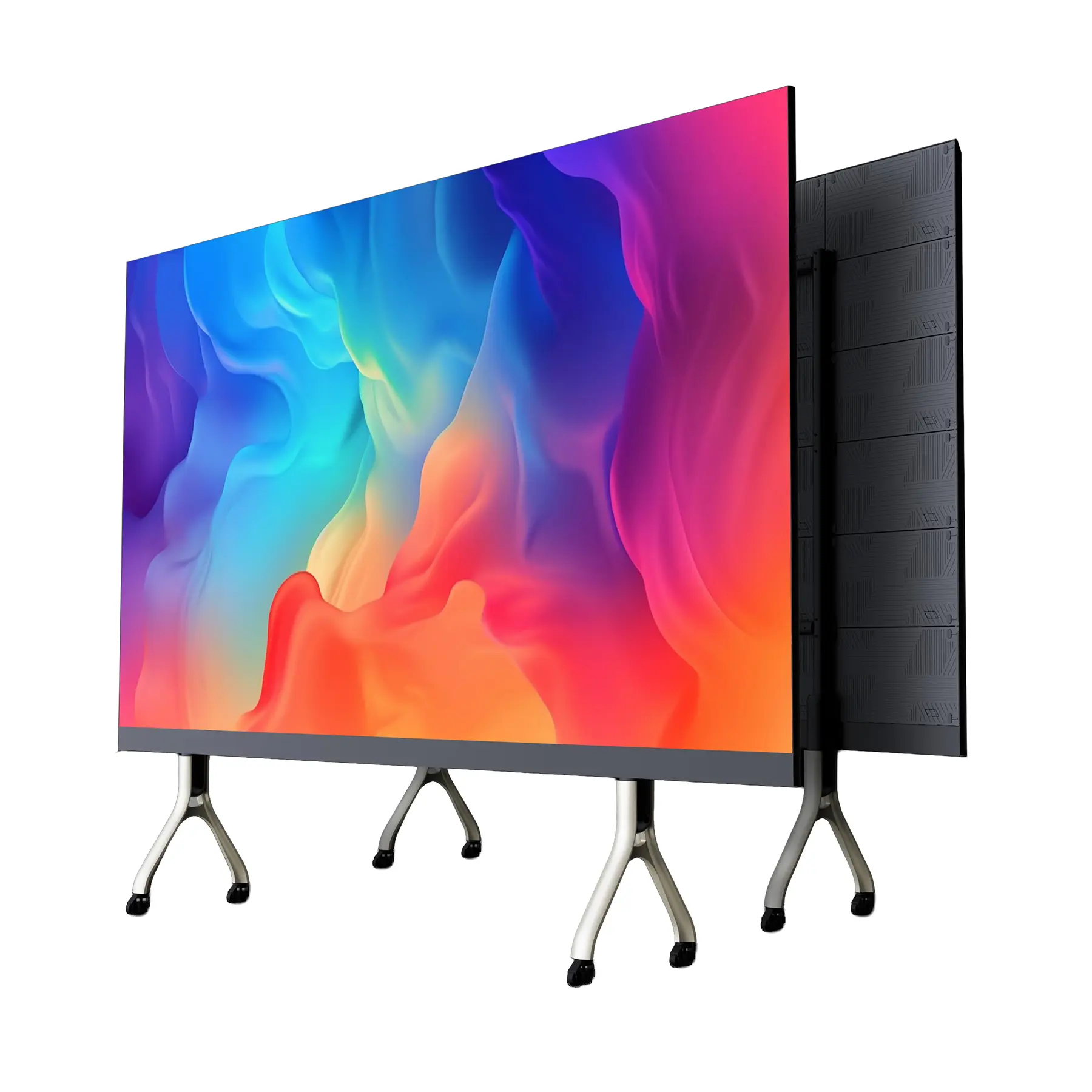
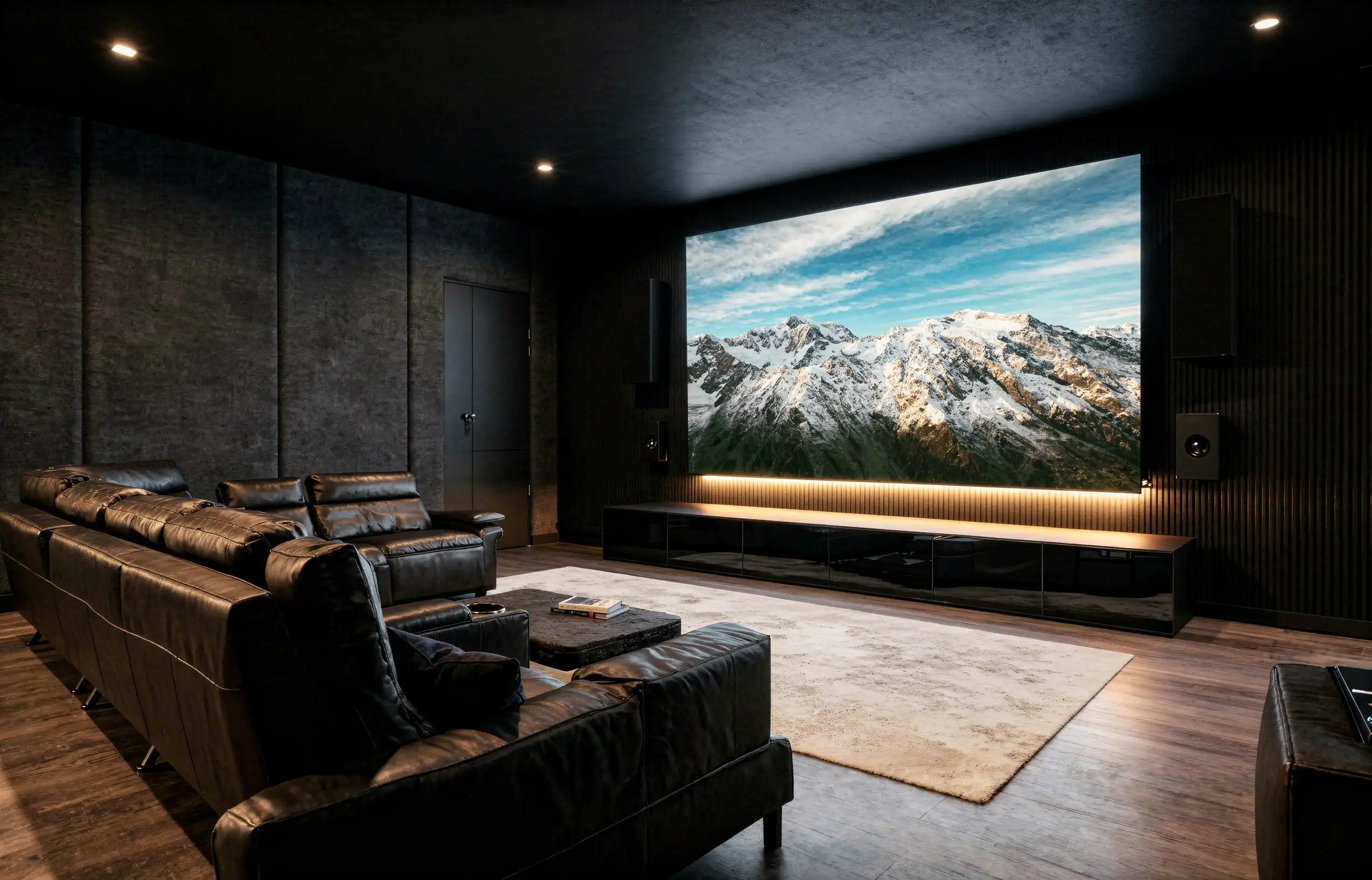
Most people think LED display technology are simple: you buy a screen, you show a picture. In reality, the medium is far more demanding. A large LED wall isn’t a TV you hang on the wall. It’s a surface — active, responsive, and, if done right, ambient. The difference is subtle but crucial. When LED display technology is treated like a TV replacement, the results are predictable: flat presentations, limited engagement, and a display that feels like decoration rather than an active part of the space.
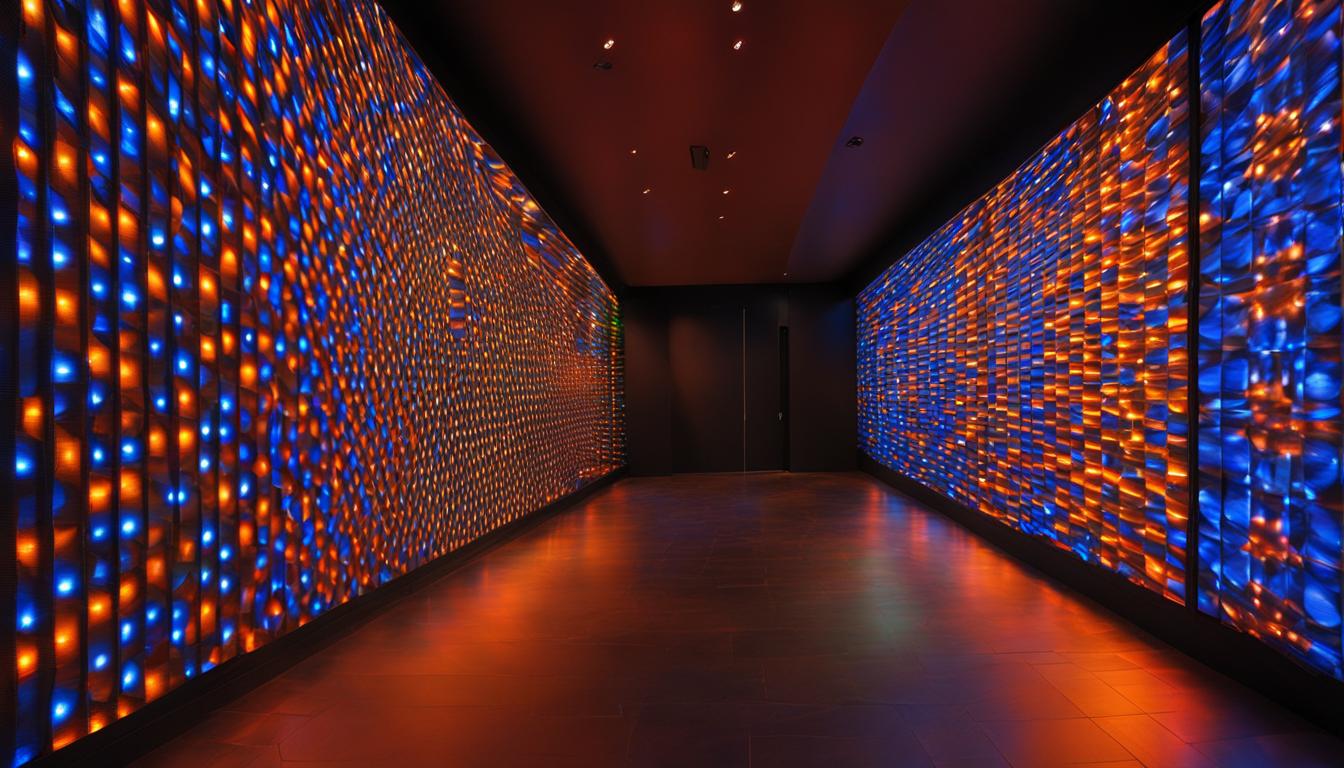
Customers should expect more. Screens that behave like integrated design elements. That means understanding how light, motion, spatial context, and human perception intertwine. An LED wall in a lobby should feel like part of the architecture — not an appendage. The pixel pitch, brightness, refresh rate, and viewing angle all matter here, and they aren’t interchangeable variables you can ignore.
Resolution Is Not the Only Metric
We’ve all seen the spec sheets: pixel pitch, contrast ratio, brightness numbers climbing ever higher. But if you walk into a space with a fine-pitch LED wall and notice a slight flicker or mismatch in color uniformity, resolution stops mattering fast. Customers should expect uniformity — not just resolution. Because when panels are stitched together to create a massive surface, even slight color shifts or brightness variations become glaring.
It’s not just about the detail the panels can reproduce; it’s about how consistently they reproduce it. Uniformity across the surface is what makes the digital environment feel cohesive. Too many deployments treat pixel pitch as a badge rather than a performance characteristic. High resolution doesn’t mask poor calibration or mismatched modules. Real expectations involve consistency, not just density.
Integration, Not Isolation
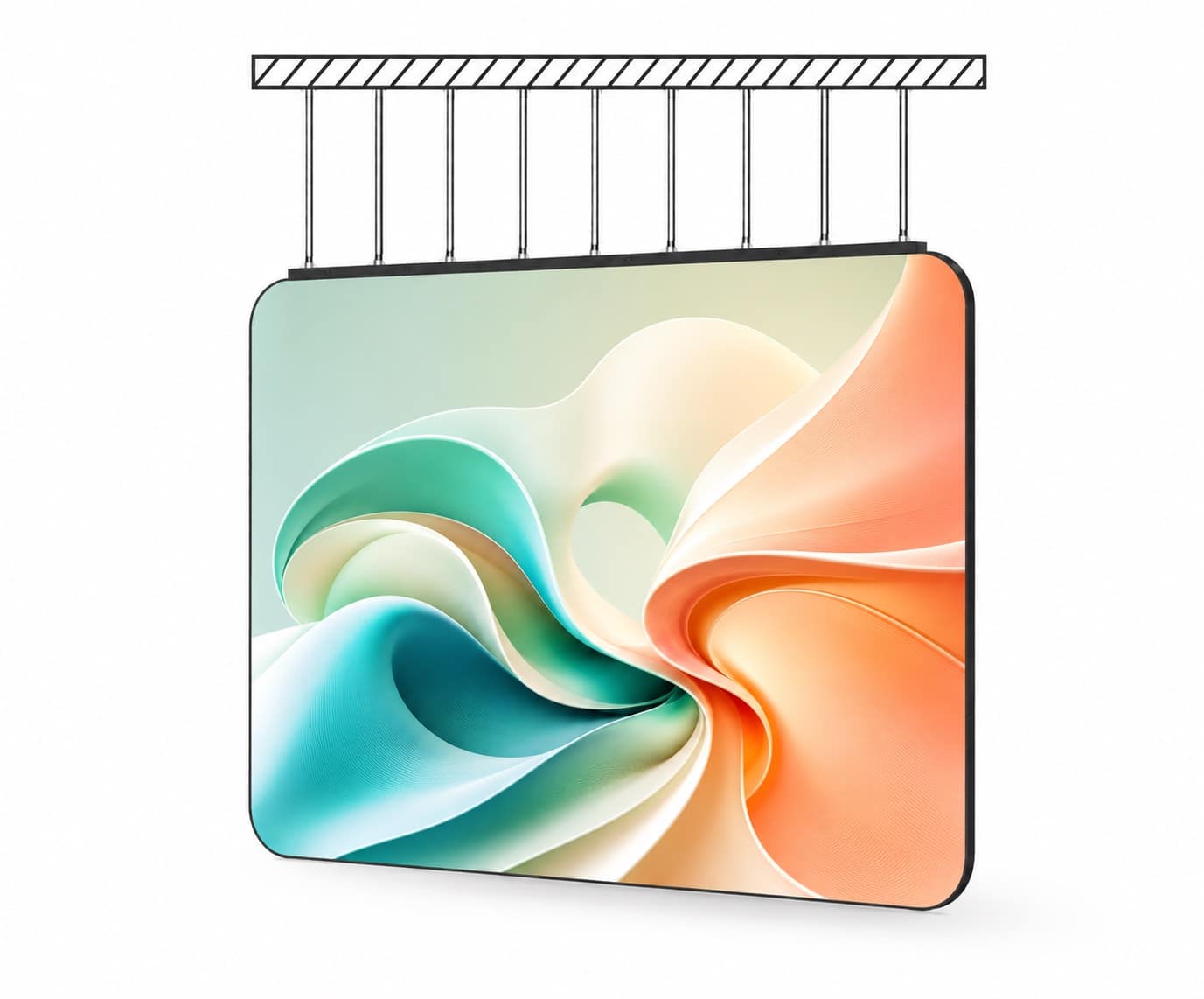
Too often, LED displays are specified late in the process: after walls are built, lighting is set, HVAC is installed. That’s backwards. LED displays aren’t surface treatments. They are active elements of the environment. The lighting design affects perceived contrast. Heat from HVAC affects panel longevity. Sightlines shape engagement.
Customers should insist that LED technology be treated like infrastructure — planned, integrated, and considered from the earliest design discussions. A wall can’t be an afterthought. It needs to be part of the architecture, not pasted onto it. This means listening to architects, interior designers, AV integrators, and even brand strategists before a single panel is ordered.
Content Is Not an Afterthought Either
Here’s a blunt truth: the most expensive LED wall in the world is useless if the content is an afterthought. A common pitfall is investing heavily in hardware while relegating content strategy to the last minute. The LinkedIn article hints at this: customers deserve technology that supports purposeful content, not just bright motion.
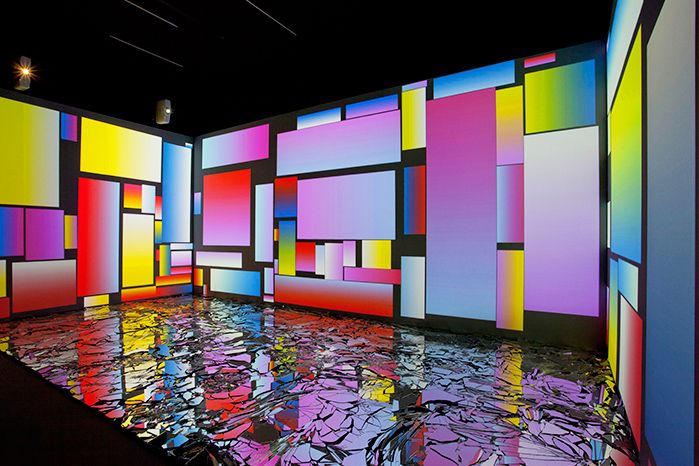
Good content doesn’t just fill the screen. It guides attention, reflects context, and respects human cognition. A lobby wall shouldn’t just loop generic brand imagery — it should communicate something meaningful in its setting. Too much motion without hierarchy overwhelms. Too little motion feels dull. Customers should expect displays that are designed for content, not content that is shoehorned into technology.
The Expectation of Longevity
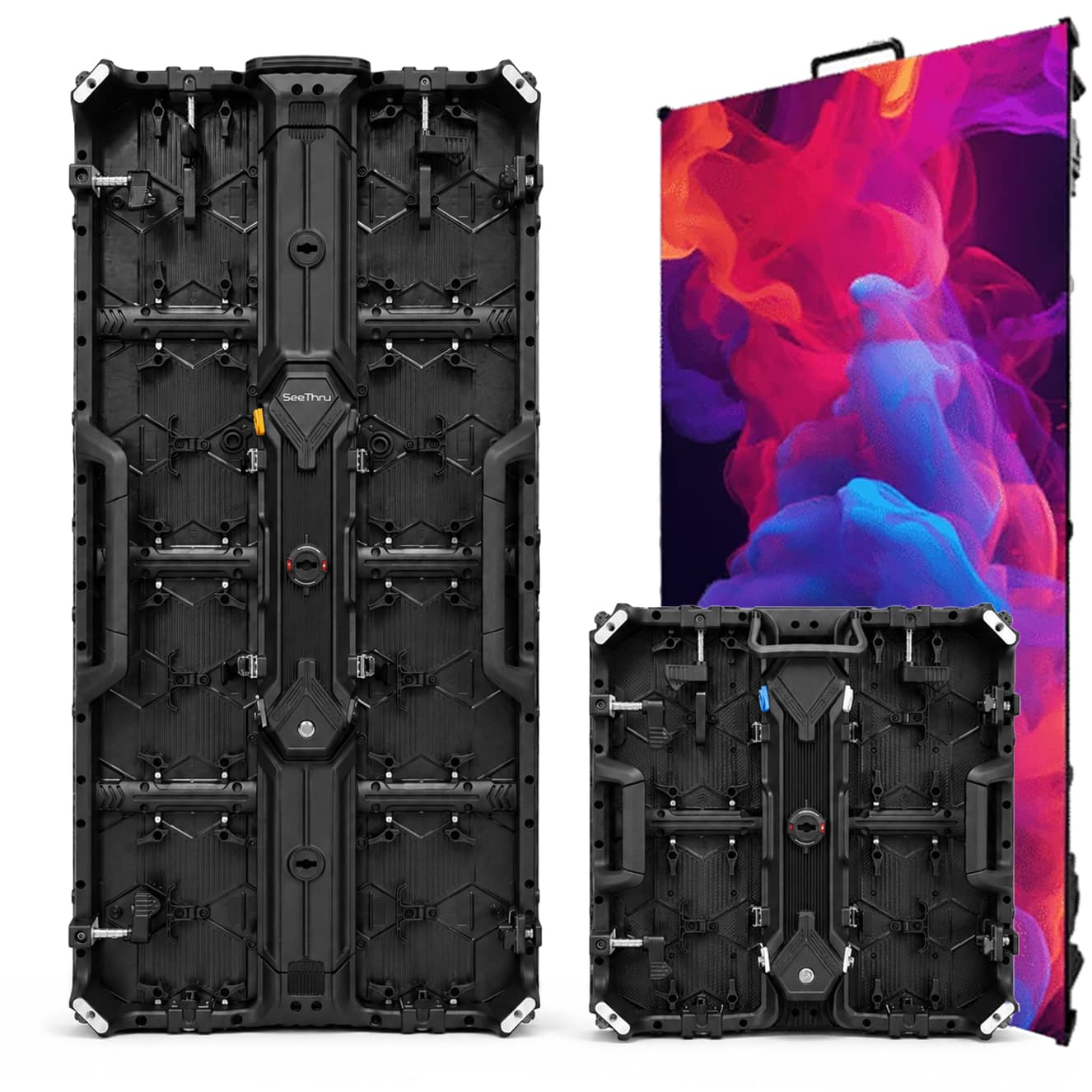
LED displays earn their keep not in the first week, but in the years that follow. Yet many deployments degrade quickly because customers expect only showpiece performance. What they should expect is longevity. That means thinking about maintenance, accessibility, and serviceability.
Modular panels are part of this story. If a section fails, you shouldn’t be tearing the entire wall down. But modularity isn’t just a word on a spec sheet — it needs to be a strategy that was considered at procurement, installation, and long-term support planning. Customers should expect service plans, easy access, and predictable maintenance costs. A wall that flickers to life day one and fades quietly into dimness over two years isn’t sustainable.
Sustainability as a Core Metric
This is the part where real customers start pulling away from demos and toward hard questions: How much power does this draw? How much does it cost to run 24/7? Sustainability used to be a checkbox. Now it has to be a requirement. Especially when LED displays aren’t just flashy signage but environmental elements — lighting lobbies, informing transit, and reshaping public spaces day and night.
Better panel efficiency, adaptive brightness controls, and smart scheduling aren’t optional anymore. They’re fundamental. Customers should expect displays that think about energy, lifecycle cost, and even recyclability. An LED wall that burns out after a couple of years or devours electricity like a furnace doesn’t deserve a place in a thoughtful design.
Interactivity and Contextual Awareness
LED displays used to be static: content drove change. Now the displays are reactive. Sensors, proximity data, local conditions — all feed into what’s shown. A sign that adjusts brightness to ambient light is one thing. A display that changes content based on time of day, weather conditions, or even foot traffic patterns is something else entirely.
Customers should expect LED systems that respond to their environment, not just broadcast into it. Too many installations feel like wallpaper: bright, static, and ignored. A wall that animates based on human presence or environmental cues becomes something you notice because it matters, not just because it’s big and bright.
What the World Cup 2026 Teaches Us
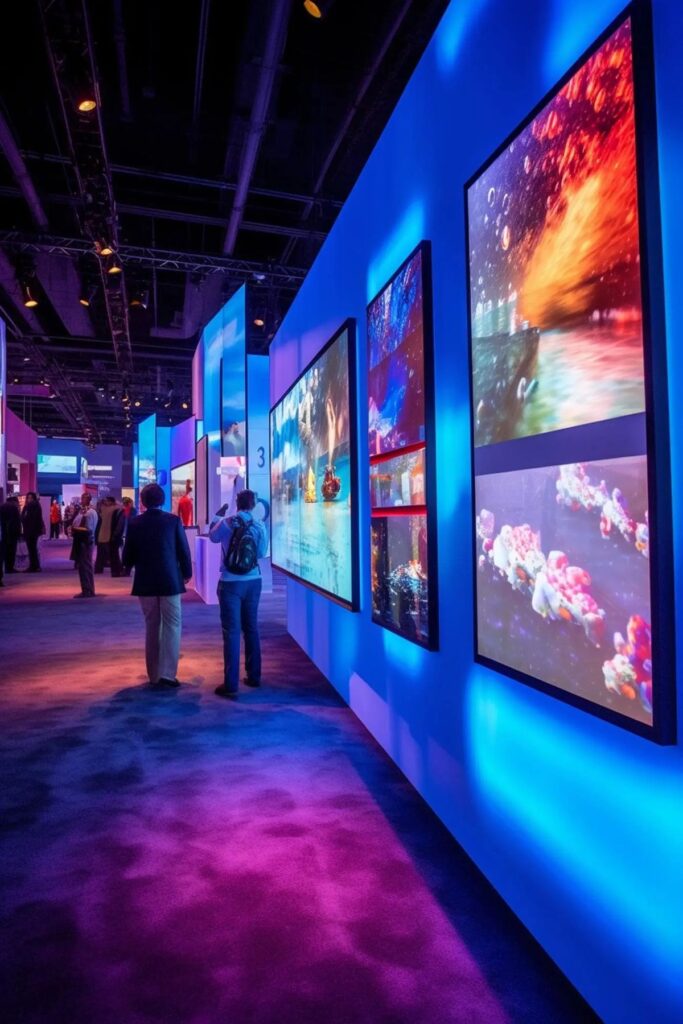
Major events are opportunities to see where technology is heading — and where it often falls short. The 2026 FIFA World Cup will be as much an LED event as a sporting one. Stadiums everywhere are upgrading displays not just for scores and replays, but for immersive pre-show content, crowd interaction, real-time statistics, and dynamic sponsor messaging. There’s no room for mediocre screens; everything has to work under bright sun, camera capture, and massive crowd attention.
Customers attending World Cup parties or watching matches in fan zones will see the difference between just-good and designed-for-purpose LED. They’ll notice brightness that holds up in midday sun, color fidelity that doesn’t wash out under broadcast lenses, and content that feels immediate and relevant — not generic. What they experience at the Cup will inform their expectations for every LED screen they encounter afterward.
This isn’t just about spectacle. It’s about functional reality. If LED displays can perform under the demands of World Cup 2026 — outdoor sunlight, shifting camera angles, attention from millions — then customers have reason to expect that same level of performance in malls, airports, stadiums, and corporate environments back home.
The Price of Misaligned Expectations
When expectations aren’t aligned with reality, disappointment follows. A client buys a wall for its resolution numbers, only to find that calibration is inconsistent and the imagery looks patchy from off-axis viewing angles. Someone specifier picks the cheapest panel that meets pixel pitch, and the maintenance cost racks up because modules fail and technicians have to climb awkward ceilings to fix them.
Customers should expect clarity about trade-offs. Not just what panel you buy, but why this panel instead of that. Not just what brightness it can achieve, but how it performs under real conditions — glare, viewing angles, motion blur. The industry has matured to the point where these should be baseline questions, not post-purchase surprises.
A Design Perspective on LED Expectations
Designers have a unique vantage. We see where LED displays elevate space and where they just make noise. A wall that is calibrated for human perception — color accuracy, brightness gradients, motion finesse — feels effortless. One that’s been thrown in at the end of construction feels tacked on.
Customers should expect LED technology that respects context. It should be specified, integrated, and tuned for purpose. Not just slapped on walls because it’s “modern.” The future of display technology isn’t about bigger, brighter, faster. It’s about smarter — smarter integration, smarter energy use, smarter content, smarter interaction with people and place.
The Unfinished Conversation
There’s no neat conclusion here because the expectations of LED technology continue to evolve. What customers should expect today isn’t what they should have expected five years ago, and it certainly won’t be what they should expect five years from now. But if there’s one through-line, it’s this: LED displays should be more than high-resolution objects. They should be part of a thoughtful design conversation, integrated from the start, and treated as living elements that communicate, adapt, and enhance the space they inhabit.
Customers should expect performance in context. They should expect longevity, efficient energy use, and content that leverages the medium instead of abusing it. They should expect screens that feel designed, not deployed.
That’s the bar technology has reached. And after seeing where displays are headed — in stadiums, malls, transit hubs, and World Cup fan zones — it’s a bar worth setting.