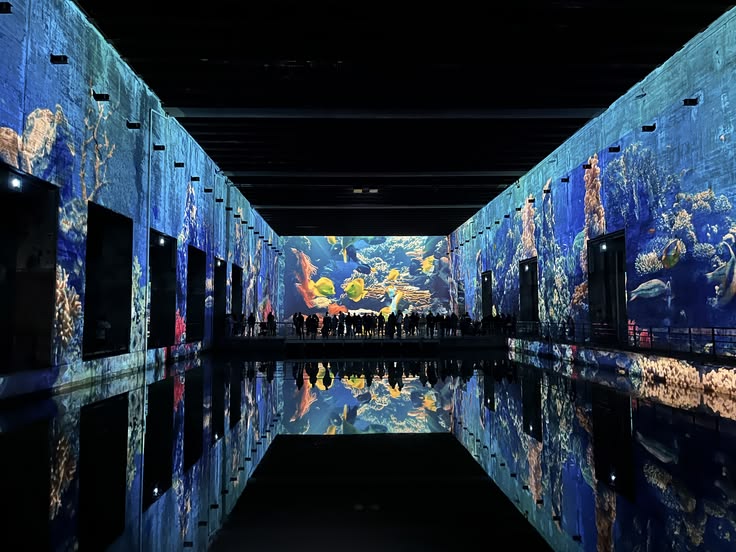
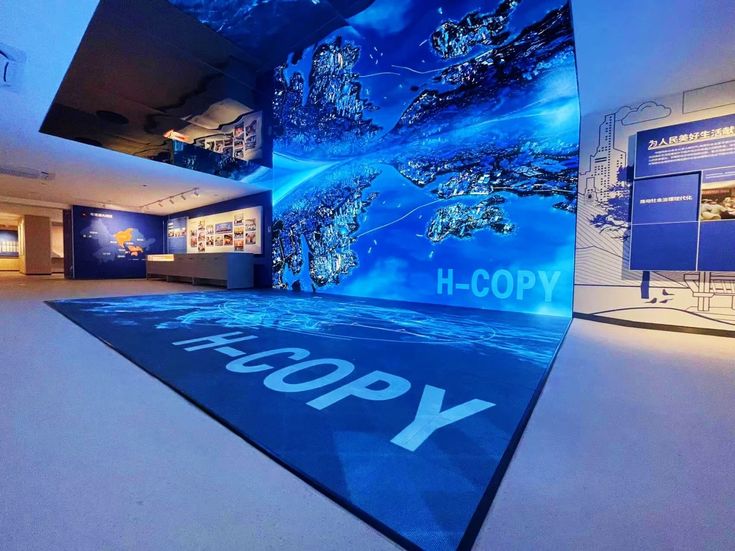
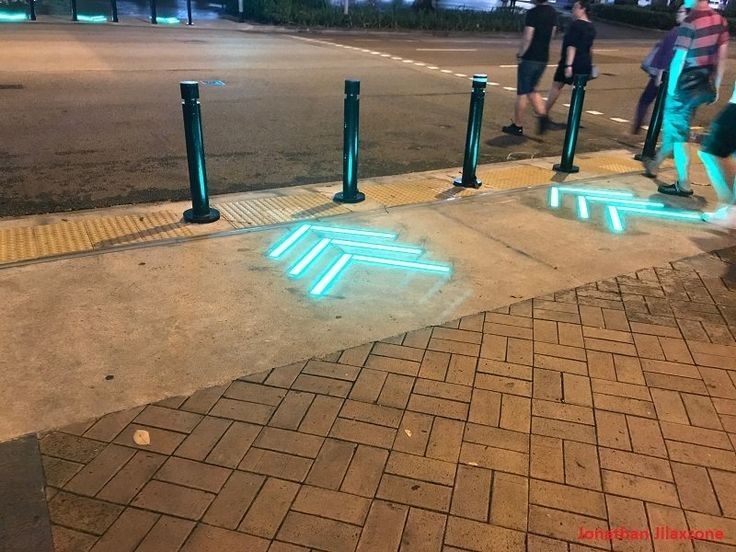
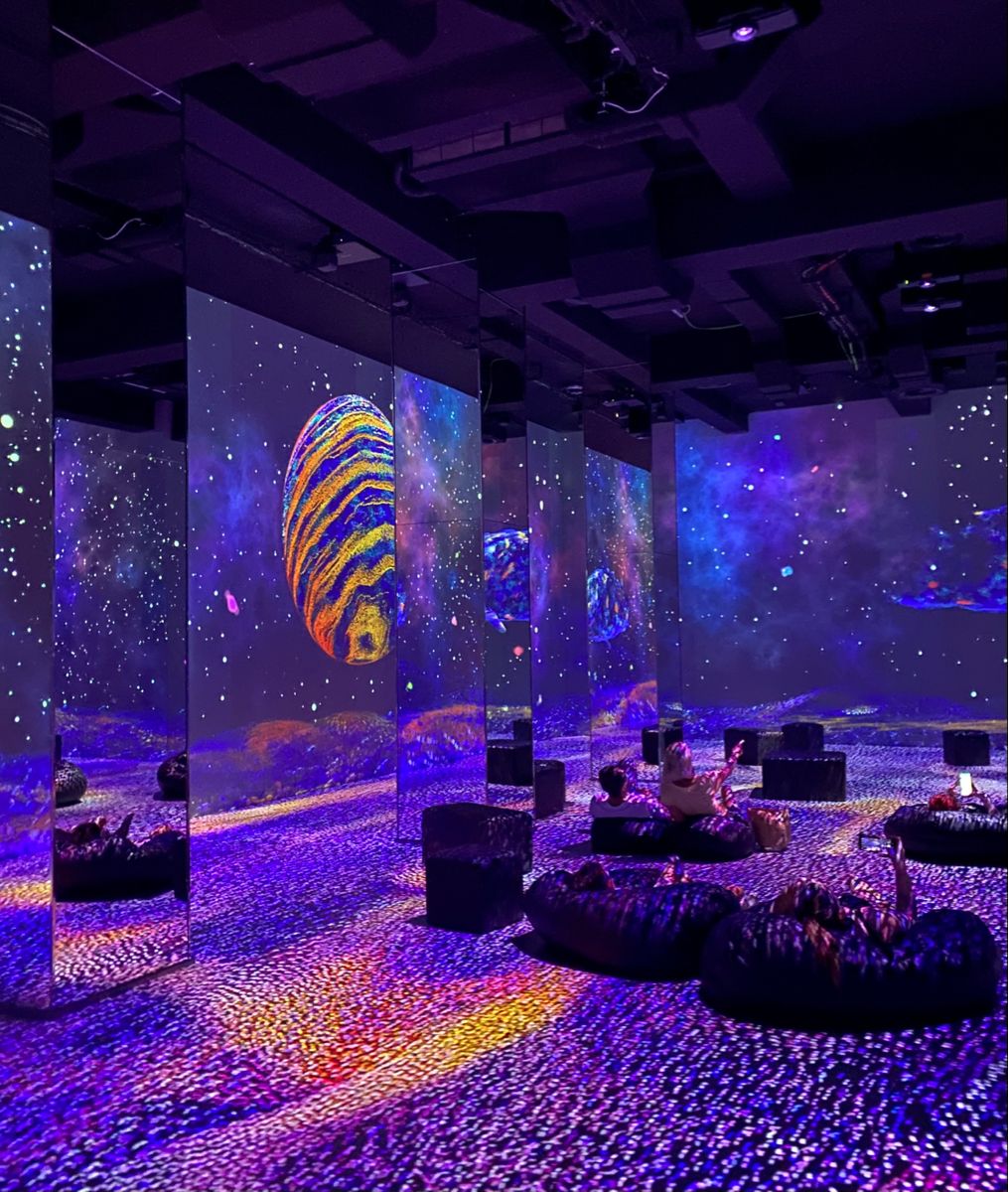
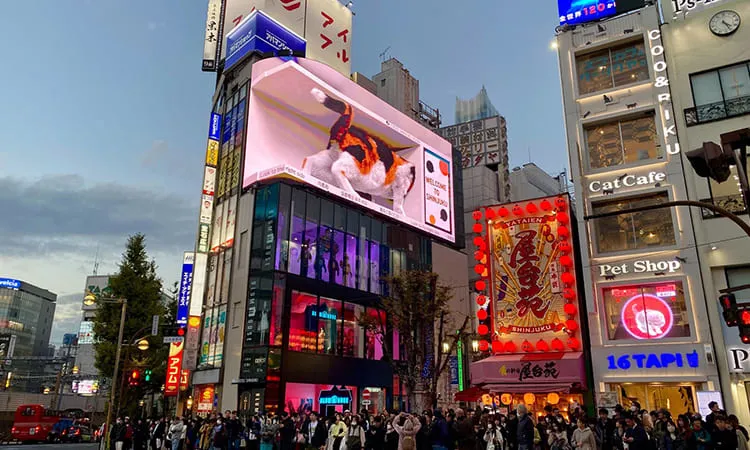
Walk down any modern street, step into a mall, or enter a corporate lobby, and the first thing you notice is the LED displays. Walls, screens, signage—they’re everywhere. Bright, immersive, dynamic. But sustainability? Energy efficiency? That’s something most people rarely think about when they’re dazzled by the glow. For a long time, it wasn’t even on the radar. Maintenance was a headache. Energy use was huge. LED displays looked good, but the environmental impact was invisible.
That’s starting to change. Slowly, across outdoor billboards, indoor video walls, and corporate installations, engineers and designers are rethinking how these displays consume power, how long they last, and how they can be maintained without waste. It’s not a single trick. It’s a bunch of strategies, some big, some small, that together start to redefine the lifecycle of a display.
Brightness Doesn’t Have to Cost the Planet
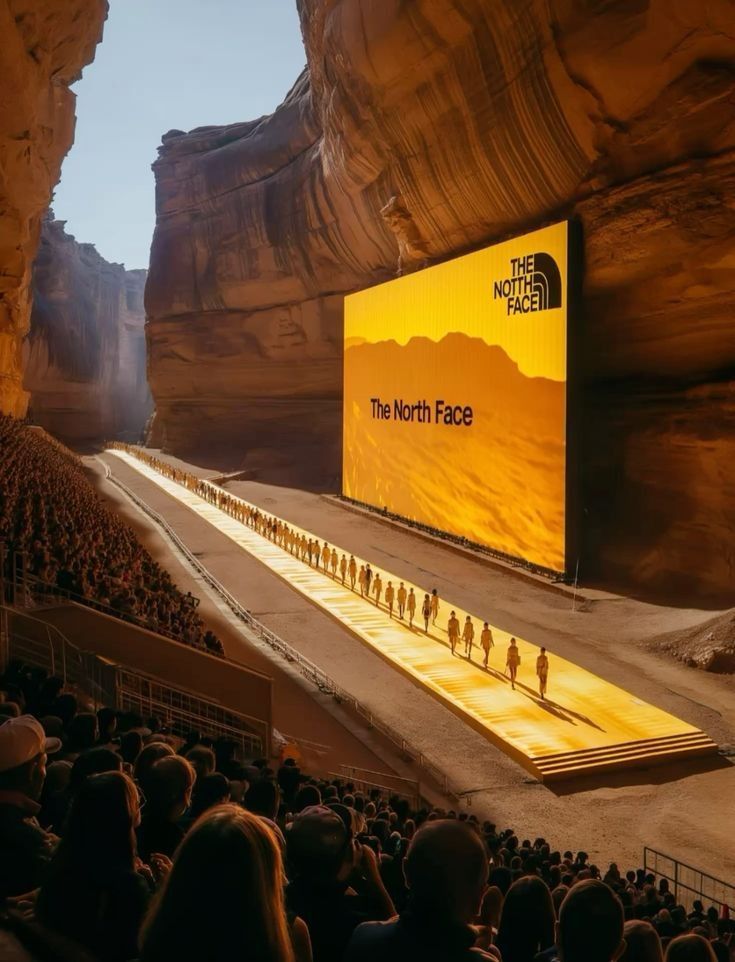
Brightness is the obvious place to start. Big outdoor walls can chew through a lot of power when cranked to maximum. But modern systems are smarter. Adaptive brightness adjusts output based on sunlight, clouds, time of day. Too bright at night? It dims. Cloudy afternoon? It tweaks output to maintain contrast.
It sounds simple, but it’s more than that. Sensors, real-time data, predictive algorithms—these things keep panels from wasting power while still looking right. Some advanced setups even account for rain or fog. The eye perceives less contrast, so the system saves energy automatically. It’s subtle, but the difference adds up over thousands of operating hours.
Modularity Helps Sustainability
Modular design isn’t just about convenience—it’s an environmental advantage. Older LED walls were monolithic. One bad module could force a complicated replacement, even scrapping the whole unit. Modular panels mean only what’s broken gets replaced. Less waste. Less e-waste. Longer life.
Serviceable modules also allow for upgrades instead of replacements. A wall that was cutting-edge five years ago can be refreshed with new components rather than rebuilt. It’s a slow shift, but for cities or corporations with multiple installations, the cumulative impact is huge.
Panels and Electronics
LEDs themselves are improving. High-efficiency diodes consume less power for the same brightness. Power supplies are optimized. Heat management is better, which reduces wasted energy and extends lifespan. Even the way panels scan pixels—refresh rates, driver electronics—is tuned to draw less power without noticeable quality loss.
It’s subtle. You don’t see it, but the panels use less electricity for the same glow. That’s the kind of efficiency that matters when you’re running walls twenty-four-seven.
Software Matters
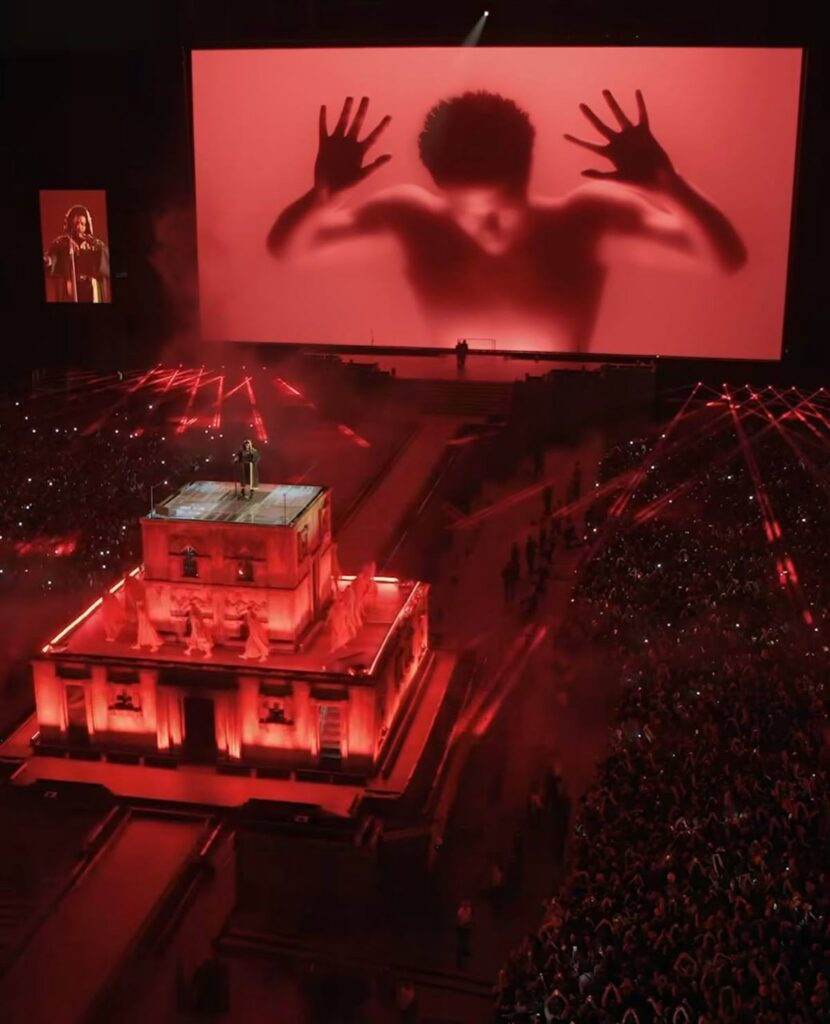
It’s not just hardware. Software plays a big role. Intelligent scheduling dims or powers down panels when nobody’s around. Lobbies, retail spaces, or urban signage don’t need full brightness at 3 a.m. Older systems didn’t care—they ran full blast all night. Modern management systems tie to occupancy, ambient light, even user engagement. Less energy wasted. More control.
Content itself can be optimized, too. Motion, color, brightness—all tuned to reduce energy draw while maintaining impact. Designers are learning that subtlety in content matters for sustainability, not just flashy visuals.
Materials and Production
Sustainability starts at the factory. More companies are using recyclable metals and plastics, greener soldering, and packaging that reduces waste. Not every panel is made this way yet, but the trend is real. Procurement teams are starting to ask for lifecycle analysis, not just price.
Operational Impact
Energy savings scale fast. A cluster of outdoor panels in a city can draw significant power. Reducing that even slightly matters. Indoors, less power means lower bills and less heat, which eases the load on HVAC. Some clients even make sustainability a part of ROI discussions—it’s measurable, not abstract.
Human-Centered Efficiency
Sustainability isn’t just about energy. Overly bright panels cause glare, fatigue, and discomfort. Smarter brightness control improves comfort while saving power. Indoors especially, panels have to communicate without overwhelming visitors. Efficient LEDs do both: better for the planet and better for the people seeing them.
Solar and Renewable Integration
Some outdoor installations are going further—solar power, battery storage, hybrid systems. Panels can run partially or fully off-grid, reducing reliance on the electrical grid. It’s niche for now, but growing. The benefit isn’t just emissions reduction; it also adds resilience. Signs still function during outages. Less power from the grid, more self-contained efficiency.
Maintenance and Lifecycle
Even the best panels degrade over time. Dust, heat, moisture, repeated cycles of brightness all reduce efficiency. Regular maintenance—cleaning, recalibration, module replacement—keeps energy use within design parameters. Some systems now monitor themselves, flagging modules that draw too much power or show voltage anomalies. Predictive maintenance = less waste, more longevity, more efficiency.
Design Thinking and Sustainability
Designers are starting to consider sustainability from day one. Panels are specified with efficiency in mind. Content is optimized for brightness and motion. Animations are fluid but not overworked. Energy and lifecycle are design parameters, not afterthoughts. It’s subtle, but it’s shaping the way LED displays are conceived.
Trade-Offs
None of this is free. High-efficiency LEDs cost more upfront. Modular systems require careful planning. Intelligent software must be integrated and maintained. All of this competes with the demand for brighter, larger, and higher-resolution displays.
But it’s working. Panels still dazzle. Colors are vibrant. Motion is fluid. The difference is that they do it while consuming less energy, generating less heat, and lasting longer.
Observing the Shift
Sustainability in LED displays is uneven, incremental, often invisible—but real. Across corporate, retail, and public environments, displays are becoming more energy-conscious, longer-lasting, and better maintained.
It’s subtle, but transformative. LEDs are no longer just tools for communication or spectacle—they’re infrastructure. They’re screens that think about power, longevity, and lifecycle—not just pixels.
The walls still glow. Colors still shift. But now they do it with intention, with purpose beyond grabbing attention.