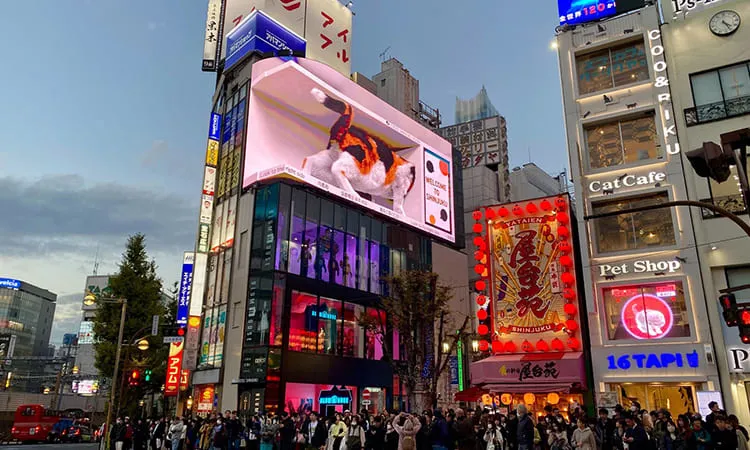
Walk onto a virtual production stage and the first thing you notice isn’t the cameras, the cables, or the crew. It’s the wall. Or rather, the walls. They pulse, glow, and stretch across the set, a massive grid of LEDs that serves as backdrop, environment, and light source all at once. The old paradigm—greenscreens, post-production compositing—is giving way to in-camera VFX, and LED video walls are the engines driving it.
This isn’t just a technological shift; it’s a cultural one. Directors, cinematographers, and designers are learning to see the stage itself as malleable. LED panels don’t just display images—they project light, color, texture, and depth into the physical space. Shadows fall correctly. Reflections behave naturally. Actors feel like they’re somewhere real instead of pretending. The lines between practical set and virtual environment blur, and every pixel matters.
Why LED, Why Now
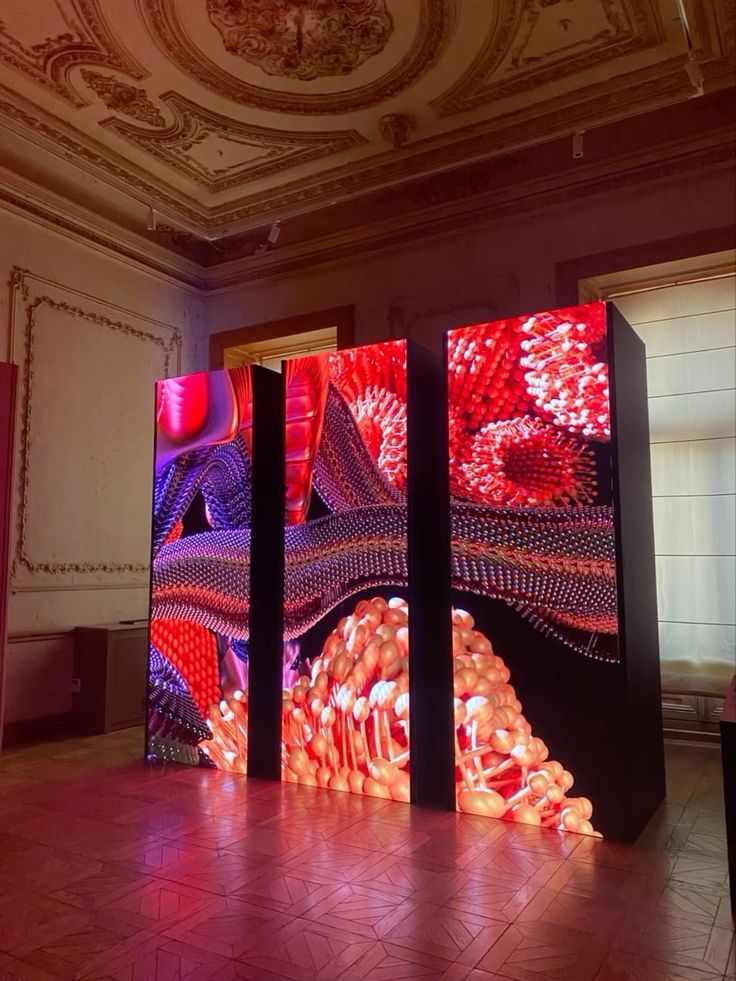
Virtual production is hungry for fidelity. Film crews aren’t just displaying backgrounds—they’re capturing them in-camera, live. Any mismatch between the LED video wall and camera exposure, color temperature, or perspective is immediately visible. So fine-pitch panels, high refresh rates, and precise color calibration are mandatory. There is no “fix in post” anymore; the illusion must hold in real time.
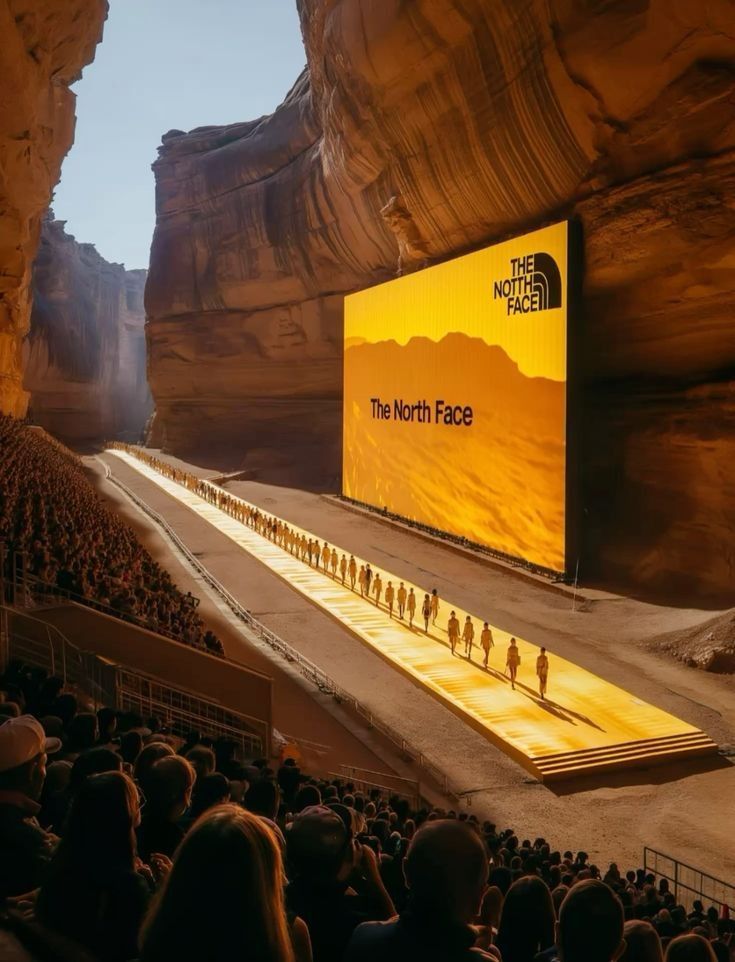
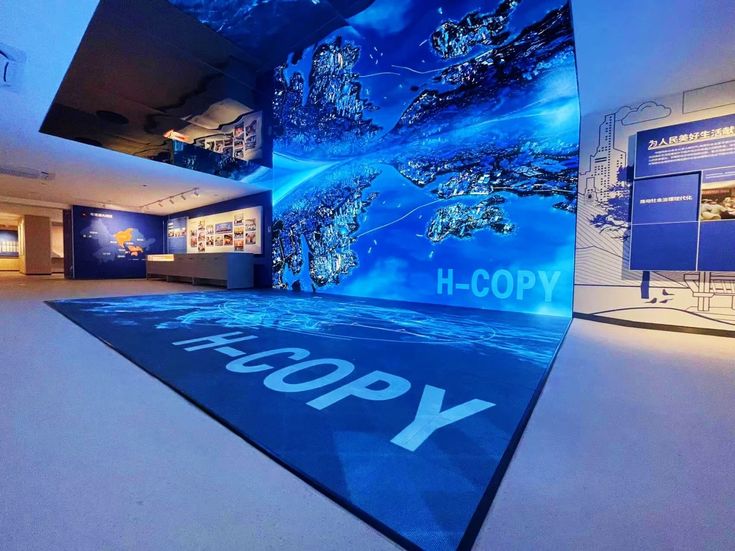
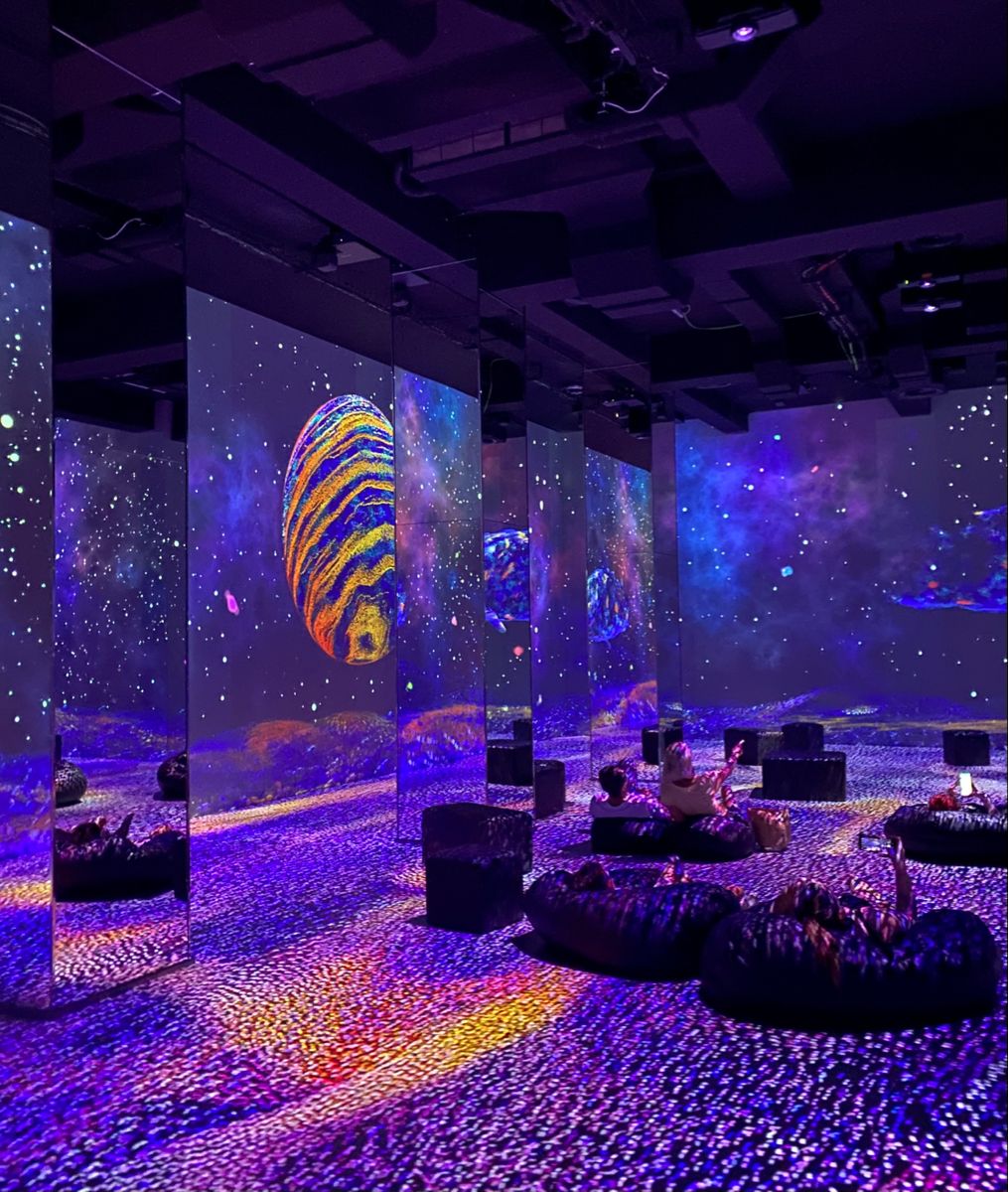
The scale of LED video walls has grown to match this demand. You see stages with walls and ceilings covered in panels, forming a semi-enclosed space that feels like a window into another world. The content displayed is dynamic, responsive, sometimes interactive. Unreal Engine or other rendering software feeds real-time images to the panels, synced to camera movement, lens focal length, and even lighting cues. The wall is no longer just background—it’s an active participant in the scene.
Technical Demands
It’s easy to underestimate how precise these systems need to be. Refresh rates must be high enough to avoid flicker at cinema shutter speeds. Color calibration must be meticulous; the camera is unforgiving. Pixel pitch has shrunk over the last few years to ensure that close-up shots don’t reveal the modularity of the panels.
Heat management, signal routing, and modular serviceability become critical at this scale. These walls run constantly, often under high brightness, and any failure in the chain—one module, one cable, one controller—can ruin a shot. Unlike traditional video walls for retail or corporate signage, every misaligned pixel is noticeable on camera. Reliability is non-negotiable.
The Modular Advantage
This is where modularity pays off. Stages are temporary. Panels need to be serviceable mid-shoot. Technicians swap modules without dismantling the wall. Systems can be reconfigured for different set dimensions or angles. Some stages have walls that curve, ceilings that slope, or panels that fold away entirely. Modular LED allows flexibility without compromising visual fidelity.
It’s also a logistical advantage. Film productions are fluid, budgets are tight, and downtime costs tens of thousands per day. If a panel develops a defect, modularity keeps the production rolling. It’s not glamorous, but it’s why these walls can scale to the size that modern virtual production demands.
Lighting as Part of the Scene
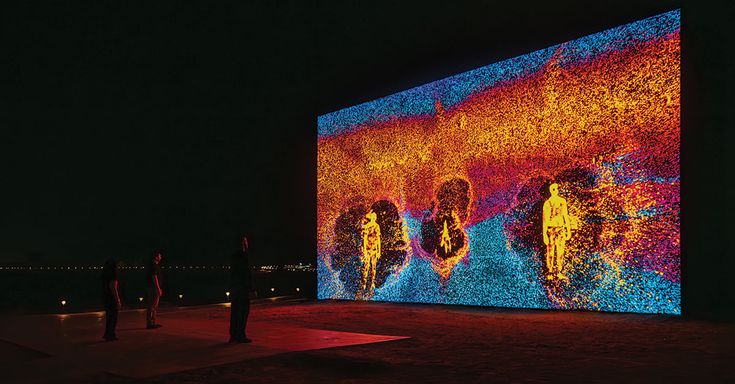
One of the understated benefits of LED video walls in virtual production is how they illuminate the scene naturally. The walls aren’t just a background—they cast light, reflect on costumes, props, and actors’ faces. Shadows behave correctly because the light source is integrated into the environment, not imposed from a separate fixture. Cinematographers can light the scene more naturally, with gradients, color shifts, and atmospheric cues that used to require complex setups.
This creates a feedback loop. The better the wall’s fidelity, the more you can rely on it to light the scene. And the more reliable the lighting, the less adjustment is required in post. It’s an efficiency multiplier, which is why studios are investing heavily in high-end panels and rendering systems.
Real-Time Interaction
LED video walls are reactive. Tracking cameras in real time allow the background to shift with perspective, maintaining correct parallax and horizon lines. Actors can see the environment around them and respond naturally. Directors can test framing and composition live, adjusting content and lighting instantly.
This interactivity changes the design process. Production designers must think like UI engineers, rendering teams like architects, and cinematographers like lighting designers. The wall is part set, part display, part lighting rig, part interactive prop. It’s complex, messy, and exhilarating.
Market Implications
This surge in virtual production is driving demand for LED video walls at a speed few anticipated. Suppliers of fine-pitch, high-refresh-rate panels have seen orders double or triple in recent years. Stages that once relied on traditional VFX now demand LED infrastructure from the ground up.
It’s not just studios. Corporate clients, music video sets, and live streaming productions are adopting LED walls for similar reasons: immersive, controllable environments that reduce post-production. The market is becoming more specialized. Standard signage panels won’t cut it. Technical specs matter more than ever.
Challenges and Limitations
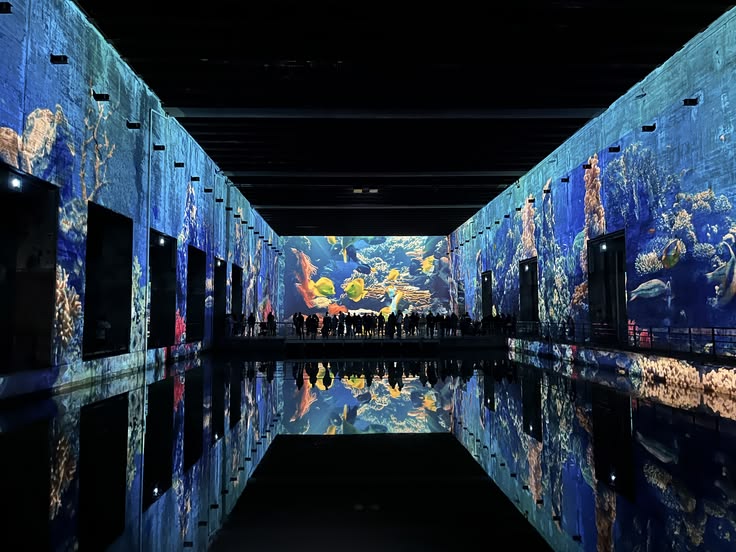
Of course, there are limits. LED walls are expensive, both in capital and operational cost. Power, cooling, and installation logistics are significant. Software pipelines are complex, and rendering engines must keep up in real time. Small misalignments or inconsistent modules can ruin a shot.
Content creation is also a new skill. Teams must produce backgrounds that not only look good on the panel but interact believably with light and camera movement. This is no longer just about design—it’s physics, optics, and rendering all at once.
Creative Opportunities
And yet, the creative opportunities are enormous. Scenes that once required location shoots, enormous props, and heavy physical construction can now be captured entirely indoors. Directors experiment with fantastical environments, impossible lighting, and surreal perspectives—all in-camera. LED walls give physicality to virtual spaces, something greenscreens never could.
Actors perform differently, too. Instead of imagining themselves on a spaceship or city street, they see it. Their eyes react to light, shadows fall correctly on their faces, reflections behave naturally. This subtlety improves performance in ways post-production tricks can’t replicate.
The Human Factor
Designers and engineers are learning a new vocabulary. It’s not just pixel pitch or refresh rate; it’s environmental design, camera-aware color calibration, parallax management. Every choice matters, and it’s visible instantly. The stage becomes both canvas and tool, with LEDs mediating between technology and human perception.
It’s also exhausting. Every frame is under scrutiny, every pixel must cooperate, and every panel is a potential point of failure. Yet the results—immersive, photorealistic environments captured live—are impossible to ignore.
Observing the Shift
The growth of LED video walls isn’t a fad. Virtual production demands them, and the industry is responding. Production infrastructure is evolving. New studios, rental companies, and technical specialists are emerging around this need. The technology is no longer just a curiosity for high-end VFX—it’s becoming essential for any production that wants speed, fidelity, and in-camera realism.
It’s subtle if you don’t know what to look for. But for anyone who has been on a stage, watched a camera track across a perfectly parallaxed environment, or seen an actor respond to a virtual cityscape in real light, the impact is obvious. LEDs are no longer just displays—they’re instruments. They shape the way stories are told, how light behaves, and even how actors move.
The industry is just starting to catch up with what these walls make possible. And it’s likely we haven’t yet imagined the full scale of the environments, sets, or experiences they’ll create next.