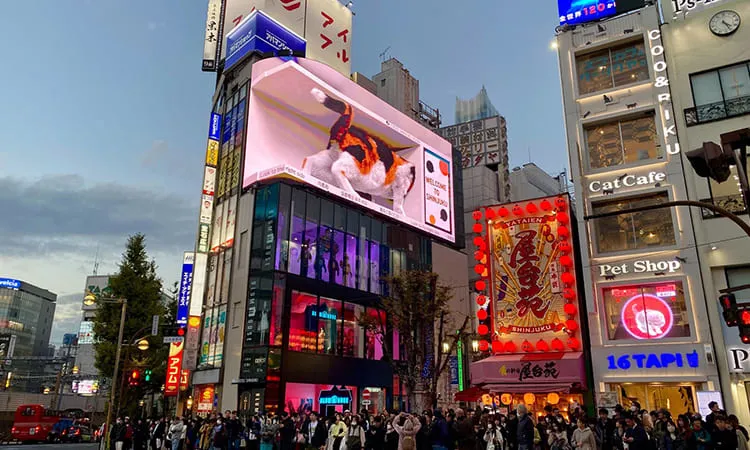
Walk down any major city street and you probably won’t notice them. Not unless you’re stopped at a light, or waiting for the next bus, or reading a schedule at a transit platform. LED Traffic & Transit are everywhere, but they aren’t supposed to be noticed. They’re not there to dazzle. They’re there to communicate. And yet, the tech behind them is more interesting than most of the content they display.
LED traffic & transit displays are functional objects masquerading as urban furniture. You’ve got highway gantries with variable speed limits and lane closures. Bus shelters that update in real time. Subway platforms telling you which train is arriving, and when. It’s all modular, networked, and surprisingly complex, even if it looks simple from the street. One missed pixel, one misaligned module, and the clarity evaporates.
The Pixel That Guides You
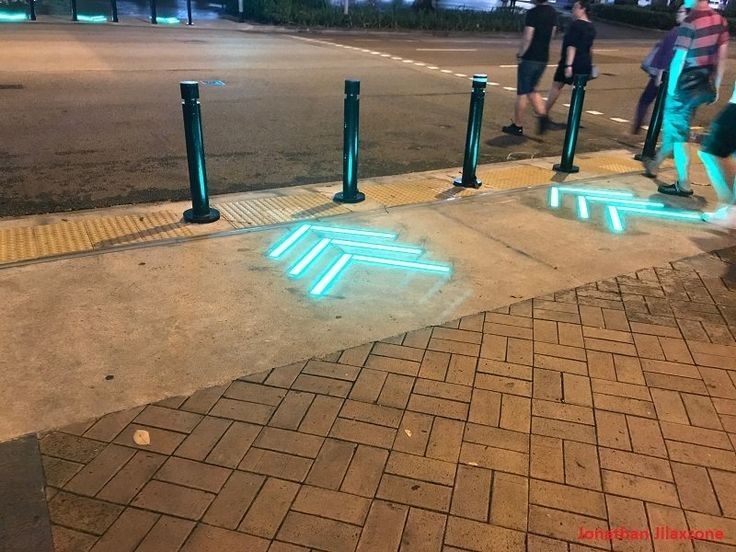
Most people think LED and they think TV. But a traffic panel on the highway doesn’t need 4K. LED traffic & transit needs legibility at a distance, under sunlight, in fog or rain. Pixel pitch here isn’t about detail—it’s about distance and recognition. Up close, a bus shelter can afford finer pitch. On a gantry, the spacing can be generous. But in both cases, you have to calibrate color, brightness, refresh rate. The human eye notices shifts that software doesn’t. A slightly off-red can confuse a driver.
And there’s always sunlight. Harsh, direct, unforgiving. LED panels fight it with brightness and contrast, but even that is a negotiation. Too bright and they glare, too dim and they fade. Alignment matters. Motion matters. The difference between a fluid animation and a flickering disaster is microscopic.
Controllers, Networks, and Real-Time Updates
The hardware alone doesn’t do much. Each panel has a controller, connected to a broader network. That’s where the intelligence comes in. GPS feeds from buses, transit schedules, traffic sensors—they feed into these systems. Data is converted into the display language: arrows, symbols, scrolling text, numeric counts.
Timing is everything. Lane closures need to appear exactly when a driver sees them. Delay alerts on a platform need to update as a train approaches. Animation and color coding are designed to capture attention, not distract. Too much movement, and drivers can be endangered. Too little, and commuters miss critical information. Designers and engineers constantly juggle visibility, comprehension, and human reaction.
Engineering Under Pressure
Outdoor LED panels are like the tough kids on the block—they take abuse and keep going. Heat, humidity, dust, vibration. Maintenance is modular: one damaged panel can be replaced without dismantling the whole display. But the repair is only the start. Every replacement has to be recalibrated to match brightness, color, and timing.
Energy efficiency is another invisible factor. These displays often run 24/7. Adaptive brightness is standard: dim at night, max during daylight. That’s simple on paper, but tricky in practice. Sensors must read sunlight accurately, control systems must respond quickly, and human perception is unforgiving.
Integration with Smart City Systems
It’s easy to forget that most modern LED traffic panels aren’t isolated. They’re nodes in a network. Cameras, motion sensors, GPS—all feed a central hub. Some systems can anticipate congestion and adjust signs before the traffic jam forms. Bus shelters update dynamically. Street-level panels interact with other city systems.
This is where LED displays stop being mere signs and start being part of an urban nervous system. It’s not about the pixels. It’s about the flow. Cities are learning to communicate with inhabitants in real time, and LEDs are the language.
Safety by Design
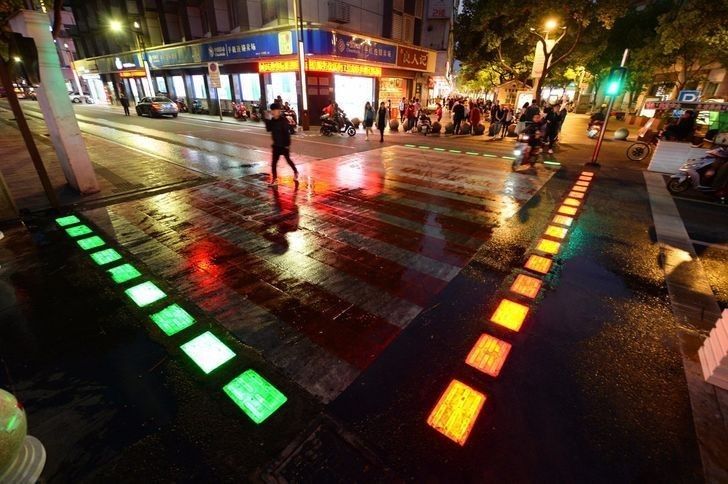
Function trumps aesthetics. Colors, symbols, layout—they are all standardized. Red means stop, amber means caution, green means go. Designers consider human reaction, peripheral vision, cognitive load. Drivers only get a second or two to read a message. On a platform, passengers might have five. Every pixel, every glyph, is optimized for comprehension.
Hierarchy of information is critical. Urgent alerts override routine messages. Motion, flashing, and color coding are used sparingly. Overstimulate, and people tune out—or worse. Under-stimulate, and information is lost. Every panel is a negotiation between attention, safety, and legibility.
Maintenance and Longevity
Even the best LED systems require care. Dust, sun, and moisture erode performance. Modular panels make repairs possible, but calibration must follow. Centralized monitoring often flags anomalies—voltage drops, flickering pixels, temperature spikes. Predictive maintenance is common now. Engineers don’t wait for failure—they anticipate it.
Lifecycle considerations drive adoption. LEDs are expensive upfront, but long-lasting, energy-efficient, and repairable. Cities prefer reliability over spectacle. No one wants a highway gantry that goes dark mid-rush hour.
Passenger-Facing Displays
LED transit displays are becoming interactive. Some bus stops allow real-time scheduling updates, wayfinding cues, even local event info. Platforms show which train is approaching and when, and sometimes, which cars are crowded. The challenge is legibility. Too much info and it’s useless. Too little and you’re missing the point.
Designers think spatially. These aren’t screens. They are nodes in a larger urban choreography, shaping pedestrian movement, commuter decisions, even the perception of time.
Human Perception and Legibility
LEDs for traffic aren’t just about brightness. Contrast, refresh rate, flicker—these are all tuned to human perception. You notice subtle differences. Red that’s off by a shade, or motion that’s too fast, can break legibility. Designers often test panels in real conditions, observing drivers and commuters, tweaking timing and color until the message reads effortlessly.
The best displays are invisible when they work. You only notice them when they fail—or when they command attention at the exact right moment. That’s the trick.
Looking Ahead
The future is integration. Predictive algorithms, autonomous vehicles, real-time analytics. Displays respond not just to now, but to what’s coming. Touch-sensitive panels, adaptive color and brightness, predictive warnings—all part of the next evolution.
Sustainability is creeping into the conversation. Solar panels, adaptive dimming, energy-efficient controllers. LED displays aren’t flashy, but they are expensive to run at scale. Designers and engineers are aware of both the physical and perceptual costs.
Observing the System
There’s a paradox in LED traffic and transit displays. They exist to be invisible, but every choice matters. One misaligned panel, one color shift, one delayed update, and the clarity vanishes. Behind the scenes, there is no glamour, just precision: pixel placement, refresh rates, data feeds, calibration, redundancy.
Designers, engineers, city planners—they all converge on a single goal: clarity under conditions that are anything but forgiving. LEDs have transformed signage into infrastructure, into a network, into a medium for perception itself. You see it every day without realizing it, until it fails, or until you notice how seamlessly it works.
The technology is quietly shaping cities, guiding movement, mediating attention. Not flashy, not headline-grabbing—but essential, and getting more intelligent every year.