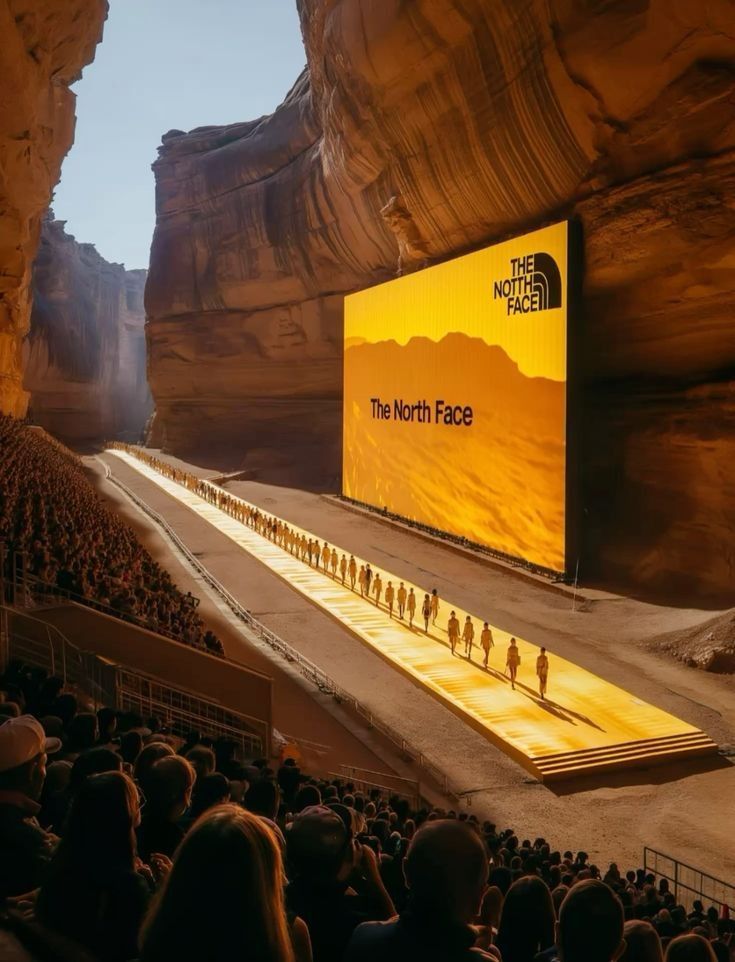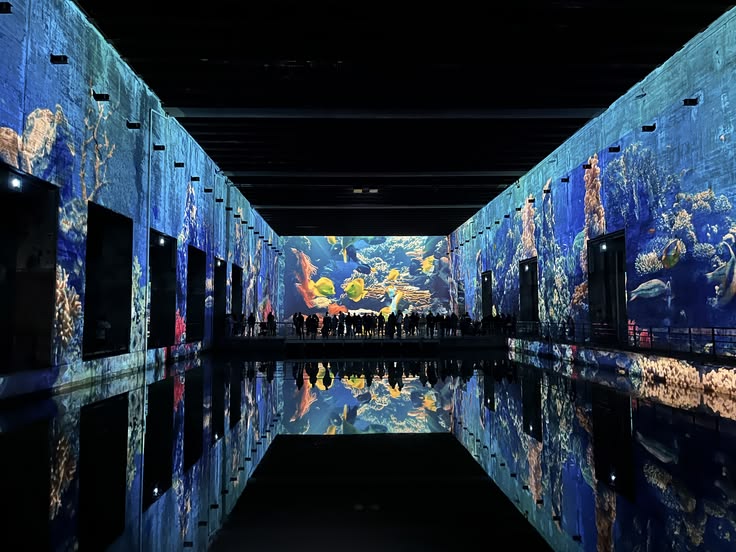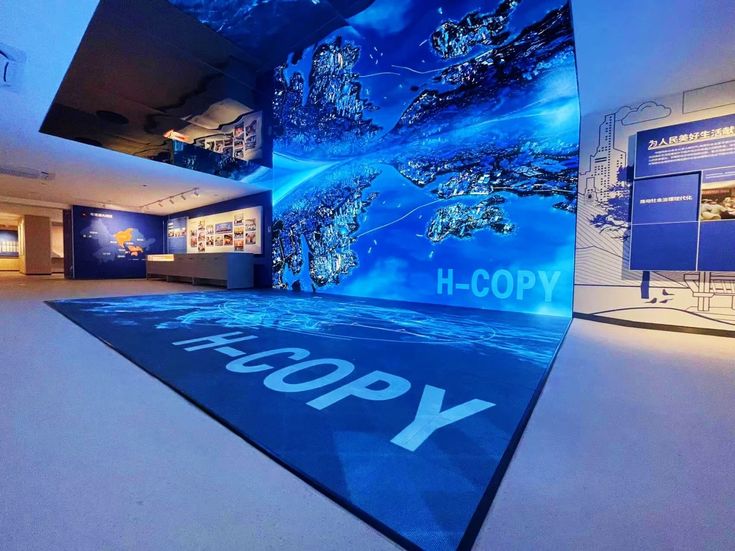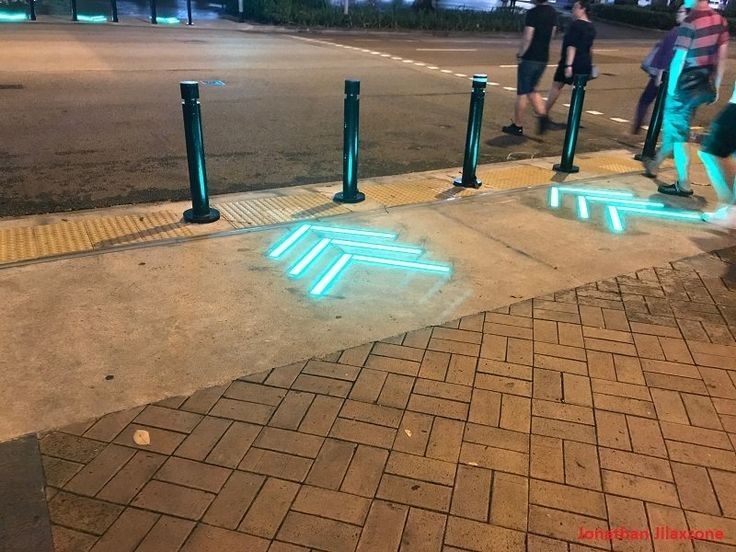
Numbers are seductive, aren’t they? They promise certainty. They make you think growth is predictable, neat, linear. The LED display market, looking toward 2026, gets talked about in billions, percentages, CAGRs. $8–9 billion here, 40% growth there. But really, the story isn’t in the spreadsheets. It’s in what people do with the light, the surfaces, the scale. In how cities, brands, and designers interact with LEDs. That’s what’s actually driving the market.
LEDs aren’t niche anymore. They’re everywhere. Stadiums, shopping malls, corporate lobbies, airports—you name it. And it’s not just presence; it’s how they’re being used. The hardware is growing, sure, but adoption is about design, about interaction, about attention. That’s what’s invisible in the charts but obvious on the street.
Adoption Beyond Numbers
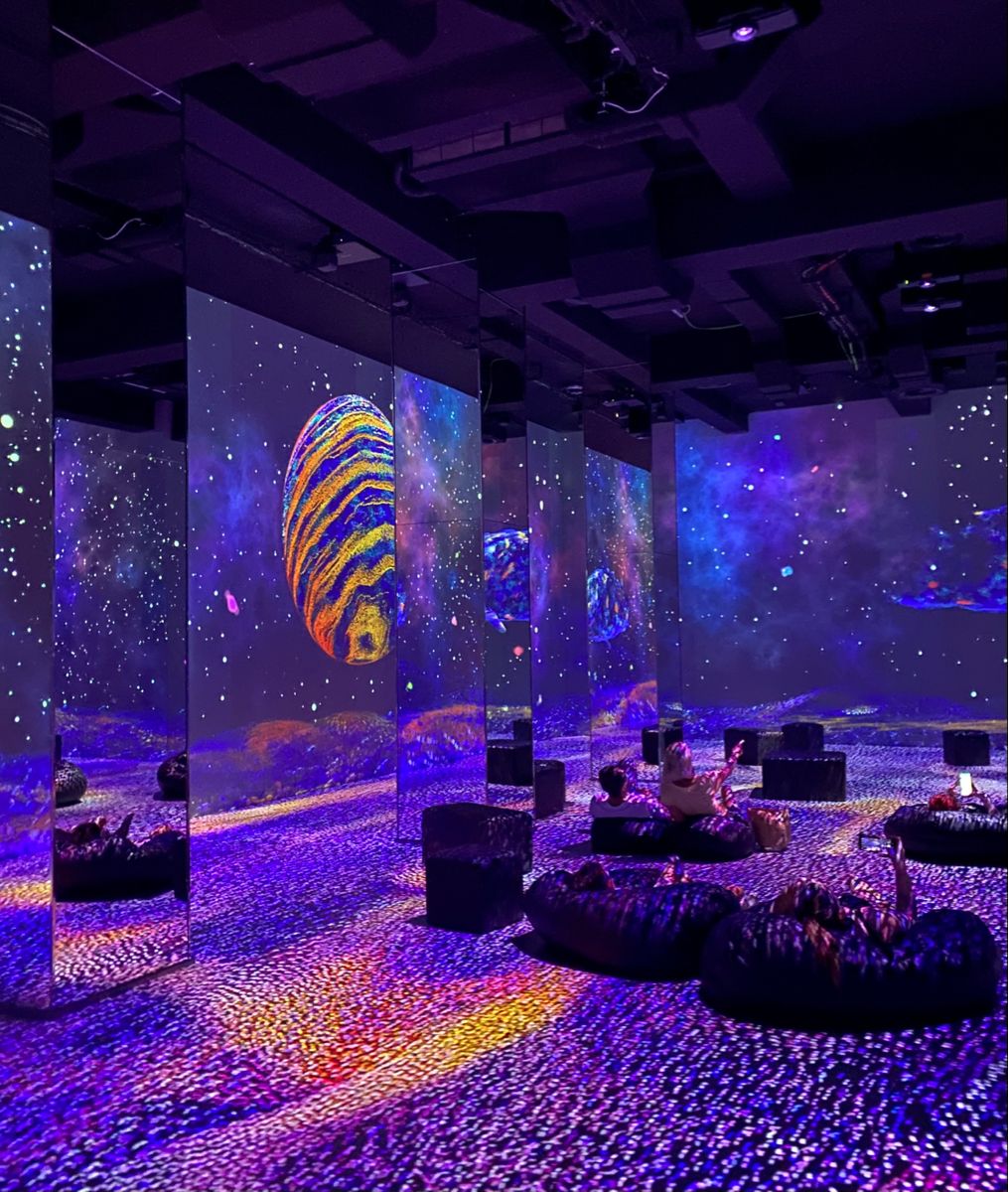
Retail is a good example. LED walls aren’t just signs anymore—they’re entire environments. And in 2026, expect them to get even more interactive: walls responding to proximity, changing based on social feeds, adapting to inventory, lighting the store in sync with campaigns. People will stop and stare. The LED display market growth reflects this shift: capability over novelty, experience over pixels.
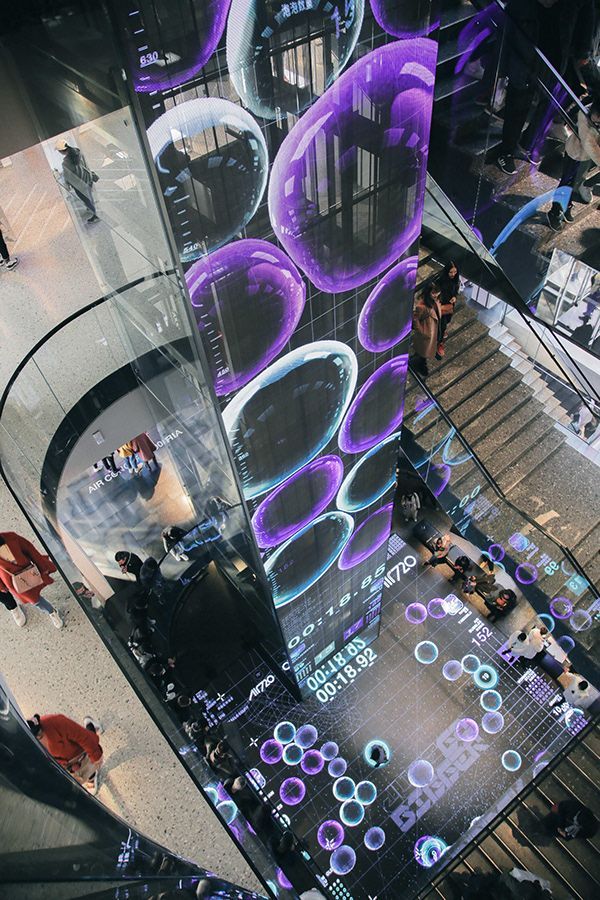
Corporate spaces are similar. Lobbies, boardrooms, control centers. It’s about clarity, presence, and long-term reliability. Even fine-pitch walls are becoming the standard, not a luxury. Designers treat them as part of the spatial composition now. They’re no longer wallpaper; they’re structure, hierarchy, even storytelling. That shift alone fuels adoption.
Regional Nuances
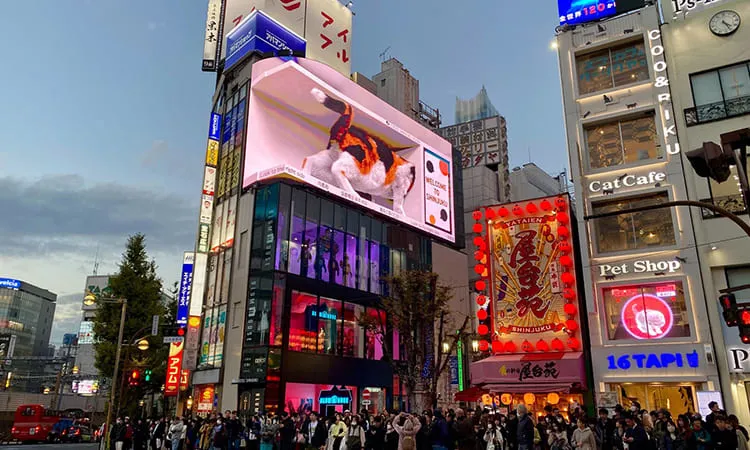
Asia-Pacific dominates, obviously. China, South Korea, Japan—massive urban installations that pulse with light. Entire districts are LEDs. In the West, it’s slower, more deliberate: stadiums, airports, corporate lobbies. Same technology, very different scale and intent.
And that’s why you see huge projected revenue numbers. One region’s $100 million campaign could be one building wrapped in LEDs; another’s might be a 200-meter façade. Analysts count revenue the same, but the design and engineering are not the same. That’s part of the nuance the numbers can’t capture.
Tech Is Driving It
The usual suspects: fine-pitch LEDs, micro LEDs, flexible panels. Pixel pitch keeps shrinking, resolution keeps rising. Walls are immersive but also intimate. You can get very close without noticing gaps or pixelation. High refresh rates, better software for content management, improved brightness and color uniformity—they make these installations practical, not just flashy.
Designers care now about color fidelity and uniformity. On large façades, uneven gradients or subtle shifts jump out. The human eye is unforgiving. This is why corporate and urban installations are growing: they work visually, technically, and perceptually.
Interactivity Is Not a Trend
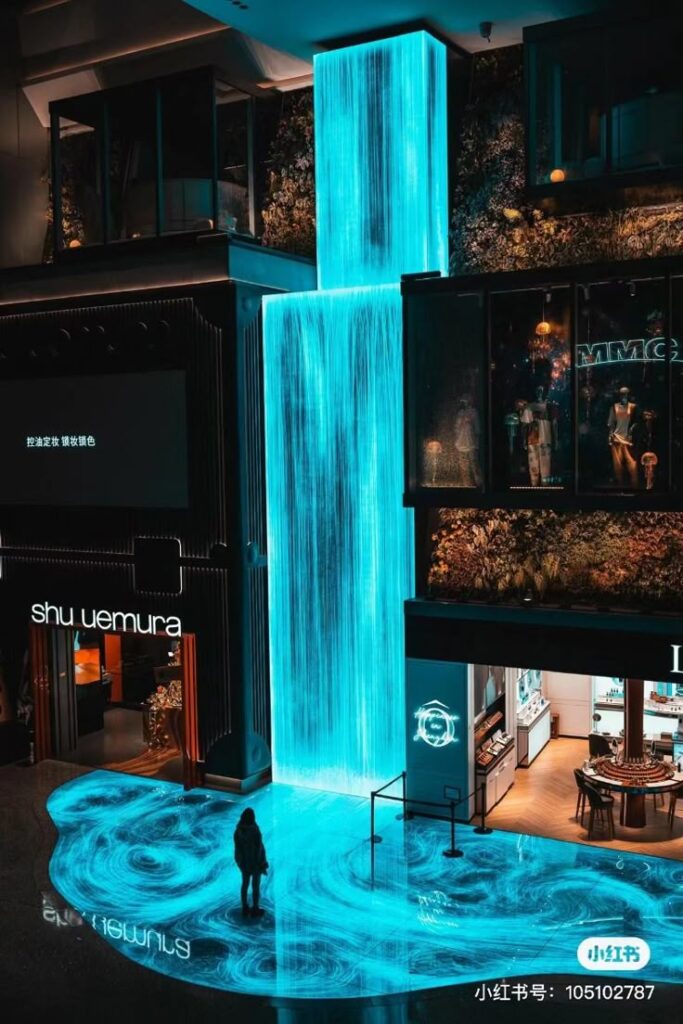
Interactive LED walls are no gimmick. They’re expected in 2026. Gestures, proximity, social feeds, environmental triggers—these give people agency. Even subtle interactivity makes a wall memorable, social, shareable. Viral potential matters. Urban installations that get posted online are proof of concept for other buyers. Designers start thinking in choreography, pacing, narrative—not just pixels.
Modularity and Flexibility
Another driver is modularity. Panels can wrap corners, ceilings, curved façades. They scale up or down without major redesign. Pixel pitch is small, panel sizes standard. A client can start with a 2×2 wall and scale it up to dozens of meters. That versatility is part of why the market is projected to grow.
For designers, this creates opportunities and headaches. Angles, sightlines, integration with architecture. Engineers and software specialists suddenly become part of every design conversation. The technology expands the LED display market because the design possibilities are endless.
Durability and Lifecycle
LED longevity matters. Outdoor installations handle UV, rain, pollution without major loss of color or brightness. Maintenance schedules are predictable. High upfront costs are offset by years of reliable operation. Airports, stadiums, corporate HQs—they all factor this in. That’s why the $8 billion market isn’t just about new sales—it’s sustained adoption and upgrades too.
Data and Predictive Analytics
“Data-driven” isn’t just revenue projections. Vendors and integrators are using analytics to guide placement, predict engagement, anticipate maintenance. Foot traffic can inform pixel density, brightness, even pacing in retail. Stadiums use engagement metrics to optimize placement. Data shapes not just the market but the design itself.
Analysts see numbers. Designers see impact. Both matter, but the latter is harder to quantify.
Urban and Cultural Impact
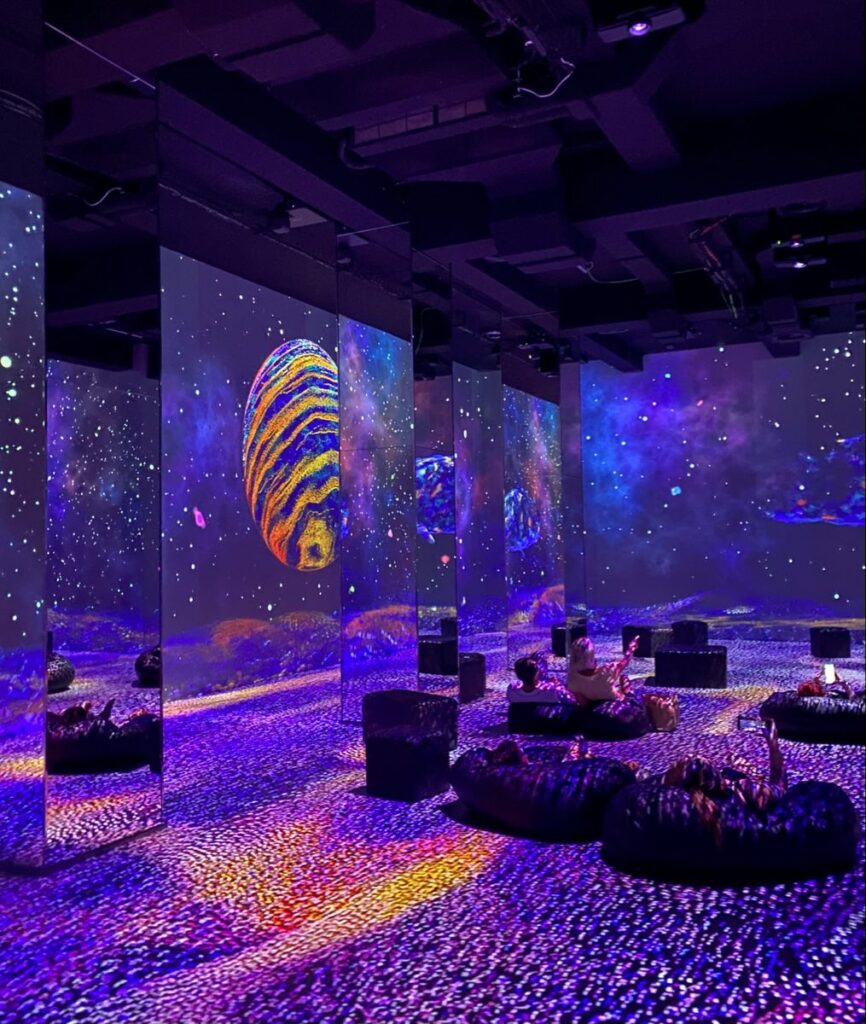
LEDs also shape cities. Shanghai, Seoul, Dubai—districts pulsing with coordinated façades, large-scale patterns, interactive surfaces. It’s spectacle and identity at once. Adoption is fueled not just by commerce but by cultural aspiration: owning attention, creating moments, shaping memory. Designers are challenged to make installations dazzling but not exhausting. Too much brightness, too much motion, and engagement drops.
Constraints and Risks
Of course, there are limits. Energy consumption, regulation, human fatigue. Oversaturation can diminish attention. Designers and planners know this, and cities are starting to regulate luminous intensity. But these constraints tend to shape creativity rather than halt growth.
Observing the Market
The LED market in 2026 isn’t just hardware and revenue—it’s capability, adoption, and human perception. Scale, interactivity, and reliability converge to create a medium that is functional and experiential. Analysts cite billions. Designers live in pixels, angles, and perception. That’s where the real growth happens.
$8–9 billion is more than a number—it’s a reflection of human behavior, design integration, and technological maturation. The market is expanding because LED surfaces do things other mediums can’t, and because people keep imagining new ways to use them.
LEDs aren’t novelties anymore. They’re infrastructure, experience, design tools, all in one. And 2026 is shaping up to be the year that this reality becomes impossible to ignore.
The numbers may fluctuate, regions may change, technology will evolve. But for now, designers, architects, and clients alike are leaning into light, scale, and interactivity—and the market grows with them.