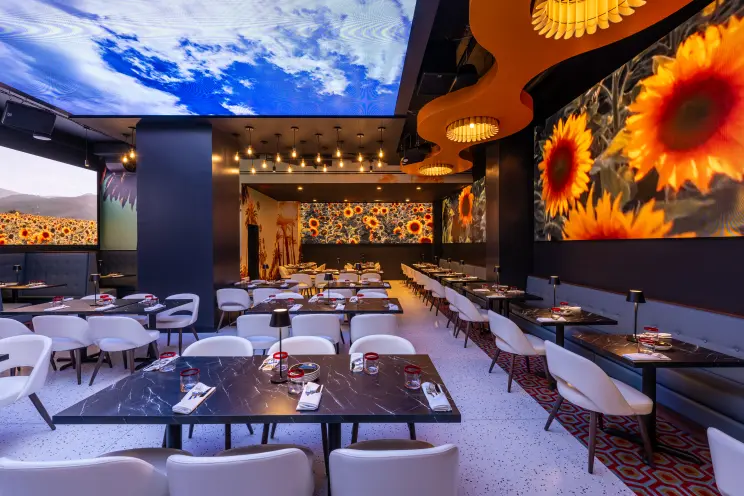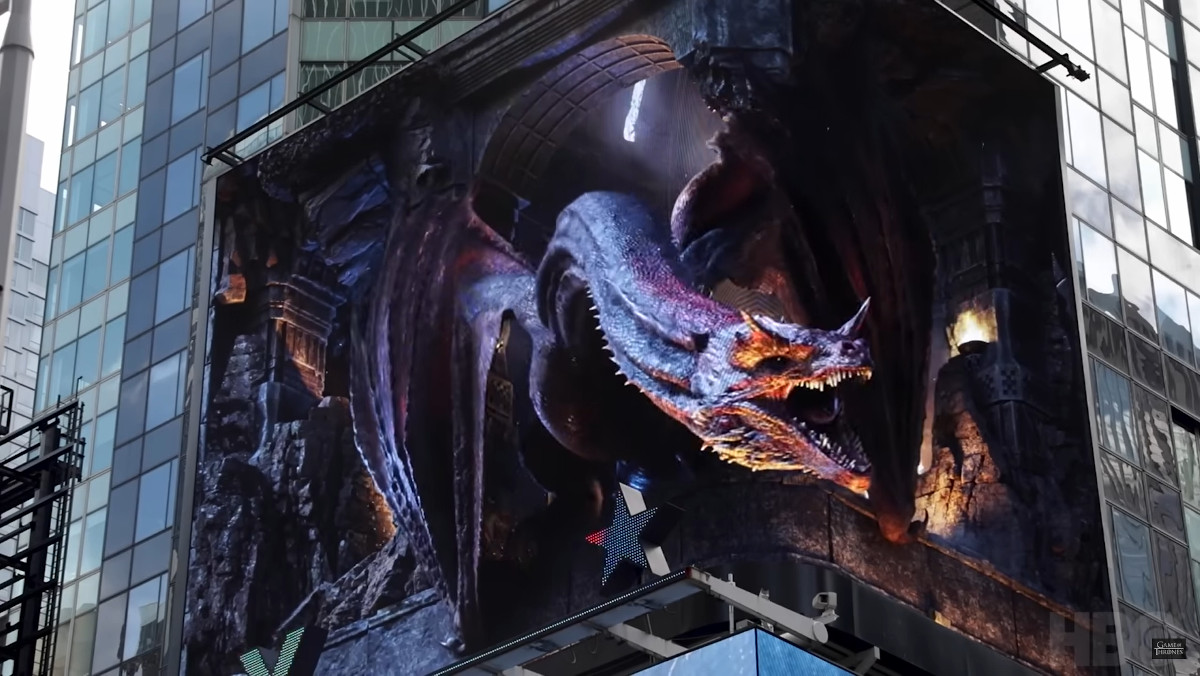
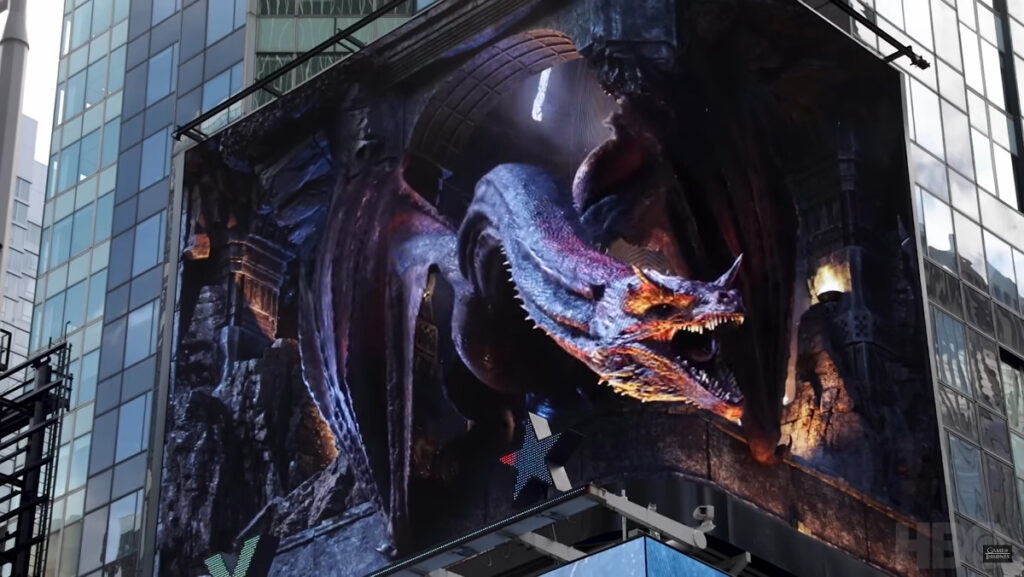
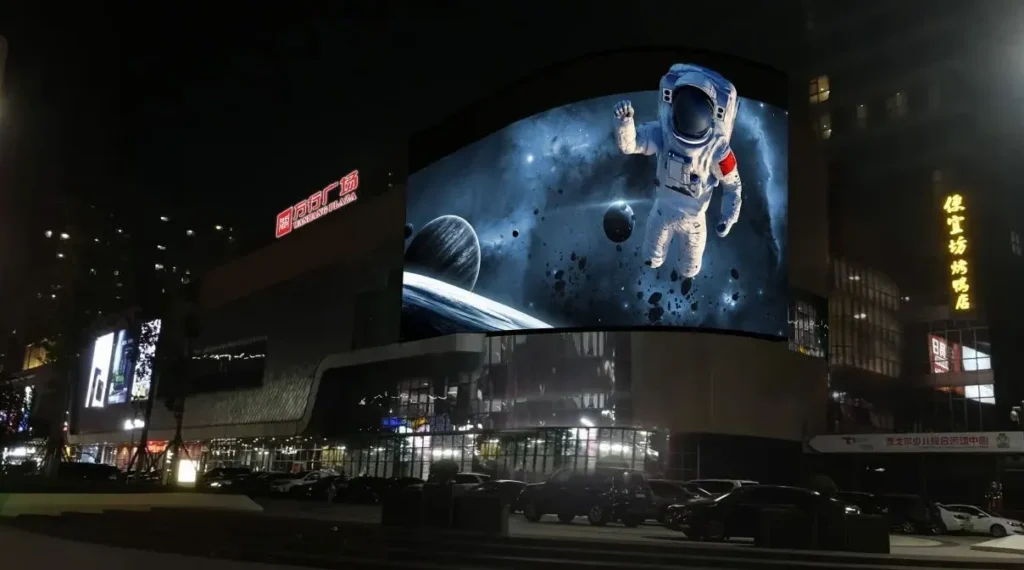
There’s a strange feeling when a building becomes content. Not a billboard slapped onto a façade, not a banner stretched across a bridge, but a surface that moves, blinks, pulses, and sometimes seems to think for itself. In the last decade, urban LED advertising has moved into that territory, and certain campaigns have crossed the line from marketing into urban spectacle. These are the installations that go viral—not because someone clicked a link, but because the city itself becomes the medium.
Shanghai’s Supernova Launch
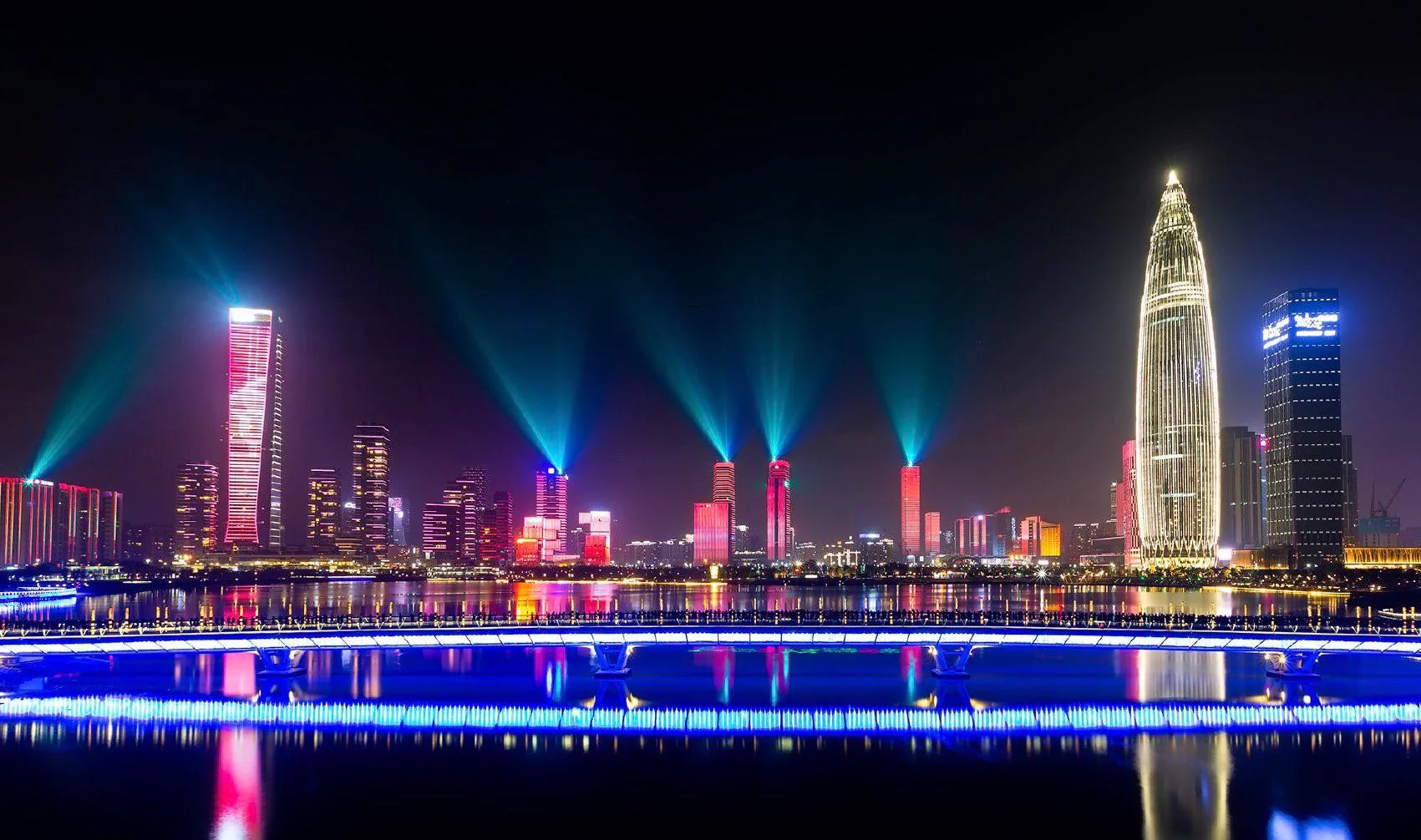
Take Shanghai, for instance. A beverage brand once used the façade of a high-rise in Lujiazui as a digital canvas. The building itself became the bottle: LED advertising traced contours, animated bubbles, fizzing motion that made the structure shimmer like glass in the night. Pedestrians paused. Drivers slowed. Social media exploded, not from the content alone, but because the city itself was participating. The installation didn’t just advertise—it demanded a spatial, temporal interaction. The moment became shareable, not in the abstract, but because it existed in lived experience.
The success of this campaign illustrates a critical design principle: scale matters, but narrative matters more. LEDs can saturate an entire building, but the eye—and the camera—needs a hook. The bottle outline, the bubbles, the interplay with the city skyline—these were all deliberate choices that turned a static brand into kinetic architecture.
Tokyo’s Interactive Façade
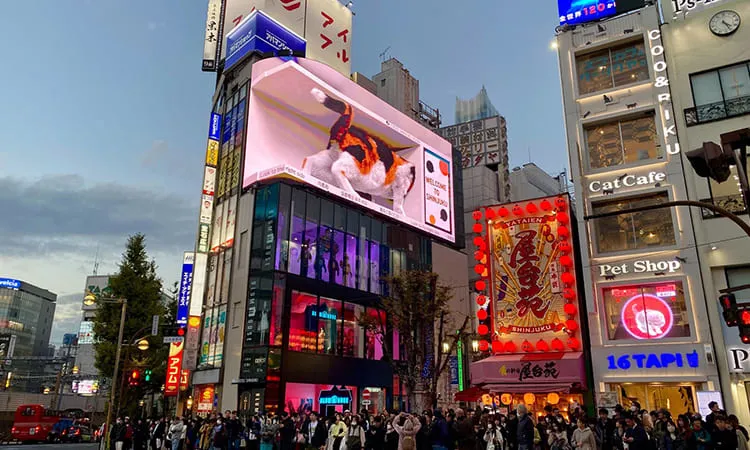
Tokyo is another laboratory. In Shibuya, a major electronics company created a façade that responded to human movement. Pedestrians’ shadows would trigger light trails across the building’s LEDs, creating an ephemeral game between people and architecture. The installation was installed for only three nights, yet footage circulated globally. Why? Because interactivity is inherently shareable. People like watching other people interact with technology, especially when it turns a familiar street into a magical surface.
From a design perspective, this installation highlights how LED advertising surfaces function as urban interfaces. Every passerby is unknowingly a participant in the choreography. Designers must anticipate behavior patterns, timing, and line-of-sight angles. The medium is unforgiving. Misaligned pixels, latency, or poorly timed effects would have ruined the illusion. It’s precision work hidden in plain sight.
Seoul’s Festival of Motion
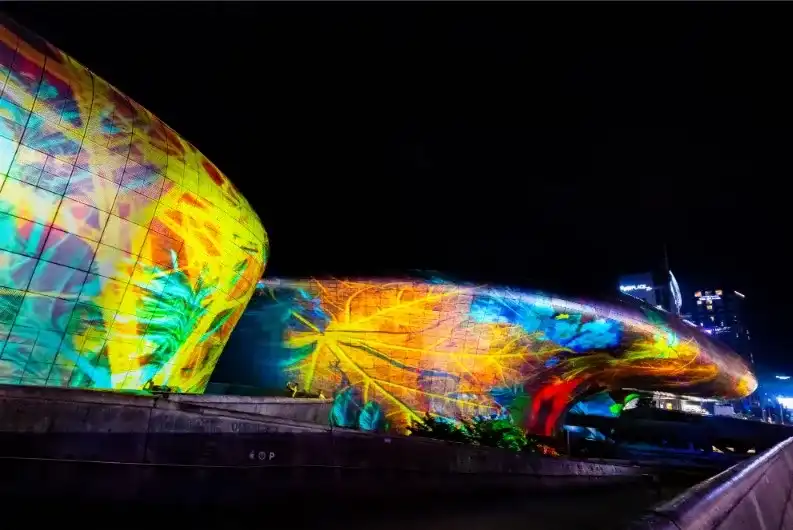
Seoul has experimented with LED advertising façades as part of urban festivals, where multiple buildings are coordinated into a single display. One campaign orchestrated light across five blocks in the Gangnam district. Animated patterns spread from one building to the next, morphing as if the city were breathing. Videos of the installation went viral not because of a single moment, but because the city itself was performing.
The lesson for designers is about rhythm. LEDs are modular, but urban spaces are not. Streets, corners, and perspectives create fragmentation. Seoul’s designers used choreography and pacing to unify disparate surfaces. They treated the city as a giant stage, LED advertising as pixels in a temporal narrative. When it worked, the effect was mesmerizing. When it didn’t, the gaps became obvious. Viral installations exist in that delicate balance between control and chaos.
Lessons from Case Studies
Several patterns emerge when studying these viral LED advertising campaigns. First, context is crucial. Urban LED installations are not media in isolation. They are part of architecture, ambient lighting, and human behavior. Designers cannot assume the viewer’s attention; they must negotiate it in real time.
Second, storytelling matters. LED advertising can be bright and flashy, but virality comes from narrative hooks—a gesture, a character, an interaction that people recognize and want to share. Viral campaigns treat the city as an actor, not just a backdrop.
Third, interactivity amplifies impact. Even subtle responses to human presence can create a sense of agency and engagement. Pedestrians become co-creators of content, whether or not they realize it. This is what separates a display that is noticed from one that is experienced and remembered.
Technical Considerations
None of this happens without technical mastery. Large LED façades face challenges in color uniformity, latency, heat, and structural alignment. Viral campaigns rarely fail from poor concept; they fail when the medium betrays the design. Architects, lighting engineers, and software developers must collaborate as equals. Precision and predictability are essential, especially when installations span multiple buildings or involve real-time interaction.
Even maintenance becomes part of the design. LEDs age differently, exposure varies, and brightness consistency must be preserved. In many viral installations, engineers are quietly adjusting panels during the event to prevent the illusion from fracturing. Urban LED advertising is not a static medium; it is performance art supported by technology.
Cultural and Social Impacts
Viral LED installations are also cultural statements. In cities like Shanghai, Tokyo, and Seoul, they signal technological sophistication, commercial vitality, and urban energy. They become landmarks, even if temporary. They shape memory: when someone recalls that district, they recall not just the architecture, but the pulse of light, the color transitions, the choreography.
But there is tension. The same installations that delight can overwhelm. Competing campaigns in dense districts create visual noise. Pedestrians and drivers must navigate layers of motion and color. Designers are forced to think about human perception, attention span, and cognitive load, all while preserving spectacle. The line between immersive experience and overstimulation is thin.
Virality Beyond Screens
Perhaps the most striking lesson is that these campaigns go viral not because of Instagram filters or paid promotion, but because urban LED surfaces are inherently performative. The camera captures only a fraction of the experience; the real virality exists in the lived urban moment. Sharing is secondary. The city itself becomes a living, breathing billboard, a canvas for collective attention.
Designers entering this space must understand that virality is emergent. It cannot be fully scripted. It arises from the interplay of scale, movement, context, and human behavior. Every installation is both a display and a social experiment, with unpredictable outcomes. That unpredictability is part of the appeal.
Observing the Medium
Looking across these case studies, one realizes that urban LED advertising has become a new design discipline. It merges architecture, digital media, interaction design, and urban planning. The city itself is part of the composition, not just a container. Designers are learning to think temporally, spatially, and socially. Every pixel matters, but so does rhythm, cadence, and anticipation.
Viral campaigns reveal the potential of this medium more than static installations ever could. They are lessons in scale, narrative, and human engagement. The urban landscape has become a laboratory, and LED façades are its instruments. Designers who can master this language—both technical and perceptual—are shaping the cities people will remember.