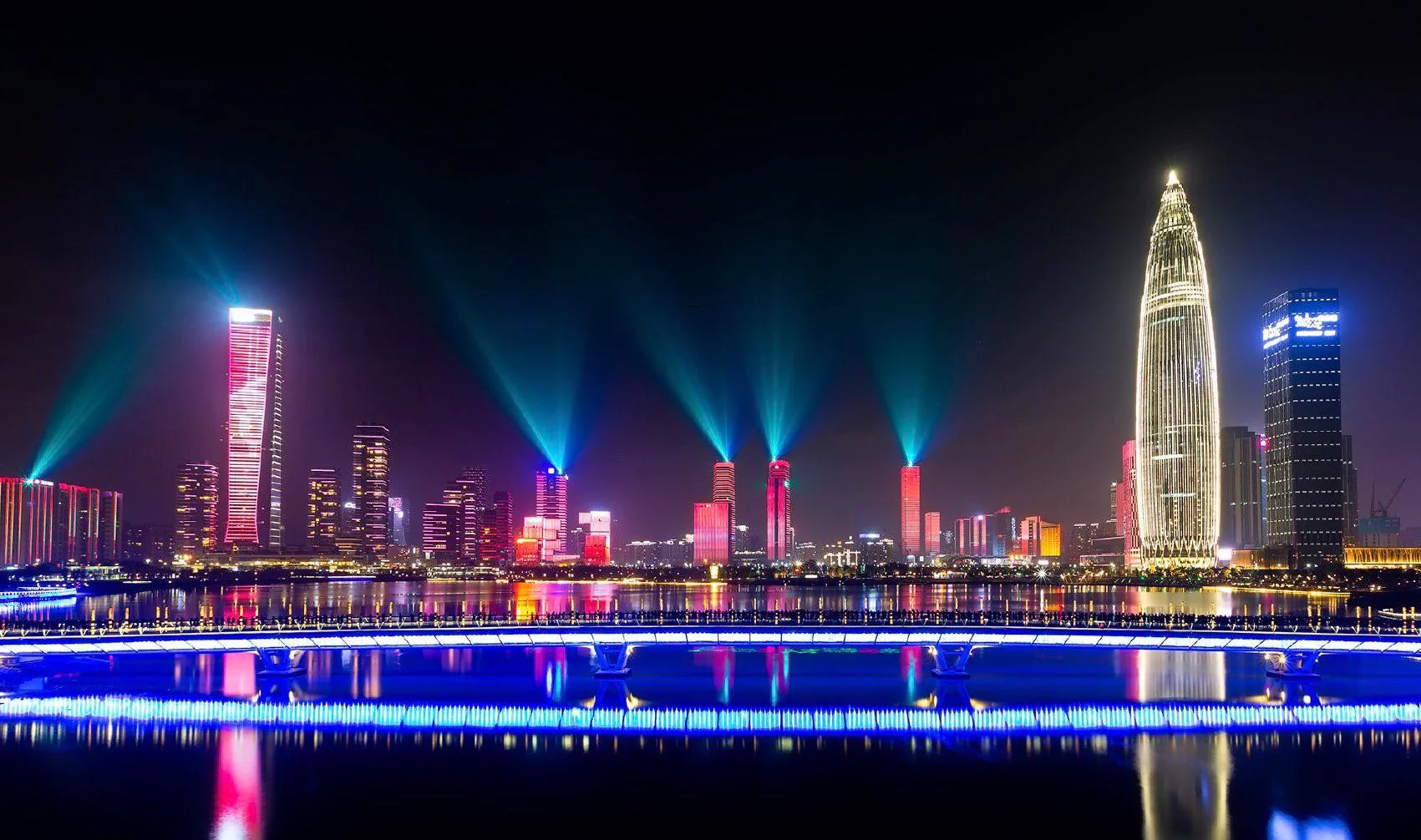
Walk through central Shanghai after dark and it feels less like a city and more like a display. Not a gallery, not an exhibition, not even a theater—though all three metaphors fail. Buildings, bridges, and plazas pulse with light. The surfaces aren’t neutral. They don’t sit quietly in the background. They demand attention.
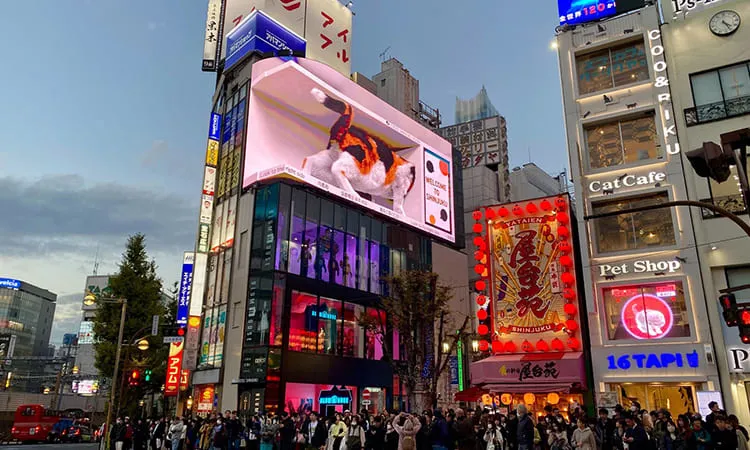
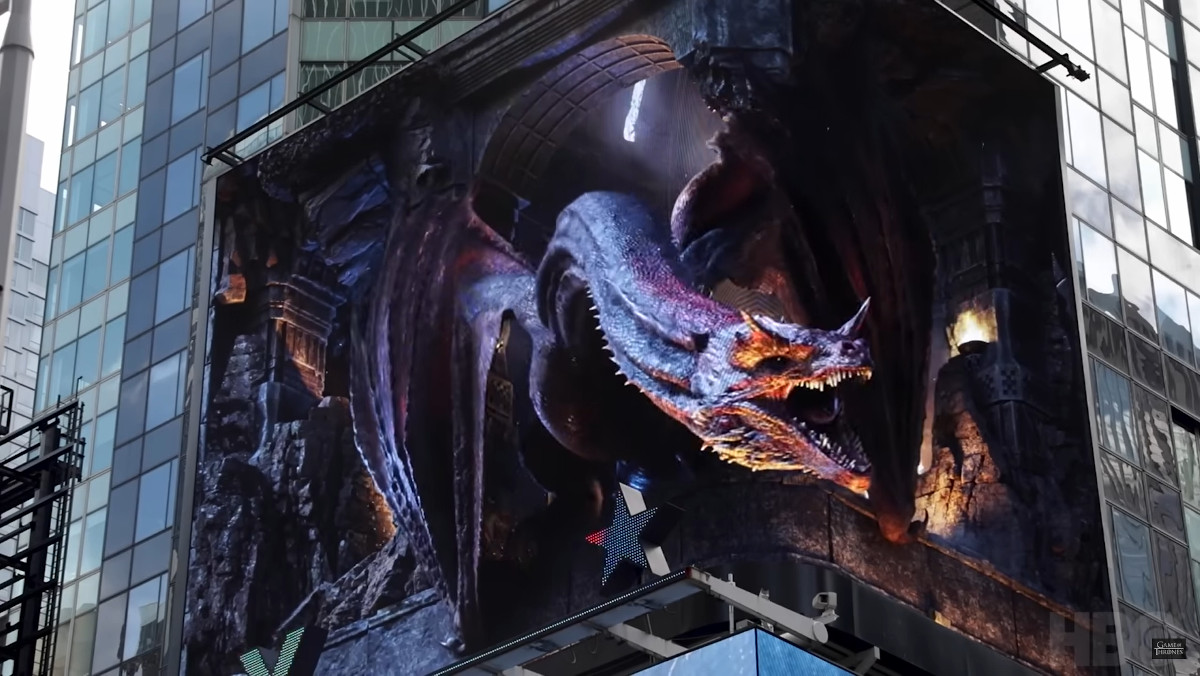
LED advertising installations this large were once the stuff of science fiction. Now they are urban reality. Entire blocks become screens, façades are active, vertical planes of light flicker, fade, pulse, and animate in ways that make the pedestrian constantly negotiate attention. The scale is enormous, but the design ambitions are deliberate. Each pixel, each module, is a carefully considered decision. Or at least, it feels like one. Sometimes, from the street, it’s impossible to tell where intention ends and spectacle begins.
Density as Visual Literacy
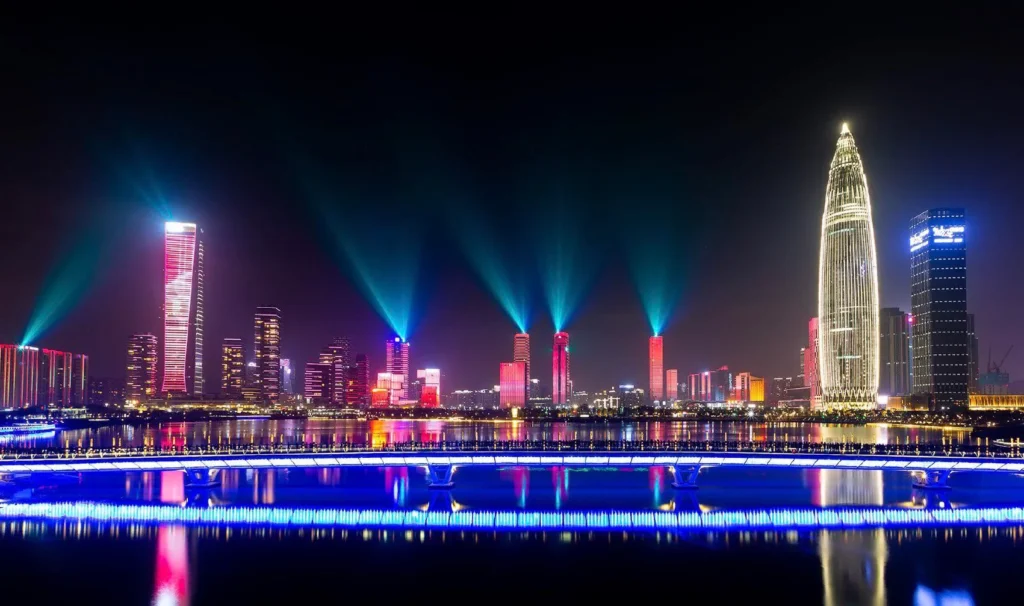
You notice it first in the density. One corner of a district will have a single building broadcasting its brand like it owns the skyline. Five steps later, another tower does the same, but with different colors, different cadence, slightly more aggressive motion. The city is polyphonic in light. Even when the content is mundane—a beverage logo, a sale announcement—it reads like choreography. The sheer volume forces a visual literacy that urban design never accounted for. You can’t look away, but you also can’t follow all of it. Your gaze becomes erratic.
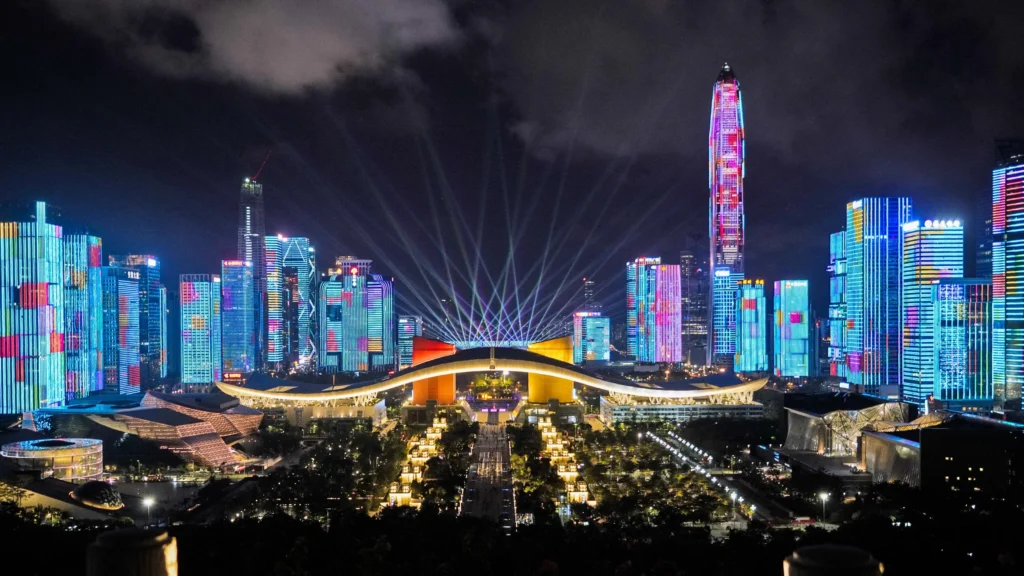
There’s a difference between signage and urban signage on this scale. Traditional billboards are discrete, isolated interventions. They punctuate a street. These installations envelop it. LED modules are stitched into the architecture itself. Sometimes the installation begins on the façade and continues across balconies or rooflines, tracing structural quirks, filling voids, accentuating corners. The building stops being architecture in a traditional sense. It becomes a frame for light, a support for animation.
The Rhythm of Light
In China, the phenomenon is overwhelming precisely because of scale and density. Shenzhen, Guangzhou, Chongqing. You can see entire districts defined by their night-time identity, coded in millions of LEDs. Even visitors notice the rhythm: certain colors dominate, certain motions repeat, certain patterns signal luxury, commerce, vitality. Urban memory is no longer just about the physical: it’s about color temperature, brightness, movement, flicker.
That’s what makes these installations fascinating—and unnerving—for designers. There is a seductive logic to LED pixels: modular, programmable, infinitely replicable. But the larger the surface, the more unforgiving the medium. Color shifts become obvious. Alignment issues are magnified. Motion that seems fluid at the control desk can break apart when viewed from the street. The city becomes a living proofing environment. Every error is public, every calibration visible. There is no privacy in large-scale light.
Interactivity in the Urban Fabric
Some installations have become interactive. Motion sensors detect pedestrians, cameras feed the software, and patterns adjust in real time. It is subtle—sometimes imperceptible—but it is there. The city reacts to its inhabitants. Cross a plaza too quickly and the lights pulse differently. Pause, and a pattern ripples outward. You start to realize that these installations are not static canvases; they are urban interfaces, negotiating presence and movement with a logic that exists outside most people’s perception.
The effect on pedestrians is layered. On one hand, there is delight. Light makes streets feel animated, even safe. On the other, the constant motion is disorienting. Streets that were once predictable now demand attention. Walking under a façade that pulses with changing colors, you sense that your own perception has become part of the display. You are included in the choreography, whether you like it or not.
Technical and Logistical Challenges
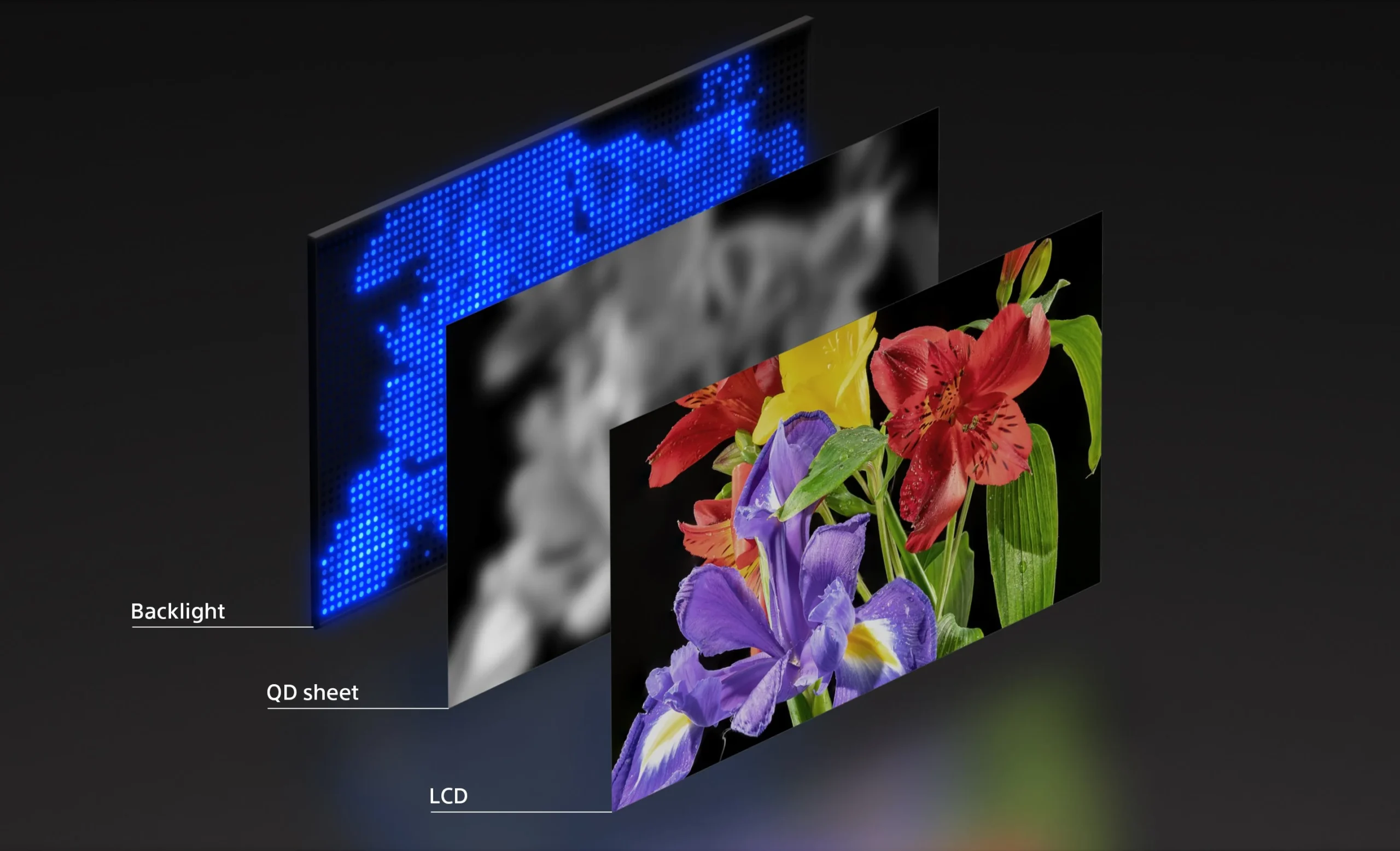
From a technical standpoint, the challenges are brutal. Heat management, color consistency, brightness uniformity—all these factors are magnified at city scale. LEDs age at different rates; the building’s geometry creates shadows and reflections. Software must synchronize thousands of modules across multiple surfaces. Even minor latency can fragment the effect. Designers work in collaboration with engineers in a way that almost never happened in previous urban signage. Every choice—pixel pitch, viewing angle, refresh rate—becomes architectural.
And yet, the installations are often unapologetically commercial. The city itself becomes a platform for brands. Advertising content is woven into urban perception. It is not just the message that matters; it is the rhythm, the cadence, the timing. Certain districts feel branded even if you ignore the logos. That is the subtle power of scale. At this point, urban identity is partially determined by marketing departments.
Culture, Perception, and Urban Memory
There is a cultural component, too. In China, where density and population create natural competition for attention, these installations read as vitality. They are signals of economic power, technological sophistication, and even civic pride. There is a performative quality to them. Buildings are not merely functional—they are communicative objects. Streetscapes feel alive in ways that cities in the West rarely attempt outside festival seasons or public art events.
But there is a tension. Not every effect is intentional. When multiple buildings in a district pulse independently, the result can feel chaotic. Pedestrians must navigate competing motion cues. Visual overload is real. Designers are forced to negotiate spectacle against legibility, fascination against fatigue. Some installations are stunning from the street, while the same display, viewed from a distance, becomes a muddle of color and pattern. Urban design literacy becomes necessary to decode what is meant to be immersive versus what is incidental.
Sustainability and Responsibility
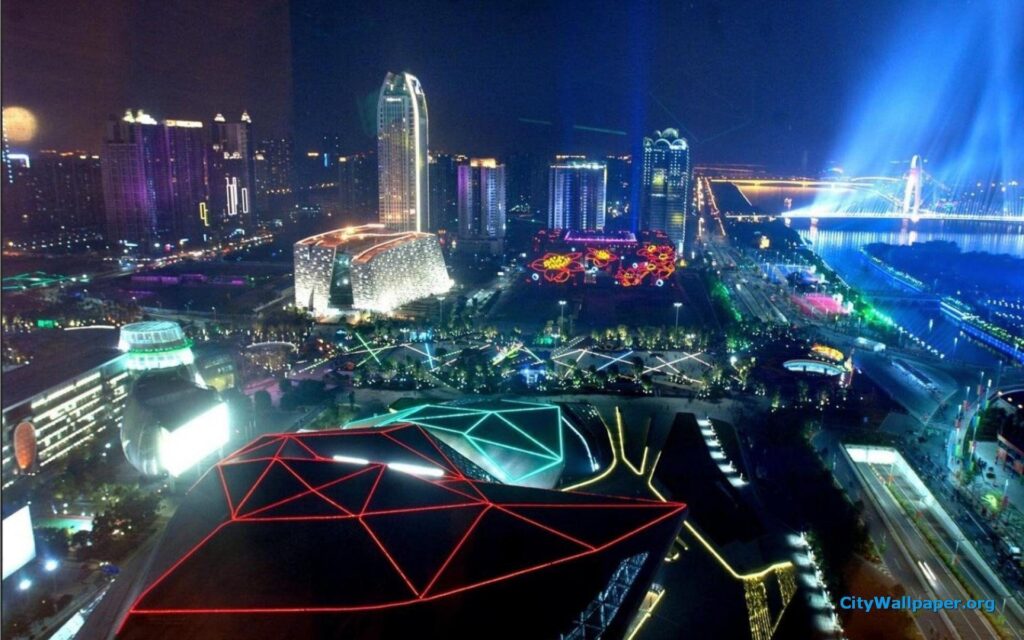
It is tempting to frame this as dystopian, but it is not uniformly so. LED installations can enliven public spaces in ways traditional signage cannot. They can create landmarks. They can create shared experiences. The streets feel curated, even if the curation is commercial. For designers, this is a new medium with rules that are emergent rather than codified. You can’t simply transfer billboard logic to a building-sized LED façade. The surfaces behave differently, and the viewer interacts differently.
Sustainability is a lingering concern. Even with energy-efficient LEDs, these installations are power-hungry, particularly when used at city scale and in dense clusters. Heat, glare, and maintenance become design considerations. Some districts have experimented with adaptive brightness, dynamic scheduling, and modular repair systems, but energy consumption remains high. There is no escaping the fact that the aesthetic of urban LED displays carries a physical cost.
Cities as Living Canvases
The result is that the urban environment becomes a living, breathing digital canvas. Buildings, streets, and plazas are layered with light and motion that redefine spatial perception. The city is no longer just architecture; it is a performance. Pedestrians, drivers, and residents navigate not only the physical but the visual rhythms imposed upon it. Identity, memory, and even civic experience are mediated through these luminous interventions.
And yet, the installations are also ephemeral. The content changes, patterns evolve, campaigns rotate. Tomorrow’s visuals will not be today’s visuals. The cityscape is a theater where the set is in constant flux. Designers have to consider temporality as part of the design brief. How does an installation age? How does the rhythm of light affect human behavior over weeks, months, years? There is no precedent; this is new territory.
Light as Architecture
Massive LED advertising installations are redefining what it means to inhabit a city. They blur the line between infrastructure, architecture, and media. The distinction between functional lighting and expressive display has collapsed. Urban experience is being rewritten pixel by pixel, block by block. For designers and architects, this is both exhilarating and unnerving. You are no longer just designing for form or function—you are designing for perception, attention, and cognition on an unprecedented scale.
The cities in China that have embraced this form of urban display offer a glimpse of what megacities elsewhere may become. The question is not whether these installations are temporary or permanent, beautiful or intrusive—it is whether urban life can adapt to being constantly mediated by light. And how much design literacy it will demand from everyone walking through it.
The city is not waiting for answers. It is lighting itself anyway.