CES has always been better at signaling anxiety than predicting outcomes. The real story is rarely the single product behind glass; it’s the cluster of ideas repeating themselves across booths, phrased differently but pointing in the same direction. At CES 2026, that signal was unmistakable. RGB LED displays—specifically true RGB LED architectures rather than color-filtered or white-based variants—stopped being a curiosity and started behaving like a consensus.

This wasn’t about one manufacturer declaring victory over OLED or QD-OLED. It was subtler than that. The same claims kept surfacing in different contexts: brightness without caveats, color without filtering penalties, longevity without asterisks. In the home entertainment space, those claims land harder than spec charts suggest. Living rooms are not labs. They expose weaknesses ruthlessly.
The End of Borrowed Light
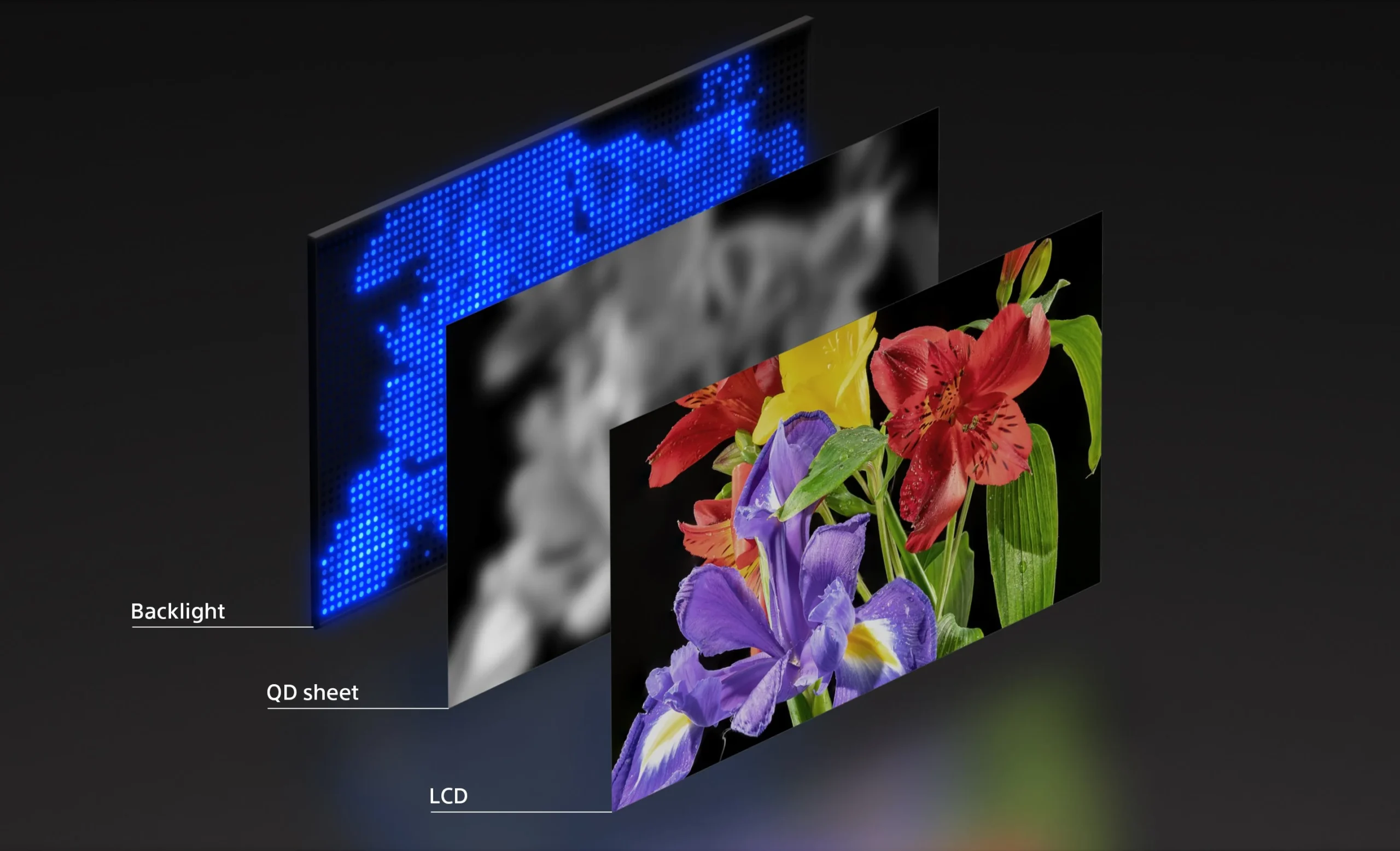
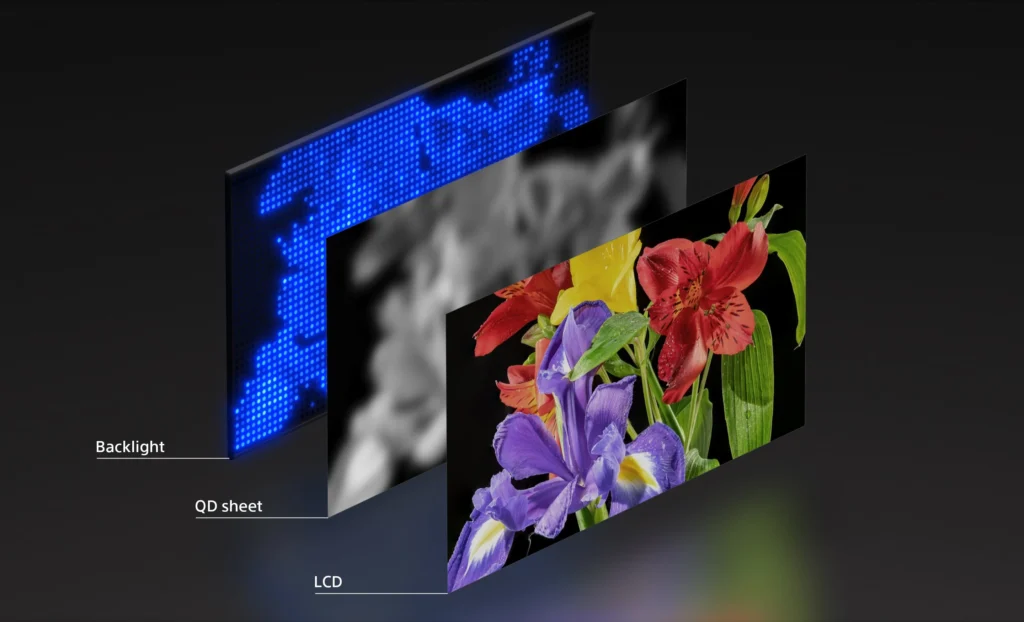
Most consumer displays still rely on borrowed light in one way or another. LCD borrows from a backlight and spends the rest of its energy controlling loss. OLED borrows from white or blue emitters and reshapes it through organic layers that age unevenly. Even quantum dot systems are, at their core, translators rather than originators.
The RGB LED displays shown at CES 2026 made a different argument: stop translating light, start producing it correctly. Red is red. Green is green. Blue is blue. No color filters. No conversion layers. No white subpixel quietly doing the heavy lifting.
For home entertainment, this matters less for peak brightness demos and more for everyday content. Sports broadcasts, animation, UI overlays, paused frames, streaming menus—these are the conditions that expose inefficiencies. True RGB LED doesn’t need to protect itself from static content or sustained brightness. That changes how displays behave over years, not minutes.
Brightness Without Apology
Brightness has been a loaded term in home entertainment for a long time. OLED trained consumers to accept conditional brightness: impressive in short bursts, negotiated over time. Mini-LED trained them to accept blooming as collateral damage. Every technology came with a defense mechanism baked into its marketing.
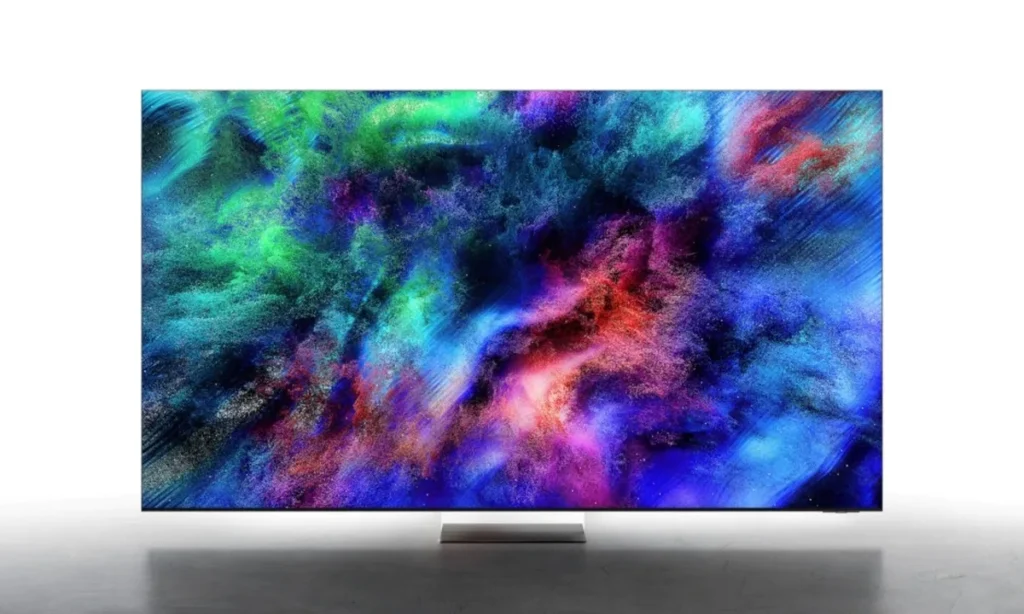
At CES 2026, RGB LED displays were not shy about sustained brightness. Not peak brightness measured in milliseconds, but usable brightness maintained across full-screen content. That distinction is easy to miss on a show floor and impossible to ignore in a sunlit living room.
Home entertainment no longer lives in controlled lighting. Open-plan spaces, wall-to-wall windows, daytime viewing—these are now defaults, not edge cases. RGB LED displays don’t dim themselves into politeness when the content gets demanding. They don’t quietly trade color volume for thermal safety. That consistency changes viewing behavior, not just picture quality.
Color That Doesn’t Drift
Color accuracy has become an abstract debate in consumer display reviews, measured against standards most viewers never consciously reference. What matters more over time is color stability. OLED panels rarely look “wrong” when new. They look tired when they’re not.
The RGB LED panels shown at CES 2026 leaned heavily on longevity rather than calibration theater. Inorganic emitters age differently. More importantly, they age together. Red doesn’t quietly lag behind blue. Green doesn’t become the survivor. Whites don’t warm themselves into nostalgia.
For home entertainment systems expected to anchor a space for years, this matters. A television isn’t replaced because it fails. It’s replaced because it feels dated. Color drift accelerates that feeling more than resolution ever did.
Size Without Compromise
Large screens have always exposed the limits of display technologies. OLED scales beautifully until it doesn’t. Yield drops. Costs spike. Longevity concerns multiply with surface area. Mini-LED scales easily but brings uniformity issues along for the ride.
RGB LED displays approach size differently. Modular by nature, but no longer visibly so. The seams that once defined LED walls were conspicuously absent from many CES 2026 installations. Pixel pitch has reached a point where domestic-scale displays no longer feel like commercial signage shrunk down.
For home entertainment, this reopens a question that OLED temporarily answered: how big is too big? RGB LED doesn’t punish ambition. A 100-inch display doesn’t behave like a stressed version of a smaller one. It behaves like what it is—a surface designed to emit light consistently across its entire area.
Motion Without Tricks
Motion handling has been quietly compromised for years. OLED relies on near-instant response times but struggles with sample-and-hold blur. LCD relies on backlight tricks and interpolation. Viewers adapt without realizing they’re adapting.
RGB LED displays sidestep much of this. Fast response times without aggressive processing. High refresh rates without brightness penalties. At CES 2026, motion clarity wasn’t a headline feature because it didn’t need to be justified.
For home entertainment—especially gaming and live sports—this matters more than cinematic black levels. Motion is where immersion breaks first. RGB LED’s strength here feels less like innovation and more like removing friction that never needed to exist.
The Quiet Decline of OLED’s Home Advantage
OLED still looks extraordinary in controlled demos. That hasn’t changed. What has changed is context. Home entertainment is no longer a dark room ritual. It’s ambient, social, multitasked. Displays are on longer, paused more often, and expected to tolerate abuse.
The CES 2026 RGB LED narrative didn’t attack OLED directly. It simply stopped accommodating its weaknesses. No burn-in mitigation demos. No warnings about static UI. No brightness disclaimers.
That absence was telling.
OLED will remain relevant, particularly in form factors RGB LED can’t yet touch. But its emotional hold on premium home entertainment is loosening. When alternatives stop asking viewers to adapt, loyalty erodes quietly.
Cost Is No Longer the Only Gate
Historically, RGB LED displays were dismissed as aspirational due to cost. CES 2026 didn’t pretend those costs had vanished, but it reframed them. Modular upgrade paths. Repairable panels. Longer lifespans. Lower depreciation over time.
For high-end home entertainment buyers, upfront price has always been only part of the calculation. Installation, replacement, and longevity matter more when displays become architectural elements. RGB LED fits that mindset better than disposable panels ever did.
What This Signals for the Living Room
CES 2026 didn’t declare a winner. It revealed a shift in confidence. RGB LED displays no longer felt like they were borrowing legitimacy from other technologies. They behaved like the baseline future was quietly reorganizing around them.
Home entertainment has always been downstream from professional and architectural display innovation. What changes now is timing. The gap is closing. What appeared at CES 2026 wasn’t a preview for a distant future. It was a suggestion that the assumptions built into living rooms over the last decade are about to feel dated.
Not broken. Not obsolete. Just unnecessary.
And that’s usually how revolutions arrive.