At some point in almost every display project, the same question comes up: Do we need an LED screen, or do we need a video wall?
On the surface, the distinction can feel blurry. Both are large. Both are bright. Both display content. And yet, the difference between LED screens vs video walls isn’t just technical—it’s experiential. The choice affects how a space feels, how content performs, and how the installation ages over time.
Making the right decision isn’t about chasing the most advanced option. It’s about understanding what each solution is designed to do, and how that aligns with the space, audience, and long-term goals.
What People Usually Mean by “LED Screen”
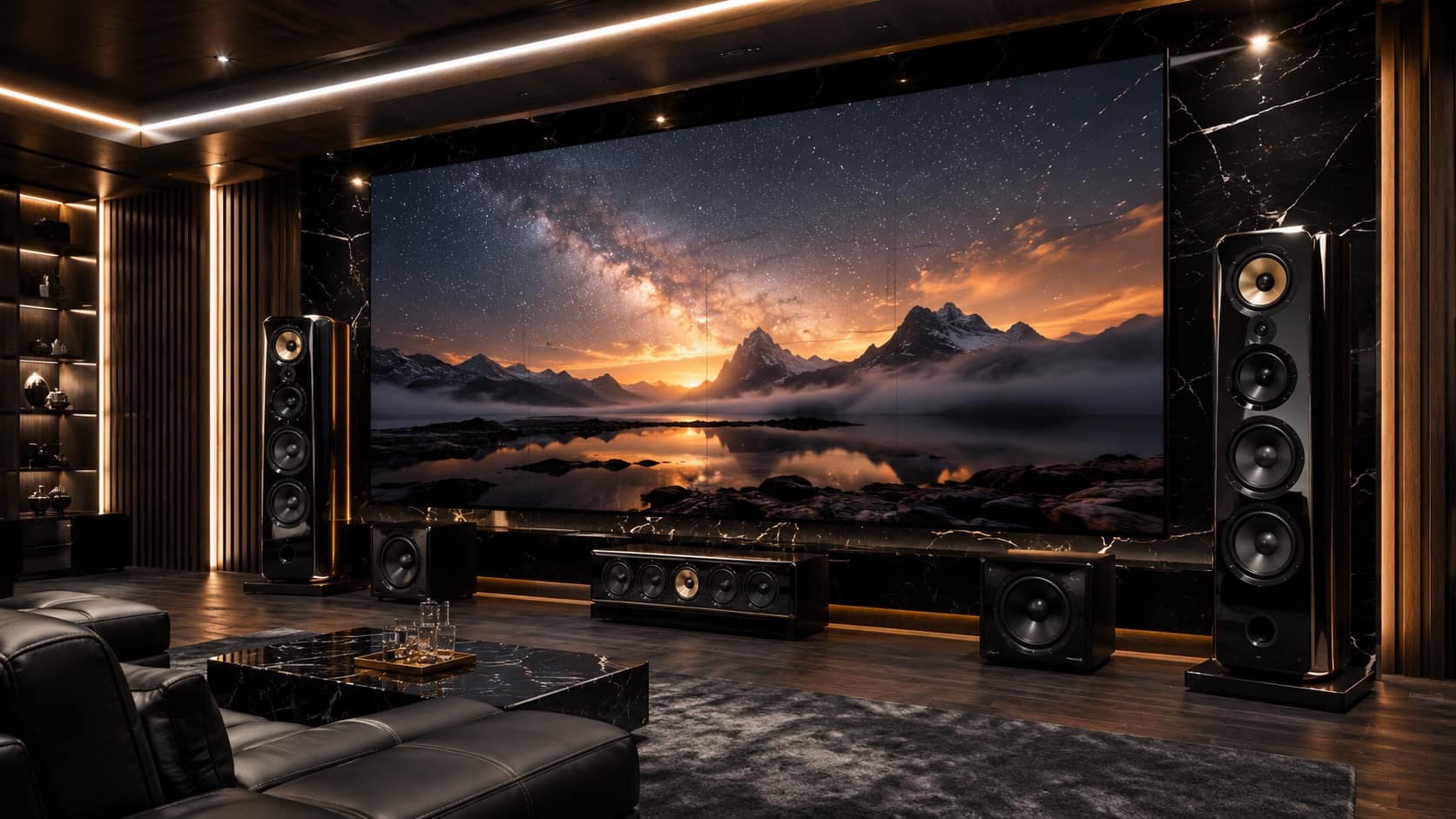
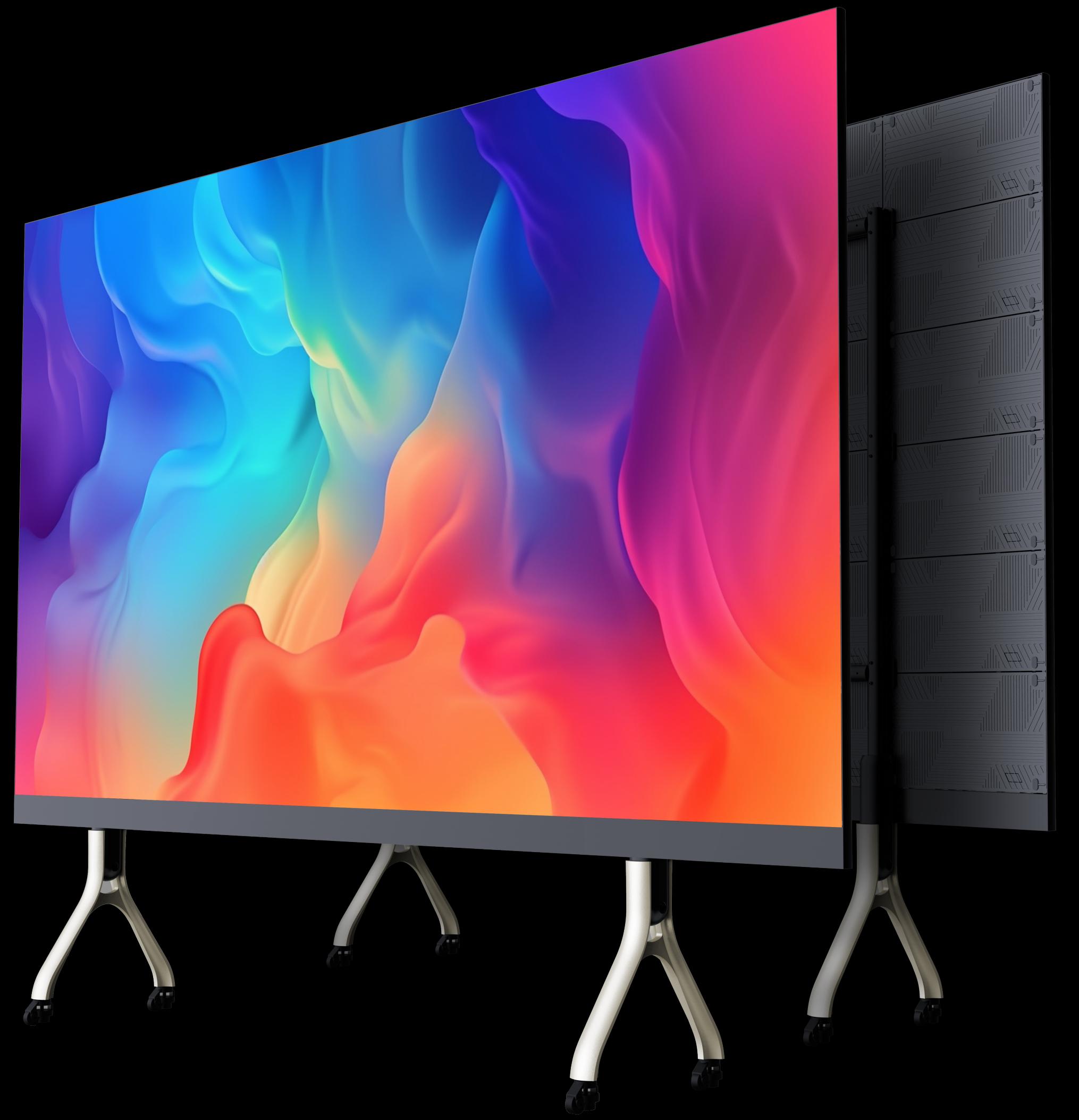
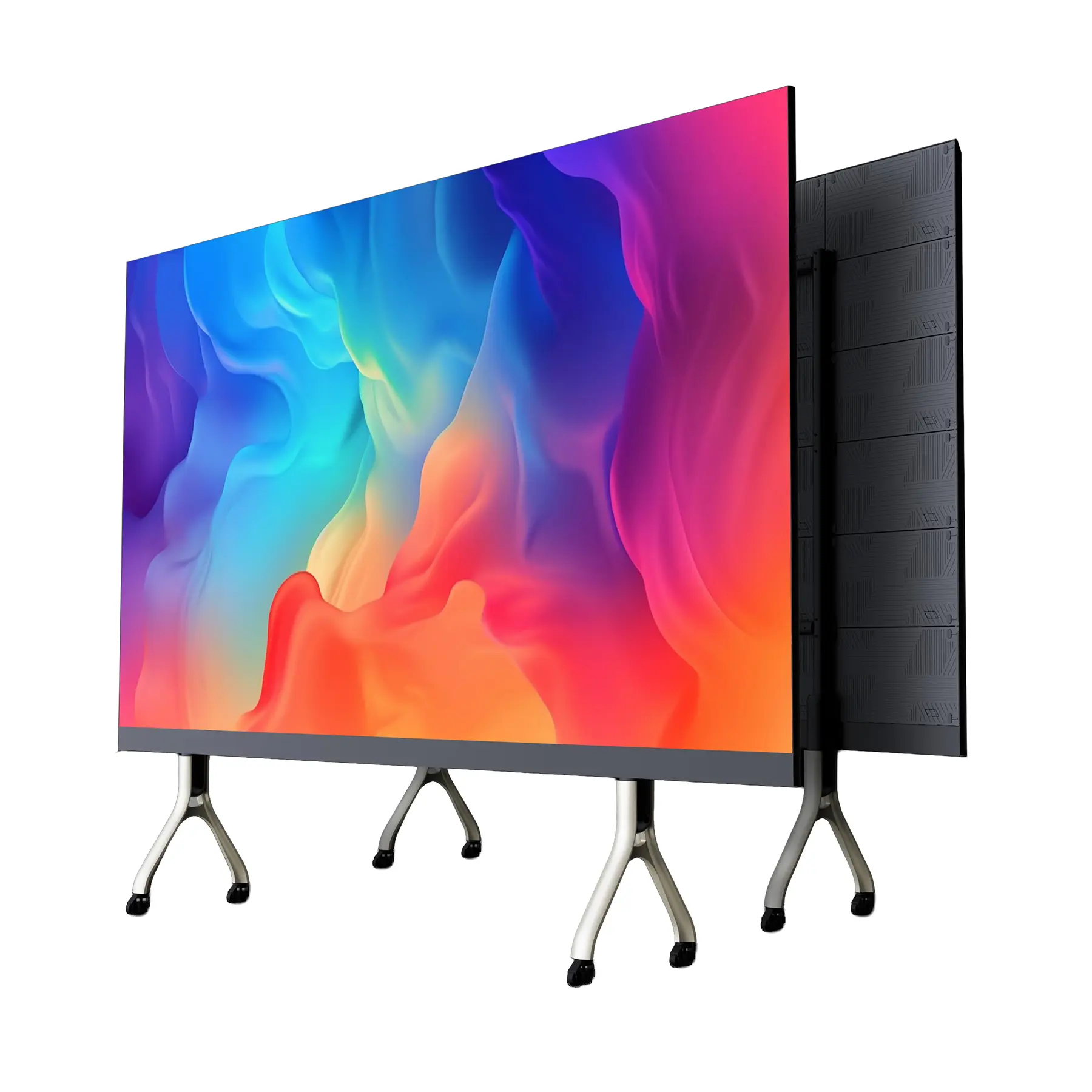
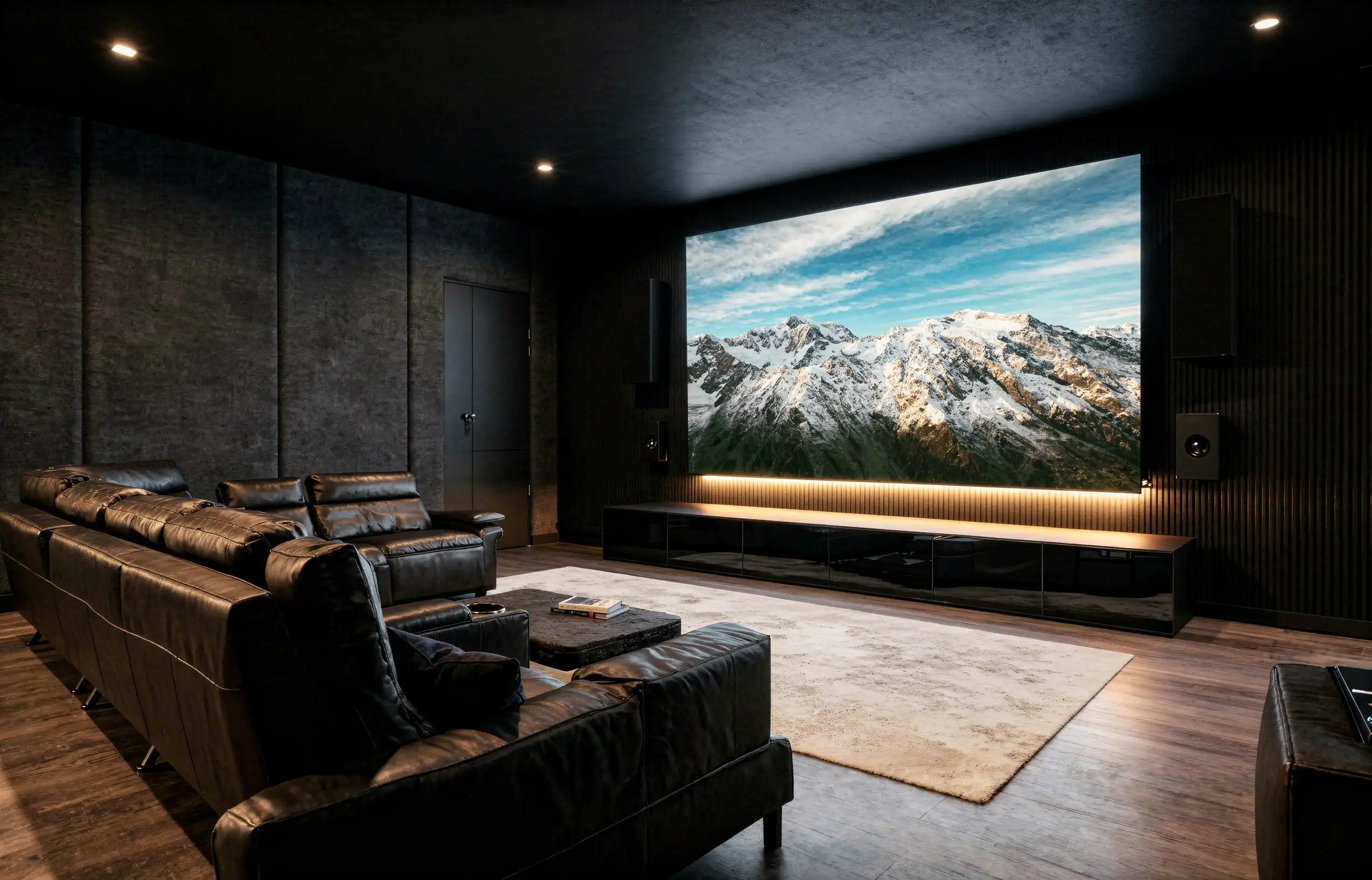
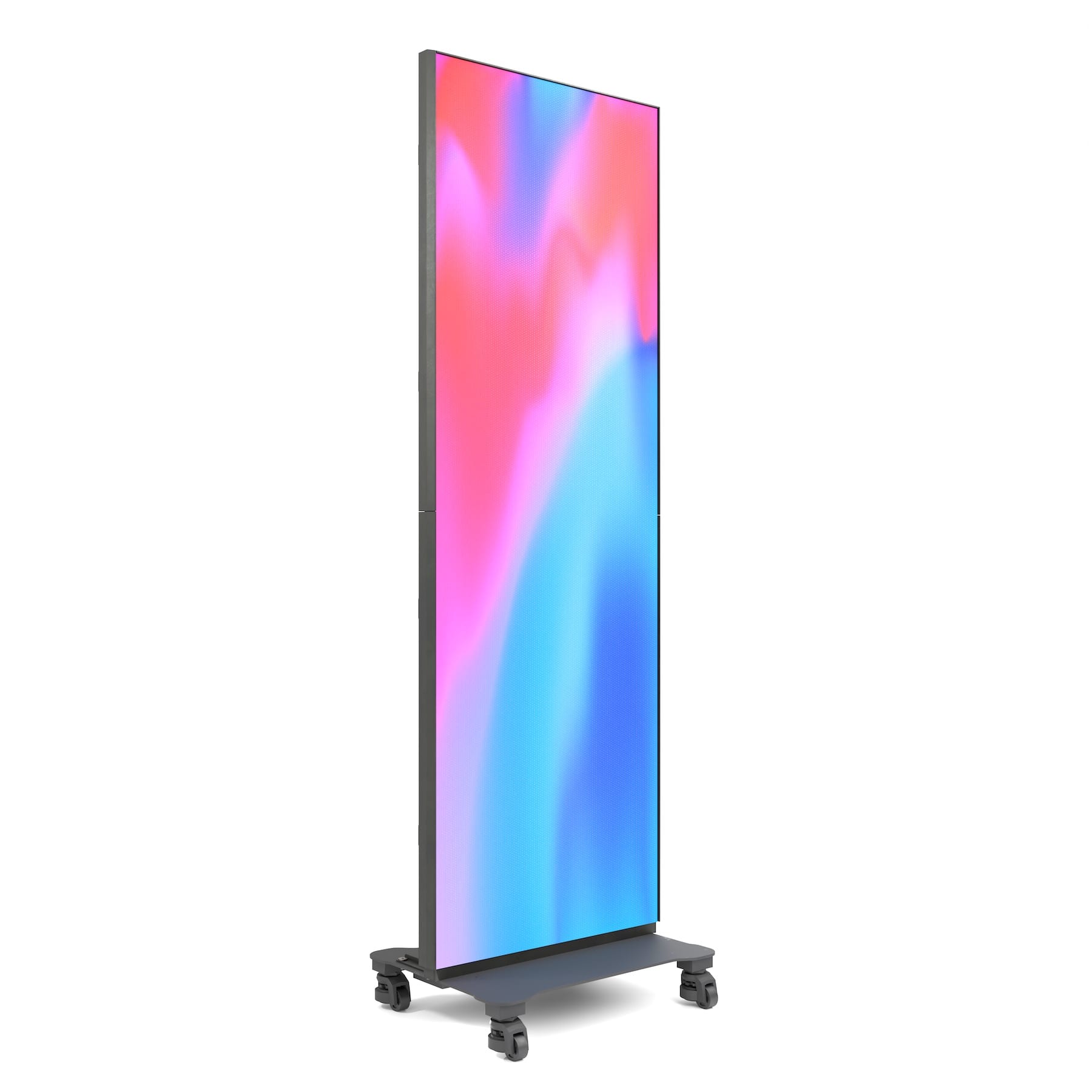
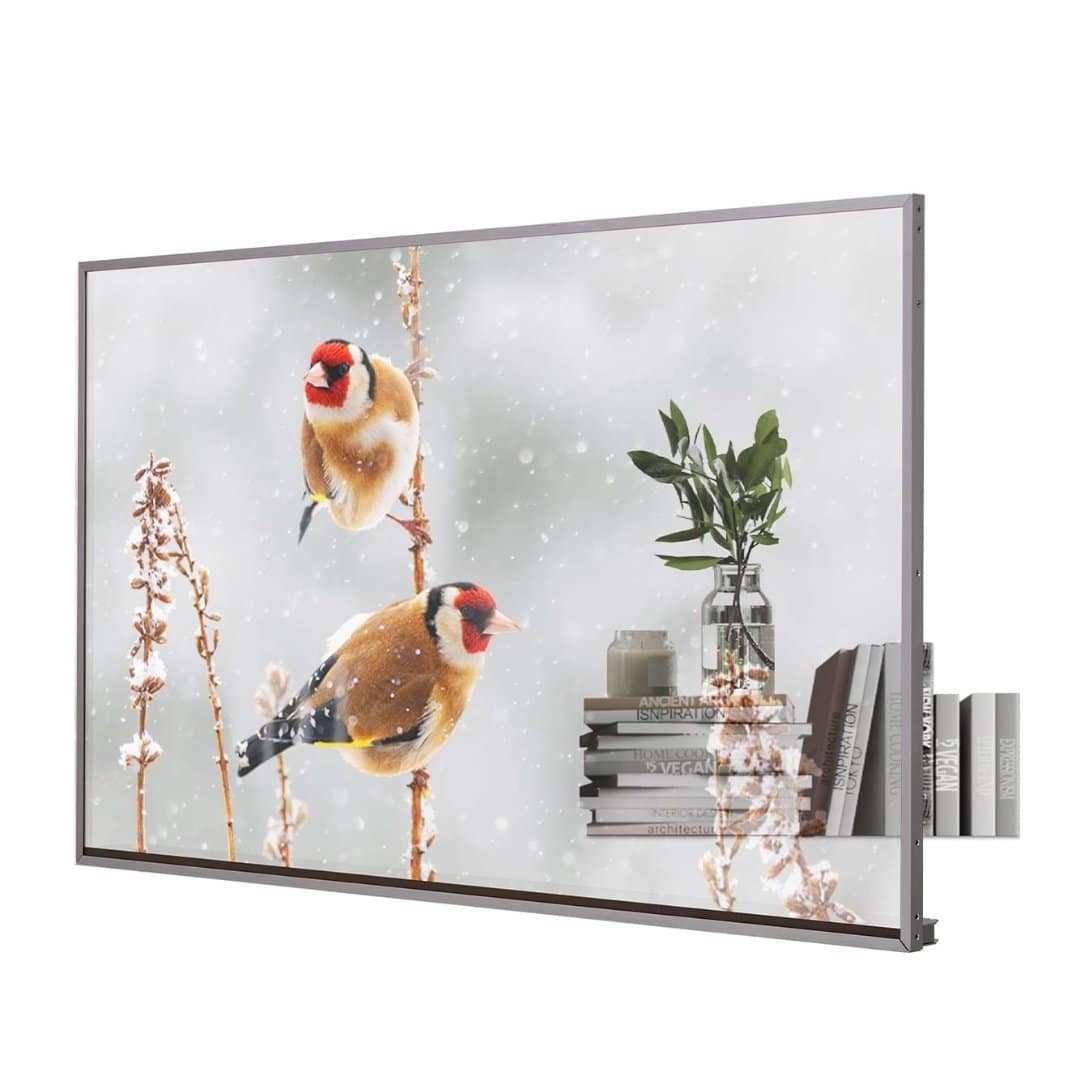
When most people refer to an LED screen, they’re typically talking about a single, self-contained display. This could be a large-format LED panel, an all-in-one LED display, or even a high-end direct-view LED unit designed to function like a TV—but bigger.
LED screens are often chosen because they feel familiar. They’re easier to conceptualize as replacements for traditional displays, and they tend to come as pre-configured products with fixed dimensions and built-in control systems.
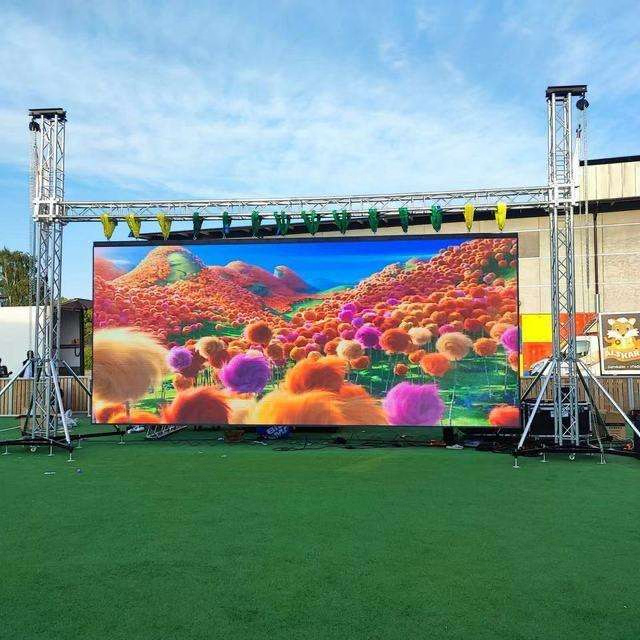
In the LED screens vs video walls conversation, LED screens usually appeal to buyers looking for simplicity, speed, and predictability.
What Defines a Video Wall
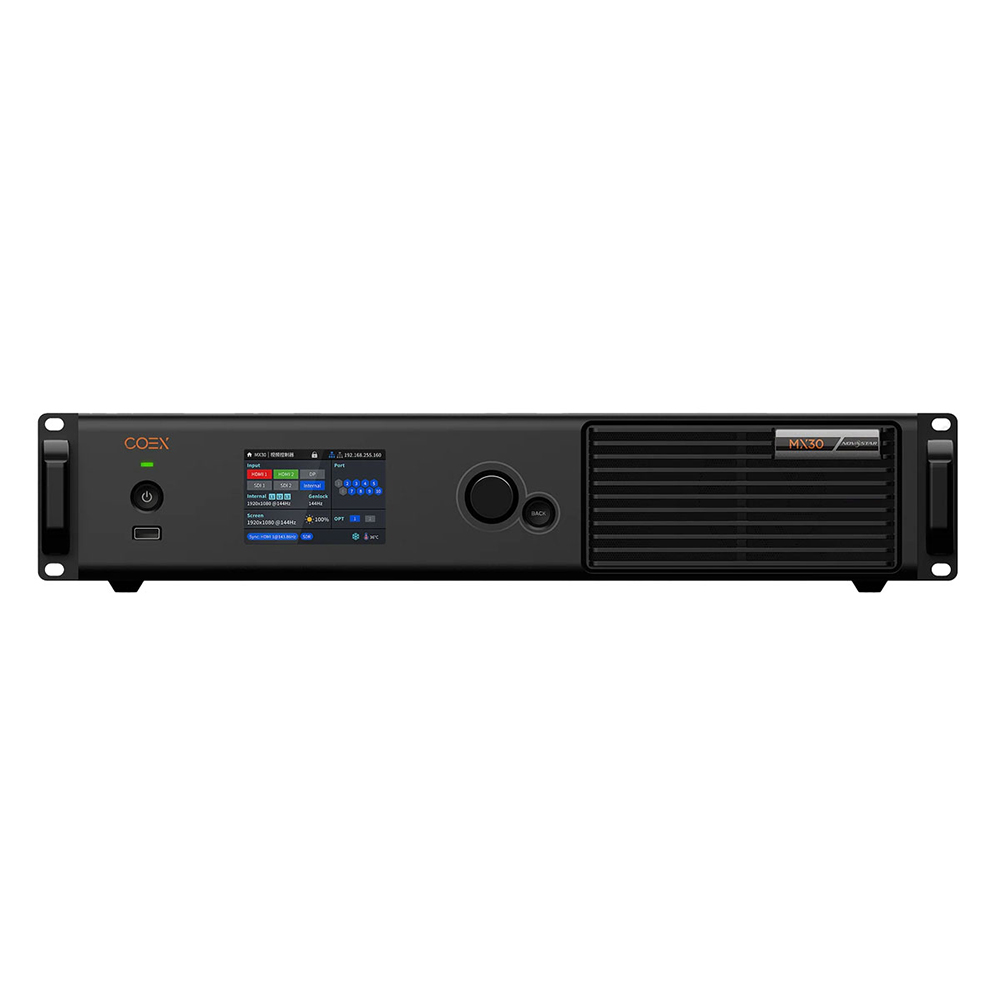
A video wall, by contrast, is a system rather than a product.
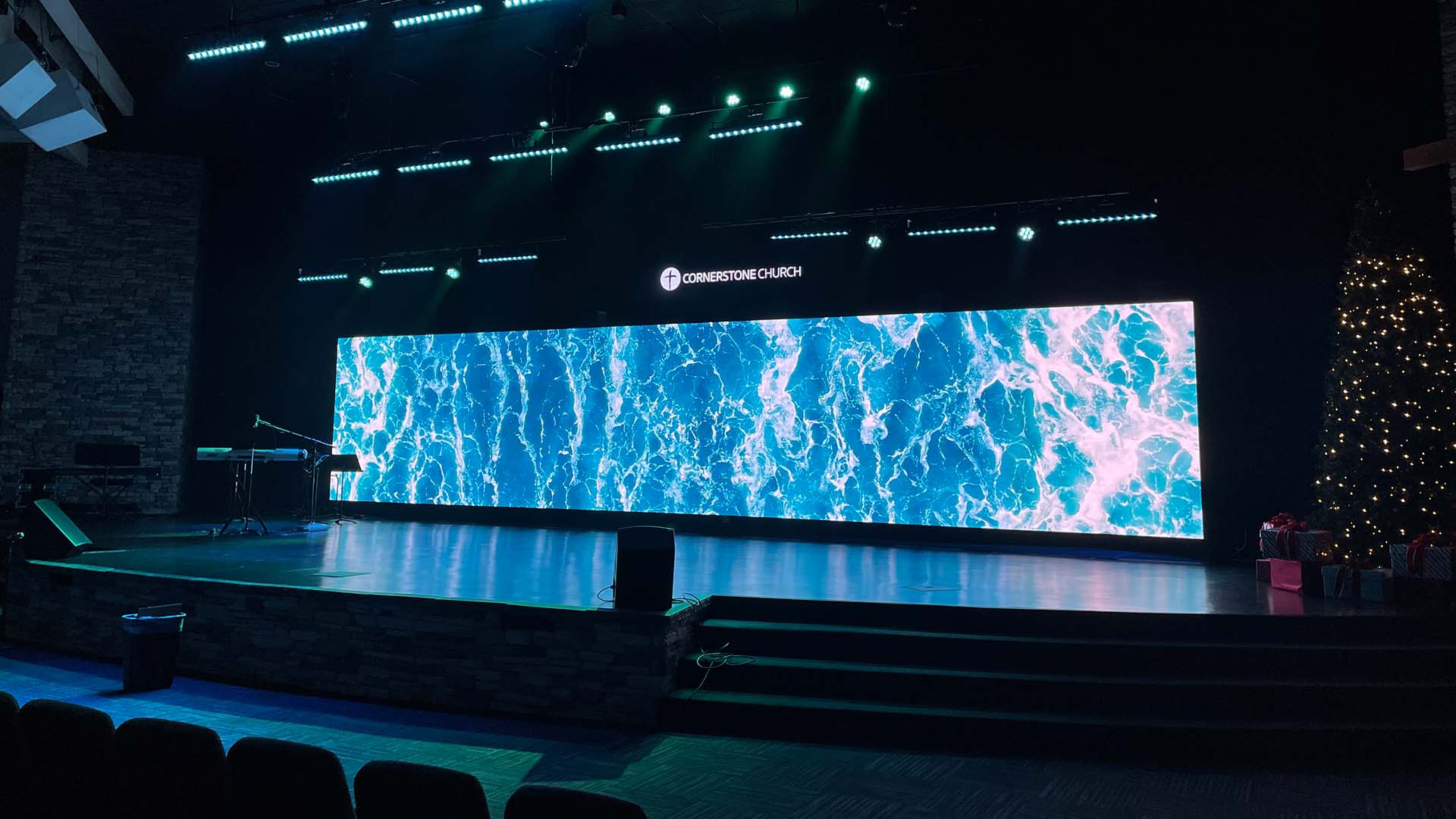
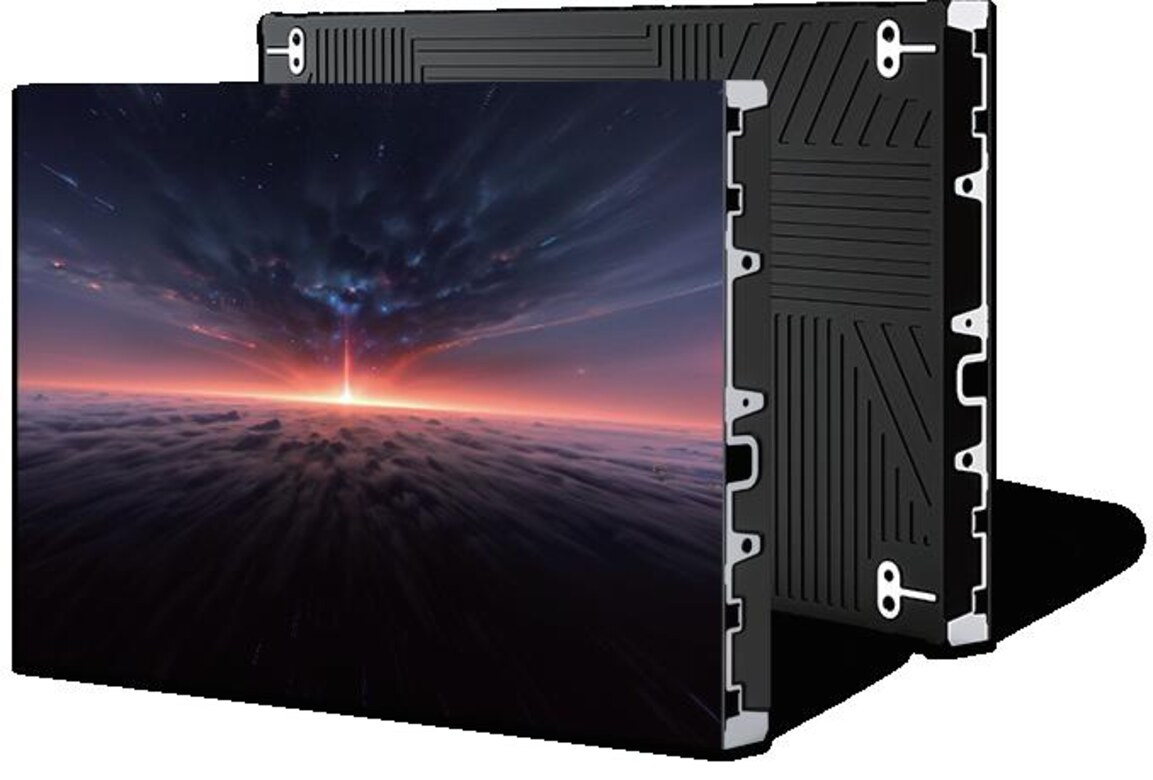
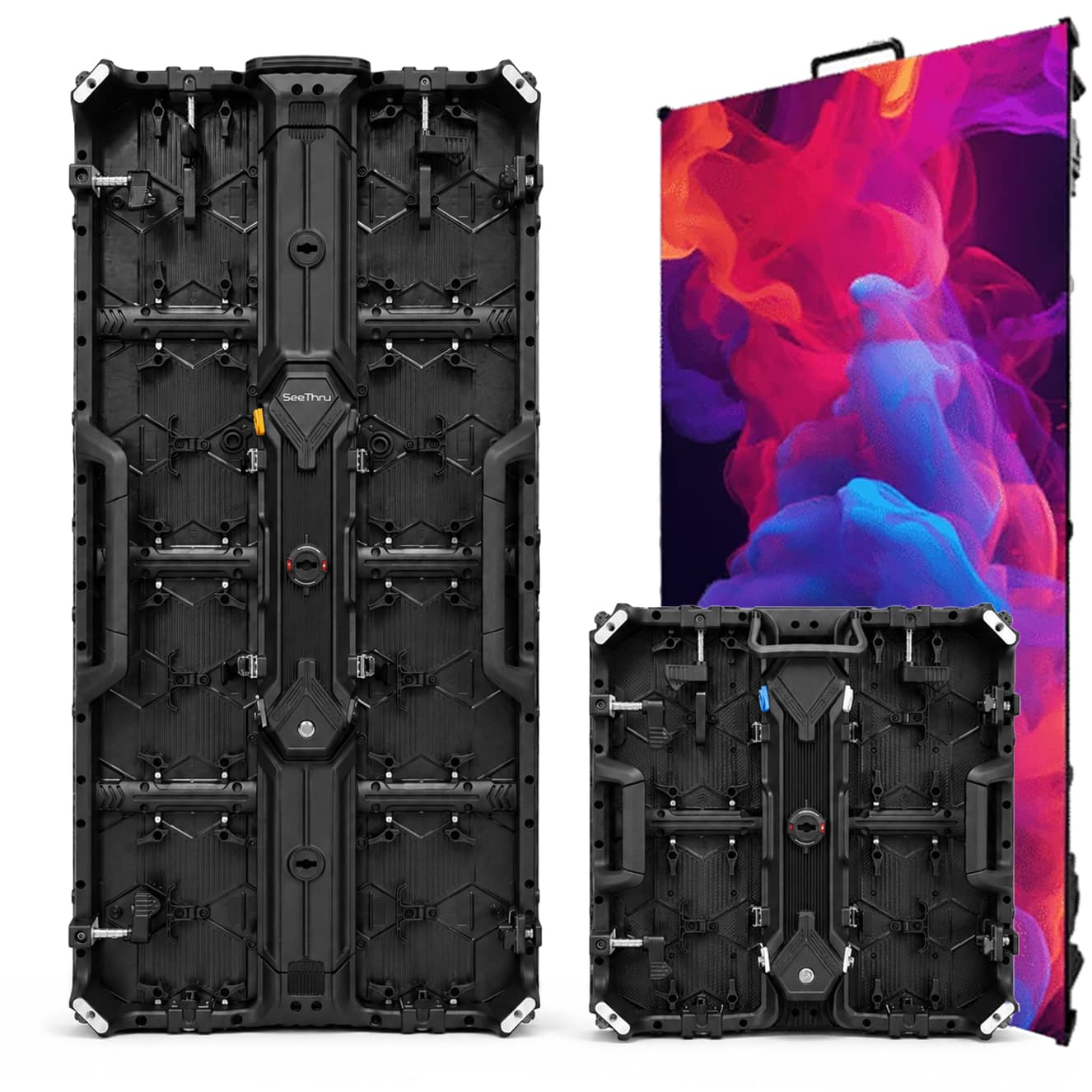
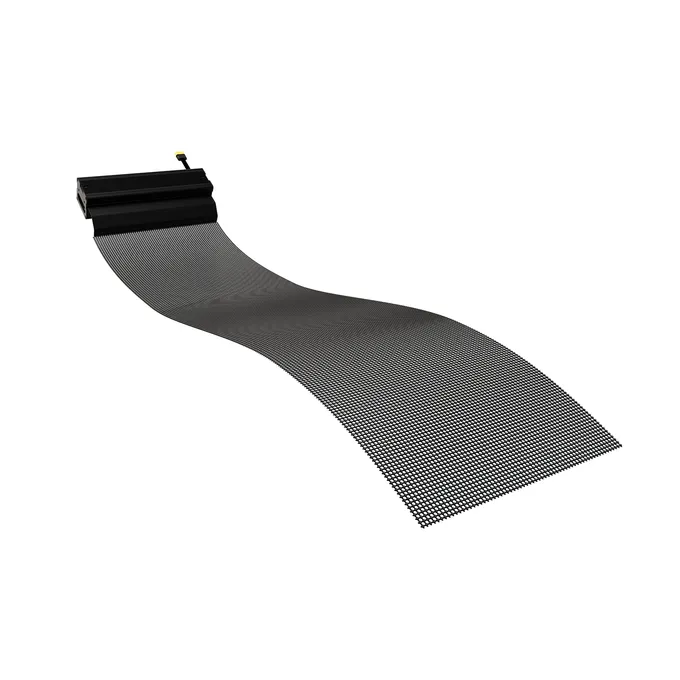
LED video walls are built from modular panels that connect seamlessly to create a display of virtually any size or shape. They’re designed to scale, adapt, and integrate into environments where fixed-size screens fall short.
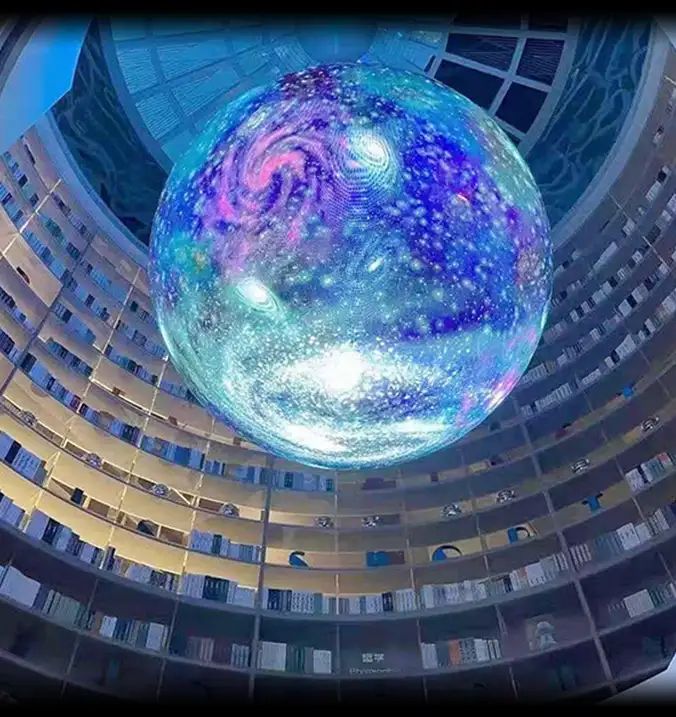
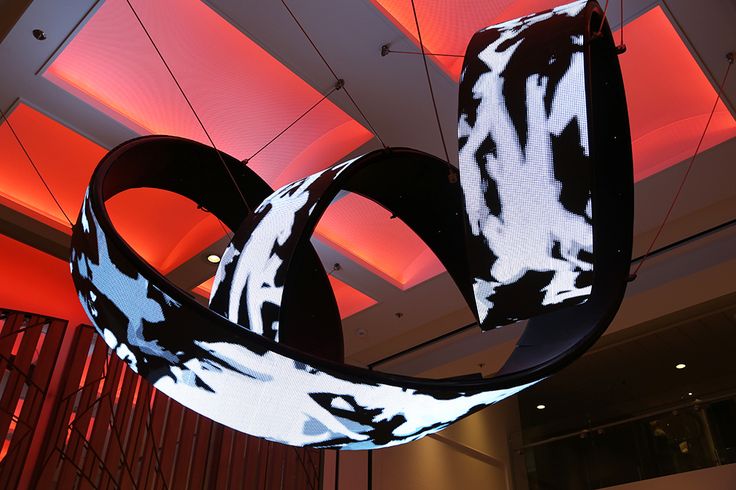
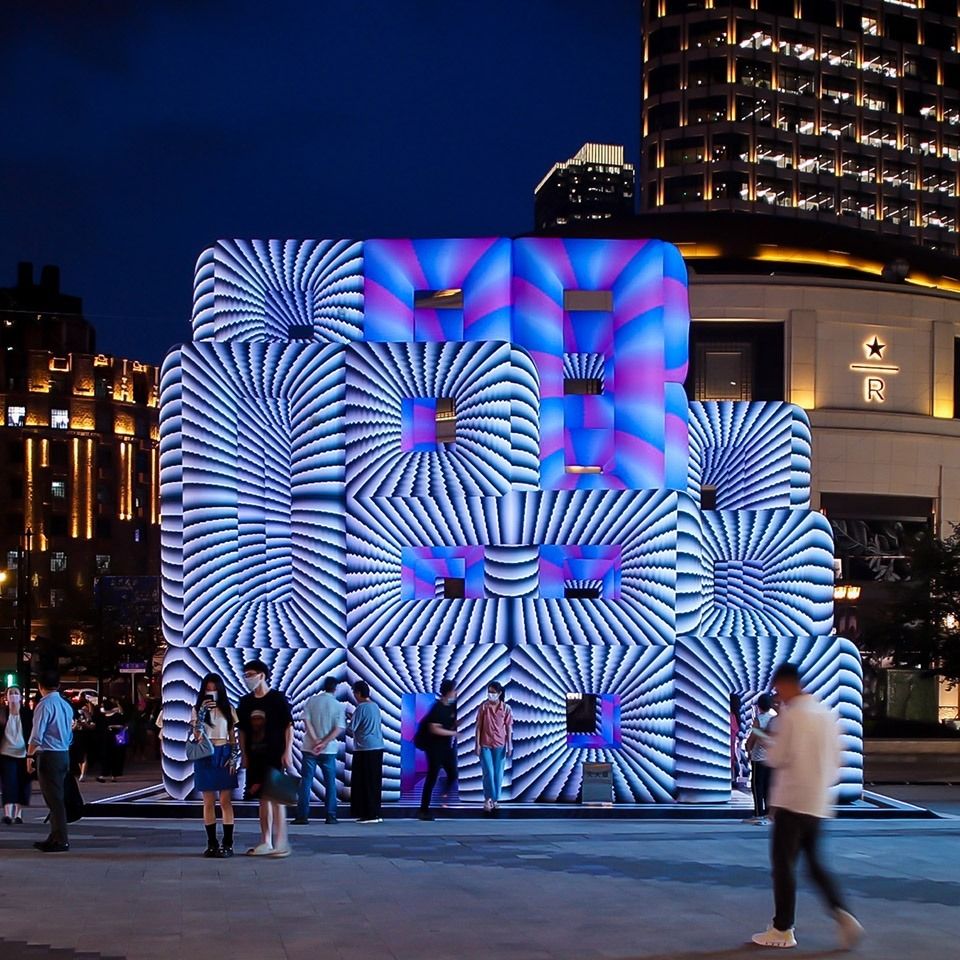
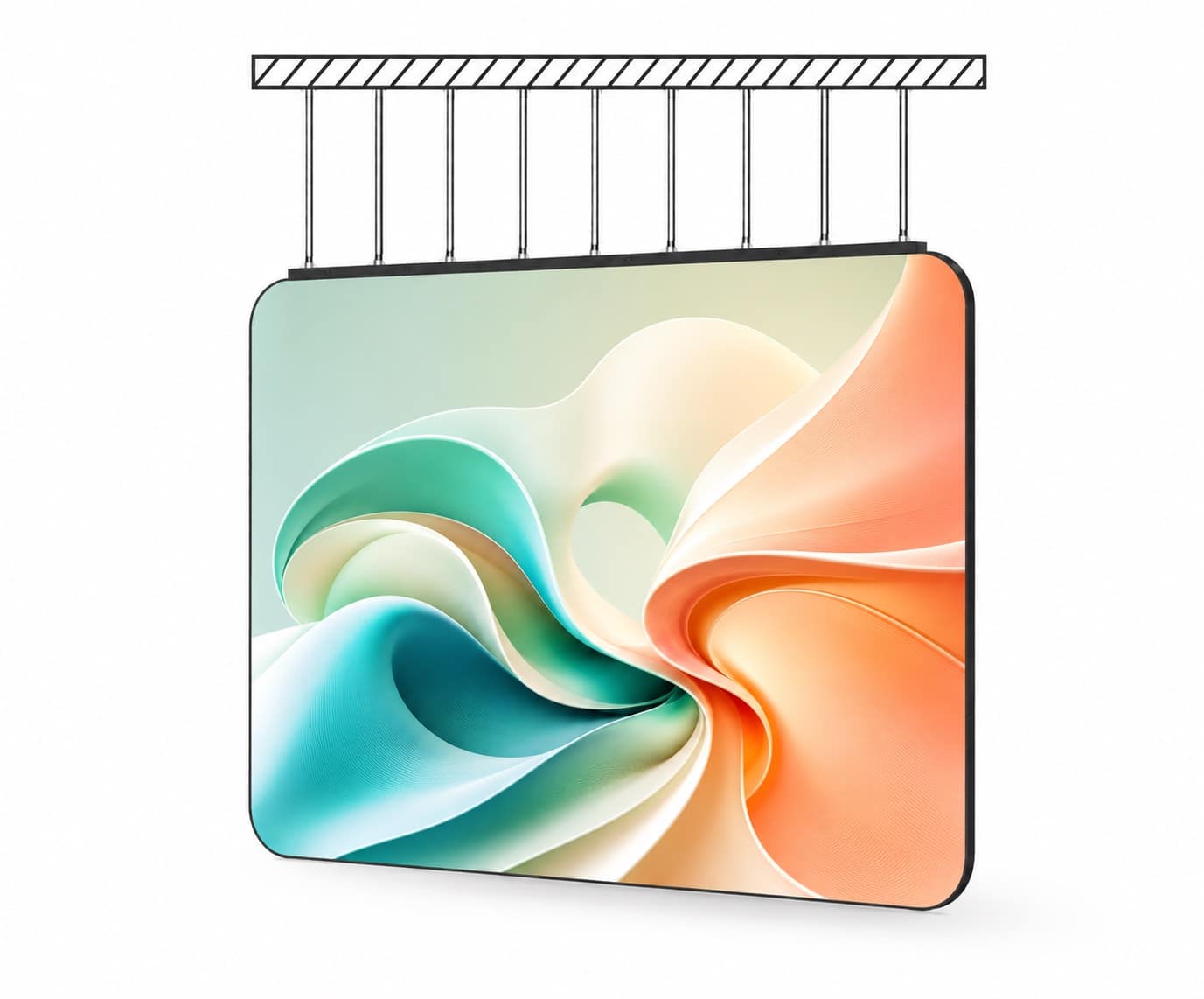
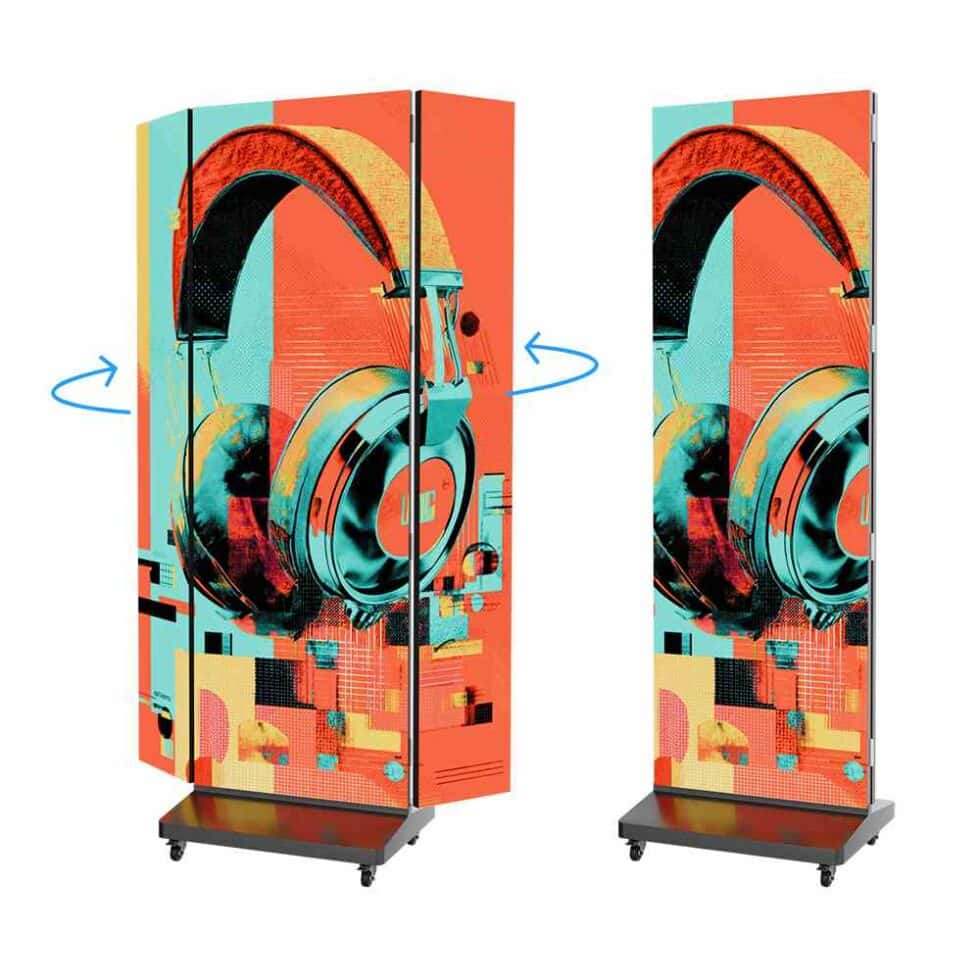
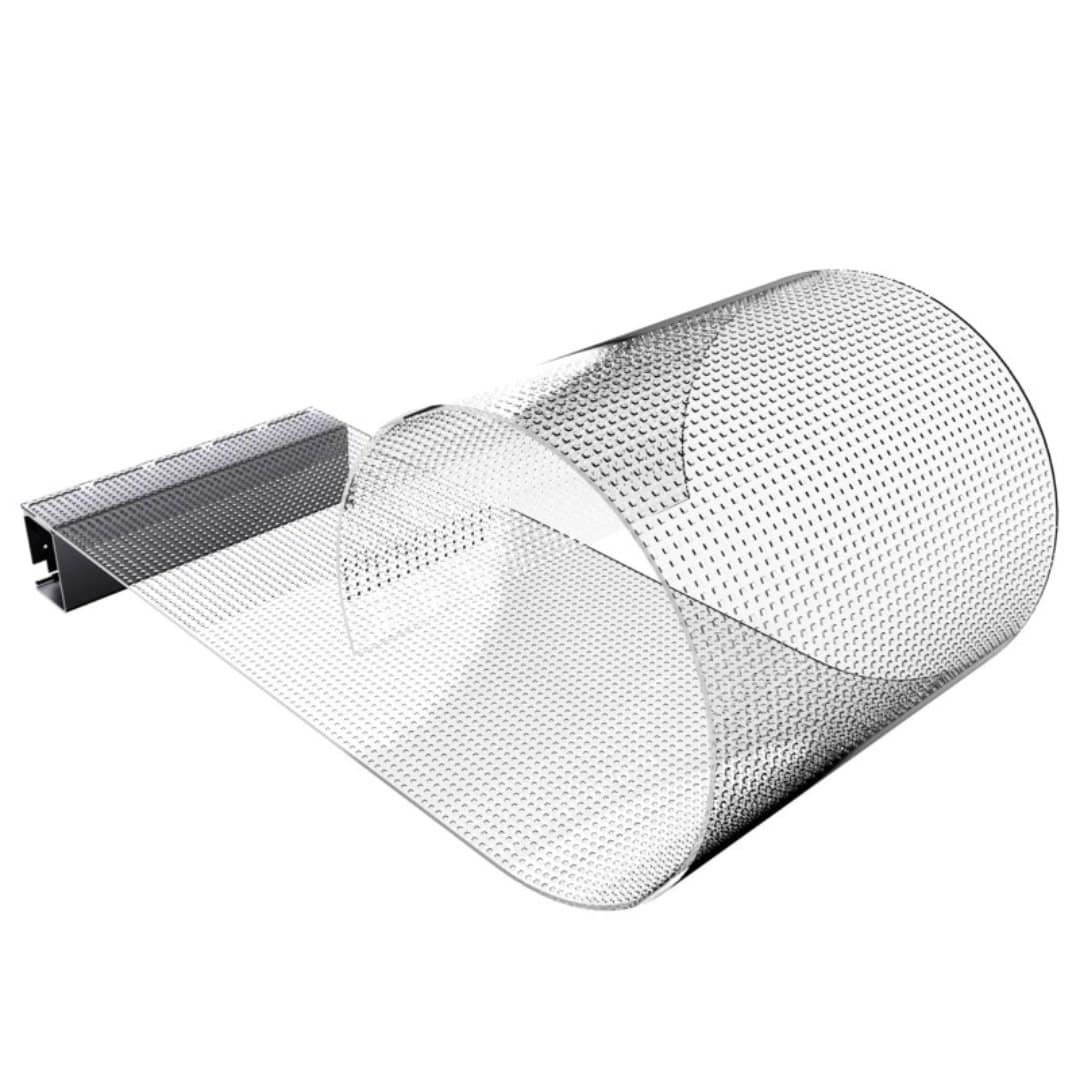
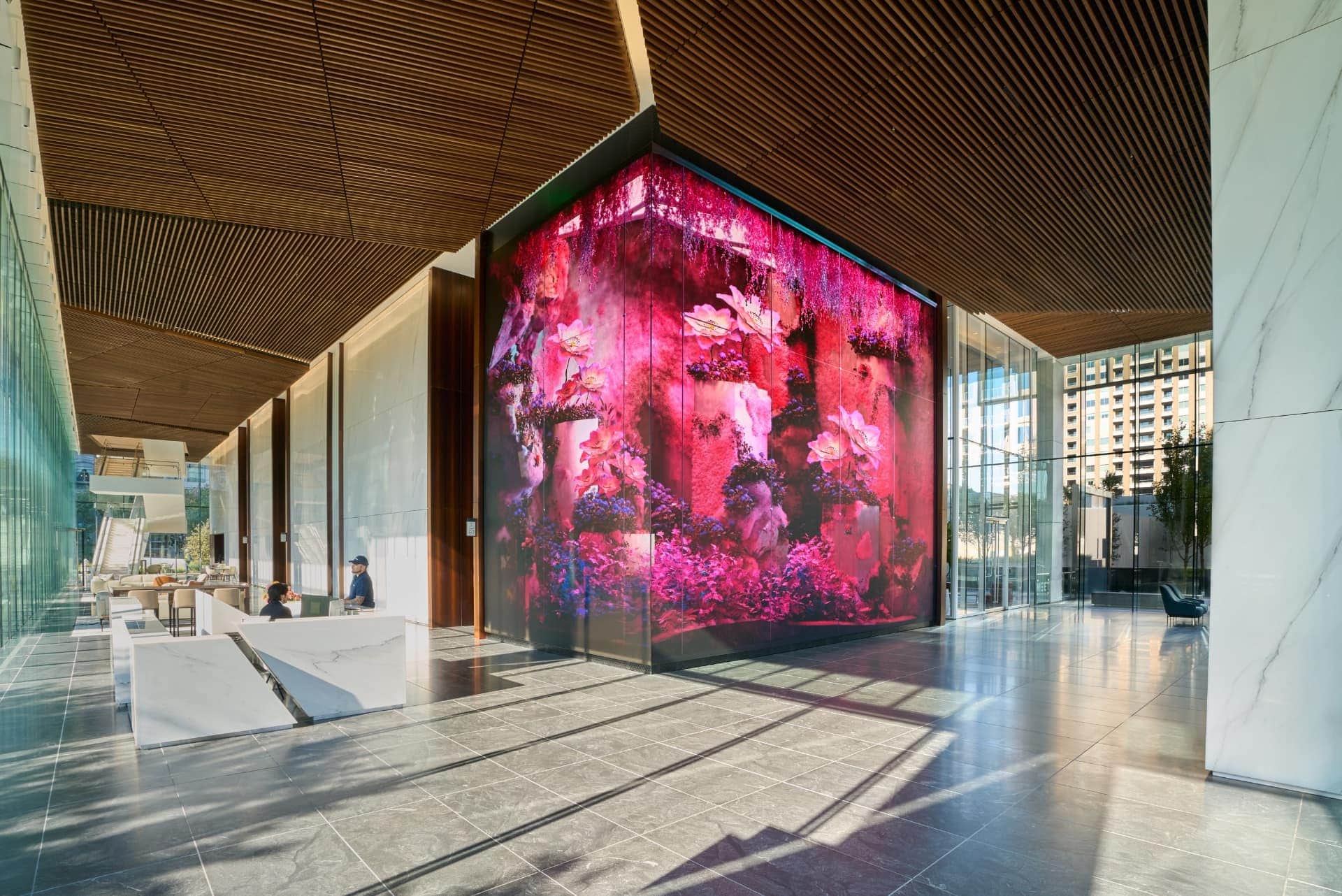
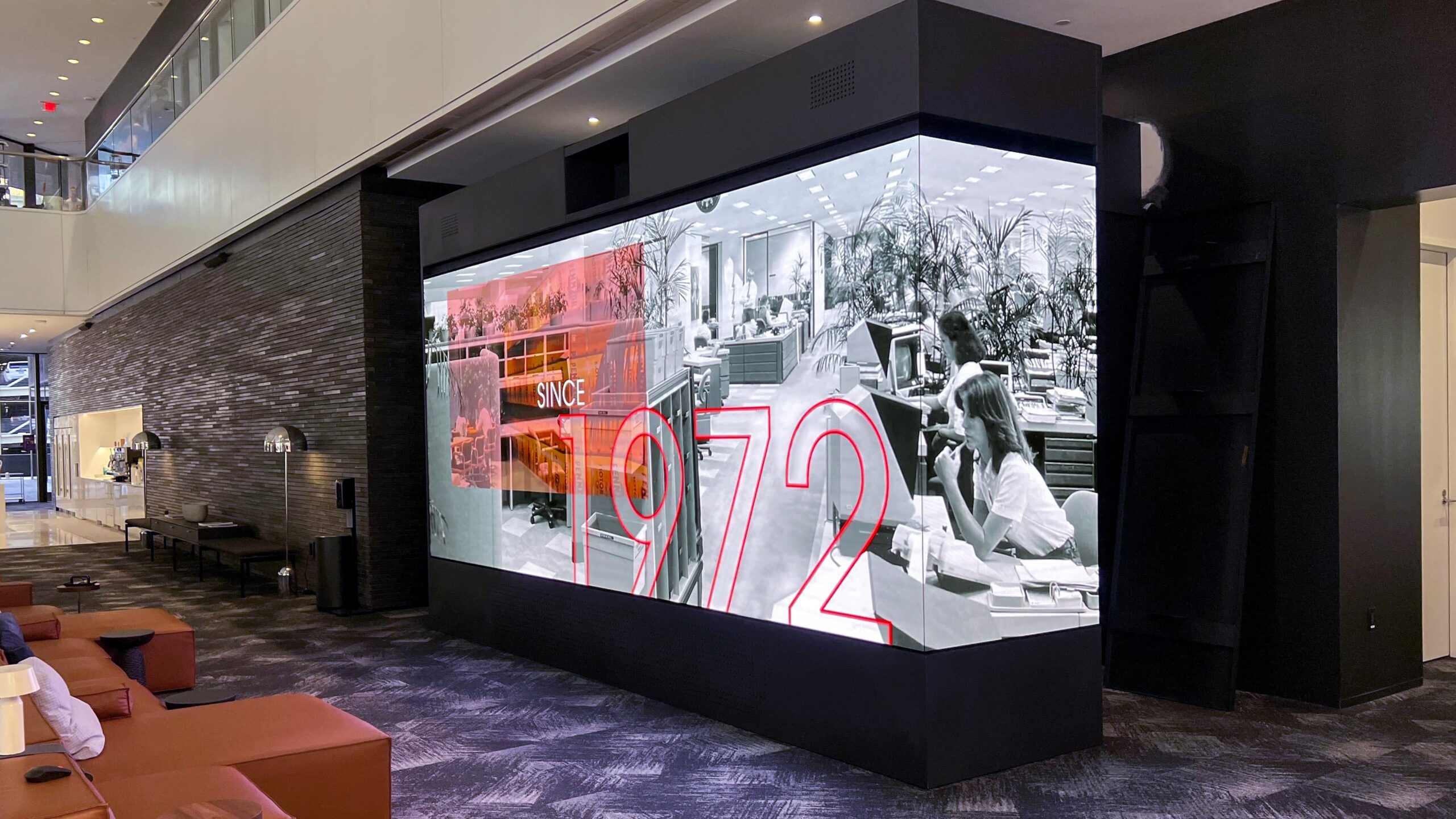
Video walls aren’t limited to rectangles. They can be wide, tall, curved, wrapped around architecture, or even transparent. They can act as backdrops, facades, or spatial anchors.
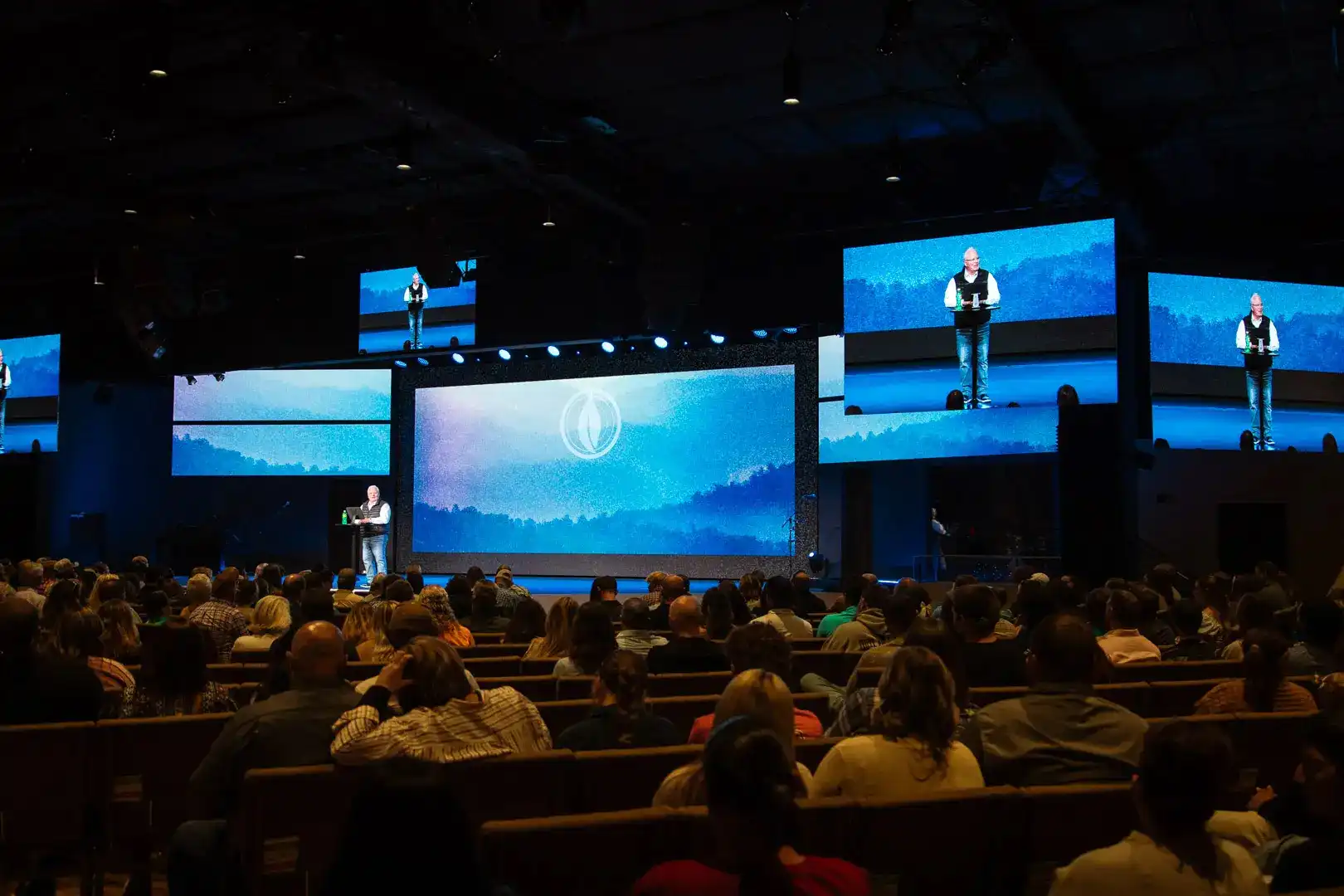
This flexibility is why LED video walls are commonly used in events, flagship retail, public spaces, and architectural installations.
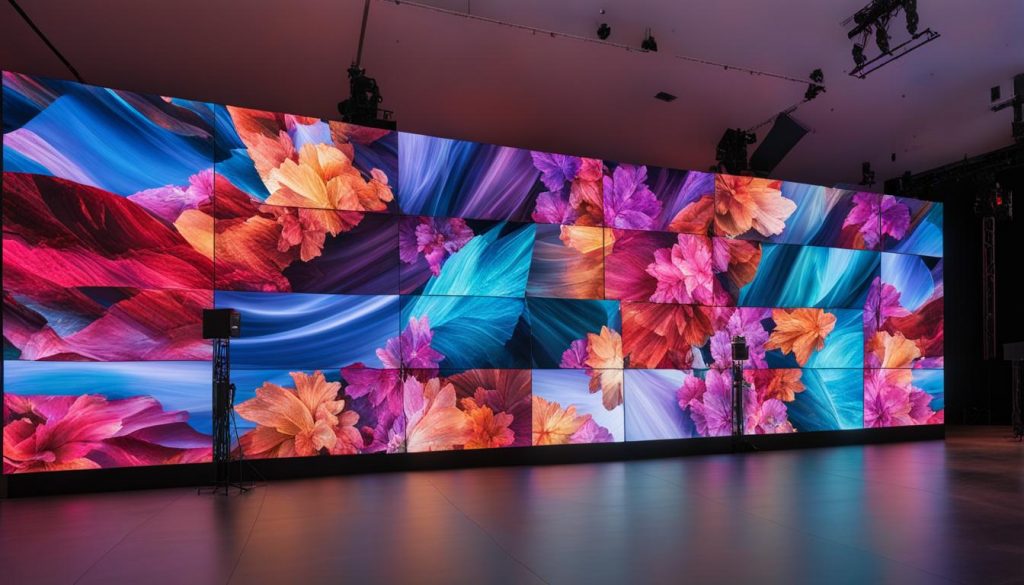
When comparing LED screens vs video walls, this difference in philosophy matters more than specs.
Scale Is the First Major Divider
Scale is often the deciding factor.
If the display needs to fit within a defined opening or replace an existing screen, an LED screen may be sufficient. But once the display becomes a defining element of the space—something meant to command attention or shape experience—video walls tend to make more sense.
Large-scale installations highlight the advantage of video walls quickly. There’s no need to compromise on size or proportion. The wall is built to fit the space, not the other way around.
In the LED screens vs video walls debate, scale usually tips the balance.
Flexibility vs Simplicity
LED screens are appealing because they’re straightforward. You choose a size, mount it, connect power and signal, and you’re largely done.
Video walls require more planning. Structural support, power distribution, alignment, and calibration all matter. But that effort unlocks flexibility that screens can’t match.
If a project might evolve—new content, new layouts, future expansion—a video wall provides room to grow. If the goal is fast deployment with minimal variables, an LED screen may be the better fit.
Understanding this tradeoff helps clarify LED screens vs video walls without overcomplicating the decision.
Visual Impact and Immersion
Both solutions can look impressive. But they create impact in different ways.
LED screens feel like displays. Video walls feel like environments.
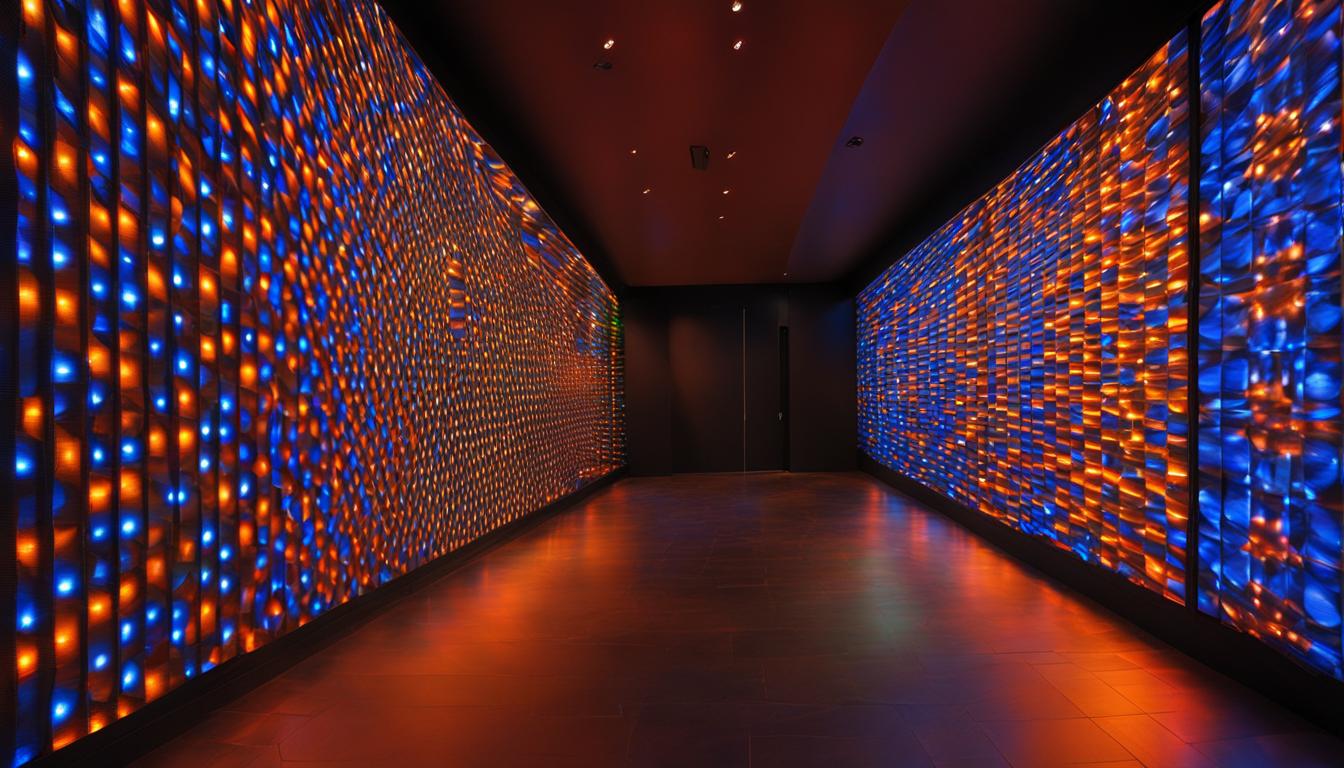
When a display occupies a large portion of a viewer’s field of vision, it stops being something you look at and becomes something you’re in front of. That immersion is what video walls do best.
This distinction is especially noticeable in events, brand experiences, and architectural spaces where emotional impact matters.
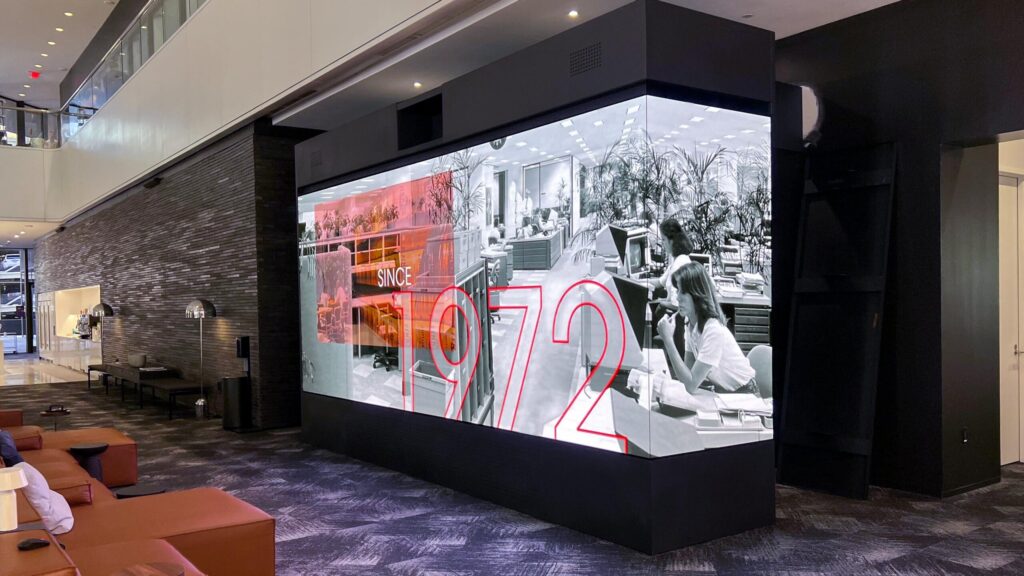
In practical terms, LED screens vs video walls often come down to whether the display is supporting the space—or defining it.
Resolution, Pixel Pitch, and Viewing Distance
Resolution is often misunderstood in these comparisons.
LED screens usually come with predefined pixel densities optimized for typical viewing distances. That makes them easy to specify.
Video walls allow for more nuanced decisions. Pixel pitch can be matched precisely to viewing distance and content type, ensuring the display feels sharp without unnecessary cost.
Neither option is inherently better here. The advantage depends on how much control the project requires.
In the LED screens vs video walls conversation, resolution should serve experience, not marketing numbers.
Content Strategy Changes the Answer
What you plan to show matters as much as where you plan to show it.
If the content is primarily video playback, presentations, or signage with fixed layouts, an LED screen may do the job well.
If the content is dynamic, layered, interactive, or evolving over time, video walls offer more creative freedom. They support unconventional aspect ratios, multi-source layouts, and immersive visuals that feel intentional rather than constrained.
Content-first thinking often clarifies LED screens vs video walls more quickly than technical specs.
Installation and Integration Considerations
LED screens tend to be easier to install. They’re often lighter, self-contained, and designed for straightforward mounting.
Video walls demand more coordination. Structural support, airflow, power redundancy, and precise alignment all matter—especially as scale increases.
But that effort pays off in integration. Video walls can sit flush with architectural materials, align with sightlines, and disappear into the design when needed.
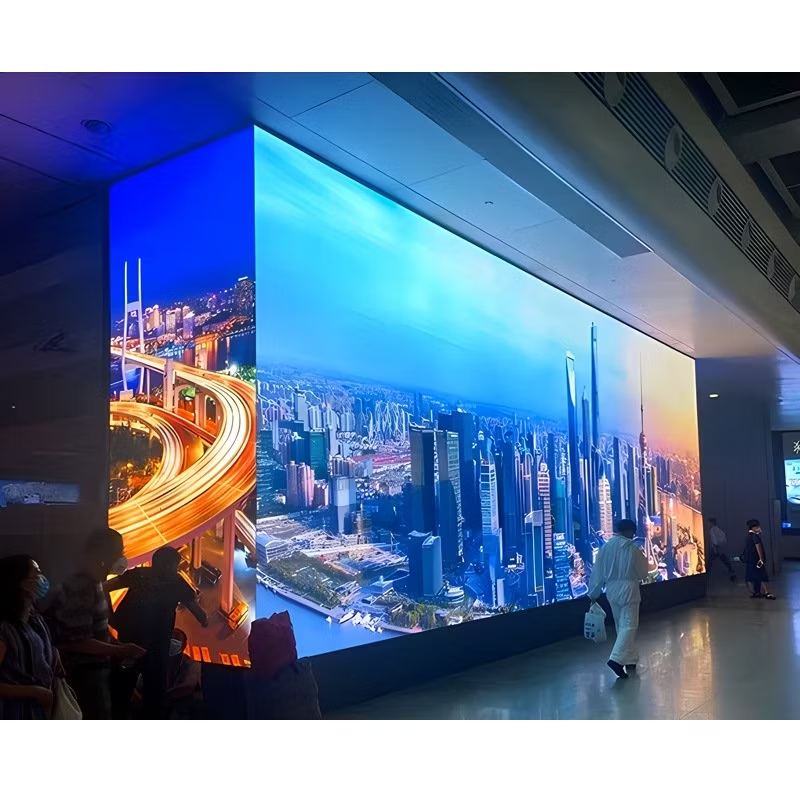
For projects where aesthetics are critical, this integration capability often outweighs installation complexity.
Long-Term Ownership and Maintenance
Ownership experience is another area where differences emerge.
LED screens are often replaced as a whole when they age or fail. Video walls are modular, meaning individual components can be serviced or upgraded without replacing the entire system.
This modularity can extend lifespan and reduce long-term costs, particularly for permanent installations.
When evaluating LED screens vs video walls, it’s worth thinking beyond installation day and considering how the display will be supported over time.
Cost: Not as Simple as It Looks
Pricing comparisons can be misleading.
LED screens often appear cheaper upfront because they’re sold as finished products. Video walls can look more expensive due to customization, installation, and supporting infrastructure.
But long-term value can tell a different story. A video wall designed correctly may outlast multiple generations of screens, adapt to new needs, and retain relevance as content evolves.
Cost shouldn’t be the deciding factor—but it should be understood in context.
Where Each Option Typically Makes Sense
LED screens are often well-suited for:
Smaller spaces with defined display areas, quick deployments, and straightforward content needs.
Video walls tend to shine in:
Large venues, events, architectural spaces, retail flagships, and environments where visual impact and flexibility matter.
These aren’t rules—just patterns that help frame the LED screens vs video walls decision more clearly.
Why the “Right” Choice Is Contextual
There’s no universal winner in this comparison.
The best solution depends on space, audience, content, timeline, and future plans. What works perfectly for one project might feel limiting or excessive for another.
This is why experienced consultation matters more than product selection. Understanding goals leads to better outcomes than defaulting to whichever option sounds more impressive.
A Thought on the SeeThru Displays Approach
At SeeThru Displays, projects often begin with questions rather than recommendations. How will the space be used? What role should the display play? How visible should the technology feel?
Sometimes that leads to LED screens. Often, it leads to video walls—particularly in glass-heavy, architectural, or experience-driven environments where flexibility and integration matter.
The goal isn’t to push one solution over the other. It’s to choose the one that fits naturally, performs reliably, and still feels right years down the line.