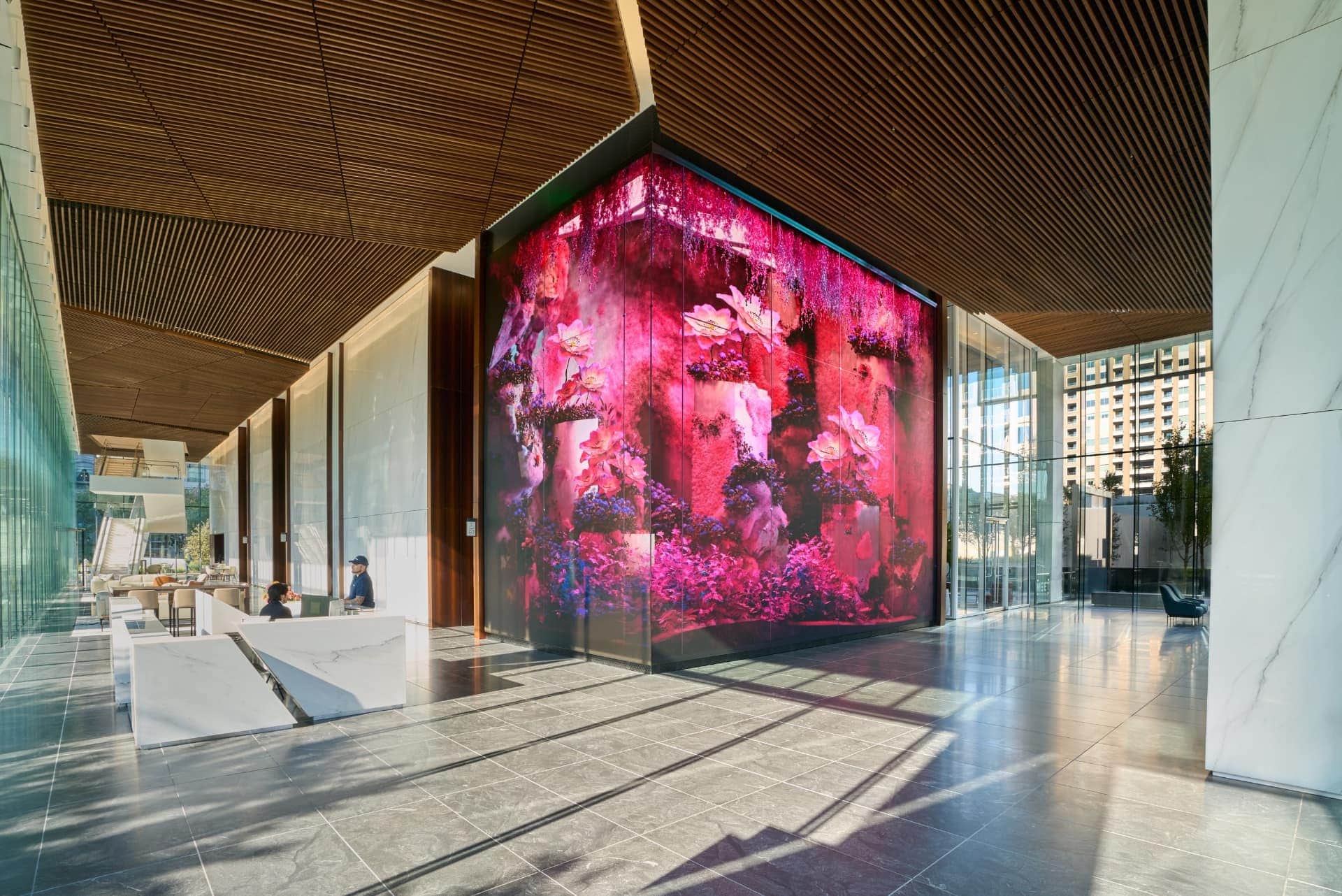
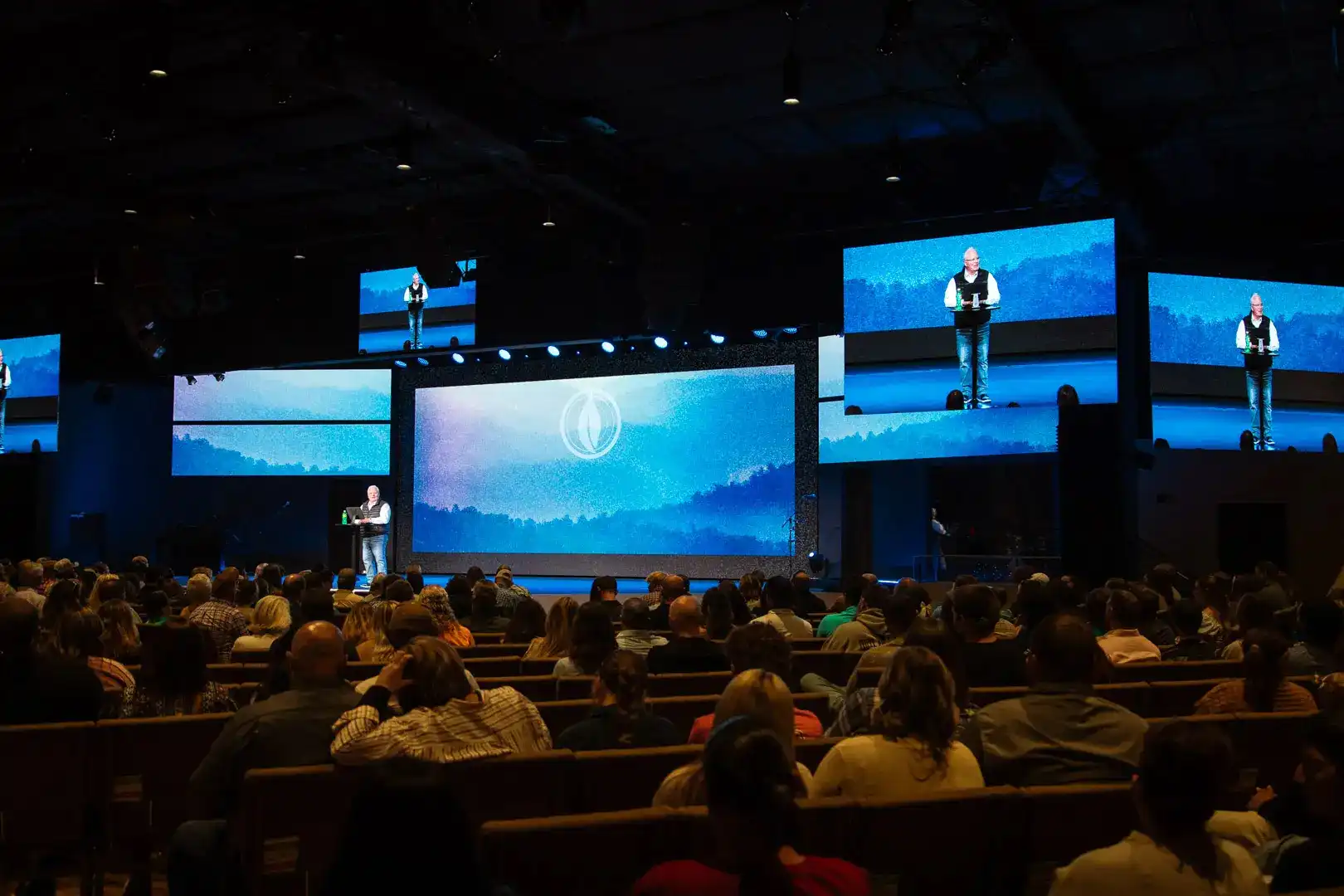
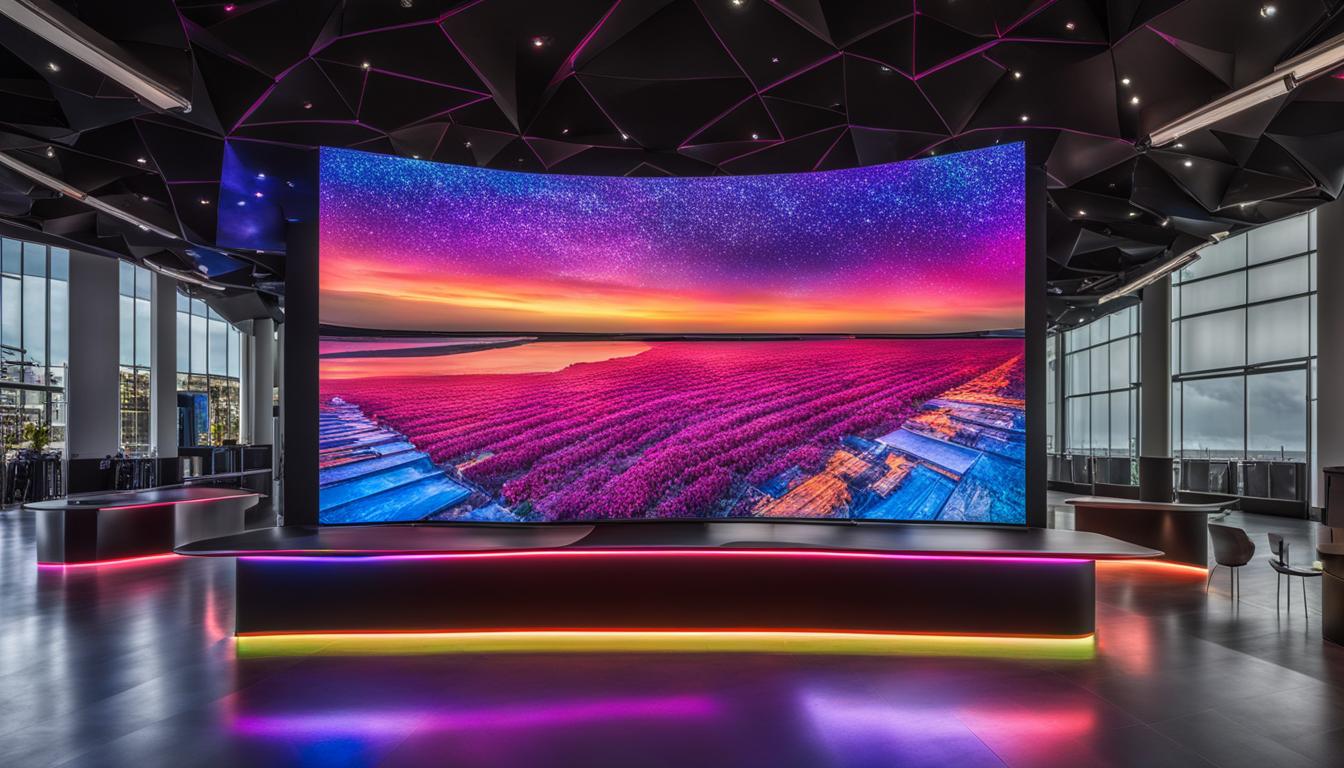
Walk into a modern retail space, corporate lobby, event venue, or broadcast studio in 2025 and chances are you’ll be looking at an LED video wall. They’ve moved far beyond novelty. Today, they’re practical, scalable, and—when chosen correctly—one of the most effective visual tools a business can invest in.
That said, buying one isn’t as simple as picking a screen size and writing a check. Prices vary wildly. Specs can be misleading. And the difference between a wall that impresses and one that quietly underperforms often comes down to decisions made early.
This LED video wall buyer’s guide is written for people who want clarity without marketing fluff. Think of it as advice you’d get from someone who’s designed, installed, and fixed these systems—not someone reading off a spec sheet.
What Exactly Is an LED Video Wall Today?
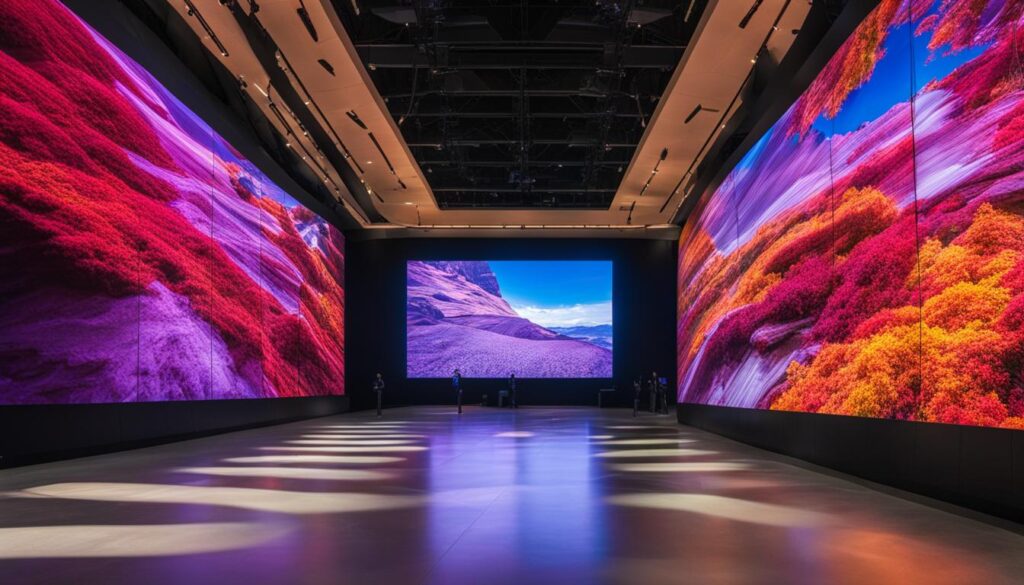
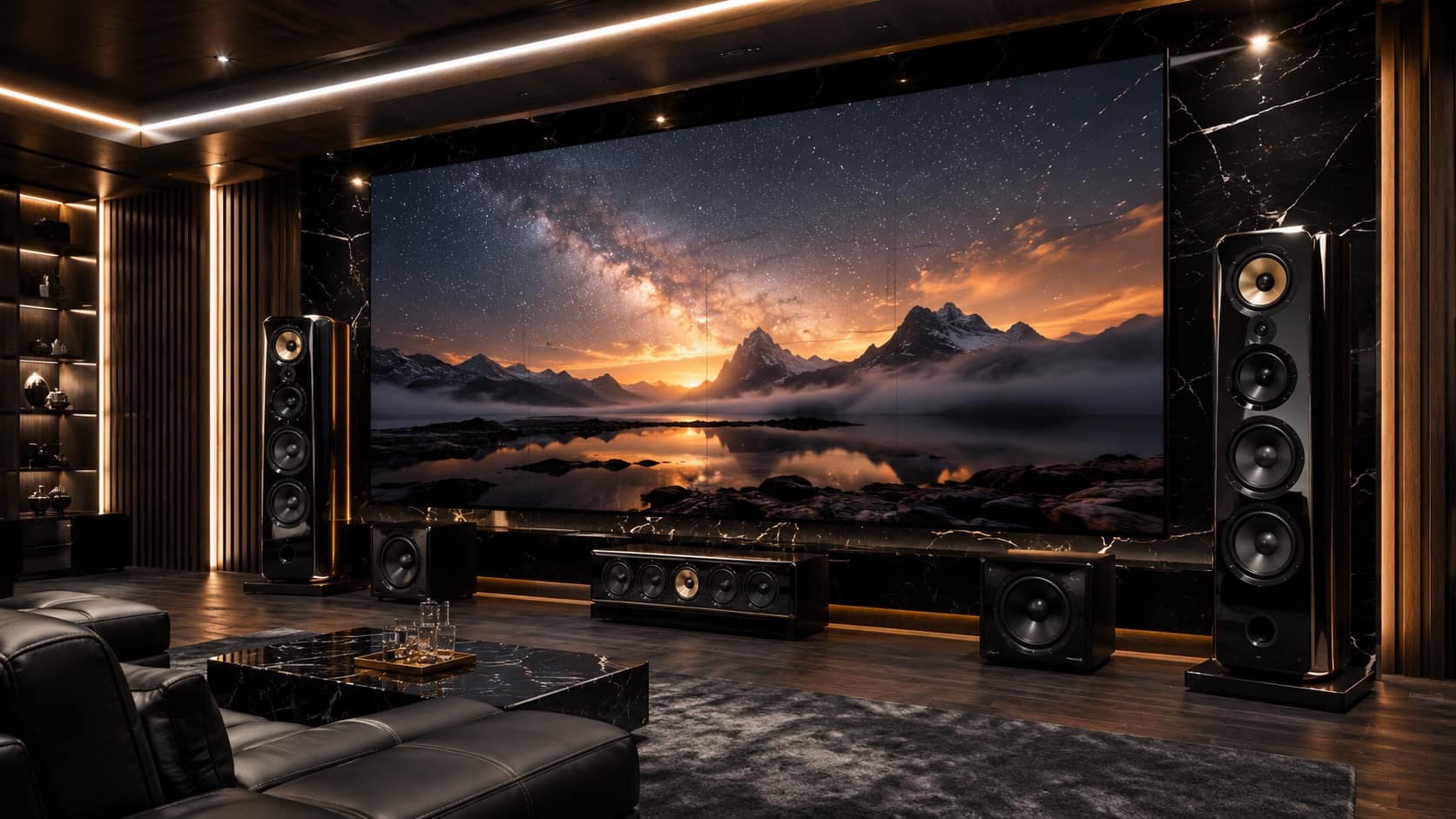
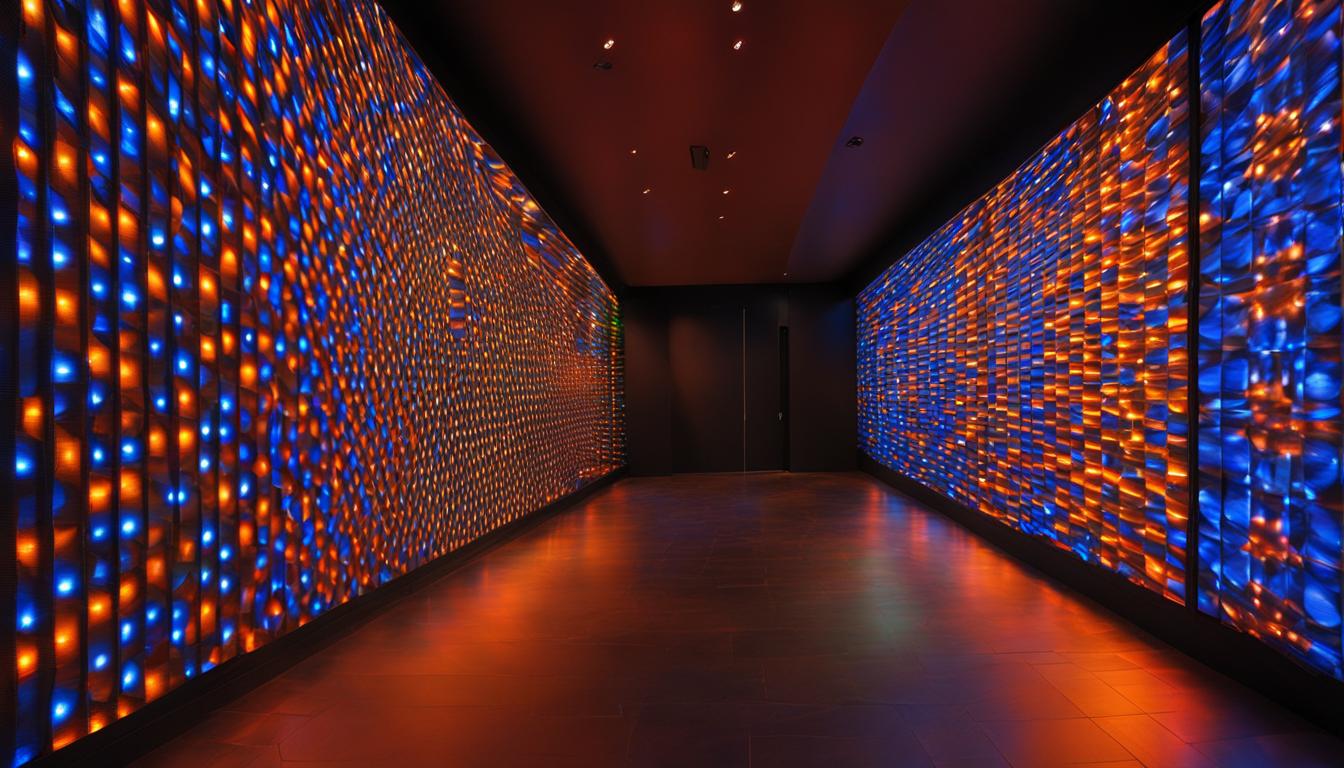
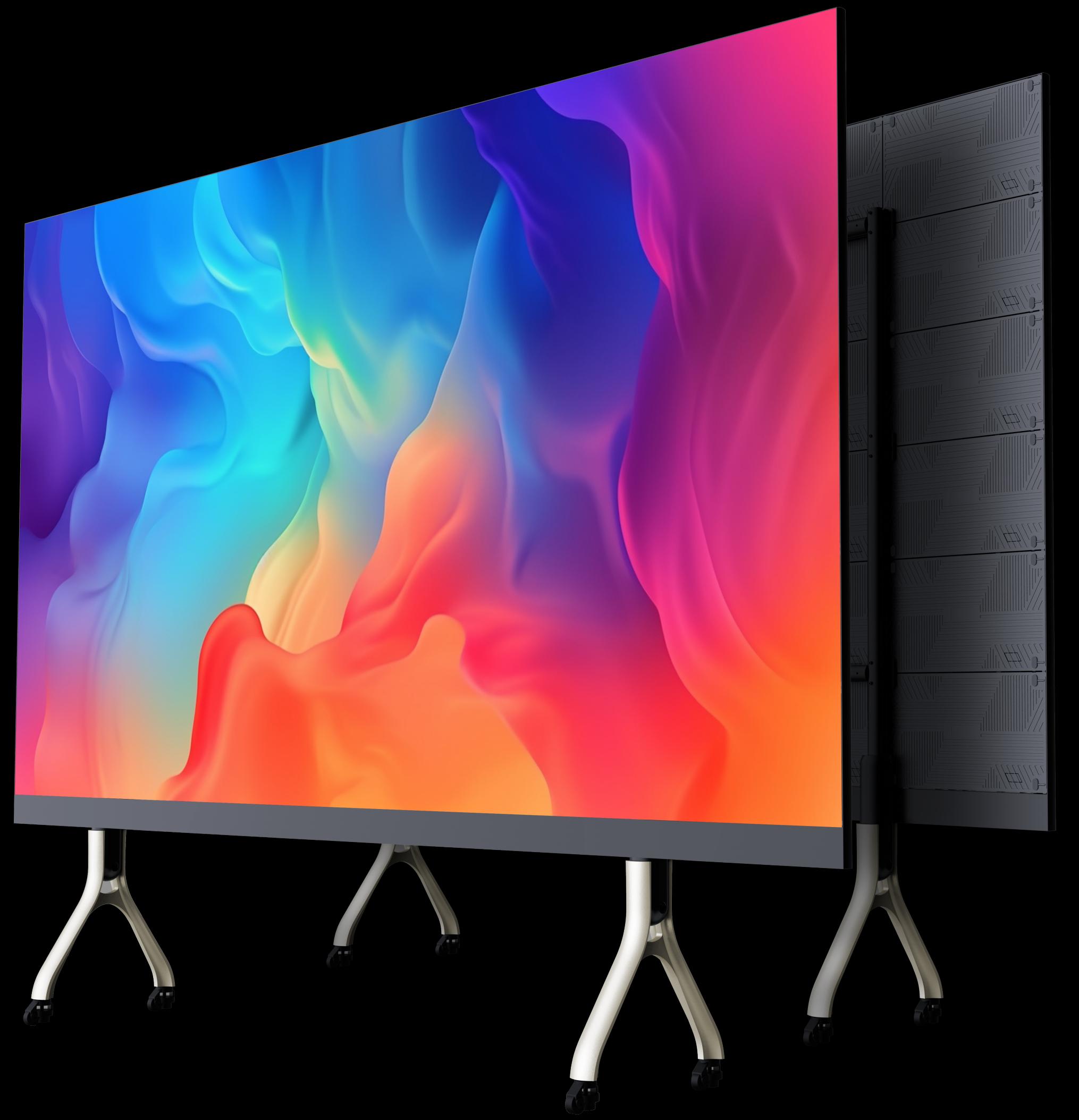
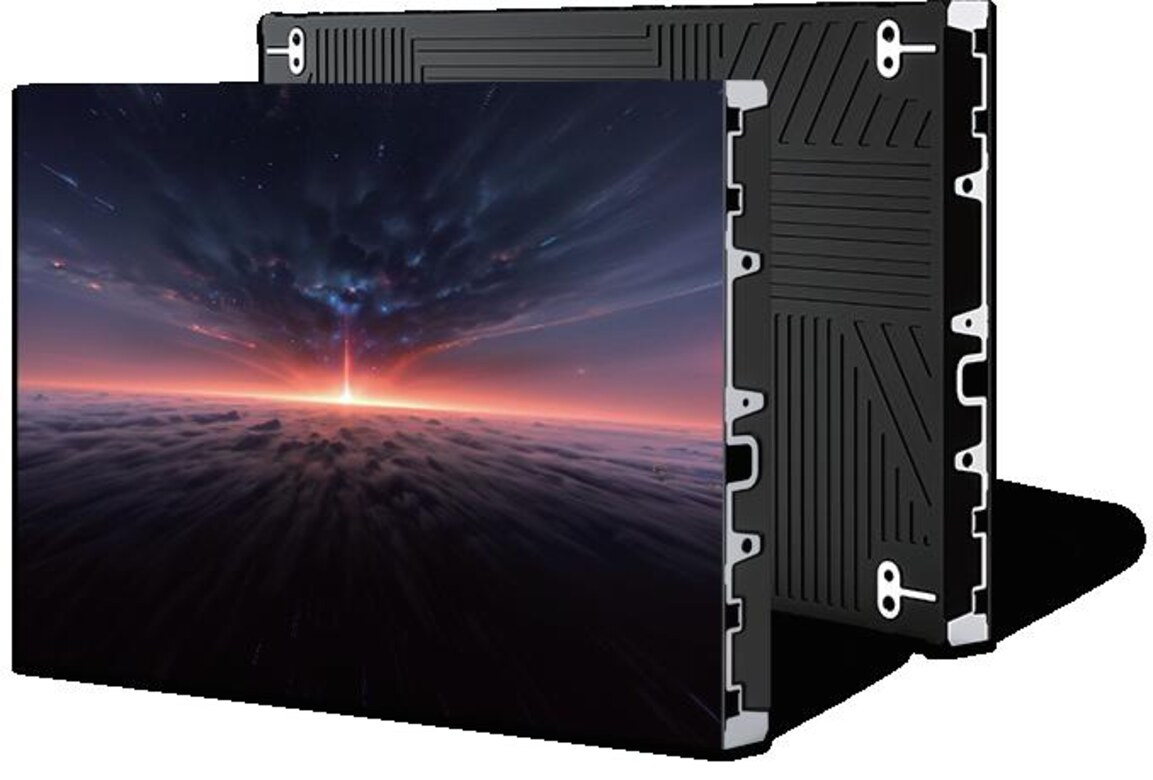
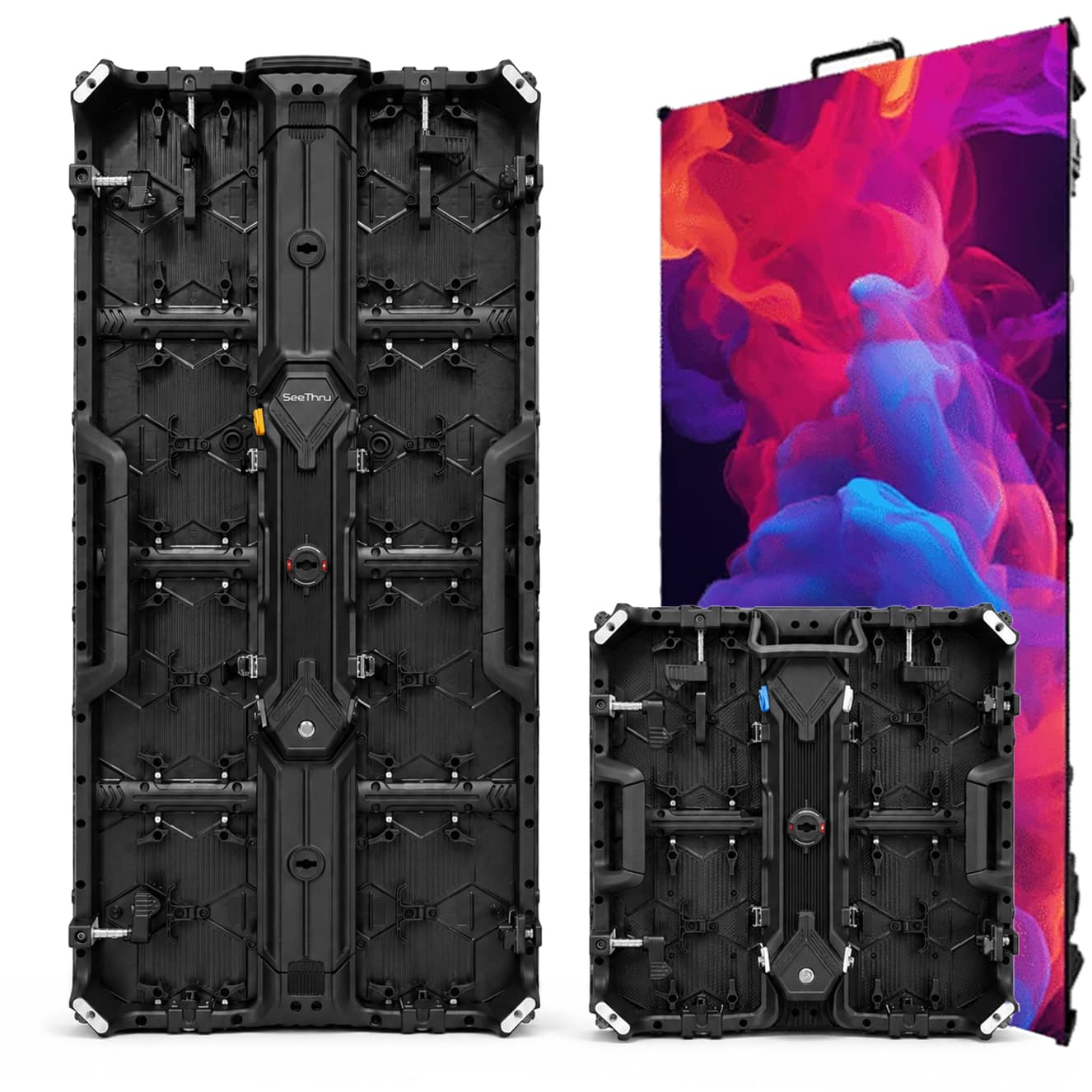
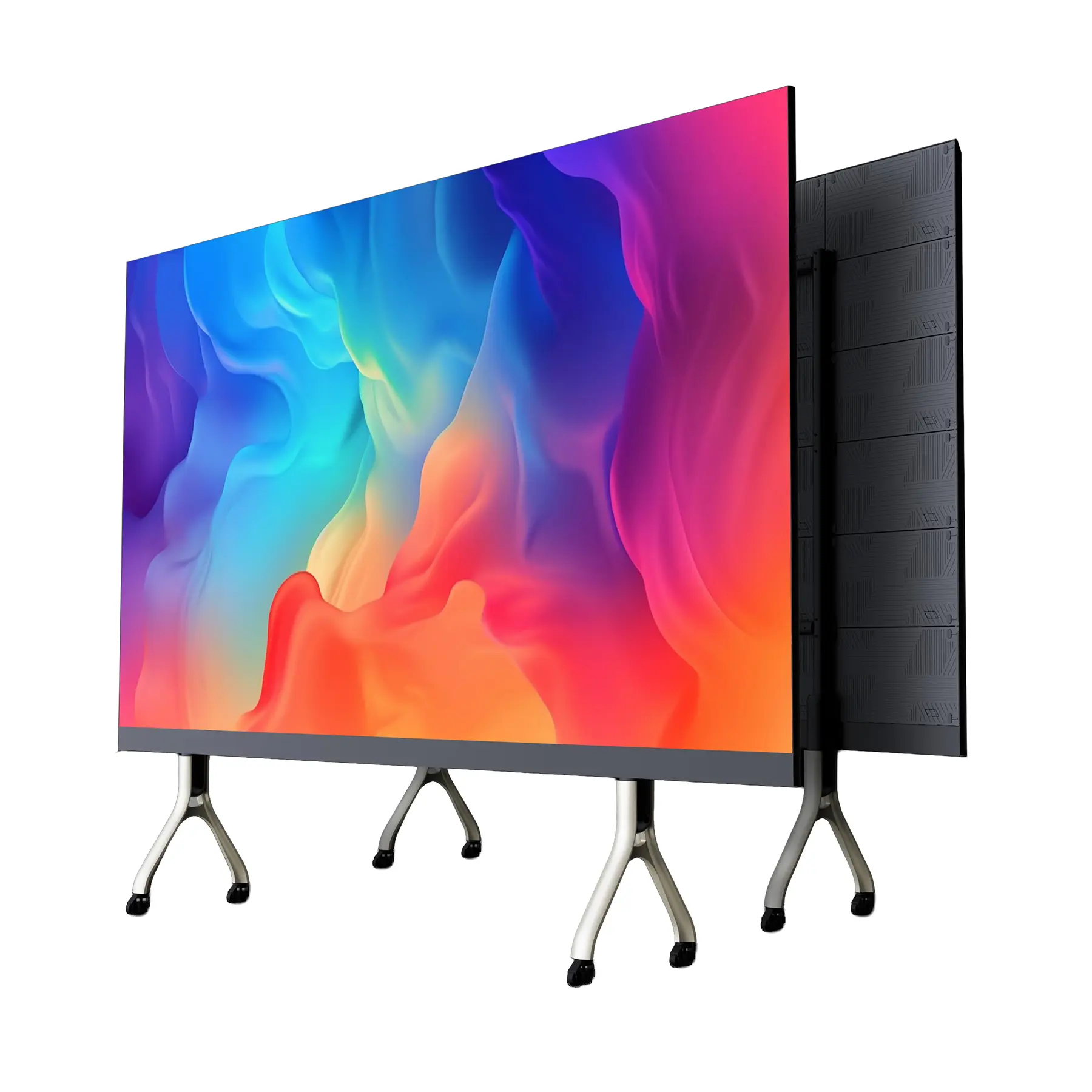
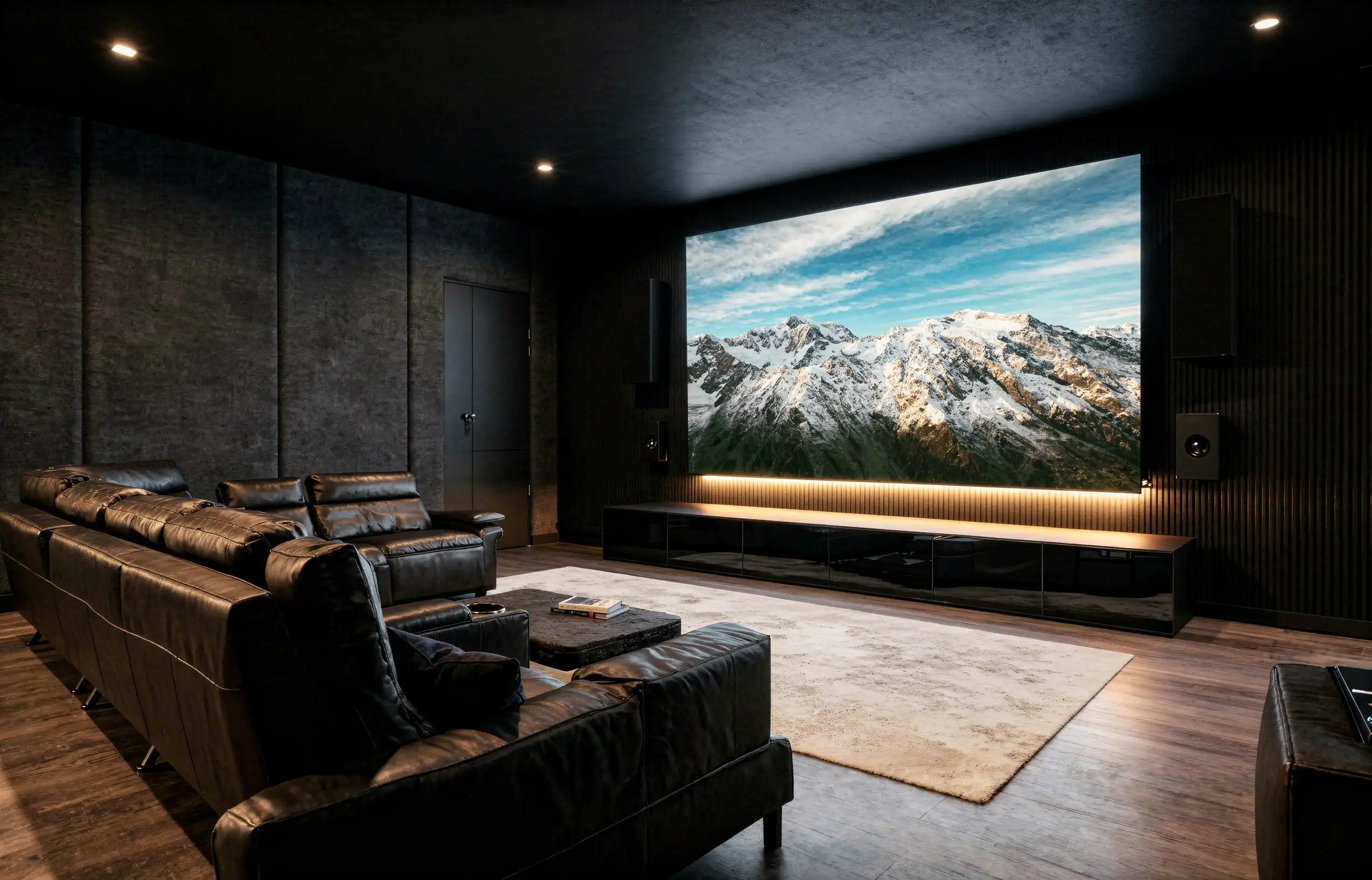
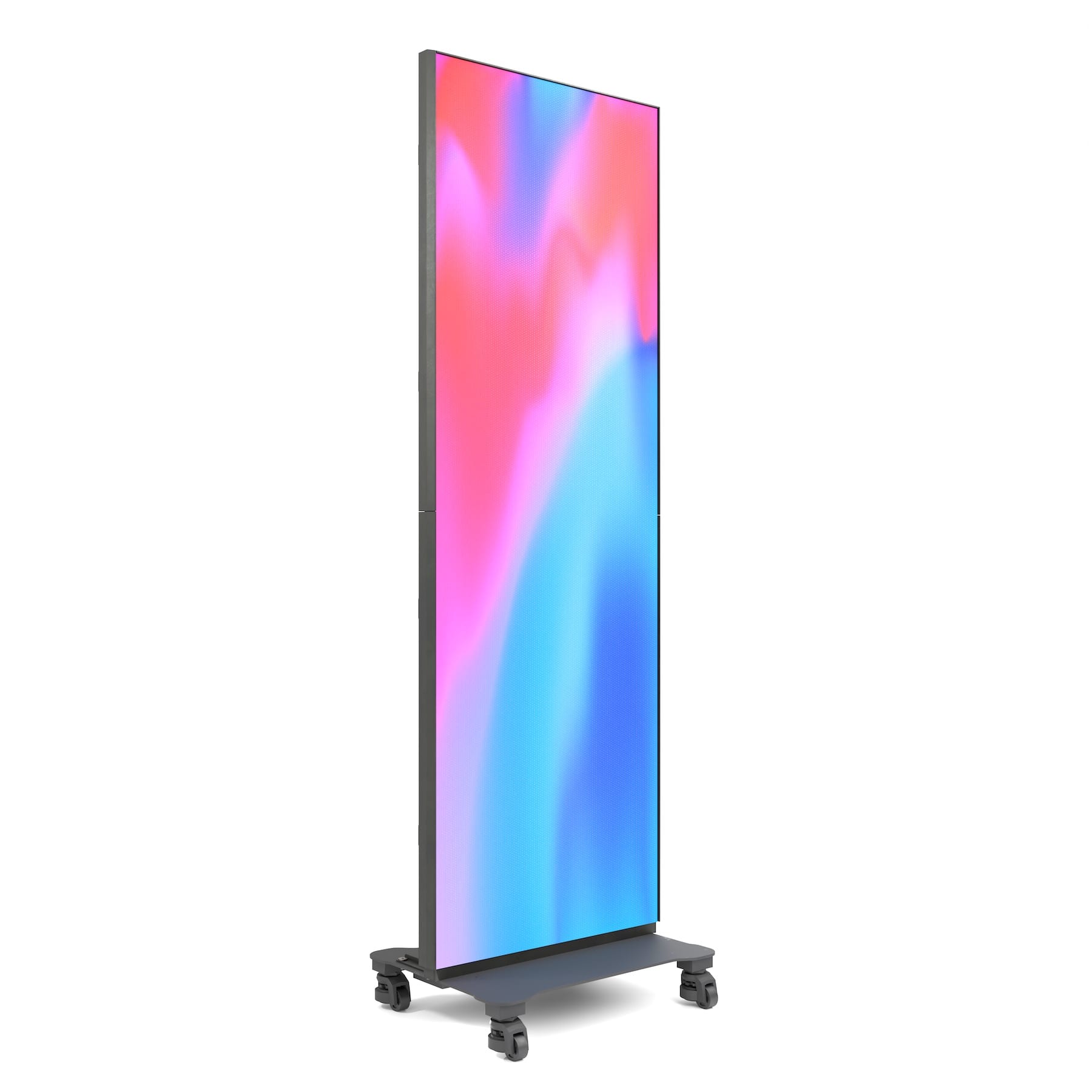
An LED video wall is a display made up of individual LED panels that connect seamlessly to form a large, continuous screen. Unlike older video walls built from LCD monitors with visible bezels, modern LED walls appear as a single canvas.
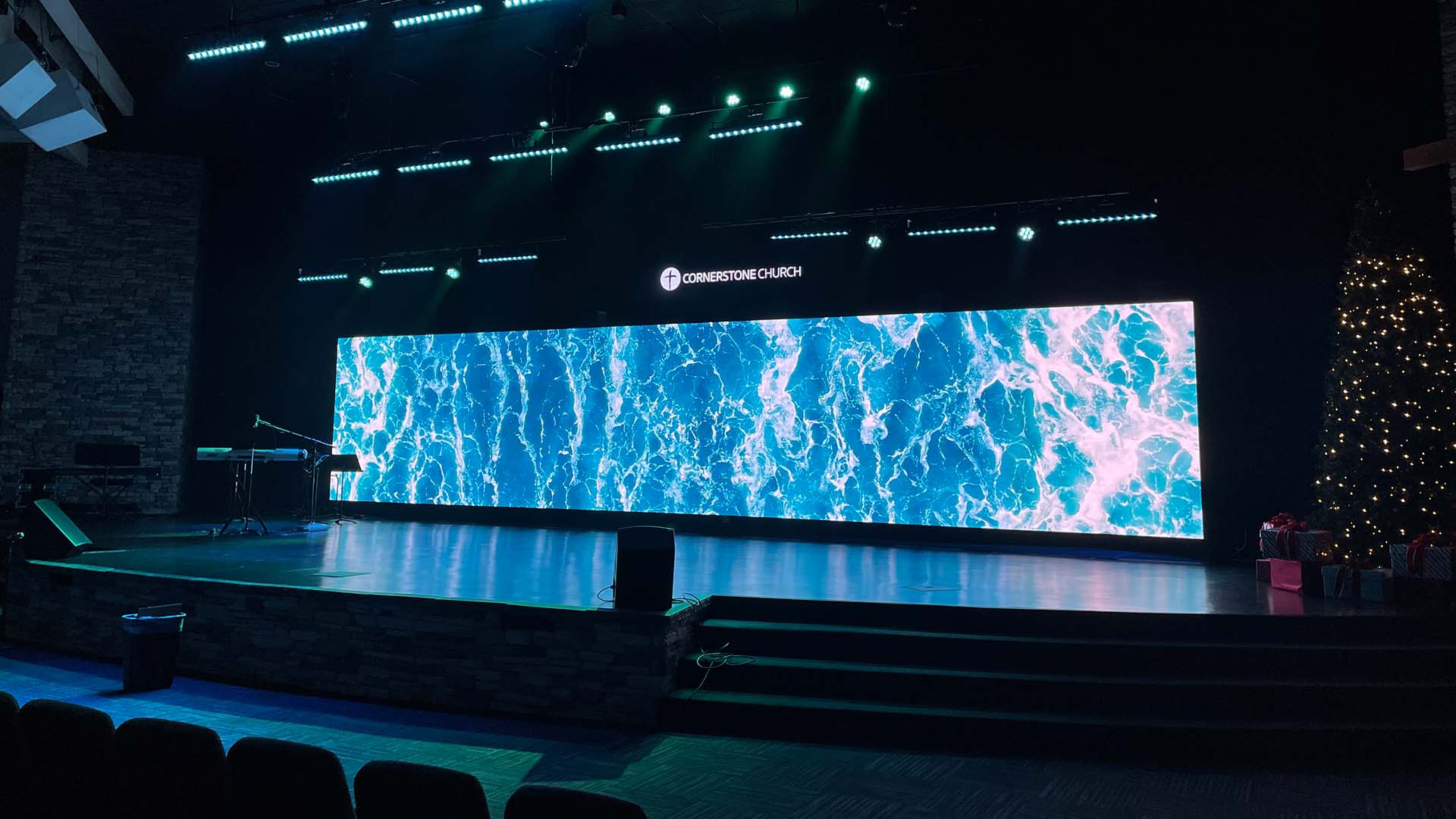
In 2025, most buyers are choosing direct-view LED over projection or tiled LCD for three reasons: brightness, flexibility, and longevity. LED walls work in bright environments, scale to unusual shapes, and maintain image quality over time.
But not all LED walls are built the same, which is why understanding the underlying components matters more than brand names.
Understanding Pixel Pitch (And Why It Affects Everything)
Pixel pitch refers to the distance between individual LEDs, measured in millimeters. Smaller numbers mean higher resolution and closer viewing distances.
For example:
- A 1.2mm pitch works well for boardrooms and broadcast studios.
- A 2.5mm or 3.9mm pitch is common for retail or event spaces.
- Outdoor installations often go larger, prioritizing brightness over fine detail.
Pixel pitch is one of the biggest cost drivers. Many first-time buyers overspend here, assuming smaller is always better. In reality, choosing the wrong pitch can waste budget without improving the viewer experience.
This LED video wall buyer’s guide recommends selecting pixel pitch based on real-world viewing distance, not theoretical resolution charts.
LED Video Wall Pricing in 2025: What You’re Really Paying For
If you’ve requested quotes, you’ve probably noticed the range is enormous. A small indoor wall might start around $15,000, while large-scale or transparent installations can easily exceed six figures.
Here’s where the money actually goes:
- LED panels (quality varies significantly)
- Processing and control systems
- Structural mounting and power distribution
- Installation labor
- Calibration and testing
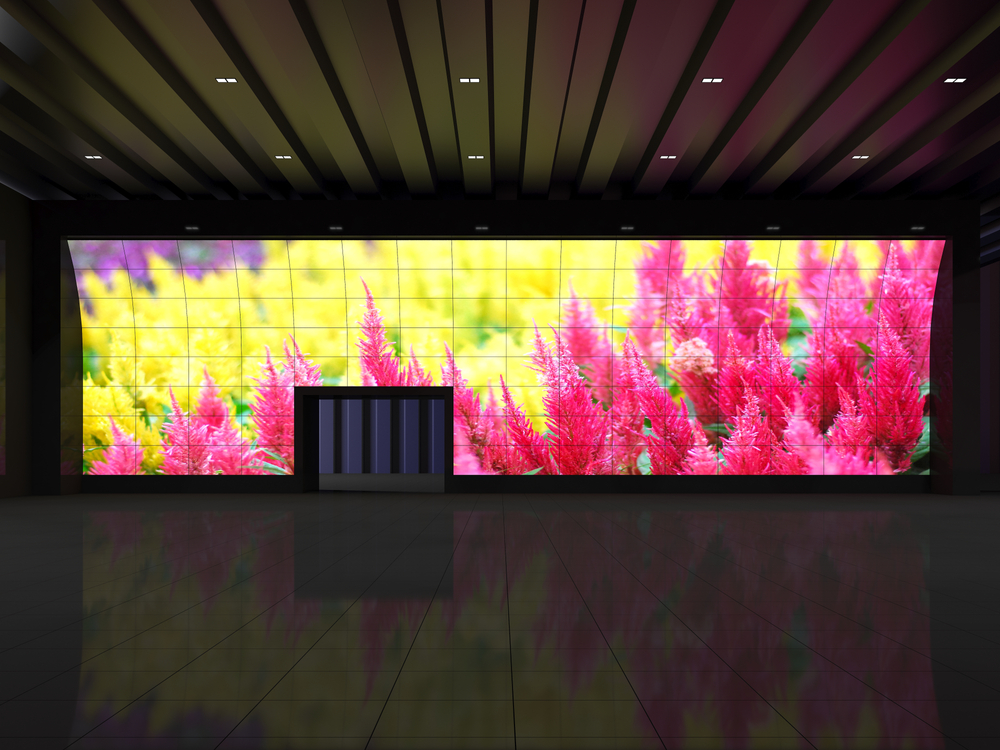
Transparent LED video walls, a specialty of SeeThru Displays, add additional engineering considerations. They’re not just screens—they’re architectural elements, and pricing reflects that complexity.
A good LED video wall buyer’s guide won’t just quote price per square foot. It explains why two walls that look similar on paper can perform very differently in real life.
Key Advantages Over Traditional Display Solutions
LED video walls have earned their place because they solve problems other display types can’t.
Brightness is the most obvious advantage. LED walls remain visible in daylight, under retail lighting, or in glass-heavy spaces where projectors fail.
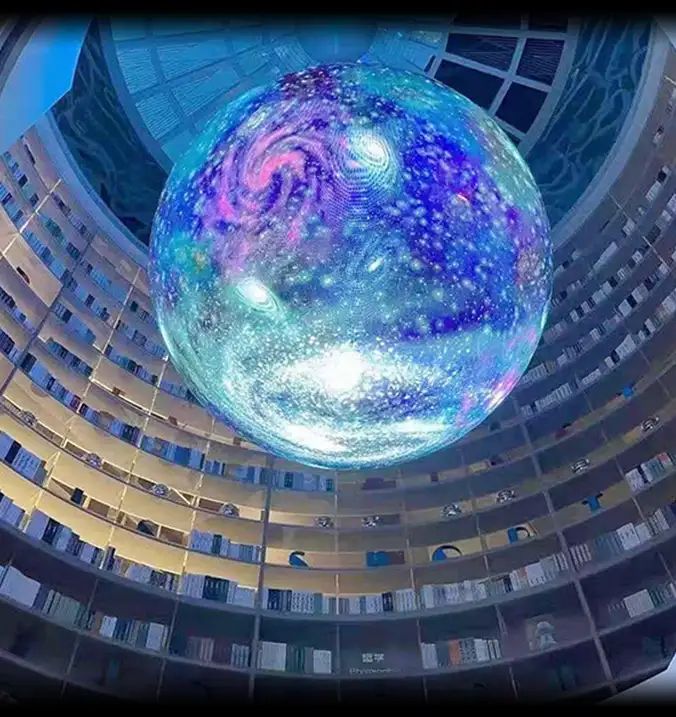
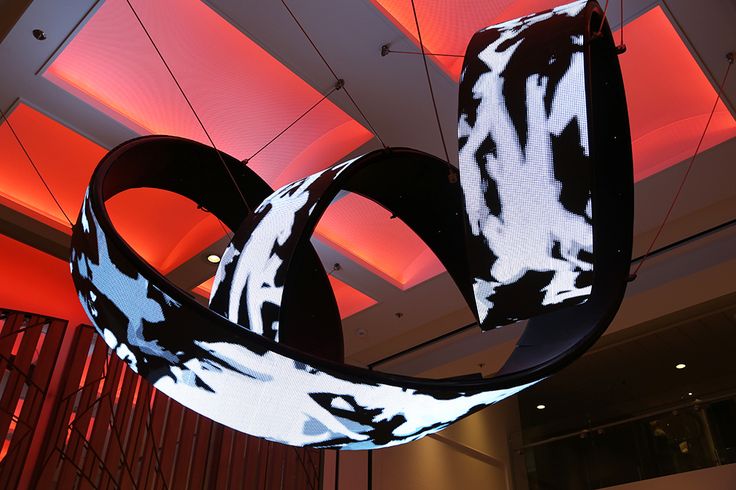
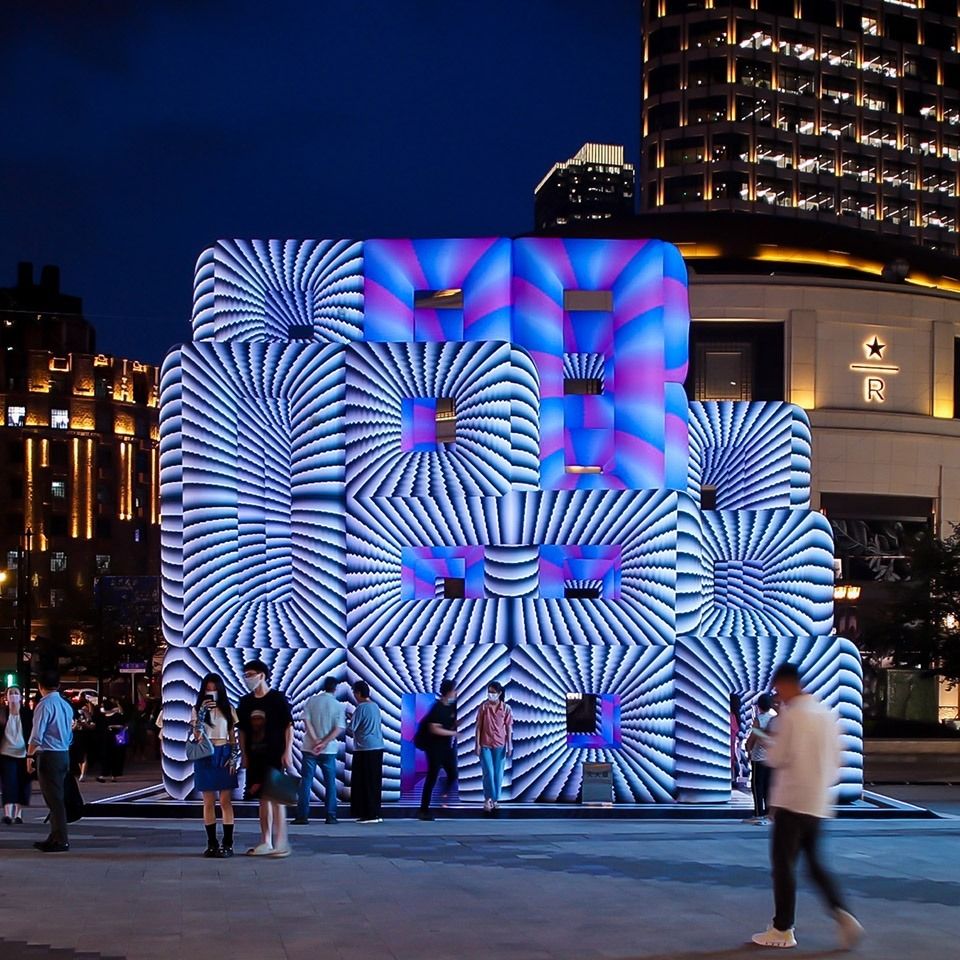
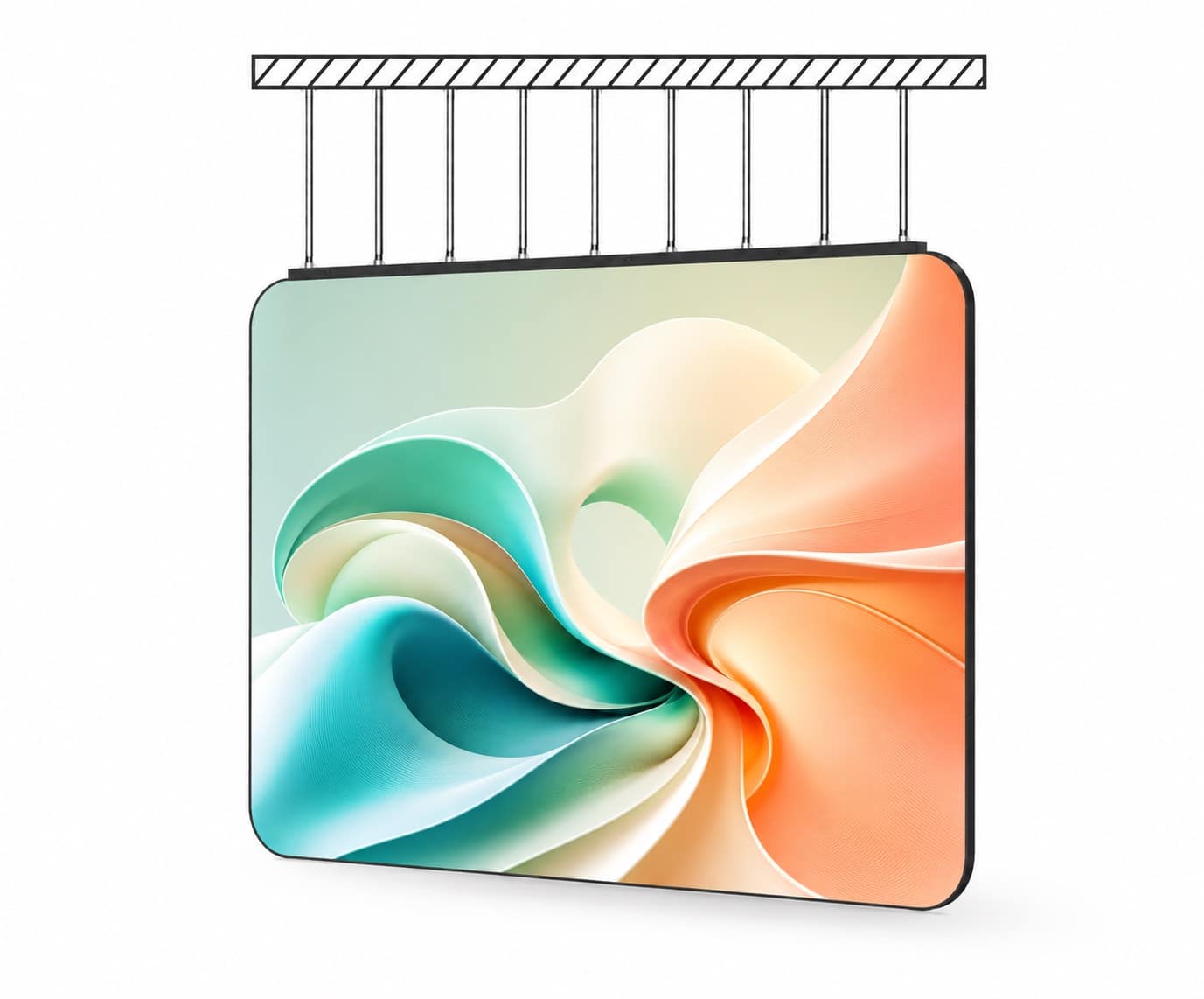
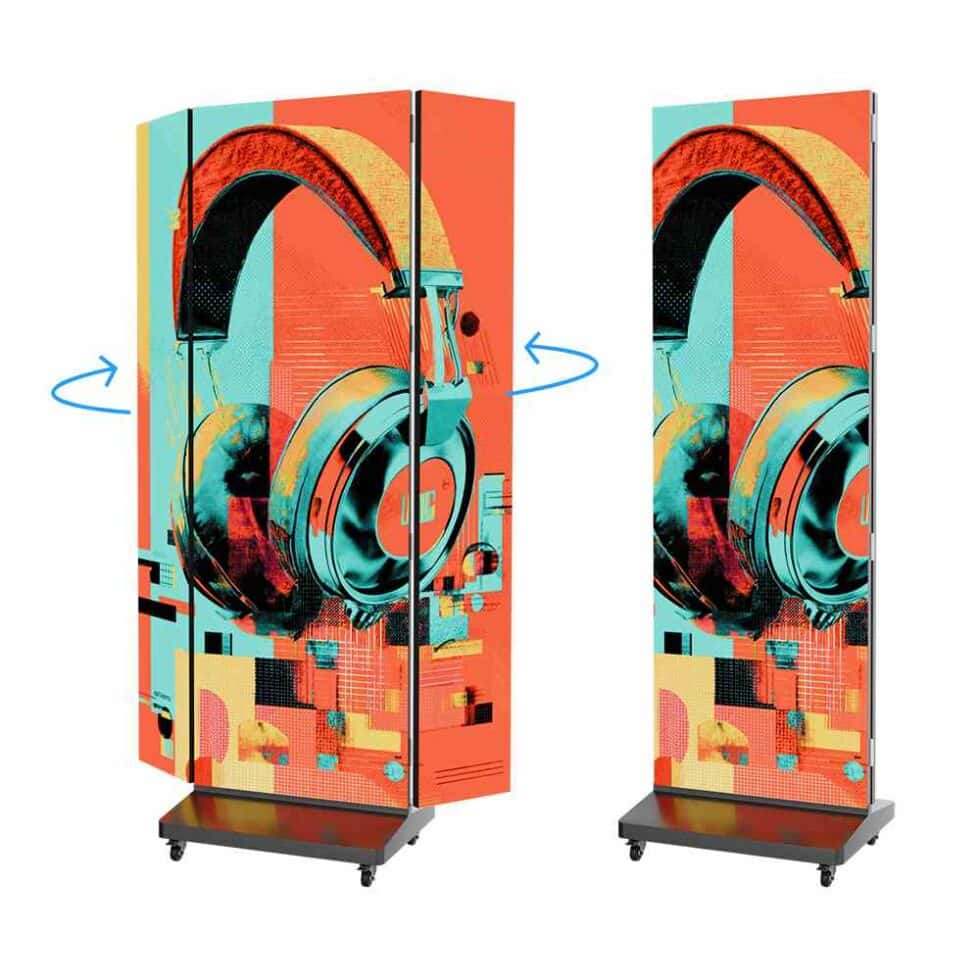
Modularity is another major benefit. Walls can be built to custom sizes, wrapped around columns, curved, or integrated into windows and facades.
Longevity matters too. High-quality LED systems are designed for long operational hours with replaceable modules, which makes maintenance far more manageable than replacing entire displays.
This LED video wall buyer’s guide also highlights something less discussed: psychological impact. Large, seamless visuals command attention in ways smaller screens simply don’t.
Indoor vs Outdoor vs Transparent LED Walls
Not all LED walls are interchangeable.
Indoor LED walls prioritize pixel density and color accuracy. Outdoor walls focus on brightness, weather resistance, and durability.
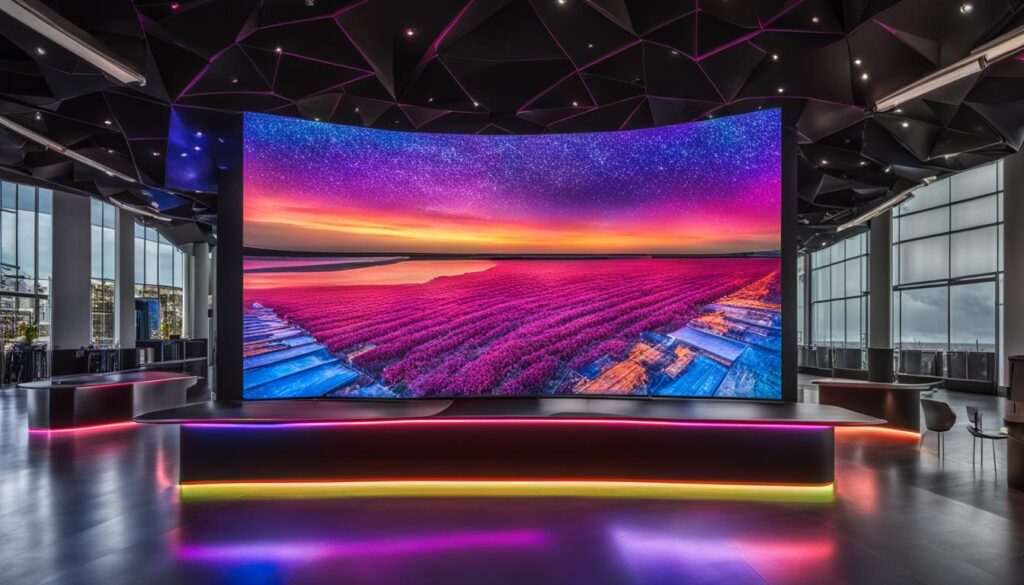
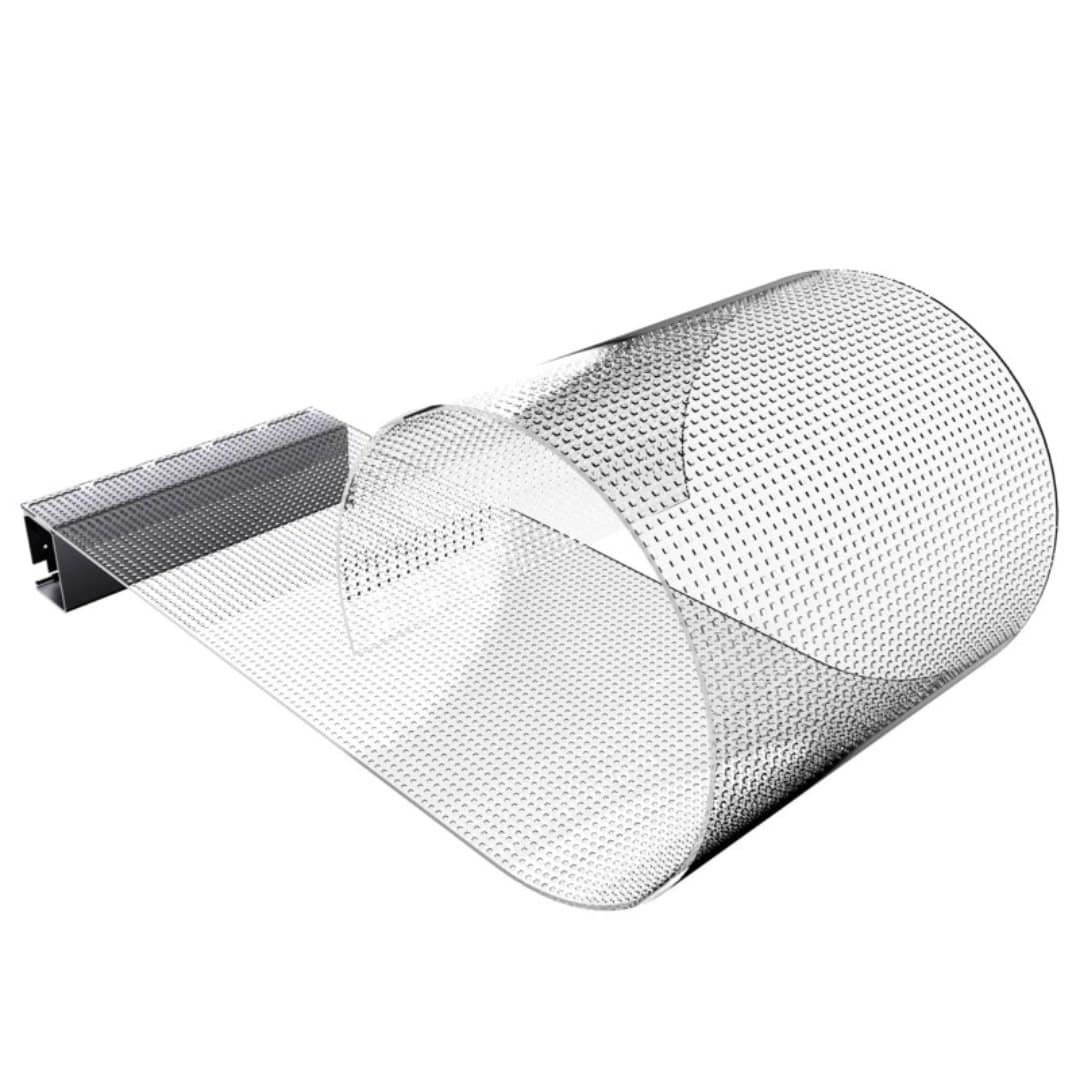
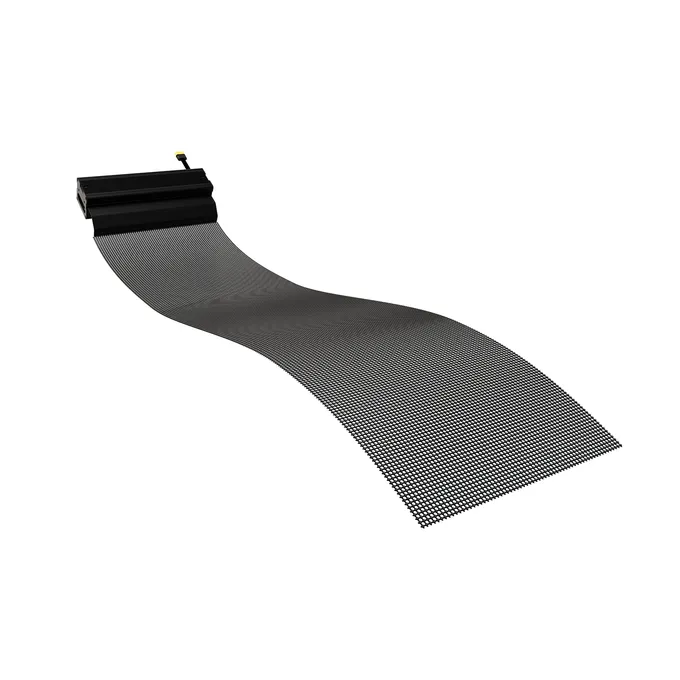
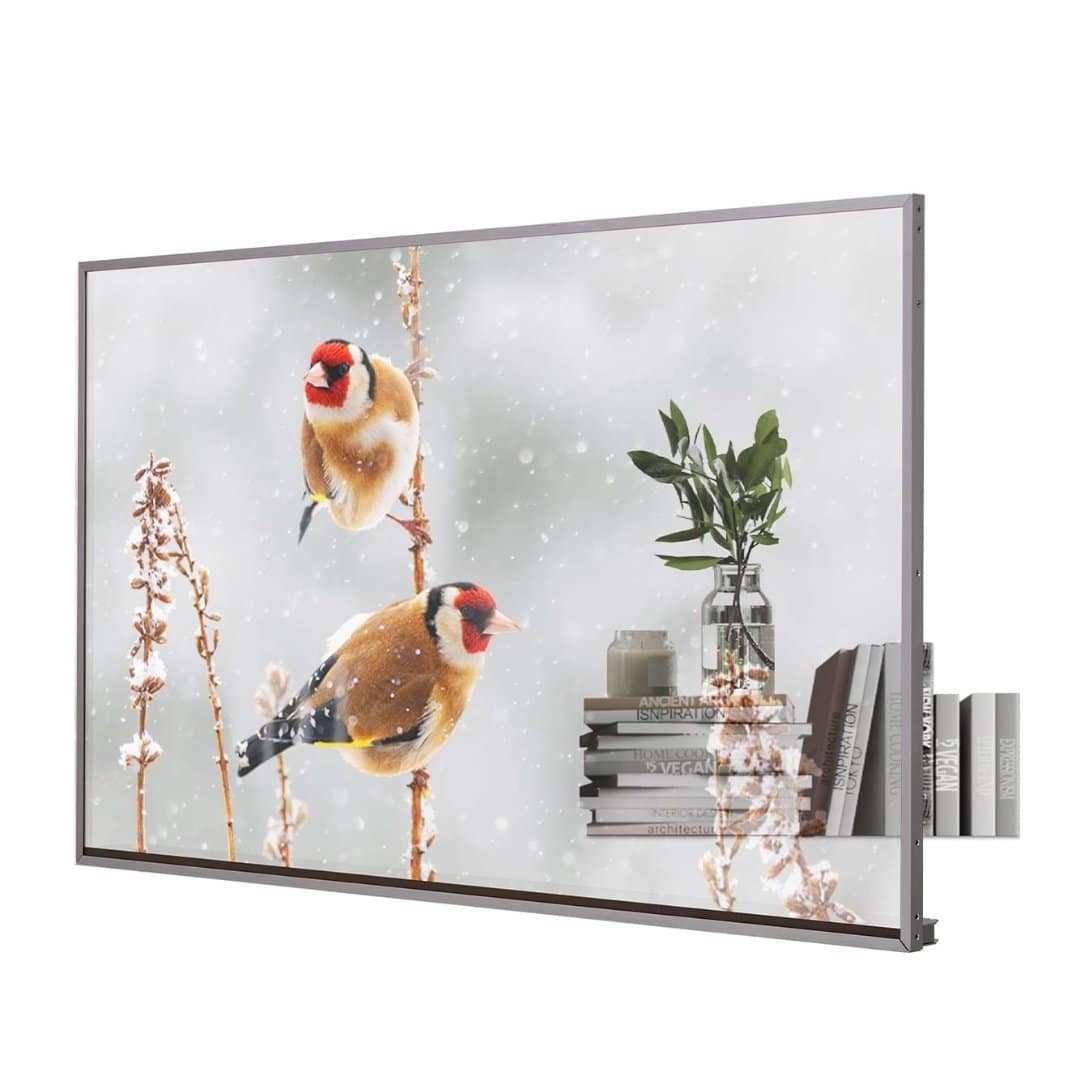
Transparent LED walls sit in a category of their own. They allow light to pass through, making them ideal for storefront windows, glass facades, and spaces where visibility matters as much as content.
Choosing between these isn’t just about location. It’s about what role the wall plays in the environment. A storefront display has different demands than a corporate lobby or live event stage.
A practical LED video wall buyer’s guide always starts with use case, not technology.
Content and Control: The Part Most Buyers Underestimate
Hardware gets most of the attention, but content management often determines whether an LED wall feels powerful or frustrating.
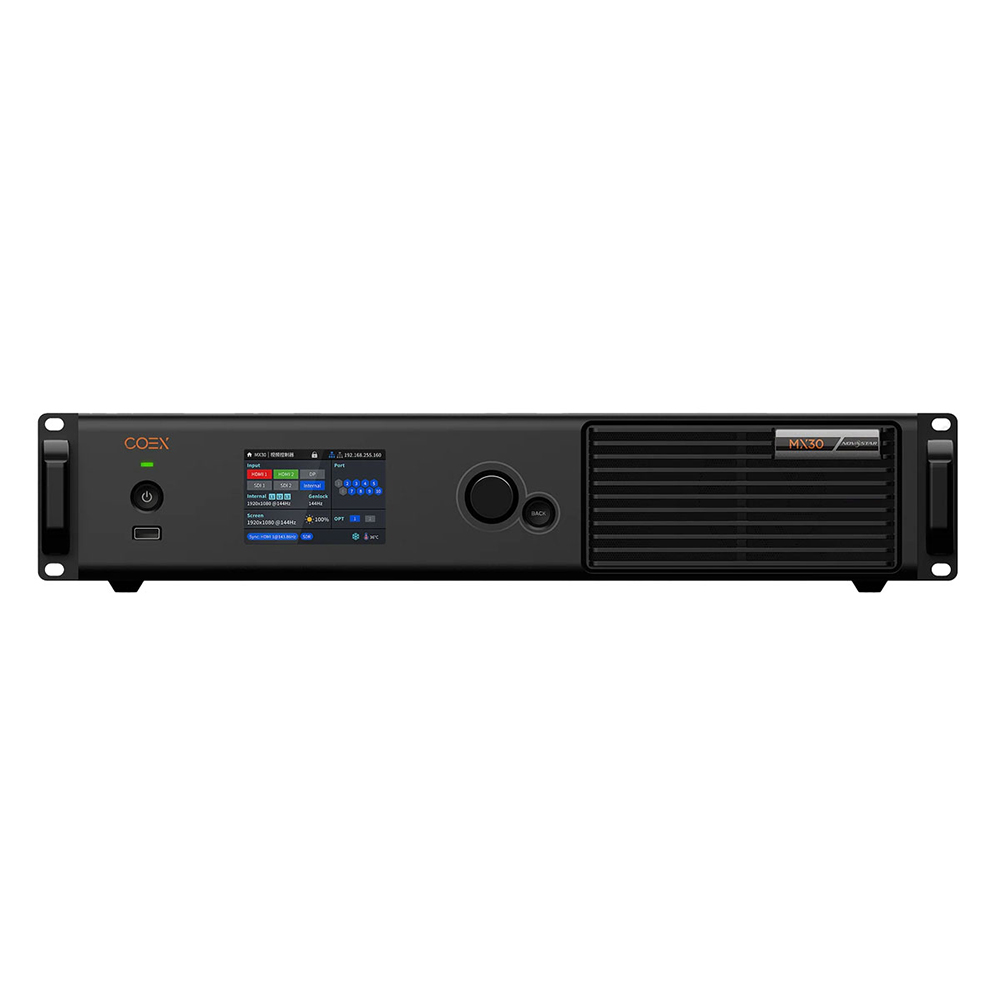
Modern LED walls rely on processors and software platforms that control resolution, scaling, and scheduling. Some systems are built for live video. Others excel at digital signage or interactive content.
If your team struggles to update content or manage inputs, even the best wall will feel underwhelming.
This LED video wall buyer’s guide strongly encourages buyers to evaluate control systems early—ideally before hardware is finalized.
Installation: Where Experience Really Shows
Installing an LED video wall isn’t just hanging panels. It involves structural engineering, electrical planning, airflow management, and precise alignment.
Transparent LED walls, in particular, require coordination with architects, contractors, and sometimes city inspectors. The cleanest installs are almost invisible from a technical standpoint—which is exactly the point.
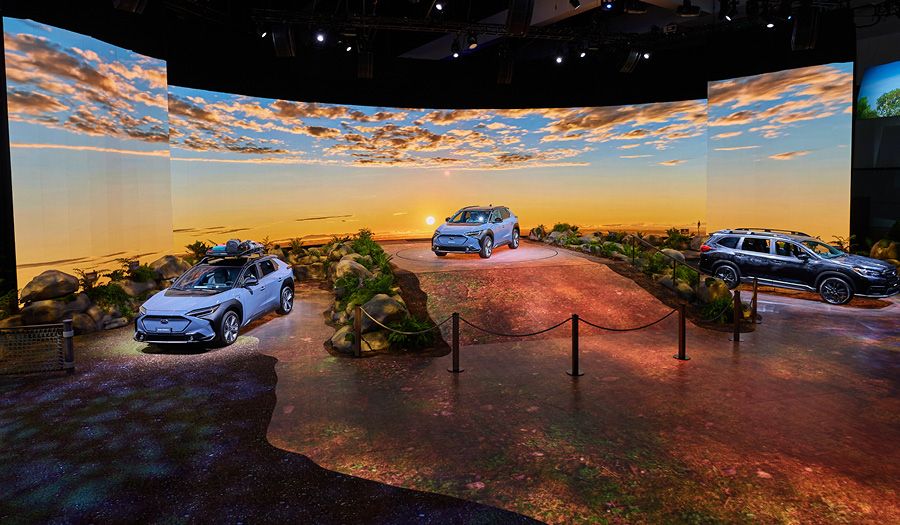
Problems tend to appear months later when shortcuts were taken early.
A seasoned LED video wall buyer’s guide doesn’t sugarcoat this: the installer matters as much as the product.
Maintenance, Repairs, and Long-Term Ownership
LED walls are durable, but they aren’t maintenance-free. Modules occasionally fail. Power supplies age. Calibration drifts over time.
The good news is that modern systems are modular, meaning individual components can be replaced without dismantling the entire wall.
When evaluating vendors, ask about:
- Spare parts availability
- Response times
- On-site vs remote diagnostics
- Long-term service agreements
This LED video wall buyer’s guide treats maintenance as part of ownership, not an afterthought.
Common Buying Mistakes to Avoid
Some patterns come up again and again.
Buying based on lowest price almost always leads to compromises in brightness, color consistency, or reliability.
Over-specifying resolution without considering viewing distance wastes budget.
Ignoring content workflow creates operational headaches.
And perhaps most common: treating an LED wall like a commodity instead of a system.
Avoiding these mistakes is often the difference between a wall that quietly does its job and one that becomes a talking point for the wrong reasons.
That’s why this LED video wall buyer’s guide exists—to help buyers slow down just enough to make better decisions.
A Note on Working with SeeThru Displays
At SeeThru Displays, the focus has always been on solutions that integrate cleanly into real spaces—especially transparent and architectural LED systems where aesthetics matter as much as performance.
Not every project needs the most advanced technology, but every project benefits from honest guidance and careful planning. That philosophy tends to resonate with clients who want displays that feel intentional, not overdone.
If you’re exploring LED video walls in 2025 and want straightforward advice without pressure, that kind of conversation usually starts long before a quote is written.